...

FAQs On Lava Monastery

Lava, West Bengal, India
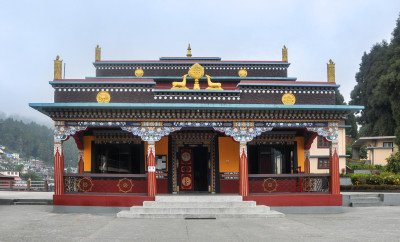
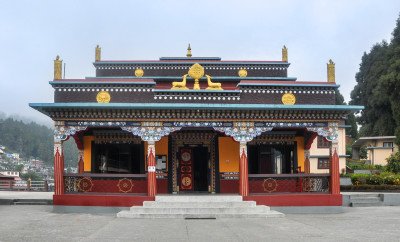
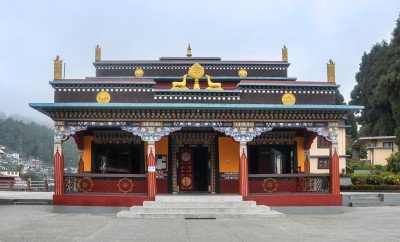
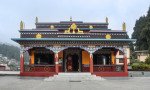
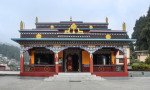
The Kagyu Thekchen Ling Monastery, simply known as Lava Monastery, is the beating spiritual heart of the small forest town. Situated on a ridge line and surrounded by deep, quiet conifer forests, the monastery belongs to the Karma Kagyu lineage of Tibetan Buddhism. Its location, slightly elevated fr om the main town center, provides a palpable sense of peace and isolation, which is highly conducive to meditation and spiritual study. The monastery is not only a center for learning and worship for the resident young monks but also a vibrant cultural landmark that beautifully showcases the colorful and intricate traditions of Tibetan art and architecture. The complex is dominated by a large, main prayer hall (Gompa), which is home to a magnificent, large statue of Lord Buddha and walls adorned with exquisite murals (Thangkas) depicting various Bodhisattvas and scenes from Buddhist cosmology. Visiting the monastery offers a chance to observe the daily routines of the monks, including the rhythmic chanting and the playing of traditional instruments. Due to its peaceful setting and the sound of the wind through the surrounding pine trees, the monastery often feels miles away from the modern world, making it an essential stop for travelers seeking both cultural enrichment and spiritual tranquility within the mystical environment of the Eastern Himalayas.

Ans:- Lava Monastery, also known as the Kagyu Thekchen Ling Monastery, was established to serve the spiritual needs of the local Tibetan community and preserve their rich Buddhist heritage in the region. It follows the Nyingma or Kagyu school of Tibetan Buddhism. Over the years, it has become a significant center for learning, meditation, and spiritual practice. The architecture and the serene atmosphere reflect the dedication of the monks and followers who have worked to maintain this peaceful sanctuary nestled amidst the clouds of Lava.

Ans:- The best time to visit the monastery is throughout the year, but the weather is most pleasant from March to June and September to December. Mornings are particularly serene and ideal for experiencing the calm atmosphere and hearing the monks chant. During winter, the monastery offers a mystical experience as it is often covered in thick fog or mist. Visitors should aim to visit during daylight hours to fully appreciate the intricate architecture, vibrant prayer flags, and the stunning mountain views surrounding the monastery complex.

Ans:- Generally, there is no formal entry fee to visit the main grounds of the Lava Monastery. However, visitors are encouraged to make a voluntary contribution or donation at the donation box to support the maintenance of the monastery and the welfare of the monks living there. Always carry some cash for this purpose. It is important to remember that this is a place of worship, so visitors should maintain silence, dress modestly, and respect the religious practices and the sanctity of the space at all times.

Ans:- The monastery showcases traditional Tibetan Buddhist architecture, characterized by colorful woodwork, intricate carvings, and classic pagoda-style roofing. The prayer hall is adorned with beautiful thangkas, vibrant wall paintings, and golden statues of Lord Buddha and other deities. The entire structure is designed to promote tranquility and meditation, with large windows or open spaces that allow for natural light and ventilation. The vibrant prayer flags fluttering in the mountain breeze further enhance the spiritual and visual appeal of the site, making it a must-visit for lovers of art and culture.

Ans:- Yes, visitors are often welcome to observe the morning prayers at the monastery, provided they do so quietly and without causing any disturbance to the monks. Watching the monks perform their rituals and hearing the rhythmic chanting can be a deeply moving and peaceful experience. It is important to ask for permission if you wish to take photographs, especially inside the prayer hall, as some areas may be restricted. Always remove your shoes before entering the prayer hall and follow the instructions provided by the monastery staff or monks present.

Ans:- Photography is generally allowed on the monastery premises, but it is strictly prohibited inside the main prayer hall where sacred statues and paintings are located. Always look for signage or ask the monks before taking photos to ensure you are not violating any local customs or rules. Even when photography is allowed, be respectful and avoid using flash, which can be distracting and damaging to ancient artworks. Respecting these boundaries helps preserve the sanctity of the religious space and the peace sought by the monks and other visitors.

Ans:- When visiting the monastery, it is respectful to dress modestly, covering your shoulders, chest, and legs. Avoid wearing sleeveless tops, short skirts, or revealing clothing, as this is a religious site where local customs are highly valued. Wearing comfortable, layered clothing is also practical due to the changing mountain weather. Since you will be required to remove your shoes before entering the prayer halls, it is a good idea to wear socks, as the floors can be quite cold, especially during the winter months or early morning hours.

Ans:- Lava Monastery is located within easy walking distance or a very short drive from the main market area of Lava town. If you are staying in a hotel or homestay in Lava, you can simply walk to the monastery, which is a pleasant experience given the cool, pine-scented air. For those arriving by taxi, the driver can drop you off right at the entrance. It is well-marked, and locals are always happy to point you in the right direction if you are unsure of the path.

Ans:- There are no formal guided tours run by the monastery itself, but many local taxi drivers or travel agents in Lava can provide basic information and guide you to the location. If you want a deeper understanding of the history, rituals, and architecture, you might consider hiring a local guide who can explain the significance of the various statues and paintings. However, most visitors enjoy exploring the monastery at their own pace, soaking in the peace and the panoramic views without needing a formal guide to appreciate its beauty.

Ans:- The colorful prayer flags seen around the monastery are an integral part of Tibetan Buddhist culture. They are believed to spread blessings, peace, and goodwill into the atmosphere through the wind. Each color represents an element—blue for sky, white for air, red for fire, green for water, and yellow for earth. As the wind blows through the flags, the prayers printed on them are believed to be carried far and wide. They are also a symbol of spiritual harmony and are placed in high, open areas to maximize their intended effect.

Ans:- There are a few small shops near the entrance of the monastery and in the Lava market where you can purchase local handicrafts, prayer beads, incense sticks, and thangka paintings. These souvenirs are great for remembering your visit or for gifting. However, keep in mind that the primary purpose of the area is spiritual, so ensure that your shopping activities do not disrupt the quiet and sanctity of the place. Supporting local artisans by buying these items is a wonderful way to contribute to the local community's livelihood.

Ans:- A visit to Lava Monastery typically takes about 1 to 2 hours, depending on how much time you spend admiring the architecture, taking in the views, and sitting in meditation. Many visitors find the atmosphere so peaceful that they end up staying longer, simply reflecting or enjoying the quiet mountain breeze. If you are planning to visit during the prayer sessions, you might want to factor in a bit more time. It is a place best explored slowly, without rushing, allowing you to fully absorb the spiritual calm of the environment.

Ans:- Yes, the monastery is generally accessible for elderly people, though there may be some stairs or inclines to navigate depending on the specific entry point. The pathways are mostly paved and well-maintained. It is advisable to walk slowly and take breaks if needed. Since the weather can be chilly and the altitude can be slightly taxing, ensure your older companions are wearing warm clothes and are well-rested. It is a wonderful, peaceful place for all ages, provided you take your time and do not overexert yourselves while moving around the complex.

Ans:- You may see monks going about their daily routines at the monastery. While they are generally polite and kind, it is important to remember that they are busy with their spiritual practices and responsibilities. If you wish to interact, keep your conversation brief, respectful, and polite. Avoid asking intrusive or personal questions. Often, a warm smile and a polite greeting are enough to show your respect. If a monk is in the middle of a ritual or study, do not interrupt them, as their focus is vital for their spiritual development.

Ans:- The monastery observes several important Tibetan Buddhist festivals throughout the year, such as Losar (Tibetan New Year) and other significant religious anniversaries. During these times, the monastery is beautifully decorated with lights, flowers, and traditional banners. Special prayers, butter lamp lighting, and sometimes traditional mask dances (Cham) are performed. Visiting during these festivals can be a colorful and culturally enriching experience, though the monastery may also be more crowded. If you plan to visit during these times, it is advisable to check the local calendar and plan your accommodation and transport well in advance.

Lava Itineray And Cost:-

Information about New and Updated Locations() of West Bengal Has Been Added :-
Card subtitle

Note:-

Information provided here in good Faith and for reference only.

All information and pictures will be updated soon, please keep visiting.

Near Places
...
Changey Waterfall

Some quick example text to build on the card title and make up the bulk of the card's content.

Go somewhere

...
Ghanti Dara View Point

Some quick example text to build on the card title and make up the bulk of the card's content.

Go somewhere
...
Kagyu Thekchen Ling Monastery

Some quick example text to build on the card title and make up the bulk of the card's content.

Go somewhere
...
Kolakham Village

Some quick example text to build on the card title and make up the bulk of the card's content.

Go somewhere
...
Lava Monastery

Some quick example text to build on the card title and make up the bulk of the card's content.

Go somewhere
...
Nature Interpretation Centre

Some quick example text to build on the card title and make up the bulk of the card's content.

Go somewhere
...
Neora Valley National Park Entry Gate

Some quick example text to build on the card title and make up the bulk of the card's content.

Go somewhere
...
Rishyap

Some quick example text to build on the card title and make up the bulk of the card's content.

Go somewhere
...
Tiffin Dara Viewpoint

Some quick example text to build on the card title and make up the bulk of the card's content.

Go somewhere
...
Trek to Neora Valley Core Zone

Some quick example text to build on the card title and make up the bulk of the card's content.

Go somewhere
in Other Cities