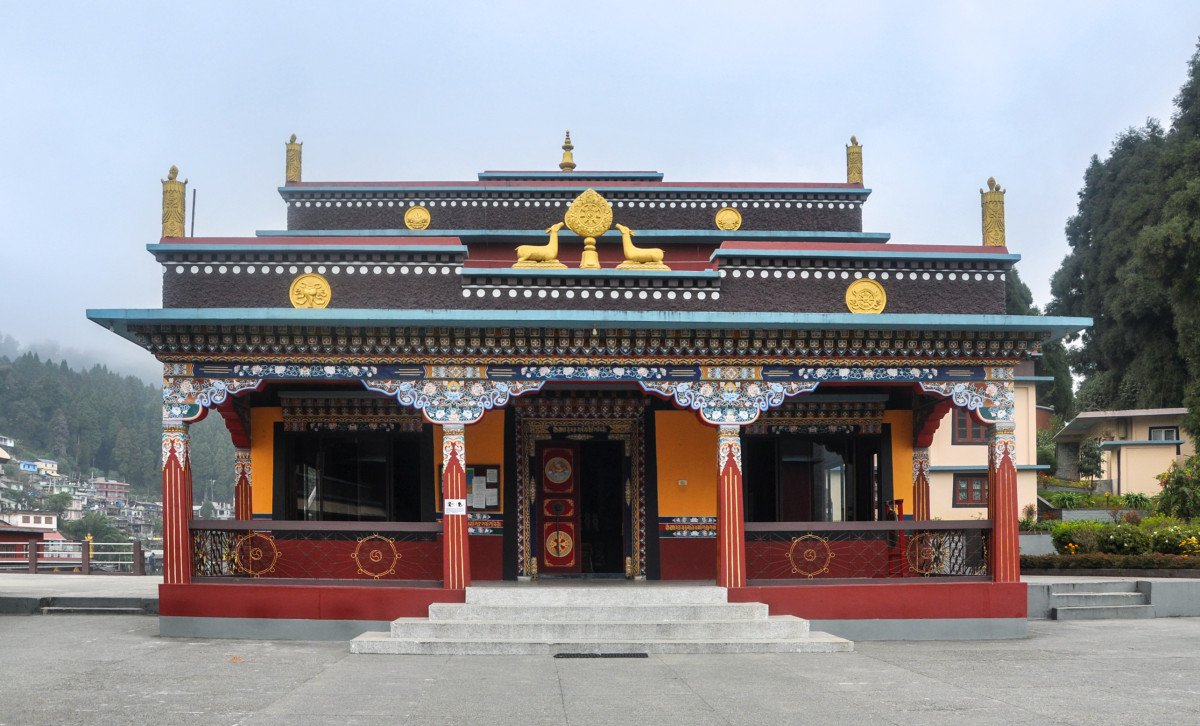
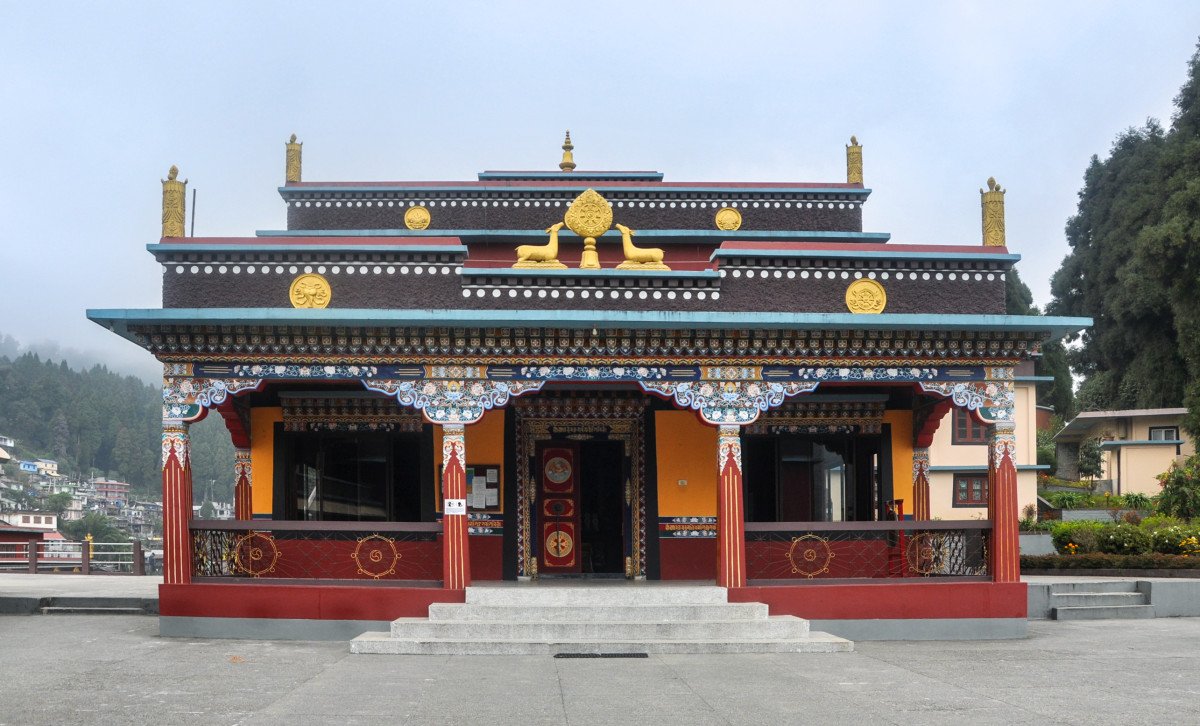
Kagyu Thekchen Ling Monastery
General information
-
Ideal Duration:
1 to 2 Hours for a complete visit and quiet contemplation.Place Type:
Religious, Cultural, Architectural, Educational.Entry Fees:
No Fixed Entry Fee: There is generally no mandatory entry fee to visit the Lava Jamgyong Kongtrul Monastery. As a religious site, it operates on the principle of open access for all devotees and visitors.
Voluntary Donation Encouraged: Vis...No Fixed Entry Fee: There is generally no mandatory entry fee to visit the Lava Jamgyong Kongtrul Monastery. As a religious site, it operates on the principle of open access for all devotees and visitors.
Voluntary Donation Encouraged: Visitors are highly encouraged to make a voluntary donation towards the maintenance of the monastery, the upkeep of the buildings, the education of the monks, and the general charitable activities of the community. A donation box is typically placed at the entrance or near the main altar. Any amount is appreciated as a gesture of support.
Photography/Video Charges: There are sometimes small, optional charges for using professional photography equipment or video cameras within the complex, although for simple mobile/handheld camera use, it is usually free. It is best to inquire politely before commencing any serious photography project.Timing:
Regular Timings: The Kagyu Thekchen Ling Monastery is generally open to visitors from early morning, typically around 8:00 AM, until early evening, usually closing around 5:00 PM or 6:00 PM. Monastic schedules may dictate slight variations, especially during prayer times, b...Regular Timings: The Kagyu Thekchen Ling Monastery is generally open to visitors from early morning, typically around 8:00 AM, until early evening, usually closing around 5:00 PM or 6:00 PM. Monastic schedules may dictate slight variations, especially during prayer times, but access to the main compound is usually consistent within this window.
Ideal Visit Time: The best time to visit is during the early morning hours (e. g. , 8:30 AM to 10:00 AM) when the monks are often engaged in their morning chanting and prayers, offering a more spiritually authentic experience. The light during this time is also excellent for photography. Alternatively, a late afternoon visit is peaceful, and the light is soft, but you must ensure you leave before closing time.
Monk's Daily Schedule Consideration: Visitors should be mindful of the monk's daily schedule. The period around lunch (12:00 PM to 1:00 PM) or during evening prayer sessions might involve restricted access to certain areas. A visit of around 1 to 2 hours is ideal to fully appreciate the architecture and atmosphere without rushing.Special Events:
Lhosar (Tibetan New Year) Celebration: The most significant and colorful special event is the celebration of Lhosar, the Tibetan New Year, typically falling between February and March. This event is marked by elaborate religious ceremonies, traditional chanting, masked danc...Lhosar (Tibetan New Year) Celebration: The most significant and colorful special event is the celebration of Lhosar, the Tibetan New Year, typically falling between February and March. This event is marked by elaborate religious ceremonies, traditional chanting, masked dances (Chham), and large gatherings of the local community. The monastery grounds become a hub of cultural activity, with monks and devotees wearing vibrant traditional clothes. Special prayers are held for peace and prosperity for the coming year. The atmosphere is joyous, spiritual, and provides a rare glimpse into the depth of the local Buddhist cultural heritage. Tourists attending should observe with respect, as it is a deeply religious and communal holiday.
Ch khor D chen Anniversary: The monastery's opening on June 6, 1990, coincided with Ch khor D chen, a major Buddhist festival that commemorates the Buddha's first teaching. While the exact date might vary depending on the lunar calendar, the monastery marks this day with special prayers, religious discourses, and celebratory activities. This is a time when the spiritual energy of the monastery is particularly high, offering visitors a powerful and memorable religious experience focused on the teachings and the spreading of the Dharma.Best Photo Spots:
Main Prayer Hall Facade with the Forest Backdrop: The most iconic shot is capturing the full, colorful facade of the main prayer hall. Position your shot to include the deep green, misty Pine forest rising up behind the monastery. The contrast of the vivid Tibetan reds, go...Main Prayer Hall Facade with the Forest Backdrop: The most iconic shot is capturing the full, colorful facade of the main prayer hall. Position your shot to include the deep green, misty Pine forest rising up behind the monastery. The contrast of the vivid Tibetan reds, golds, and blues against the natural greens makes for a stunning, high-contrast photograph. The morning light is often best, as it illuminates the gold adornments.
The Rows of Prayer Wheels and Monastic Walkway: Focus on the rows of Mane (prayer wheels) along the monastery walls. A good photo involves a close-up of the wheels, perhaps with a monk or a devotee spinning them, giving a sense of action and devotion. The repetitive pattern of the wheels and the texture of the old wood or brass provide excellent compositional elements.
Interior Shot of the Large Buddha Statue: Respectfully capture the grandeur of the large Buddha statue inside the main prayer hall. (Always check if photography is permitted inside). A wide-angle lens can help capture the statue, the altar, and the beautiful surrounding murals simultaneously. The dim, warm interior lighting creates a devotional and moody atmosphere.Photo Gallery
Things To Do
-
Attend the Daily Prayers and Chanting: One of the most enriching experiences is to respectfully witness or attend the daily prayer sessions (Pujas) performed by the monks. The rhythmic chanting, the deep sound of the horns and drums, and the collective devotion create an atmosphere of intense spirituality. It offers a direct, immersive contact with the Tibetan Buddhist cultural and religious practice. Visitors should inquire politely about the times and ensure they maintain silence and respect during the ceremony.
Study the Tibetan Architecture and Symbolism: Take time to walk around the complex, observing the vibrant Tibetan architecture. Focus on the symbolic use of colors (red for fire/life, gold for royalty/enlightenment) and the intricate wooden carvings on the windows and doors. The structure itself is a work of art, ...Attend the Daily Prayers and Chanting: One of the most enriching experiences is to respectfully witness or attend the daily prayer sessions (Pujas) performed by the monks. The rhythmic chanting, the deep sound of the horns and drums, and the collective devotion create an atmosphere of intense spirituality. It offers a direct, immersive contact with the Tibetan Buddhist cultural and religious practice. Visitors should inquire politely about the times and ensure they maintain silence and respect during the ceremony.
Study the Tibetan Architecture and Symbolism: Take time to walk around the complex, observing the vibrant Tibetan architecture. Focus on the symbolic use of colors (red for fire/life, gold for royalty/enlightenment) and the intricate wooden carvings on the windows and doors. The structure itself is a work of art, with the design reflecting Buddhist cosmological principles. Photograph the distinct rooflines and the majestic main entrance for their architectural beauty.
Circumambulate the Monastery and Prayer Wheels: Following the Buddhist tradition, visitors can circumambulate the monastery in a clockwise direction. As you walk, spin the rows of prayer wheels along the walls, which contain rolled-up mantras. This act is believed to accumulate positive karma and is a peaceful, meditative activity that connects you with the local religious custom. Remember to walk clockwise as a sign of respect.
Engage in Quiet Meditation and Reflection: The peaceful environment is perfect for personal meditation or quiet reflection. Find a quiet spot in one of the sitting areas or near the Mane Lhakhang and simply absorb the calmness. The air is fresh and the natural sounds of the forest provide a perfect backdrop for mindfulness and introspection, a welcome contrast to the hustle of city life.
Photography of the Scenic Backdrop: The monastery, set against the backdrop of the dense Neora Valley forest and often misty mountains, is a photographer's dream. Capture the contrast between the colorful building and the green landscape. The rising or setting sun often casts a beautiful light on the structure, offering spectacular photo opportunities.
Learn About Local Conservation Efforts: Since the monastery is located near the Neora Valley National Park, it often hosts displays or has information relating to the conservation of the local environment, flora, and fauna, including the endangered Red Panda. This provides an educational opportunity to learn about the importance of protecting the Eastern Himalayan ecosystem.
Interact with the Monks (Respectfully): If a monk is not busy, a brief, respectful interaction can be very rewarding. Monks are often happy to share insights into their daily life, the history of the monastery, or basic principles of Buddhism. This cultural exchange should be initiated with politeness and deep respect for their spiritual discipline.
Hotels
● Evri Hotel and Resorts
Address: Kalimpong Highway, near Lava entrance, Kalimpong, West Bengal 734319
Distance: 2.0 KM
Details: Evri Hotel and Resorts is an upscale luxury resort offering elegant accommodations and modern amenities near Lava. Designed with a perfect blend of mo...
● Feathers India Home Stay
Address: Lava Bazar D.I.F., adjacent to Monastery Gate, Kalimpong, West Bengal 734319
Distance: 0.2 KM
Details: Feathers India Home Stay is a cozy budget property offering friendly local hospitality and clean rooms in Lava Bazar. Positioned very close to the mai...
● Golden Kuensel Resort and Spa
Address: Delo Road, near Kalimpong viewpoint, Kalimpong, West Bengal 734301
Distance: 16.5 KM
Details: Golden Kuensel Resort and Spa is an exquisite premium luxury resort providing world-class facilities and comfort near Lava. The resort is designed to ...
● Hotel Shantiniketan Inn
Address: Lava Bazar D.I.F., near Forest range office, Kalimpong, West Bengal 734319
Distance: 0.3 KM
Details: Hotel Shantiniketan Inn is a reliable budget-friendly hotel offering comfortable rooms and prompt service in Lava Bazar. Ideal for leisure travelers a...
● Lava Hills Heaven Homestay
Address: Lava Bazar, adjacent to Kagyu Monastery, Kalimpong, West Bengal 734319
Distance: 0.1 KM
Details: Lava Hills Heaven Homestay is a budget property offering comfortable rooms and scenic valley views near Lava Monastery. This family-run homestay focus...
● Mayfair Himalayan Spa Resort
Address: The Mall, Opp. Governor House, Kalimpong, West Bengal 734301
Distance: 19.5 KM
Details: Mayfair Himalayan Spa Resort is a world-class five-star luxury resort located in nearby Kalimpong, easily accessible from Lava. Set amidst beautifully...
● Sinclairs Retreat Kalimpong
Address: Chhibo Road, Kalimpong, West Bengal 734301
Distance: 19.2 KM
Details: Sinclairs Retreat Kalimpong is a premier luxury resort offering high-end comfort and magnificent views within easy reach of Lava. Spread over sprawlin...
● The Chhuti
Address: Lava Bazar Road, close to Jeep Stand, Kalimpong, West Bengal 734319
Distance: 0.4 KM
Details: The Chhuti is an affordable, neatly maintained budget homestay located near the scenic markets of Lava Bazar. It is highly popular among solo backpack...
● Windsongs Homestay
Address: Ringkingpong Road, near Kalimpong Town, Kalimpong, West Bengal 734301
Distance: 19.0 KM
Details: Windsongs Homestay is a highly rated premium luxury homestay offering supreme comfort and scenic tranquility near Lava. Nestled in a quiet mountain se...
● Yashshree Resort & Spa
Address: Motor Stand Road, Kalimpong, West Bengal 734301
Distance: 19.1 KM
Details: Yashshree Resort & Spa is a highly popular luxury resort that offers premium comforts and complete relaxation near Lava. This beautifully designed pro...
Show AllRestaurants
● China Garden Restaurant
Address: Lava Bazaar, Kalimpong, West Bengal
Distance: 0.3 KM
Details: China Garden Restaurant is a popular spot serving delicious Chinese delicacies. Their flavorful Chilli Chicken and Hakka Noodles are famous among visi...
Food List: Chilli Chicken, Hakka Noodles, Manchurian, Soups ...
● Dining Cliff Cafe
Address: Lava, West Bengal
Distance: 0.8 KM
Details: Dining Cliff Cafe is known for its hospitality and snacks. A Must Try here is their hot Masala Chai served with crunchy Vegetable Pakoras....
Food List: Masala Chai, Vegetable Pakoras, Samosas, Coffee '...
● Gompu’s Bar and Restaurant
Address: Lava/Kalimpong Area, West Bengal
Distance: 1.0 KM
Details: Gompu’s Bar and Restaurant specializes in multi-cuisine platters. It is a Must Try for those seeking a hearty Indian Thali or traditional Tibetan sn...
Food List: Indian Thali, Momos, Thukpa, Dal Bhat '...
● Hector’s Bake 2 Cake
Address: Lava Market, West Bengal
Distance: 0.5 KM
Details: Hector’s Bake 2 Cake is a charming bakery. They are famous for their Must Try signature Chocolate Cake and freshly prepared artisan breads....
Food List: Chocolate Cake, Artisan Bread, Cupcakes, Brownies...
● Kafal Cafe
Address: Lava Road, Kalimpong, West Bengal
Distance: 0.5 KM
Details: Kafal Cafe provides a cozy atmosphere perfect for snacks. This place is famous for fresh coffee and Must Try locally baked Pastries....
Food List: Coffee, Pastries, Sandwiches, Cookies '...
Show AllInformation
-
Why Famous:
Gateway to Neora Valley National Park: The monastery is famed for its unique location, serving as the spiritual entry point to the Neora Valley National Park. It is a perfect spot for travelers to transition from the buzz of the town to the tranquility of the dense natural ...Gateway to Neora Valley National Park: The monastery is famed for its unique location, serving as the spiritual entry point to the Neora Valley National Park. It is a perfect spot for travelers to transition from the buzz of the town to the tranquility of the dense natural forest, symbolizing the harmony between human spirit and wilderness. This special geographic position adds to its appeal as an essential stop on the Lava-Loleygaon-Rishyap circuit.
Center for Buddhist Learning and Preservation: It is one of the most prominent monasteries in the region, established by the respected 3rd Jamgon Kongtrul Rinpoche to preserve the Kagyu lineage and local Buddhist traditions. The presence of a large, active monastic community ensures that the chants, rituals, and teachings of Tibetan Buddhism are alive and accessible. Visitors are often privileged to witness the daily prayers and routines, making it a very authentic cultural experience.
Exceptional Tibetan Architecture and Art: The monastery is celebrated for its stunning Tibetan architectural style. The bright, contrasting colors and the intricate artwork, including the beautiful murals and a large Buddha statue, are highly admired. The building is a major draw for architecture and photography enthusiasts, as its colorful, detailed design stands out brilliantly against the evergreen, misty backdrop of the Himalayan forest. -
Architecture:
The architecture of the Kagyu Thekchen Ling Monastery distinctly follows traditional Tibetan Buddhist styles, adapted for the Himalayan environment.
Architectural Style and Materials: The monastery's main buildings are constructed primarily using brick and concrete...The architecture of the Kagyu Thekchen Ling Monastery distinctly follows traditional Tibetan Buddhist styles, adapted for the Himalayan environment.
Architectural Style and Materials: The monastery's main buildings are constructed primarily using brick and concrete, which provides stability against the often harsh mountain weather. This modern foundation is then overlaid with the rich, symbolic design elements characteristic of Tibetan monastic architecture. The structure is immediately recognizable by its bright, colorful appearance, featuring deep reds, golds, and blues on the exterior woodwork and murals. The vibrant color palette is not merely decorative but serves a deep symbolic purpose in Vajrayana Buddhism. The main building typically rises in several tiers, with a distinctive, sloping roofline often adorned with traditional Chinese or Himalayan-style eaves.
Key Architectural Components: The complex includes several prayer halls (Gompas) where the monks congregate for chanting and meditation. These halls house religious artifacts and large-scale murals depicting Buddhist deities, mandalas, and scenes from the Buddha's life. A central feature is a large Buddha statue, often gilded, which forms the focus of worship and meditation. The main doors and windows are framed by intricate, hand-painted wooden panels, showcasing superb local craftsmanship. Surrounding the main buildings are well-maintained lawns and sitting areas, designed for contemplation and daily monastic life.
Dimensional and Layout Overview: While exact dimensions are not publicly specified, the monastery was established on a plot of approximately four acres, indicating a substantial and sprawling complex that accommodates over 110 monks. The layout is designed to facilitate monastic life, with residential quarters (dormitories) separate from the main religious and administrative blocks. The orientation of the main temple is typically aligned with specific cosmological or geographical features, a common practice in Tibetan architecture. The overall height and grandeur of the main prayer hall are intended to inspire reverence and provide a commanding presence against the backdrop of the surrounding mountains. The later addition of the Mane Lhakhang (community temple) adjacent to the main structure shows the organic growth of the religious complex. The exterior walls often incorporate rows of prayer wheels, which visitors circumambulate, spinning the wheels for good karma. -
How To Reach:
By Air (Nearest Airport): The nearest airport is Bagdogra Airport (IXB), located near Siliguri. The distance from Bagdogra to Lava is approximately 120 kilometers. From the airport, visitors can hire a private taxi or a pre-booked car directly to Lava. The drive takes abo...By Air (Nearest Airport): The nearest airport is Bagdogra Airport (IXB), located near Siliguri. The distance from Bagdogra to Lava is approximately 120 kilometers. From the airport, visitors can hire a private taxi or a pre-booked car directly to Lava. The drive takes about 3. 5 to 4 hours, offering scenic views as the road ascends the hills. The airport is well-connected to major Indian cities like Delhi, Kolkata, and Guwahati.
By Train (Nearest Railway Station): The closest major railway station is New Jalpaiguri Junction (NJP), also located near Siliguri. The distance from NJP to Lava is approximately 110 kilometers. Similar to the airport, one can hire a private taxi or a shared jeep from the station premises. The road journey is also around 3. 5 to 4 hours and is the most common way for tourists arriving by rail to reach the hill station.
By Road (Major Road Access): Lava is about 32 kilometers from the major town of Kalimpong. The road is winding and mountainous but well-maintained for hill travel. From Siliguri or NJP, the route typically goes via Kalimpong or Gorubathan. Lava Jamgyong Kongtrul Monastery is located very close to the main Lava town/market, making it easily accessible once you arrive in Lava.
By Local Transport (Within Lava): Since the monastery is situated just a few minutes' walk from the main town center of Lava, the best way to reach it is on foot. No local taxi is needed from the main Lava market area. The walk is pleasant, taking you through the cool, misty air of the hillside. For those staying at the very edge of Lava, a local shared jeep or private hire can drop you nearby, but walking is the recommended and most enjoyable option. -
Weather and Best Time to Visit:
Spring (March to May): This is considered one of the best times to visit. The weather is very pleasant, with moderate temperatures and clear skies. It is the period when the Rhododendrons and Orchids in the surrounding forests, and on the way to nearby attractions, are in ...Spring (March to May): This is considered one of the best times to visit. The weather is very pleasant, with moderate temperatures and clear skies. It is the period when the Rhododendrons and Orchids in the surrounding forests, and on the way to nearby attractions, are in full bloom, making the entire landscape incredibly picturesque. This season is ideal for all activities, from quiet contemplation to trekking.
Autumn (October to November): Another excellent season is post-monsoon. The air is exceptionally clear, offering the best possible views of the Kanchenjunga range from nearby viewpoints, and the general atmosphere is crisp and refreshing. The heavy monsoon greenery remains, and the lack of rain makes for smooth travel.
Winter (December to February): The weather is cold, but the skies are usually clear, providing good mountain views. Lava often experiences snowfall during January and February, making the monastery and the surrounding forest look magical. However, it requires heavy woolens and some nearby trekking trails might be slippery.
Different Parts of the Day: Morning (8:30 AM to 10:00 AM) is the ideal time to catch the monks' morning chanting and the best light for photography. The monastery is quietest and most spiritual during these hours. -
Near Tourist Places:
Other Place Name Distance (in KMS) from Lava Town Center Neora Valley National Park (Entry Point) 2 KMS (Very Close to the monastery) Nature Interpretation Centre 0. 5 KMS (Walking distance) Rishyap (Rishop) (Village) 4 KMS (Steep walk/trek) Tiffin Dara Viewpoint 4 KMS (Via trek from Lava) Changey Waterfall 10 - 14 KMS (Via road/cab to Kolakham/Changey) Kolakham (Village) 10 KMS (Via road) Lolegaon (Village) 24 KMS (Via road) Charkhole (Village) 25 KMS (Via road) Pedong (Village) 20 KMS (Via road) Kalimpong (Town) 32 KMS (Via road)
Tourism Tips
-
Health & Safety:
High Altitude Awareness: Although Lava is not at an extremely high altitude, visitors from the plains should be aware that the elevation is over 7,000 feet. Take it easy on the first day, avoid strenuous activity immediately...Health & Safety:
High Altitude Awareness: Although Lava is not at an extremely high altitude, visitors from the plains should be aware that the elevation is over 7,000 feet. Take it easy on the first day, avoid strenuous activity immediately upon arrival, and drink plenty of water to prevent dehydration. The weather can change quickly, so be prepared for sudden drops in temperature.
Packing:
Dress Code and Warm Clothes: As a religious site, it is respectful to dress modestly, covering shoulders and knees. Since Lava is cold, even in summer, carry sufficient warm clothes, including a jacket, gloves, and a cap. Comfortable, sturdy shoes are essential for walking around the monastery and nearby areas like the forest trails.
Accommodation:
Stay in Lava: The best tip is to secure accommodation in Lava itself. There are many hotels, resorts, and homestays ranging from budget to comfortable. Staying in Lava allows you to reach the monastery on foot very easily in the early morning for the best experience and positions you perfectly for a day trip to Changey Waterfall and a trek to Tiffin Dara.
Respecting Monastic Life: Always maintain a quiet and respectful demeanor within the monastery premises. Do not interrupt the monks during their prayers or study. Ask permission before taking photographs of individuals or inside the main prayer hall. Walk in a clockwise direction when circumambulating the structures or spinning the prayer wheels. This respect for their way of life is crucial.
Reviews
FAQs
Ans:- Kagyu Thekchen Ling Monastery, commonly known as Lava Monastery, was established in the late 20th century, specifically in 1987, by the third Jamgon Kongtrul Rinpoche. It was built to preserve and promote the teachings of Tibetan Buddhism in the region. The monastery has since become a significant center for spiritual learning and meditation. Its architecture reflects traditional Tibetan styles, and it houses precious Buddhist scriptures, statues, and Thangka paintings, attracting visitors who are interested in history, culture, and the peaceful practice of Buddhism in the serene environment of Lava.Ans:- While there isn't a strictly enforced, formal dress code, visitors are expected to dress modestly and respectfully out of consideration for the religious nature of the monastery. It is advisable to avoid wearing very short or revealing clothing. Since the region can be chilly, wearing comfortable, modest layered clothing is both practical and respectful. Always remember to remove your shoes before entering the prayer hall, as this is a fundamental practice in Buddhist monasteries to maintain the sanctity and cleanliness of the sacred space.Ans:- Photography policies can vary depending on the specific area of the monastery. Generally, photography is allowed in the courtyard and outside the prayer halls, where the architecture and surroundings are quite beautiful. However, it is often prohibited to take photos inside the prayer hall, especially of the main deities and statues, to maintain the solemnity and quiet of the space. Always look for signage or ask a resident monk before taking any photos inside to ensure you are respecting the rules and the peace of the practitioners.Ans:- There is no formal entry fee to visit Kagyu Thekchen Ling Monastery, as it is a religious and spiritual site open to all who seek peace and understanding. However, donations are welcome and often used for the maintenance of the monastery and the welfare of the monks. If you feel inclined, you can leave a small contribution in the donation boxes provided. Keeping the monastery clean and quiet is the best way to show your appreciation and respect for the hospitality shown by the monastic community.Ans:- You can visit the Kagyu Thekchen Ling Monastery throughout the year, but the experience is often most pleasant during the spring and autumn months when the weather in Lava is comfortable. Early morning is an excellent time to visit, as you may be able to witness or hear the morning prayers of the monks, which is a deeply moving and peaceful experience. The monastery is open daily for visitors, but please try to avoid visiting during times when the monks are engaged in intense prayer sessions to prevent any disturbance.Ans:- Accommodation options within the monastery premises are generally limited and primarily intended for those seeking a spiritual retreat or attending specific religious programs. It is not a standard hotel or guest house for regular tourists. However, there are plenty of homestays, hotels, and resorts in and around the town of Lava that provide comfortable accommodation for travelers. It is best to stay in a nearby town property and visit the monastery during the day to appreciate its architecture and peaceful environment, rather than expecting an in-house stay.Ans:- The architecture of Kagyu Thekchen Ling Monastery is a beautiful example of traditional Tibetan Buddhist design. It features vibrant colors, intricate wood carvings, and detailed murals that depict various scenes from Buddhist teachings and mythology. The structure includes a central prayer hall, a courtyard, and living quarters for the monks. The roof is typically adorned with traditional Tibetan motifs, and the overall design is intended to create an environment of peace and contemplation, reflecting the harmony between the building and the lush, natural mountain landscape of Lava.Ans:- While the monastery is a functioning spiritual center for monks, tourists who are genuinely interested in meditation can sometimes join or sit in on quiet, meditative periods if the space permits. It is not a structured 'tourist activity' or a class, so please do not expect formal instruction. If you wish to sit and meditate, do so quietly in a corner of the hall, ensuring you do not disturb the monks or other people who are praying. Always be respectful and maintain complete silence if you decide to participate in this way.Ans:- Yes, the Kagyu Thekchen Ling Monastery is very easily accessible by car. It is located right in the town of Lava, and you can drive your own vehicle or hire a taxi to reach the entrance. There is a reasonably sized space for parking near the monastery grounds. The road to the monastery is well-paved and easy to navigate compared to some of the more remote trekking spots in the region. This accessibility makes it one of the most visited and convenient attractions for tourists staying in or around Lava.Ans:- To show respect at the monastery, always walk clockwise around any stupas or sacred monuments you see. Maintain a quiet and calm demeanor throughout your visit; loud talking or laughter is considered inappropriate in such a sacred space. Remove your hat and shoes before entering the prayer halls. Avoid pointing your feet directly toward the statues of Buddha or the monks. Finally, be mindful of your surroundings, do not touch the murals or religious artifacts, and always seek permission if you have any questions or wish to take photos.Ans:- Yes, the monastery celebrates various Buddhist festivals throughout the year, with Losar (the Tibetan New Year) being one of the most prominent ones. During these festivals, the monastery becomes very vibrant with special prayers, traditional dances, and cultural performances. If you are lucky enough to visit during these times, you will get a unique opportunity to witness the rich cultural heritage of the local Buddhist community. It is a very festive and spiritual time, but the monastery can also be more crowded than usual during these specific event days.Ans:- The Kagyu Thekchen Ling Monastery is quite suitable for the elderly, as it is easily accessible and does not involve strenuous trekking or climbing to reach the main areas. The pathways are generally flat and well-maintained. If you have mobility issues, you can usually be dropped off quite close to the entrance. It is a peaceful place to spend time, and the serene environment is perfect for seniors who enjoy quiet sightseeing and cultural experiences. Just ensure they have appropriate footwear and support if needed for walking around the courtyard.Ans:- You may see monks going about their daily routines, but please remember that this is their home and their place of prayer. You can certainly offer a polite nod or a respectful 'Namaste' or 'Tashi Delek' as a greeting. However, try to avoid initiating long conversations or interrupting them while they are busy with their duties, studies, or prayers. If you are genuinely interested in learning more about the monastery or Buddhism, you might be able to speak with a designated monk or guide if one is available and free, but always be patient and respectful.Ans:- Prayer wheels found at the monastery are filled with thousands of sacred mantras, such as 'Om Mani Padme Hum'. According to tradition, turning the prayer wheel clockwise is believed to be just as effective as reading the mantras aloud. It is a way for practitioners to accumulate merit and spread goodwill and peace to all beings. When you visit, you will see many people, including the monks and local residents, turning these wheels as they walk around the monastery. It is a beautiful and simple act of devotion and mindfulness that visitors can also participate in.Ans:- There are no formal, professional tour guide services provided by the monastery itself. However, many local tour operators in Lava include a visit to the monastery as part of their guided sightseeing packages, and they can provide historical and cultural context as you visit. If you are visiting independently, you can easily walk through the grounds and appreciate the beauty at your own pace. If you have specific questions, you can try asking the resident staff or a monk, but always do so politely and keep your interactions brief and respectful of their time.Lava Itineray And Cost:-
Kagyu Thekchen Ling Monastery Tourism:-
Information about New and Updated Locations() of West Bengal Has Been Added :-
Card subtitle
Note:-
Information provided here in good Faith and for reference only.
Near Places
Changey Waterfall
Some quick example text to build on the card title and make up the bulk of the card's content.
Go somewhere
Ghanti Dara View Point
Some quick example text to build on the card title and make up the bulk of the card's content.
Go somewhere
Kagyu Thekchen Ling Monastery
Some quick example text to build on the card title and make up the bulk of the card's content.
Go somewhere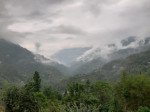
Kolakham Village
Some quick example text to build on the card title and make up the bulk of the card's content.
Go somewhere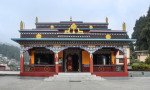
Lava Monastery
Some quick example text to build on the card title and make up the bulk of the card's content.
Go somewhere
Nature Interpretation Centre
Some quick example text to build on the card title and make up the bulk of the card's content.
Go somewhere
Neora Valley National Park Entry Gate
Some quick example text to build on the card title and make up the bulk of the card's content.
Go somewhere
Rishyap
Some quick example text to build on the card title and make up the bulk of the card's content.
Go somewhere
Tiffin Dara Viewpoint
Some quick example text to build on the card title and make up the bulk of the card's content.
Go somewhere
Trek to Neora Valley Core Zone
Some quick example text to build on the card title and make up the bulk of the card's content.
Go somewherein Other Cities