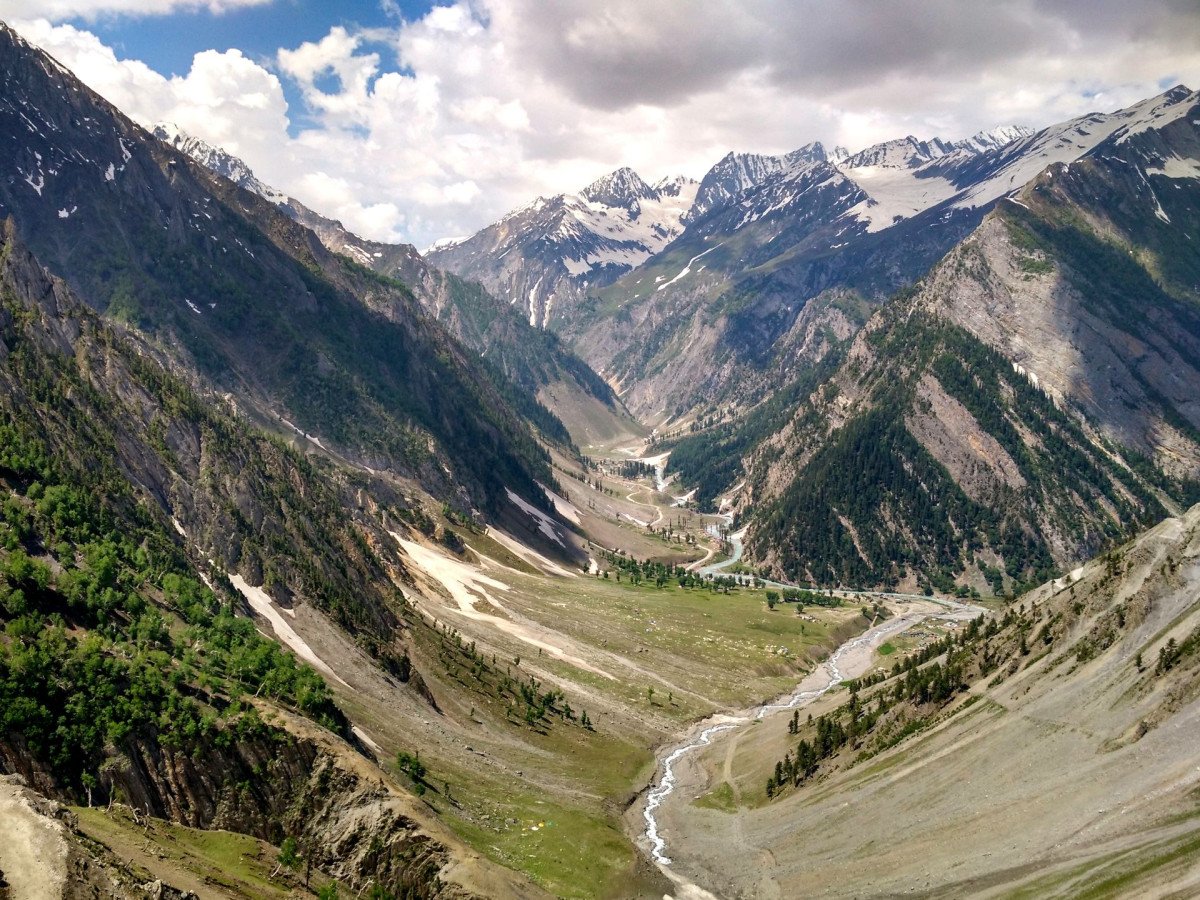
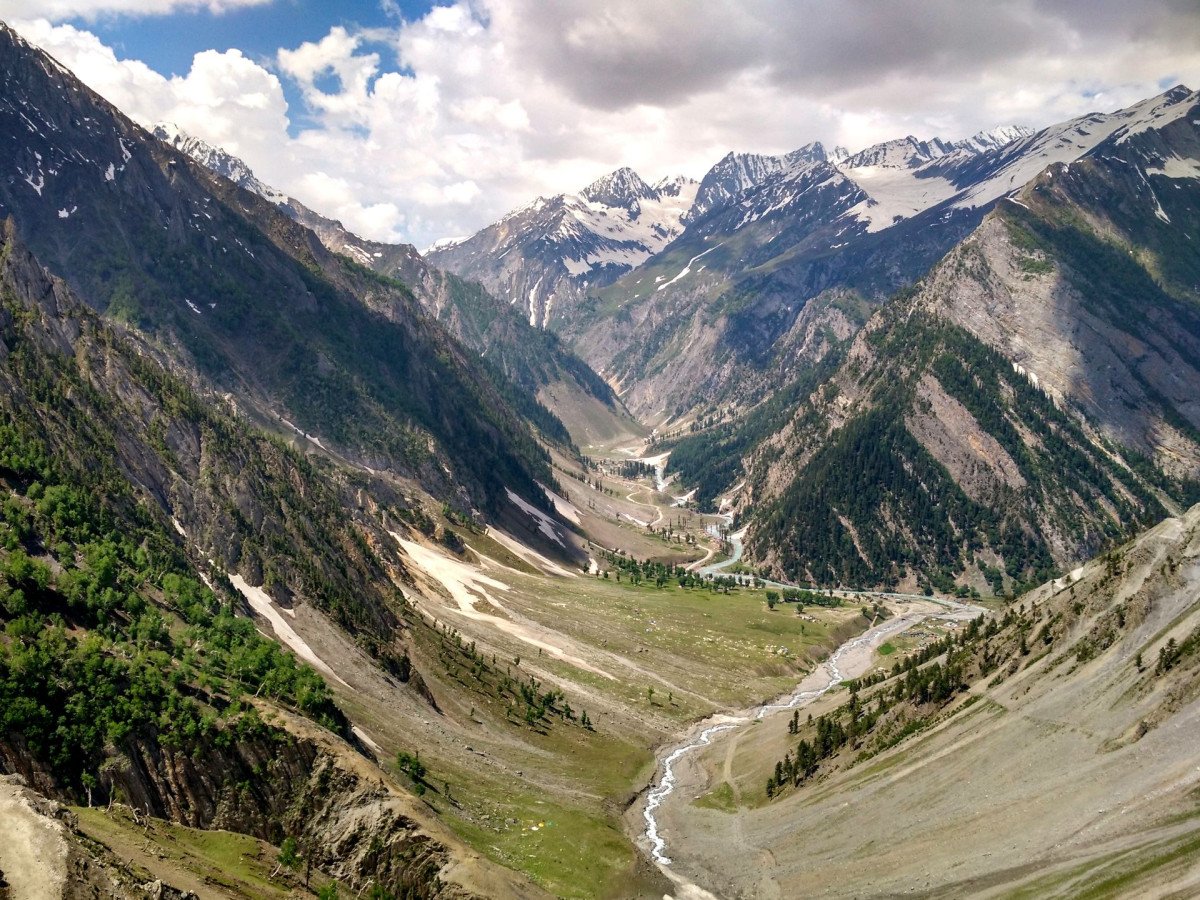
Neora Valley National Park Entry Gate
General information
-
Ideal Duration:
4 Hours (Includes permit process and a moderate, guided nature walk of 3-4 KMS into the forest).Place Type:
National Park Entry, Trekking Base, and BiodiversiEntry Fees:
National Park Entry Fee (Mandatory Charge): A mandatory entry fee is charged by the Forest Department for all visitors (Indian and Foreign Nationals).
Park Conservation Fund and Resource Management: This fee, which can be around Rs.100 for In...National Park Entry Fee (Mandatory Charge): A mandatory entry fee is charged by the Forest Department for all visitors (Indian and Foreign Nationals).
Park Conservation Fund and Resource Management: This fee, which can be around Rs.100 for Indian nationals and slightly higher for foreigners, is critical for supporting the park's operations, wildlife protection, patrolling, and habitat restoration programs, directly funding its conservation mission. Mandatory Guide Fee and Camera Fees (Additional Charges): There are separate, mandatory charges for hiring a local, licensed forest guide (essential for safety and compliance) and for carrying cameras (both still and video).
Safety Protocol and Commercial Photography Tax: The guide fee supports local employment and ensures safety, while the camera fee is a common practice in national parks to regulate commercial photography and generate revenue for park facilities.Timing:
Regular Timings (Strict Forest Access Hours): The park gate is strictly open from 6:00 AM to 4:00 PM daily.
Wildlife Safety and Strict Entry/Exit Policy: These hours are rigorously enforced to ensure that all visitors are out of the deep fo...Regular Timings (Strict Forest Access Hours): The park gate is strictly open from 6:00 AM to 4:00 PM daily.
Wildlife Safety and Strict Entry/Exit Policy: These hours are rigorously enforced to ensure that all visitors are out of the deep forest before nightfall, which is essential for both visitor safety (due to wildlife activity) and for minimising human interference during the peak nocturnal activity of the animals. Ideal Visit Time (Peak Wildlife Activity and Morning Calm): The absolute best time to enter is immediately after opening, around 6:00 AM to 7:00 AM.
Prime Time for Wildlife Sightings and Best Light: Wildlife, especially birds and mammals, is most active right after dawn. The air is calmest, and the low-angle morning light provides the best conditions for trekking and photography before the midday sun makes the forest too bright and the animals retreat.Special Events:
Annual Wildlife Week Observation (October): The park gate and local forest offices actively observe Wildlife Week during the first week of October.
Conservation Awareness and Guided Tours: The week features special events, including public ...Annual Wildlife Week Observation (October): The park gate and local forest offices actively observe Wildlife Week during the first week of October.
Conservation Awareness and Guided Tours: The week features special events, including public awareness lectures on conservation, free distribution of informational leaflets, and occasionally, organized, supervised longer walks into the forest to highlight the importance of protecting the Eastern Himalayan biodiversity.
Bird Watching Festival (March - April): During the prime migratory and breeding season in the spring (March or April), informal bird-watching festivals are sometimes organized by local nature clubs. Ornithological Gatherings and Species Documentation: These events gather seasoned birders and local guides for shared knowledge, competitive spotting, and documentation of the park's transient and resident avian population, focusing on specific endemic species.Best Photo Spots:
The Entrance Gate Framed by Dense Canopy:
Portal Effect and Depth of Forest: Capture the rustic entrance sign and the actual barrier, framing it with the incredibly dense, almost tropical-looking forest canopy. This creates a powerful 'port...The Entrance Gate Framed by Dense Canopy:
Portal Effect and Depth of Forest: Capture the rustic entrance sign and the actual barrier, framing it with the incredibly dense, almost tropical-looking forest canopy. This creates a powerful 'portal' effect, visually emphasizing the transition from the civilised road to the untamed wilderness of the park.
The Moss-Covered Tree Trunks:
Texture and Micro-Detail Photography: Focus closely on the vertical tree trunks inside the forest, which are often completely covered in thick, emerald-green moss, ferns, and hanging lichens. This captures the micro-detail and the extreme dampness of the temperate forest environment, highlighting its textures and vibrant green palette.
Mist Rolling Through the Forest Path:
Atmospheric Effect and Ethereal Light:
The best shot requires patience: capture a trekking path or trail when the characteristic Lava mist is rolling through the trees. The fog creates beautiful light rays (God rays) filtering through the canopy, lending a mystical, moody, and highly characteristic atmosphere to the scene.Photo Gallery
Things To Do
-
Engage in Guided Nature Walks and Treks: Forest Exploration and Mandatory Local Guide Hiring: Hire a mandatory, licensed local guide at the gate and undertake a short, 3-4 KMS nature walk along the designated trails. This is the best way to experience the dense vegetation, learn about the flora, and maximize your chances of spotting birds or sign of the elusive wildlife like the Red Panda.
Dedicated Himalayan Bird Watching:
Avian Photography and Silent Observation: Bring high-powered binoculars and a telephoto lens for dedicated bird watching. Remain silent and move slowly along the trails, focusing on the dense canopy and undergrowth where species like the Kalij Pheasant, various flycatchers, and sunbirds are commonly sighted by patient observers.
Seek the Elusiv...Engage in Guided Nature Walks and Treks: Forest Exploration and Mandatory Local Guide Hiring: Hire a mandatory, licensed local guide at the gate and undertake a short, 3-4 KMS nature walk along the designated trails. This is the best way to experience the dense vegetation, learn about the flora, and maximize your chances of spotting birds or sign of the elusive wildlife like the Red Panda.
Dedicated Himalayan Bird Watching:
Avian Photography and Silent Observation: Bring high-powered binoculars and a telephoto lens for dedicated bird watching. Remain silent and move slowly along the trails, focusing on the dense canopy and undergrowth where species like the Kalij Pheasant, various flycatchers, and sunbirds are commonly sighted by patient observers.
Seek the Elusive Red Panda Sign:
Wildlife Tracking and Patience Exercise: Work closely with your local guide to search for signs of the Red Panda, such as their scat or claw marks on specific bamboo and moss-covered trees. This activity demands immense patience and often means visiting during the early morning or late afternoon when the pandas are most active.
Study the Flora and Forest Ecology: Botanical Identification and Ecosystem Understanding: Focus on the incredible botanical diversity. Note the large variety of orchids, ferns, rhododendrons, and medicinal plants. The guides are often knowledgeable about the local ethnobotany, explaining how the different forest plants are used by the tribal people.
Observe and Document Insect Life:
Entomological Observation and Micro-Photography: The damp environment is a haven for unusual insects, butterflies, and large moths. Carry a magnifying glass or utilize your camera for close-up macro photography of the fascinating, often brilliantly colored, insect life found on the forest floor and tree trunks.
Practice Forest Bathing and Mindfulness:
Sensory Immersion and Tranquility Seeking: Engage in Shinrin-yoku (forest bathing). Find a safe spot, turn off your phone, and simply sit and breathe, absorbing the sounds, scents (damp earth, pine needles), and sights of the dense forest, focusing on the deep, natural tranquility that the wilderness offers.
Participate in Local Photography Safaris: Organized Wildlife Photography and Best Light Capture: Join an organized photography tour, often run by local experts. These tours are designed to position you at the best spots during the golden hours (sunrise/sunset) to capture the forest, the mist, and the wildlife in the most dramatic and atmospheric lighting conditions.
Hotels
● Kolakham Dynasty
Address: Kolakham, Lava, West Bengal
Distance: 4.0 km
Details: A cozy budget-friendly cottage set amidst lush greenery. It provides simple, clean rooms, traditional home-cooked meals, and a peaceful atmosphere for...
● NEORA VALLEY JUNGLE CAMP
Address: Kolakham, Lava, West Bengal
Distance: 1.6 km
Details: A premier eco-stay near the park, offering private rooms and authentic Himalayan experiences. Facilities include guided forest treks, organic meals, a...
● SERENITY NEST LAVA
Address: Lava Bazar D.I.F., Lava, West Bengal
Distance: 4.8 km
Details: Located near the monastery, this homestay offers comfortable rooms and a warm, inviting environment. Ideal for travelers seeking convenience and local...
Show AllRestaurants
● Cafe Himalayan Hotpot
Address: Bazar D.I.F., Lava, West Bengal
Distance: 0.5 km
Details: Cafe Himalayan Hotpot specializes in the iconic hotpot experience, perfect for the cold climate. The cafe is small and intimate, fostering a great com...
Food List: Himalayan Hotpot', 'Steamed Momos', 'Herbal Tea', ...
● Gossip At Kuwapani
Address: Kuwapani, Lava, West Bengal
Distance: 1.2 km
Details: Gossip At Kuwapani offers scenic views paired with delicious snacks. It is a creative space perfect for hanging out while enjoying mountain tea. Their...
Food List: Hot Coffee', 'Sandwich', 'Pakora', 'Tea'...
● Gurung Restaurant
Address: Lava, Kalimpong, West Bengal
Distance: 0.4 km
Details: Gurung Restaurant is a cherished culinary haven in the heart of Lava. It is known for its commitment to high-quality ingredients and friendly service....
Food List: Nepali Thali', 'Chicken Momo', 'Thukpa', 'Pickles'...
● Hotel Avalon
Address: Lava, Kalimpong, West Bengal
Distance: 0.8 km
Details: Hotel Avalon serves a variety of comfort foods that cater to diverse palates. Known for cleanliness and quality, it is a reliable spot for tourists st...
Food List: Egg Chowmein', 'Chicken Soup', 'Bread Toast', 'Ome...
● Hotel T Junction
Address: The Himalayan Retreat, Kolakham, West Bengal
Distance: 3.0 km
Details: Hotel T Junction is perfect for those staying in Kolakham, providing panoramic mountain views. The menu features hearty meals to keep you warm in the ...
Food List: Chicken Barbeque', 'Veg Soup', 'Rice', 'Lentils'...
Show AllInformation
-
Why Famous:
Home to the Endangered Red Panda: Rare Wildlife Habitat and Conservation Significance: The park is globally famous as one of the last major refuges of the elusive and endangered Red Panda. This fame draws international wildlife researchers and nature enthusiasts who dedica...Home to the Endangered Red Panda: Rare Wildlife Habitat and Conservation Significance: The park is globally famous as one of the last major refuges of the elusive and endangered Red Panda. This fame draws international wildlife researchers and nature enthusiasts who dedicate days to trekking and searching for this shy, arboreal mammal, making the Lava gate a focal point for conservation tourism in India.
Pristine, Unexplored Himalayan Wilderness: Highest Biodiversity and Minimal Human Interference: Unlike many accessible parks, Neora Valley maintains vast tracts of almost entirely undisturbed, virgin forest. This pristine quality is rare in the Himalayas and makes it famous among serious ecologists and adventurers for its exceptional biodiversity, providing a true sense of deep Himalayan wilderness exploration right from the entry point. -
Architecture:
Functional Forest Department Structures: The architecture is purely functional and utilitarian, adhering to Forest Department standards for park entry points and check posts. Administrative Checkpoint Design and Natural Integration: The main entry gate is typically a simpl...Functional Forest Department Structures: The architecture is purely functional and utilitarian, adhering to Forest Department standards for park entry points and check posts. Administrative Checkpoint Design and Natural Integration: The main entry gate is typically a simple metal or wooden barrier, backed by a small, single-story ticket/guard office. This office is a small, rectangular concrete building, roughly 8 meters by 5 meters in dimension, often painted green or brown to blend discreetly into the surrounding dense forest environment, minimizing visual disturbance to the natural landscape.
Rustic Waiting Area and Informational Display: A simple wooden shelter or rustic bench area is often constructed near the gate for visitors to wait while permits are processed. Visitor Convenience and Environmental Communication: Adjacent to this area, large wooden signboards (approximately 2 meters by 1. 5 meters) display crucial information, including park rules, fee structures, maps of the accessible trekking routes, and colorful warnings about respecting the wildlife and avoiding littering within the protected zone. -
How To Reach:
By Air: The closest airport is Bagdogra Airport (IXB).
Air Travel to Base and Long Uphill Taxi Journey: The distance is approximately 109 KMS. From IXB, hire a reserved 4x4 vehicle or taxi directly to Lava town (4-5 hours). The park gate ...By Air: The closest airport is Bagdogra Airport (IXB).
Air Travel to Base and Long Uphill Taxi Journey: The distance is approximately 109 KMS. From IXB, hire a reserved 4x4 vehicle or taxi directly to Lava town (4-5 hours). The park gate is 4 KMS further down a well-marked road from the main Lava square, requiring a final short drive by local taxi or vehicle.
By Train: The major railhead is New Jalpaiguri (NJP).
Rail Connection and Direct Road Transfer: The distance is about 104 KMS. From NJP, take a reserved taxi to Lava. Once you reach the town, you can organize local transport to the park gate from your hotel or the main taxi stand, as it is a well-known local destination for tourists staying in Lava.
By Road: The gate is on the forest road that goes through Lava.
Forest Department Road Access and Uphill Driving: The road from Lava town square to the gate is motorable, though it can be a bit narrow and rough in certain spots, reflecting its location within a forest area. Only local, reliable vehicles should be used for this final stretch, particularly during wet weather.
By Local Transport: Local reserved taxis from Lava town are mandatory. Exclusive Taxi Hire for Round Trip and Waiting Time: Due to the gate's isolated location and the requirement for a return journey, it is essential to hire a local taxi for a dedicated round-trip (which includes waiting time for your trek/walk) from the main Lava taxi stand. Shared transport does not operate to the gate. -
Weather and Best Time to Visit:
Optimal Post-Monsoon Season: The months of October and November are ideal.
Pleasant Trekking Weather and Post-Rain Flora: The humidity is low, the weather is cool and clear, and the forest is at its most vibrant green following the heavy mo...Optimal Post-Monsoon Season: The months of October and November are ideal.
Pleasant Trekking Weather and Post-Rain Flora: The humidity is low, the weather is cool and clear, and the forest is at its most vibrant green following the heavy monsoon rains, making the trails comfortable for long walks and the visibility excellent.
Spring Season (Peak Birding): The period from March to May is also highly recommended.
High Avian Activity and Blooming Environment: This season offers the highest level of avian activity due to breeding and migration, making it the prime time for bird watchers. The forest is also colorful with blooming rhododendrons and other seasonal flowers.
Different Parts of the Day: Early Morning Wildlife Focus and Midday Nature Study: Early morning (6:00 AM to 9:00 AM) is mandatory for wildlife sighting and photography, as the light is best and animals are active. Midday (11:00 AM to 2:00 PM) is still good for observing the flora and studying the ecosystem, but wildlife sightings become rarer. -
Near Tourist Places:
Lava Monastery: 4 KMS (Spiritual center)
Changey Waterfall: 6 KMS (Scenic trek to falls)
Kolakham: 10 KMS (Eco-resort village)
Lava Viewpoint: 3 KMS (Mountain view)
Rishop: 12 KMS (Village for Kanchenjunga view)
Samabeong Tea Garden: 24 KMS (Tea estate)
Lolegaon: 20 KMS (Canopy walk)
Ghumti: 34 KMS (Scenic bend)
Fikkalay: 15 KMS (Small village)
Jhandi Dara: 30 KMS (Sunrise viewpoint)
Tourism Tips
-
Health & Safety (Forest Dangers and Guide Importance):
Mandatory Guide and Wilderness Preparedness: Never enter the park without a mandatory, licensed local guide; it is illegal and extremely dangerous. Never stray from the marked trails. Wear insect repellent, s...Health & Safety (Forest Dangers and Guide Importance):
Mandatory Guide and Wilderness Preparedness: Never enter the park without a mandatory, licensed local guide; it is illegal and extremely dangerous. Never stray from the marked trails. Wear insect repellent, sturdy, waterproof trekking shoes, and carry a basic first-aid kit for any minor cuts or scrapes. Packing Essentials (Binoculars and Waterproof Gear):
Birding Tools and Rain Protection: Bring high-powered binoculars (8x42 or 10x50 are ideal) and a camera with a good zoom for bird and wildlife viewing. Given the high chance of sudden rain or mist, pack waterproof jackets, pants, and a waterproof cover for your backpack and camera gear.
Accommodation and Planning (Lava as the Base):
Base in Lava and Early Morning Strategy: Stay in Lava town itself, as it is the closest and most convenient base. Plan to wake up very early (before 5:30 AM) to reach the gate by opening time (6:00 AM) to maximize your chances of seeing wildlife and to secure an early permit.
Other Tips (Respecting Wildlife and Noise Control):
Silence and Environmental Responsibility: Maintain absolute silence while on the trails; loud noises scare away the wildlife and ruin the experience for others. Never feed any animals. Carry all trash back out of the park with you, strictly adhering to the "Leave No Trace" principles of wilderness travel.
Reviews
FAQs
Ans:- The ideal time to visit the Neora Valley National Park entry gate in Lava is during the spring and autumn months, specifically from March to May and September to December. During these periods, the weather remains pleasant, and the skies are generally clear, providing better visibility for trekking and wildlife spotting. Visiting during the monsoon season should be avoided due to heavy rainfall, which makes the trails slippery and potentially dangerous, and the park often remains closed during peak monsoons for safety reasons.Ans:- Yes, obtaining a permit is mandatory to enter Neora Valley National Park. Visitors are required to secure necessary permissions from the forest department office located in Lava or nearby authorized centers before proceeding to the entry gate. This process ensures that the park authorities can regulate the number of visitors, maintain ecological balance, and track the movement of tourists within the protected area. It is advisable to carry valid government-issued identification proofs for verification purposes when applying for the entry permit.Ans:- Yes, hiring a local guide is highly recommended and often mandatory for trekkers and tourists venturing into Neora Valley National Park. Guides are typically available at or near the entry gate in Lava and possess deep knowledge of the park's topography, wildlife trails, and safety protocols. They play a crucial role in preventing tourists from getting lost in the dense, virgin forests and can help spot rare flora and fauna that might otherwise go unnoticed by inexperienced eyes during the trek.Ans:- While wildlife sightings near the entry gate itself can be rare, the surrounding buffer areas are home to a rich variety of species. As you venture deeper from the gate, you might encounter the elusive Red Panda, Himalayan Black Bear, clouded leopards, and a vast array of bird species, including the Satyr Tragopan and various kinds of woodpeckers. The area is a biodiversity hotspot, and maintaining silence and patience is essential for any chance of spotting these animals in their natural, undisturbed habitat.Ans:- Yes, trekking is the primary activity allowed within Neora Valley National Park, starting from the entry points. The trails originating from the Lava entry gate lead into some of the most pristine and unexplored forested areas in West Bengal. Trekkers should be prepared for strenuous walks, as the terrain is steep and rugged. It is essential to strictly follow the designated trails and listen to your guide, as wandering off-path can be dangerous due to the dense vegetation and wildlife presence.Ans:- No, private vehicles are not allowed to enter deep into the core area of Neora Valley National Park. You can drive up to the designated entry gate or parking area near Lava, but further exploration beyond that point must be done on foot. The restriction on vehicles is strictly enforced to protect the park's fragile ecosystem, reduce pollution, and minimize disturbances to the wildlife living within the sanctuary. Visitors should plan to park their vehicles securely near the designated spots before beginning their hike.Ans:- For visiting the Neora Valley National Park entry gate and the subsequent trek, you should wear comfortable and durable clothing suitable for outdoor activities. Layers are highly recommended as temperatures can change rapidly in the hills. Wear sturdy, good-quality trekking shoes with a strong grip to navigate the uneven forest paths. Carrying a light waterproof jacket or raincoat is advisable, even during non-monsoon months, as unexpected mountain showers are common. Avoid bright colors that might disturb or frighten the wildlife during your journey.Ans:- While there are no hotels or resorts directly inside the park, several accommodation options ranging from homestays to government forest bungalows are available in and around Lava. Many tourists prefer staying in these local homestays to experience the authentic culture and hospitality of the region while staying close to the entry point. It is recommended to book your stay well in advance, especially during the tourist season, as these limited accommodation options tend to fill up quickly, making last-minute planning quite difficult.Ans:- Mobile network connectivity at the Neora Valley National Park entry gate is generally very weak or non-existent. The dense forest canopy and the remote location of the park create significant barriers to cellular signal reception. You might find sporadic signals at certain high points near Lava town, but once you enter the gate and start your trek, you should expect to be completely disconnected from mobile services. It is essential to inform your family or friends about your plans beforehand and rely on your guide for communication in emergencies.Ans:- There are limited food stalls or restaurants directly at the entry gate itself. It is strongly advised to carry your own dry food, energy bars, water, and essential supplies from Lava town before arriving at the gate. While there might be small local shops on the outskirts of Lava, options become non-existent once you enter the park's perimeter. Carrying a reusable water bottle and packing out all your trash is mandatory to maintain the cleanliness and environmental health of this protected and pristine forest area.Ans:- Visiting the entry gate area with children can be safe if managed with proper precautions. However, trekking deep into the park requires physical fitness and endurance, which might be challenging for young children. Parents should assess the difficulty level of the specific trail they plan to take and stick to shorter, easier paths near the entry point. Always ensure children are supervised, stay on the marked trails, and keep a safe distance from any wildlife encountered, following all safety instructions provided by your local guide.Ans:- Facilities like public toilets at the actual entry gate of Neora Valley National Park are either non-existent or very primitive. Most visitors are expected to use the restroom facilities available at their accommodation in Lava before heading to the park. It is crucial to practice responsible tourism by not littering and finding appropriate, respectful ways to handle personal needs if nature calls during a long trek. Being prepared and using facilities before departure from the town is the most convenient approach for all travelers.Ans:- Spotting a Red Panda near the entry gate is extremely rare and happens only by pure chance. Red Pandas are highly elusive, shy, and inhabit the deeper, higher-altitude, and more undisturbed sections of the forest, far away from the human activity at the entrance. While the area surrounding the park is their habitat, tourists are highly unlikely to see one without intense tracking and deep exploration into the core zone. Focus your expectations on the rich birdlife and lush vegetation that define the entry area.Ans:- The entry gate generally operates during daylight hours, typically starting from early morning around 6:00 AM until late afternoon around 4:00 PM. It is strictly prohibited to enter or remain inside the park after sunset for safety reasons, including the risk of wild animal encounters and potential injury on the rugged trails. Always aim to reach the entry gate early in the morning to maximize your time for trekking and ensure you are back at a safe location well before the onset of darkness.Ans:- While you cannot drive private vehicles inside, there is no public taxi service operating from the entry gate into the park, as exploration is exclusively on foot. You can, however, hire a local vehicle in Lava town to drop you off at the entry gate. Once you arrive at the gate, you will be proceeding on foot with your guide. Ensure you arrange for your pickup from the same or a different designated point if you are planning a long trek that ends elsewhere.Lava Itineray And Cost:-
Neora Valley National Park Entry Gate Tourism:-
Information about New and Updated Locations() of West Bengal Has Been Added :-
Card subtitle
Note:-
Information provided here in good Faith and for reference only.
Near Places
Changey Waterfall
Some quick example text to build on the card title and make up the bulk of the card's content.
Go somewhere
Ghanti Dara View Point
Some quick example text to build on the card title and make up the bulk of the card's content.
Go somewhere
Kagyu Thekchen Ling Monastery
Some quick example text to build on the card title and make up the bulk of the card's content.
Go somewhere
Kolakham Village
Some quick example text to build on the card title and make up the bulk of the card's content.
Go somewhere
Lava Monastery
Some quick example text to build on the card title and make up the bulk of the card's content.
Go somewhere
Nature Interpretation Centre
Some quick example text to build on the card title and make up the bulk of the card's content.
Go somewhere
Neora Valley National Park Entry Gate
Some quick example text to build on the card title and make up the bulk of the card's content.
Go somewhere
Rishyap
Some quick example text to build on the card title and make up the bulk of the card's content.
Go somewhere
Tiffin Dara Viewpoint
Some quick example text to build on the card title and make up the bulk of the card's content.
Go somewhere
Trek to Neora Valley Core Zone
Some quick example text to build on the card title and make up the bulk of the card's content.
Go somewherein Other Cities