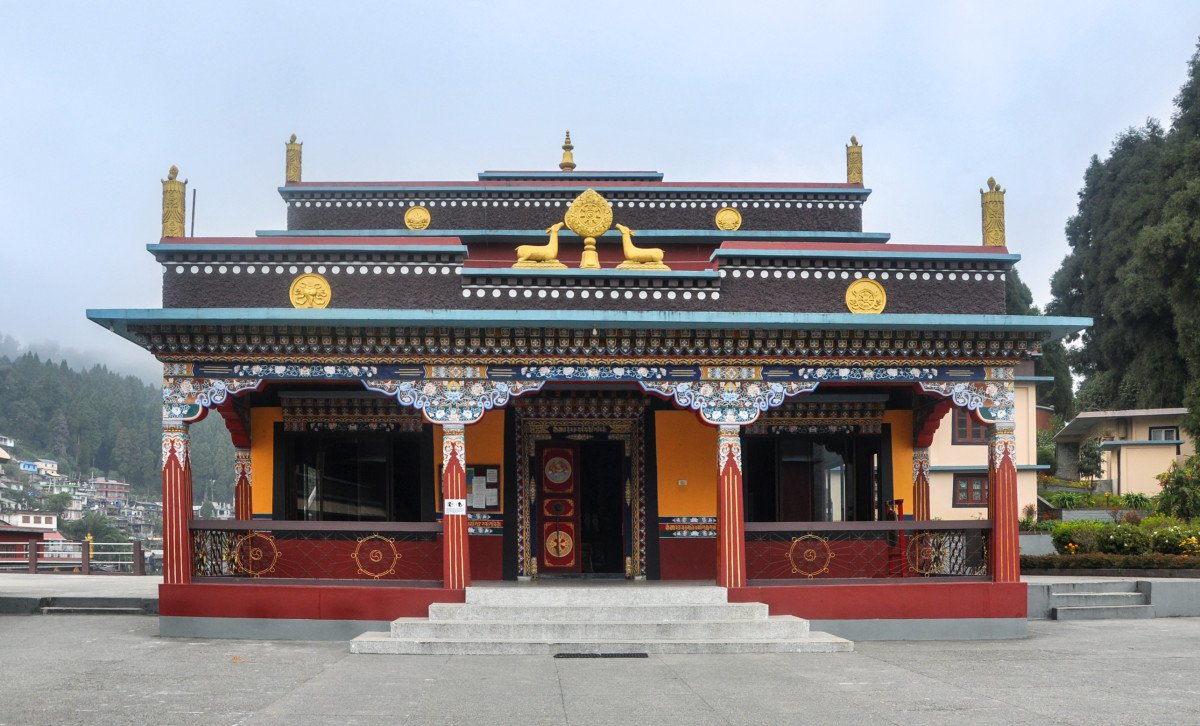
Lava Monastery
General information
-
Ideal Duration:
1. 5 Hours (Ample time for exploration, prayer wheel circling, and quiet reflection).Place Type:
Buddhist Temple, Cultural Center, and ArchitecturaEntry Fees:
Monastery Entry (Voluntary Contribution): There is no mandatory entry fee to enter the Lava Monastery complex or the main prayer hall.
Free Access and Spiritual Openness: Adherence to the Buddhist principle of open access means that the spi...Monastery Entry (Voluntary Contribution): There is no mandatory entry fee to enter the Lava Monastery complex or the main prayer hall.
Free Access and Spiritual Openness: Adherence to the Buddhist principle of open access means that the spiritual premises are freely available to all visitors, regardless of faith or background, promoting goodwill and accessibility to the teachings.
Voluntary Donation (Support and Upkeep): Donation boxes are placed near the entrance and inside the prayer hall.
Monastic Maintenance and Community Support: A voluntary donation (any amount is appreciated) is the expected way to contribute to the daily upkeep of the monastery, the expenses for feeding and educating the young monks, and the maintenance of the historic and fragile murals and artifacts.Timing:
Regular Timings (Daily Operational Hours): The monastery is typically open to visitors from 6:00 AM to 5:00 PM daily.
Daylight Worship and Ritual Schedule: These hours ensure visitors can enjoy the premises in daylight and coincide with the...Regular Timings (Daily Operational Hours): The monastery is typically open to visitors from 6:00 AM to 5:00 PM daily.
Daylight Worship and Ritual Schedule: These hours ensure visitors can enjoy the premises in daylight and coincide with the beginning and end of the monks' major daily prayer cycles, providing ample time for observation and photography. Ideal Visit Time (Early Morning Serenity and Ritual Observation): The best time to visit is between 6:30 AM and 8:00 AM.
Pre-Chanting Atmosphere and Pristine Light: This early window offers the quietest atmosphere, the freshest air, and the highest chance of seeing the monks gathering for morning prayers, which is a powerful, peaceful experience before the main town traffic or tourist groups arrive.Special Events:
Annual Losar Festival (Tibetan New Year): The most important event celebrated here is Losar, the Tibetan New Year, typically falling in February or March based on the lunar calendar.
Monastic Festivities and Ritual Cleansing: The monastery ...Annual Losar Festival (Tibetan New Year): The most important event celebrated here is Losar, the Tibetan New Year, typically falling in February or March based on the lunar calendar.
Monastic Festivities and Ritual Cleansing: The monastery holds several days of intense prayers, special feasts, and rituals aimed at purifying the old year and welcoming the new one with good fortune. The monks perform special masked dances (Chham), which are highly symbolic and dramatic, drawing a large local audience.
Buddha Purnima or Saga Dawa (Buddha's Birthday): Celebrated in the Vesak (late April or May), this event commemorates the birth, enlightenment, and passing of Gautam Buddha.
Devotional Gathering and Merit-Making Activities: The monastery is beautifully decorated with lamps and flowers. Monks and devotees gather for extended periods of prayer, chanting, and circumambulation, often distributing offerings of food to the public and engaging in other acts of merit-making.Best Photo Spots:
Gilded Roof Against the Forest Backdrop:
Architectural Focal Point and Nature's Frame: Position yourself on the courtyard level, slightly below the main Gompa, and use the dense, dark green pine and fir trees as a natural frame for the monas...Gilded Roof Against the Forest Backdrop:
Architectural Focal Point and Nature's Frame: Position yourself on the courtyard level, slightly below the main Gompa, and use the dense, dark green pine and fir trees as a natural frame for the monastery s bright, ornate, gold-adorned roof and flag poles. The deep colors provide excellent contrast against the metalwork.
Close-up of Prayer Wheels and Mantras:
Texture and Devotional Detail: Focus the lens on the rows of prayer wheels. Capture the detailed metal etching, the texture of the worn paint, and the faint visible lines of the Tibetan script (Om Mani Padme Hum) on the wheels, emphasizing the depth and age of the religious artifacts.
Wide-Angle View of the Courtyard in Mist:
Atmospheric Effect and Ethereal Quality: If the weather is misty or foggy (common in Lava), capture a wide shot of the entire courtyard, including the flags and the main entrance. The mist diffuses the light, lending a soft, ethereal, and mysterious quality to the scene, perfectly reflecting the quiet mood of Lava.Photo Gallery
Things To Do
-
Engage in Kora and Spin the Prayer Wheels:
Ritual Practice and Merit Accumulation: Perform the ritualistic Kora (circumambulation) by walking clockwise around the main prayer hall. As you walk, participate in the practice of spinning the rows of prayer wheels that line the exterior walls, a symbolic act that is believed to chant the mantras written inside and generate positive energy.
Witness the Monastic Chanting and Daily Rituals:
Cultural Immersion and Observational Protocol: Time your visit to coincide with the morning or afternoon prayer sessions. Sit quietly and respectfully in the rear of the main Gompa, observing the rhythmic chanting, drumming, and musical rituals performed by the young and senior monks, offering a powerful, authentic sensory experienc...Engage in Kora and Spin the Prayer Wheels:
Ritual Practice and Merit Accumulation: Perform the ritualistic Kora (circumambulation) by walking clockwise around the main prayer hall. As you walk, participate in the practice of spinning the rows of prayer wheels that line the exterior walls, a symbolic act that is believed to chant the mantras written inside and generate positive energy.
Witness the Monastic Chanting and Daily Rituals:
Cultural Immersion and Observational Protocol: Time your visit to coincide with the morning or afternoon prayer sessions. Sit quietly and respectfully in the rear of the main Gompa, observing the rhythmic chanting, drumming, and musical rituals performed by the young and senior monks, offering a powerful, authentic sensory experience of monastic life.
Meditate in Quiet Contemplation:
Spiritual Reflection and Mindfulness: Find a quiet corner either in the main hall (ensuring you do not obstruct traffic) or on a bench in the courtyard. Utilize the profound stillness of the mountain air and the spiritual atmosphere for a few moments of silent meditation or mindful reflection, allowing the tranquil environment to calm the mind.
Study the Intricate Fresco and Mural Art: Tibetan Art Appreciation and Symbolic Interpretation: Spend time closely examining the vibrant murals and Thangkas adorning the interior walls. These artworks are not just decoration; they are visual representations of complex Buddhist doctrines, protective deities, and the life of the Buddha. Use the accompanying signs (if available) or prior knowledge to interpret their deep spiritual meaning.
Observe the Young Monks' Daily Life:
Educational Life Observation and Cultural Respect: From a distance, respectfully observe the resident young monks as they engage in their daily studies, chores, or games in the courtyard. This provides a glimpse into the dedicated life of a monastic student and the long-term commitment required to pursue Buddhist philosophy and practice.
Photograph the Exterior and Gilded Roof:
Architectural Photography and Color Contrast: Capture the striking exterior architecture, focusing on the deep maroon walls, the detailed wooden carvings, and the brilliant gold ornamentation of the roofline against the backdrop of the deep green forest and often misty mountain sky. The contrast of the colors against the nature is highly photogenic.
Seek a Blessing or Guidance (If Appropriate):
Respectful Interaction and Spiritual Inquiry: If a senior monk or lama is available and not busy, you may respectfully approach and ask for a blessing or a brief, polite question about the Karma Kagyu lineage or the local Buddhist community. Remember to observe strict protocol, such as bowing slightly and avoiding intrusive questions.
Hotels
● Feathers India Home Stay
Address: Lava Bazar, Lava, West Bengal
Distance: 0.6 KM
Details: Feathers India Home Stay is a 3-star quality property offering top-notch facilities, including a restaurant and attentive butler service. The homestay...
● Hotel Greenwood
Address: Lava Bazar, Lava, West Bengal
Distance: 0.2 KM
Details: Hotel Greenwood is a newly developed property that offers modern comfort in the heart of Lava. It is located just a short walk from the monastery. The...
● Hotel Hills View
Address: Lava Bazar, Lava, West Bengal
Distance: 0.3 KM
Details: Hotel Hills View is a well-located property near the monastery, known for its restaurant and cozy atmosphere. Guests can enjoy bonfire evenings, creat...
● Hotel Mahakala
Address: Lava Bazar, Lava, West Bengal
Distance: 0.3 KM
Details: Hotel Mahakala is a highly rated 3-star property located near the Lava Monastery. It offers premium amenities such as 24-hour room service, a restaura...
● Hotel Parkar
Address: Lava Bazar, Lava, West Bengal
Distance: 0.4 KM
Details: Hotel Parkar is a well-maintained hotel that provides a high-quality stay experience. It is located close to the Lava Monastery, making it an excellen...
● Lava Hills Heaven Homestay
Address: Lava Bazar, Lava, West Bengal
Distance: 0.3 KM
Details: Lava Hills Heaven Homestay offers a wonderful retreat for travelers. Located in the bustling Lava Bazar area, it provides quick access to the main tou...
● SERENITY NEST LAVA
Address: Lava Bazar, Lava, West Bengal
Distance: 0.4 KM
Details: SERENITY NEST LAVA is a lovely homestay that offers a cozy and quiet stay just a short walk from the famous Lava Monastery. The property features comf...
● Sherpa Residency
Address: Lava Bazar, Lava, West Bengal
Distance: 0.2 KM
Details: Sherpa Residency is a premier accommodation option located near the monastery. It offers upscale services and well-appointed rooms, catering to guests...
● THE CHHUTI
Address: Lava Bazar, Lava, West Bengal
Distance: 0.3 KM
Details: THE CHHUTI is a quaint homestay in the heart of Lava. It offers personalized service with a dedicated caretaker to handle all guest needs. Amenities i...
● Unique Inn
Address: Lava Bazar, Lava, West Bengal
Distance: 0.2 KM
Details: Unique Inn is a comfortable hotel located in the heart of Lava. It offers easy access to nearby attractions like the Monastery and nature parks. The i...
Show AllRestaurants
● Gossip At Kuwapani
Address: Kuwapani, Lava, West Bengal, India
Distance: 1.2 KM
Details: Gossip At Kuwapani offers a unique blend of a cafe and restaurant culture set against the stunning backdrop of the Lava hills. It is a fantastic place...
Food List: Creamy Hot Coffee, grilled Cheese Sandwich, Veg Th...
● Gurung Restaurant
Address: Lava, Kalimpong, West Bengal, India
Distance: 0.7 KM
Details: Gurung Restaurant is a cherished local gem in the heart of Lava, famous for its traditional Himalayan hospitality and soul-warming dishes. The interio...
Food List: Traditional Thukpa, handmade Momos, soft Taipo, si...
● Hotel Avalon
Address: Lava, Kalimpong, West Bengal, India
Distance: 1.5 KM
Details: Hotel Avalon provides a structured and professional dining experience, offering a range of cuisines to suit international and local guests. Located st...
Food List: Savory Mixed Fried Rice, spicy Chilli Chicken, Dal...
● Hotel Parker
Address: Lava, Kalimpong, West Bengal, India
Distance: 2.5 KM
Details: Hotel Parker is a well-established name in Lava, known for its reliable service and consistent quality. It serves as a central hub for many tourists, ...
Food List: Aromatic Chicken Biryani, Chicken Curry, Dal Fry, ...
● Hotel Tibet
Address: Neora Valley National Park, Lava, India
Distance: 0.8 KM
Details: Hotel Tibet offers a rustic and authentic dining experience that captures the essence of mountain cuisine. Situated near the famous Lava Monastery, it...
Food List: Authentic Tibetan Momos, flavorful Thukpa, fresh V...
Show AllInformation
-
Why Famous:
Spiritual Heart of the Lava Region:
Religious Importance and Community Anchor: Lava Monastery is the most significant spiritual and cultural institution in the immediate area. It serves as a vital anchor for the local Buddhist community and...Spiritual Heart of the Lava Region:
Religious Importance and Community Anchor: Lava Monastery is the most significant spiritual and cultural institution in the immediate area. It serves as a vital anchor for the local Buddhist community and provides a visible, accessible link to the rich traditions of the Karma Kagyu lineage, drawing devout visitors and students of Buddhism from across the region and India.
Scenic Location Amidst Deep Forests:
Tranquil Ambiance and Natural Isolation: Its fame is equally attributed to its unique, serene location. The dense forests that completely surround the monastery contribute to an unparalleled atmosphere of peace and mist-laden beauty. This isolation from the hustle and bustle of the main town makes it a perfect retreat spot, highly valued by those seeking a meditative and visually stunning mountain experience. -
Architecture:
Traditional Tibetan Monastic Design: The architecture follows the established Tibetan style, adapted to the wet, cool climate of the Eastern Himalayas.
Robust Hill Construction and Symbolic Materials: The buildings are characterized by stro...Traditional Tibetan Monastic Design: The architecture follows the established Tibetan style, adapted to the wet, cool climate of the Eastern Himalayas.
Robust Hill Construction and Symbolic Materials: The buildings are characterized by strong, multi-story structures with thick, outward-sloping walls typically painted in the sacred monastic colors of deep maroon and ochre-yellow. The roofs feature traditional gilded copper ornamentation, often topped with golden finials and banners that symbolize victory and enlightenment, protecting the inner sanctuary from the elements and evil spirits.
Main Prayer Hall (Gompa) and Dimensions: The main temple (Gompa) is the central feature, built on a robust stone plinth to withstand the mountain environment.
Ritual Space Layout and Structural Scale: The Gompa is a large, square structure, approximately 25 meters by 25 meters, featuring a high ceiling and numerous internal pillars carved with dragons and script. The inner sanctum houses the central deity, and the large wooden doors and window frames are intricately painted with protective deities and floral motifs, representing centuries of preserved Tibetan craftsmanship. -
How To Reach:
By Air: The closest airport is Bagdogra Airport (IXB) near Siliguri.
Air Gateway and Full Road Journey: The distance is approximately 105 KMS. From IXB, hire a reserved taxi directly to Lava (a drive of about 4 to 5 hours). The monastery ...By Air: The closest airport is Bagdogra Airport (IXB) near Siliguri.
Air Gateway and Full Road Journey: The distance is approximately 105 KMS. From IXB, hire a reserved taxi directly to Lava (a drive of about 4 to 5 hours). The monastery is located only 0. 5 KMS from the Lava town square, easily walkable or accessible by a short local taxi ride.
By Train: The major railhead is New Jalpaiguri (NJP).
Rail Connection and Uphill Transport Arrangement: The distance is about 100 KMS. From NJP, secure a private or shared taxi to Lava. Since Lava is a destination, the driver will take you directly to the town center or your accommodation, from which the monastery is a brief, easy walk.
By Road: Lava is well-connected by a winding, single-lane road from Kalimpong (32 KMS) and Gorubathan.
Mountain Road Quality and Local Driving Expertise: The road is motorable but can be rough in sections, especially during the monsoon season of July and August. It is highly advisable to travel in a robust vehicle (like a jeep) driven by an experienced local hill driver who is familiar with the misty, narrow, and often steep mountain roads.
By Local Transport: Local taxis are available in Lava town square.
Short Walkability and Local Taxi Convenience: Since the monastery is just 0. 5 KMS from the center, the best local transport is walking. If mobility is an issue, a very short ride can be taken in a local cab hired from the small Lava stand, often for a minimal fare. -
Weather and Best Time to Visit:
Optimal Post-Monsoon and Winter Season: The months of October through March are best.
Mountain View Clarity and Peaceful Cold: The skies are generally clearest, offering views of the distant peaks, and the cold, often frosty weather provide...Optimal Post-Monsoon and Winter Season: The months of October through March are best.
Mountain View Clarity and Peaceful Cold: The skies are generally clearest, offering views of the distant peaks, and the cold, often frosty weather provides the authentic, silent, misty atmosphere for which Lava is famous.
Spring Season (Floral Bloom): The period from March to May is also wonderful.
Rhododendron Bloom and Pleasant Climate: The surrounding forests are alive with blooming rhododendrons and other temperate flowers, and the climate is pleasantly cool, making the walks around the monastery and the town highly enjoyable.
Different Parts of the Day:
Early Morning Serenity and Midday Warmth: Early morning (6:30 AM to 8:00 AM) is perfect for experiencing the monastery's tranquil atmosphere and observing morning rituals. Midday (11:00 AM to 2:00 PM) offers the warmest temperatures, which is ideal for spending time outside in the courtyard or photographing the vibrant exterior colors under full sunlight. -
Near Tourist Places:
Neora Valley National Park Entry: 4 KMS (Forest trekking)
Lava Viewpoint: 1 KMS (Sunrise view)
Changey Waterfall: 10 KMS (Scenic waterfall)
Rishop: 12 KMS (Village for Kanchenjunga view)
Kolakham: 10 KMS (Eco-resort village)
Samabeong Tea Garden: 20 KMS (Tea estate visit)
Lolegaon: 24 KMS (Canopy walk)
Pabong: 15 KMS (Rural village)
Ghumti: 30 KMS (Scenic bend)
Algarah: 35 KMS (Historic town)
Tourism Tips
-
Health & Safety (Cold and Walking Paths):
Layered Clothing and Safe Footing: Always wear warm, layered clothing, as temperatures drop suddenly, especially when the fog rolls in. Wear shoes with good grip, as the stone pathways and the appro...Health & Safety (Cold and Walking Paths):
Layered Clothing and Safe Footing: Always wear warm, layered clothing, as temperatures drop suddenly, especially when the fog rolls in. Wear shoes with good grip, as the stone pathways and the approach road to the monastery can be slippery due to mist and condensation, particularly in the morning.
Packing Essentials (Warm Gear and Silence Tools):
Photography Gear and Respectful Attire: Pack heavy woolens, gloves, and a warm hat. Bring a good zoom lens to capture details of the murals and the distant forest. Crucially, bring modest clothing (covering shoulders/knees) for entering the hall and ensure all electronic devices are set to silent or vibrate mode before entering the premises. Accommodation and Planning (Proximity and Forest Stay):
Stay Close to Town Center for Convenience: Choose accommodation either right in the Lava town center or one of the nearby resorts on the Rishop or Neora road. Plan to visit the monastery first thing in the morning to capture the mystical mood and benefit from the quiet atmosphere. Other Tips (Cultural Protocol and Respectful Behavior):
Monastic Respect and Waste Management: Always enter the main prayer hall with your shoes and hat removed. Walk clockwise around all religious structures (the Gompa, the stupas, and the prayer wheels). Do not take flash photography inside the main hall, and maintain complete silence to respect the monastic life and the devotion of other visitors.
Reviews
FAQs
Ans:- Lava Monastery, also known as the Kagyu Thekchen Ling Monastery, was established to serve the spiritual needs of the local Tibetan community and preserve their rich Buddhist heritage in the region. It follows the Nyingma or Kagyu school of Tibetan Buddhism. Over the years, it has become a significant center for learning, meditation, and spiritual practice. The architecture and the serene atmosphere reflect the dedication of the monks and followers who have worked to maintain this peaceful sanctuary nestled amidst the clouds of Lava.Ans:- The best time to visit the monastery is throughout the year, but the weather is most pleasant from March to June and September to December. Mornings are particularly serene and ideal for experiencing the calm atmosphere and hearing the monks chant. During winter, the monastery offers a mystical experience as it is often covered in thick fog or mist. Visitors should aim to visit during daylight hours to fully appreciate the intricate architecture, vibrant prayer flags, and the stunning mountain views surrounding the monastery complex.Ans:- Generally, there is no formal entry fee to visit the main grounds of the Lava Monastery. However, visitors are encouraged to make a voluntary contribution or donation at the donation box to support the maintenance of the monastery and the welfare of the monks living there. Always carry some cash for this purpose. It is important to remember that this is a place of worship, so visitors should maintain silence, dress modestly, and respect the religious practices and the sanctity of the space at all times.Ans:- The monastery showcases traditional Tibetan Buddhist architecture, characterized by colorful woodwork, intricate carvings, and classic pagoda-style roofing. The prayer hall is adorned with beautiful thangkas, vibrant wall paintings, and golden statues of Lord Buddha and other deities. The entire structure is designed to promote tranquility and meditation, with large windows or open spaces that allow for natural light and ventilation. The vibrant prayer flags fluttering in the mountain breeze further enhance the spiritual and visual appeal of the site, making it a must-visit for lovers of art and culture.Ans:- Yes, visitors are often welcome to observe the morning prayers at the monastery, provided they do so quietly and without causing any disturbance to the monks. Watching the monks perform their rituals and hearing the rhythmic chanting can be a deeply moving and peaceful experience. It is important to ask for permission if you wish to take photographs, especially inside the prayer hall, as some areas may be restricted. Always remove your shoes before entering the prayer hall and follow the instructions provided by the monastery staff or monks present.Ans:- Photography is generally allowed on the monastery premises, but it is strictly prohibited inside the main prayer hall where sacred statues and paintings are located. Always look for signage or ask the monks before taking photos to ensure you are not violating any local customs or rules. Even when photography is allowed, be respectful and avoid using flash, which can be distracting and damaging to ancient artworks. Respecting these boundaries helps preserve the sanctity of the religious space and the peace sought by the monks and other visitors.Ans:- When visiting the monastery, it is respectful to dress modestly, covering your shoulders, chest, and legs. Avoid wearing sleeveless tops, short skirts, or revealing clothing, as this is a religious site where local customs are highly valued. Wearing comfortable, layered clothing is also practical due to the changing mountain weather. Since you will be required to remove your shoes before entering the prayer halls, it is a good idea to wear socks, as the floors can be quite cold, especially during the winter months or early morning hours.Ans:- Lava Monastery is located within easy walking distance or a very short drive from the main market area of Lava town. If you are staying in a hotel or homestay in Lava, you can simply walk to the monastery, which is a pleasant experience given the cool, pine-scented air. For those arriving by taxi, the driver can drop you off right at the entrance. It is well-marked, and locals are always happy to point you in the right direction if you are unsure of the path.Ans:- There are no formal guided tours run by the monastery itself, but many local taxi drivers or travel agents in Lava can provide basic information and guide you to the location. If you want a deeper understanding of the history, rituals, and architecture, you might consider hiring a local guide who can explain the significance of the various statues and paintings. However, most visitors enjoy exploring the monastery at their own pace, soaking in the peace and the panoramic views without needing a formal guide to appreciate its beauty.Ans:- The colorful prayer flags seen around the monastery are an integral part of Tibetan Buddhist culture. They are believed to spread blessings, peace, and goodwill into the atmosphere through the wind. Each color represents an element—blue for sky, white for air, red for fire, green for water, and yellow for earth. As the wind blows through the flags, the prayers printed on them are believed to be carried far and wide. They are also a symbol of spiritual harmony and are placed in high, open areas to maximize their intended effect.Ans:- There are a few small shops near the entrance of the monastery and in the Lava market where you can purchase local handicrafts, prayer beads, incense sticks, and thangka paintings. These souvenirs are great for remembering your visit or for gifting. However, keep in mind that the primary purpose of the area is spiritual, so ensure that your shopping activities do not disrupt the quiet and sanctity of the place. Supporting local artisans by buying these items is a wonderful way to contribute to the local community's livelihood.Ans:- A visit to Lava Monastery typically takes about 1 to 2 hours, depending on how much time you spend admiring the architecture, taking in the views, and sitting in meditation. Many visitors find the atmosphere so peaceful that they end up staying longer, simply reflecting or enjoying the quiet mountain breeze. If you are planning to visit during the prayer sessions, you might want to factor in a bit more time. It is a place best explored slowly, without rushing, allowing you to fully absorb the spiritual calm of the environment.Ans:- Yes, the monastery is generally accessible for elderly people, though there may be some stairs or inclines to navigate depending on the specific entry point. The pathways are mostly paved and well-maintained. It is advisable to walk slowly and take breaks if needed. Since the weather can be chilly and the altitude can be slightly taxing, ensure your older companions are wearing warm clothes and are well-rested. It is a wonderful, peaceful place for all ages, provided you take your time and do not overexert yourselves while moving around the complex.Ans:- You may see monks going about their daily routines at the monastery. While they are generally polite and kind, it is important to remember that they are busy with their spiritual practices and responsibilities. If you wish to interact, keep your conversation brief, respectful, and polite. Avoid asking intrusive or personal questions. Often, a warm smile and a polite greeting are enough to show your respect. If a monk is in the middle of a ritual or study, do not interrupt them, as their focus is vital for their spiritual development.Ans:- The monastery observes several important Tibetan Buddhist festivals throughout the year, such as Losar (Tibetan New Year) and other significant religious anniversaries. During these times, the monastery is beautifully decorated with lights, flowers, and traditional banners. Special prayers, butter lamp lighting, and sometimes traditional mask dances (Cham) are performed. Visiting during these festivals can be a colorful and culturally enriching experience, though the monastery may also be more crowded. If you plan to visit during these times, it is advisable to check the local calendar and plan your accommodation and transport well in advance.Lava Itineray And Cost:-
Information about New and Updated Locations() of West Bengal Has Been Added :-
Card subtitle
Note:-
Information provided here in good Faith and for reference only.
Near Places
Changey Waterfall
Some quick example text to build on the card title and make up the bulk of the card's content.
Go somewhere
Ghanti Dara View Point
Some quick example text to build on the card title and make up the bulk of the card's content.
Go somewhere
Kagyu Thekchen Ling Monastery
Some quick example text to build on the card title and make up the bulk of the card's content.
Go somewhere
Kolakham Village
Some quick example text to build on the card title and make up the bulk of the card's content.
Go somewhere
Lava Monastery
Some quick example text to build on the card title and make up the bulk of the card's content.
Go somewhere
Nature Interpretation Centre
Some quick example text to build on the card title and make up the bulk of the card's content.
Go somewhere
Neora Valley National Park Entry Gate
Some quick example text to build on the card title and make up the bulk of the card's content.
Go somewhere
Rishyap
Some quick example text to build on the card title and make up the bulk of the card's content.
Go somewhere
Tiffin Dara Viewpoint
Some quick example text to build on the card title and make up the bulk of the card's content.
Go somewhere
Trek to Neora Valley Core Zone
Some quick example text to build on the card title and make up the bulk of the card's content.
Go somewherein Other Cities