

Nature Interpretation Centre
General information
-
Ideal Duration:
2 to 4 Hours for a comprehensive and enriching educational visit.Place Type:
Educational, Environmental, Museum, Nature ConservEntry Fees:
Small Standard Entry Fee: The Nature Interpretation Centre typically charges a small, nominal entry fee. This fee is usually mandatory and is used to fund the center's maintenance, exhibit upgrades, and local conservation programs. The price is designed to be affordable fo...Small Standard Entry Fee: The Nature Interpretation Centre typically charges a small, nominal entry fee. This fee is usually mandatory and is used to fund the center's maintenance, exhibit upgrades, and local conservation programs. The price is designed to be affordable for most visitors.
Concessional Rates for Groups: The center often offers concessional rates for large groups, especially for school students and educational tours. It is advisable for tour operators or school faculty to inquire about these bulk discounts ahead of time.
Fee Policy Clarity: The center's entry fee policy is generally very straightforward. Payment is typically made at a reception desk upon entry, and visitors should retain their receipt. There are usually no separate charges for mobile phone photography.Timing:
Regular Timings: The Nature Interpretation Centre is generally open from 8:00 AM to 12:00 PM and then closes for a lunch break, reopening from 1:00 PM to 4:00 PM. It remains closed on Thursdays. It is crucial for visitors to note the long mid-day break and plan their visit...Regular Timings: The Nature Interpretation Centre is generally open from 8:00 AM to 12:00 PM and then closes for a lunch break, reopening from 1:00 PM to 4:00 PM. It remains closed on Thursdays. It is crucial for visitors to note the long mid-day break and plan their visit accordingly, ensuring they arrive well before the closing time of each session.
Ideal Visit Time: The ideal time to visit is right after the center opens in the morning (around 8:30 AM). The atmosphere is quiet, the staff are fresh, and you can take your time going through the exhibits before the main tourist groups arrive. A visit that spans the entire morning session allows for a relaxed and comprehensive study.
Avoid Peak Lunch Hours: Visitors should avoid arriving just before the 12:00 PM closing time or the 4:00 PM evening closure, as you will not have enough time to appreciate the detailed exhibits. Planning your trip for the early morning or the start of the afternoon session is recommended.Special Events:
World Environment Day Observance: As a major interpretation center focused on conservation, it often hosts special programs, talks, or small exhibitions around World Environment Day (June 5th). These events are designed to raise public awareness about critical local environ...World Environment Day Observance: As a major interpretation center focused on conservation, it often hosts special programs, talks, or small exhibitions around World Environment Day (June 5th). These events are designed to raise public awareness about critical local environmental issues, such as forest protection and the conservation of the Red Panda. Local students, officials, and nature enthusiasts often participate, making it a key moment for community engagement.
Seasonal Bird and Wildlife Workshops: Depending on the season, the center may organize or partner with local groups for seasonal bird-watching workshops or short seminars on local Himalayan flora. These highly specialized events are not regularly scheduled but are significant learning opportunities for nature lovers, often led by local experts or forest officials. They are a celebration of the changing seasons and migratory patterns in the region.Best Photo Spots:
Exhibit Models and Replicas: The large, detailed replicas of the local fauna, such as models of different bird species or a Red Panda (if available), provide excellent close-up photo opportunities that capture the details of the wildlife you might not see in the wild.
...Exhibit Models and Replicas: The large, detailed replicas of the local fauna, such as models of different bird species or a Red Panda (if available), provide excellent close-up photo opportunities that capture the details of the wildlife you might not see in the wild.
Informative Wall Displays (Contextual Shots): Capture wide-angle photos of the spacious halls, including the informative wall displays and diagrams. These shots are useful for travel bloggers or educational documentation, providing context about the center's mission and the sheer volume of information available. A shot of a visitor or a student engaging with an interactive touchscreen also adds a human element to the educational theme.
The Exterior Signage and Forest Setting: Photograph the exterior of the building with the main signage, ensuring the background captures the coniferous forest of Lava. This photo immediately establishes the center's location and its connection to nature. The natural light on the building's facade, particularly during the late morning, is ideal for a clear, documentary-style shot.Photo Gallery
Things To Do
-
Explore the Local Flora and Fauna Exhibits: Spend a good amount of time going through the sections dedicated to the flora and fauna. Study the diagrams and models of animals like the Red Panda, Himalayan Black Bear, and various species of Himalayan birds. Pay attention to the displays on unique local vegetation, such as different varieties of Rhododendrons and Orchids, which highlight the rich biodiversity of the region.
Learn About Ecosystem Conservation: Dedicate a segment of your visit to understanding the conservation efforts being made in the Neora Valley National Park. The exhibits detail habitat restoration projects, anti-poaching measures, and the challenges faced in protecting the fragile ecosystem. This is a critical step for becoming a responsible eco-tourist.
Engage with Interactive...Explore the Local Flora and Fauna Exhibits: Spend a good amount of time going through the sections dedicated to the flora and fauna. Study the diagrams and models of animals like the Red Panda, Himalayan Black Bear, and various species of Himalayan birds. Pay attention to the displays on unique local vegetation, such as different varieties of Rhododendrons and Orchids, which highlight the rich biodiversity of the region.
Learn About Ecosystem Conservation: Dedicate a segment of your visit to understanding the conservation efforts being made in the Neora Valley National Park. The exhibits detail habitat restoration projects, anti-poaching measures, and the challenges faced in protecting the fragile ecosystem. This is a critical step for becoming a responsible eco-tourist.
Engage with Interactive Displays and Models: Actively participate in the interactive exhibits. This could include using touchscreens to explore a species database, watching audiovisual presentations about the park, or examining the life-size replicas of local birds and animals. These are especially enjoyable for children and provide a multi-sensory learning experience.
Gain Cultural and Environmental Awareness: Read the panels that discuss the local communities the Lepchas, Sherpas, and Bhutias and their relationship with the natural environment. The center provides valuable information on sustainable practices and the significance of nature conservation for future generations, bridging the gap between ecology and sociology.
View the Lava Landscape Photo Collection: Take a quiet moment to appreciate the high-quality photographic collection that captures the beauty and essence of the Lava and Kalimpong landscape. These photographs often show scenes from different seasons, including the rare sight of snowfall, and offer a unique artistic perspective on the region's nature.
Purchase Educational Materials: Check if the center has a small store or counter selling educational materials like books, brochures, field guides, or postcards related to the local wildlife. Purchasing these items not only supports the center but also provides a valuable resource for your further exploration of the area.
Prepare for the Neora Valley National Park Visit: Use the information gained at the center as a preparatory tool for a potential visit to the Neora Valley National Park. Understanding the terrain, the types of trees, and the wildlife you might encounter will significantly enrich your experience when you enter the park itself.
Hotels
● Cerulean Retreat
Address: Lava Bazar, Lava, West Bengal
Distance: 0.9 KM
Details: Cerulean Retreat is a charming homestay near the Nature Interpretation Centre, known for its breathtaking views of the lush landscape. It offers comfo...
● Cymbidium Residency
Address: Lava Bazar, Lava, West Bengal
Distance: 0.9 KM
Details: Cymbidium Residency provides a high-quality stay experience for tourists visiting Lava. The hotel is situated near the Nature Interpretation Centre an...
● Hotel Aashiyana
Address: Lava Bazar, Lava, West Bengal
Distance: 0.5 KM
Details: Hotel Aashiyana is one of the most popular and affordable hotels in Lava, located conveniently near the Nature Interpretation Centre. It features spac...
● Hotel Khimsika Residency
Address: Lava Bazar, Lava, West Bengal
Distance: 0.7 KM
Details: Hotel Khimsika Residency is a comfortable hotel offering quality accommodation at an affordable price. The property is located in close proximity to t...
● Hotel Pride
Address: Lolegaon Market, Lava, West Bengal
Distance: 1.0 KM
Details: Hotel Pride is well-regarded for its excellent service and amenities. The hotel offers various room types, including deluxe rooms and spacious family ...
● Hotel Shantiniketan Inn
Address: Lava Bazar, Lava, West Bengal
Distance: 0.6 KM
Details: Hotel Shantiniketan Inn is a well-established property offering comfortable and spacious rooms in the center of Lava. It is close to the Nature Interp...
● Lava Swagat Homestay
Address: Lava Bazar, Lava, West Bengal
Distance: 0.7 KM
Details: Lava Swagat Homestay is a cozy and welcoming property offering comfortable accommodations for all visitors. The homestay features a terrace and a bar,...
● LUSH RESIDENCY
Address: Lava Bazar, Lava, West Bengal
Distance: 0.8 KM
Details: LUSH RESIDENCY is a popular hotel known for its comfort and hospitality. It offers well-maintained rooms equipped with all basic modern amenities. The...
● WBFDC Forest Resort
Address: Lava Forest Compound, Lava, West Bengal
Distance: 0.2 KM
Details: WBFDC Forest Resort is a unique government property situated deep within the forest area near the Nature Interpretation Centre. It is surrounded by lu...
● YANKEE RESORT
Address: Lava Bazar, Lava, West Bengal
Distance: 0.8 KM
Details: YANKEE RESORT is a stunning property that blends luxury with natural beauty. It offers elegantly designed cottages, including Malingo cottage, tailore...
Show AllRestaurants
● Bishista Homestay & Restaurants
Address: Lolegaon, Kalimpong, India
Distance: 12.0 KM
Details: Bishista Homestay & Restaurants provides an immersive culinary experience where you get to taste home-cooked meals in a warm, welcoming setting. Locat...
Food List: Wholesome Home-Style Thali, Steamed Rice, Lentils,...
● Cafe Khangsing
Address: Pedong Reshi Road, Algarah, Kalimpong, India
Distance: 8.2 KM
Details: Cafe Khangsing is a charming and cozy cafe that provides a perfect refuge for tired travelers. Located on the scenic Pedong Reshi Road, it is an ideal...
Food List: Hot Honey Ginger Tea, Home-baked Cake, Coffee, San...
● Dafay Munal Restaurant
Address: Mangzing, Pagrang Bong Khasmahal, India
Distance: 10.0 KM
Details: Dafay Munal Restaurant offers a true taste of the mountains with a focus on local, traditional cuisine. It is a fantastic spot for those interested in...
Food List: Traditional Meat Curry, Local Lentils, Steamed Ric...
● Everest Restaurant
Address: Pemling Khasmahal, Chhumirchin Manchu, India
Distance: 13.5 KM
Details: Everest Restaurant is a renowned name in the region, offering a wide range of dishes in a comfortable and clean setting. It caters to a large number o...
Food List: Tasty Chicken Momos, Vegetable Chowmein, Mixed Fri...
● Jan Nine Restaurant
Address: Paiyong Khasmahal, Algarah, Kalimpong, India
Distance: 9.5 KM
Details: Jan Nine Restaurant is a family-oriented dining spot known for its consistent quality and friendly environment. It serves as a great stop for traveler...
Food List: Savory Mixed Fried Rice, spicy Chilli Paneer, Dal ...
Show AllInformation
-
Why Famous:
Focus on Neora Valley National Park Biodiversity: It is uniquely famous for being the primary educational resource focused on the Neora Valley National Park, one of the last remaining pristine forest patches in the Eastern Himalayas. Visitors come here to gain essential con...Focus on Neora Valley National Park Biodiversity: It is uniquely famous for being the primary educational resource focused on the Neora Valley National Park, one of the last remaining pristine forest patches in the Eastern Himalayas. Visitors come here to gain essential context about the fragile environment and its inhabitants, especially the elusive and endangered Red Panda, before venturing into the region.
Promoting Environmental Awareness: The center plays a critical role in promoting eco-friendly tourism and conservation ethics in the area. By showcasing the delicate balance of the mountain ecosystem and the threats it faces, it inspires visitors to be responsible travelers. This mission-driven focus makes it a notable and necessary stop.
Resource for Local Flora and Fauna: The high-quality displays, models, and detailed scientific information about the local plants and animals, such as various bird species and unique vegetation like Rhododendrons and Orchids, establish it as the most informative place for nature enthusiasts and researchers in the Kalimpong region. -
Architecture:
The architecture of the Nature Interpretation Centre is designed to be functional, informative, and environmentally harmonious, rather than monumental.
Functional Design and Materials: The building is a dedicated institutional structure, likely built with brick, ce...The architecture of the Nature Interpretation Centre is designed to be functional, informative, and environmentally harmonious, rather than monumental.
Functional Design and Materials: The building is a dedicated institutional structure, likely built with brick, cement, and local wood to be sturdy and blend into the hillside town setting of Lava. Its primary architectural focus is on maximizing wall space and interior layout to effectively display the vast collection of exhibits, posters, and models. The design is practical, with large, open rooms or interconnected sections to guide the visitor flow through the various themes of the local ecosystem. The architecture, while simple, serves the educational purpose effectively, using good lighting, clear signage, and robust display cases to protect and present the information.
Layout for Education and Information Flow: The layout follows a logical, museum-like progression, starting with an introduction to the Kalimpong district's geography and leading into sections dedicated to the Flora (Rhododendrons, Orchids), Fauna (Red Panda, birds, mammals), Ecosystems (Forest types), and finally, Conservation and Local Culture. The flow ensures that the narrative of the region s biodiversity is presented coherently.
The facility includes dedicated spaces for:
Exhibition Halls: Large areas for displaying diagrams, text panels, high-quality images, and replicas of animals and birds.
Audiovisual Room: A space for educational programs and screening short films on wildlife and conservation.
Dimensions (Estimated Functional Space): Although specific blueprints are unavailable, a center of this nature typically requires a substantial internal space. Given the need to house numerous displays, models, and potentially an auditorium or interactive area, the built-up area is likely to be over 5,000 to 10,000 square feet, laid out across one or two easy-to-navigate floors to make it accessible to visitors of all ages. -
How To Reach:
By Air (Nearest Airport): The nearest airport is Bagdogra Airport (IXB), located about 120 kilometers from Lava. From Bagdogra, a private taxi or a pre-booked car is the most comfortable option to reach Lava. The drive is about 3. 5 to 4 hours. Upon reaching Lava town cen...By Air (Nearest Airport): The nearest airport is Bagdogra Airport (IXB), located about 120 kilometers from Lava. From Bagdogra, a private taxi or a pre-booked car is the most comfortable option to reach Lava. The drive is about 3. 5 to 4 hours. Upon reaching Lava town center, the Nature Interpretation Centre is only a short few minutes' walk from the main market area.
By Train (Nearest Railway Station): The nearest major railhead is New Jalpaiguri Junction (NJP), situated approximately 110 kilometers from Lava. Taxis and shared jeeps are readily available outside the station for the 3. 5 to 4-hour uphill journey to Lava. Once in the town center of Lava, you can easily walk to the Interpretation Centre.
By Road (Major Road Access): Lava is accessible by road, approximately 32 kilometers from Kalimpong town. The journey to Lava is itself scenic, passing through dense forests. From the main Lava bus stand or town center, the Interpretation Centre is located within the main village area, making it very convenient to access.
By Local Transport (Within Lava): The absolute best way to reach the Interpretation Centre from anywhere in the main Lava village is on foot. It is located within a few minutes' walking distance of the main Lava Monastery and the central market. There is no need for a vehicle; the walk is refreshing and safe. -
Weather and Best Time to Visit:
Season for Learning (October to May): The best time to visit for a comfortable learning experience is during the non-monsoon months of October to May. The cold but clear winter and spring weather allow visitors to focus on the exhibits without the inconvenience of heavy rai...Season for Learning (October to May): The best time to visit for a comfortable learning experience is during the non-monsoon months of October to May. The cold but clear winter and spring weather allow visitors to focus on the exhibits without the inconvenience of heavy rain or excessive humidity. The period from March to May is particularly pleasant as the weather warms up, and the flora sections of the center relate directly to the blooming season outside.
Different Types of Seasons:
Monsoon (June to September): The center remains open, but the heavy rainfall can make reaching Lava and walking around the village slightly challenging. The displays on water conservation and forest ecology, however, may feel more immediate and relevant during this time.
Post-Monsoon (October - November): Excellent weather, clear skies, and a perfect time to combine the educational visit with a trek or a drive to the nearby viewpoints.
Different Parts of the Day: Morning Visit (8:00 AM to 12:00 PM) This is the ideal time. The center is less crowded, and you can take a break for lunch when it closes at noon, allowing you to dedicate a focused block of time to the educational material. -
Near Tourist Places:
Other Place Name Distance (in KMS) from Lava Town Center Lava Jamgyong Kongtrul Monastery 0. 5 KMS (Walking distance) Neora Valley National Park (Entry Point) 2 KMS (Very Close to the center) Rishyap (Rishop) (Village) 4 KMS (Steep walk/trek) Tiffin Dara Viewpoint 4 KMS (Via trek from Lava) Changey Waterfall 10 - 14 KMS (Via road/cab to Kolakham/Changey) Kolakham (Village) 10 KMS (Via road) Lolegaon (Village) 24 KMS (Via road) Charkhole (Village) 25 KMS (Via road) Pedong (Village) 20 KMS (Via road) Kalimpong (Town) 32 KMS (Via road)
Tourism Tips
-
Health & Safety:
Comfortable Pace: Take your time while exploring the exhibits. As the center involves a lot of reading and standing, ensure you sit down for a break in the available seating areas. The air is cold; dress warmly to stay com...Health & Safety:
Comfortable Pace: Take your time while exploring the exhibits. As the center involves a lot of reading and standing, ensure you sit down for a break in the available seating areas. The air is cold; dress warmly to stay comfortable and focused on the learning.
Packing:
Notepad and Camera: Carry a small notepad and pen to take notes, especially if you are interested in the scientific names of the flora or the details of the conservation projects. A good quality camera is useful for photographing the maps, diagrams, and replicas for later reference (always be mindful of any flash restrictions).
Accommodation:
Proximity to Lava: Staying within Lava town or a nearby comfortable distance (like Rishyap) is highly recommended. The close proximity allows for an easy morning walk to the center. Hotels often have brochures or information that can further complement your visit.
Other Different Topics:
Combine with Monastery: A smart travel tip is to combine the visit to the Nature Interpretation Centre with the Lava Monastery. Since both are located within a few minutes' walking distance of each other, you can easily cover both in a single morning or afternoon, contrasting the natural and the spiritual heritage of Lava.
Reviews
FAQs
Ans:- The Nature Interpretation Centre in Lava serves as an educational hub designed to inform visitors about the rich biodiversity, flora, and fauna of the surrounding Neora Valley National Park. Its primary purpose is to raise awareness about the fragile Himalayan ecosystem and the importance of conservation. The center houses various displays, dioramas, and informative panels that detail the local wildlife, including rare species like the red panda and diverse bird populations. It acts as a gateway for tourists to understand and appreciate the natural heritage of the region before venturing into the forests.Ans:- Inside the center, you will find well-curated exhibits featuring stuffed specimens of local birds and animals, detailed models of the ecosystem, and informative wall displays about the region's geography and climate. There are also sections dedicated to the different types of vegetation, medicinal plants, and the environmental challenges faced by the Himalayan forests. These exhibits are designed to be informative for both children and adults, providing a comprehensive overview of the natural world in and around Lava. It is an excellent place to start your nature exploration and gain scientific insights into the region.Ans:- Yes, there is a nominal entry fee required to visit the Nature Interpretation Centre, which goes towards the maintenance and upkeep of the facility and its educational programs. The ticket prices are very affordable for both domestic and international tourists. It is recommended to carry some small change, as this is a government-run facility. Be sure to check the operating hours before arriving, as the center may have specific opening and closing times, often closing for a lunch break or during certain public holidays depending on local regulations.Ans:- The Nature Interpretation Centre is generally open throughout the week, but it is common for such government-run facilities to remain closed on one specific day for maintenance, which is often a Thursday or a local holiday. It is highly advisable to ask your hotel staff or a local guide in Lava about the current status before you plan your visit. Additionally, the operating hours might vary slightly between seasons. Generally, it is open during the main tourist hours of the day, typically from late morning until late afternoon.Ans:- For a trekker, the Nature Interpretation Centre provides invaluable information about the local terrain, the trails within the Neora Valley, and the wildlife they might encounter. The displays can help you identify species, understand the climate, and learn about the safety precautions necessary for trekking in the mountains. The staff can sometimes provide guidance or contact information for forest guides who are knowledgeable about the area. Understanding the park's rules and the local biodiversity beforehand makes your trekking experience more informed, safer, and ultimately more respectful of the natural environment you are visiting.Ans:- Yes, the Nature Interpretation Centre is an excellent place for children. The dioramas, animal models, and interactive displays are engaging and educational, helping them learn about nature in a fun and visual way. It is a perfect spot to spark their interest in wildlife, conservation, and geography. Since the exhibits are not overly complex, children can easily understand the basics of the mountain ecosystem. It is a great alternative to purely recreational activities, offering a mix of learning and exploration that fits perfectly into a family trip to Lava.Ans:- The Nature Interpretation Centre is conveniently located near the main road in Lava, making it easily accessible for tourists staying in or passing through the town. It is situated close to the forest department offices, which makes it easy to spot. Whether you are walking from your hotel in the market area or arriving by taxi, the center is a well-known landmark. You can ask any local resident or your taxi driver, and they will be able to point you toward it without any difficulty.Ans:- While there may not be dedicated, formal tour guides inside the center, the staff working there are often very knowledgeable and can provide basic information about the exhibits if you approach them politely. If you are looking for an extensive guided tour of the surrounding national park, they might be able to recommend registered forest guides or contact persons. For the purpose of understanding the exhibits, reading the informative plaques provided next to each display is usually sufficient for most visitors to get a good grasp of the content.Ans:- Absolutely. The Nature Interpretation Centre is the best place to learn about the Neora Valley National Park. Through its detailed maps, exhibits on local biodiversity, and information panels, it provides a deep dive into the park’s unique flora and fauna. It covers the geography of the valley, the different zones within the park, and the conservation efforts being made to protect this biodiversity hotspot. If you plan to visit the park or are just curious about the wilderness that surrounds Lava, this center offers the most comprehensive information available in town.Ans:- The Nature Interpretation Centre typically opens in the morning, around 10:00 AM, and closes in the late afternoon, around 4:00 PM or 5:00 PM. These timings can sometimes fluctuate based on the season, local administrative decisions, or daylight hours. It is always best to plan your visit around midday to ensure it is open and to allow enough time to explore all the exhibits thoroughly. Check with your hotel reception or host in the morning of your visit to get the most accurate and up-to-date information regarding their current operational hours.Ans:- Photography is generally permitted inside the Nature Interpretation Centre, but it is always polite to check with the staff at the entrance before taking pictures. Some of the exhibits, such as delicate specimens or historic photographs, may have specific rules against flash photography to prevent damage. Be respectful of other visitors while taking photos and try not to block the viewing areas for others. Using your photos as a way to share your learning experience about the local environment is a great way to spread awareness about conservation.Ans:- Yes, the Nature Interpretation Centre is absolutely worth visiting, especially if you have an interest in nature, wildlife, or the geography of the Himalayas. It provides a deeper context to the natural beauty you experience while staying in Lava. Many tourists skip it, but those who visit often find it to be a highlight, as it offers a quiet, educational break from the typical sightseeing. It is an affordable and accessible way to gain a better understanding of the region's rich natural heritage, making your trip to the mountains more meaningful and informed.Ans:- The Nature Interpretation Centre might occasionally have brochures or informational pamphlets about the Neora Valley National Park and local wildlife. However, it is not a dedicated bookstore. If you are looking for detailed guidebooks, maps, or literature about the region, you might be better served by checking local shops in the Lava market or specialized tourist information centers in Kalimpong or Siliguri. The focus here is primarily on the visual and scientific interpretation of the local environment through their exhibits rather than the sale of commercial travel books or extensive literature.Ans:- Yes, the Nature Interpretation Centre typically has basic restroom facilities for visitors. While these are functional, do not expect luxury amenities as it is a government-managed facility in a remote mountainous location. It is always a good idea to carry your own hand sanitizer and tissues. The availability of clean, functional restrooms is an important factor when traveling, and the center manages to provide basic hygiene. Always keep the place clean and use the facilities responsibly to ensure that the staff can maintain them properly for all future visitors.Ans:- Yes, the centre has information regarding the diverse flora of the region, including sections that highlight common medicinal plants found in the Himalayan foothills. You can learn about their traditional uses and the ecological importance of preserving these species. This is particularly interesting for those curious about local ethno-botanical knowledge. The exhibits explain how these plants contribute to the local ecosystem and their significance in traditional healthcare. It provides a fascinating glimpse into the rich botanical heritage of the area and emphasizes the importance of respecting and protecting these natural resources in their native habitat.Lava Itineray And Cost:-
Nature Interpretation Centre Tourism:-
Information about New and Updated Locations() of West Bengal Has Been Added :-
Card subtitle
Note:-
Information provided here in good Faith and for reference only.
Near Places
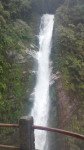
Changey Waterfall
Some quick example text to build on the card title and make up the bulk of the card's content.
Go somewhere
Ghanti Dara View Point
Some quick example text to build on the card title and make up the bulk of the card's content.
Go somewhere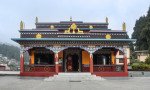
Kagyu Thekchen Ling Monastery
Some quick example text to build on the card title and make up the bulk of the card's content.
Go somewhere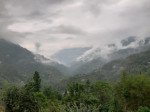
Kolakham Village
Some quick example text to build on the card title and make up the bulk of the card's content.
Go somewhere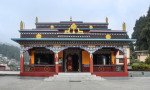
Lava Monastery
Some quick example text to build on the card title and make up the bulk of the card's content.
Go somewhere
Nature Interpretation Centre
Some quick example text to build on the card title and make up the bulk of the card's content.
Go somewhere
Neora Valley National Park Entry Gate
Some quick example text to build on the card title and make up the bulk of the card's content.
Go somewhere
Rishyap
Some quick example text to build on the card title and make up the bulk of the card's content.
Go somewhere
Tiffin Dara Viewpoint
Some quick example text to build on the card title and make up the bulk of the card's content.
Go somewhere
Trek to Neora Valley Core Zone
Some quick example text to build on the card title and make up the bulk of the card's content.
Go somewherein Other Cities