...

FAQs On Netaji Subhas Chandra Bose Museum

Kurseong, West Bengal, India
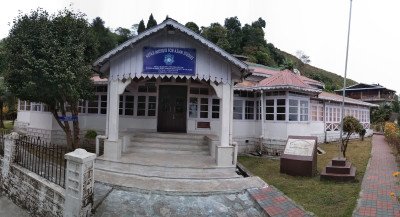
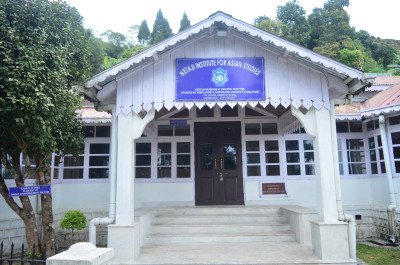
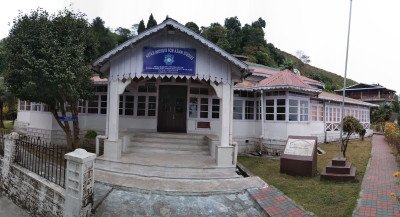
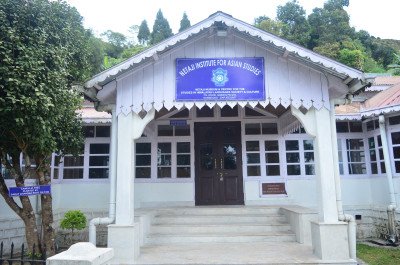
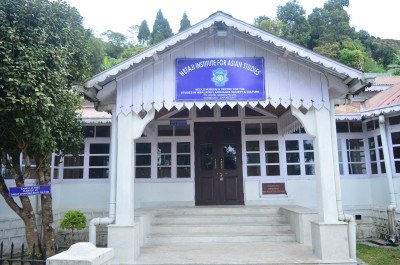
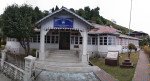
The Netaji Subhas Chandra Bose Museum is housed in the historical Giddapahar dwelling where the great Indian freedom fighter, Netaji Subhas Chandra Bose, was held under house arrest by the British authorities in 1933. This site is not just a collection of artifacts, but a preserved piece of history, offering a tangible connection to Netaji's revolutionary journey and philosophical development during a crucial period of his life. The museum is a simple, unassuming bungalow that has been carefully maintained to retain the look and feel of the 1930s. Inside, visitors can see original furniture used by Netaji, including his writing desk, chair, and bed, as well as personal belongings, letters, and rare photographs from his Giddapahar stay. The exhibits beautifully document his political thoughts, his famous escape, and his role in the Indian National Army (INA). The museum operates under the Netaji Subhas Bose National Centre for Historical Research. The atmosphere is one of profound historical significance, reverence, and quiet patriotism, often attracting historians, students, and political enthusiasts. The building stands as a powerful reminder of the sacrifices made during India's fight for independence, offering a deep, educational experience that contrasts sharply with the area's natural tourism. The surrounding gardens, where Netaji often walked, are also preserved, providing a tranquil space for reflection on his life.

Ans:- The Netaji Subhas Chandra Bose Museum in Kurseong is historically significant as it is housed in the very residence where Netaji Subhas Chandra Bose, the legendary Indian nationalist leader, spent a significant period under house arrest by the British colonial government. This site serves as a poignant reminder of his struggle for Indian independence and his personal sacrifices. Preserved as a museum, it offers visitors a rare, intimate glimpse into the life of one of India's greatest heroes, displaying personal artifacts, letters, and documents that defined his era and leadership.

Ans:- The museum houses a comprehensive collection of artifacts that chronicle the life and times of Netaji Subhas Chandra Bose. Visitors can explore personal belongings, including his letters, photographs, documents, and other memorabilia that shed light on his days in Kurseong. These items are carefully curated to provide an educational narrative about his political journey, his vision for a free India, and his tactical approach to the freedom movement, effectively turning the museum into a repository of invaluable historical records for researchers and history enthusiasts alike.

Ans:- Yes, there is usually a nominal entry fee required to access the museum premises, which helps in the maintenance and preservation of the historic site. This fee is relatively affordable and contributes towards keeping the facility in good condition for future generations to learn and explore. Visitors are advised to carry some cash, as digital payment options might not always be reliable in remote hill locations, and it is always a good practice to check the current rates at the entrance counter upon arrival for the most accurate information.

Ans:- The museum typically operates during standard daytime hours, usually opening in the morning and closing by the late afternoon, allowing visitors ample time to explore the exhibits. It is highly recommended for tourists to plan their visit in the mid-morning or early afternoon to avoid the late-day rush and to ensure they have enough time to digest the historical information provided. Checking the local tourism board's website or contacting local guides in Kurseong can provide the most current operating hours as they can occasionally change based on seasons.

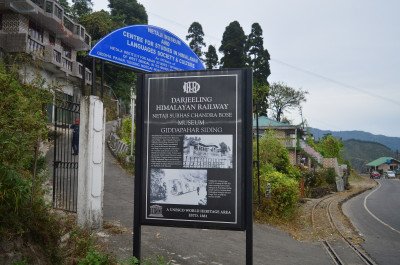
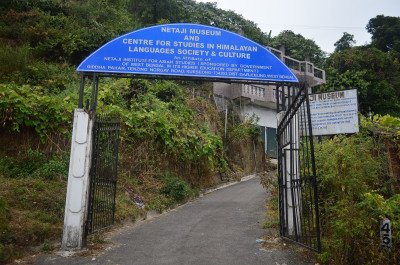
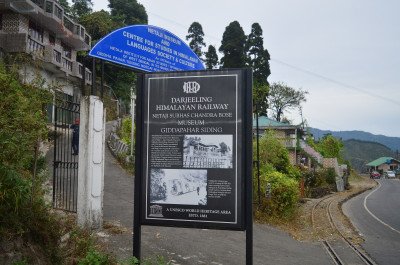
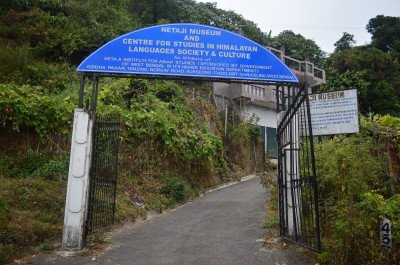
Ans:- Reaching the museum is relatively convenient as it is located in the Giddapahar area of Kurseong. Visitors can easily hire local taxis or private cabs from Kurseong town center to reach the museum, which is situated on the main road. The journey itself offers beautiful scenic views of the surrounding hills and tea gardens. Public transportation like shared jeeps is also available, making it accessible for travelers on a budget. It is advisable to ask the driver to drop you exactly at the museum entrance for convenience.

Ans:- Photography and videography policies can vary, but generally, visitors are encouraged to capture memories in the outdoor areas, while indoor rules regarding the use of flashes or tripods are stricter to preserve the delicate artifacts. Always check for signage or inquire with the staff at the entry gate regarding specific rules. Respecting the sanctity of the items on display is paramount, so visitors should refrain from taking photographs if signs explicitly prohibit it, ensuring that the historical integrity and experience of other visitors are maintained.

Ans:- The best time to visit the museum, much like the rest of Kurseong, is during the spring months from March to May or the autumn months from September to November. During these periods, the weather is pleasant, with clear skies and comfortable temperatures, making it ideal for walking around and exploring both the museum and the surrounding beautiful landscape of the Giddapahar area. Avoiding the peak monsoon season is advisable to ensure that roads are clear and sightseeing plans are not disrupted by heavy rains or fog.

Ans:- The museum is generally accessible, but visitors should be aware that the building is a historic structure, which may have some uneven flooring or small steps. It is well-maintained, and most areas are navigable, but those with significant mobility issues should be accompanied by a companion. The serene environment and the flat surroundings of the Giddapahar location make it quite manageable for most visitors, provided they walk at a steady, comfortable pace and take advantage of the benches if available for resting during the tour.

Ans:- While formal, scheduled guided tours might not always be available, the museum is often staffed by knowledgeable personnel who can answer questions about the exhibits and the history of Netaji Subhas Chandra Bose in Kurseong. For a more in-depth experience, hiring a local guide from Kurseong town who is well-versed in the history of the region can be highly beneficial. A private guide can provide context, tell stories, and explain the significance of the artifacts in a way that static displays cannot, enhancing your overall museum experience.

Ans:- The museum is strategically located in Giddapahar, Kurseong, which allows visitors to easily combine their trip with visits to other nearby attractions. Tea gardens are prominent in the vicinity, offering stunning landscapes for photography and walking tours. Additionally, the famous Dow Hill area, with its forest museum and educational institutes, is just a short drive away. Visitors can also explore the serene churches in Kurseong, or head towards the main town market to enjoy local Darjeeling tea and traditional Himalayan cuisine after finishing their museum visit.

Ans:- It is recommended to allocate at least one to two hours to properly explore the museum and appreciate the exhibits. This timeframe allows visitors to read the information boards, view the photographs, and soak in the historical atmosphere of the residence. If you are a history buff who enjoys reading every document and examining each artifact in detail, you might want to extend your stay. Rushing through the exhibits would not do justice to the significance of the place, so planning a relaxed visit is ideal.

Ans:- Absolutely, the museum is an excellent educational destination for students and children. It provides a tangible connection to India's freedom struggle, making history come alive far better than textbooks can. Teachers and parents are encouraged to bring children to learn about Netaji's bravery, sacrifice, and the significant role he played in shaping India's future. The environment is quiet and respectful, fostering an atmosphere where young visitors can learn, ask questions, and develop a deeper appreciation for their national heritage and the values of freedom and patriotism.

Ans:- The availability of printed brochures or guidebooks can vary, so it is always a good idea to check at the entrance desk when you arrive. Sometimes, the museum may provide informational pamphlets, or you might find books and souvenirs related to Netaji Subhas Chandra Bose available for purchase. Even if printed materials are not available, the information placards placed alongside the displays are quite informative and are designed to guide the visitor through the narrative of the exhibition, ensuring that everyone gets a clear understanding of the history.

Ans:- There are no strict dress codes, but since it is a site of historical importance and respect, it is advised to dress modestly. Wearing comfortable clothing and footwear is recommended because you will likely be walking around the premises. Hill stations like Kurseong can get chilly, so carrying a light jacket or a sweater, regardless of the season, is a practical tip for all tourists. Respectful attire is always appreciated in cultural and historical sites, reflecting the visitor's consideration for the place's legacy and those who visit for remembrance.

Ans:- Yes, the famous Darjeeling Himalayan Railway, known as the Toy Train, stops at Kurseong. From the Kurseong railway station, the museum is a short taxi ride away. Integrating a journey on the Toy Train with a visit to the museum creates a quintessential Kurseong experience. The scenic route offers spectacular views of the mountains, and reaching the museum after such a beautiful journey adds a touch of classic charm to your historical excursion, making the entire day memorable and deeply connected to the region's heritage and transportation history.

Ans:- If you are traveling by a private vehicle or a rented car, you will find basic parking space available near the museum premises or along the Giddapahar road. While it might not be a large, dedicated parking complex, the road-side space is generally sufficient for the number of visitors the museum receives. It is advisable to park cautiously and ensure your vehicle does not obstruct the flow of traffic on the narrow hill roads, as road safety and courtesy are very important in these mountainous areas.

Ans:- Yes, Kurseong town is just a few kilometers away and offers several cafes, bakeries, and restaurants where you can enjoy authentic Himalayan food or a quick cup of world-famous Darjeeling tea. You can find places serving momos, thukpa, and other local delicacies that are popular among tourists. Additionally, there are a few small eateries near the Giddapahar area, although the variety might be greater in the main Kurseong town area, making it a better destination for a proper meal after your visit.

Ans:- The museum is generally well-maintained, as it is a point of pride for the local community and the state tourism department. Regular upkeep is conducted to preserve the structure and the artifacts within. However, given the humid climate of the hills, some maintenance work might be ongoing from time to time. Visitors can generally expect a clean and tidy environment. If you notice anything during your visit, providing respectful feedback to the staff can help in ensuring the continuous preservation of this national heritage site.

Ans:- Giddapahar is a scenic, elevated area in Kurseong, known for its beautiful views and tea gardens. The location is significant because it provided a tranquil and secluded setting for Netaji's house arrest. Being away from the bustling town center allowed for the required containment while providing a peaceful environment. Today, the location itself is a tourist attraction, offering panoramic views of the hills and plains, which adds to the overall experience of visiting the museum, making it a perfect spot for photography and contemplation.

Ans:- Yes, the museum is open to both domestic and international tourists. It is a great place for foreign visitors to learn about a pivotal figure in Indian history. There are usually no special permits required beyond the standard tourist visa norms for entering West Bengal. International visitors will find the historical narrative fascinating, as it provides a deep dive into the anti-colonial struggle. Engaging with the history of Netaji helps bridge cultural understanding, making it a highly recommended stop for those curious about India's past.
Information about New and Updated Locations() of West Bengal Has Been Added :-
Card subtitle

Note:-

Information provided here in good Faith and for reference only.

Near Places
...
Ambootia Tea Estate

Some quick example text to build on the card title and make up the bulk of the card's content.

Go somewhere
...
Ambotia Shiva Temple & Orange Garden

Some quick example text to build on the card title and make up the bulk of the card's content.

Go somewhere

...
Bhangzang Salamander Lake

Some quick example text to build on the card title and make up the bulk of the card's content.

Go somewhere
...
Chimney Heritage Park

Some quick example text to build on the card title and make up the bulk of the card's content.

Go somewhere
...
Dow Hill Eco Park

Some quick example text to build on the card title and make up the bulk of the card's content.

Go somewhere
...
Eagle's Crag

Some quick example text to build on the card title and make up the bulk of the card's content.

Go somewhere
...
Forest Museum

Some quick example text to build on the card title and make up the bulk of the card's content.

Go somewhere

...
Giddapahar View Point and Temple

Some quick example text to build on the card title and make up the bulk of the card's content.

Go somewhere
...
Grotto View Point

Some quick example text to build on the card title and make up the bulk of the card's content.

Go somewhere
...
Hill Cart Road

Some quick example text to build on the card title and make up the bulk of the card's content.

Go somewhere
...
Kettle Valley Viewpoint

Some quick example text to build on the card title and make up the bulk of the card's content.

Go somewhere
...
Makaibari Tea Estate

Some quick example text to build on the card title and make up the bulk of the card's content.

Go somewhere
...
Netaji Subhas Chandra Bose Museum

Some quick example text to build on the card title and make up the bulk of the card's content.

Go somewhere
...
Sitong Village

Some quick example text to build on the card title and make up the bulk of the card's content.

Go somewhere
...
St. Andrew s Church, Kurseong

Some quick example text to build on the card title and make up the bulk of the card's content.

Go somewhere
...
St. Mary s Hill Church

Some quick example text to build on the card title and make up the bulk of the card's content.

Go somewhere
in Other Cities