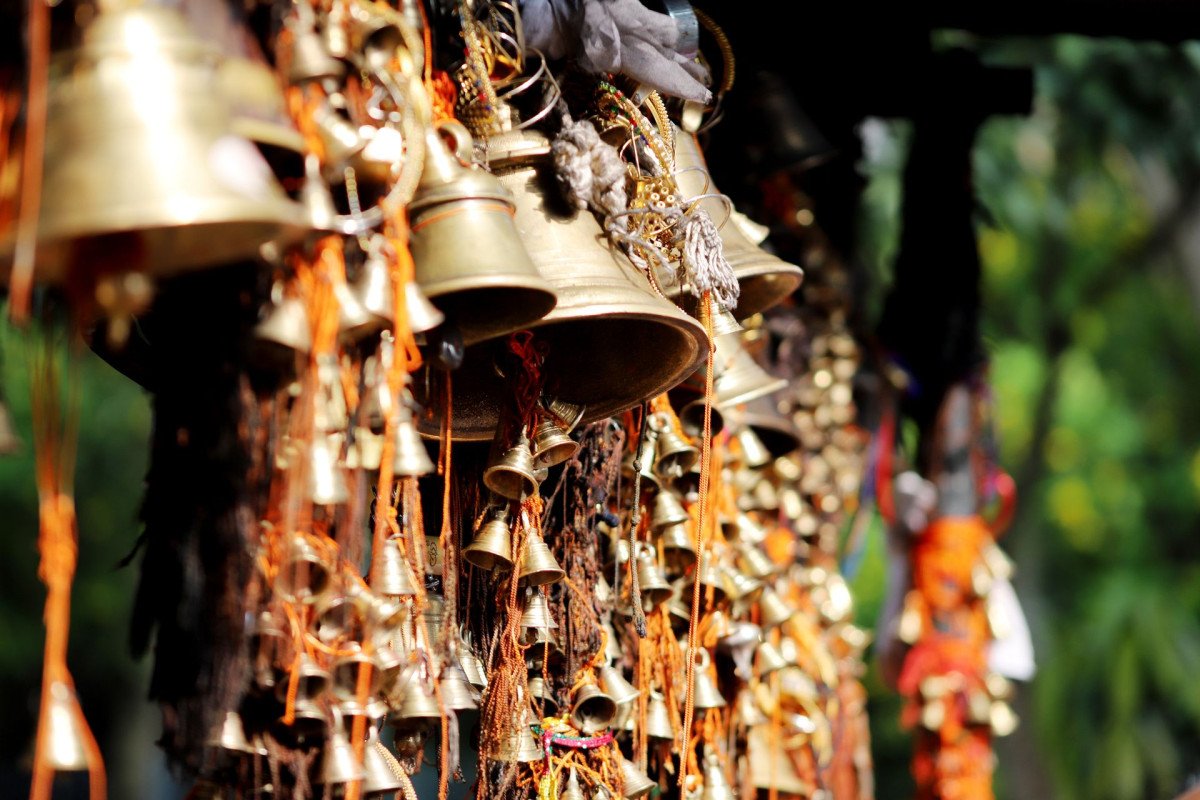
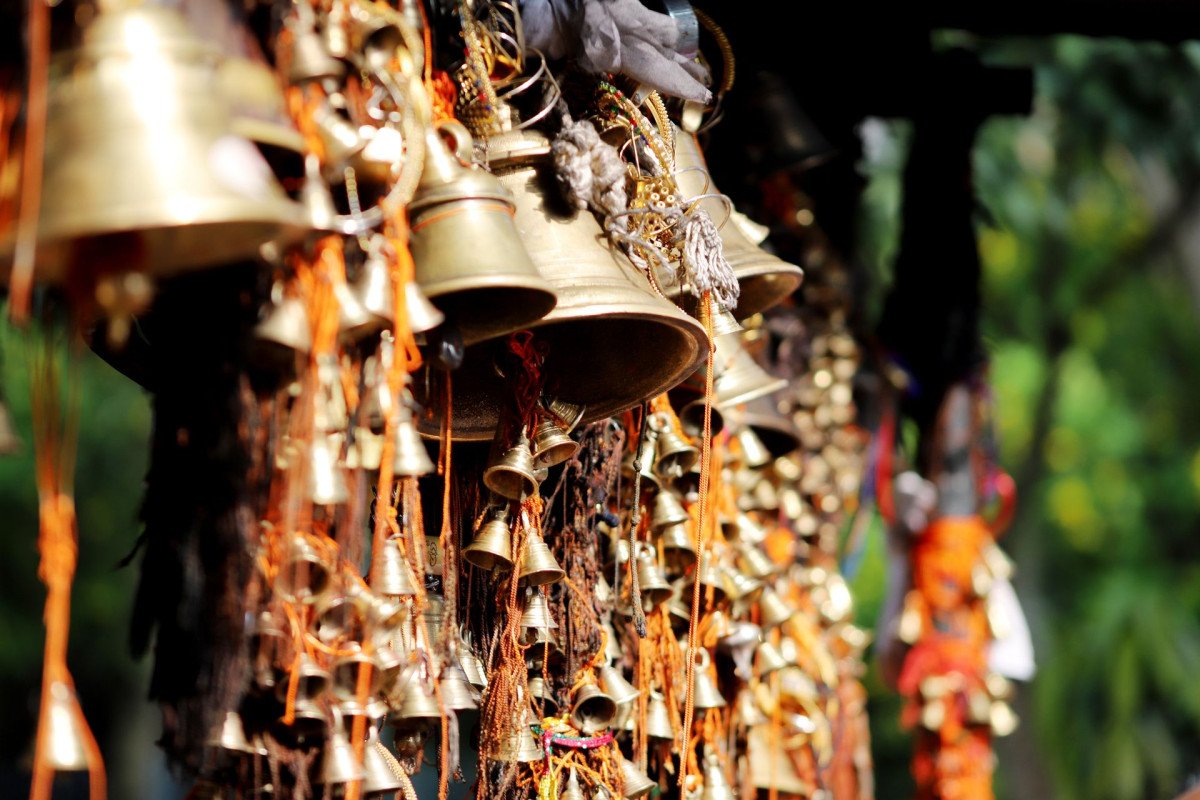
Gari Bhawani Temple
General information
-
Ideal Duration:
1-2 Hours:Place Type:
Pilgrimage Site: Religious Temple and Roadside SEntry Fees:
Free of Cost:
The Sanctity of Open Worship: There is no entry fee or ticket required to visit the Gari Bhawani Temple, adhering to the tradition of open access for devotees.
Donation Box:
Read MoreFree of Cost:
The Sanctity of Open Worship: There is no entry fee or ticket required to visit the Gari Bhawani Temple, adhering to the tradition of open access for devotees.
Donation Box:
Voluntary Contributions for Temple Maintenance: Donations are voluntary and can be offered in the designated donation box, which is the primary source of funding for the temple's maintenance, daily puja expenses, and charitable activities.
Photography Fees:
Generally Not Applicable: There are typically no fees for personal photography, but visitors should always be respectful and avoid photographing inside the main sanctum during active worship to maintain sanctity.Timing:
Regular Timings:
Open from Dawn to Dusk: The temple is generally open from 5:00 AM to 7:00 PM daily, allowing pilgrims to stop early in the morning or late in the evening.
Ideal Visit Time:
Read MoreRegular Timings:
Open from Dawn to Dusk: The temple is generally open from 5:00 AM to 7:00 PM daily, allowing pilgrims to stop early in the morning or late in the evening.
Ideal Visit Time:
Early Morning for Serenity: The most ideal time to visit is during the early morning hours (5:30 AM to 8:00 AM) for a serene experience, or just before sunset (5:00 PM to 6:30 PM) to witness the evening aarti.Special Events:
Navratri Celebrations:
Nine Nights of Goddess Bhawani Worship: The temple is at its most vibrant during the two annual Navratri festivals (Chaitra Navratri in March-April and Sharad Navratri in September-October), where it is beautifully deco...Navratri Celebrations:
Nine Nights of Goddess Bhawani Worship: The temple is at its most vibrant during the two annual Navratri festivals (Chaitra Navratri in March-April and Sharad Navratri in September-October), where it is beautifully decorated, and special pujas (worship services) and community feasts are organized for the nine nights.
Local Annual Fair (Mela):
Community Gathering: Depending on the specific local calendar, a small annual fair or mela may be held, drawing villagers from the surrounding areas for trade, music, and community celebration.Best Photo Spots:
The Mountain-Highway Viewpoint:
Capturing the Himalayan Scale: The slight elevation of the temple complex provides an excellent vantage point to photograph the winding National Highway against the huge scale of the mountains.The Mountain-Highway Viewpoint:
Capturing the Himalayan Scale: The slight elevation of the temple complex provides an excellent vantage point to photograph the winding National Highway against the huge scale of the mountains.
Temple Entrance Facade:
Focus on the Traditional Design: Capture the temple’s front facade and the decorated doorway, emphasizing the traditional use of slate roofing and local wood.
The Offering Bell and Shikhara:
Symbols of Devotion: Focus shots on the bell near the entrance and the shikhara (spire), often framed against the deep blue Himalayan sky.Photo Gallery
Things To Do
-
Offering Prayers and Seeking Blessings:
Participate in a Small, Authentic Ceremony: Devotees can offer prasad (sacred food offering) and flowers to the deity, participating in the traditional aarti or prayer ceremony conducted by the resident priest, often at sunrise or sunset.
Experiencing the Drive:
The Scenic Journey to the Temple: The drive itself along the NH-7 is spectacular; take time to appreciate the views of the Alaknanda River and the surrounding mountain ranges before and after the temple stop.
Photography of the Surroundings:
Capture the Himalayan Backdrop: Use the elevated position of the temple to capture sweeping panoramic shots of the deep valleys and the forested slopes.
<...Offering Prayers and Seeking Blessings:
Participate in a Small, Authentic Ceremony: Devotees can offer prasad (sacred food offering) and flowers to the deity, participating in the traditional aarti or prayer ceremony conducted by the resident priest, often at sunrise or sunset.
Experiencing the Drive:
The Scenic Journey to the Temple: The drive itself along the NH-7 is spectacular; take time to appreciate the views of the Alaknanda River and the surrounding mountain ranges before and after the temple stop.
Photography of the Surroundings:
Capture the Himalayan Backdrop: Use the elevated position of the temple to capture sweeping panoramic shots of the deep valleys and the forested slopes.
Walking the Perimeter:
A Moment of Peaceful Reflection: Walk slowly around the temple perimeter and the nearby area to soak in the pure mountain air and the spiritual energy of the location without rushing.
Sampling Local Snacks:
Taste the Roadside Delights: Enjoy a quick cup of chai or simple local snacks from the small shops often set up by local families near the temple, supporting the small economy.
Observing Traditional Rituals:
Witness Local Devotional Practices: Sit quietly and observe the unique way the local populace performs their worship, paying attention to the specific Garhwali customs and prayers.
Spiritual Reading:
A Quiet Spot for Reflection: Bring a favorite religious or spiritual book to read beneath the shade of a nearby tree.
Information
-
Why Famous:
The Protecting Deity:
Belief in Wish-Fulfillment and Local Patronage: The temple is most famous for the strong local belief that Goddess Bhawani acts as the protector of the region, safeguarding pilgrims, travelers, and residents alike, parti...The Protecting Deity:
Belief in Wish-Fulfillment and Local Patronage: The temple is most famous for the strong local belief that Goddess Bhawani acts as the protector of the region, safeguarding pilgrims, travelers, and residents alike, particularly those traveling on the frequently challenging mountain roads.
A Stop on the Char Dham Route:
Strategic Spiritual Location: It is a significant and mandatory spiritual stop for many devotees traveling the ancient pilgrimage route to Badrinath and other higher Himalayan shrines.
The Power of Shakti:
Center of Feminine Divinity Worship: It serves as an important center for the worship of Shakti, the divine feminine energy, which is particularly revered in Uttarakhand. -
Architecture:
Traditional Hill Stone Architecture:
The Use of Local Slate and Wood: The temple exhibits typical Garhwali hill architecture, predominantly using locally sourced stone and slate for its roof and structure. The main sanctum is a relatively sm...Traditional Hill Stone Architecture:
The Use of Local Slate and Wood: The temple exhibits typical Garhwali hill architecture, predominantly using locally sourced stone and slate for its roof and structure. The main sanctum is a relatively small, square-plan structure, crowned by a simple shikhara (spire) that often has a gentle slope to handle snowfall, which is characteristic of the region's style. The construction prioritizes resilience against the harsh mountain climate over elaborate carvings, though one can find simple, devotional carvings around the entrance or on the wooden doors.
Architectural Dimensions and Layout:
A Compact Spiritual Space: While exact dimensions vary, the temple complex is compact, typically covering an area of less than 100 square meters. The core sanctum is a small room, where the idol of Goddess Bhawani is installed. An outer mandap (hall) provides space for devotees to stand and offer prayers. The overall height of the structure, including the shikhara, is generally less than 10 meters. The simplicity in design underscores the focus on devotion rather than ostentatious display, allowing the natural Himalayan backdrop to frame the spiritual experience. -
How To Reach:
By Air:
Fly to Dehradun (Jolly Grant Airport - 272 KMS): Fly to Jolly Grant Airport (DED) in Dehradun, then hire a taxi or take a state-run bus for the 10-11 hour scenic drive to Joshimath, followed by a short local taxi ride to the temple. <...By Air:
Fly to Dehradun (Jolly Grant Airport - 272 KMS): Fly to Jolly Grant Airport (DED) in Dehradun, then hire a taxi or take a state-run bus for the 10-11 hour scenic drive to Joshimath, followed by a short local taxi ride to the temple.
By Train:
Travel to Rishikesh (251 KMS): The nearest major railhead is Rishikesh or Haridwar. From there, take an overnight or early morning bus/shared taxi to Joshimath (8-10 hours).
By Road: Well-Connected on NH-7: Joshimath is the primary hub, well-connected by NH-7 to major cities like Rishikesh, Haridwar, and Dehradun. Frequent buses (GMOU/UTC) and shared taxis are available directly to Joshimath. The temple is then reached by a short local taxi or a 6 KM walk from the town.
By Local Transport:
Shared Taxis (Sumos): Frequent shared taxis (Sumos) or auto-rickshaws run between the main Joshimath market and the temple location, especially during the pilgrimage season. -
Weather and Best Time to Visit:
May to October (Peak Season):
Summer and Post-Monsoon: The best time to visit is from May to June and again from September to October. The weather is pleasantly cool, and the sky is often clear, offering excellent mountain views.May to October (Peak Season):
Summer and Post-Monsoon: The best time to visit is from May to June and again from September to October. The weather is pleasantly cool, and the sky is often clear, offering excellent mountain views.
Avoid Monsoon:
Landslide Risk: The monsoon months (July and August) should be avoided due to the high risk of landslides and road closures on the NH-7.
Part of the Day:
Late Afternoon: Visit in the late afternoon for a quieter experience and the chance to witness the evening rituals. -
Near Tourist Places:
Narsingh Temple (Joshimath - 3 KMS):
Shankaracharya Math (Joshimath - 3 KMS):
Auli Ropeway (Joshimath Station - 5 KMS):
Joshimath View Point (7 KMS):
Kalpavriksha (Joshimath - 3 KMS):
Tapovan Hot Springs (22 KMS):
Vishnuprayag (12 KMS):
Auli (15 KMS via road or ropeway):
Govindghat (20 KMS):
Vridha Badri (24 KMS):
Tourism Tips
-
Health & Safety:
High Altitude Caution: The temple itself is not at extreme altitude, but always carry basic first aid for mountain travel and stay hydrated on the long drive to Joshimath.
Packing:Health & Safety:
High Altitude Caution: The temple itself is not at extreme altitude, but always carry basic first aid for mountain travel and stay hydrated on the long drive to Joshimath.
Packing:
Light Layered Clothing: Pack light, layered clothing, as temperatures can drop quickly, even in summer. Include a light rain jacket and comfortable, non-slip walking shoes.
Accommodation:
Stay in Joshimath or Auli: The temple does not offer accommodation; visitors should book hotels in Joshimath Town or the nearby ski resort of Auli, which offers a wider range of options.
Respecting the Shrine:
Dress Modestly and Maintain Silence: Dress modestly, covering shoulders and legs, and remove shoes before entering the temple premises. Photography inside the main sanctum is discouraged.
Reviews
FAQs
Joshimath Itineray And Cost:-
Gari Bhawani Temple Tourism:-
Other Places In Joshimath :-
Other States In India :-
Information about New and Updated Locations() of Uttarakhand Has Been Added :-
Card subtitle
Note:-
Information provided here in good Faith and for reference only.
Near Places

Acha Bacha Waterfall
Some quick example text to build on the card title and make up the bulk of the card's content.
Go somewhere
Auli Cable Car
Some quick example text to build on the card title and make up the bulk of the card's content.
Go somewhere
Auli
Some quick example text to build on the card title and make up the bulk of the card's content.
Go somewhere
Auli Ropeway
Some quick example text to build on the card title and make up the bulk of the card's content.
Go somewhere
Badrinath Temple
Some quick example text to build on the card title and make up the bulk of the card's content.
Go somewhere
Bhavishya Badri Temple
Some quick example text to build on the card title and make up the bulk of the card's content.
Go somewhere
Bhavishya Kedar Temple
Some quick example text to build on the card title and make up the bulk of the card's content.
Go somewhere
Bhyundar Ganga River
Some quick example text to build on the card title and make up the bulk of the card's content.
Go somewhere
Bhyundar Valley
Some quick example text to build on the card title and make up the bulk of the card's content.
Go somewhere
Chenab Lake
Some quick example text to build on the card title and make up the bulk of the card's content.
Go somewhere
Dhak Village
Some quick example text to build on the card title and make up the bulk of the card's content.
Go somewhere
Gari Bhawani Temple
Some quick example text to build on the card title and make up the bulk of the card's content.
Go somewhere
Ghangaria
Some quick example text to build on the card title and make up the bulk of the card's content.
Go somewhere
Govindghat
Some quick example text to build on the card title and make up the bulk of the card's content.
Go somewhere
Helang Village
Some quick example text to build on the card title and make up the bulk of the card's content.
Go somewhere
Hemkund Sahib
Some quick example text to build on the card title and make up the bulk of the card's content.
Go somewherein Other Cities