

Ghangaria
General information
-
Ideal Duration:
1-2 Days (Minimum one night stay for acclimatization and visiting both major spots):Entry Fees:
Valley of Flowers Permit:
Mandatory Entrance Fee: Entry to the Valley of Flowers requires a forest permit, typically costing around Rs.350 per person for Indians and Rs.1500 for Foreign Nationals for a 3-day validity, and this fee must be paid at...Valley of Flowers Permit:
Mandatory Entrance Fee: Entry to the Valley of Flowers requires a forest permit, typically costing around Rs.350 per person for Indians and Rs.1500 for Foreign Nationals for a 3-day validity, and this fee must be paid at the entry gate near Ghangaria.
Hemkund Sahib Entry:
Free of Cost: There is no entry fee for the Gurudwara or the trek up to Hemkund Sahib, upholding the Gurudwara's tradition of free and open access for all.
Trekking Support Fees:
Porters, Ponies, and Mules: Fees are applicable for hiring support services like porters, ponies, or mules at Govindghat or for short distances to/from Ghangaria, which can range from Rs.1500 to Rs.3000 per segment.Timing:
Regular Timings:
Seasonal Opening (May to October): The settlement operates only from late May/early June to October due to heavy snow. Lodging is available 24 hours during the season.
Ideal Visit Time:
<...Regular Timings:
Seasonal Opening (May to October): The settlement operates only from late May/early June to October due to heavy snow. Lodging is available 24 hours during the season.
Ideal Visit Time:
Full Bloom Season: The best time to visit is from Mid-July to Mid-August for the Valley of Flowers (peak bloom) and September for the clearest mountain views before the season closes.Special Events:
Opening and Closing Ceremony:
The Six-Month Season: The most significant event is the opening (late May/early June) and closing (October) of the trekking season. The opening day involves a massive number of pilgrims rushing up to Hemkund Sah...Opening and Closing Ceremony:
The Six-Month Season: The most significant event is the opening (late May/early June) and closing (October) of the trekking season. The opening day involves a massive number of pilgrims rushing up to Hemkund Sahib after the snow clearance, and the closing day is marked by a solemn ceremony as the Gurudwara is closed for the winter.
Baisakhi Festival Preparations:
The Seasonal Beginning: While Baisakhi (a Sikh harvest festival) in April often precedes the opening, the preparatory work and the arrival of the first batch of dedicated service volunteers mark an important time of renewed activity and excitement.Best Photo Spots:
The Valley of Flowers Trailhead:
The Sign and the Pine Trees: The starting point of the trail leading to the Valley of Flowers is one of the best spots, often featuring a beautiful backdrop of dense pine forests and the river.The Valley of Flowers Trailhead:
The Sign and the Pine Trees: The starting point of the trail leading to the Valley of Flowers is one of the best spots, often featuring a beautiful backdrop of dense pine forests and the river.
Confluence of the Streams:
The Dynamic River Flow: The area where the two major mountain streams meet offers a dynamic photographic subject, capturing the clear, fast-flowing water and the surrounding rocky landscape.
Gurudwara Rooftop Views:
Panoramic Shots of the Valley: The upper floors or rooftop of the main Gurudwara often provide an excellent vantage point for panoramic shots of the surrounding mountain slopes and the village below.Photo Gallery
Things To Do
-
Trekking to Hemkund Sahib:
The Spiritual Ascent: Begin the challenging 6 km steep ascent early in the morning to Hemkund Sahib and the glacial lake, aiming to reach before noon and return before the weather changes.
Exploring the Valley of Flowers:
A Walk Through Nature's Garden: Trek 4 km one way to the Valley of Flowers National Park entrance, exploring the vibrant meadows carpeted with endemic alpine flowers, which are in full bloom typically from July to September.
Attending the Langar:
Participate in Community Service: Spend time at the local Gurudwara, participating in seva (selfless service) by helping prepare or serve food in the community Langar.
Acclimatizatio...Trekking to Hemkund Sahib:
The Spiritual Ascent: Begin the challenging 6 km steep ascent early in the morning to Hemkund Sahib and the glacial lake, aiming to reach before noon and return before the weather changes.
Exploring the Valley of Flowers:
A Walk Through Nature's Garden: Trek 4 km one way to the Valley of Flowers National Park entrance, exploring the vibrant meadows carpeted with endemic alpine flowers, which are in full bloom typically from July to September.
Attending the Langar:
Participate in Community Service: Spend time at the local Gurudwara, participating in seva (selfless service) by helping prepare or serve food in the community Langar.
Acclimatization Walks:
Prepare for Altitude: Take short, gentle walks around the Ghangaria perimeter upon arrival to properly acclimatize to the 3,050-meter altitude before attempting the strenuous climbs.
Photography:
Capturing the Confluence and Peaks: Dedicate time to capturing the dramatic confluence of the streams and the majestic, often snow-capped peaks visible from the village.
Shopping for Souvenirs:
Local Mountain Crafts: Browse the small shops for basic trekking supplies, religious souvenirs, and perhaps some locally made knitwear.
Stargazing:
Clear Himalayan Skies: The remote location and clear air make Ghangaria an exceptional spot for night-time stargazing, with the Milky Way often visible on clear nights.
Information
-
Why Famous:
Gateway to Hemkund Sahib and Valley of Flowers:
The Ultimate Trekking Base: Ghangaria is famous for being the crucial strategic and geographical checkpoint, as it is the only place offering stay options between Govindghat and the two major de...Gateway to Hemkund Sahib and Valley of Flowers:
The Ultimate Trekking Base: Ghangaria is famous for being the crucial strategic and geographical checkpoint, as it is the only place offering stay options between Govindghat and the two major destinations.
A Major Hub for Sikh Pilgrimage:
The Last Roadblock to a Holy Site: It is an essential stopover for millions of Sikh pilgrims making the strenuous, steep 6 km trek up to Hemkund Sahib Gurudwara, symbolizing their faith and endurance.
Scenic Confluence:
Meeting Point of Mountain Streams: The settlement’s location at the confluence of the streams that eventually form the Pushpawati River is scenically beautiful and spiritually significant. -
Architecture:
Temporary Alpine Settlement:
Simple, Functional Structure: Ghangaria is not a traditional village but a seasonal, temporary settlement built to support the pilgrimage and trekking traffic. Most structures are simple, functional concrete buil...Temporary Alpine Settlement:
Simple, Functional Structure: Ghangaria is not a traditional village but a seasonal, temporary settlement built to support the pilgrimage and trekking traffic. Most structures are simple, functional concrete buildings or wooden shacks designed for mass lodging and quick setup/takedown before the winter snows.
The Gurudwara Architecture:
Himalayan Sikh Style: The most significant structure is the local Gurudwara, which follows a distinct style adapted for the Himalayas. It is robust, multi-story, and built with concrete and stone to withstand heavy snowfall. Its architecture focuses on providing communal, warm shelter, often with metal roofing and small, deep-set windows for insulation. The internal layout is centered around the community kitchen (Langar) and dormitory-style accommodation, reflecting the Sikh principle of open service. -
How To Reach:
By Air:
Fly to Dehradun (Jolly Grant Airport - 300 KMS): Fly to Jolly Grant Airport (DED), take a taxi or bus to Joshimath (9-10 hrs), then another taxi to Govindghat (22 KMS), and finally a 13 km trek/pony ride to Ghangaria.By Air:
Fly to Dehradun (Jolly Grant Airport - 300 KMS): Fly to Jolly Grant Airport (DED), take a taxi or bus to Joshimath (9-10 hrs), then another taxi to Govindghat (22 KMS), and finally a 13 km trek/pony ride to Ghangaria.
By Train:
Travel to Rishikesh (275 KMS): Take a train to Rishikesh or Haridwar, followed by the long bus or taxi journey to Govindghat via Joshimath.
By Road:
Govindghat is the Road Head: The road journey ends at Govindghat. From Joshimath, hire a local jeep or shared taxi (Sumo) to cover the 22 km distance to Govindghat.
By Local Transport:
13 km Trek Only: From Govindghat, Ghangaria is strictly reached by a 13 km trek, or by hiring a pony, mule, or porter service. Helicopter service to Govindghat is sometimes available. -
Weather and Best Time to Visit:
June to September (Peak Season):
Summer to Post-Monsoon: The absolute best time is from June to early September. June offers snow patches, and July-August is perfect for the Valley of Flowers bloom.
Part of the ...June to September (Peak Season):
Summer to Post-Monsoon: The absolute best time is from June to early September. June offers snow patches, and July-August is perfect for the Valley of Flowers bloom.
Part of the Day:
Early Morning: Start all treks (Valley of Flowers or Hemkund Sahib) extremely early (6:00 AM) to utilize the clear morning weather and return before the afternoon rain or mist. -
Near Tourist Places:
Hemkund Sahib (6 KMS - Trek):
Valley of Flowers National Park (4 KMS - Trek):
Govindghat (13 KMS - Trek):
Badrinath Temple (25 KMS via Govindghat and road):
Joshimath Town (22 KMS to Govindghat):
Mana Village (50 KMS via Govindghat and road):
Vridha Badri (24 KMS to Govindghat and road):
Auli (40 KMS via Govindghat and Joshimath):
Vishnuprayag (34 KMS via Govindghat and road): Tapovan Hot Springs (54 KMS via Govindghat and road):
Tourism Tips
-
Health & Safety:
Acute Mountain Sickness (AMS): Be aware of the high altitude (3,050 m). Ascend slowly, stay hydrated, and carry necessary medication (Diamox). Do not rush the ascent from Govindghat.
Packing:Health & Safety:
Acute Mountain Sickness (AMS): Be aware of the high altitude (3,050 m). Ascend slowly, stay hydrated, and carry necessary medication (Diamox). Do not rush the ascent from Govindghat.
Packing:
Waterproof and Warm Layers: Pack waterproof trekking shoes, heavy woolens, thermal wear, and a high-quality rain/windproof jacket, as the weather is extremely unpredictable.
Accommodation:
Basic and Crowded: Accommodation in Ghangaria is basic (dormitories and budget guesthouses) and should be booked well in advance during peak season.
Respecting the Environment:
UNESCO Site Rules: The entire region is ecologically fragile. Do not litter, do not pluck flowers in the Valley of Flowers, and always stick to the marked trails.
Reviews
FAQs
Joshimath Itineray And Cost:-
Other Places In Joshimath :-
Other States In India :-
Information about New and Updated Locations() of Uttarakhand Has Been Added :-
Card subtitle
Note:-
Information provided here in good Faith and for reference only.
Near Places

Acha Bacha Waterfall
Some quick example text to build on the card title and make up the bulk of the card's content.
Go somewhere
Auli Cable Car
Some quick example text to build on the card title and make up the bulk of the card's content.
Go somewhere
Auli
Some quick example text to build on the card title and make up the bulk of the card's content.
Go somewhere
Auli Ropeway
Some quick example text to build on the card title and make up the bulk of the card's content.
Go somewhere
Badrinath Temple
Some quick example text to build on the card title and make up the bulk of the card's content.
Go somewhere
Bhavishya Badri Temple
Some quick example text to build on the card title and make up the bulk of the card's content.
Go somewhere
Bhavishya Kedar Temple
Some quick example text to build on the card title and make up the bulk of the card's content.
Go somewhere
Bhyundar Ganga River
Some quick example text to build on the card title and make up the bulk of the card's content.
Go somewhere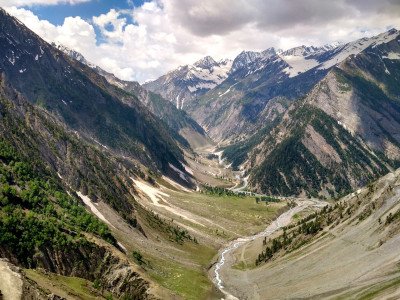
Bhyundar Valley
Some quick example text to build on the card title and make up the bulk of the card's content.
Go somewhere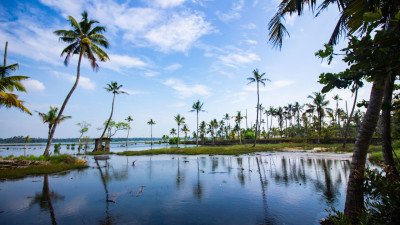
Chenab Lake
Some quick example text to build on the card title and make up the bulk of the card's content.
Go somewhere
Dhak Village
Some quick example text to build on the card title and make up the bulk of the card's content.
Go somewhere
Gari Bhawani Temple
Some quick example text to build on the card title and make up the bulk of the card's content.
Go somewhere
Ghangaria
Some quick example text to build on the card title and make up the bulk of the card's content.
Go somewhere
Govindghat
Some quick example text to build on the card title and make up the bulk of the card's content.
Go somewhere
Helang Village
Some quick example text to build on the card title and make up the bulk of the card's content.
Go somewhere
Hemkund Sahib
Some quick example text to build on the card title and make up the bulk of the card's content.
Go somewhere