Global Vipassana Pagoda
General information
-
Ideal Duration:
2 to 3 hours (to explore the complex, watch the film, and have a short meditation session).Place Type:
Religious / Spiritual / Architectural LandmarkEntry Fees:
Admission Fee (Free for All): There is no entry fee for the general public to visit the Global Vipassana Pagoda complex, the main dome viewing area, the art gallery, and the grounds. This policy aligns with the core principle of Vipassana—that the teachings and the place ...Admission Fee (Free for All): There is no entry fee for the general public to visit the Global Vipassana Pagoda complex, the main dome viewing area, the art gallery, and the grounds. This policy aligns with the core principle of Vipassana—that the teachings and the place of practice should be universally accessible and free of charge to all people, regardless of background or financial means. This ensures that everyone can experience the message of peace.
Meditation Courses (Offered Free of Cost): All Vipassana meditation courses, including the 10-day residential course offered at the adjacent Dhamma Pattana center, are provided entirely free of cost. This includes food and accommodation for the duration of the course. This is a rare and significant feature, as all expenses are covered by voluntary donations from previous students who have benefited from the practice, sustaining the tradition of selfless service. Parking and Ferry Charges (Nominal External Costs): While the entry to the Pagoda is free, visitors should account for external costs. There may be a nominal charge for parking if you arrive by private vehicle. Furthermore, if you choose the highly recommended route by ferry from Gorai Creek, a small, fixed fee for the ferry ticket must be paid at the jetty.
Voluntary Donations (Support for Maintenance): The entire complex, including its construction and ongoing maintenance, is run solely on voluntary donations (Dana). Visitors are welcome to contribute any amount they wish to support the upkeep and the charitable activities of the trust, but this is entirely optional and is not an entry requirement.Timing:
Regular Public Visiting Timings: The Global Vipassana Pagoda is generally open to the public daily from 9:00 AM to 7:00 PM. Please note that the admission of new visitors is often closed by 6:30 PM to ensure everyone can leave the premises before the final closing time. Th...Regular Public Visiting Timings: The Global Vipassana Pagoda is generally open to the public daily from 9:00 AM to 7:00 PM. Please note that the admission of new visitors is often closed by 6:30 PM to ensure everyone can leave the premises before the final closing time. These hours allow for sufficient exploration of the complex, the museum, and the opportunity for the short meditation session.
Ideal Visit Time (Peaceful Hours): The ideal visit time to avoid crowds and the midday heat is during the early morning, right after opening (around 9:00 AM to 11:00 AM), or late in the afternoon, approximately 4:00 PM to 6:30 PM. The late afternoon visit is particularly recommended as it provides the chance to witness the spectacular sunset over the Arabian Sea from the Pagoda's vantage point.
Weekly and Festive Closures: The Pagoda operates year-round; however, visitors should always check the official website or contact the center, as the main meditation hall's viewing deck may be temporarily closed to visitors when large, intensive meditation courses are running. The timings are strict, emphasizing the Pagoda's function as a serious place of meditation rather than just a tourist attraction.Special Events:
Annual Global Vipassana Festival (Commemoration and Unity): The most significant special event is the annual festival, usually held in February (near the Pagoda's inauguration date). This event brings together thousands of old students, meditators, and spiritual leaders from across the globe for ma...Annual Global Vipassana Festival (Commemoration and Unity): The most significant special event is the annual festival, usually held in February (near the Pagoda's inauguration date). This event brings together thousands of old students, meditators, and spiritual leaders from across the globe for mass meditation sessions, discourses, and cultural programs. It symbolizes the unity and global spread of the Vipassana technique, making it an internationally recognized spiritual gathering. Commemoration of Dhamma Service (Volunteer Recognition): The Pagoda often organizes events to commemorate the selfless service of the numerous volunteers (Dhamma Sevaks) who contributed their time and effort to the construction and maintenance of the monument. These are quieter, internal events but reflect the core principle of Dhamma Seva (service to the truth) that underpins the Vipassana community. Special Full Moon Day Meditations (Spiritual Significance): On certain auspicious days, especially the full moon days (Poya days), the Pagoda complex holds special extended mass meditation sessions open to old students. The atmosphere on these days is highly charged with spiritual energy, attracting a focused crowd of committed practitioners to deepen their practice in the presence of the sacred relics.Best Photo Spots:
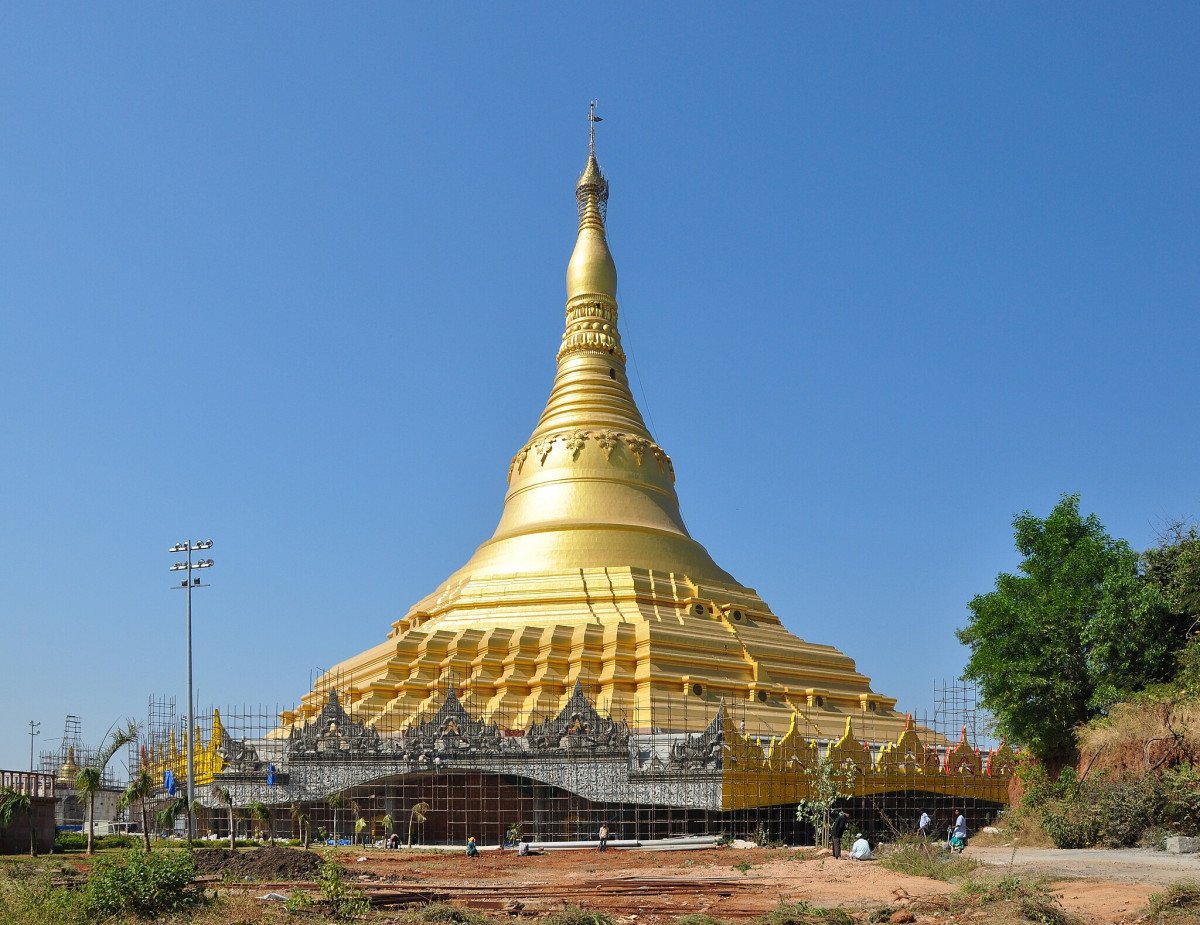
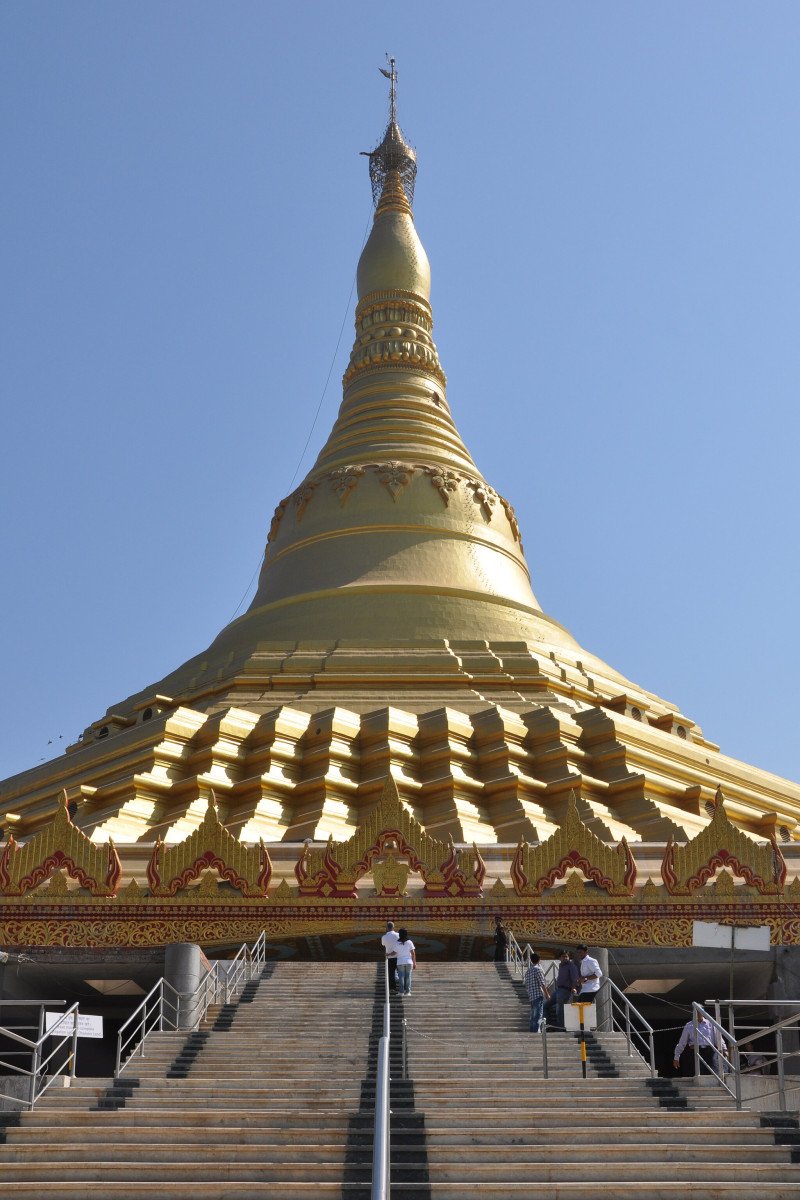
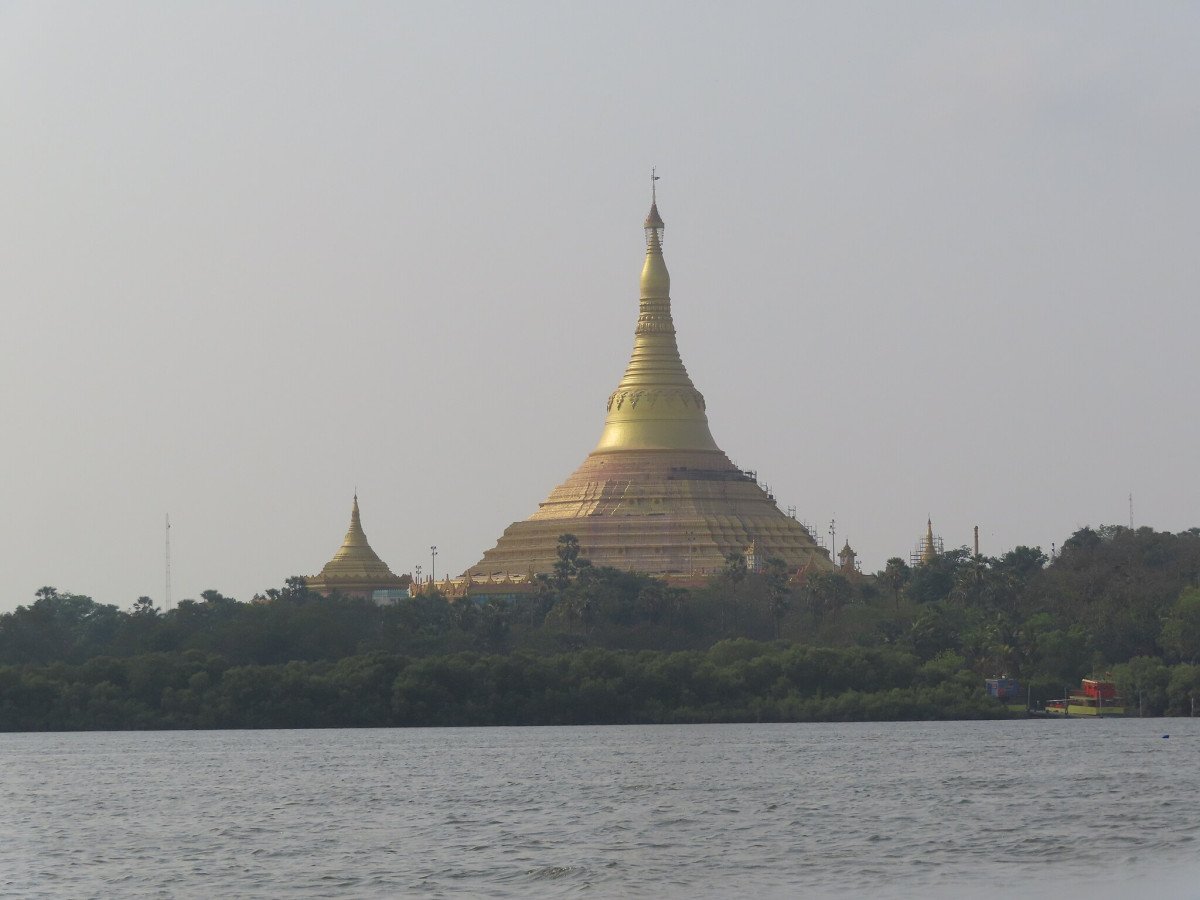
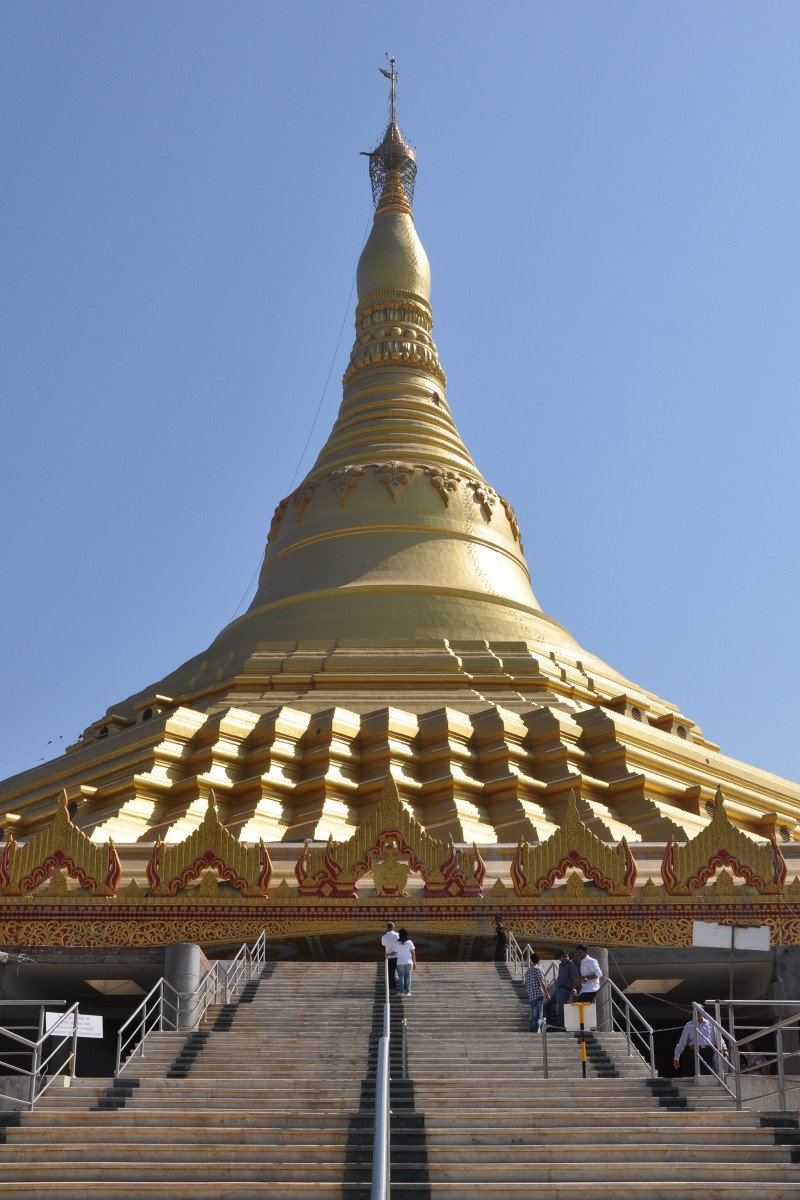
Full View of the Golden Dome from the Entrance (The Iconic Shot): The most striking photo opportunity is the full frontal view of the gigantic golden-colored dome as you enter the complex. The angle allows you to capture the entire monumental structure rising majestically against the clear blue sky...Full View of the Golden Dome from the Entrance (The Iconic Shot): The most striking photo opportunity is the full frontal view of the gigantic golden-colored dome as you enter the complex. The angle allows you to capture the entire monumental structure rising majestically against the clear blue sky or a dramatic sunset. Use the lush green landscaping and the wide-open foreground to add a sense of scale and contrast.
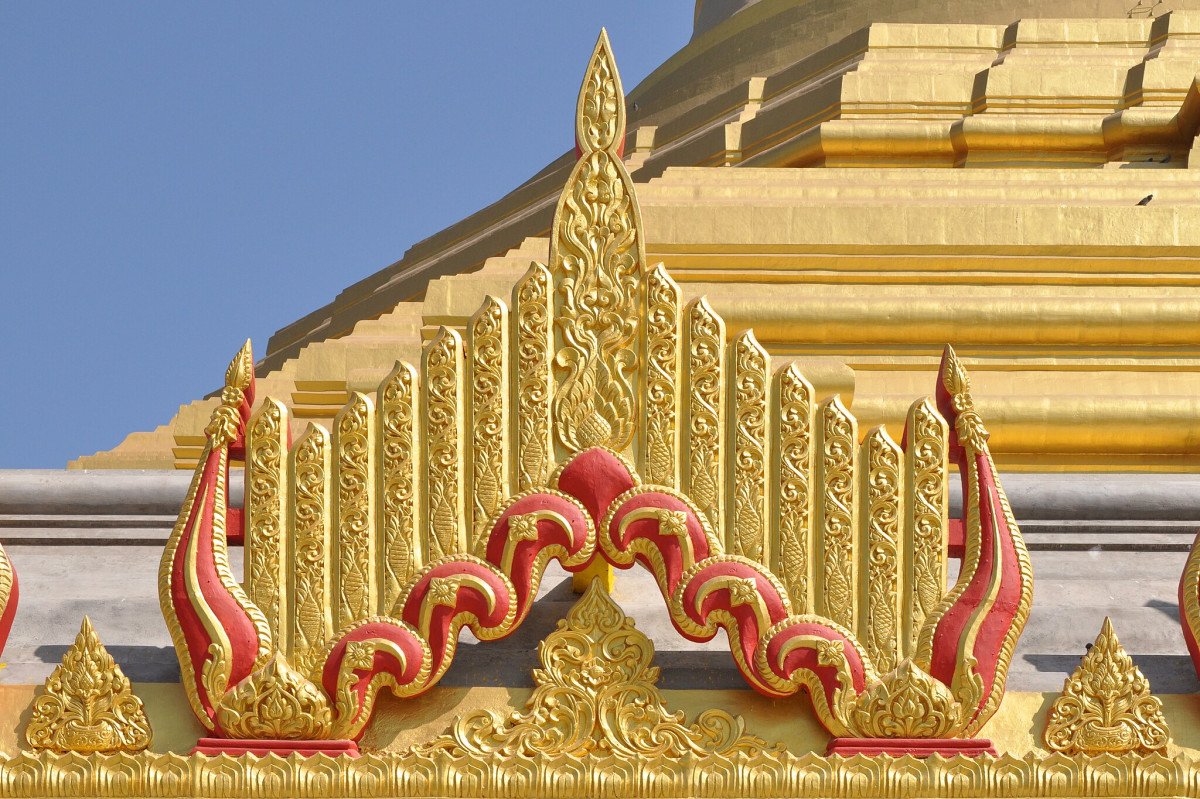
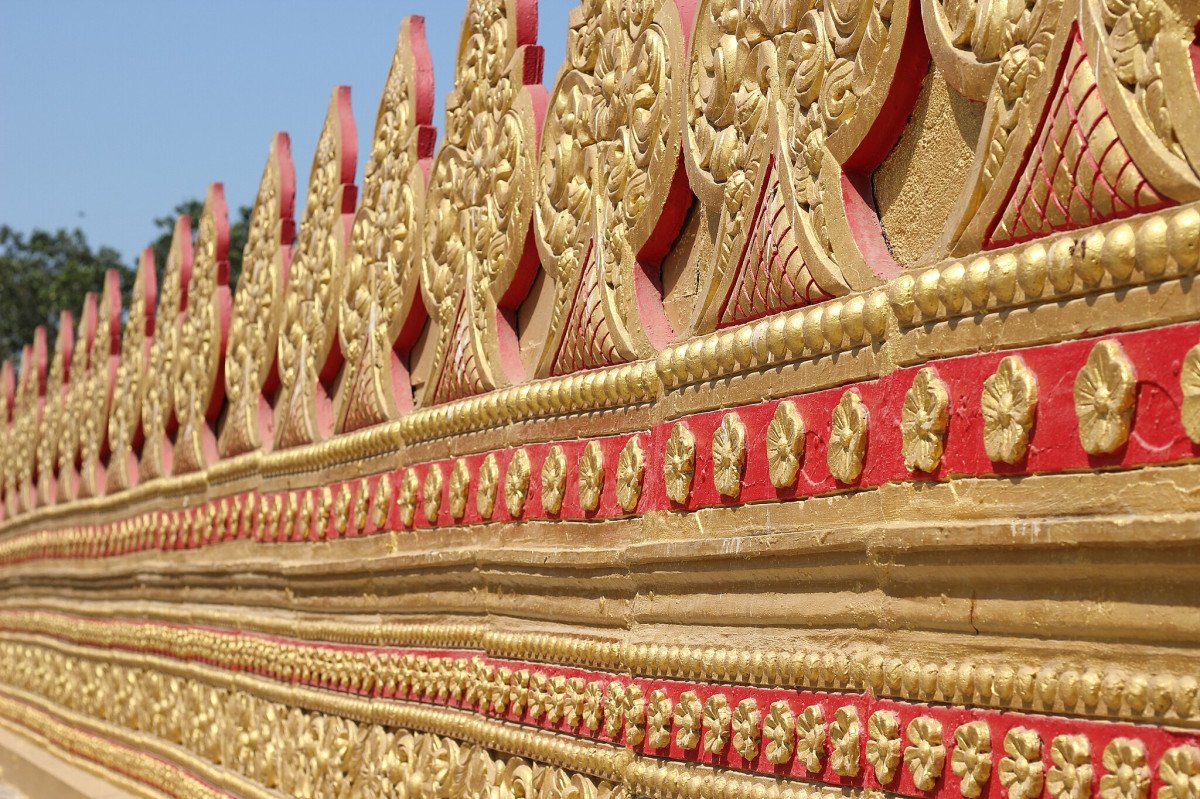
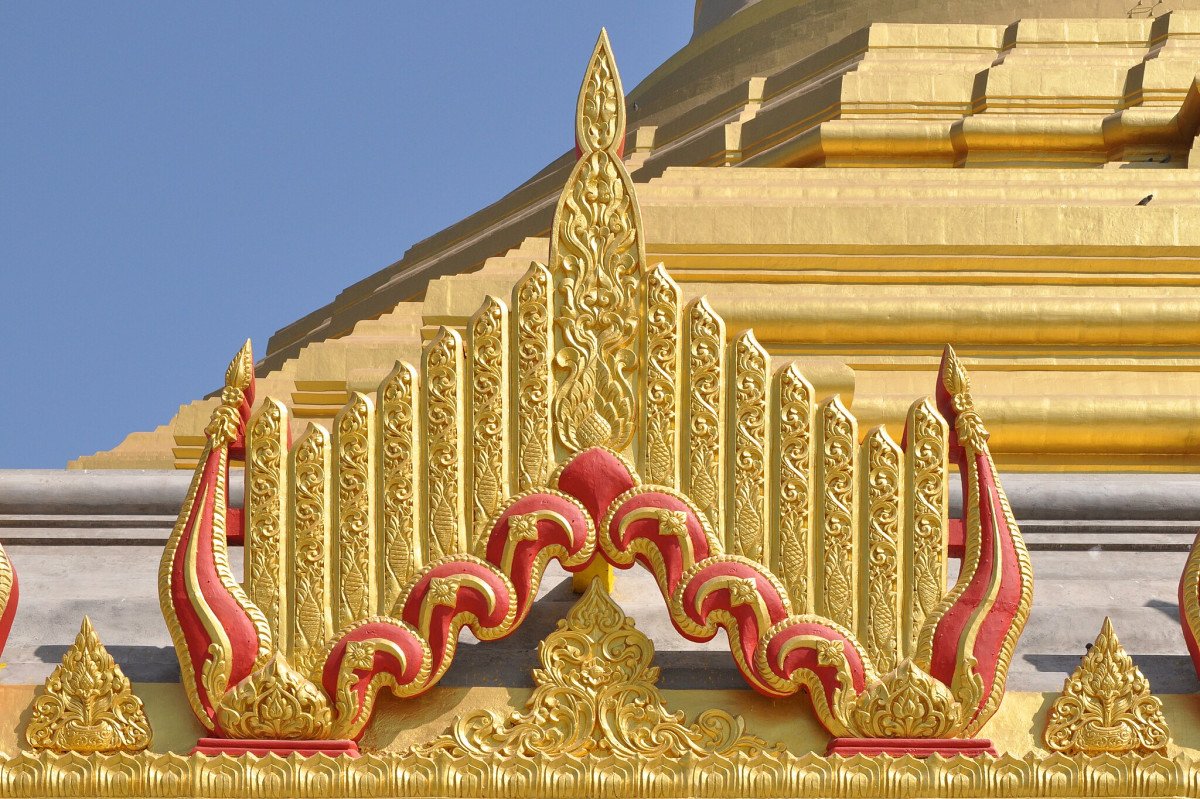
The Myanmar Gate Frame: The ornate Myanmar Gate, with its tiered roofing and intricate carvings, provides a spectacular frame for the main Pagoda in the background. Position yourself slightly off-center to use the gate's architecture to lead the viewer's eye towards the main dome, creating a deep, layered, and culturally rich composition.
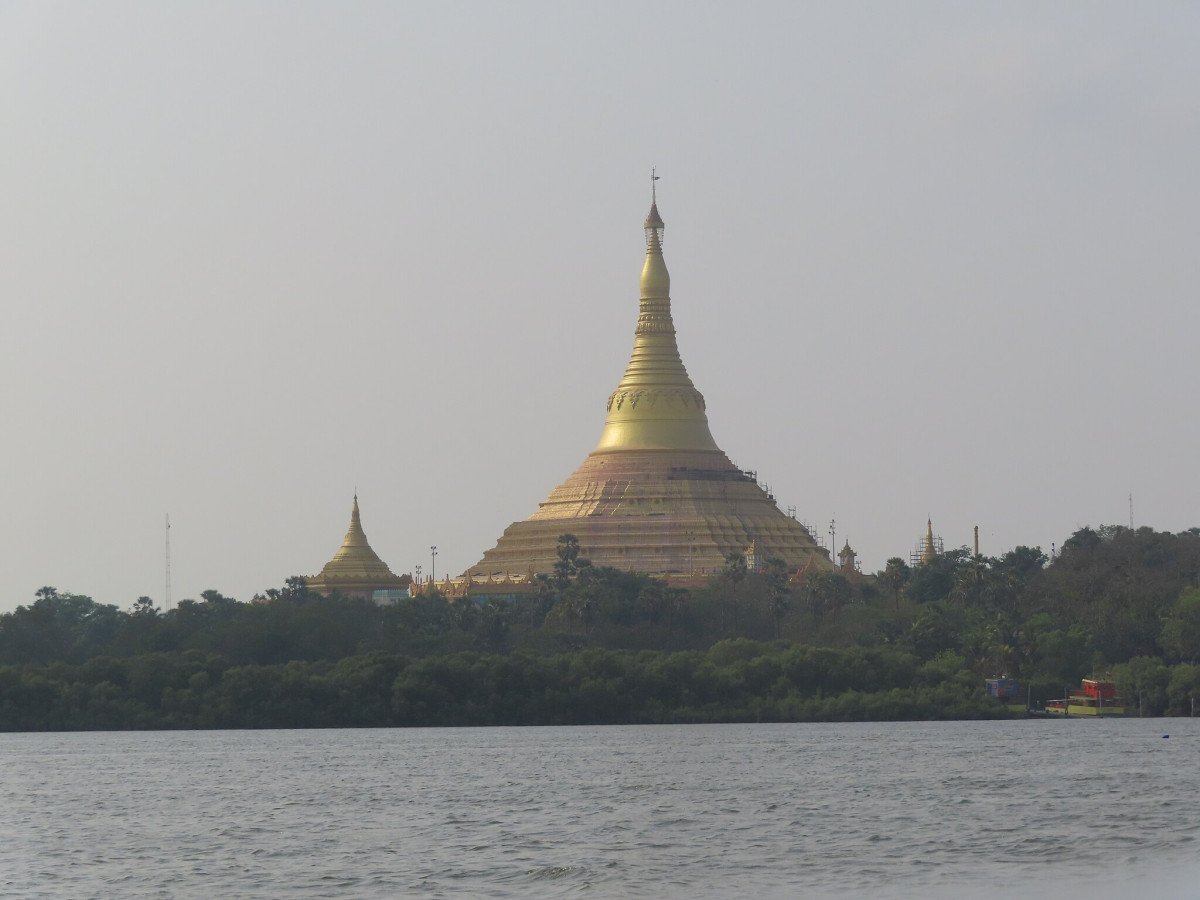
Panoramic Sea View from the Elevated Path: The Pagoda's unique location on a peninsula offers elevated walkways that overlook the Arabian Sea and the surrounding creek. This spot is ideal for wide-angle landscape shots, capturing the serenity of the water, the distant outline of Mumbai's northern suburbs, and the large white statue of Gautama Buddha installed near the waterfront, particularly during the late afternoon light.
The Buddha Statue and Pillars: The large, pristine white marble statue of Gautama Buddha in a meditative pose is a wonderful subject for a spiritual and serene photograph. Frame the statue with the nearby replicas of the Ashoka Pillars to emphasize the connection to ancient Buddhist history in India. The contrast between the white marble and the blue sky is very photogenic.
(Note: Photography is restricted inside the main meditation hall).Photo Gallery
Things To Do
-
Meditate in the North Pagoda (Spiritual Practice): The foremost activity is to engage in meditation. While the massive Main Dome is reserved for students enrolled in the official Vipassana courses, the North Pagoda provides an excellent opportunity for all visitors to experience a short, typically 20-minute, guided Aanapana meditation session. This session focuses on observing the natural breath and helps in calming the mind, offering a real taste of the peace the Pagoda embodies. It's a chance to actively participate in the monument's core purpose. Admire the Main Pagoda's Architecture (Sightseeing and Scale): Spend time walking around the exterior of the colossal central dome. Stand at its base to appreciate the sheer scale and the feat of engineering involved in building the world's largest unsupported stone dome. Observe the golden color of the exterior...Meditate in the North Pagoda (Spiritual Practice): The foremost activity is to engage in meditation. While the massive Main Dome is reserved for students enrolled in the official Vipassana courses, the North Pagoda provides an excellent opportunity for all visitors to experience a short, typically 20-minute, guided Aanapana meditation session. This session focuses on observing the natural breath and helps in calming the mind, offering a real taste of the peace the Pagoda embodies. It's a chance to actively participate in the monument's core purpose. Admire the Main Pagoda's Architecture (Sightseeing and Scale): Spend time walking around the exterior of the colossal central dome. Stand at its base to appreciate the sheer scale and the feat of engineering involved in building the world's largest unsupported stone dome. Observe the golden color of the exterior and the intricately designed Hti (umbrella) at the top. This is an architectural study in itself, demonstrating the successful combination of ancient Burmese design and modern scientific planning for earthquake resistance and durability over centuries. Explore the Buddha's Life through Art (Educational Experience): Visit the adjacent Art Gallery and Museum. This section is dedicated to illustrating the key life events and teachings of Gautama Buddha through beautiful, large-scale murals and displays. It provides crucial historical and philosophical context for the Vipassana tradition and the significance of the Pagoda, turning a simple visit into an educational and culturally enriching experience. Stroll through the Pillars of Ashoka Garden (Peaceful Walk): The grounds of the Pagoda are beautifully landscaped, providing a tranquil environment. Take a peaceful walk through the complex, particularly the area featuring replicas of the Ashoka Pillars and other smaller stupas. This offers a chance to relax, take in the sea breeze, and appreciate the meticulously maintained, clean, and serene surroundings that contrast sharply with the hustle of Mumbai. Learn about Vipassana at the Information Center (Knowledge Gathering): Seek out the dedicated information center or display areas. Here, you can watch short films and documentaries that detail the history of the Pagoda's construction, the principles of Vipassana meditation, and the life of S. N. Goenka. These resources provide a deeper understanding of the entire movement and its non-sectarian mission for peace. Visit the Dhamma Pattana Center (Course Enrollment): For those interested in a deeper commitment, the adjacent Dhamma Pattana Vipassana Centre offers 10-day residential courses. While drop-in visitors cannot attend these courses, you can visit the administrative areas to gather information, check course schedules, and apply for future enrollment in this transformative practice, which is offered completely free of cost. Enjoy the Sea View and Sunset (Scenic Photography): Given its unique location on a peninsula, the complex offers stunning panoramic views of the Arabian Sea and the nearby EsselWorld amusement park. Find a comfortable spot, especially in the late afternoon, to witness a beautiful sunset over the water. The serene landscape, coupled with the monumental golden dome, makes for a memorable scenic experience.
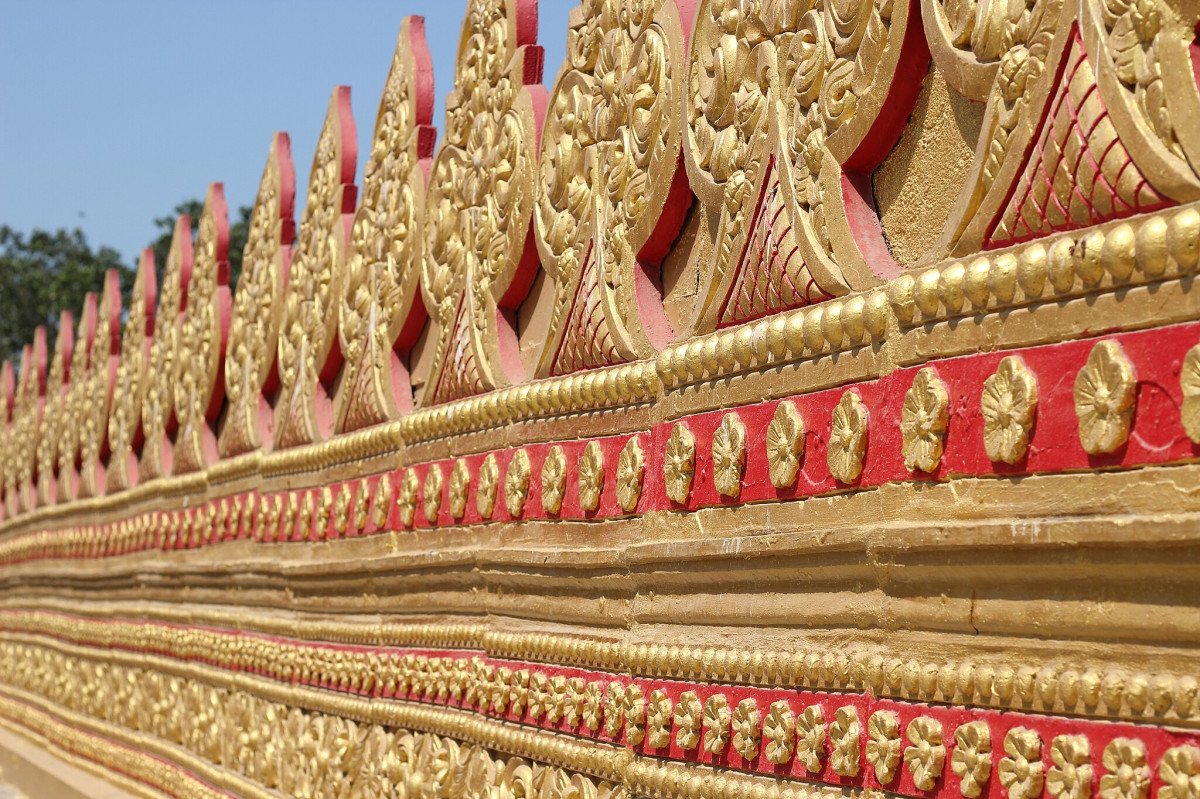
Observe the Myanmar Gate: Take time to admire the craftsmanship of the ornamental entrance gate, known as the Myanmar Gate. Its design is inspired by the gates of the Shwedagon Pagoda, featuring intricate carvings and a tiered roof structure, offering a unique example of Burmese architectural influence in India.
Information
-
Why Famous:
Home to Buddha's Sacred Relics: The primary fame stems from the fact that the Pagoda enshrines genuine bone relics of Gautama Buddha in its central keystone. This makes it an incredibly sacred site for Buddhists and Vipassana practitioners globally, drawing pilgrims who con...Home to Buddha's Sacred Relics: The primary fame stems from the fact that the Pagoda enshrines genuine bone relics of Gautama Buddha in its central keystone. This makes it an incredibly sacred site for Buddhists and Vipassana practitioners globally, drawing pilgrims who consider it a profound place of worship and spiritual merit.
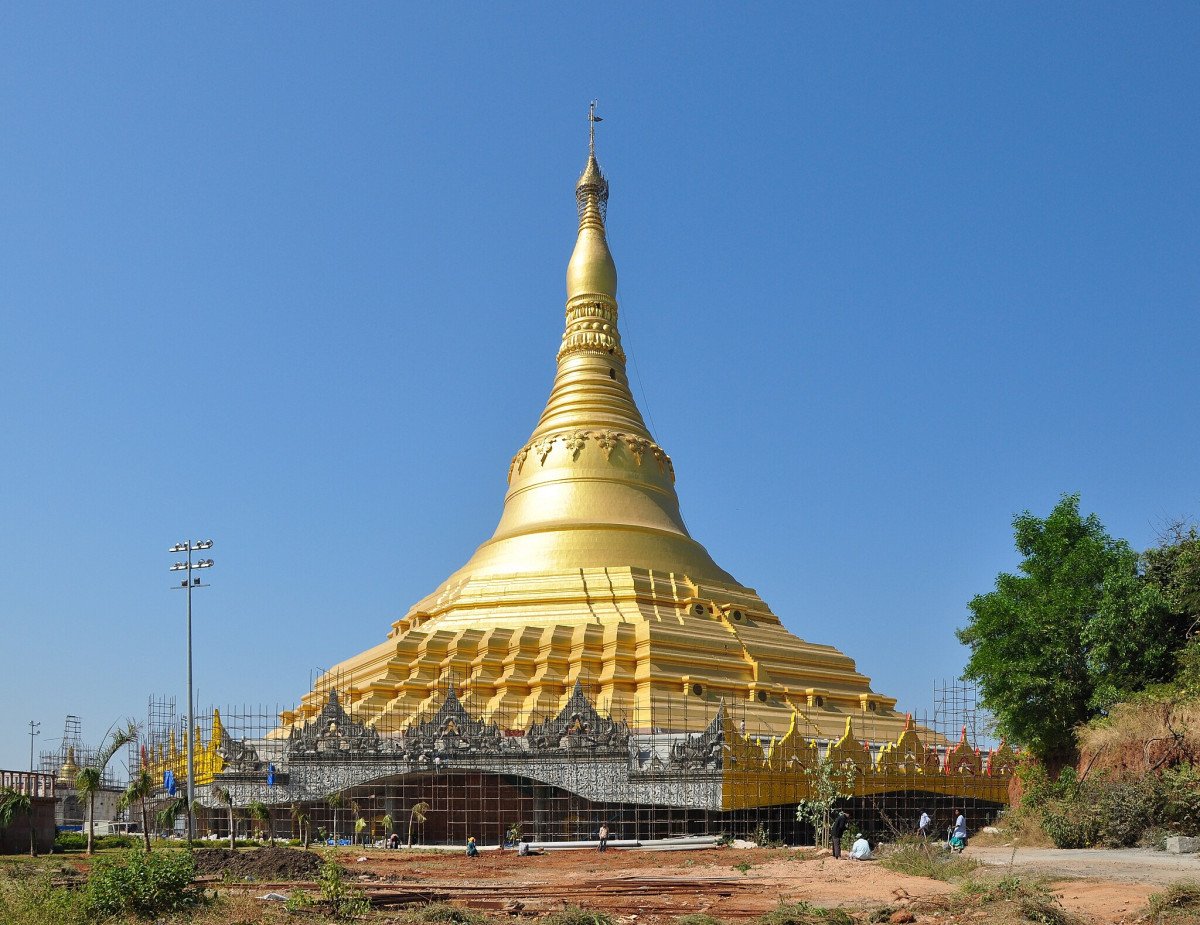
World's Largest Pillar-less Dome: It is internationally recognized for its monumental, pillar-less stone dome architecture. This engineering marvel holds a Guinness World Record for being the largest stone dome built without any centring (temporary support structure), showcasing a blend of ancient construction wisdom and modern scientific calculation.
Promotion of Vipassana Meditation: The Pagoda serves as a dynamic center for propagating the non-sectarian Vipassana meditation technique as taught by S. N. Goenka. It offers free introductory and 10-day residential courses, attracting people from all walks of life seeking inner peace, thus making it famous as a hub for spiritual growth and mindfulness. -
Architecture:
World's Largest Pillar-less Stone Dome (Dimension): The central structure is a marvel of engineering, a massive stone dome built without any internal support. The clear span of the main dome is 85. 15 meters, making it the largest dome of its kind in the world. The total h...World's Largest Pillar-less Stone Dome (Dimension): The central structure is a marvel of engineering, a massive stone dome built without any internal support. The clear span of the main dome is 85. 15 meters, making it the largest dome of its kind in the world. The total height of the Pagoda is approximately 89. 93 meters. It is a hollow structure designed to accommodate around 8,000 people for meditation in the main hall, covering an area of approximately 5,700 square meters.
Burmese Design and Construction Technique: The Pagoda's overall form is a direct copy of the famous Shwedagon Pagoda in Yangon, Myanmar, expressing gratitude for preserving the Vipassana tradition. It is built using traditional interlocking stone blocks, predominantly basalt stones for the foundation and Jodhpuri sandstone for the dome. This technique ensures extraordinary stability and longevity, designed to endure for a millennium. Over 76,500 cubic meters of masonry stone were used.
The Golden Surface and Relic Chamber: The main dome is painted in gold color to replicate the glistening look of its Burmese counterpart. The pinnacle of the dome houses the relic chamber, containing genuine bone relics of the Buddha. The entire structure is topped by a conical dome and a Hti (umbrella ornament), which further adds to its religious and architectural authenticity. -
How To Reach:
By Air (For Outstation Visitors): The nearest airport is Chhatrapati Shivaji Maharaj International Airport (BOM), which is approximately 35-40 KMS away. From the airport, the most convenient way is to hire a pre-paid taxi or app-based cab. The route will involve navigating...By Air (For Outstation Visitors): The nearest airport is Chhatrapati Shivaji Maharaj International Airport (BOM), which is approximately 35-40 KMS away. From the airport, the most convenient way is to hire a pre-paid taxi or app-based cab. The route will involve navigating through the Western Express Highway and then the Mira-Bhayander road if traveling entirely by road, which can take 1. 5 to 2. 5 hours depending on traffic.
By Train (Local Mumbai Access): The nearest major railway station is Borivali (on the Western Line of the Mumbai Suburban Railway). From Borivali station, you have two primary options:
By Ferry (The Recommended and Scenic Route): Take an auto-rickshaw or taxi from Borivali station to Gorai Creek (a distance of about 7 KMS). From Gorai Creek, frequent ferry services operate to the EsselWorld/Global Pagoda Jetty. This ferry ride is quick, scenic, and the most direct way to reach the Pagoda complex, as it is located on an island-like peninsula.
By Road (The Longer Route): From Borivali, you can hire a cab that travels via the Mira-Bhayander road. This is a longer route, often bypassing the ferry, and is subject to heavy road traffic, making the ferry option generally faster and more enjoyable.
By Road (Bus and Private Vehicle): While the Pagoda is on a peninsula, it is accessible by road via Bhayander. However, the most direct and quick form of Local Transport for the final stretch is the ferry. Once you reach the Gorai Creek ferry point, the ferry is the preferred local connection. Auto-rickshaws and taxis are widely available across Mumbai to reach the Borivali station or the Gorai Creek ferry point. -
Weather and Best Time to Visit:
Best Season: The Cool, Dry Winter Months (November to February): The absolute best time to visit the Global Vipassana Pagoda is during the winter season, from November to February. The temperatures are pleasant (ranging from 15°C to 25°C), and the air is dry, making it co...Best Season: The Cool, Dry Winter Months (November to February): The absolute best time to visit the Global Vipassana Pagoda is during the winter season, from November to February. The temperatures are pleasant (ranging from 15°C to 25°C), and the air is dry, making it comfortable to walk around the vast, open complex and stand on the viewing decks, especially since the Pagoda is located near the sea. This avoids the high humidity and intense heat of the summer (March to May) and the heavy, often disruptive rains of the monsoon season (June to October).
Ideal Part of the Day:
Late Afternoon for Sunset: The ideal part of the day to visit is in the late afternoon, between 4:00 PM and 6:30 PM. This time allows for comfortable exploration and is perfectly timed to witness the stunning sunset over the Arabian Sea. The light is also excellent for photography, illuminating the golden dome beautifully. Early mornings (around 9:00 AM) are also good for a peaceful experience before the crowds and the midday heat set in.
Worst Time:
Midday Heat and Heavy Monsoon: The period between 12:00 PM and 3:00 PM during the summer months (April and May) is the worst time due to extreme heat and bright sun exposure on the open complex. Similarly, a visit during the peak of the monsoon is risky, as heavy rains can severely disrupt the ferry service, which is the most convenient way to reach the location. -
Near Tourist Places:
1.
EsselWorld & Water Kingdom: (Adjacent, short walk) 2.
Gorai Beach: (Approx. 5 KMS) 3.
Marve Beach: (Approx. 6 KMS) 4.
Kanheri Caves (SGNP): (Approx. 25 KMS) 5.
Sanjay Gandhi National Park (SGNP): (Approx. 20 KMS) 6.
Aarey Colony: (Approx. 22 KMS) 7.
Versova Beach: (Approx. 25 KMS) 8.
Chota Kashmir: (Approx. 22 KMS) 9.
Madh Island: (Approx. 10 KMS, via ferry/road) 10.
Aksa Beach: (Approx. 12 KMS)
Tourism Tips
-
Health & Safety:
Sun Protection and Dehydration: Since the Pagoda complex is large and mostly open-air, Health & Safety requires serious attention to sun protection. Packing a hat or cap, sunglasses, and high-SPF sunscreen is essential, part...Health & Safety:
Sun Protection and Dehydration: Since the Pagoda complex is large and mostly open-air, Health & Safety requires serious attention to sun protection. Packing a hat or cap, sunglasses, and high-SPF sunscreen is essential, particularly for midday visits. Always carry a reusable water bottle and stay hydrated; water dispensing stations are available. The area is very safe, but security is strict, so follow all rules regarding bags and entry procedures.
Packing:
Modest Attire and Photography Rules: The complex is a sacred spiritual site, so visitors should adhere to a modest dress code. Shoulders and knees should be covered. Comfortable walking shoes are a must, as you will be on your feet exploring the grounds. Packing should not include cameras, mobile phones, or bags inside the main meditation hall or its immediate viewing gallery, as they must be deposited at the cloakroom.
Accommodation:
North Mumbai Base: For Accommodation, staying in the northern suburbs of Mumbai like Borivali, Malad, or Andheri is most convenient for accessing the Pagoda. These areas offer a wide range of hotel options and are closer to the necessary local transport links (train and ferry) than the city center of South Mumbai.
Other Different Topics:
The Ferry Experience: Plan your trip to include the scenic Gorai Creek ferry ride, as it is a unique Mumbai experience. Factor in the time for the ferry queue and ride (15-20 minutes). Remember to maintain silence inside the meditation halls and adhere to the rule of noble silence, respecting the serious spiritual environment. Always check the official website for any last-minute changes to timings or course schedules before you start your journey.
Reviews
FAQs
Mumbai Itineray And Cost:-
Global Vipassana Pagoda Tourism:-
Information about New and Updated Locations() of Maharashtra Has Been Added :-
Card subtitle
Note:-
Information provided here in good Faith and for reference only.
All information and pictures will be updated soon, please keep visiting.
Near Places
Bandra Fort
Some quick example text to build on the card title and make up the bulk of the card's content.
Go somewhere
Bandra-Worli Sea Link
Some quick example text to build on the card title and make up the bulk of the card's content.
Go somewhere
Chhatrapati Shivaji Maharaj Vastu Sangrahalaya
Some quick example text to build on the card title and make up the bulk of the card's content.
Go somewhere
Chhatrapati Shivaji Terminus
Some quick example text to build on the card title and make up the bulk of the card's content.
Go somewhere
Colaba Causeway
Some quick example text to build on the card title and make up the bulk of the card's content.
Go somewhere
Dhobi Ghat
Some quick example text to build on the card title and make up the bulk of the card's content.
Go somewhere
Elephanta Caves
Some quick example text to build on the card title and make up the bulk of the card's content.
Go somewhere
EsselWorld
Some quick example text to build on the card title and make up the bulk of the card's content.
Go somewhere
Film City
Some quick example text to build on the card title and make up the bulk of the card's content.
Go somewhere
Flora Fountain
Some quick example text to build on the card title and make up the bulk of the card's content.
Go somewherein Other Cities