Gola Gokaran Nath Temple
General information
-
Ideal Duration:
1-2 HoursPlace Type:
Religious, Cave Temple, PilgrimageEntry Fees:
No Entry Fee: There is No Entry Fee to visit the Tapkeshwar Temple and the main cave complex, as it is a place of worship. This makes it freely accessible to all devotees and tourists.
Donation Boxes: While entry is free, voluntary donation...No Entry Fee: There is No Entry Fee to visit the Tapkeshwar Temple and the main cave complex, as it is a place of worship. This makes it freely accessible to all devotees and tourists.
Donation Boxes: While entry is free, voluntary donations are accepted in designated boxes for the maintenance and upkeep of the temple complex.
Parking Fee: A small, nominal fee may be charged for parking vehicles in the dedicated lot near the entrance, managed by local authorities or the temple committee.
Pooja Samagri: The only costs are typically for purchasing Pooja Samagri (worship materials) like flowers, milk, and incense from the vendors outside the temple, which is entirely optional for devotees.
Local Transport Fare: The cost of reaching the temple by local transport (auto/taxi) is the primary expenditure.Timing:
Regular Timings: 4:00 AM to 10:30 PM (Generally open very early for morning prayers, remaining open late into the evening).
Ideal Visit Time: The most ideal time is either during the early morning Aarti (4:00 AM to 6:00 AM) for a serene and ...Regular Timings: 4:00 AM to 10:30 PM (Generally open very early for morning prayers, remaining open late into the evening).
Ideal Visit Time: The most ideal time is either during the early morning Aarti (4:00 AM to 6:00 AM) for a serene and spiritually intense experience, or during the late afternoon (4:00 PM to 7:00 PM) when the heat subsides and the complex is beautifully lit.
Peak Festival Time: Expect heavy crowds during Shivaratri and the Shravan month; while spiritually rewarding, these are not ideal for quiet sightseeing.
Aarti Timings: Always confirm the exact Aarti times with local guides or the temple office to plan your visit around these auspicious moments.Special Events:
Maha Shivaratri Festival: This is the most significant annual event, typically falling in February or March. A large Mela (fair) is organized, and devotees throng the temple for special night-long prayers and rituals dedicated to Lord Shiva.
Sh...Maha Shivaratri Festival: This is the most significant annual event, typically falling in February or March. A large Mela (fair) is organized, and devotees throng the temple for special night-long prayers and rituals dedicated to Lord Shiva.
Shravan (Monsoon) Month: The entire Hindu month of Shravan (July to August) is considered highly auspicious for Shiva worship. The temple sees a massive surge in foot traffic, with special Aarti and continuous Jal Abhishek ceremonies.
Annual Temple Foundation Day: Smaller, local events celebrating the temple's history or foundation are occasionally organized, featuring Bhajan (devotional singing) and community Langar (free kitchen).
Other Hindu Festivals: Festivals like Diwali and Navratri are celebrated with special decorations and evening prayers, offering a festive spiritual atmosphere.Best Photo Spots:
Inside the Drona Cave: Capture the image of the natural Shivling with the dripping water (if permitted), showcasing the unique feature that gives the temple its name. Respect rules regarding flash photography inside the sanctum.
View from the R...Inside the Drona Cave: Capture the image of the natural Shivling with the dripping water (if permitted), showcasing the unique feature that gives the temple its name. Respect rules regarding flash photography inside the sanctum.
View from the Riverbank: A wide shot of the temple complex situated within the forested valley, with the Tons River in the foreground, is highly picturesque.
The Entrance Archway: The main entrance archway and the descent of steps offer a perspective shot, framing the vibrant temple colors against the natural rock formations.
Devotional Atmosphere: Candid shots of devotees participating in Aarti or offering prayers, capturing the spiritual fervor (always ask for permission or be discreet).
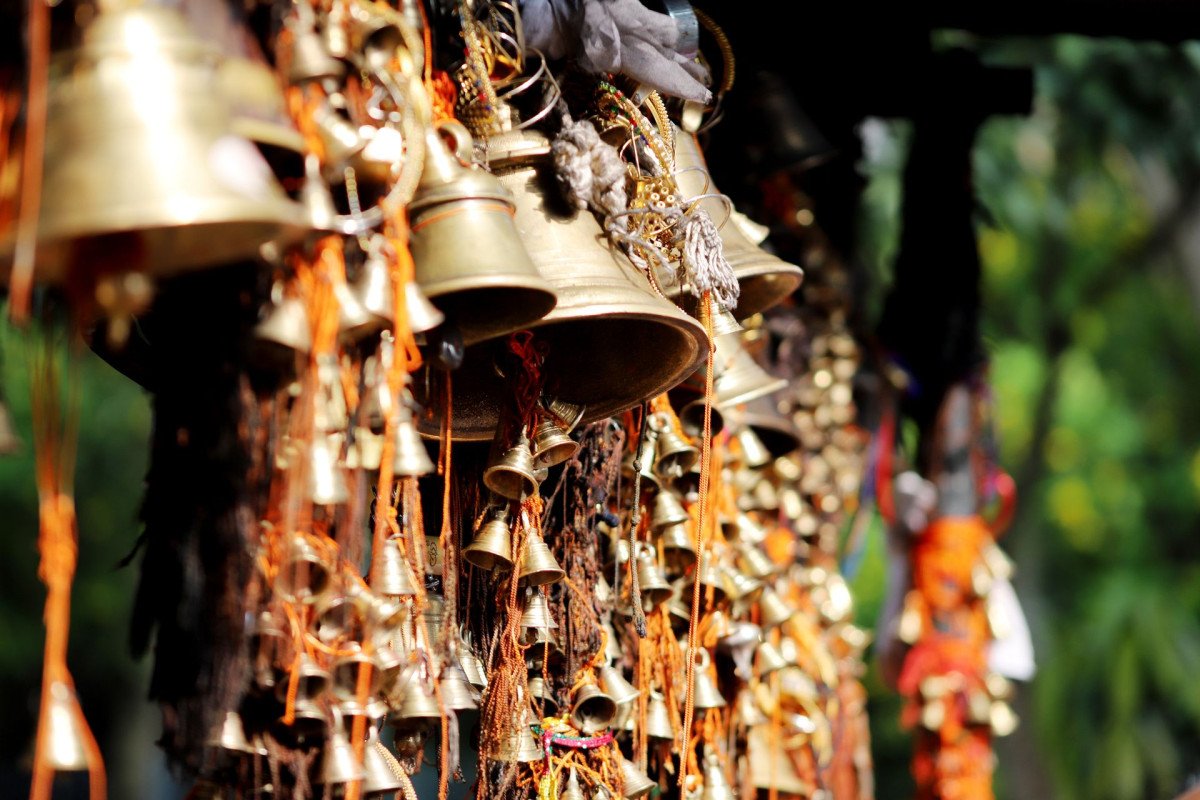
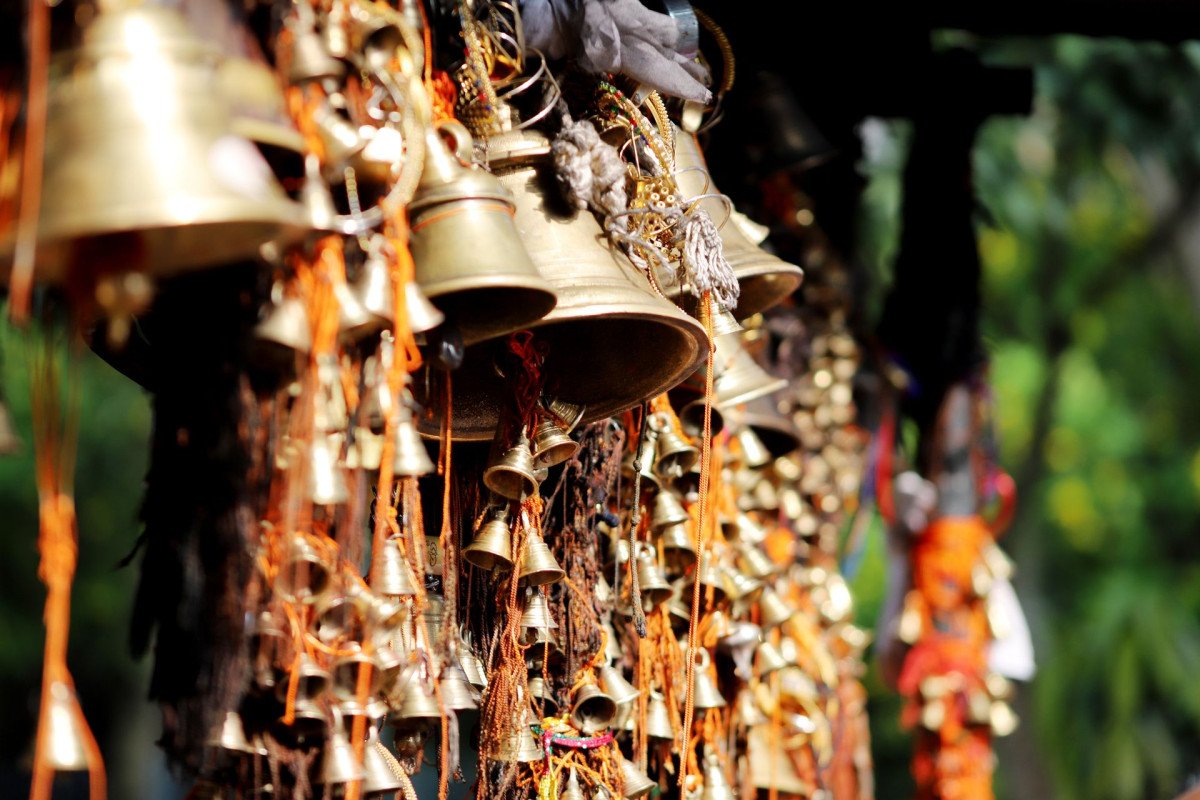
Close-up of Temple Bells: The cluster of bells near the entrance or in the courtyard provides a classic element of Hindu temple photography.Photo Gallery
Things To Do
-
Receive Blessings: Offer prayers and holy water (Jal Abhishek) to the Shivling inside the cave temple. Devotional offerings are the primary activity.
Meditation and Contemplation: Find a quiet spot near the river or within the courtyard to spend time in quiet reflection, taking advantage of the temple's serene atmosphere.
Explore the Cave: Spend time observing the natural formation of the cave, the perpetually dripping water, and the natural rock ceiling.
River Walk: Take a short, refreshing walk along the banks of the Tons River for a view of the surrounding hills and the temple from a different perspective.
Attend Aarti: Witness the morning or evening Aarti (prayer ritual with lamps), which is a vibrant and powerful spiritual ...Receive Blessings: Offer prayers and holy water (Jal Abhishek) to the Shivling inside the cave temple. Devotional offerings are the primary activity.
Meditation and Contemplation: Find a quiet spot near the river or within the courtyard to spend time in quiet reflection, taking advantage of the temple's serene atmosphere.
Explore the Cave: Spend time observing the natural formation of the cave, the perpetually dripping water, and the natural rock ceiling.
River Walk: Take a short, refreshing walk along the banks of the Tons River for a view of the surrounding hills and the temple from a different perspective.
Attend Aarti: Witness the morning or evening Aarti (prayer ritual with lamps), which is a vibrant and powerful spiritual experience.
Local Shopping: Purchase devotional items, flowers, milk, and local snacks from the small shops lining the path leading up to the temple entrance.
Photography: Capture the unique geological setting of the cave entrance, the colorful temple flags, and the natural environment (always be respectful of people praying while taking photos).
Information
-
Why Famous:
The Dripping Water Miracle: It is most famous for the naturally occurring phenomenon where water continuously and slowly drips onto the Shivling (a symbol of Lord Shiva) within the cave, a sight of deep spiritual significance.
Ancient Cave Shrin...The Dripping Water Miracle: It is most famous for the naturally occurring phenomenon where water continuously and slowly drips onto the Shivling (a symbol of Lord Shiva) within the cave, a sight of deep spiritual significance.
Ancient Cave Shrine: Being one of the oldest shrines in the region, housed within a natural cave, it holds immense historical and mythological value, particularly its association with Guru Dronacharya.
Festival of Shivaratri: The temple becomes a massive focal point for devotees during Maha Shivaratri and the holy month of Shravan, with elaborate rituals and fairs drawing crowds from across the region.
Natural Beauty: The location amidst the forested hills and near the Tons River is a major draw, offering a tranquil and picturesque setting that combines devotion with nature exploration. -
Architecture:
Natural Cave Architecture: The primary architectural feature is the natural limestone cave that houses the main deity. The "architecture" is largely geological, enhanced by human intervention to create a functional temple space. The cave maintains a cool, damp atmosphere. ...Natural Cave Architecture: The primary architectural feature is the natural limestone cave that houses the main deity. The "architecture" is largely geological, enhanced by human intervention to create a functional temple space. The cave maintains a cool, damp atmosphere.
The Sanctum Sanctorum: The Garbhagriha (sanctum sanctorum) is the small chamber within the cave where the Shivling is located, perpetually bathed by the dripping water from the cave roof. This natural abhishekam (ritual bath) is the centerpiece of the structure.
Temple Complex Expansion: Over time, the area outside the cave has been developed into a larger temple complex featuring smaller shrines dedicated to other deities, a courtyard, and a platform for community gatherings. These structures are built in traditional Hindu temple style, often using brightly painted plaster and simple stone.
River Setting and Dimensions: The temple sits close to the Tons River. The overall complex is relatively small compared to grand city temples, focused primarily on the sacred, naturally occurring cave structure. The path to the cave involves descending steps, integrating the structure with the hilly terrain. -
How To Reach:
By Air: The nearest airport is Jolly Grant Airport (DED), approximately 32 KMS away. Hire a private cab from the airport for a direct route to the temple, located near Garhi Cantt.
By Train: The nearest railway station is Dehradun Railway S...By Air: The nearest airport is Jolly Grant Airport (DED), approximately 32 KMS away. Hire a private cab from the airport for a direct route to the temple, located near Garhi Cantt.
By Train: The nearest railway station is Dehradun Railway Station, about 7. 5 KMS away. From the station, take an auto-rickshaw (Vikram) or a taxi to the temple, asking for Garhi Cantt or Tapkeshwar Mandir.
By Road (Local Transport): The temple is easily accessible from the Ghantaghar (Clock Tower) area of Dehradun via local auto-rickshaws (Vikrams) running on the Garhi Cantt route. It is a short and inexpensive ride from the main city.
By Road (Self-Drive): Drive towards the Garhi Cantt area. The temple is well-signposted. Parking is available, though it can be crowded during peak hours or festivals. The road is motorable right up to the temple's base. -
Weather and Best Time to Visit:
Different Types of Seasons: Winter (October to March) is the most comfortable season for visiting, as the cool weather is perfect for the open-air complex and the steps leading to the cave. Monsoon (July to September) makes the surroundings lush but the path can be slippery...Different Types of Seasons: Winter (October to March) is the most comfortable season for visiting, as the cool weather is perfect for the open-air complex and the steps leading to the cave. Monsoon (July to September) makes the surroundings lush but the path can be slippery due to the damp cave environment. Avoid the summer midday sun.
Different Parts of the Day: Early Morning is best for seeking blessings and avoiding crowds. Evening is wonderful for witnessing the Aarti ceremony and enjoying the cooler air and illuminated temple. -
Near Tourist Places:
Robber's Cave (Guchhupani):
6 KMS Khalanga War Memorial:
8 KMS Dehradun Zoo (Malsi Deer Park):
10 KMS Forest Research Institute (FRI):
7 KMS Mindrolling Monastery:
16 KMS Sahastradhara:
18 KMS Clock Tower (City Center):
7 KMS Mussorie Diversion Road:
12 KMS Paltan Bazaar:
8 KMS Shikhar Fall: 12 KMS
Tourism Tips
-
Health & Safety: The path to the cave involves descending steps, which can be slippery, especially during the Monsoon or inside the cave itself. Wear non-slip footwear.
Packing: Carry a small bottle to fill with sacred water if desired. Dr...Health & Safety: The path to the cave involves descending steps, which can be slippery, especially during the Monsoon or inside the cave itself. Wear non-slip footwear.
Packing: Carry a small bottle to fill with sacred water if desired. Dress modestly, covering shoulders and knees, as it is a place of deep religious significance.
Accommodation: Accommodation can be found easily in the nearby Dehradun City Center or Garhi Cantt area. There are no major hotels immediately next to the temple.
Other Tips: Remove your footwear outside the main temple complex. Be respectful of the cave environment and do not touch or deface the natural rock formations. Avoid photography directly of the deity if explicitly prohibited.
Reviews
FAQs
Dehradun Itineray And Cost:-
Gola Gokaran Nath Temple Tourism:-
Other Places In Dehradun :-
Other States In India :-
Information about New and Updated Locations() of Uttarakhand Has Been Added :-
Card subtitle
Note:-
Information provided here in good Faith and for reference only.
Near Places

Asan Barrage Wetland
Some quick example text to build on the card title and make up the bulk of the card's content.
Go somewhere
Bhadraj Temple Trek
Some quick example text to build on the card title and make up the bulk of the card's content.
Go somewhere
Central Braille Press
Some quick example text to build on the card title and make up the bulk of the card's content.
Go somewhere
Chetwoode Hall
Some quick example text to build on the card title and make up the bulk of the card's content.
Go somewhere
Clock Tower
Some quick example text to build on the card title and make up the bulk of the card's content.
Go somewhere
Daat Kali Temple
Some quick example text to build on the card title and make up the bulk of the card's content.
Go somewhere
Dehradun
Some quick example text to build on the card title and make up the bulk of the card's content.
Go somewhere
Dehradun Zoo
Some quick example text to build on the card title and make up the bulk of the card's content.
Go somewhere
Forest Research Institute
Some quick example text to build on the card title and make up the bulk of the card's content.
Go somewhere
Fun Valley Amusement Park
Some quick example text to build on the card title and make up the bulk of the card's content.
Go somewhere
Gola Gokaran Nath Temple
Some quick example text to build on the card title and make up the bulk of the card's content.
Go somewhere
Khalanga War Memorial
Some quick example text to build on the card title and make up the bulk of the card's content.
Go somewhere
Lachhiwala Nature Park
Some quick example text to build on the card title and make up the bulk of the card's content.
Go somewhere
Maldevta
Some quick example text to build on the card title and make up the bulk of the card's content.
Go somewhere
MDDA Park
Some quick example text to build on the card title and make up the bulk of the card's content.
Go somewhere
Mindrolling Monastery
Some quick example text to build on the card title and make up the bulk of the card's content.
Go somewherein Other Cities