Haji Ali Dargah
General information
-
Ideal Duration:
1 to 2 hours (Including the walk along the causeway and back).Place Type:
Religious Shrine (Sufi/Islamic), Dargah/Tomb, IndoEntry Fees:
No Entry Fee: Access to the Haji Ali Dargah and the use of the causeway is completely FREE of charge for all visitors, regardless of nationality or faith. The shrine is a public place of worship.
No Hidden Fees: There are no official charge...No Entry Fee: Access to the Haji Ali Dargah and the use of the causeway is completely FREE of charge for all visitors, regardless of nationality or faith. The shrine is a public place of worship.
No Hidden Fees: There are no official charges for walking the causeway or entering the prayer halls.
Photography: Non-commercial photography is permitted and free. However, a small charge may be incurred if you use the public toilets or want to purchase a specific offering (chaddar) for the tomb from the vendors.
Donations: While there is no entry fee, donations are welcome at the designated collection boxes within the shrine complex, which are used for the maintenance of the structure and for charitable purposes run by the trust.Timing:
Regular Timings: The Haji Ali Dargah is generally open from 5:30 AM to 10:00 PM every day of the week.
The Critical Variable:
Tidal Timings: The Dargah is accessible only during low tide. At very high tide, ...Regular Timings: The Haji Ali Dargah is generally open from 5:30 AM to 10:00 PM every day of the week.
The Critical Variable:
Tidal Timings: The Dargah is accessible only during low tide. At very high tide, the causeway is completely submerged, and access is blocked for safety. You must check the local tide timings before planning your visit, as this determines your window of accessibility.
Ideal Visit Time - Early Morning: 6:00 AM to 9:00 AM is the best time. The crowds are minimal, the light is soft, and the atmosphere is serene and peaceful, ideal for photography and quiet contemplation.
Ideal Visit Time - Late Afternoon/Evening: 4:00 PM to 7:00 PM is popular for sunset viewing and experiencing the crowd and bustle. If you visit on a Thursday evening, you may catch the spiritual Qawwali sessions.
Avoid High Tide: Always check the tide chart; arriving during high tide means a long, frustrating wait on the mainland. (Approx. )Special Events:
Urs Festival (Death Anniversary): The most significant event is the annual Urs (death anniversary) of Pir Haji Ali Shah Bukhari, which occurs according to the Islamic calendar (often in January or February). This festival draws tens of thousands of pilgrims for a major cele...Urs Festival (Death Anniversary): The most significant event is the annual Urs (death anniversary) of Pir Haji Ali Shah Bukhari, which occurs according to the Islamic calendar (often in January or February). This festival draws tens of thousands of pilgrims for a major celebration involving music (Qawwali), spiritual discourses, and feasting (Langar), making it a massive religious gathering.
Ramadan and Eid Celebrations: The Dargah is a major center for celebration during the holy month of Ramadan and the Eid festivals. Special prayers and community meals are organized, and the entire area is particularly vibrant and crowded with devotees during these times.
Thursday Evening Qawwali: While not an official festival, Thursday evenings are considered auspicious days for Sufi saints. The Dargah often hosts impromptu or planned Qawwali (Sufi devotional singing) sessions, which create a powerful, mystical atmosphere and are considered a special cultural experience.Best Photo Spots:
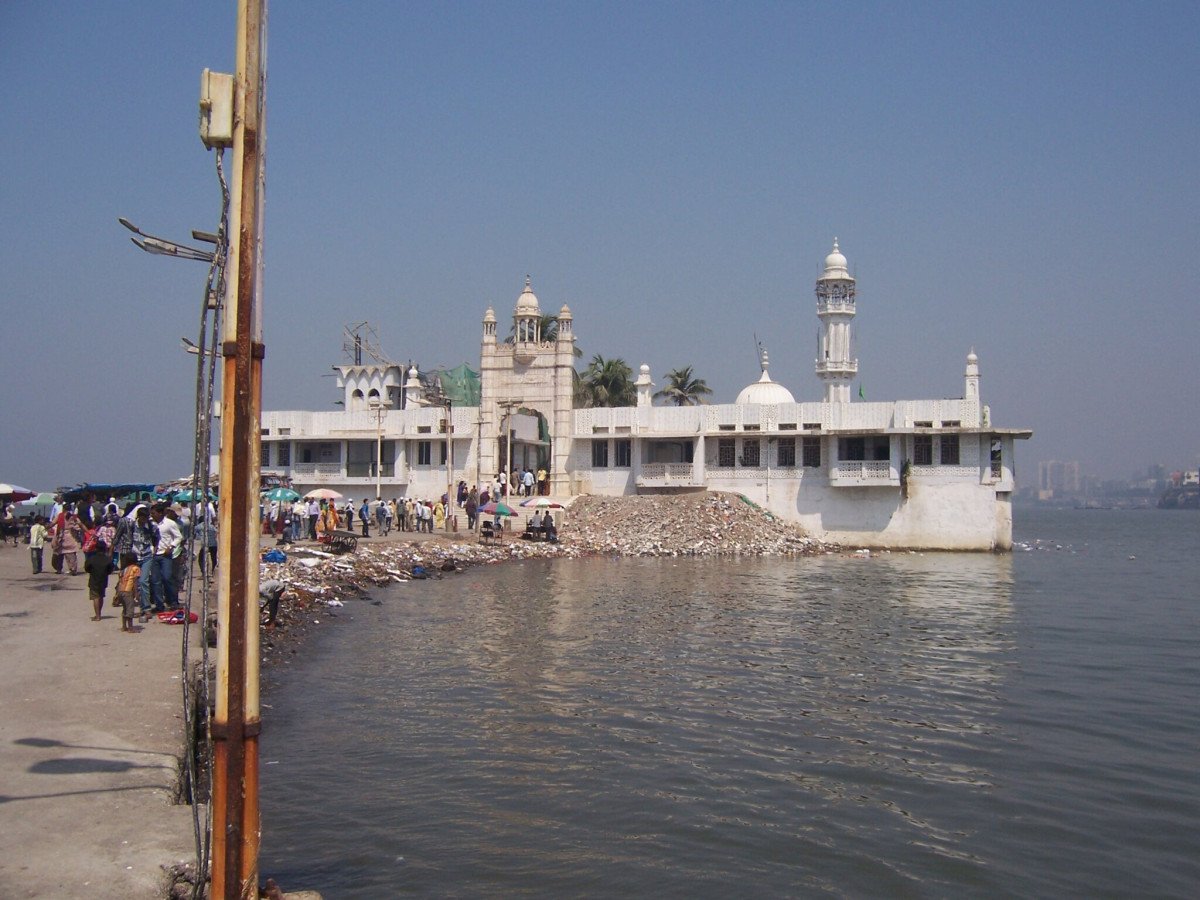
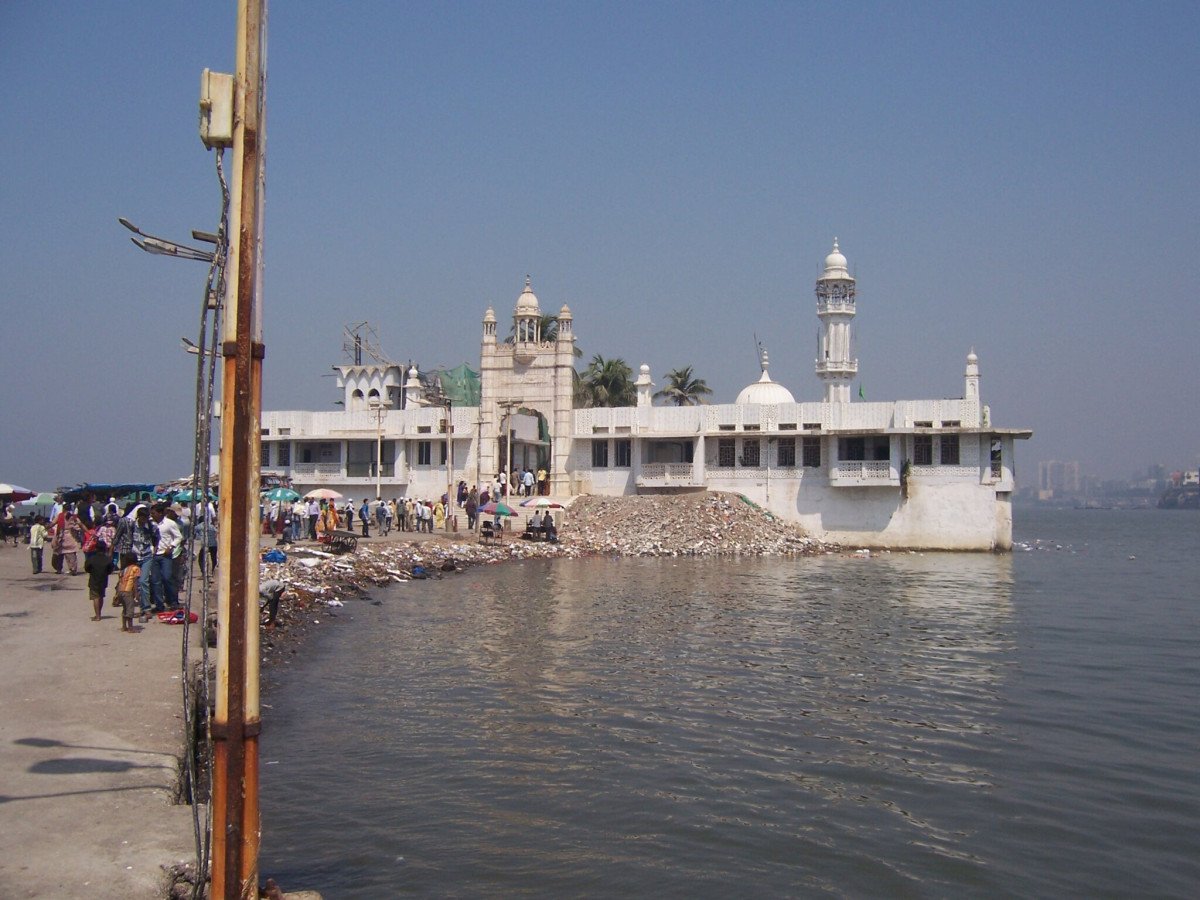
The Full Length of the Causeway: The most iconic photo is taken from the mainland entrance, capturing the entire 500-meter causeway leading out to the white Dargah on the islet. This shot is best taken at medium tide when the water is clearly visible on both sides of the wa...The Full Length of the Causeway: The most iconic photo is taken from the mainland entrance, capturing the entire 500-meter causeway leading out to the white Dargah on the islet. This shot is best taken at medium tide when the water is clearly visible on both sides of the walkway, framing the shrine.
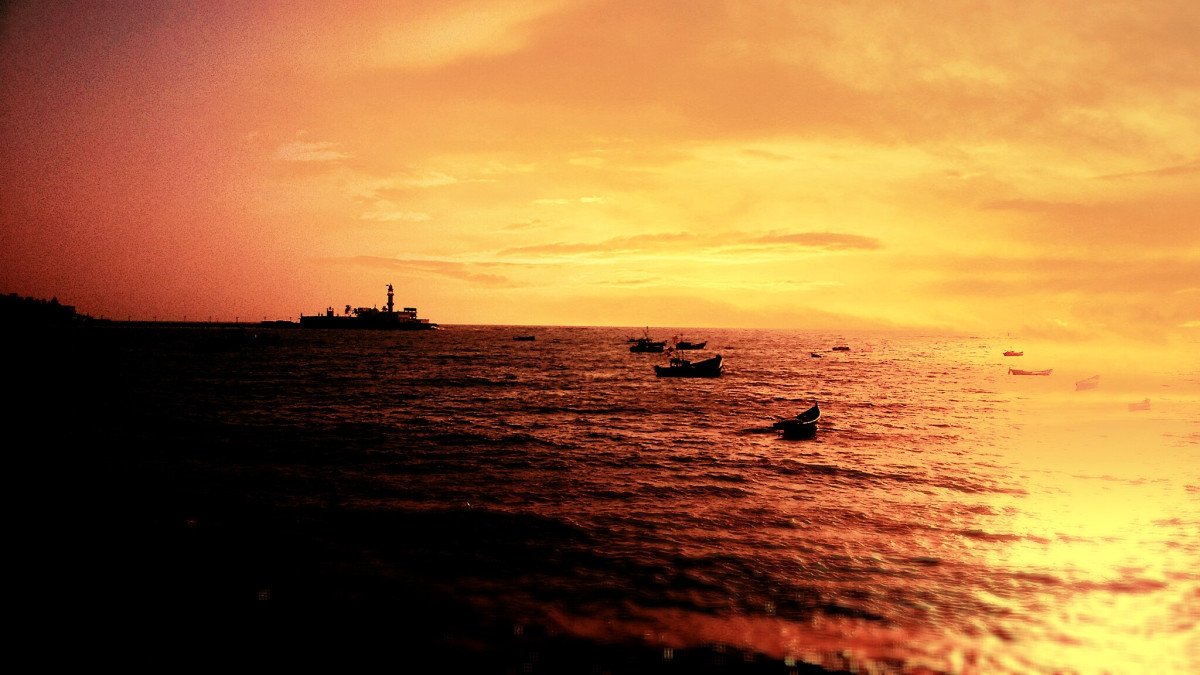
Sunset View: The area faces the west, providing spectacular sunset views. Photograph the gleaming white structure against the vibrant orange, pink, and purple hues of the sunset sky, using the minarets for dramatic vertical framing.
The Dargah from the Worli Seaface: Take a photo from the Worli Seaface area, looking back at the Dargah and its causeway. This wider perspective captures the entire setup and often includes the background of the Bandra-Worli Sea Link or the cityscape.
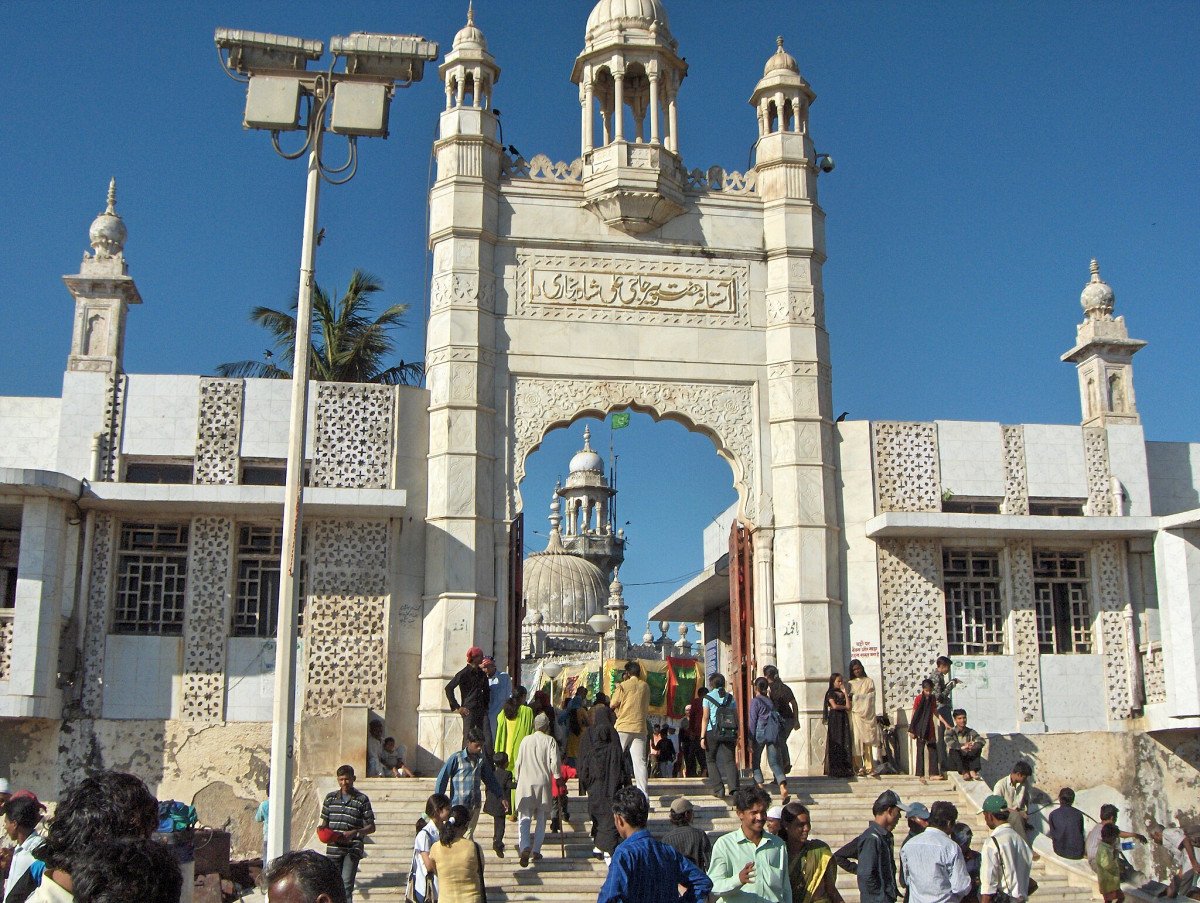
Close-up of the Marble Architecture: Focus on the intricate white marble carvings around the main dome and the arches of the mosque, capturing the detailed craftsmanship of the Indo-Islamic style.
The Reflections (When Causeway is Wet): After a high tide or rain, when the causeway is wet, capturing the reflection of the Dargah in the water on the causeway floor creates a beautiful, symmetrical photo. (Approx. )Photo Gallery
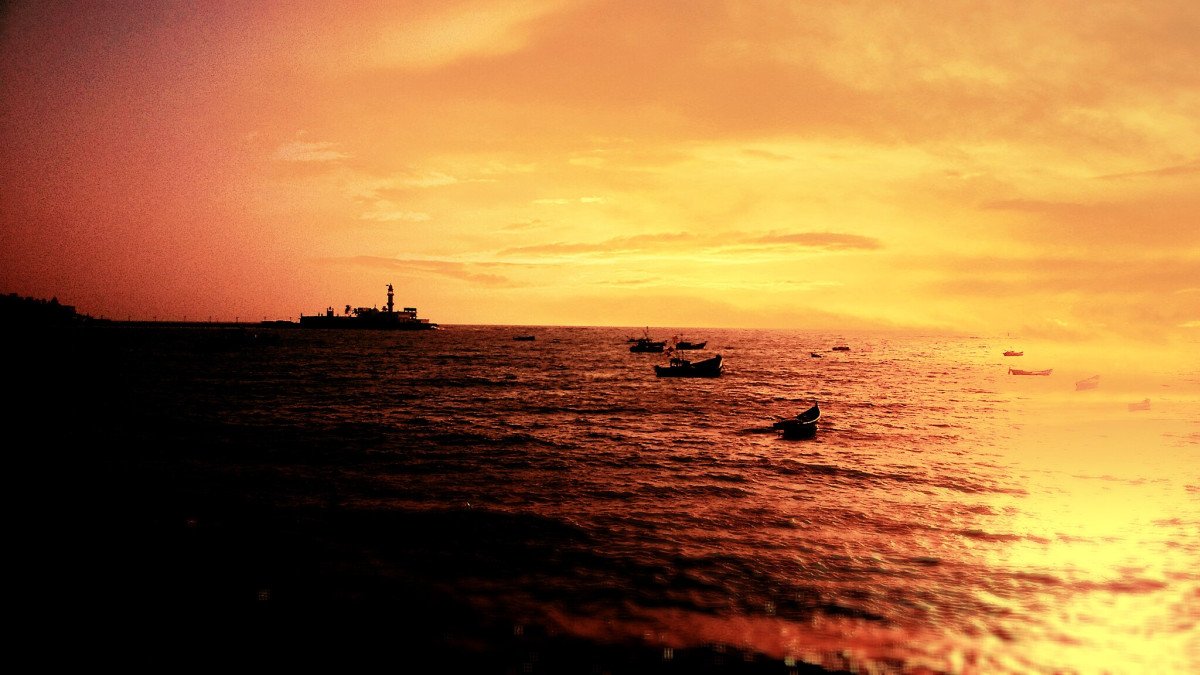
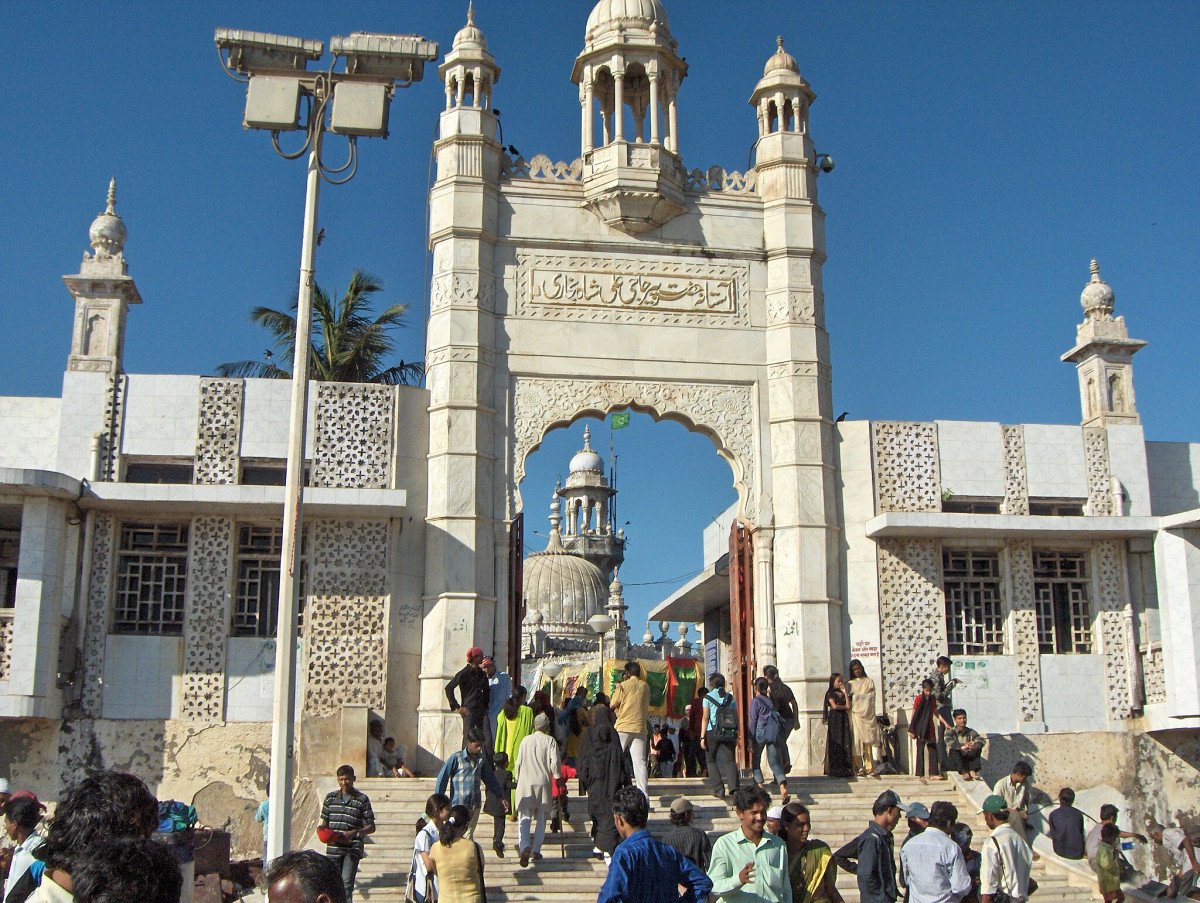
Things To Do
-
Walk the Tidal Causeway: The core activity is walking the 500-meter causeway. Time your visit to experience the walk when the tide is low to mid-level. The walk itself, with the sea view, is an essential part of the pilgrimage/visit.
Offer Prayers and Seek Blessings: Inside the Dargah, join the line of devotees to offer prayers, flowers, or a chaddar at the tomb of Pir Haji Ali Shah Bukhari. The main prayer hall (mosque) is also a tranquil space for quiet contemplation, regardless of your religious background.
Observe the Architecture: Spend time admiring the white marble architecture, particularly the detailed carvings on the dome and the base of the minarets. The simplicity and purity of the white marble against the blue sea and sky are beautiful.
Enjoy the Vie...Walk the Tidal Causeway: The core activity is walking the 500-meter causeway. Time your visit to experience the walk when the tide is low to mid-level. The walk itself, with the sea view, is an essential part of the pilgrimage/visit.
Offer Prayers and Seek Blessings: Inside the Dargah, join the line of devotees to offer prayers, flowers, or a chaddar at the tomb of Pir Haji Ali Shah Bukhari. The main prayer hall (mosque) is also a tranquil space for quiet contemplation, regardless of your religious background.
Observe the Architecture: Spend time admiring the white marble architecture, particularly the detailed carvings on the dome and the base of the minarets. The simplicity and purity of the white marble against the blue sea and sky are beautiful.
Enjoy the View of the Worli Sea Link: From the Dargah complex or the causeway, take a moment to look north and appreciate the magnificent view of the Bandra-Worli Sea Link, which provides a stunning contrast between the 15th-century shrine and 21st-century engineering.
Experience the Religious Atmosphere: Try to visit during the prayer times (Namaz), especially late afternoon or evening. The call to prayer and the solemnity of the devotees create a deeply moving and peaceful spiritual atmosphere.
Sample Local Food: After crossing back to the mainland, explore the street food stalls near the entrance. This area is famous for unique Muslim and local culinary offerings, like rich kheema pav or biryani (if available at trusted stalls).
Visit the Nearby Mahalaxmi Temple: Combine your visit with the nearby Mahalaxmi Temple, one of Mumbai's oldest and most important temples, to experience the city's religious diversity in one area. (Approx. )
Information
-
Why Famous:
Unique Seaside Location: It is internationally famous for its remarkable location on a small island in the Arabian Sea, accessible only by a long, tidal causeway. This distinctive setting makes it one of the most photographed and recognized landmarks of Mumbai, symbolizing ...Unique Seaside Location: It is internationally famous for its remarkable location on a small island in the Arabian Sea, accessible only by a long, tidal causeway. This distinctive setting makes it one of the most photographed and recognized landmarks of Mumbai, symbolizing the city's spiritual and physical connection to the ocean.
The Walk Across the Causeway: The experience of walking the 500-meter causeway with the sea on both sides, particularly when the tide is high and the waves crash against the walkway, is an unforgettable experience and a major reason for its fame.
Religious and Cultural Harmony: The shrine is famous for attracting people of all faiths, symbolizing the secular and pluralistic culture of Mumbai. Pilgrims flock here seeking blessings, reinforcing its fame as a spiritual center that transcends religious boundaries.
Indo-Islamic Architecture: The gleaming white marble structure, the elegant central dome, and the tall minarets showcase beautiful Indo-Islamic architectural style, standing in stark contrast to the modern skyscrapers of the Worli coast. -
Architecture:
Indo-Islamic Coastal Architecture: The Haji Ali Dargah is a distinctive example of Indo-Islamic architecture, designed to stand majestically against the vast backdrop of the sea. The building is constructed entirely of white marble, which gives it a brilliant, almost lumino...Indo-Islamic Coastal Architecture: The Haji Ali Dargah is a distinctive example of Indo-Islamic architecture, designed to stand majestically against the vast backdrop of the sea. The building is constructed entirely of white marble, which gives it a brilliant, almost luminous quality, especially under the sun or moonlight.
The Dargah and Minarets: The main structure consists of the central Dargah (tomb chamber) of the saint, covered by a white, intricately carved dome. The most notable architectural features are the tall, slender minarets that pierce the skyline, built in the traditional Mughal style, giving the complex its vertical dimension and iconic silhouette. The central chamber features delicate mirror work that creates dazzling patterns when illuminated.
The Causeway (The Connecting Structure): The causeway itself is the most important infrastructural feature, spanning about 500 meters and built of concrete or stone blocks. It is a functional piece of architecture that defines the visit and is engineered to withstand the strong tidal forces of the Arabian Sea. Its length and linear perspective create a unique approach to the shrine. The overall area of the islet is small, making the structure's compact, well-defined proportions essential to its aesthetic appeal. (Approx. ) -
How To Reach:
By Air: The nearest airport is Chhatrapati Shivaji Maharaj International Airport (BOM), located approximately 18 kilometers away. A direct taxi or ride-sharing service is the most convenient way to reach the mainland entrance of the Dargah, taking about 45 minutes to 1 hour...By Air: The nearest airport is Chhatrapati Shivaji Maharaj International Airport (BOM), located approximately 18 kilometers away. A direct taxi or ride-sharing service is the most convenient way to reach the mainland entrance of the Dargah, taking about 45 minutes to 1 hour.
By Train (Long Distance): The nearest major terminus is Mumbai Central, about 5 kilometers away. From there, take a taxi or a local train to Mahalaxmi station.
By Train (Local Transport): The closest and most convenient local train station is Mahalaxmi (Western Line). The Dargah is a 15 to 20-minute walk from the station. The Mumbai Central local station is also nearby.
By Road (Local Transport): The Dargah is a major landmark on the Worli coast and is easily accessible by black-and-yellow taxis, ride-sharing services, and BEST buses. Bus routes that ply the Worli/Mahalaxmi area will have a stop very close to the mainland entrance. Auto-rickshaws are generally not allowed into South Mumbai past Mahim, but they will drop you near the Mahalaxmi station.
Final Leg (Walk): Once you reach the mainland entrance, you must walk the 500-meter causeway to reach the shrine itself (unless the tide is high). (Approx. ) -
Weather and Best Time to Visit:
Best Season - The Cooler and Dry Months (October to March): This is the ideal time to visit. The lower temperatures and humidity make the long walk along the exposed causeway far more comfortable and safer, and the sea is generally calmer.
The Monsoon Season (June to S...Best Season - The Cooler and Dry Months (October to March): This is the ideal time to visit. The lower temperatures and humidity make the long walk along the exposed causeway far more comfortable and safer, and the sea is generally calmer.
The Monsoon Season (June to September): The walk can be hazardous or blocked entirely during high tide or heavy rains. While the sight of crashing waves is dramatic, it is the least reliable time to guarantee a visit.
Different Parts of the Day:
Early Morning (Sunrise): The recommended time for a peaceful, reflective visit, minimal crowds, and comfortable walking on the causeway.
Late Afternoon (Sunset): Popular for the scenic beauty of the sunset over the sea and the dramatic lighting of the white structure.
Must-Check: Always check the local tide chart. Visiting when the tide is mid-level is best for the experience; visiting during high tide is impossible. Avoid Mid-Day (11 AM - 3 PM) The exposure to the sun on the long causeway can be extremely intense during these hours. (Approx. ) -
Near Tourist Places:
1.
Mahalaxmi Temple:
Historic Hindu temple (Distance: 1. 5 KMS) 2.
Mahalaxmi Racecourse:
Horse racing track (Distance: 1. 5 KMS) 3.
Worli Seaface:
Promenade with sea views (Distance: 2. 0 KMS) 4.
Bandra-Worli Sea Link:
Modern architectural bridge (Distance: 3. 0 KMS) 5.
Dhobi Ghat (Open-Air Laundry):
Famous for photography (Distance: 3. 5 KMS) 6.
Nehru Science Centre:
Educational attraction (Distance: 3. 0 KMS) 7.
High Street Phoenix Mall:
Shopping and dining (Distance: 4. 0 KMS) 8.
Girgaon Chowpatty:
Beach and street food (Distance: 4. 0 KMS) 9.
Mani Bhavan Gandhi Sangrahalaya:
Museum (Distance: 3. 5 KMS) 10.
Heera Panna Shopping Centre:
Local shopping hub (Distance: 1. 0 KMS)
Tourism Tips
-
Health & Safety (Tide and Footwear): The most important tip is to check the tide timings. Do not attempt to walk the causeway if the tide is rising rapidly or already covering the path, as the stone can be very slippery. Wear comfortable, non-slip footwear.Health & Safety (Tide and Footwear): The most important tip is to check the tide timings. Do not attempt to walk the causeway if the tide is rising rapidly or already covering the path, as the stone can be very slippery. Wear comfortable, non-slip footwear.
Dress Code: As a place of worship, visitors are expected to dress modestly. It is recommended that women cover their heads (a scarf is often provided or available for purchase) and men and women should wear clothing that covers their shoulders and knees.
Hygiene and Causeway: The causeway can be damp, crowded, and not always perfectly clean. Be mindful of your steps and your surroundings. Public washrooms and facilities are available but are very basic.
Photography: While photography is generally allowed, be respectful inside the main prayer areas and the tomb chamber. Never point your camera directly at people engaged in prayer without explicit permission.
Vendors: Be prepared for vendors selling devotional items and souvenirs near the mainland entrance. Bargaining is expected if you choose to buy something.
Accessibility: The causeway is a long, uneven walk that is not suitable for wheelchairs or those with severe mobility issues. (Approx. )
Reviews
FAQs
Mumbai Itineray And Cost:-
Information about New and Updated Locations() of Maharashtra Has Been Added :-
Card subtitle
Note:-
Information provided here in good Faith and for reference only.
All information and pictures will be updated soon, please keep visiting.
Near Places

Bandra Fort
Some quick example text to build on the card title and make up the bulk of the card's content.
Go somewhere
Bandra-Worli Sea Link
Some quick example text to build on the card title and make up the bulk of the card's content.
Go somewhere
Chhatrapati Shivaji Maharaj Vastu Sangrahalaya
Some quick example text to build on the card title and make up the bulk of the card's content.
Go somewhere
Chhatrapati Shivaji Terminus
Some quick example text to build on the card title and make up the bulk of the card's content.
Go somewhere
Colaba Causeway
Some quick example text to build on the card title and make up the bulk of the card's content.
Go somewhere
Dhobi Ghat
Some quick example text to build on the card title and make up the bulk of the card's content.
Go somewhere
Elephanta Caves
Some quick example text to build on the card title and make up the bulk of the card's content.
Go somewhere
EsselWorld
Some quick example text to build on the card title and make up the bulk of the card's content.
Go somewhere
Film City
Some quick example text to build on the card title and make up the bulk of the card's content.
Go somewhere
Flora Fountain
Some quick example text to build on the card title and make up the bulk of the card's content.
Go somewherein Other Cities