

How To Reach Deva Bhavana
How to Reach
By Train (Rail Travel): The main railway hub is Guwahati Railway Station (GHY), which is one of the busiest and most well-connected stations in the Northeast, linking it to almost all major cities across India. The second closest and more convenient option for the Hajo area is Kamakhya Junction (KYQ), which is closer to the western parts of Guwahati and thus slightly closer to Hajo. From either station, the best way to travel the remaining 28-35 KMS is by hiring an auto-rickshaw or taxi. A road journey from Guwahati city to Hajo typically takes about 1 hour. Pilgrims often find the taxi or auto option more direct than navigating local buses from the station.
By Road (Driving or Bus): Hajo is situated on the north bank of the Brahmaputra River and is well-connected by a good network of national highways and state roads. If driving from Guwahati, the route involves crossing the Saraighat Bridge or the new Narnarayan Setu and then taking the road towards North Guwahati/Nalbari. Regular state-run and private bus services operate from the main Guwahati bus terminals, particularly the ISBT (Inter State Bus Terminal), to Hajo. These buses are very economical. The road journey is smooth and covers approximately 28-31 KMS. If driving your own vehicle, follow GPS directions for Hajo town and then local signs for the Hayagriva Madhava Temple, as Deva Bhavana is in its close vicinity.
By Local Transport (Within Hajo): Once you arrive in Hajo town, Deva Bhavana is easily accessible due to its central location. Since it is only about 1-2 KMS from the town center and very close to the more famous Hayagriva Madhava Temple, you can hire a local auto-rickshaw (tempo or tuktuk) for a short ride. For visitors who prefer walking, it's a manageable distance from the town square, allowing you to enjoy the local streetscape. For the entire Hajo temple circuit (Pancha Tirtha), the best local transport option is to negotiate a day rate with a local auto-rickshaw driver to take you to all the main sites.
Hajo Itineray And Cost:-
Information about New and Updated Locations() of Assam Has Been Added :-
Card subtitle
Note:-
Information provided here in good Faith and for reference only.
Near Places
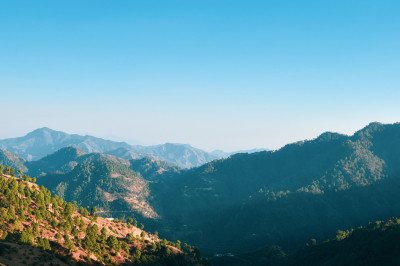
Alaboi Hills
Some quick example text to build on the card title and make up the bulk of the card's content.
Go somewhere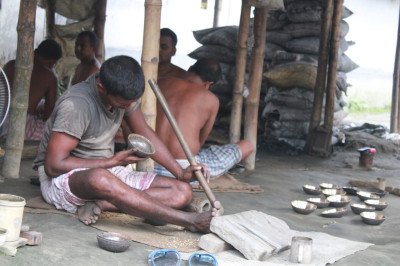
Bell Metal Industry Workshop
Some quick example text to build on the card title and make up the bulk of the card's content.
Go somewhere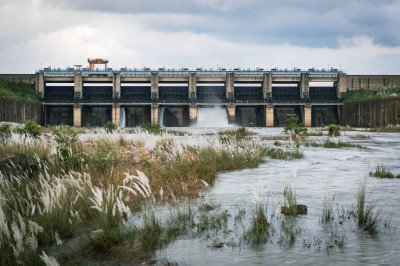
Dampur Pahar View
Some quick example text to build on the card title and make up the bulk of the card's content.
Go somewhere
Deva Bhavana
Some quick example text to build on the card title and make up the bulk of the card's content.
Go somewhere
Dhoparguri Satra
Some quick example text to build on the card title and make up the bulk of the card's content.
Go somewhere
Dimu
Some quick example text to build on the card title and make up the bulk of the card's content.
Go somewhere
Ganesh Bigrah Temple
Some quick example text to build on the card title and make up the bulk of the card's content.
Go somewhere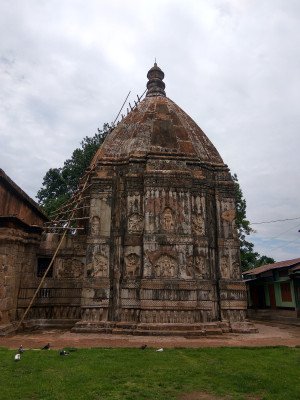
Hayagriva Madhava Temple
Some quick example text to build on the card title and make up the bulk of the card's content.
Go somewhere
Joy Durga Temple
Some quick example text to build on the card title and make up the bulk of the card's content.
Go somewhere
Kalitakuchi
Some quick example text to build on the card title and make up the bulk of the card's content.
Go somewhere
Kalitakuchi Hajo
Some quick example text to build on the card title and make up the bulk of the card's content.
Go somewhere
Kamesware Temple
Some quick example text to build on the card title and make up the bulk of the card's content.
Go somewhere
Kanai Barashi Rock Inscription
Some quick example text to build on the card title and make up the bulk of the card's content.
Go somewhere
Kaziranga National Park
Some quick example text to build on the card title and make up the bulk of the card's content.
Go somewhere
Kedareswar Temple
Some quick example text to build on the card title and make up the bulk of the card's content.
Go somewhere
Manas National Park
Some quick example text to build on the card title and make up the bulk of the card's content.
Go somewhere