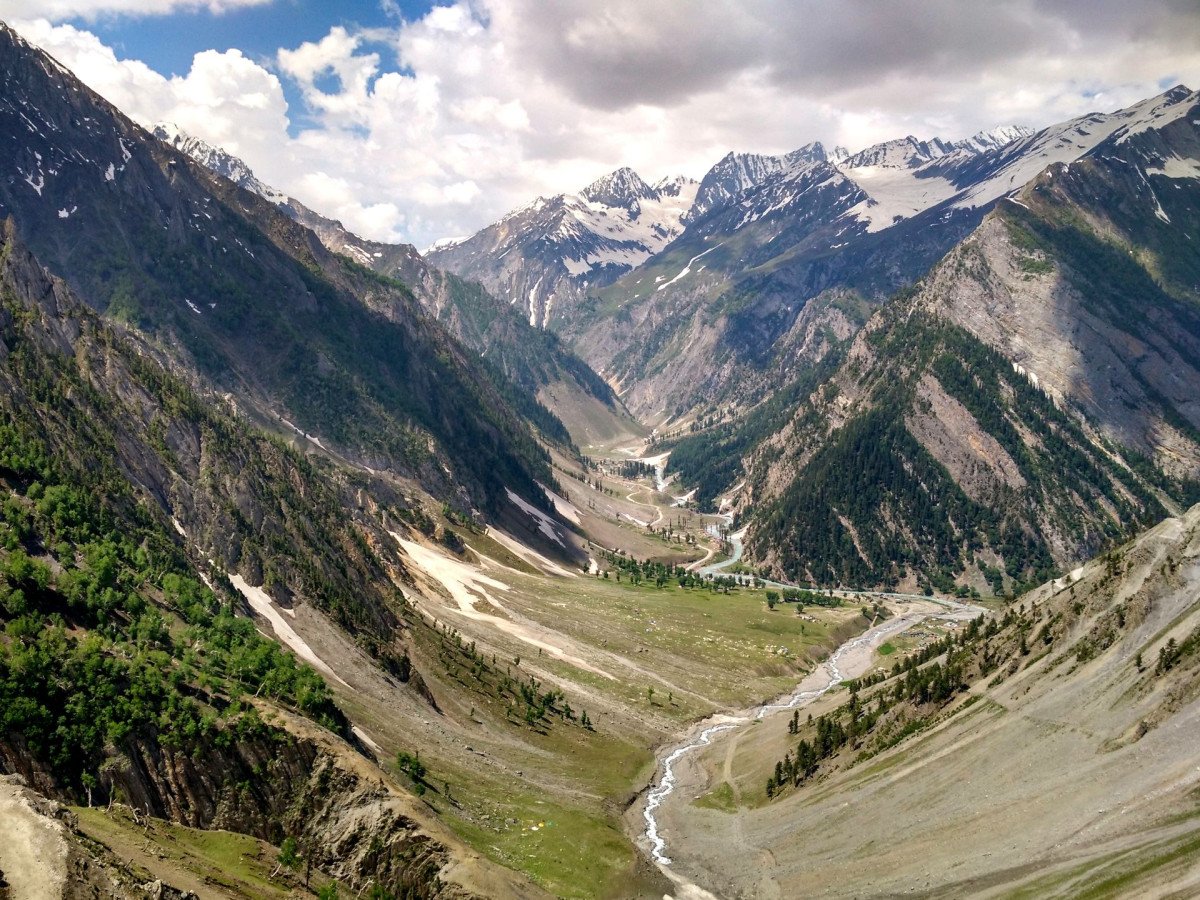
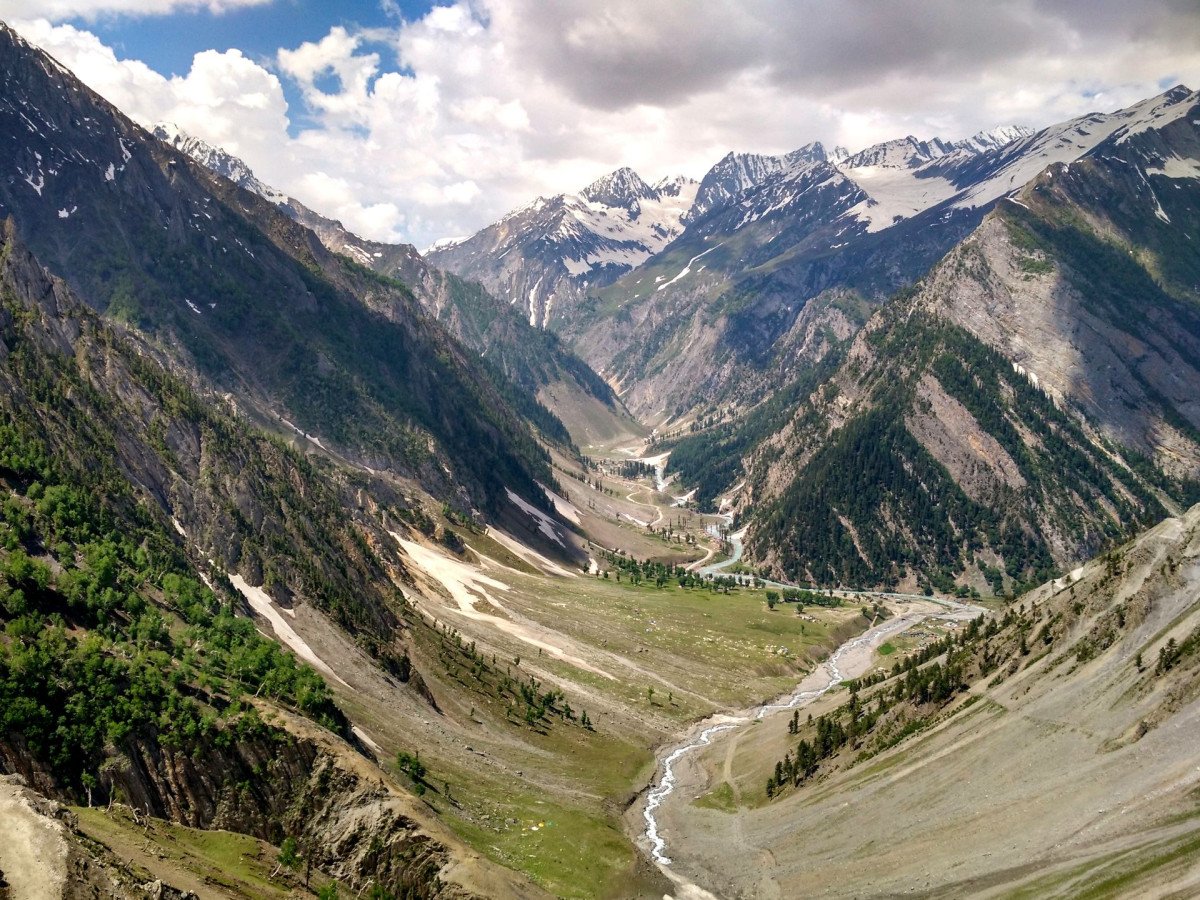
Jai Valley
General information
-
Ideal Duration:
Full Day of Exploration and Relaxation: 8-10 HoursPlace Type:
Adventure, Nature, and High-Altitude MeadowEntry Fees:
Regulation and Permits for Nature Preservation: The valley itself, being a high-altitude meadow and a naturally preserved area, has no general entry fee for simple visitation.
Regulation Focus: The primary costs are related to essential serv...Regulation and Permits for Nature Preservation: The valley itself, being a high-altitude meadow and a naturally preserved area, has no general entry fee for simple visitation.
Regulation Focus: The primary costs are related to essential services and permits, specifically for regulated activities such as camping, which typically requires a permit fee of around Rs.200 - Rs.500 per night, to be obtained from the Forest Department or a local tourism office, ensuring responsible outdoor practices.
Fees for Adventure and Accommodation: The Youth Hostel and Holiday Village charge for accommodation, ranging from Rs.1,500 to Rs.4,000 per night for huts or tents, which acts as an indirect user fee for the infrastructure, contributing to its maintenance.
Activity-Specific Charges: Costs for specialized activities like horse-riding will vary from Rs.500 - Rs.1,000 per hour, and a fishing license for the Jai Nallah trout stream may cost approximately Rs.300 per day, which is a necessary expense for those interested in angling in the protected waters.
Guide and Porter Charges: Hiring a local guide for trekking into the interior, or up to Jai Top, is highly recommended and usually costs between Rs.1,500 - Rs.2,500 per day, which, while not an entry fee, is a vital and common expense for visitors exploring the rugged landscape, supporting local employment and ensuring safety.Timing:
Regular Operating Hours for the Valley: The valley itself is a natural, open landscape and therefore has no official closing or opening time, being accessible 24 Hours a day, seven days a week, especially for campers and those staying at the Holiday Village accommodations. <...Regular Operating Hours for the Valley: The valley itself is a natural, open landscape and therefore has no official closing or opening time, being accessible 24 Hours a day, seven days a week, especially for campers and those staying at the Holiday Village accommodations.
Ideal Time for Photography: The best time to visit and capture the stunning landscapes is between 6:00 AM and 9:00 AM (Sunrise) and again from 4:30 PM to 7:00 PM (Sunset), when the light is softest, providing the most dramatic mountain views and the golden hour glow over the meadows, maximizing photographic potential.
Peak Visitor Timings: The highest number of visitors is usually seen between 10:00 AM and 4:00 PM, especially on weekends and during the main summer holidays of May to July, so for a truly quiet and serene experience, plan your visit for early morning or late afternoon, avoiding the main midday rush.
Accommodations and Check-In: The Holiday Village and Youth Hostel maintain standard tourism check-in and check-out times, typically 12:00 PM check-in and 10:00 AM check-out, with the reception area being active from about 8:00 AM to 8:00 PM for inquiries and assistance, ensuring smooth management of the guest flow.Special Events:
The Jai Mela Festival of Harmony: The valley frequently hosts local cultural and seasonal fairs, most notably the Jai Mela or a significant regional festival celebrated between July and September, coinciding with the main tourist season and the annual harvest.The Jai Mela Festival of Harmony: The valley frequently hosts local cultural and seasonal fairs, most notably the Jai Mela or a significant regional festival celebrated between July and September, coinciding with the main tourist season and the annual harvest.
Cultural Performances and Local Music: These special events are characterized by vibrant cultural programmes showcasing the traditional music, dance forms (like the Daku Dance), and unique local crafts of the Chenab Valley region.
Community Gatherings and Local Cuisine: The mela is a major community gathering for the surrounding villages and nomadic groups, offering visitors a chance to sample authentic Bhaderwahi and Dogri cuisine and witness the strong sense of local community.
Promoting Eco-Tourism: Occasionally, environmental and eco-tourism initiatives are organized, such as awareness camps or cleanliness drives, especially during the summer months, aimed at promoting the valley's fragile ecosystem, which are worthwhile events for conscious travelers to join, supporting local conservation efforts.Best Photo Spots:
The Panoramic View from Jai Top: This spot, reached after a short climb, provides the ultimate wide-angle vista of the entire 6 KM long valley, featuring the snaking Jai Nallah and the dense coniferous forests stretching to the horizon, perfect for a grand landscape shot.The Panoramic View from Jai Top: This spot, reached after a short climb, provides the ultimate wide-angle vista of the entire 6 KM long valley, featuring the snaking Jai Nallah and the dense coniferous forests stretching to the horizon, perfect for a grand landscape shot.
The Meandering Jai Nallah Banks: The best spots for water and stream photography are found along the banks of the Jai Nallah, especially where the water forms natural cascades or pools, using the scattered large boulders and smooth river stones for foreground interest.
The Sunset Point at the Holiday Village: The area surrounding the Holiday Village and Igloo Huts offers stunning sunset views, where the golden light bathes the entire meadow and the high peaks, providing dramatic, soft-lit photographic opportunities, especially for silhouette shots.
The Conifer Forest Pathways: The dense pathways through the Deodar and Pine forests on the approach road (like the one near Chinta Valley) and on the trails to the temples offer deep, moody forest-scape shots, playing with shadows and the shafts of sunlight filtering through the dense canopy, which is ideal for textured nature photography.Photo Gallery
Things To Do
-
Trekking and Hiking Through Coniferous Forests: Embark on challenging and rewarding treks through the dense conifer forests of Nakshri, Balote, and Chinta Valley, including the scenic trek to the nearby Subar Dhar and Rosher Dhar peaks to visit the ancient temples, ensuring proper gear is carried, making sure to hire a local guide for safety and route finding on longer expeditions.
Photography and Landscape Art: Dedicate an entire day to capturing the breathtaking wide-angle landscapes, focusing on the winding Jai Nallah stream, the vibrant wildflower meadows in the monsoon and post-monsoon seasons, and the dramatic interplay of light and shadow on the surrounding mountains at sunrise and sunset, bringing a tripod for long-exposure shots of the stream and falls.
Adventure Sports and Horse Riding:...Trekking and Hiking Through Coniferous Forests: Embark on challenging and rewarding treks through the dense conifer forests of Nakshri, Balote, and Chinta Valley, including the scenic trek to the nearby Subar Dhar and Rosher Dhar peaks to visit the ancient temples, ensuring proper gear is carried, making sure to hire a local guide for safety and route finding on longer expeditions.
Photography and Landscape Art: Dedicate an entire day to capturing the breathtaking wide-angle landscapes, focusing on the winding Jai Nallah stream, the vibrant wildflower meadows in the monsoon and post-monsoon seasons, and the dramatic interplay of light and shadow on the surrounding mountains at sunrise and sunset, bringing a tripod for long-exposure shots of the stream and falls.
Adventure Sports and Horse Riding: Engage in adventure activities like horse-riding, which is widely available from local vendors, and try your hand at rock-climbing and hard-core trekking on the challenging rock faces near the stream's confluence with the Kalgoni Nallah, always ensuring that safety harnesses and professional supervision are utilized.
Winter Sports and Snow Activities: In the winter months, embrace the snow-covered landscape by participating in winter sports like skiing and sledging, utilizing the gentle slopes near the Holiday Village and the Youth Hostel area, which is specifically promoted as an ideal winter sports destination, checking for open facilities before arrival.
Camping and Stargazing: Pitch your own tents in designated areas for an authentic experience of camping under the vast, unpolluted Himalayan night sky, perfect for dedicated stargazers and amateur astronomers, remembering to bring high-quality thermal sleeping bags to counteract the cold mountain nights.
Angling and Trout Fishing: Enjoy the quiet sport of trout fishing in the clean, cold waters of the Jai Nallah, which is known for its excellent trout culture, making sure to obtain the required fishing permits from the local fisheries department beforehand to comply with environmental regulations.
Cultural Immersion at the Holiday Village: Spend time relaxing and engaging with other travelers and locals at the accommodations provided by the Holiday Village and Youth Hostel, utilizing the facilities for communal gatherings, and learning about the rich folklore and history of the Doda district from the residents and staff, providing a social and educational dimension to the trip.
Exploration of Medicinal Flora: For those with a specific interest in botany, take a guided walk with a local expert to identify the various rare and indigenous wild herbs and medicinal plants, like Digitalis Purea and Aconitum, that grow abundantly in the valley's unique ecosystem, ensuring that no plants are picked or disturbed, maintaining the ecological balance, as this is a precious and protected natural resource.
Information
-
Why Famous:
The Serene Beauty of Mini Kashmir:The lush green, expansive meadows of Jai Valley, spanning over 6 KMs, are the primary reason for its immense popularity, often earning it the moniker Mini Kashmir due to its striking resemblance to the celebrated valley.
Read MoreThe Serene Beauty of Mini Kashmir:The lush green, expansive meadows of Jai Valley, spanning over 6 KMs, are the primary reason for its immense popularity, often earning it the moniker Mini Kashmir due to its striking resemblance to the celebrated valley.
The Jai Nallah Trout Stream: The presence of the gurgling Jai Nallah, an immaculate trout-rich stream, enhances its fame, attracting anglers and nature enthusiasts seeking pristine mountain waters.
Gateway to High Peaks and Treks: It is a critical base for various trekking routes, including the paths leading towards Bhalessa and the higher reaches of the Pir Panjal range, drawing serious trekkers and mountaineers who value its strategic location and clear mountain air. The vastness of the valley provides a perfect canvas for panoramic photography.
Cultural and Religious Significance: Its proximity to revered sites like the Roshera Mata and Subar Nag Temples, located a short trek away, adds a spiritual dimension to its fame, ensuring a steady stream of pilgrims along with regular tourists, especially during the summer and early autumn when the weather is most conducive for both adventure and pilgrimage, solidifying its reputation as a multifaceted destination for diverse interests.Architecture:
Architecture of Mountain Tourism Infrastructure:
The Design Philosophy of the Holiday Village: The built environment in Jai Valley is primarily focused on low-impact, sustainable tourism, blending seamlessly with the natural landscape, a key f...Architecture of Mountain Tourism Infrastructure:
The Design Philosophy of the Holiday Village: The built environment in Jai Valley is primarily focused on low-impact, sustainable tourism, blending seamlessly with the natural landscape, a key feature in mountain region construction.
Dimension: The typical Igloo Huts are circular in form, with an approximate diameter of 4 meters and a peak interior height of 3. 5 meters, designed to maximize thermal insulation against the cold climate. The structures are often made of prefabricated insulated panels and locally sourced timber, built upon a raised concrete plinth of about 1. 5 meters to protect against snow accumulation and ground dampness.
Integration with Nature: The design consciously avoids large, intrusive concrete buildings. Instead, the focus is on colourful tented accommodations and small, aesthetically pleasing wooden or composite Igloo Huts. These structures are strategically placed across the meadows and near the forest fringe, such as the area close to Jai Top, ensuring minimal disturbance to the indigenous flora and fauna.
The Youth Hostel Facility: The youth hostel, designed to accommodate approximately 150 guests, employs a more linear, but still low-rise structure, often utilizing pitched roofs and exposed wooden beams. The external facade uses dark-stained wood and natural stone, reflecting the traditional building style of the Chenab Valley. The overall architectural goal is to provide essential amenities while preserving the valley's pristine environment, making the infrastructure an extension of the natural beauty rather than a contradiction to it, prioritizing eco-friendly practices in its construction and maintenance.How To Reach:
By Air: The nearest major airport is Jammu Airport (IXJ), which is approximately 200 KMs away from Bhaderwah town, with frequent flights connecting to major Indian cities like Delhi, Mumbai, and Srinagar. From the airport, the journey to Bhaderwah takes about 6-7 hours by h...By Air: The nearest major airport is Jammu Airport (IXJ), which is approximately 200 KMs away from Bhaderwah town, with frequent flights connecting to major Indian cities like Delhi, Mumbai, and Srinagar. From the airport, the journey to Bhaderwah takes about 6-7 hours by hired taxi or pre-booked private vehicle, traveling via the national highway routes, followed by the local link road to the valley, which is an additional hour's drive from the town center, ensuring a comfortable and direct transfer.
By Train: The nearest major railway head is Udhampur Railway Station (UHP), situated about 120 KMs from Bhaderwah, which has good connectivity to the rest of the country. A slightly farther but busier option is Jammu Tawi Railway Station (JAT), approximately 190 KMs away. From the railway station, travelers should hire a taxi or take a shared cab to Bhaderwah town, and then an onward local taxi to the valley, with the total journey by road from Udhampur taking around 4-5 hours.
By Road: Bhaderwah is well-connected by National Highway NH-244, branching off the main highway, with regular bus services operated by the state and private companies running from Jammu, Udhampur, and Doda (which is about 30 KMs away). The drive from Jammu to Bhaderwah takes around 6-7 hours, and the final 32 KMs to Jai Valley is covered by the picturesque Bhaderwah-Jai Link Road, which is motorable and often well-maintained, but requires careful driving due to mountain turns.
By Local Transport: Once in Bhaderwah, the most convenient local transport to Jai Valley is a hired local taxi (including a four-wheel-drive vehicle, especially during uncertain weather) or a shared local cab which runs a fixed route, especially during the tourist season. The drive from the town center to the valley takes approximately 1 to 1. 5 hours. Local buses are also available but are less frequent and may only drop you off at a point near the final approach road to the valley, necessitating a short final walk, making the hired private taxi the superior option for convenience.Weather and Best Time to Visit:
Seasonal Highlights in Jai Valley:
Summer (May to June): This is the absolute best time for general sightseeing, trekking, and camping, as the weather is pleasant with clear skies, and the meadows are lush green, allowing for easy access to a...Seasonal Highlights in Jai Valley:
Summer (May to June): This is the absolute best time for general sightseeing, trekking, and camping, as the weather is pleasant with clear skies, and the meadows are lush green, allowing for easy access to all parts of the valley.
Monsoon (July to September): Characterized by vibrant wildflowers in full bloom across the valley floor, creating the "Red Meadows" effect in some areas, though occasional rainfall and slippery trails require careful movement, this season is excellent for botanical enthusiasts.
Autumn (October to November): Offers crisp, clear weather perfect for photography, with the foliage turning golden-brown, and this is the time of the major local festivals like the annual Kailash Yatra passing nearby, adding a cultural element to the trip.
Winter (December to March): The valley is covered in heavy snow, transforming it into a winter wonderland, making it the best time for snow sports like skiing and sledging, though accessibility can be challenging and only 4x4 vehicles should be used.
Best Time of Day for Tranquility: The early morning hours (5:00 AM to 8:00 AM) and late afternoon to evening (4:00 PM to 7:00 PM) are the most tranquil, providing the softest natural light and the fewest crowds, ideal for peaceful nature walks and capturing the stunning photographic views.Near Tourist Places:
Chinta Valley (15 KMs): Famous for its mesmerizing Deodar forests and serenity.
Bhal Padri (35 KMs): A stunning, off-the-beaten-path high-altitude meadow.
Padri Pass (Padri Top) (32 KMs): A scenic mountain pass known for its stunning views.
Khani Top (25 KMs): Offers panoramic views of sunrise and sunset.
Bhaderwah Fort (35 KMs): Historic stronghold overlooking the town of Bhaderwah.
Seoj Meadow (20 KMs): Alpine pasture and base camp for the Kailash Kund trek.
Gupt Ganga Temple (34 KMs): Ancient cave shrine on the banks of the Neeru river.
Vasuki Nag Temple, Gatha (38 KMs): Important pilgrimage site and start point for the Yatra.
Doda Town (62 KMs): District headquarters with local bazaars and history.
Lal Draman (55 KMs): Scenic meadow often associated with the Doda district mela.Tourism Tips
-
Health & Safety:
Altitude Sickness Precaution: Since Jai Valley is at 7,800 ft, carry essential altitude sickness medication and spend the first night in Bhaderwah (5,300 ft) for acclimatization, taking special care if planning a trek to high...Health & Safety:
Altitude Sickness Precaution: Since Jai Valley is at 7,800 ft, carry essential altitude sickness medication and spend the first night in Bhaderwah (5,300 ft) for acclimatization, taking special care if planning a trek to higher points.
First-Aid and Hydration: Always carry a comprehensive first-aid kit with pain relievers, antiseptics, and blister treatment, and drink plenty of water to stay hydrated in the dry mountain air, avoiding local unverified water sources.
Packing Essentials:
Layered Clothing: Pack ample layered wool and synthetic clothing, as temperatures can drop quickly, even in summer, including a waterproof and windproof jacket.
Footwear and Gear: Sturdy, waterproof trekking shoes with excellent ankle support are essential for navigating the wet meadows and rocky trails. Don't forget a good sun hat, polarized sunglasses, and high-SPF sunscreen to protect against the intense high-altitude UV rays.
Accommodation Tips:
Booking in Advance: For the peak season (May-July), ensure you book the Holiday Village huts or Youth Hostel dormitory beds well in advance, as the limited accommodation fills up quickly, and always confirm the booking with a direct call to the facility management.
Other Topics:
Connectivity: Mobile network connectivity, particularly for major carriers, is often weak or non-existent in the valley itself, so inform family of your limited contact, making it a true digital detox.
Respecting Local Culture: Be respectful of the nomadic Gujjar and Bakarwal communities, asking permission before taking photographs of people or their livestock, and be mindful of your waste, adhering to a strict Leave No Trace policy to maintain the pristine environment.
Reviews
FAQs
Bhaderwah Itineray And Cost:-
Other Places In Bhaderwah :-
Other States In India :-
Information about New and Updated Locations() of Jammu and Kashmir Has Been Added :-
Card subtitle
Note:-
Information provided here in good Faith and for reference only.
Near Places

Ashapati Peak
Some quick example text to build on the card title and make up the bulk of the card's content.
Go somewhere
Bhaderwah Fort
Some quick example text to build on the card title and make up the bulk of the card's content.
Go somewhere
Bhaderwah View Point
Some quick example text to build on the card title and make up the bulk of the card's content.
Go somewhere
Bhal Padri
Some quick example text to build on the card title and make up the bulk of the card's content.
Go somewhere
Bheja Village
Some quick example text to build on the card title and make up the bulk of the card's content.
Go somewhere
Bimal Nag Temple
Some quick example text to build on the card title and make up the bulk of the card's content.
Go somewhere
Chattragala Pass
Some quick example text to build on the card title and make up the bulk of the card's content.
Go somewhere
Chinta Valley
Some quick example text to build on the card title and make up the bulk of the card's content.
Go somewhere
Dal Lake
Some quick example text to build on the card title and make up the bulk of the card's content.
Go somewhere
Dalain Village
Some quick example text to build on the card title and make up the bulk of the card's content.
Go somewhere
Devigol
Some quick example text to build on the card title and make up the bulk of the card's content.
Go somewhere
Dugli
Some quick example text to build on the card title and make up the bulk of the card's content.
Go somewhere
Gatha Bridge
Some quick example text to build on the card title and make up the bulk of the card's content.
Go somewhere
Gatha Resort
Some quick example text to build on the card title and make up the bulk of the card's content.
Go somewhere
Gupt Ganga Temple
Some quick example text to build on the card title and make up the bulk of the card's content.
Go somewhere
Gurdanda
Some quick example text to build on the card title and make up the bulk of the card's content.
Go somewherein Other Cities