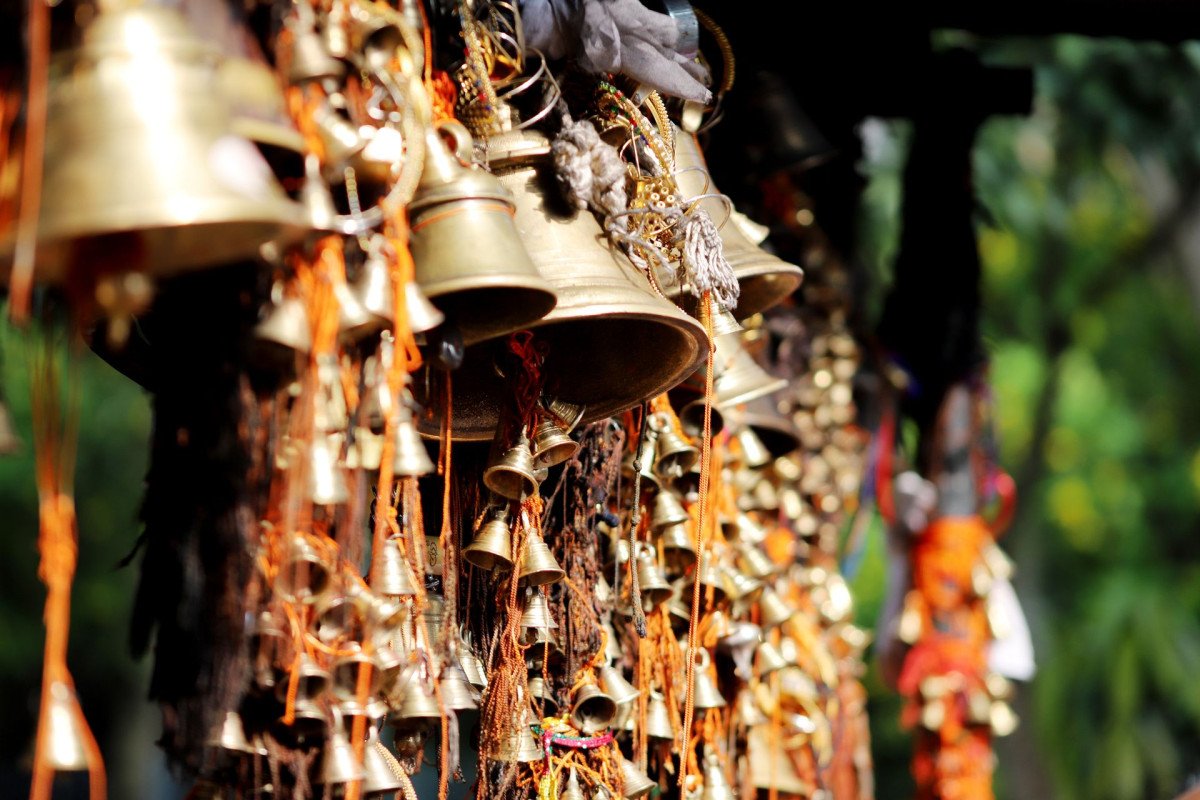
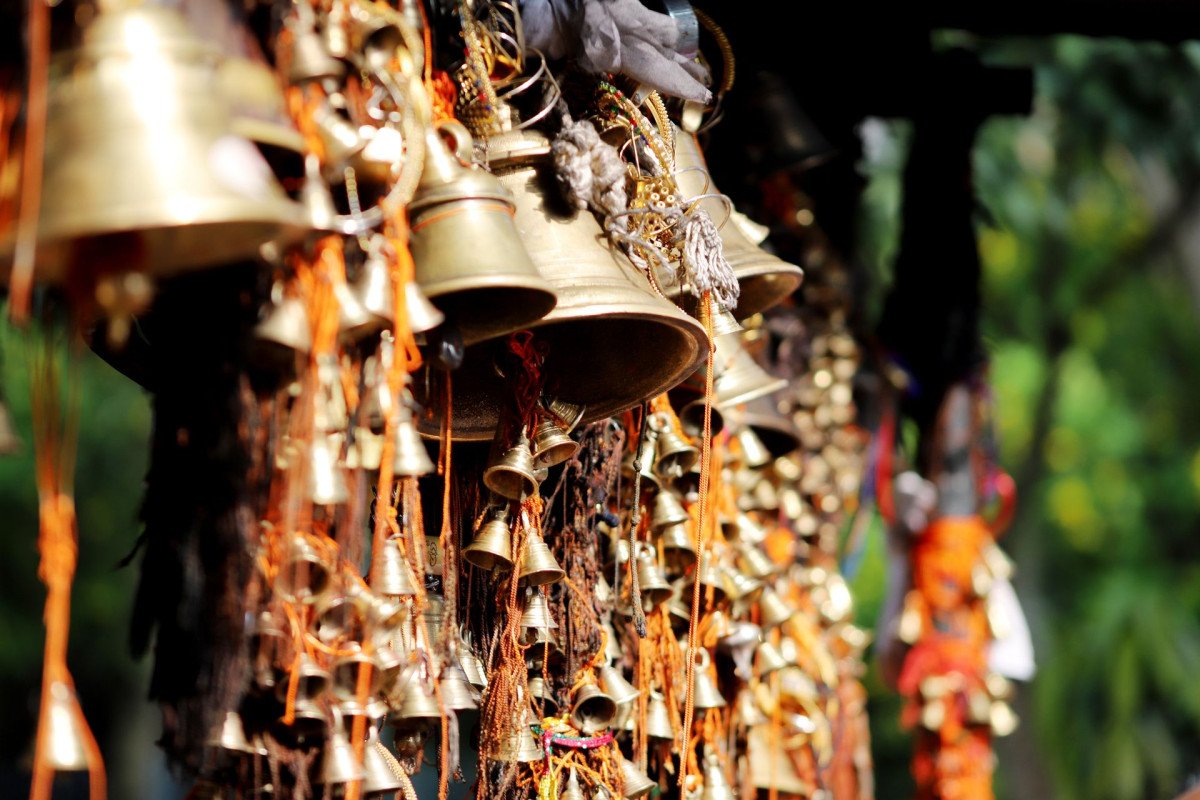
Kadri Manjunatha Temple
General information
-
Ideal Duration:
1-2 Hours (More on Festival Days for Darshan/Pooja)Place Type:
Ancient Hindu Temple / Heritage SiteEntry Fees:
Temple Darshan (General Access):: There is No Entry Fee for general Darshan (viewing of the deity) at Kadri Manjunatha Temple. All devotees and visitors are welcome to enter the temple premises and offer prayers free of charge, following the common tradition of most major H...Temple Darshan (General Access):: There is No Entry Fee for general Darshan (viewing of the deity) at Kadri Manjunatha Temple. All devotees and visitors are welcome to enter the temple premises and offer prayers free of charge, following the common tradition of most major Hindu temples in India. This ensures its role as a spiritual center open to all.
Special Poojas and Seva Costs:: While entry is free, devotees wishing to perform specific rituals or 'Sevas' (special prayer services) on their behalf, such as Rudrabhisheka, Maha Pooja, or the elaborate Belli Rathothsava Seva (Silver Chariot service), must pay a prescribed fee. These fees vary widely based on the complexity and significance of the ritual (e. g. , from a nominal amount to several thousand rupees for a major Homa or Yaga). A dress code of traditional, modest attire is enforced, and while this is not a monetary 'fee,' it is a requirement for entry into the inner sanctum. The fees for Seva go towards the maintenance and charitable activities (like Anna Dana) of the temple trust.Timing:
Regular Timings (Temple Ritual Focus):: Kadri Manjunatha Temple follows a split schedule typical of Hindu temples, closing briefly in the afternoon. The general timings are from 5:30 am or 6:00 am to 1:00 pm (or 2:00 pm), and then reopening from 4:00 pm to 8:00 pm or 8:30 p...Regular Timings (Temple Ritual Focus):: Kadri Manjunatha Temple follows a split schedule typical of Hindu temples, closing briefly in the afternoon. The general timings are from 5:30 am or 6:00 am to 1:00 pm (or 2:00 pm), and then reopening from 4:00 pm to 8:00 pm or 8:30 pm. These timings are structured around the performance of daily Pooja and Aarti rituals.
Ideal Visit Time (Spiritual Focus):: The Ideal Visit Time for a peaceful Darshan and experiencing the temple's spiritual ambiance is the early morning slot (between 6:00 am and 8:00 am) or the late afternoon (around 4:00 pm to 5:00 pm) before the evening rush. The busiest time is usually during the midday Maha Pooja (around 12:00 pm). Visiting during the Jathra Mahothsava in January is ideal for experiencing the grand, high-energy festival atmosphere, though it will be very crowded.Special Events:
The Annual Jathra Mahothsava:: The most grand and special event is the annual nine-day Jathra Mahothsava (Temple Festival), which begins on Makara Sankranthi (typically in the month of January). This festival is marked by elaborate rituals, including the Dhwajarohana (flag ...The Annual Jathra Mahothsava:: The most grand and special event is the annual nine-day Jathra Mahothsava (Temple Festival), which begins on Makara Sankranthi (typically in the month of January). This festival is marked by elaborate rituals, including the Dhwajarohana (flag hoisting), the unique Kanchil ritual, and the grand finale, the Maha Rathothsava (Car Festival), where the massive decorated chariot of Lord Manjunatha is pulled by devotees, a spectacular sight.
Maha Shivarathri Celebrations:: Being a major temple dedicated to Lord Shiva, Maha Shivarathri (usually in February or March) is celebrated with extreme fervor, featuring all-night prayers, special Abhisheka rituals, and cultural performances, drawing a huge number of devotees from across Karnataka and beyond. This is a profound, spiritually charged special event.Best Photo Spots:
The Gopuram and Entrance Gate:: The brightly colored, tiered Gopuram (temple tower) over the entrance, adorned with numerous statues of deities, is the quintessential photo spot. Capture the entire tower from a distance to show its scale and the vibrant colors against the s...The Gopuram and Entrance Gate:: The brightly colored, tiered Gopuram (temple tower) over the entrance, adorned with numerous statues of deities, is the quintessential photo spot. Capture the entire tower from a distance to show its scale and the vibrant colors against the sky. This is the primary establishing shot for the temple.
The Deepasthambha and Temple Courtyard:: The tall, elegant Deepasthambha (lamp post) in the courtyard, especially when lit during festivals or in the soft evening light, makes for a dramatic photo subject. Frame the temple's main shrine through the light of the lamp post for an artistic, spiritual composition. The vast, granite courtyard itself is excellent for capturing the traditional, meditative atmosphere of the temple, particularly the beautiful shadow play in the early morning.
The Sapta Teerthas and Gomukha Spout:: The area around the seven sacred ponds and the perennial Gomukha spout is an intimate photo spot. Capture the ritualistic pouring of water or the serene, moss-covered stone work around the ponds. This area offers beautiful, subtle lighting and water reflections.
The Lokeshwara Statue and Sub-Shrines:: Although photography inside the inner sanctum is often restricted, the external architecture and the surrounding sub-shrines, particularly the spot near the ancient-looking Lokeshwara statue (if visible and permitted), offer amazing photo opportunities to capture the blend of art and devotion. The hilltop location provides a serene background for portrait shots against the sky.Photo Gallery
Things To Do
-
Attend the Daily Poojas and Darshan:: The main activity is the religious one—attending the morning or evening Aarti and seeking Darshan (blessings) of the main deity, Lord Manjunatha. Observing the traditional temple rituals, like Rudrabhisheka or the Maha Pooja, offers a deep insight into Hindu worship practices in Karnataka.
Visit the Sapta Teerthas and Gomukha:: Perform the ritual of visiting the seven sacred ponds and collecting the holy water from the perennial Gomukha spout. This is a key spiritual activity at the temple, believed to bring merit and purification, often involving a walk up the steps near the pond area.
Explore the Pandava Caves:: Take the time to climb up and explore the mysterious caves located behind the temple complex. This light historical exploration connects you wit...Attend the Daily Poojas and Darshan:: The main activity is the religious one—attending the morning or evening Aarti and seeking Darshan (blessings) of the main deity, Lord Manjunatha. Observing the traditional temple rituals, like Rudrabhisheka or the Maha Pooja, offers a deep insight into Hindu worship practices in Karnataka.
Visit the Sapta Teerthas and Gomukha:: Perform the ritual of visiting the seven sacred ponds and collecting the holy water from the perennial Gomukha spout. This is a key spiritual activity at the temple, believed to bring merit and purification, often involving a walk up the steps near the pond area.
Explore the Pandava Caves:: Take the time to climb up and explore the mysterious caves located behind the temple complex. This light historical exploration connects you with the mythology of the Mahabharata and the ascetic history of the hill.
Appreciate the Ancient Sculptures and Art:: Dedicate time to study the intricate carvings on the granite walls and, most importantly, the stunning bronze statue of Lokeshwara (believed to be the Bodhisattva Avalokiteshvara), noting its historical significance as an example of Buddhist-era craftsmanship. Look for the various sub-shrines dedicated to other deities like Ganesha, Durga, and the Naga Devathas.
Observe the Jogimutt and Natha Pantha Influence:: Seek out the areas connected to the Natha Pantha tradition, such as the shrines dedicated to Gorakhanath and Machendranath. This observation helps in understanding the cultural evolution of the temple from a Vihara to a temple.
Participate in Anna Dana (Mass Feeding):: If your visit is around the time of the ritual mass feeding (Annadana), you can volunteer or partake in the simple meal served to all devotees, a highly regarded form of community service and devotion in Hindu temples.
Walk the Perimeter and Enjoy the Hilltop View:: Take a slow walk around the temple complex's perimeter. The hilltop location, also known as Kadri Gudde, offers a serene atmosphere and a commanding view of the surrounding residential area of Mangalore. This is a great time for quiet contemplation.
Information
-
Why Famous:
The Natha Pantha and Buddhist Heritage:: The Kadri Manjunatha Temple is immensely famous for its unique history as a former Buddhist Vihara (Kadarika Vihara) that transformed into a Hindu shrine, representing a rare confluence of Shaivism and Buddhism. This rich, syncretic ...The Natha Pantha and Buddhist Heritage:: The Kadri Manjunatha Temple is immensely famous for its unique history as a former Buddhist Vihara (Kadarika Vihara) that transformed into a Hindu shrine, representing a rare confluence of Shaivism and Buddhism. This rich, syncretic history is one of its most compelling and famous features.
The Sacred Panchaloha Idol:: It is home to the stunning, ancient bronze statue of Lokeshwara (believed to be the Bodhisattva Avalokiteshvara), a Panchaloha idol considered one of the finest in South India, drawing scholars and art lovers. The temple's legend, linked to Lord Parashurama and the seven sacred Teerthas (holy ponds), solidifies its fame as a powerful pilgrimage center. Its hilltop location also affords it a magnificent, imposing status in the cityscape. -
Architecture:
Temple Style and Material:: The architecture of Kadri Manjunatha Temple is predominantly of the Vijayanagara style, characterized by its sturdy, dark-granite construction, which was fully established during the 14th-century renovation. This style is known for its durable ma...Temple Style and Material:: The architecture of Kadri Manjunatha Temple is predominantly of the Vijayanagara style, characterized by its sturdy, dark-granite construction, which was fully established during the 14th-century renovation. This style is known for its durable materials and elaborate carvings, though the temple also incorporates indigenous Tuluva elements in its roof structure.
Key Architectural Dimensions and Sculptures:: The temple complex follows a square plan (Manjunatha temple is square-shaped) and is multi-tiered. A significant architectural detail is the Bronze Lokeshwara image, standing approximately 5 feet high, noted for its fine craftsmanship. The structure also features a prominent Deepasthambha (lamp post) on the northern side. The most unique dimension is the sacred pond complex, the Sapta Teerthas, fed by the mysterious Gomukha spouts. The functional architecture also includes the Pandava Caves, which are naturally occurring or carved chambers used for meditation/dwelling, adding a cave-architecture dimension to the site. The temple's overall aesthetic is one of solid, imposing stone work, contrasting with the detailed, spiritually significant idols within. -
How To Reach:
By Air (Approx.
15-18 KMS):: Mangalore International Airport (IXE) is the nearest air hub, located about 15-18 KMS away. A pre-booked or ride-share taxi is the most efficient way to travel, taking approximately 30-40 minutes. Since the temple is a major landmark n...By Air (Approx.
15-18 KMS):: Mangalore International Airport (IXE) is the nearest air hub, located about 15-18 KMS away. A pre-booked or ride-share taxi is the most efficient way to travel, taking approximately 30-40 minutes. Since the temple is a major landmark near the city center, most taxi drivers will know the route well. By Train (Approx.
4-5 KMS):: Both Mangaluru Central (MAQ) and Mangaluru Junction (MAJN) railway stations are roughly 4-5 KMS from the temple. An auto-rickshaw ride is the simplest way to cover this short distance, taking about 10-15 minutes. The temple is an important pilgrimage site, so it is a very well-known destination among local transport providers.
By Road (Direct City Access):: The temple is situated on the elevated Kadri Hill and is easily reached via Kadri Temple Road, right off the main city roads. A drive from the Mangalore city center takes only about 10-15 minutes. The temple complex is large, and there is a dedicated, sizable parking area near the main entrance, making it convenient for visitors arriving by car or hired bus. The road is well-maintained and clearly marked.
By Local Transport (Bus/Auto-rickshaw):: Frequent city buses run from the main bus stands in Mangalore towards the Kadri area, and the bus stop is a short walk from the temple complex. Auto-rickshaws are the most flexible local option, providing a quick, direct ride up the hill. Given its status, the temple is one of the easiest locations in Mangalore to reach using any form of public transport. The proximity to the city center and the main roads ensures excellent connectivity. -
Weather and Best Time to Visit:
Different Types of Seasons (Festival and Comfort Focus):: The Best Time to Visit Kadri Manjunatha Temple is during the dry, pleasant Winter months (October to February). The comfortable weather is ideal for wearing traditional attire and participating in the rituals and the grand annual Jathra Maho...Different Types of Seasons (Festival and Comfort Focus):: The Best Time to Visit Kadri Manjunatha Temple is during the dry, pleasant Winter months (October to February). The comfortable weather is ideal for wearing traditional attire and participating in the rituals and the grand annual Jathra Mahothsava in January. The post-monsoon season also leaves the hill lush and beautiful. The Monsoon season (June to September) can be visited, but the heavy rain might make climbing the stone steps and exploring the complex difficult. Summer is manageable, but the midday heat can be intense, especially on the granite surfaces. Different Parts of the Day (Darshan and Crowd Focus):: The Ideal Visit Time is in the Early Morning (5:30 am to 8:00 am) for a peaceful Darshan and to avoid crowds and heat. This time allows for a serene experience of the temple's daily opening rituals. The Late Afternoon opening (4:00 pm to 6:00 pm) is also a good time before the main evening rush. The busiest time is usually the midday Maha Pooja (around 12:00 pm) and the evening Aarti (7:00 pm onwards), which are beautiful to witness but will involve larger crowds. Weekday mornings are always quieter than weekends. -
Near Tourist Places:
1. Kadri Hill Park (Adjacent/ 0.
5 KMS): 2.
Srimanthi Bai Memorial Government Museum (3 KMS): 3. Kudroli Gokarnath Temple (4.
5 KMS): 4. St. Aloysius Chapel (
5 KMS): 5. Milagres Church (
5 KMS): 6.
Mangaladevi Temple (6 KMS): 7.
Pilikula Nisargadhama (12 KMS): 8. Lalbagh Market (2.
5 KMS): 9.
Panambur Beach (12 KMS): 10. Sultan Battery (7 KMS)
Tourism Tips
-
Health & Safety (Dress Code and Temple Rules)::
Strictly adhere to the temple dress code: traditional, modest attire is mandatory (no shorts, mini-skirts, or revealing clothes). Men often remove their shirts before entering the inner sanctum...Health & Safety (Dress Code and Temple Rules)::
Strictly adhere to the temple dress code: traditional, modest attire is mandatory (no shorts, mini-skirts, or revealing clothes). Men often remove their shirts before entering the inner sanctum. Walk carefully on the polished stone floors, especially if they are wet. Do not take photos inside the main shrine, as it is a deeply sacred space. Leave all electronic devices and leather items (like bags/belts) outside in the locker room if requested, or keep them securely in your vehicle.
Packing (Respectful Attire):: Carry a bag to keep your shoes/slippers, although a dedicated stand is usually available. Women should carry a traditional shawl or dupatta if their attire is slightly modern. Carry cash in small denominations for offerings, charity, and for purchasing prasad (blessed food).
Accommodation (Heritage and Comfort):: The Kadri area near the temple and park offers numerous hotels, including older, heritage-style lodges and modern family hotels. Staying nearby allows for an early morning visit to the temple, a highly recommended experience for spiritual contemplation. The temple location is also very close to many traditional Mangalorean restaurants.
Other Different Topics (The Gomukha Ritual):: If you plan to participate in the ritual of collecting holy water from the Gomukha spout, bring a small, clean bottle to fill and carry the water back with you. Be respectful of the priests and the rituals being performed. The temple complex is a blend of history and religion—take the time to read the plaques (if available) to understand its past as a Buddhist Vihara and its link to the Natha Pantha.
Reviews
FAQs
Mangalore Itineray And Cost:-
Kadri Manjunatha Temple Tourism:-
Information about New and Updated Locations() of Karnataka Has Been Added :-
Card subtitle
Note:-
Information provided here in good Faith and for reference only.
All information and pictures will be updated soon, please keep visiting.
Near Places
Adyar Falls
Some quick example text to build on the card title and make up the bulk of the card's content.
Go somewhere
Bahubali Gomateshwara Monolith
Some quick example text to build on the card title and make up the bulk of the card's content.
Go somewhere
Bappanadu Sri Durgaparameshwari Temple
Some quick example text to build on the card title and make up the bulk of the card's content.
Go somewhere
Kadri Hill Park
Some quick example text to build on the card title and make up the bulk of the card's content.
Go somewhere
Kadri Manjunatha Temple
Some quick example text to build on the card title and make up the bulk of the card's content.
Go somewhere
Karinja Cliff
Some quick example text to build on the card title and make up the bulk of the card's content.
Go somewhere
Kudroli Gokarnath Temple
Some quick example text to build on the card title and make up the bulk of the card's content.
Go somewhere
Mangaladevi Temple
Some quick example text to build on the card title and make up the bulk of the card's content.
Go somewhere
Milagres Church
Some quick example text to build on the card title and make up the bulk of the card's content.
Go somewhere
Mookambika Temple, Kollur
Some quick example text to build on the card title and make up the bulk of the card's content.
Go somewherein Other Cities