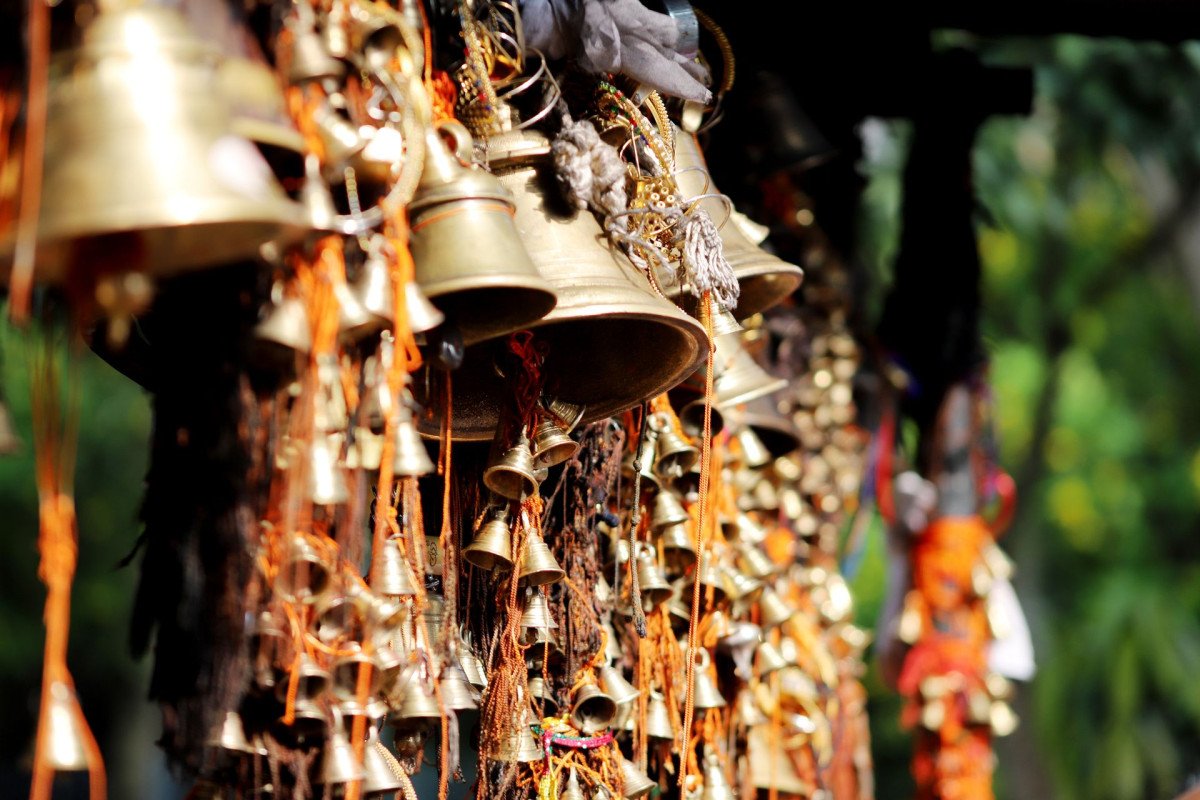
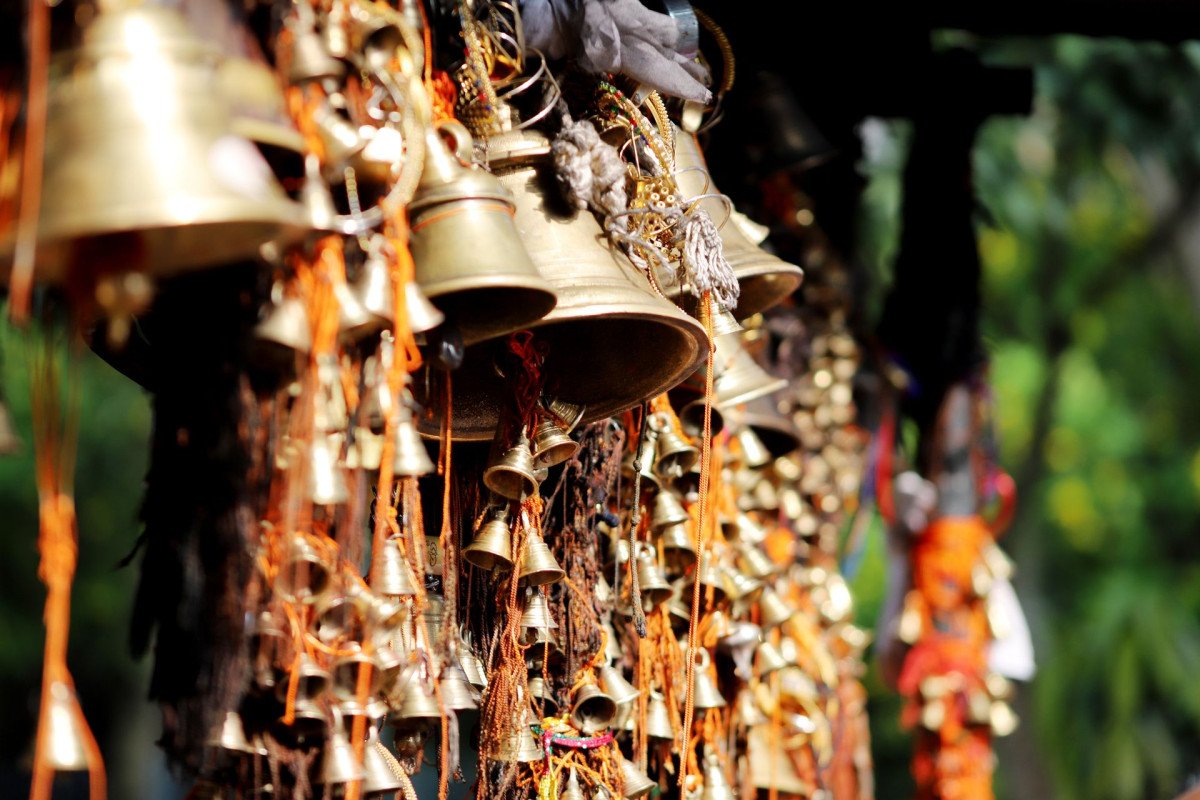
Mangaladevi Temple
General information
-
Ideal Duration:
1 HourPlace Type:
Religious/Pilgrimage Site, Historical LandmarkEntry Fees:
General Entry and Darshan Fees: There is absolutely No Entry Fee for general visitors or devotees entering the temple for Darshan. The temple is a public place of worship, welcoming all without charge.
Donation Boxes and Voluntary Contributions...General Entry and Darshan Fees: There is absolutely No Entry Fee for general visitors or devotees entering the temple for Darshan. The temple is a public place of worship, welcoming all without charge.
Donation Boxes and Voluntary Contributions: Donations for the temple's maintenance, daily poojas, and Annadaana (mass feeding) are accepted in designated donation boxes or through the temple office. These contributions are completely voluntary and are not a substitute for an entry ticket.
Special Sevas and Pooja Costs: Devotees can arrange for specific personal poojas (rituals) to be performed in their names. The costs for these sevas are fixed by the temple administration and vary based on the ritual. A simple Archana (offering of flowers with name) is nominal, typically ranging from Rs.30 to Rs.70, while more elaborate homas or special pujas on festive days will cost more, and a list of prices is usually available at the temple office.
Photography Policy: Generally, there are No Photography Charges, but tourists should respect the rules of the temple, which strictly prohibit photography inside the main sanctum sanctorum and sometimes the Navaranga to maintain sanctity.Timing:
Regular Temple Operating Hours: The temple generally follows a split schedule typical of many South Indian temples:
Morning: 6:00 AM to 1:
00 PM and Evening: 4:00 PM to 8:30 PM. The temple closes for Naivedya ...Regular Temple Operating Hours: The temple generally follows a split schedule typical of many South Indian temples:
Morning: 6:00 AM to 1:
00 PM and Evening: 4:00 PM to 8:30 PM. The temple closes for Naivedya (offering of food) and a rest period in the afternoon.
Pooja and Aarti Timings: Key rituals include the Morning Aarti (6:30 AM), Noon Maha Pooja (12:30 PM), and the Final Aarti (8:00 PM to 8:30 PM). Attending the noon or evening Aarti provides the most vibrant experience.
The Ideal Visit Time: Early Morning (6:00 AM to 8:00 AM) is perfect for a peaceful, quick darshan and photography before the crowds arrive. Evening (5:30 PM onwards) is also great to see the temple lit up and to attend the final Aarti.
Festival Timings: During Navaratri (October), the temple operates with extended and unique schedules, with poojas lasting well into the night, attracting the largest crowds of the year.Special Events:
Navaratri and Dasara Festival: The most important event of the year, spanning nine nights, usually in September or October. The Mangaladevi Temple's Dasara celebrations are marked by a unique and traditional set of rituals, including the Mahanavami festival and the grand Ra...Navaratri and Dasara Festival: The most important event of the year, spanning nine nights, usually in September or October. The Mangaladevi Temple's Dasara celebrations are marked by a unique and traditional set of rituals, including the Mahanavami festival and the grand Rathotsava, where the decorated idol is taken out in a majestic chariot procession through the Bolara streets, accompanied by traditional music and thousands of devotees.
Rathotsava (Chariot Festival): This occurs on the last day of Dasara (Vijayadashami). The pulling of the temple chariot is a highly auspicious and energetic event, symbolizing the goddess's victory over evil, and is a major crowd-puller.
Chithra Pournami: Celebrated during the full moon night in the months of April/May, this festival involves special poojas and rituals conducted by the temple priests.Best Photo Spots:
The Wooden Carved Entrances: The intricate woodwork and traditional carvings found at the entrances to the main halls and shrines offer excellent close-up photo opportunities that highlight the local craftsmanship and architectural style.
The Ti...The Wooden Carved Entrances: The intricate woodwork and traditional carvings found at the entrances to the main halls and shrines offer excellent close-up photo opportunities that highlight the local craftsmanship and architectural style.
The Tiled Roof and Pinnacle: Capture the entire main shrine, focusing on the distinct two-tiered, sloping roof covered with terracotta tiles and the golden pinnacle (Kalasa). This provides a classic, recognizable image of Kerala-style temple architecture.
The Rathotsava Chariot: If visiting during Dasara (October), the spectacularly decorated wooden chariot, either stationary or during its procession, is a magnificent subject, especially when framed against the cheering crowd and temple lights.
View from the Outer Prakara (Wall): Stand outside the main complex wall and use a slightly elevated angle to capture the entire temple complex, showcasing its lower, wider profile against the sky, emphasizing the difference from the typical towering gopurams.
The Temple Lighting at Night: During the evening, the simple, focused lighting highlights the main shrine's ancient structure and the intricate wood and stone details, offering a calm and spiritual photo subject.Photo Gallery
Things To Do
-
Participate in Navaratri Celebrations: Plan your visit for October to experience the famous Dasara festival, including the Rathotsava (chariot pulling) and the vibrant Mahanavami special poojas. This is the peak time to witness the temple's cultural and spiritual energy at its highest.
Seek Blessings from Goddess Mangaladevi: Attend the morning or evening Aarti (prayer) to receive the divine blessing of the city's presiding deity. The traditional pooja timings are generally 6:00 AM, 1:00 PM (Noon Maha Pooja), and 8:00 PM.
Explore the Architectural Details: Take a close look at the wooden carvings and terracotta tiled roofs, which are classic features of the Kerala and Tulu Nadu architectural style. Notice the intricate details on the walls of the Navaranga and the simple yet elegant structure ...Participate in Navaratri Celebrations: Plan your visit for October to experience the famous Dasara festival, including the Rathotsava (chariot pulling) and the vibrant Mahanavami special poojas. This is the peak time to witness the temple's cultural and spiritual energy at its highest.
Seek Blessings from Goddess Mangaladevi: Attend the morning or evening Aarti (prayer) to receive the divine blessing of the city's presiding deity. The traditional pooja timings are generally 6:00 AM, 1:00 PM (Noon Maha Pooja), and 8:00 PM.
Explore the Architectural Details: Take a close look at the wooden carvings and terracotta tiled roofs, which are classic features of the Kerala and Tulu Nadu architectural style. Notice the intricate details on the walls of the Navaranga and the simple yet elegant structure of the Dhvajastambha (flagpole).
Witness the Special Pooja for Unmarried Girls: If you are interested in unique traditions, inquire about the special poojas performed for unmarried girls, which is a local custom believed to help them find suitable grooms.
Try Local Temple Food (Prasad): The temple often distributes a form of consecrated food (Prasad) to devotees, especially during the Noon Maha Pooja. Partaking in this Prasad is a traditional and authentic part of the temple visit experience.
Visit the Netravathi River Banks: The temple's location is close to the Netravathi River; while you can't see the river from the temple itself, exploring the nearby banks provides a peaceful continuation of the spiritual journey and a view of the river that sustains Mangalore.
Find Solace in the Outer Courtyard: Take a moment to sit in the outer courtyard to absorb the ancient, peaceful atmosphere of the thousand-year-old shrine, contrasting the city's bustle just outside the walls.
Information
-
Why Famous:
The Origin of Mangalore's Name: The city of Mangalore is named after the goddess Mangaladevi, making the temple the symbolic and historical heart of the city. This connection elevates its status from a mere place of worship to a fundamental part of the region's identity.The Origin of Mangalore's Name: The city of Mangalore is named after the goddess Mangaladevi, making the temple the symbolic and historical heart of the city. This connection elevates its status from a mere place of worship to a fundamental part of the region's identity.
The Grandeur of Navaratri and Dasara: Like its counterpart, the Kudroli Gokarnath Temple, the Mangaladevi Temple hosts spectacular Navaratri celebrations, including the Mahanavami and Rathotsava (chariot festival). The unique rituals performed here, like the special pooja for unmarried girls, draw a huge crowd, particularly in October.
Ancient Heritage: Dating back to the 9th century AD, it is one of the oldest operational temples in the coastal Karnataka region, providing an unbroken link to the ancient Alupa dynasty and the history of the Tulu Nadu culture. Its rich historical tapestry attracts historians and mythology enthusiasts alike. -
Architecture:
Kerala and Tulu Architectural Style: The temple showcases a blend of traditional Kerala style and local Tulu Nadu religious architecture, distinct from the soaring gopurams found in typical Dravidian temples further south. The structures are characterized by a lower profile...Kerala and Tulu Architectural Style: The temple showcases a blend of traditional Kerala style and local Tulu Nadu religious architecture, distinct from the soaring gopurams found in typical Dravidian temples further south. The structures are characterized by a lower profile, slanting roofs made of terracotta tiles, and extensive use of wood and laterite stone, all designed to withstand the region's heavy monsoon rains.
Dimensions and Layout: The temple complex is built around a central courtyard, which contains the main shrine (Sanctum Sanctorum) dedicated to Mangaladevi. The main structure features a Garbagriha (Sanctum), an Antharala (vestibule), and a Navaranga (pillared hall). The most prominent feature is the two-tiered, pyramidal roof made of wood and copper sheeting over the central shrine, which is characteristic of the Kerala style. The walls of the Navaranga contain exquisite ancient carvings and detailed woodwork that depict various mythological scenes and characters. The entire compound is enclosed by a high wall (Prakara) and includes a traditional flagpole (Dhvajastambha) and a temple tank. The overall design emphasizes natural materials and local craftsmanship. -
How To Reach:
By Air: The nearest airport is Mangalore International Airport (IXE), located about 14-16 km away. From the airport, hire a pre-paid taxi or use an app-based cab service. The drive takes approximately 30 to 40 minutes, depending on the traffic conditions.By Air: The nearest airport is Mangalore International Airport (IXE), located about 14-16 km away. From the airport, hire a pre-paid taxi or use an app-based cab service. The drive takes approximately 30 to 40 minutes, depending on the traffic conditions.
By Train: The closest major station is Mangalore Central Railway Station (MAQ), situated only about 3 km from the temple. Mangaladevi is one of the closest major religious sites to the central station. From MAQ, you can easily take an auto-rickshaw (a 10-minute ride) or a local city bus (routes 27, 27A, 29A).
By Road (Bus): The temple is located in the Bolara locality, which is well-connected by the city's excellent bus network. Numerous local buses from the State Bank terminal run to the Mangaladevi area. The bus is an extremely affordable and convenient option for those already in the city center.
By Local Transport: Autorickshaws are abundant; always ensure the driver uses the meter or negotiate a fair price beforehand. App-based cab services are also a reliable way to get to the temple directly from any part of Mangalore. The temple is centrally located enough that most taxis know the exact location easily. -
Weather and Best Time to Visit:
The Post-Monsoon/Winter Season (October to March): This is the absolute Best Time to Visit. The weather is pleasantly cool, with temperatures hovering around 20°C to 30°C, making sightseeing comfortable. The biggest reason to visit during this time is the spectacular Nav...The Post-Monsoon/Winter Season (October to March): This is the absolute Best Time to Visit. The weather is pleasantly cool, with temperatures hovering around 20°C to 30°C, making sightseeing comfortable. The biggest reason to visit during this time is the spectacular Navaratri (or Dasara) festival, which usually falls in October.
The Monsoon Season (June to September): This period sees very heavy rainfall in Mangalore. While the lush, washed-out look of the stone and tiled architecture can be picturesque, the intense rain can sometimes hamper local travel and crowd management, making outdoor viewing difficult.
The Summer Season (April to May): This is the Hottest and most humid time. Daytime travel is strenuous, and should be minimized. If visiting, aim for the early morning or late evening hours.
Different Parts of the Day: The Ideal Time is the Early Morning (6:00 AM to 8:00 AM) for a peaceful darshan and to avoid the mid-day heat and crowds. The Evening (5:00 PM onwards) is great for witnessing the traditional rituals and the beauty of the illuminated temple. -
Near Tourist Places:
Milagres Church (1. 5 km) Kadri Manjunath Temple (5 km) Forum Fiza Mall (3 km) Sultan Battery (3. 5 km) Kudroli Gokarnath Temple (3 km) St. Aloysius Chapel (3. 5 km) Light House Hill Garden (3. 5 km) Ullal Beach (7 km) Netravathi Railway Bridge Viewpoint (1 km) Kankanady Clock Tower (3 km)
Tourism Tips
-
Health & Safety:
Be aware of the dress code: Modest Attire is mandatory; cover your shoulders and knees. Given the temple's age, watch your step, especially on wet or uneven surfaces during the rains. Stay well-hydrated.
Read MoreHealth & Safety:
Be aware of the dress code: Modest Attire is mandatory; cover your shoulders and knees. Given the temple's age, watch your step, especially on wet or uneven surfaces during the rains. Stay well-hydrated.
Packing Essentials: Carry a camera for external shots, but keep it discreet. Footwear must be removed, so wearing easy-to-remove sandals is advisable. A small token for donation is also helpful.
Accommodation Options: Staying in Hampankatta or the Bunder area gives you easy access. The temple is well-served by hotels ranging from luxury (Taj Gateway) to comfortable mid-range options. Mangalore is generally safe, and hotels are tourist-friendly.
Respectful Conduct: Do not take photos inside the main shrine. Maintain decorum and silence, especially during pooja times. Women observing the special pooja for marriage should follow the specific dress and ritual instructions given by the temple priests.
Local Cuisine: After your visit, explore the nearby Bolar and Kankanady areas for authentic Mangalorean vegetarian food, which is famous for its simple, flavorful temple-style preparations.Reviews
FAQs
Mangalore Itineray And Cost:-
Mangaladevi Temple Tourism:-
Information about New and Updated Locations() of Karnataka Has Been Added :-
Card subtitle
Note:-
Information provided here in good Faith and for reference only.
All information and pictures will be updated soon, please keep visiting.
Near Places
Adyar Falls
Some quick example text to build on the card title and make up the bulk of the card's content.
Go somewhere
Bahubali Gomateshwara Monolith
Some quick example text to build on the card title and make up the bulk of the card's content.
Go somewhere
Bappanadu Sri Durgaparameshwari Temple
Some quick example text to build on the card title and make up the bulk of the card's content.
Go somewhere
Kadri Hill Park
Some quick example text to build on the card title and make up the bulk of the card's content.
Go somewhere
Kadri Manjunatha Temple
Some quick example text to build on the card title and make up the bulk of the card's content.
Go somewhere
Karinja Cliff
Some quick example text to build on the card title and make up the bulk of the card's content.
Go somewhere
Kudroli Gokarnath Temple
Some quick example text to build on the card title and make up the bulk of the card's content.
Go somewhere
Mangaladevi Temple
Some quick example text to build on the card title and make up the bulk of the card's content.
Go somewhere
Milagres Church
Some quick example text to build on the card title and make up the bulk of the card's content.
Go somewhere
Mookambika Temple, Kollur
Some quick example text to build on the card title and make up the bulk of the card's content.
Go somewherein Other Cities