



Kurukshetra
General information
-
Ideal Duration:
2 DaysPlace Type:
Religious / HistoricalTiming:
Temples: 5:00 AM to 9:00 PM.
Museums: 10:00 AM to 5:00 PM (Closed on Mondays).
Ideal Visit: Stay for at least 24 hours to experience the morning and evening rituals. ...Temples: 5:00 AM to 9:00 PM.
Museums: 10:00 AM to 5:00 PM (Closed on Mondays).
Ideal Visit: Stay for at least 24 hours to experience the morning and evening rituals.Special Events:
International Gita Mahotsav: The grandest event in the city held in December.
Solar Eclipse Fair: Millions gather to bathe in the holy tanks during eclipses.
Holika Dahan: Celebrated with traditional rituals...International Gita Mahotsav: The grandest event in the city held in December.
Solar Eclipse Fair: Millions gather to bathe in the holy tanks during eclipses.
Holika Dahan: Celebrated with traditional rituals at the various local temples.Best Photo Spots:
Brahma Sarovar Ghats: Wide-angle shots of the lake during sunset.
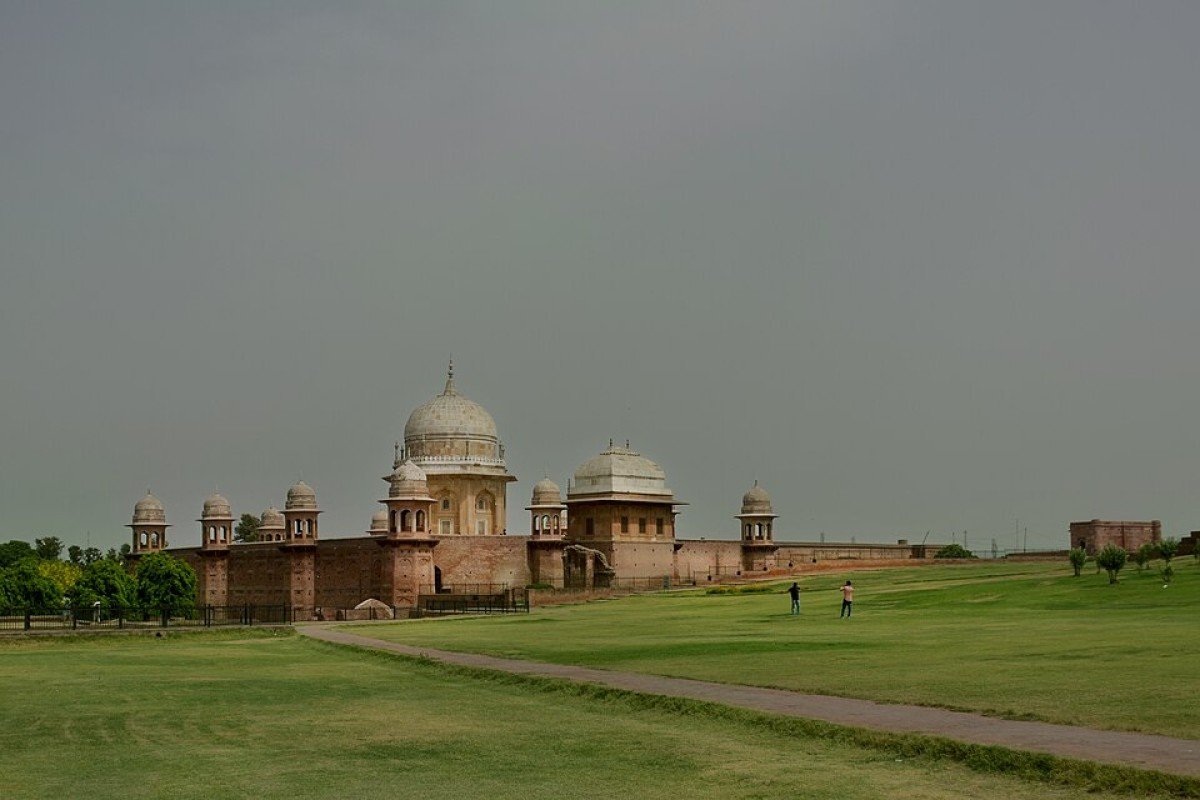
Sheikh Chilli's Dome: Capturing the white marble against the garden greenery.
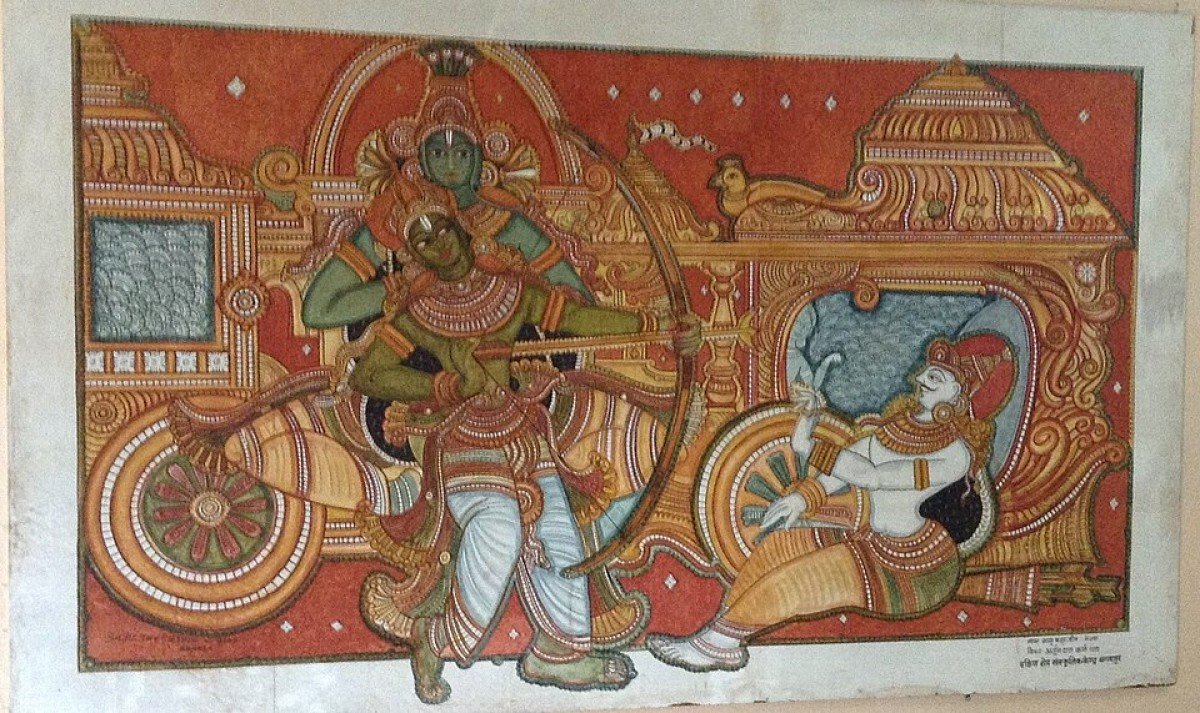
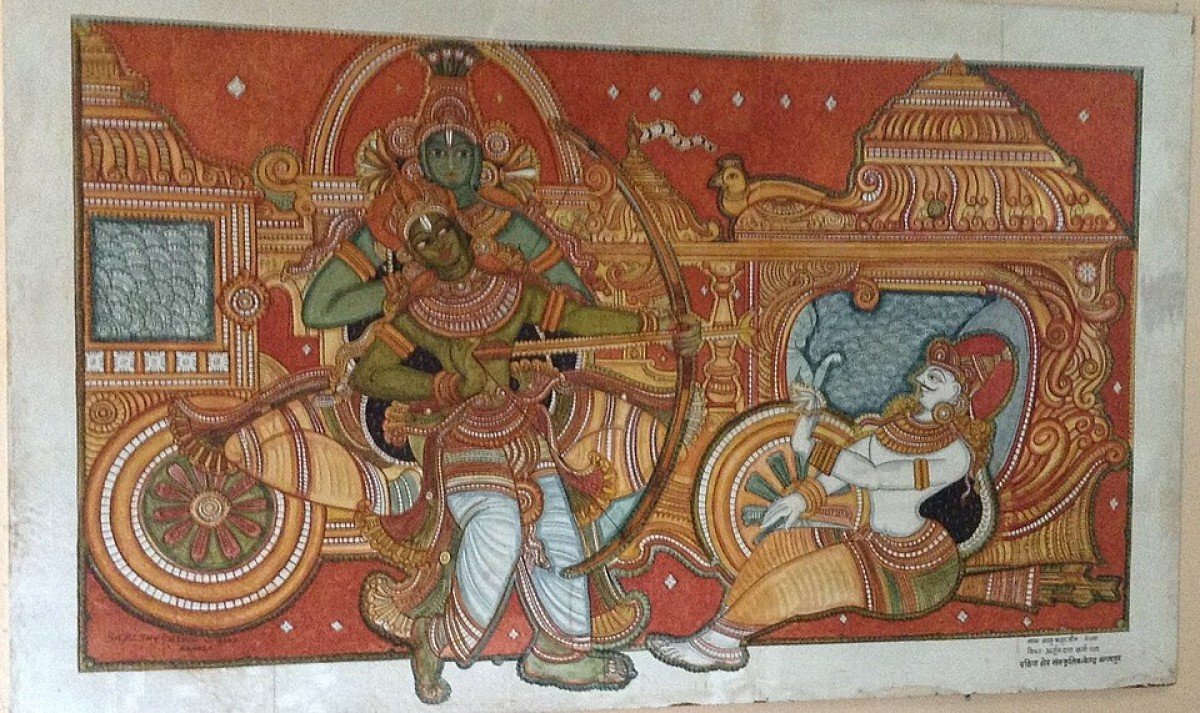
Krishna Chariot at Jyotisar: The iconic symbol of the city.Brahma Sarovar Ghats: Wide-angle shots of the lake during sunset.
Sheikh Chilli's Dome: Capturing the white marble against the garden greenery.
Krishna Chariot at Jyotisar: The iconic symbol of the city.
Aarti Ceremony: High-speed shots of the ceremonial fire and lamps.Photo Gallery

Things To Do
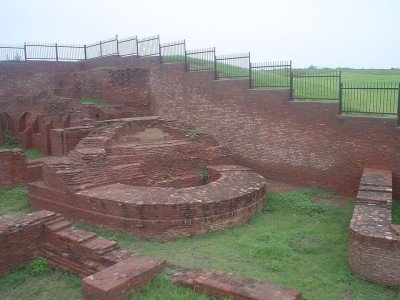 @@Archeological Wonder: Harsh Ka Tila is a massive archaeological mound spanning nearly 1 kilometer in length, representing over 2,500 years of continuous human habitation. Excavations conducted by the Archaeological Survey of India (ASI) have revealed layers of history ranging from the Vedic Period to the Mughal Era. It is named after the legendary Emperor Harshavardhana, who ruled North India in the 7th Century CE from his capital at Thanesar. The site has yielded priceless artifacts including Painted Grey Ware, Kushana coins, and exquisite terracotta figurines. Walking atop the mound is like walking through the timeline of Indian civilization, where every layer of soil tells a story of a fallen kingdom or a rising dynasty.
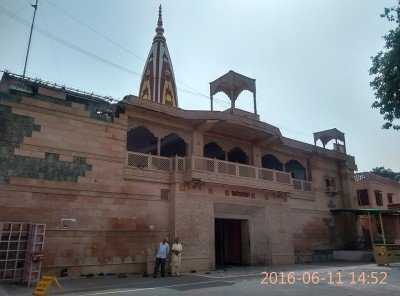 @@The Sangameshwar Mahadev Temple: Arunai Tirtha is one of the most revered sites in the 48 Kos Parikrama. It is located at the confluence of the Saraswati and Aruna rivers. The site is dedicated to Lord Shiva, worshipped here as Sangameshwar Mahadev (the Lord of the Confluence). According to the Vamana Purana, this is the place where the sage Vishwamitra and Vashishtha performed penance. The temple is famous for its spiritual energy and the belief that a dip in the holy waters here can cleanse one of sins and the cycle of rebirth. The architecture of the temple is grand, featuring a modern spire and a spacious courtyard that can accommodate thousands of pilgrims during festivals. The site is peaceful and surrounded by natural beauty, making it a perfect spot for meditation. Over the centuries, the temple has undergone several renovations, but it still maintains its status as a primary pilgrimage point. It is particularly busy during the months of Shravan and Phalgun, when devotees of Shiva flock here from across India.
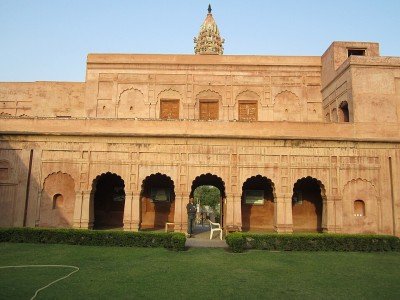 Nabha House is a palatial heritage building constructed by the royal family of the Nabha princely state (one of the Phulkian states) in the 19th century. Its primary purpose was to serve as a royal residence for the Maharaja and his family during their visits to Kurukshetra to perform religious rites, especially bathing in the nearby sacred Sannihit Sarovar during solar eclipses and other auspicious events. The building reflects the architectural fusion prevalent during the early British era. After India's independence, it served various purposes, including housing classrooms for Kurukshetra University temporarily, before being adopted and restored by the Archaeological Survey of India (ASI) to preserve its historical value.
 @@Historical Significance: This sacred shrine commemorates the visit of the tenth Sikh Guru, Guru Gobind Singh Ji, who stayed here during the solar eclipse of 1702. The Guru arrived with his family and warriors to break the shackles of superstitions surrounding the eclipse by preparing langar (community food) during the celestial event, which was traditionally forbidden by local orthodoxy. He blessed a young Brahmin with a Hukamnama (divine command) that is still a treasure of the local community. The Gurdwara stands as a beacon of equality and spiritual fearlessness, attracting thousands of pilgrims who seek solace on the banks of the holy Brahma Sarovar. It serves as a spiritual bridge between the Sikh and Hindu traditions in this ancient land of dharma.
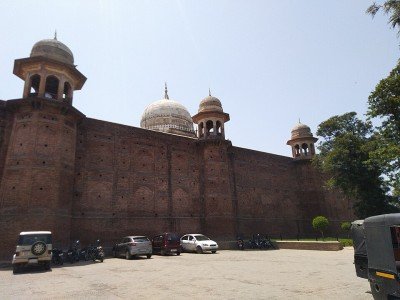 The Archaeological Site Museum in Thanesar is the first-of-its-kind museum established by the Archaeological Survey of India (ASI) in Haryana. Its primary purpose is to showcase the rich and multilayered history unearthed from the nearby ancient mound of Raja Harsha Ka Tila and other significant sites within the historical city of Thanesar, which was the capital of the Pushyabhuti dynasty under King Harsha in the 7th century CE. The museum houses a remarkable collection of artifacts spanning from the pre-Harappan period to the medieval era, a testament to the continuous civilization in the region. The exhibits include a diverse array of stone and terracotta sculptures, ancient coins, detailed ornaments, pottery, and ritualistic objects, all of which shed light on the daily life, religious practices, and artistic excellence of the past inhabitants. The museum serves as an essential educational bridge, allowing visitors to connect the physical ruins of the archaeological sites with the cultural narrative they represent. The well-preserved artifacts are meticulously displayed with clear, informative labels, providing a deep dive into the region's ancient culture and architecture. The findings illustrate the transformation of Thanesar from a modest settlement to a powerful political and religious center, highlighting its pivotal role in early medieval Indian history. This museum is an invaluable resource for archaeologists, historians, and anyone interested in the profound antiquity of the Kurukshetra region. (Word Count: ~200)
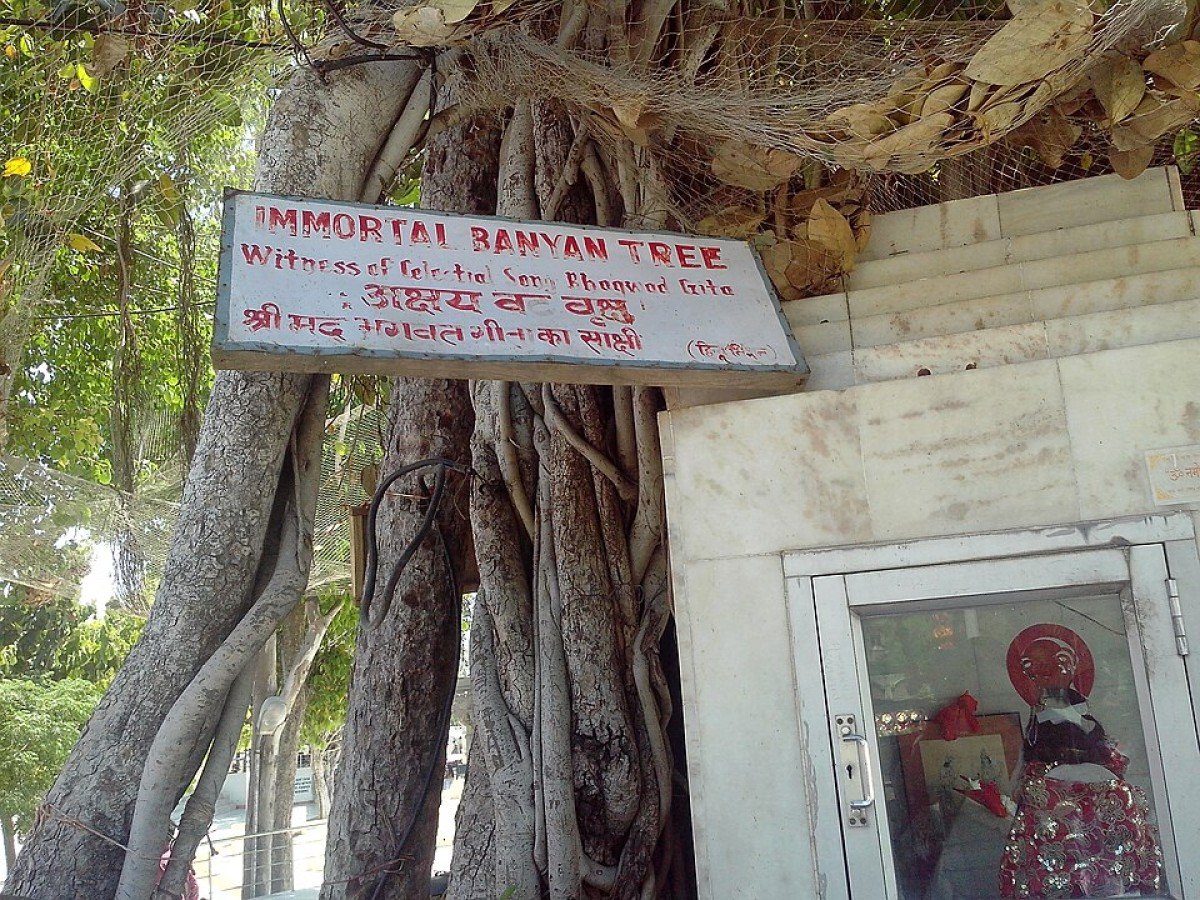
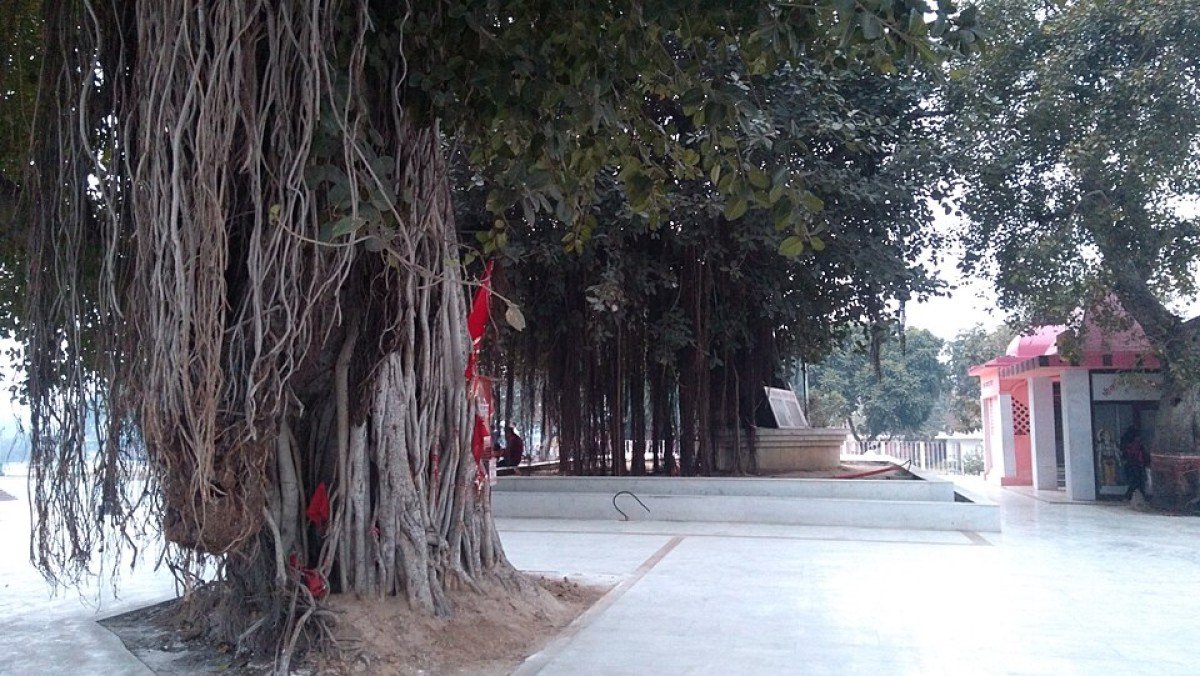
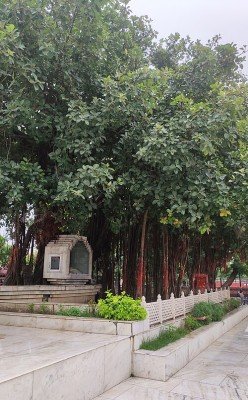 @@The Celestial Origin: Jyotisar is arguably the most spiritually significant site in Kurukshetra, believed to be the exact spot where Lord Krishna delivered the Bhagavad Gita to a confused Arjuna under a holy Banyan Tree. The name "Jyotisar" translates to "The Lake of Light," signifying the enlightenment that dawned upon Arjuna. An offshoot of the original ancient tree still stands on a raised plinth, draped in saffron threads by millions of devotees. The site features a beautiful sarovar (holy pond) where the reflection of the 40-foot tall Krishna statue creates a divine atmosphere. It is the spiritual epicenter of the Mahabharata trail, where the philosophy of Karma was first articulated to the world.
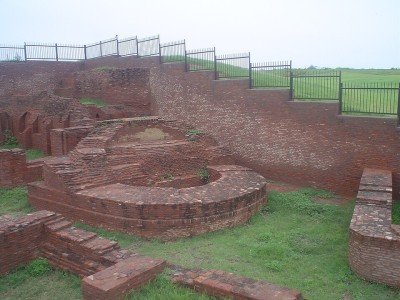 @@Unique Transformation: Located in the historic town of Shahabad Markanda, this Gurdwara is a rare architectural marvel that was originally a mosque built during the reign of Mughal Emperor Shah Jahan in 1630. After the Sikh conquest of the region in the 18th century by the Nishananwali Misl, the structure was converted into a Gurdwara while preserving its original domes and arches. It stands as a powerful symbol of the shifting political and religious tides of medieval India. The name "Mastgarh" implies a "Fort of Ecstasy," reflecting the joy of the Sikh warriors upon establishing their base here. Today, it serves as a peaceful community hub where the Guru Granth Sahib is installed under the ancient Mughal domes.Show All
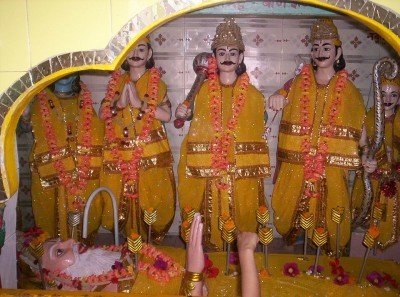 Ban Ganga, also known as Baan Ganga, is a deeply revered sacred water body or tirtha intrinsically linked to the great Hindu epic, the Mahabharata. The name literally translates to 'Arrow Ganga,' and its origin is rooted in a poignant and dramatic event that unfolded on the battlefield of Kurukshetra. According to the legend, during the final days of the battle, the great warrior and patriarch of the Kuru clan, Pitamaha Bhishma, fell, pierced by countless arrows shot by Arjuna, forming a 'bed of arrows' (Sharshaiya). As Bhishma lay dying, he expressed a thirst for water. Instead of ordinary water, Arjuna, realizing his revered elder deserved water from the sacred Ganga river, shot an arrow into the earth with immense force and devotion. Immediately, a stream of fresh, pure water gushed out of the ground, satisfying Bhishma's final thirst. This very spot is memorialized as Ban Ganga. It is a place of profound spiritual significance, symbolizing the filial duty and unmatched archery skills of Arjuna, and the devotion of Bhishma to his lineage. The site often features a small temple and a water tank, which is the physical manifestation of the legendary spring. The atmosphere is one of peaceful reverence, often visited by pilgrims and those seeking a quiet connection to the epic history of the region. The site is a reminder of the human drama and divine intervention central to the Mahabharata narrative, making it an essential stop on the Kurukshetra pilgrimage circuit. (Word Count: ~200)
Information
-
Why Famous:
Brahma Sarovar: A magnificent lake where Lord Brahma is said to have created the universe.
Battle of Mahabharata: The world-famous epic conflict took place on these plains.
Teachings of Gita: The philosophy ...Brahma Sarovar: A magnificent lake where Lord Brahma is said to have created the universe.
Battle of Mahabharata: The world-famous epic conflict took place on these plains.
Teachings of Gita: The philosophy that defines Indian thought originated here.
Sheikh Chilli’s Tomb: A stunning example of Mughal architecture often compared to the Taj Mahal. -
Architecture:
Brahma Sarovar: One of Asia's largest man-made water bodies, measuring 3,600 feet by 1,500 feet. The stone-paved ghats are architectural marvels.
Sheikh Chilli's Tomb: Known as the 'Taj of Haryana,' this Persian-style tomb features a beauti...Brahma Sarovar: One of Asia's largest man-made water bodies, measuring 3,600 feet by 1,500 feet. The stone-paved ghats are architectural marvels.
Sheikh Chilli's Tomb: Known as the 'Taj of Haryana,' this Persian-style tomb features a beautiful white marble dome and octagonal structure.
Sannihit Sarovar: A smaller but ancient tank measuring roughly 1,500 feet long.
Krishna Museum: A modern architectural building housing six galleries filled with stone sculptures and paintings. -
How To Reach:
By Air: Nearest airport is Chandigarh (100 KMS).
By Train: Kurukshetra Junction is a major railway hub.
By Road: Excellent connectivity via NH-44 from Delhi and Chandigarh.
By L...By Air: Nearest airport is Chandigarh (100 KMS).
By Train: Kurukshetra Junction is a major railway hub.
By Road: Excellent connectivity via NH-44 from Delhi and Chandigarh.
By Local Transport: Shared autos and e-rickshaws are the lifeline of the city. -
Weather and Best Time to Visit:
Winter: October to March is the peak season.
Eclipse Days: Check the lunar calendar for the massive solar eclipse festivals.
Morning: 5:00 AM to 8:00 AM for a peaceful religious experience.Winter: October to March is the peak season.
Eclipse Days: Check the lunar calendar for the massive solar eclipse festivals.
Morning: 5:00 AM to 8:00 AM for a peaceful religious experience.
Evening: 6:00 PM onwards for the Aarti and lake-side walks. -
Near Tourist Places:
Jyotisar (5 KMS), Pehowa (27 KMS), Karnal (35 KMS), Ambala (50 KMS), Panipat (70 KMS), Kaithal (50 KMS), Ladwa (20 KMS), Shahbad (25 KMS), Markanda (30 KMS), Yamunanagar (60 KMS).
Tourism Tips
-
Health: Use sunblock and stay hydrated.
Packing: Traditional wear is recommended for temple visits; carry a camera.
Accommodation: Wide range of Dharamshalas for pilgrims and hotels for tourists.Health: Use sunblock and stay hydrated.
Packing: Traditional wear is recommended for temple visits; carry a camera.
Accommodation: Wide range of Dharamshalas for pilgrims and hotels for tourists.
Dining: Try the local Haryanvi Thali and fresh 'Lassi'.
Reviews
FAQs
Kurukshetra Itineray And Cost:-
Other Places In Haryana :-
Other States In India :-
Information about New and Updated Locations() of Haryana Has Been Added :-
Card subtitle
Note:-
Information provided here in good Faith and for reference only.
Near Places

Ambala
Some quick example text to build on the card title and make up the bulk of the card's content.
Go somewhere
Bahadurgarh
Some quick example text to build on the card title and make up the bulk of the card's content.
Go somewhere
Bhiwani
Some quick example text to build on the card title and make up the bulk of the card's content.
Go somewhere
Faridabad
Some quick example text to build on the card title and make up the bulk of the card's content.
Go somewhere
Fatehabad
Some quick example text to build on the card title and make up the bulk of the card's content.
Go somewhere
Gurugram
Some quick example text to build on the card title and make up the bulk of the card's content.
Go somewhere
Hisar
Some quick example text to build on the card title and make up the bulk of the card's content.
Go somewhere
Jhajjar
Some quick example text to build on the card title and make up the bulk of the card's content.
Go somewhere
Jind
Some quick example text to build on the card title and make up the bulk of the card's content.
Go somewhere
Jyotisar
Some quick example text to build on the card title and make up the bulk of the card's content.
Go somewhere
Karnal
Some quick example text to build on the card title and make up the bulk of the card's content.
Go somewhere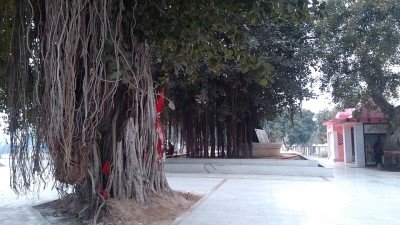
Kurukshetra
Some quick example text to build on the card title and make up the bulk of the card's content.
Go somewhere
Narnaul
Some quick example text to build on the card title and make up the bulk of the card's content.
Go somewhere
Palwal
Some quick example text to build on the card title and make up the bulk of the card's content.
Go somewhere
Panchkula
Some quick example text to build on the card title and make up the bulk of the card's content.
Go somewhere
Panipat
Some quick example text to build on the card title and make up the bulk of the card's content.
Go somewherein Other Cities