

Bahadurgarh
General information
-
Ideal Duration:
1 DayPlace Type:
Industrial & HeritageEntry Fees:
Museum Entry: Nominal charges of INR 5 to 10 at Azad Hind Gram for maintaining the memorial and museum facilities.
City Parks: Entry to the City Park and other public gardens is generally free for all residents and tourists.Museum Entry: Nominal charges of INR 5 to 10 at Azad Hind Gram for maintaining the memorial and museum facilities.
City Parks: Entry to the City Park and other public gardens is generally free for all residents and tourists.
Religious Sites: No entry fee is charged at any temples or gurudwaras; visitors are expected to maintain the sanctity of the premises.Timing:
Park Timings: Generally open from 5:00 AM to 10:00 AM and 4:00 PM to 8:00 PM for public use.
Museum Hours: Azad Hind Gram is usually open from 10:00 AM to 6:00 PM, remaining closed on national holidays.
Ideal Vi...Park Timings: Generally open from 5:00 AM to 10:00 AM and 4:00 PM to 8:00 PM for public use.
Museum Hours: Azad Hind Gram is usually open from 10:00 AM to 6:00 PM, remaining closed on national holidays.
Ideal Visit Time: The months of February and November offer the most pleasant weather for exploring outdoor sites comfortably.Special Events:
Holi Celebrations: The festival of colors is celebrated with great gusto, involving traditional folk songs and the local Haryanvi version of the festival.
Independence Day: Being home to Azad Hind Gram, the city hosts patriotic events and fl...Holi Celebrations: The festival of colors is celebrated with great gusto, involving traditional folk songs and the local Haryanvi version of the festival.
Independence Day: Being home to Azad Hind Gram, the city hosts patriotic events and flag-hoisting ceremonies that draw large crowds from the region.
Diwali Markets: During October/November, the local markets are decked with lights and offer a wide range of traditional crafts and firecrackers.Best Photo Spots:
Azad Hind Gram Museum: The stone-walled museum and the statue of Netaji provide a dignified and historical backdrop for portraits.
Lush Green City Park: The vibrant flower displays and the open green lawns are ideal for family photos and nat...Azad Hind Gram Museum: The stone-walled museum and the statue of Netaji provide a dignified and historical backdrop for portraits.
Lush Green City Park: The vibrant flower displays and the open green lawns are ideal for family photos and nature photography.
Industrial Skylines: For those interested in urban photography, the massive factory chimneys and metro tracks offer a unique industrial aesthetic.Photo Gallery
Things To Do
 @@Connectivity and Urban Life: The Bahadurgarh City Metro Station is an elevated station on the Delhi Metro's Green Line, operational since June 24, 2018. It serves as a crucial link connecting the city of Bahadurgarh (Haryana) to the National Capital Region (NCR), making daily commuting much easier for thousands of residents and connecting local markets to a wider consumer base. The station area is a focal point of commercial activity, featuring shops, food outlets, and offices that cater to the high daily footfall. The station itself is a modern, clean facility managed by the DMRC, providing essential services like smart card vending machines, escalators, and CCTV surveillance. Its location on NH-9 (Rohtak Road) makes it easily accessible by road transport. The area has seen rapid development and urbanization since the metro's inauguration, turning into a commercial and residential growth corridor, symbolizing the city's integration into the larger Delhi metropolitan region; it significantly reduces travel time to destinations like Inderlok and Kirti Nagar and has boosted real estate value locally, changing the socio-economic landscape of the city; the proximity to the bus stand further cements its status as a primary intermodal transit hub for the entire district.
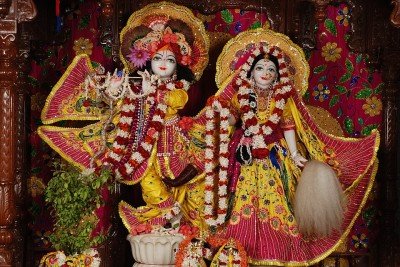 @@Spiritual Sanctuary and Vaishnavite Center: The ISKCON Bahadurgarh Temple is a serene and beautifully constructed temple dedicated to Lord Krishna and his consort Radha, and is part of the global International Society for Krishna Consciousness movement founded by Srila Prabhupada. The temple complex, spread over approximately 3 acres, was completed around 2001 and is a significant center for Vaishnavite worship and spiritual education in the Jhajjar district. It features a main prayer hall housing the deities of Sri Sri Radha Krishna and others, a Brahmachari Ashram, and a Guest House. The temple is known for its daily elaborate Aartis, devotional singing (Kirtan), Bhagavad Gita discourses, and the distribution of sanctified food (Prasadam). It aims to promote Vedic knowledge and a simple, spiritual way of life, attracting devotees and visitors seeking peace and solace from the entire NCR region; its architectural style is reminiscent of the grand Sri Sri Krishna Balaram Temple in Vrindavan, offering a taste of that spiritual center closer to Delhi.
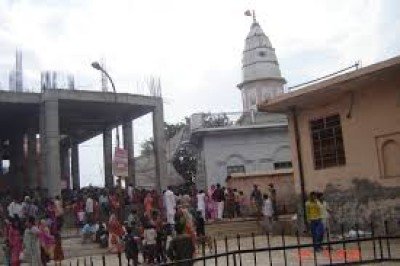 The Mata Bhimeshwari Devi Temple in Beri is one of the most revered ancient shrines in North India. According to local legends and the Mahabharata, the idol of the Goddess was brought here by Bhima, the strongest of the Pandava brothers. It is said that before the great war of Kurukshetra, Lord Krishna advised the Pandavas to seek the blessings of their Kuldevi. Bhima traveled to the Hinglay mountains (now in Pakistan) and requested the Goddess to accompany him to the battlefield. The Goddess agreed on the condition that if he ever placed her idol on the ground, she would stay there forever. While passing through the dense forests of Beri, Bhima felt the urge to answer nature's call and placed the idol under a Beri (Ziziphus) tree. True to her word, the Goddess established herself there. Today, the temple attracts millions of devotees, especially during the Navratri fairs. A unique tradition of the temple is that there are two separate structures: the "Inner Temple" (where the idol resides) and the "Outer Temple". Every day, the idol is ceremoniously moved from the inner sanctum to the outer temple at noon and brought back in the evening, a ritual followed for centuries. The temple is a significant site for performing "Mundan" (first hair-cutting ceremony) of children and for newly married couples who come to re-tie their wedding knots to seek lifelong happiness. The spiritual aura of the place is enhanced by the continuous chanting of hymns and the smell of incense. The temple complex is surrounded by local markets selling religious artifacts, sweets, and traditional Haryanvi crafts. It serves as a cultural anchor for the entire Jhajjar district. The local administration and temple trust ensure that the massive crowds during the Beri Mela are managed with adequate facilities for water, food, and security. For a traveler, it offers a glimpse into the deep-rooted Vedic traditions and the mythological landscape of ancient India.
 @@Hospitality and Government Initiative: Gauriyya Tourist Resort is a key establishment run by the Haryana Tourism Corporation Limited (HTCL), strategically located on NH-9 (Rohtak Road). It serves as a comprehensive motel, restaurant, and conference facility, primarily targeting highway travelers, corporate guests, and local residents for events. The resort is designed to offer a comfortable and reliable stopover with quality government-managed facilities. It features well-maintained green lawns, guest accommodation (Standard and Deluxe Rooms), a multi-cuisine restaurant, and banquet/conference halls, making it versatile for both leisure and business needs. The resort is often used for local weddings, large family functions, and official government meetings, demonstrating its importance to the regional economy and social calendar. The name 'Gauriyya' (meaning sparrow) symbolizes its role as a welcoming rest stop. Its prominent location and standardized services make it a preferred choice over many private establishments in the immediate vicinity; it plays a role in promoting state tourism, often participating in regional tourism campaigns and offering services to tourists heading towards Rohtak or Delhi; the presence of a bar and an attached petrol pump adds to its convenience for long-distance travelers.
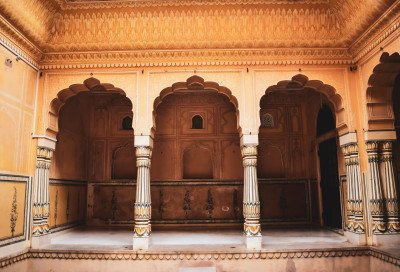 @@Mughal and Patiala Legacy: Bahadurgarh Fort is an ancient historical structure, though often confused with the fort of the same name near Patiala, which is the more preserved and famous site; the historical fort in Bahadurgarh, Haryana, also has a rich past, though its remnants are less intact. The original fort structure was purportedly built in the 17th Century by Nawab Saif Khan, who was a devotee of Guru Tegh Bahadur. Its purpose was strategic defense and control over the important Delhi-Rohtak trade route. While much of the original Bahadurgarh structure has succumbed to time and encroachment, its historical significance as a checkpoint and defensive structure remains paramount. The complex, in its prime, would have included ramparts, a moat, and various internal buildings. It stands as a silent witness to the various regional power shifts, including the Mughal period and later regional control by local chieftains; the site's importance is recognized by local historians who highlight its connection to religious figures and its role in protecting the community from invaders in early times; the land area it covered was vast, indicating its past strategic importance in the region, acting as a buffer zone for Delhi against incursions from the west; restoration efforts, though limited, are sometimes discussed locally to protect the remaining walls.
 @@Local Transport Landmark and Industrial Proximity: Neem Wala Stand is not a historical monument or a formal tourist spot but a widely recognized local landmark and bus/auto stop situated near the MIE (Modern Industrial Estate) Phase 1 on the busy Delhi-Rohtak Road (NH-9). Its name is derived from the presence of large, old Neem Trees in the vicinity, which historically served as a natural gathering point and shade for travelers and local transport. The location is significant due to its proximity to a major industrial area, which employs thousands of people, making the stand a critical transit point for the industrial workforce, local villagers, and commercial traffic. It functions as a key interchange for local buses, shared autos, and e-rickshaws, serving as a pulse point for the city's commercial and labor ecosystem. The stand is operational 24 hours a day due to the continuous flow of transport and industrial activity. It represents the intersection of rural transport needs and modern industrial development, being a place where local village buses connect with the main highway traffic; it is a center for informal commerce, with vendors selling tea, snacks, and small items to the constant stream of commuters; its recognition relies on local vernacular rather than formal signage.Show All
Fun Town Amusement & Water Park, integrated with the Club Platinum Resort, is one of the most popular weekend getaways in the Delhi-NCR region. Spanning over a large area, it offers a dual experience of thrilling land rides and refreshing water slides. The park is designed to cater to all age groups, making it a perfect destination for family reunions, school trips, and corporate outings. The water park section features a variety of attractions including a massive wave pool, a dance floor with rain showers, and high-speed slides like the Magic Twist and Multi-Racer. For those who prefer land adventures, the amusement park offers classic rides such as the Columbus boat, Tora Tora, and a charming mini-train for children. The adjoining Club Platinum Resort provides luxury accommodation with AC Deluxe rooms, allowing visitors to extend their fun into an overnight stay. The resort also boasts multi-cuisine restaurants that serve a wide range of dishes, from traditional Indian thalis to continental snacks. The park is known for its safety standards and well-trained lifeguards who ensure a secure environment for swimmers. During the scorching summer months of North India, Fun Town becomes a sanctuary for locals looking to beat the heat. The lush green surroundings of the resort add a touch of nature to the high-energy environment of the park. It also features conference halls and banquet facilities, making it a hub for business meetings and wedding celebrations. The "all-inclusive" packages which combine entry, food, and rides are a major draw for budget-conscious travelers. Whether you want to plunge down a 40-foot slide or simply lounge by the pool with a drink, Fun Town offers a complete recreational package. Its strategic location on the highway makes it easily accessible for people coming from Rohtak, Hissar, and Delhi. The park undergoes regular maintenance to keep the rides in top condition, ensuring a seamless experience for the thousands of visitors it receives every week.
@@Local Transport Landmark and Industrial Proximity: Neem Wala Stand is not a historical monument or a formal tourist spot but a widely recognized local landmark and bus/auto stop situated near the MIE (Modern Industrial Estate) Phase 1 on the busy Delhi-Rohtak Road (NH-9). Its name is derived from the presence of large, old Neem Trees in the vicinity, which historically served as a natural gathering point and shade for travelers and local transport. The location is significant due to its proximity to a major industrial area, which employs thousands of people, making the stand a critical transit point for the industrial workforce, local villagers, and commercial traffic. It functions as a key interchange for local buses, shared autos, and e-rickshaws, serving as a pulse point for the city's commercial and labor ecosystem. The stand is operational 24 hours a day due to the continuous flow of transport and industrial activity. It represents the intersection of rural transport needs and modern industrial development, being a place where local village buses connect with the main highway traffic; it is a center for informal commerce, with vendors selling tea, snacks, and small items to the constant stream of commuters; its recognition relies on local vernacular rather than formal signage.Show All
Fun Town Amusement & Water Park, integrated with the Club Platinum Resort, is one of the most popular weekend getaways in the Delhi-NCR region. Spanning over a large area, it offers a dual experience of thrilling land rides and refreshing water slides. The park is designed to cater to all age groups, making it a perfect destination for family reunions, school trips, and corporate outings. The water park section features a variety of attractions including a massive wave pool, a dance floor with rain showers, and high-speed slides like the Magic Twist and Multi-Racer. For those who prefer land adventures, the amusement park offers classic rides such as the Columbus boat, Tora Tora, and a charming mini-train for children. The adjoining Club Platinum Resort provides luxury accommodation with AC Deluxe rooms, allowing visitors to extend their fun into an overnight stay. The resort also boasts multi-cuisine restaurants that serve a wide range of dishes, from traditional Indian thalis to continental snacks. The park is known for its safety standards and well-trained lifeguards who ensure a secure environment for swimmers. During the scorching summer months of North India, Fun Town becomes a sanctuary for locals looking to beat the heat. The lush green surroundings of the resort add a touch of nature to the high-energy environment of the park. It also features conference halls and banquet facilities, making it a hub for business meetings and wedding celebrations. The "all-inclusive" packages which combine entry, food, and rides are a major draw for budget-conscious travelers. Whether you want to plunge down a 40-foot slide or simply lounge by the pool with a drink, Fun Town offers a complete recreational package. Its strategic location on the highway makes it easily accessible for people coming from Rohtak, Hissar, and Delhi. The park undergoes regular maintenance to keep the rides in top condition, ensuring a seamless experience for the thousands of visitors it receives every week.Information
-
Why Famous:
Footwear Capital: The city is one of the largest hubs for footwear manufacturing in India, housing brands like Relaxo and Lakhani, attracting traders nationwide.
Strategic Gateway: Known as the Gateway of Haryana, it is the first major town ...Footwear Capital: The city is one of the largest hubs for footwear manufacturing in India, housing brands like Relaxo and Lakhani, attracting traders nationwide.
Strategic Gateway: Known as the Gateway of Haryana, it is the first major town one encounters when traveling from Delhi towards the heart of the state.
Metro Connectivity: It is one of the few cities in Haryana directly connected to the Delhi Metro network, making it a preferred residential hub.
Traditional Cuisine: Famous for its authentic Haryanvi dishes like Bajra Khichdi and Kachri ki Sabzi, served in local eateries and dhabas. -
Architecture:
Mughal Influence: The remnants of the Bahadurgarh Fort display typical Mughal defensive architecture with thick stone walls and arched entrances, covering a large perimeter.
Sikh Architecture: The local Gurudwaras feature marble flooring and...Mughal Influence: The remnants of the Bahadurgarh Fort display typical Mughal defensive architecture with thick stone walls and arched entrances, covering a large perimeter.
Sikh Architecture: The local Gurudwaras feature marble flooring and domes with a diameter of about 15 meters, following traditional religious design principles.
Industrial Design: Modern factories in the Hindustan Sanitaryware zone showcase 21st-century functional architecture with large steel sheds and glass-fronted offices.
Urban Planning: The residential sectors like Omaxe City feature contemporary villa-style architecture with manicured gardens and wide boulevards. -
How To Reach:
By Air: The Indira Gandhi International Airport (DEL) is only 35 kms away, making it very convenient for international and domestic flyers.
By Train: Bahadurgarh (BGZ) station is on the Delhi-Rohtak line, with frequent passenger and express ...By Air: The Indira Gandhi International Airport (DEL) is only 35 kms away, making it very convenient for international and domestic flyers.
By Train: Bahadurgarh (BGZ) station is on the Delhi-Rohtak line, with frequent passenger and express trains stopping here throughout the day.
By Road: It is located on NH-9, with excellent bus services from ISBT Delhi and other major cities of Haryana like Rohtak and Hisar.
By Local Transport: The Delhi Metro (Green Line) is the most efficient way to reach, supplemented by local autos and cycle rickshaws. -
Weather and Best Time to Visit:
Winter Season: November to February is ideal for visiting parks and the Azad Hind Gram memorial without the scorching heat of summer.
Summer Season: April to June can be very hot with temperatures exceeding 40°C; indoor mall visits are rec...Winter Season: November to February is ideal for visiting parks and the Azad Hind Gram memorial without the scorching heat of summer.
Summer Season: April to June can be very hot with temperatures exceeding 40°C; indoor mall visits are recommended during this time.
Evening Visits: The late afternoon sun provides soft lighting for historical sites and a cooler environment for walking through the markets. -
Near Tourist Places:
1. Delhi (30km), 2. Rohtak (45km), 3. Jhajjar (35km), 4. Gurgaon (40km), 5. Sonipat (50km), 6. Sultanpur Bird Sanctuary (35km), 7. Tilyar Lake (40km), 8. Rewari (75km), 9. Panipat (90km), 10. Meerut (100km)
Tourism Tips
-
Safety: The city is generally safe, but travelers should be cautious when moving around industrial areas late at night.
Packing: Wear comfortable walking shoes, as exploring the old bazaar and large parks requires significant walking on unev...Safety: The city is generally safe, but travelers should be cautious when moving around industrial areas late at night.
Packing: Wear comfortable walking shoes, as exploring the old bazaar and large parks requires significant walking on uneven surfaces.
Accommodation: Many business hotels are available along the NH-9, catering to the industrial crowd with modern amenities and dining options.
Local Interaction: Use simple Hindi or English; the locals are helpful and proud of their city's industrial and historical identity.
Reviews
FAQs
Bahadurgarh Itineray And Cost:-
Other Places In Haryana :-
Other States In India :-
Information about New and Updated Locations() of Haryana Has Been Added :-
Card subtitle
Note:-
Information provided here in good Faith and for reference only.
Near Places
Ambala
Some quick example text to build on the card title and make up the bulk of the card's content.
Go somewhere
Bahadurgarh
Some quick example text to build on the card title and make up the bulk of the card's content.
Go somewhere
Bhiwani
Some quick example text to build on the card title and make up the bulk of the card's content.
Go somewhere
Faridabad
Some quick example text to build on the card title and make up the bulk of the card's content.
Go somewhere
Fatehabad
Some quick example text to build on the card title and make up the bulk of the card's content.
Go somewhere
Gurugram
Some quick example text to build on the card title and make up the bulk of the card's content.
Go somewhere
Hisar
Some quick example text to build on the card title and make up the bulk of the card's content.
Go somewhere
Jhajjar
Some quick example text to build on the card title and make up the bulk of the card's content.
Go somewhere
Jind
Some quick example text to build on the card title and make up the bulk of the card's content.
Go somewhere
Jyotisar
Some quick example text to build on the card title and make up the bulk of the card's content.
Go somewhere
Karnal
Some quick example text to build on the card title and make up the bulk of the card's content.
Go somewhere
Kurukshetra
Some quick example text to build on the card title and make up the bulk of the card's content.
Go somewhere
Narnaul
Some quick example text to build on the card title and make up the bulk of the card's content.
Go somewhere
Palwal
Some quick example text to build on the card title and make up the bulk of the card's content.
Go somewhere
Panchkula
Some quick example text to build on the card title and make up the bulk of the card's content.
Go somewhere
Panipat
Some quick example text to build on the card title and make up the bulk of the card's content.
Go somewherein Other Cities