

Hisar
General information
-
Ideal Duration:
1 to 2 DaysPlace Type:
Historical & EducationalEntry Fees:
Government Monuments: Entry to the Hisar Fort and Gujari Mahal is Free for all visitors.
Agroha Dham: There is No Entry Fee, though donations for the temple's upkeep are welcomed. ...Government Monuments: Entry to the Hisar Fort and Gujari Mahal is Free for all visitors.
Agroha Dham: There is No Entry Fee, though donations for the temple's upkeep are welcomed.Timing:
Regular Timings: Monuments are open from 7:00 AM to 6:00 PM. Markets stay active until 9:00 PM.
Ideal Visit Time: October to March is the best period. Visit the fort in the Afternoon for better light. ...Regular Timings: Monuments are open from 7:00 AM to 6:00 PM. Markets stay active until 9:00 PM.
Ideal Visit Time: October to March is the best period. Visit the fort in the Afternoon for better light.Special Events:
Agroha Maha Kumbh: Held annually in October/November, attracting lakhs of devotees from across the country.
Chrysanthemum Show: An annual flower show organized by the University showcasing hundreds of floral varieties. ...Agroha Maha Kumbh: Held annually in October/November, attracting lakhs of devotees from across the country.
Chrysanthemum Show: An annual flower show organized by the University showcasing hundreds of floral varieties.Best Photo Spots:
Lat Ki Masjid Pillar: The ancient stone pillar against the backdrop of the mosque's arches is a classic shot.
Agroha Dham Facade: The grand, colorful entrance of the temple is stunning during the morning light.
...Lat Ki Masjid Pillar: The ancient stone pillar against the backdrop of the mosque's arches is a classic shot.
Agroha Dham Facade: The grand, colorful entrance of the temple is stunning during the morning light.
Gujari Mahal Arches: The play of light and shadow through the stone pillars makes for artistic photography.Photo Gallery
Things To Do
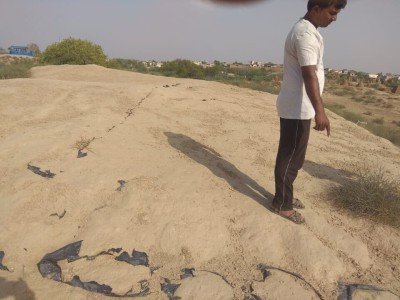 @@The Ancient Metropolis: Rakhigarhi is one of the most significant archaeological sites in the world, representing the pinnacle of the Indus Valley Civilization. Recent excavations have revealed that it is actually larger than Mohenjo-daro, making it the largest Harappan site in Asia, covering over 350 hectares. The site dates back to approximately 6500 BCE, predating many other known settlements and suggesting that the roots of the civilization may lie in the Ghaggar-Hakra river basin. Rakhigarhi is composed of eleven mounds, though only a few have been extensively excavated to reveal a highly sophisticated urban plan. The findings include systematic residential layouts, multi-story brick houses, and a drainage system that was thousands of years ahead of its time. Archeologists have uncovered precious artifacts like steatite seals, terracotta toys, bead-making workshops, and even skeletal remains that have provided groundbreaking DNA evidence about the ancestry of modern South Asians. The site offers a window into the daily lives of ancient humans who were master traders, engineers, and artisans. Walking through the dusty mounds, one can see the remnants of public granaries and ritualistic fire altars. As a protected site under the Archaeological Survey of India, it is currently being developed into an "Iconic Site" with a world-class museum to showcase its 5,000-year-old glory. For any history enthusiast, Rakhigarhi is not just a destination but a journey back to the very dawn of human civilization.
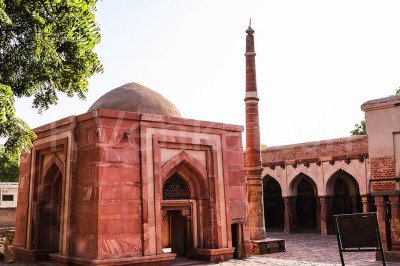 @@Tughlaq Dynasty Legacy: The Lat Ki Masjid (Pillar Mosque) is one of the most significant historical structures in Hisar, constructed by Firoz Shah Tughlaq around 1354 CE when he founded the city of Hisar-e-Firuza. It is a rare example of pre-Mughal Islamic architecture in Haryana. The mosque is built adjacent to the remnants of Firoz Shah's Palace complex. Its most distinctive feature is the sandstone pillar, or 'Lat', from which it derives its name. This pillar is believed to be an Ashokan Pillar or a piece of an earlier Jain temple column that Firoz Shah repurposed, a common practice of the time. The mosque has a large prayer hall and a courtyard, demonstrating the typical Tughlaq style of austerity and strength. It remains a protected monument under the ASI and is an indispensable site for studying medieval Indian history and architecture.
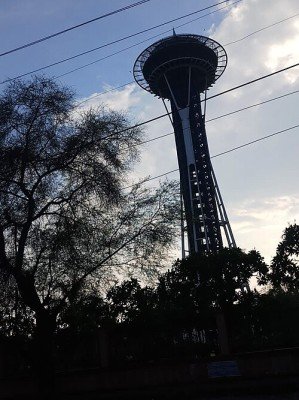 @@Modern Commercial Centre: Jindal Tower Hisar is a prominent, modern commercial and recreational complex and a landmark of contemporary Hisar. It houses the offices of the Jindal Group and serves as a significant business center, contributing to the city's economic profile. The complex also features a commercial hub, including showrooms, retail outlets, and food and beverage establishments, making it a popular spot for shopping and dining among the city's residents. The tower itself is a symbol of the industrial development and growth of Hisar, attributed largely to the presence of the Jindal Group in the region. Its strategic location on the Delhi Road makes it easily accessible. It represents the modern face of the city, standing in contrast to the historical monuments. The complex often hosts corporate meetings and small-scale trade exhibitions.
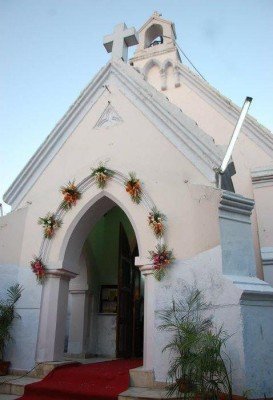 @@Indo-Gothic Worship Place: St. Thomas Church is one of the oldest and most significant Christian places of worship in Hisar, dating back to the late 19th century during the British Raj. It is named after St. Thomas the Apostle, who is traditionally credited with bringing Christianity to India. The church is a beautiful and well-maintained example of Indo-Gothic architecture, characterized by pointed arches, stained glass windows, and a prominent bell tower. It serves a significant local Christian community and holds regular Sunday services and other liturgical events. The serene atmosphere of the church and its surrounding campus offers a peaceful refuge from the city's noise. It stands as a symbol of the diverse cultural and religious history of Hisar, reflecting the presence of the British administration and army in the area.
 @@Historical Significance: The Jahaj Kothi, meaning 'Ship House', is an important historical structure in Hisar, dating back to the Firoz Shah Tughlaq era and later renovated by George Thomas in the late 18th century, who used it as his residence. It is named for its ship-like appearance due to its elongated structure and multiple openings. George Thomas, an Irish adventurer, established an independent kingdom here before being defeated by the Marathas. The Kothi was originally built as a Jain Temple and was later converted into a residence and finally a monument. Today, it houses a small Archaeological Museum that displays artifacts recovered from nearby sites like Agroha and Rakhigarhi, including pottery, sculptures, and coins, tracing the history of the region from the pre-Harappan to the medieval periods. It serves as a crucial link between the city's ancient past and the colonial period, making it a key site for historical research and tourism. The monument is protected by the Archaeological Survey of India (ASI) and is a focal point for history enthusiasts interested in the turbulent 18th-century politics of Haryana.
@@Historical Significance: The Ancient Gumbad, meaning 'Old Dome', is generally attributed to the Tughlaq period, likely dating back to the reign of Firoz Shah Tughlaq (14th century), who established the city of Hisar-e-Firuza. It stands as a solitary, well-preserved structure near the larger palace complex, suggesting it was likely a tomb (Mausoleum) of a noble or a revered personality of that era, although its exact identity remains unknown. Its architecture represents the early style of Indo-Islamic structural work, characterized by simple, robust construction and a distinct dome shape. It serves as a crucial, tangible link to the medieval history of Hisar, highlighting the city's importance as a strategic and administrative center during the Delhi Sultanate. Despite being relatively small, the Gumbad is a popular spot for history enthusiasts and local residents. Its simple elegance is often overlooked amidst the grandeur of the nearby palace, yet it is a powerful reminder of the city's layered past and the transient nature of power and time; conservation efforts focus on maintaining the structural integrity of the masonry and preventing further erosion from weather and vandalism, ensuring its longevity as a historical marker.
@@Medieval Citadel Remains: The Firoz Shah Palace Complex is the heart of the historic city of Hisar-e-Firuza, founded by Sultan Firoz Shah Tughlaq in 1354 CE. This massive complex served as the citadel, administrative headquarters, and royal residence of the city during the Tughlaq dynasty. Though largely in ruins, it encompasses several significant structures, including the Lat ki Masjid, the Gujari Mahal (located just outside the main complex boundary), the Baradari (Pillared Hall), and various underground chambers and pathways. The surviving structures showcase the distinct Tughlaq architectural style—characterized by sturdy, thick walls, simple ornamentation, and extensive use of rubble masonry—that prioritized defense and functionality over aesthetics. The site is a protected monument under the Archaeological Survey of India (ASI) and provides invaluable insights into 14th-century urban planning and military architecture in North India. Efforts are continually made for the conservation and interpretation of the ruins, which narrate the story of Hisar's founding and its strategic importance during the medieval period, particularly its role as a key stop on the trade route to Central Asia.Show All
@@Conservation and Breeding Centre: The Hisar Deer Park is a dedicated conservation and breeding center, established primarily for the protection and propagation of various species of Deer and Antelopes, notably the Black Buck and Sambar Deer. It is maintained by the Haryana Forest Department and serves as a vital ex-situ conservation facility, contributing significantly to regional biodiversity preservation efforts. The park encompasses large, semi-natural enclosures that mimic the animals' native scrubland habitat, ensuring their well-being and providing a safe breeding environment, especially for the protected Black Buck. Beyond conservation, the park is a popular attraction for families, school children, and nature lovers, offering a close-up view of these beautiful, protected animals in a relatively natural setting. Educational signboards are placed throughout the park to inform visitors about the various species, their conservation status, and their ecological role. The park's continuous success in breeding programs highlights its importance as a regional wildlife resource, emphasizing the necessity of preserving these species for future generations and promoting environmental awareness among the local populace.
@@Historical Significance: The Jahaj Kothi, meaning 'Ship House', is an important historical structure in Hisar, dating back to the Firoz Shah Tughlaq era and later renovated by George Thomas in the late 18th century, who used it as his residence. It is named for its ship-like appearance due to its elongated structure and multiple openings. George Thomas, an Irish adventurer, established an independent kingdom here before being defeated by the Marathas. The Kothi was originally built as a Jain Temple and was later converted into a residence and finally a monument. Today, it houses a small Archaeological Museum that displays artifacts recovered from nearby sites like Agroha and Rakhigarhi, including pottery, sculptures, and coins, tracing the history of the region from the pre-Harappan to the medieval periods. It serves as a crucial link between the city's ancient past and the colonial period, making it a key site for historical research and tourism. The monument is protected by the Archaeological Survey of India (ASI) and is a focal point for history enthusiasts interested in the turbulent 18th-century politics of Haryana.
@@Historical Significance: The Ancient Gumbad, meaning 'Old Dome', is generally attributed to the Tughlaq period, likely dating back to the reign of Firoz Shah Tughlaq (14th century), who established the city of Hisar-e-Firuza. It stands as a solitary, well-preserved structure near the larger palace complex, suggesting it was likely a tomb (Mausoleum) of a noble or a revered personality of that era, although its exact identity remains unknown. Its architecture represents the early style of Indo-Islamic structural work, characterized by simple, robust construction and a distinct dome shape. It serves as a crucial, tangible link to the medieval history of Hisar, highlighting the city's importance as a strategic and administrative center during the Delhi Sultanate. Despite being relatively small, the Gumbad is a popular spot for history enthusiasts and local residents. Its simple elegance is often overlooked amidst the grandeur of the nearby palace, yet it is a powerful reminder of the city's layered past and the transient nature of power and time; conservation efforts focus on maintaining the structural integrity of the masonry and preventing further erosion from weather and vandalism, ensuring its longevity as a historical marker.
@@Medieval Citadel Remains: The Firoz Shah Palace Complex is the heart of the historic city of Hisar-e-Firuza, founded by Sultan Firoz Shah Tughlaq in 1354 CE. This massive complex served as the citadel, administrative headquarters, and royal residence of the city during the Tughlaq dynasty. Though largely in ruins, it encompasses several significant structures, including the Lat ki Masjid, the Gujari Mahal (located just outside the main complex boundary), the Baradari (Pillared Hall), and various underground chambers and pathways. The surviving structures showcase the distinct Tughlaq architectural style—characterized by sturdy, thick walls, simple ornamentation, and extensive use of rubble masonry—that prioritized defense and functionality over aesthetics. The site is a protected monument under the Archaeological Survey of India (ASI) and provides invaluable insights into 14th-century urban planning and military architecture in North India. Efforts are continually made for the conservation and interpretation of the ruins, which narrate the story of Hisar's founding and its strategic importance during the medieval period, particularly its role as a key stop on the trade route to Central Asia.Show All
@@Conservation and Breeding Centre: The Hisar Deer Park is a dedicated conservation and breeding center, established primarily for the protection and propagation of various species of Deer and Antelopes, notably the Black Buck and Sambar Deer. It is maintained by the Haryana Forest Department and serves as a vital ex-situ conservation facility, contributing significantly to regional biodiversity preservation efforts. The park encompasses large, semi-natural enclosures that mimic the animals' native scrubland habitat, ensuring their well-being and providing a safe breeding environment, especially for the protected Black Buck. Beyond conservation, the park is a popular attraction for families, school children, and nature lovers, offering a close-up view of these beautiful, protected animals in a relatively natural setting. Educational signboards are placed throughout the park to inform visitors about the various species, their conservation status, and their ecological role. The park's continuous success in breeding programs highlights its importance as a regional wildlife resource, emphasizing the necessity of preserving these species for future generations and promoting environmental awareness among the local populace.Information
-
Why Famous:
Steel Production: It is famous globally for its massive steel industry, spearheaded by the Jindal Group. This industrial prowess has brought significant prosperity to the entire region.
Agroha Dham: A massive temple complex dedicated to God...Steel Production: It is famous globally for its massive steel industry, spearheaded by the Jindal Group. This industrial prowess has brought significant prosperity to the entire region.
Agroha Dham: A massive temple complex dedicated to Goddess Mahalakshmi. It is a major pilgrimage site for the Agrawal community and a center for social harmony. -
Architecture:
Indo-Islamic Blend: The Gujari Mahal is a stunning example of 14th-century architecture using stones from ancient temples. It features a square plan with a central courtyard.
Fort Dimensions:
The Hisar Fort had ...Indo-Islamic Blend: The Gujari Mahal is a stunning example of 14th-century architecture using stones from ancient temples. It features a square plan with a central courtyard.
Fort Dimensions:
The Hisar Fort had four massive gates: Delhi Gate, Mori Gate, Nagori Gate, and Talaqi Gate. The walls were built of sturdy stone and lime. -
How To Reach:
By Air: The nearest international airport is Delhi (165 KMS). Hisar also has a domestic airport for regional flights.
By Train: Hisar Railway Station is well-connected to Delhi, Jaipur, and Ludhiana via regular trains.
Read MoreBy Air: The nearest international airport is Delhi (165 KMS). Hisar also has a domestic airport for regional flights.
By Train: Hisar Railway Station is well-connected to Delhi, Jaipur, and Ludhiana via regular trains.
By Road: It lies on NH-9, with excellent bus connectivity from Chandigarh, Delhi, and Rohtak.
By Local Transport: E-rickshaws and auto-rickshaws are the most convenient ways to travel within the city.Weather and Best Time to Visit:
Winter Season: November to February is ideal for sightseeing with temperatures ranging from 5°C to 22°C.
Summer Season: May and June are extremely hot; outdoor activity is best avoided during the daytime.
Mon...Winter Season: November to February is ideal for sightseeing with temperatures ranging from 5°C to 22°C.
Summer Season: May and June are extremely hot; outdoor activity is best avoided during the daytime.
Monsoon Season: July to August brings relief from the heat, making the university campus look very lush.
Part of Day: Early Morning for Agroha Dham and Late Afternoon for the Hisar Fort complex is recommended.Near Tourist Places:
Agroha (22 KMS), Hansi (26 KMS), Fatehabad (48 KMS), Rakhigarhi (60 KMS), Tosham (45 KMS), Bhiwani (60 KMS), Sirsa (90 KMS), Jind (70 KMS), Rohtak (95 KMS), Barwala (30 KMS).Tourism Tips
-
Health & Safety: Stay hydrated and wear cotton clothes. The city is generally safe, but avoid isolated areas at night.
Packing Essentials: Carry a good camera, comfortable shoes, and a light jacket if visiting during the winter months.
...Health & Safety: Stay hydrated and wear cotton clothes. The city is generally safe, but avoid isolated areas at night.
Packing Essentials: Carry a good camera, comfortable shoes, and a light jacket if visiting during the winter months.
Accommodation: Many budget and luxury hotels are available, including the Blue Jay motel by Haryana Tourism.
Other Tips: Allocate at least half a day for Agroha as it is a large complex with much to see and explore.
Reviews
FAQs
Hisar Itineray And Cost:-
Other Places In Haryana :-
Other States In India :-
Information about New and Updated Locations() of Haryana Has Been Added :-
Card subtitle
Note:-
Information provided here in good Faith and for reference only.
Near Places
Ambala
Some quick example text to build on the card title and make up the bulk of the card's content.
Go somewhere
Bahadurgarh
Some quick example text to build on the card title and make up the bulk of the card's content.
Go somewhere
Bhiwani
Some quick example text to build on the card title and make up the bulk of the card's content.
Go somewhere
Faridabad
Some quick example text to build on the card title and make up the bulk of the card's content.
Go somewhere
Fatehabad
Some quick example text to build on the card title and make up the bulk of the card's content.
Go somewhere
Gurugram
Some quick example text to build on the card title and make up the bulk of the card's content.
Go somewhere
Hisar
Some quick example text to build on the card title and make up the bulk of the card's content.
Go somewhere
Jhajjar
Some quick example text to build on the card title and make up the bulk of the card's content.
Go somewhere
Jind
Some quick example text to build on the card title and make up the bulk of the card's content.
Go somewhere
Jyotisar
Some quick example text to build on the card title and make up the bulk of the card's content.
Go somewhere
Karnal
Some quick example text to build on the card title and make up the bulk of the card's content.
Go somewhere
Kurukshetra
Some quick example text to build on the card title and make up the bulk of the card's content.
Go somewhere
Narnaul
Some quick example text to build on the card title and make up the bulk of the card's content.
Go somewhere
Palwal
Some quick example text to build on the card title and make up the bulk of the card's content.
Go somewhere
Panchkula
Some quick example text to build on the card title and make up the bulk of the card's content.
Go somewhere
Panipat
Some quick example text to build on the card title and make up the bulk of the card's content.
Go somewherein Other Cities