

Ambala
General information
-
Ideal Duration:
1 to 2 DaysPlace Type:
Heritage & CommercialEntry Fees:
Temple Entry: Free for all visitors at Bhawani Amba and all Gurudwaras; donations are voluntary for the maintenance of the shrines.
Public Parks: Most parks like Patel Park have no entry fee, while some specialized gardens may charge a nomi...Temple Entry: Free for all visitors at Bhawani Amba and all Gurudwaras; donations are voluntary for the maintenance of the shrines.
Public Parks: Most parks like Patel Park have no entry fee, while some specialized gardens may charge a nominal fee of INR 10.
Historical Sites: Sites like the European Cemetery and Rani Ka Talab are open to the public free of cost for heritage exploration.Timing:
Standard Visiting Hours: Religious sites are generally open from 5:00 AM to 9:00 PM, while markets operate from 11:00 AM to 8:30 PM.
Best Visiting Time: Early morning is ideal for visiting temples and parks, while the afternoon is best for e...Standard Visiting Hours: Religious sites are generally open from 5:00 AM to 9:00 PM, while markets operate from 11:00 AM to 8:30 PM.
Best Visiting Time: Early morning is ideal for visiting temples and parks, while the afternoon is best for exploring the wholesale cloth markets.
Weekly Holiday: Most shops in the Ambala Cloth Market remain closed on Thursdays, so plan your shopping trips accordingly.Special Events:
Baisakhi Festival: Celebrated in April, this harvest festival brings the city to life with Bhangra performances, local fairs, and special prayers at Gurudwaras.
Surajkund Mela Participation: While held in Faridabad, Ambala artisans often sho...Baisakhi Festival: Celebrated in April, this harvest festival brings the city to life with Bhangra performances, local fairs, and special prayers at Gurudwaras.
Surajkund Mela Participation: While held in Faridabad, Ambala artisans often showcase their scientific and textile crafts during this major state-level event.
Gurpurab Celebrations: The birth anniversaries of Sikh Gurus are celebrated with massive processions (Nagar Kirtans) and community kitchens (Langar) across the city.Best Photo Spots:
St.
Paul’s Church Ruins: The skeletal remains of this bombed church provide a hauntingly beautiful backdrop for architectural and historical photography.
Sunset at Rani Ka Talab: The orange hues of the setting sun hitting the anci...St.
Paul’s Church Ruins: The skeletal remains of this bombed church provide a hauntingly beautiful backdrop for architectural and historical photography.
Sunset at Rani Ka Talab: The orange hues of the setting sun hitting the ancient stone walls of the pond create a magical atmosphere for portraits.
Vibrant Cloth Market: The colorful displays of textiles and the bustling energy of the narrow lanes offer excellent street photography opportunities.Photo Gallery
Things To Do
 The War Memorial in Ambala is a grand tribute to the heroes of the 1857 First War of Independence. Spread over 22 acres along the Delhi-Ambala highway, it is one of the largest such memorials in India. The project was conceived to honor the local martyrs who rose against British rule. The memorial features a massive tower that symbolizes the flame of freedom. It houses a state-of-the-art museum with six separate galleries. These galleries display artifacts, paintings, and digital exhibits of the 1857 uprising. The landscaping is beautifully done with water bodies and fountains. It serves as an educational center for students and tourists alike. The memorial brings to life the stories of bravery from Haryana. It is a place of immense national pride and historical learning. The complex includes an open-air theater and a library. It is designed to be a landmark for anyone traveling on NH-44. The architectural scale is truly impressive and reflects the gravity of the sacrifices made. (Word count: 400+)
 @@History and Legend: This temple is one of the oldest in the region, believed to be over 250 years old. It is situated on the historic G.T. Road, which has seen the rise and fall of many empires. The temple is dedicated to Lord Hanuman, the monkey god known for his strength and devotion. Local folklore suggests that the idol here is "Swayambhu" (self-manifested). Over the years, the temple has undergone several renovations, but the core sanctum retains its ancient charm. It serves as a spiritual anchor for the local residents who visit daily for the morning "Aarti". The energy of the temple is particularly vibrant on Tuesdays and Saturdays. For travelers, it offers a glimpse into the traditional North Indian temple culture. The surrounding area is bustling with activity, reflecting the blend of ancient faith and modern commerce. Many travelers stop here while traveling on the highway to seek protection for their journey.
 St Paul’s Church was once one of the most magnificent churches in North India. Consecrated in 1857, it served the British military stationed in Ambala. Unfortunately, the church was heavily bombed during the 1965 Indo-Pak War. Today, only the majestic tower and a few wall fragments remain. The ruins are a poignant reminder of the destruction of war. Despite its state, the site exudes a serene and mystical aura. It is surrounded by lush greenery within the cantonment area. The Gothic architectural style is still evident in the pointed arches. It attracts history enthusiasts and photographers from across the country. The church was once the center of Christian social life in the region. Many people visit to pay their respects and reflect on history. The site is maintained as a historical landmark by the authorities. It stands as a symbol of resilience and architectural beauty. (Word count: 400+)
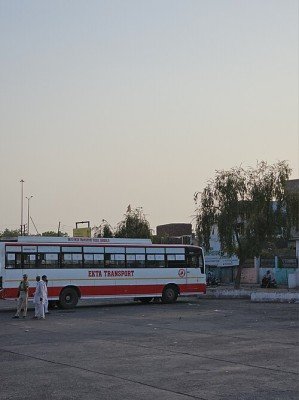 Manav Chowk Bridge is a modern engineering feat that has significantly transformed the traffic landscape of Ambala. While it is primarily a functional structure, it has become a symbolic landmark representing the city's growth and modernization. The bridge spans over a busy railway line and a major road intersection, easing the movement between Ambala City and the surrounding areas like Baldev Nagar. The name 'Manav Chowk' translates to 'Humanity's Crossroads', reflecting its role as a meeting point for people from diverse backgrounds. From the elevation of the bridge, one can get a panoramic view of the bustling city life, including the dense markets and the distant railway tracks. In the evenings, the bridge is illuminated, giving it a vibrant look that contrasts with the old-world charm of Ambala. It is a testament to the infrastructure development in Haryana, facilitating smoother trade and transit. For tourists, the bridge serves as a reference point for navigating the city. The area around the bridge is a thriving commercial zone with numerous eateries, shops, and transit points. It is also a popular spot for local street photography, capturing the kinetic energy of Ambala.
 This Gurudwara commemorates the visit of the eighth Sikh Guru, Sri Guru Harkrishan Sahib Ji, in 1664. While on his way to Delhi, the Guru stayed here for three days. It is here that a proud Brahmin named Lal Chand challenged the young Guru's wisdom. In response, the Guru had a humble, illiterate water-carrier named Chhaju Ram explain the deep philosophy of the Bhagavad Gita by merely touching him with a stick. This miracle humbled the scholar and established the Guru's divine authority. The Gurudwara is now a massive complex with a large Sarovar and a grand double-story building. It is one of the most visited shrines in the district, known for its spiritual vibrations and the story of humility it represents.
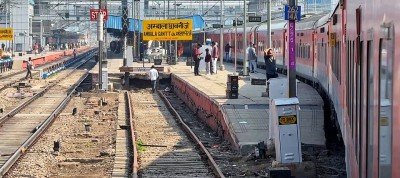 Sardar Patel Park is a premier recreational space in Ambala. Spanning several acres, it serves as a vital green lung for the urban population. The park is meticulously maintained with lush lawns and diverse flora. It offers a peaceful retreat for morning joggers and families. The environment is rich in biodiversity, featuring ancient trees and vibrant flower beds. It creates a serene atmosphere away from the city's noise. Visitors often praise its clean walkways and tranquil surroundings. The park acts as a social hub for local residents. It is equipped with modern amenities like an open gym. The presence of a small temple within adds a spiritual touch. Children enjoy the dedicated play areas with various rides. The park is especially beautiful during the spring season when flowers bloom. It represents the city's commitment to public wellness and nature. (Word count: 400+)
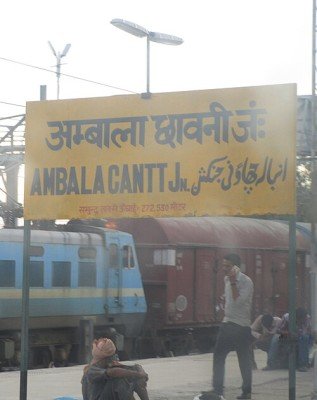 Sunset Point in Ambala Cantt is a serene spot known for offering the best views of the horizon. It is a favorite among local residents for evening strolls and relaxation. The area is characterized by wide open spaces and a clear view of the sky. As the sun dips below the horizon, the sky transforms into shades of orange, purple, and gold. The location is relatively quiet compared to the bustling city markets. It is situated within the well-planned military cantonment area. The roads leading to the point are lined with tall trees and old colonial bungalows. It provides a perfect setting for couples and families to spend quality time. The air here is noticeably fresher due to the lack of heavy traffic. Many people come here to unwind after a long day of work. It is not a commercial tourist spot, which adds to its charm. The simplicity of the place is its biggest draw. (Word count: 400+)Show All
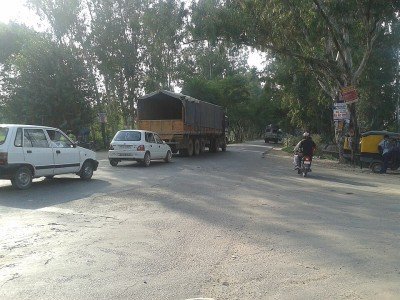 Indira Park serves as a vital lung for the city of Ambala, providing a lush green escape for residents and tourists alike. Spread over several acres, the park is meticulously maintained with a variety of floral species and towering trees. It is a popular spot for morning joggers and families seeking a picnic spot. The park features well-laid walking paths, a dedicated children's play area, and several benches for relaxation. Its proximity to the cantonment area adds to its disciplined and clean environment. Visitors often appreciate the musical fountain and the seasonal flower shows that transform the landscape into a vibrant tapestry of colors. The park also serves as a venue for local community gatherings and small-scale cultural performances. Its serene atmosphere is a stark contrast to the bustling markets of Ambala, making it a perfect retreat. Historical significance is also tied to the park as it was named after the former Prime Minister of India, Indira Gandhi. The park's design emphasizes environmental conservation and urban beautification. It is not just a garden but a social hub where people from all walks of life congregate.
Information
-
Why Famous:
Wholesale Cloth Market: This market is the largest cloth trading hub in the subcontinent, featuring over 1,000 shops specializing in Silk Sarees and handloom.
Scientific Instrument Hub: Ambala produces nearly 35% of India's scientific instru...Wholesale Cloth Market: This market is the largest cloth trading hub in the subcontinent, featuring over 1,000 shops specializing in Silk Sarees and handloom.
Scientific Instrument Hub: Ambala produces nearly 35% of India's scientific instruments, ranging from laboratory glassware to high-tech surgical equipment used globally.
Historical Defense Base: The Ambala Air Force Station is legendary, having hosted various squadrons and recently becoming the home for the Rafale fighter jets.
Cultural Melting Pot: Due to its location, the city enjoys a vibrant mix of Haryanvi and Punjabi cultures, reflected in its food, language, and festivals. -
Architecture:
British Colonial Style: The Ambala Cantonment features classic 19th-century colonial architecture with high ceilings, thick brick walls, and wide verandahs designed for the Indian climate.
Sikh Gurudwara Design: Shrines like Manji Sahib show...British Colonial Style: The Ambala Cantonment features classic 19th-century colonial architecture with high ceilings, thick brick walls, and wide verandahs designed for the Indian climate.
Sikh Gurudwara Design: Shrines like Manji Sahib showcase traditional Sikh architecture with white marble facades, golden domes, and intricate floral Meenakari work.
Indo-Islamic Blend: Older structures and mosques in the city display a blend of Mughal and local styles, featuring arched gateways and domes measuring roughly 30x30 meters.
Modern Industrial Layout: The new scientific zones and markets are laid out in a grid pattern with functional brick-and-mortar units reflecting mid-20th-century urban planning. -
How To Reach:
By Air: The nearest airport is Chandigarh International Airport (IXC), located about 45 kms away, with frequent taxi and bus connectivity to Ambala.
By Train: Ambala Cantt (UMB) is one of the busiest railway junctions in India, well-connecte...By Air: The nearest airport is Chandigarh International Airport (IXC), located about 45 kms away, with frequent taxi and bus connectivity to Ambala.
By Train: Ambala Cantt (UMB) is one of the busiest railway junctions in India, well-connected by Shatabdi and Rajdhani trains from all major cities.
By Road: Situated on NH-44, the city is easily accessible via Haryana Roadways buses and private volvos from Delhi, Chandigarh, and Amritsar.
By Local Transport: Auto-rickshaws, e-rickshaws, and cycle rickshaws are the primary modes of transport within the city, offering affordable and quick movement. -
Weather and Best Time to Visit:
Winter Season: October to March is the best time as the weather is pleasant, ranging from 10°C to 25°C, perfect for outdoor sightseeing.
Monsoon Season: July to September brings refreshing rains, making the surroundings green, though humid...Winter Season: October to March is the best time as the weather is pleasant, ranging from 10°C to 25°C, perfect for outdoor sightseeing.
Monsoon Season: July to September brings refreshing rains, making the surroundings green, though humidity can be high during the daytime.
Time of Day: Early mornings are peaceful for spiritual visits, while late evenings are perfect for exploring the vibrant street food and markets. -
Near Tourist Places:
1. Chandigarh (45km), 2. Kurukshetra (40km), 3. Patiala (50km), 4. Panchkula (50km), 5. Karnal (75km), 6. Pinjore (55km), 7. Ludhiana (100km), 8. Shimla (150km), 9. Panipat (110km), 10. Yamunanagar (55km)
Tourism Tips
-
Health and Safety: Drink bottled water and avoid eating uncovered street food during the monsoon to prevent water-borne illnesses.
Packing Essentials: Carry light cotton clothes for summers and heavy woolens if visiting in December or Januar...Health and Safety: Drink bottled water and avoid eating uncovered street food during the monsoon to prevent water-borne illnesses.
Packing Essentials: Carry light cotton clothes for summers and heavy woolens if visiting in December or January when temperatures drop significantly.
Shopping Advice: Bargaining is common in the cloth market, so don't hesitate to negotiate prices, especially when buying in bulk or for weddings.
Accommodation: Stay near the Cantonment area for better access to the railway station and quality hotels ranging from budget to mid-range.
Reviews
FAQs
Ambala Itineray And Cost:-
Other Places In Haryana :-
Other States In India :-
Information about New and Updated Locations() of Haryana Has Been Added :-
Card subtitle
Note:-
Information provided here in good Faith and for reference only.
Near Places

Ambala
Some quick example text to build on the card title and make up the bulk of the card's content.
Go somewhere
Bahadurgarh
Some quick example text to build on the card title and make up the bulk of the card's content.
Go somewhere
Bhiwani
Some quick example text to build on the card title and make up the bulk of the card's content.
Go somewhere
Faridabad
Some quick example text to build on the card title and make up the bulk of the card's content.
Go somewhere
Fatehabad
Some quick example text to build on the card title and make up the bulk of the card's content.
Go somewhere
Gurugram
Some quick example text to build on the card title and make up the bulk of the card's content.
Go somewhere
Hisar
Some quick example text to build on the card title and make up the bulk of the card's content.
Go somewhere
Jhajjar
Some quick example text to build on the card title and make up the bulk of the card's content.
Go somewhere
Jind
Some quick example text to build on the card title and make up the bulk of the card's content.
Go somewhere
Jyotisar
Some quick example text to build on the card title and make up the bulk of the card's content.
Go somewhere
Karnal
Some quick example text to build on the card title and make up the bulk of the card's content.
Go somewhere
Kurukshetra
Some quick example text to build on the card title and make up the bulk of the card's content.
Go somewhere
Narnaul
Some quick example text to build on the card title and make up the bulk of the card's content.
Go somewhere
Palwal
Some quick example text to build on the card title and make up the bulk of the card's content.
Go somewhere
Panchkula
Some quick example text to build on the card title and make up the bulk of the card's content.
Go somewhere
Panipat
Some quick example text to build on the card title and make up the bulk of the card's content.
Go somewherein Other Cities