

Local Residence View
General information
-
Ideal Duration:
1 to 1. 5 HoursPlace Type:
Cultural/Heritage/Local Life ViewEntry Fees:
Access is Free: There are no entry fees, tickets, or charges whatsoever to view the Local Residence View (Traditional Houses). The houses are a natural part of the public streets and village landscape.
Respectful Observation: The only 'entr...Access is Free: There are no entry fees, tickets, or charges whatsoever to view the Local Residence View (Traditional Houses). The houses are a natural part of the public streets and village landscape.
Respectful Observation: The only 'entry' requirement is the exercise of proper etiquette and respect. Visitors must not attempt to enter private property or residential compounds without a direct, explicit invitation from the residents.
Island Permit: Access to the residential areas, like all parts of Amini Island, is strictly controlled by the Lakshadweep Administration. The mandatory tourist permit is the key to access the island and its settlements.
Photography Etiquette: While the architecture is free to view from public roads, photographing residents, especially women and children, or focusing too intently on a single home's windows or doorways, must be done with extreme sensitivity and, ideally, permission.
No Official Guides Required: You do not need an official guide to walk through the residential areas, but a local guide's insight can enrich the experience by providing context on the history and cultural significance of the structures you are viewing.
Timing:
Observation Timings: There are no formal timings as these are residential areas. They are always accessible from public roads.
Ideal Visit Time: The Ideal Visit Time is in the early morning (7:00 AM - 9:00 AM) or late afternoon/early evenin...Observation Timings: There are no formal timings as these are residential areas. They are always accessible from public roads.
Ideal Visit Time: The Ideal Visit Time is in the early morning (7:00 AM - 9:00 AM) or late afternoon/early evening (4:30 PM - 6:30 PM). These times are cooler for walking and allow you to observe the natural rhythm of local daily life, such as children going to/from school or residents socializing on their porches.
Avoidance Times: Avoid the intense midday heat (12:00 PM - 3:00 PM), as most people will be indoors, and the streets will be largely empty. Also, be discreet after dark, ensuring you do not disturb the residents.
Lighting Consideration: Early morning and late afternoon offer the best light for photography, providing soft, warm colors that enhance the textures of the coral stone walls and the colors of the homes.
Special Events:
Local Wedding Celebrations: A special event is observing, with respectful distance, a traditional Amini wedding. Parts of the celebrations, particularly community feasts or processions, often originate or pass through the residential areas, offering a colorful glimpse into ...Local Wedding Celebrations: A special event is observing, with respectful distance, a traditional Amini wedding. Parts of the celebrations, particularly community feasts or processions, often originate or pass through the residential areas, offering a colorful glimpse into deep-rooted marriage customs and social gatherings.
Birth and Naming Ceremonies: Birth and naming ceremonies ('Aqiqa') are significant family events that take place within the traditional homes. While not public, the preparations and the flow of well-wishers to and from the residences can be observed, illustrating the importance of the home as a center of family life.
Monsoon House Maintenance: A special annual 'event' is the community-wide effort before and after the monsoon season (May and September) to collectively maintain and repair the traditional houses, particularly the roofs and walls, demonstrating the strong community spirit and collective approach to survival.
Village Day/Settlement Festival: If the island holds a specific 'Village Day' or cultural festival, the traditional residential areas become central to the celebrations, featuring street decorations, local games, and the public sharing of traditional island food.
Best Photo Spots:
The Padippura (Veranda) Portrait: The front veranda (padippura) is the best photo spot, offering a shaded, atmospheric frame for a portrait of the house or a quiet scene of daily life (always ask residents' permission before photographing their home or them).The Padippura (Veranda) Portrait: The front veranda (padippura) is the best photo spot, offering a shaded, atmospheric frame for a portrait of the house or a quiet scene of daily life (always ask residents' permission before photographing their home or them).
Coral Stone Wall Texture: Get a close-up shot of the raw, textured walls of the older traditional houses, capturing the unique look of the coral stone blocks and the lime mortar joints, highlighting the indigenous construction materials.
Street View Framing: Frame a traditional house facade with the overhanging fronds of a coconut palm or the bright colors of a local flower in the foreground, using the tropical foliage to contextualize the architecture.
Gateway and Pathway: Photograph the pathway or small gate leading into a residential compound, often bordered by low walls or plants, giving a sense of entry into the intimate, quiet world of island domesticity.
Reflection in Puddles: After a rain shower, a unique photo spot is capturing the reflection of a colorful traditional house in a street puddle, creating a beautiful, slightly distorted double image of the architecture.
Photo Gallery
Things To Do
-
Village Walking Tour: Take a slow, self-guided walking tour through the main settlement areas of Amini to observe the residences. Pay attention to the layout of the streets, the small open squares, and how the homes are grouped, reflecting the traditional village planning.
Study Architectural Details:
Note the specific architectural elements: the use of coral stone in the walls, the structure of the padippura (veranda), and the design of the traditional roofs, noting the material and color variations that distinguish one home from another.
Photography of Structures: Capture respectful photographs of the traditional houses, focusing on the textures of the stone walls and the aesthetic contrast with the surrounding tropical greenery, capturing the 'sense of place' ...Village Walking Tour: Take a slow, self-guided walking tour through the main settlement areas of Amini to observe the residences. Pay attention to the layout of the streets, the small open squares, and how the homes are grouped, reflecting the traditional village planning.
Study Architectural Details:
Note the specific architectural elements: the use of coral stone in the walls, the structure of the padippura (veranda), and the design of the traditional roofs, noting the material and color variations that distinguish one home from another.
Photography of Structures: Capture respectful photographs of the traditional houses, focusing on the textures of the stone walls and the aesthetic contrast with the surrounding tropical greenery, capturing the 'sense of place' on Amini.
Observe Daily Life: Sit quietly in a public space (like a small park or near a Chaya Kada) and observe the unhurried pace of local life unfolding around these homes—children playing, women weaving or processing coir, and elders socializing on the verandas.
Respectful Interaction: If you see a resident on their porch, a polite nod or greeting ('Salaam alaikum' is appropriate) may lead to a brief, friendly conversation, offering a chance to learn about the history of their home or family.
Note the Material Evolution: Look for houses that show a transition in materials (e. g. , older coral walls with newer concrete additions or tin roofs), which tells a story of the island's modernization and changing construction methods over time.
Sketching/Painting: If you are artistically inclined, sit and sketch or paint one of the traditional house facades. This is a quiet, contemplative activity that allows for a deeper appreciation of the architectural form and aesthetic.
Visit the Community Well/Tank: Many traditional residential clusters relied on common water sources. Locating and viewing these old community wells or tanks offers insight into the infrastructural history of the homes and the collective effort required for survival on the island.
(Word Count: 98)
Information
-
Why Famous:
Architectural Heritage: The traditional houses are famous as an intact example of the indigenous architectural response to the coral island environment, using readily available coral stone and sandstone for construction. This style reflects centuries of local knowledge in s...Architectural Heritage: The traditional houses are famous as an intact example of the indigenous architectural response to the coral island environment, using readily available coral stone and sandstone for construction. This style reflects centuries of local knowledge in sustainable building.
Socio-Cultural Insight: Viewing these houses provides a famous and invaluable window into the traditional social stratification and joint family system that once characterized Amini society. The size and style of a residence historically indicated the status of the family ('tharavad') within the community.
Durability and Resilience: They are renowned for their durability, with many of the older structures having withstood numerous monsoon seasons, testament to the quality of the locally-sourced materials and construction techniques. They represent a successful, long-term human adaptation to a fragile ecosystem.
Visual Aesthetics: The homes offer a unique, visually appealing aesthetic—simple, low-slung structures with traditional roofs, often painted in pastel shades, beautifully contrasting with the vibrant tropical foliage, making the village view a famous subject for photography.
-
Architecture:
Coastal Adaptation: Traditional houses in Amini are architecturally engineered for the tropical, coastal environment. The foundation is often built on raised platforms or plinths made of coral and sandstone to protect the structure from dampness and occasional high tides. <...Coastal Adaptation: Traditional houses in Amini are architecturally engineered for the tropical, coastal environment. The foundation is often built on raised platforms or plinths made of coral and sandstone to protect the structure from dampness and occasional high tides.
The Wall Construction: The most distinguishing feature is the wall construction, which utilizes locally quarried coral stone blocks—sometimes rough-cut or carved—cemented with traditional lime mortar. The average wall thickness can be up to 40-50 cm, providing natural insulation against the intense sun.
Roofing and Ventilation: The roofs are steeply pitched, commonly using locally sourced materials like coconut palm fronds or occasionally corrugated iron sheets in more recent times. The architecture incorporates strategic openings, such as numerous small, high windows and open verandas (known locally as 'padippura'), to maximize cross-ventilation, essential in a humid climate.
Layout and Dimension: A typical traditional house (tharavad) layout is modular, centered around a main living area (often 5m x 5m) with smaller adjoining rooms and a functional kitchen. The total footprint of a family compound can be quite large, encompassing the main house and several outbuildings, emphasizing the traditional joint family structure.
-
How To Reach:
By Air: The first step is to take a flight from Kochi to Agatti Airport. From Agatti, you will need to take an inter-island ferry or high-speed boat to reach Amini Island's main jetty.
By Train: Direct access By Train is impossible as Laksh...By Air: The first step is to take a flight from Kochi to Agatti Airport. From Agatti, you will need to take an inter-island ferry or high-speed boat to reach Amini Island's main jetty.
By Train: Direct access By Train is impossible as Lakshadweep has no railways. The nearest railhead is Kochi in Kerala.
By Road: Road transport is limited to the mainland. Access to Amini Island is strictly By Sea or By Air from Kochi.
By Local Transport: The Local Residence View (Traditional Houses) is simply the view of the village itself. You can reach the main settlement area from the jetty By Walk (a short, easy stroll). The traditional houses are scattered throughout the village. Exploring the residential lanes is best done By Walk at a slow, respectful pace. No vehicle is necessary for viewing the houses within the settlement. If you are staying at the accommodation provided by the Lakshadweep Administration, a local Auto-Rickshaw or Two-Wheeler Taxi will drop you at the village periphery, but the best way to see the houses is By Walk.
Walkability: Given the small size of the island, a slow, intentional walk through the main village is the best way to observe the traditional architecture and the daily rhythm of life, as the residences are all easily accessible on foot from the center.
(Word Count: 49) -
Weather and Best Time to Visit:
By Different Types of Seasons: The Best Season to view the houses is the Fair Weather Season (October to May). The pleasant, dry climate makes leisurely walking through the village lanes comfortable and enjoyable, which is the best way to appreciate the architecture. The M...By Different Types of Seasons: The Best Season to view the houses is the Fair Weather Season (October to May). The pleasant, dry climate makes leisurely walking through the village lanes comfortable and enjoyable, which is the best way to appreciate the architecture. The Monsoon Season (June to September) makes walking difficult due to heavy rain and high humidity.
By Different Parts of the Day: The Ideal Time of Day is early morning (7:00 AM - 9:00 AM) or late afternoon (4:30 PM - 6:30 PM). These times avoid the intense midday heat, and the soft, oblique sunlight provides excellent shadows and texture to the coral stone walls for photography.
Observing Local Life: Late afternoon is particularly good for observing local life, as residents often sit on their verandas to socialize after the heat of the day subsides.
-
Near Tourist Places:
Jumaat Mosque (0. 2 KMS), Local Coral Carving Workshop (0. 5 KMS), Local Tea Shops (0. 1 KMS), Amini Beach (0. 7 KMS), Main Harbour Area (1. 3 KMS), Amini Light House (2. 5 KMS), Amini Lagoon (Adjacent), Kadmat Island (15 KMS by boat), Chetlat Island (37 KMS by boat), Kiltan Island (52 KMS by boat)
Tourism Tips
-
Health & Safety:
Be aware of local conditions: the streets may be uneven, dusty, or wet during the monsoon. Be mindful of local children playing and traffic (mostly two-wheelers).
Packing: Carry a small note...Health & Safety:
Be aware of local conditions: the streets may be uneven, dusty, or wet during the monsoon. Be mindful of local children playing and traffic (mostly two-wheelers).
Packing: Carry a small notebook for observations and a camera with a modest lens to take respectful photographs from a distance.
Accommodation: Visitors must only use the authorized tourist accommodation on the island. Unauthorized stays in local residences are not permitted for non-locals.
Respect for Privacy:
This is the most crucial tip: never enter a private compound or home without a direct invitation. Do not stare or loiter. Maintain a quiet, non-intrusive presence while walking through residential lanes.
Best Time Tip: Plan your walk for the cooler hours of the day to enjoy the experience without the discomfort of the intense sun and humidity.
Photography Rule: Always photograph the houses and streets respectfully, avoiding close-up shots of people, especially women and children, without explicit permission.
Other Different Topics:
Map/Navigation: The village lanes can be confusing. It is a good idea to walk with a local guide or use a basic GPS map to ensure you don't get lost in the winding paths.
Interaction: A simple, polite greeting in the local language ('Salaam alaikum') can be a great icebreaker.
(Word Count: 49)
Reviews
FAQs
Amini Itineray And Cost:-
Local Residence View Tourism:-
Other Places In Amini :-
Other States In India :-
Information about New and Updated Locations() of Lakshadweep Has Been Added :-
Card subtitle
Note:-
Information provided here in good Faith and for reference only.
Near Places
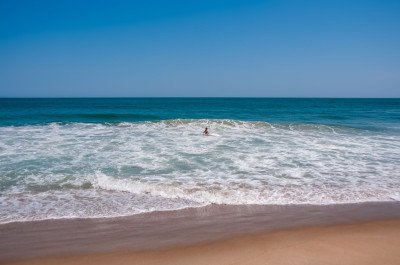
Amini Beach
Some quick example text to build on the card title and make up the bulk of the card's content.
Go somewhere
Amini Island Helipad
Some quick example text to build on the card title and make up the bulk of the card's content.
Go somewhere
Amini Island Post Office
Some quick example text to build on the card title and make up the bulk of the card's content.
Go somewhere
Amini Island View Point
Some quick example text to build on the card title and make up the bulk of the card's content.
Go somewhere
Amini Island Water Sports Kiosk
Some quick example text to build on the card title and make up the bulk of the card's content.
Go somewhere
East Coast Fishing Area
Some quick example text to build on the card title and make up the bulk of the card's content.
Go somewhere
Handicraft Stalls near Jetty
Some quick example text to build on the card title and make up the bulk of the card's content.
Go somewhere
Jumaat Mosque
Some quick example text to build on the card title and make up the bulk of the card's content.
Go somewhere
Local Coral Carving Workshop
Some quick example text to build on the card title and make up the bulk of the card's content.
Go somewhere
Local Residence View
Some quick example text to build on the card title and make up the bulk of the card's content.
Go somewhere
Local Tea Shops
Some quick example text to build on the card title and make up the bulk of the card's content.
Go somewhere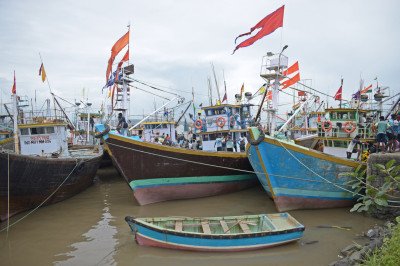
Main Harbour Area
Some quick example text to build on the card title and make up the bulk of the card's content.
Go somewhere
Northern Tip Sandbank
Some quick example text to build on the card title and make up the bulk of the card's content.
Go somewhere
Shallow Lagoon of Amini
Some quick example text to build on the card title and make up the bulk of the card's content.
Go somewhere
Snorkeling Sites Amini Lagoon
Some quick example text to build on the card title and make up the bulk of the card's content.
Go somewhere
Traditional Coir Making Workshop
Some quick example text to build on the card title and make up the bulk of the card's content.
Go somewherein Other Cities