Lonavala
General information
-
Ideal Duration:
2-3 DaysPlace Type:
Hill Station & AdventureEntry Fees:
Cave Entry: Entry to Karla Caves is approximately Rs. 25 for Indian citizens. Foreign tourists are charged a higher fee as per government norms.
Dam Entry: There is no entry fee for Bhushi Dam, but parking charges are applicable. Private ...Cave Entry: Entry to Karla Caves is approximately Rs. 25 for Indian citizens. Foreign tourists are charged a higher fee as per government norms.
Dam Entry: There is no entry fee for Bhushi Dam, but parking charges are applicable. Private lake areas like Pawna might have entry or camping fees.Timing:
Regular Timings: Caves are generally open from 9:00 AM to 6:00 PM for visitors. Viewpoints are best visited between 6:00 AM and 6:30 PM.
Ideal Visit Time: Early mornings are the best to avoid the heavy tourist crowds. Weekdays are much qui...Regular Timings: Caves are generally open from 9:00 AM to 6:00 PM for visitors. Viewpoints are best visited between 6:00 AM and 6:30 PM.
Ideal Visit Time: Early mornings are the best to avoid the heavy tourist crowds. Weekdays are much quieter compared to the busy and crowded weekends.Special Events:
Lonavala Film Festival: A local event that showcases Marathi and Indian cinema to tourists. It usually happens during the winter months to attract crowds.
Ganesh Chaturthi: The festival is celebrated with great passion and local processions...Lonavala Film Festival: A local event that showcases Marathi and Indian cinema to tourists. It usually happens during the winter months to attract crowds.
Ganesh Chaturthi: The festival is celebrated with great passion and local processions. The town markets are beautifully decorated during this ten-day event.Best Photo Spots:
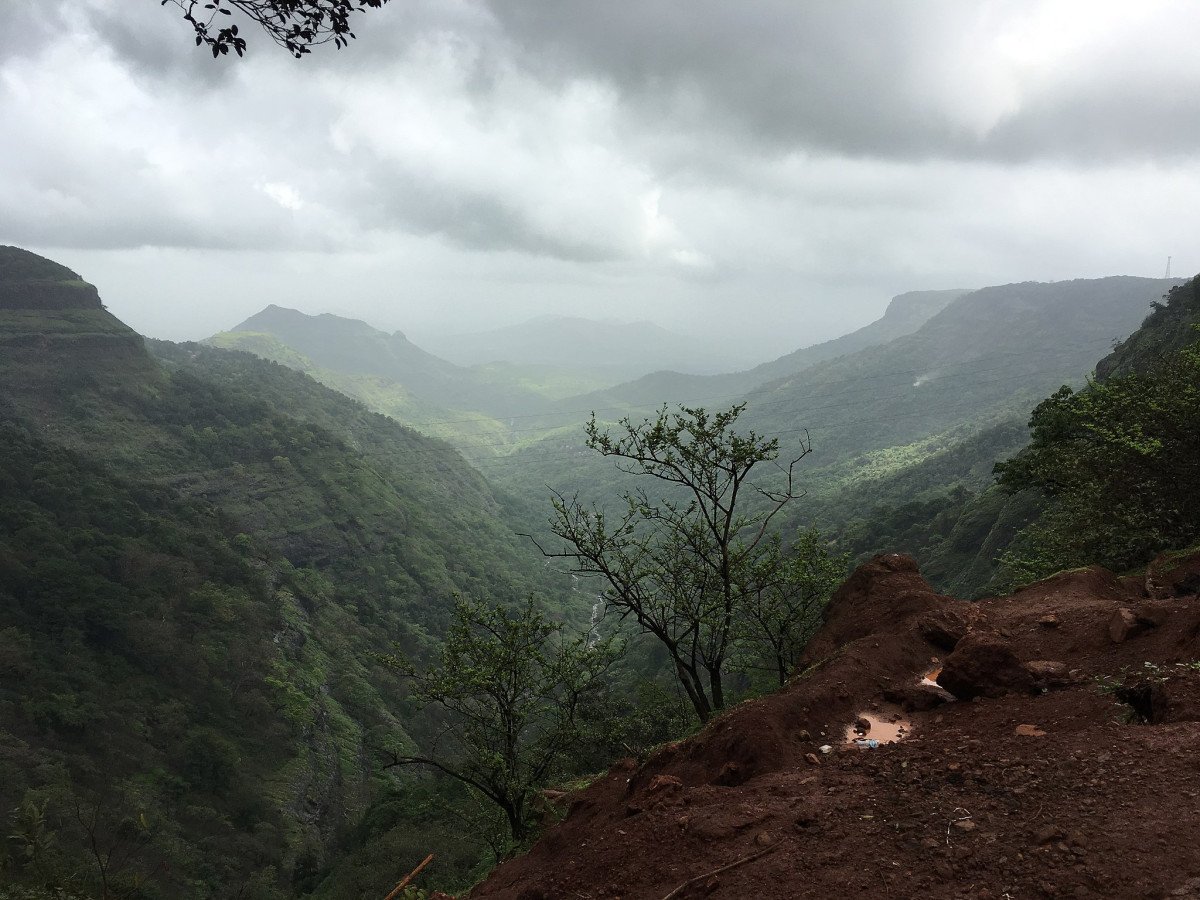
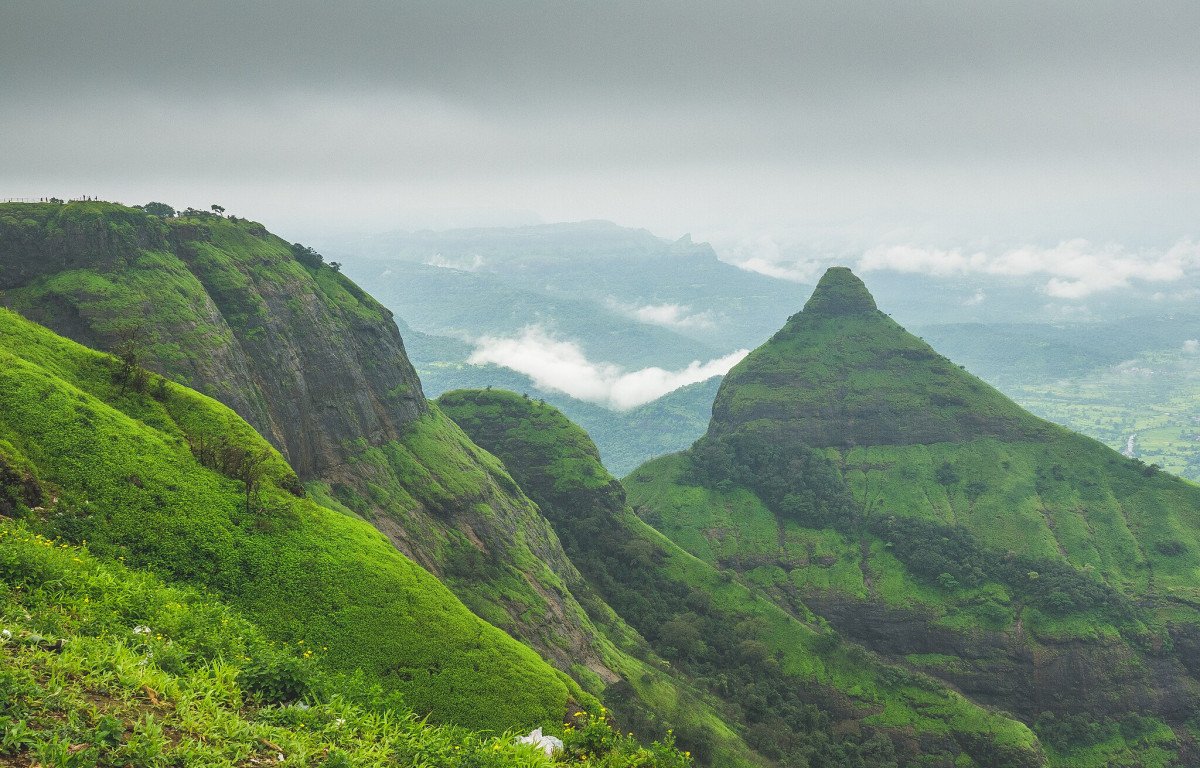
Tiger's Leap: The cliff provides a dramatic drop and a wide view of the Sahyadri range.
Pawna Lake: The reflection of the forts in the calm lake water makes for a serene shot. ...Tiger's Leap: The cliff provides a dramatic drop and a wide view of the Sahyadri range.
Pawna Lake: The reflection of the forts in the calm lake water makes for a serene shot.Photo Gallery
Things To Do
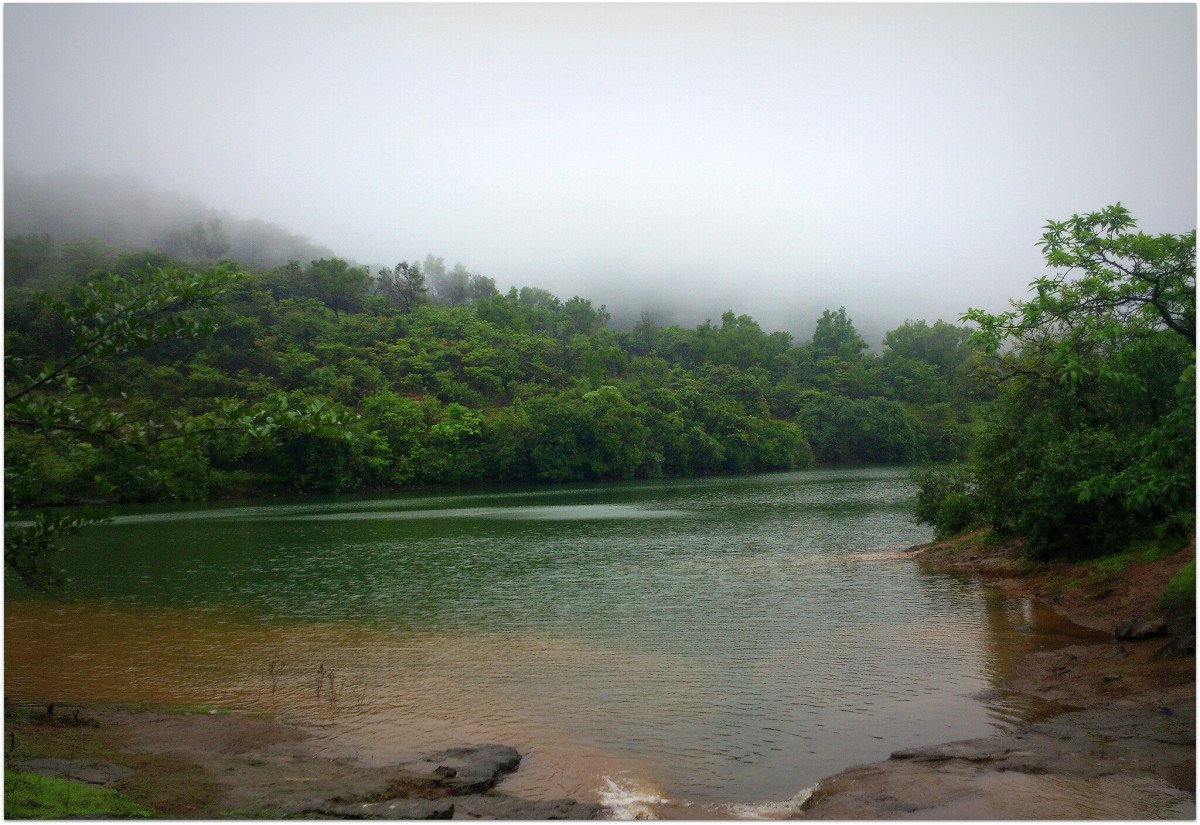
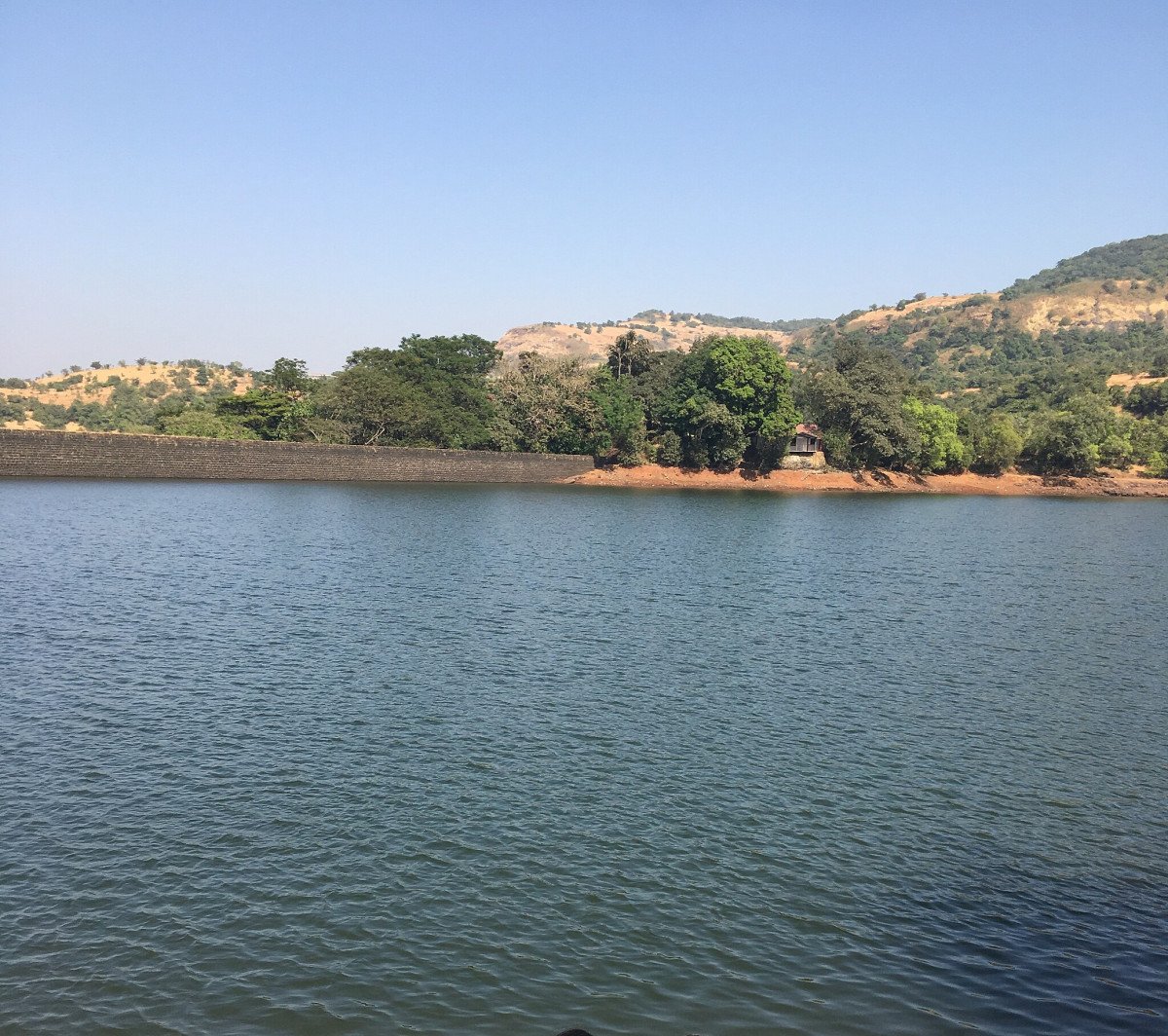
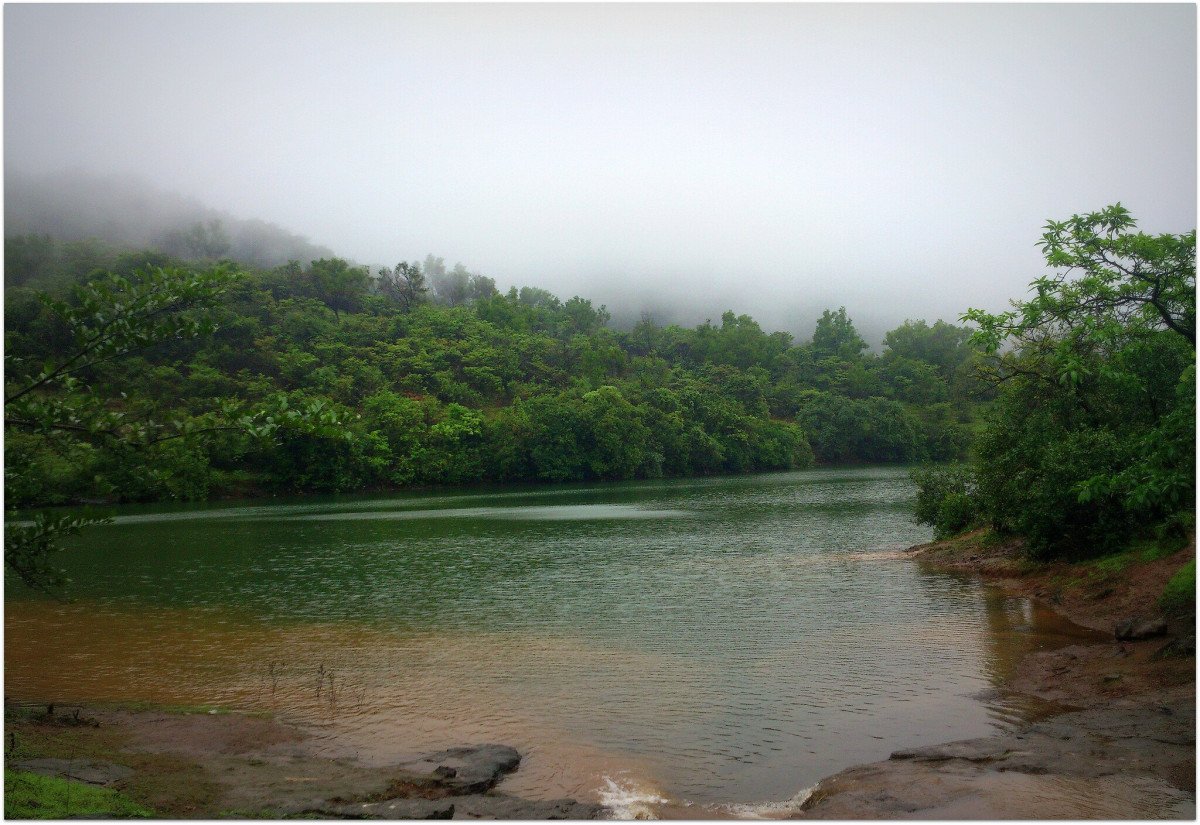
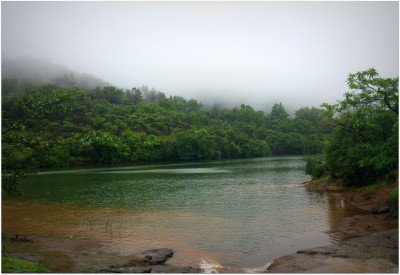 Lonavala Lake, also popularly known as the Monsoon Lake, is a highly scenic, man-made reservoir located conveniently close to the main town. It was originally built during the British colonial era as a water source for the railway and surrounding areas. The lake is seasonal, meaning it usually dries up during the harsh summer months (March to May) and fills up dramatically during the monsoon (June to September). Its water level remains high during the post-monsoon and early winter months, which is the best time to visit. The area surrounding the lake is lush green, providing a perfect backdrop for picnics and leisurely walks. Due to its close proximity to the main Lonavala market, it is easily accessible. The lake is a popular spot for quiet recreation, including gentle boating (when water levels permit) and simply enjoying the tranquil natural atmosphere, which is a calming contrast to the busy market area. The area attracts a lot of migratory birds in the winter, adding to the picturesque setting.
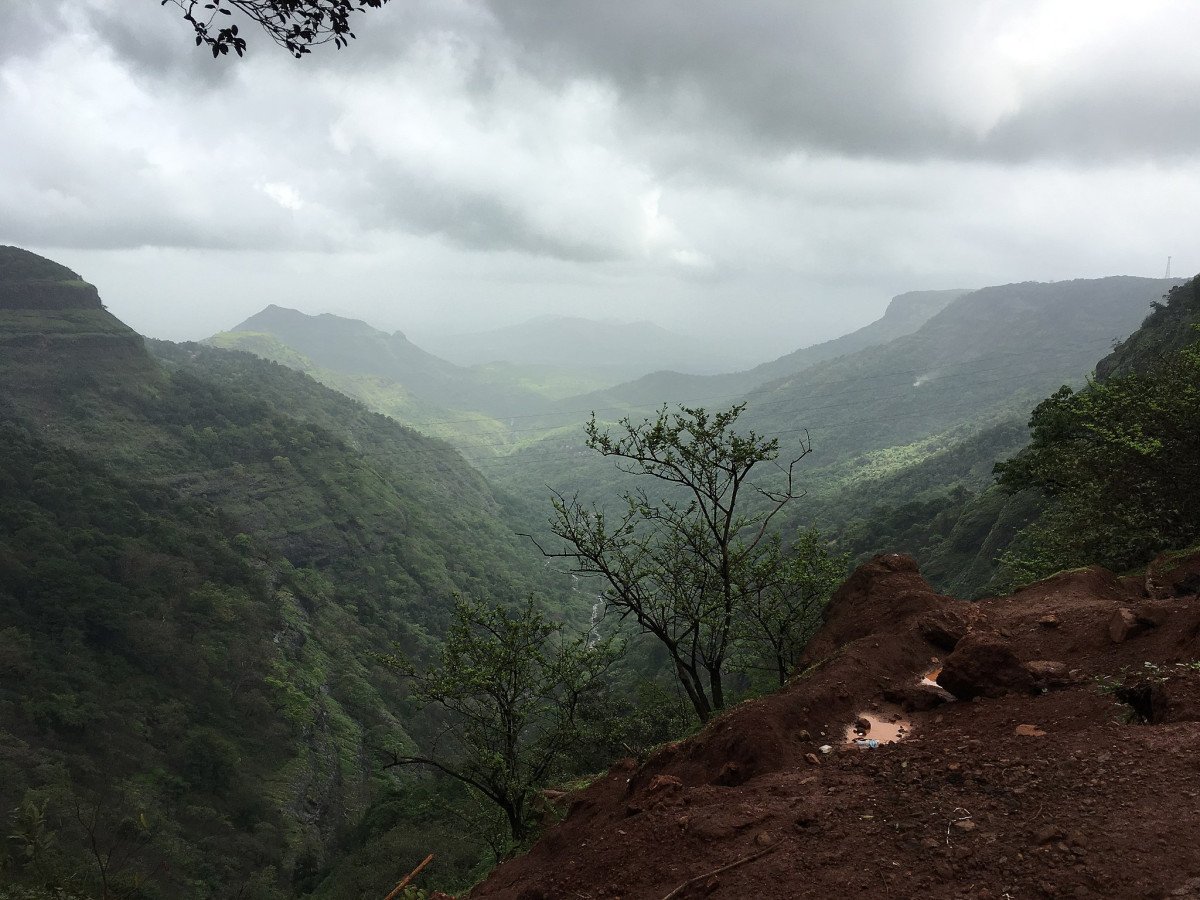
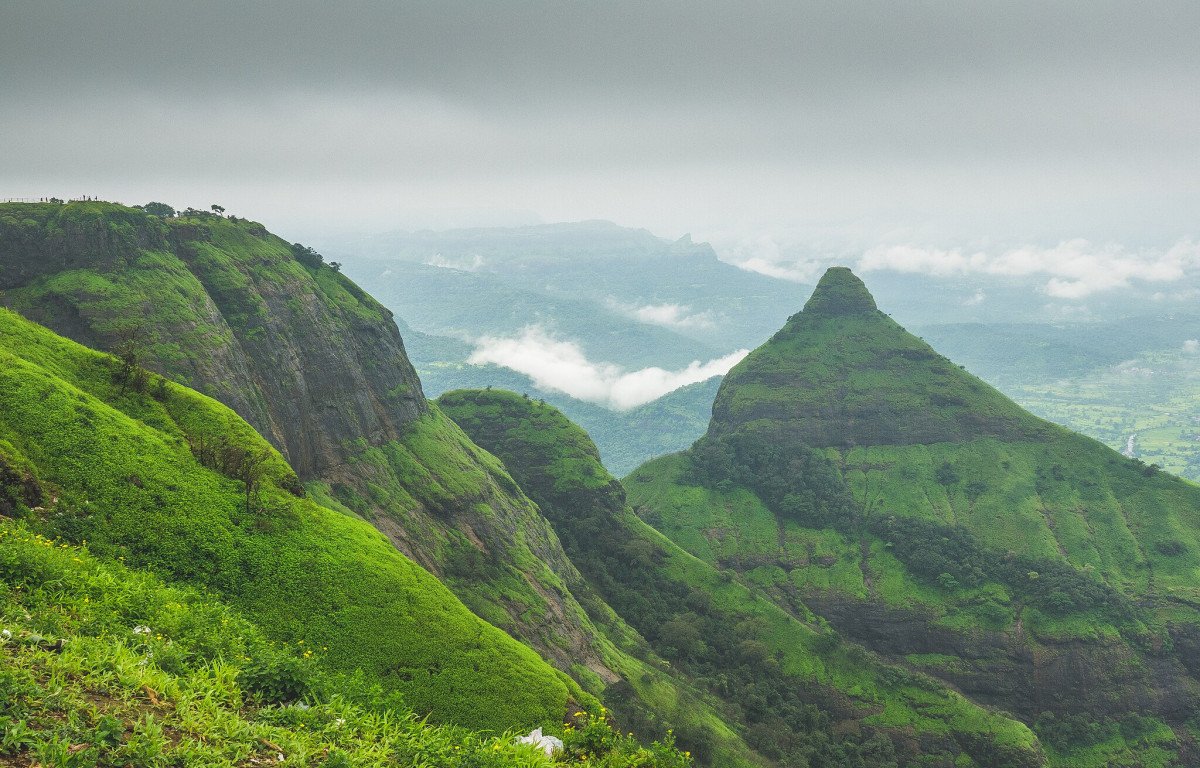
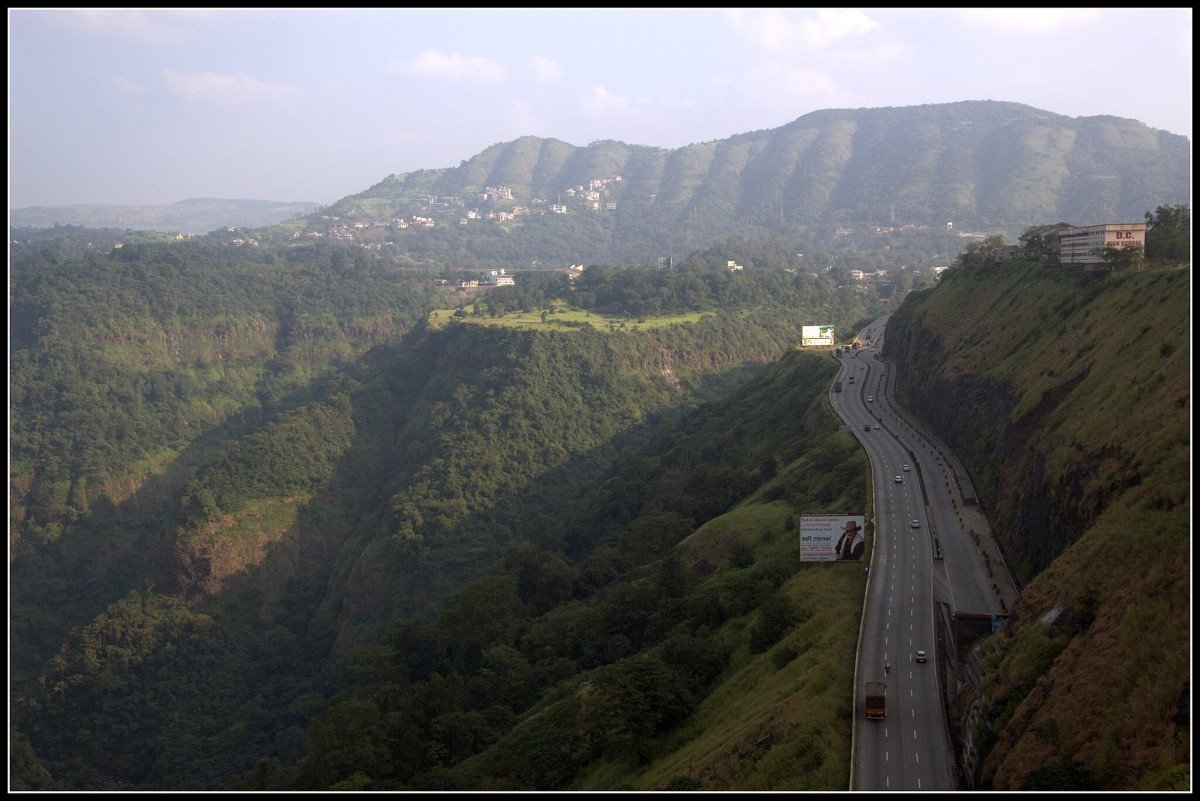
 Tiger Point, also famously known as Tiger's Leap or Waghdari, is a breathtaking cliff-top viewpoint situated on the route towards Aamby Valley from Lonavala. It is named for its unique geographical shape, which, when viewed from a distance, resembles a tiger leaping into the valley below. This scenic spot stands at an elevation of over 650 meters, offering a dramatic, sheer drop and one of the most panoramic vistas of the surrounding Sahyadri mountains and the deep valley. The point provides an expansive view of lush green forests, winding roads, and the glistening water bodies below. During the monsoon season (June to September), the area transforms into a spectacular display of nature, with clouds rolling into the valley and numerous seasonal waterfalls cascading down the steep cliffs. One such small, perennial waterfall near the main viewpoint flows into a stream, offering visitors a chance to enjoy the cool water. Tiger Point is not just a photographic location; it’s an experience that encapsulates the rugged beauty of the Western Ghats. Its easy accessibility by road from Lonavala makes it a must-visit for tourists, couples, and nature photographers alike. The spot also features a small echo point where visitors can enjoy the sound of their voices reverberating across the deep chasm. Its popularity means it can get very crowded, especially on weekends and during the peak monsoon months, but the view remains rewarding at any time. The sunrise and sunset views from this vantage point are widely regarded as the most mesmerizing in the region.
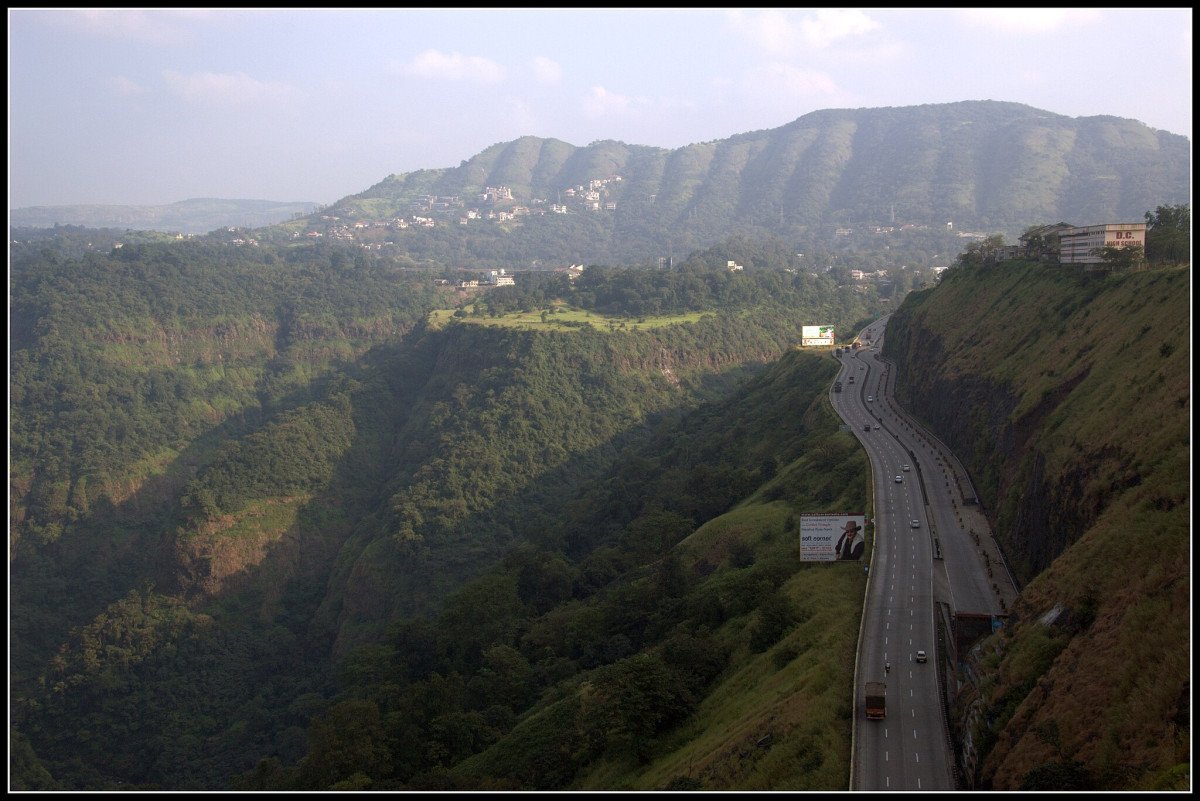
Amrutanjan Point is a popular scenic viewpoint located high up in the Khandala Ghat, offering an enormous and breathtaking view of the valley below. The point is strategically situated at the end of the first slope as one enters Khandala from the Mumbai side. From this vantage point, you can enjoy a wide, sweeping panorama of the surrounding hills and the deep gorge. A key attraction visible from here is the famous Duke's Nose (or Nagphani), a cliff that resembles a cobra's head or the Duke of Wellington's nose. The view also encompasses parts of the Khopoli town below and the winding road of the old Mumbai-Pune highway. Unlike highly commercialized spots, Amrutanjan Point has remained relatively untouched, offering a quiet and soothing atmosphere, perfect for a moment of contemplation and photography. It’s a photographer’s delight, offering stunning landscape shots, especially during the monsoon when the entire valley is covered in lush greenery and often enveloped in misty clouds. The clear, open space available makes it a suitable location for a quick stop to absorb the natural grandeur of the Sahyadri range. The area is named after the prominent advertisement hoarding of the pain balm Amrutanjan that was once placed there, which became a landmark for directions. (Word Count: ~400)
A Multi-Zone Entertainment Hub: Imagicaa is a sprawling entertainment complex and one of India's largest theme park destinations, divided into three distinct zones: the Theme Park (rides and shows), the Water Park (slides and pools), and the Snow Park (indoor snow activities). Its massive scale and international-standard rides attract millions of visitors every year. While technically located in Khopoli, its proximity to the Mumbai-Pune Expressway makes it a highly popular day trip from Lonavala. The park aims to provide a complete immersive experience through themed environments, elaborate backstories for rides, and high-quality entertainment shows.Themed Rides and Storytelling: The main Theme Park is divided into several sections, each with its own unique theme, such as the Wild West, a deep forest, and outer space. Signature rides like Nitro, Deep Space, and Dare 2 Drop are major adrenaline draws, utilizing advanced technology to deliver world-class thrills. The park's creators spent significant effort creating detailed narratives for the rides, such as the spooky tale behind Salimgarh, which enhances the feeling of stepping into a different world. The staff are trained to maintain the persona of their respective zones, adding to the theatrical experience. It is a highly managed environment designed to maximize fun and minimize waiting times, utilizing fast-pass systems similar to major global parks.A Complete Family Experience: Beyond the thrill rides, Imagicaa offers plenty of family-friendly attractions, including indoor shows, 4D cinema experiences, and gentle rides for younger children. The attached Water Park provides much-needed relief during the summer months with high-speed slides and a lazy river. The Snow Park, kept at sub-zero temperatures, offers a unique experience of playing in artificial snow in a tropical climate. This diversity ensures that the park serves as a comprehensive entertainment destination for all ages and interests, justifying its status as a must-visit attraction near the Lonavala region, providing a huge dose of structured, modern fun away from the natural hills.
Tiger Point, also famously known as Tiger's Leap or Waghdari, is a breathtaking cliff-top viewpoint situated on the route towards Aamby Valley from Lonavala. It is named for its unique geographical shape, which, when viewed from a distance, resembles a tiger leaping into the valley below. This scenic spot stands at an elevation of over 650 meters, offering a dramatic, sheer drop and one of the most panoramic vistas of the surrounding Sahyadri mountains and the deep valley. The point provides an expansive view of lush green forests, winding roads, and the glistening water bodies below. During the monsoon season (June to September), the area transforms into a spectacular display of nature, with clouds rolling into the valley and numerous seasonal waterfalls cascading down the steep cliffs. One such small, perennial waterfall near the main viewpoint flows into a stream, offering visitors a chance to enjoy the cool water. Tiger Point is not just a photographic location; it’s an experience that encapsulates the rugged beauty of the Western Ghats. Its easy accessibility by road from Lonavala makes it a must-visit for tourists, couples, and nature photographers alike. The spot also features a small echo point where visitors can enjoy the sound of their voices reverberating across the deep chasm. Its popularity means it can get very crowded, especially on weekends and during the peak monsoon months, but the view remains rewarding at any time. The sunrise and sunset views from this vantage point are widely regarded as the most mesmerizing in the region.
Amrutanjan Point is a popular scenic viewpoint located high up in the Khandala Ghat, offering an enormous and breathtaking view of the valley below. The point is strategically situated at the end of the first slope as one enters Khandala from the Mumbai side. From this vantage point, you can enjoy a wide, sweeping panorama of the surrounding hills and the deep gorge. A key attraction visible from here is the famous Duke's Nose (or Nagphani), a cliff that resembles a cobra's head or the Duke of Wellington's nose. The view also encompasses parts of the Khopoli town below and the winding road of the old Mumbai-Pune highway. Unlike highly commercialized spots, Amrutanjan Point has remained relatively untouched, offering a quiet and soothing atmosphere, perfect for a moment of contemplation and photography. It’s a photographer’s delight, offering stunning landscape shots, especially during the monsoon when the entire valley is covered in lush greenery and often enveloped in misty clouds. The clear, open space available makes it a suitable location for a quick stop to absorb the natural grandeur of the Sahyadri range. The area is named after the prominent advertisement hoarding of the pain balm Amrutanjan that was once placed there, which became a landmark for directions. (Word Count: ~400)
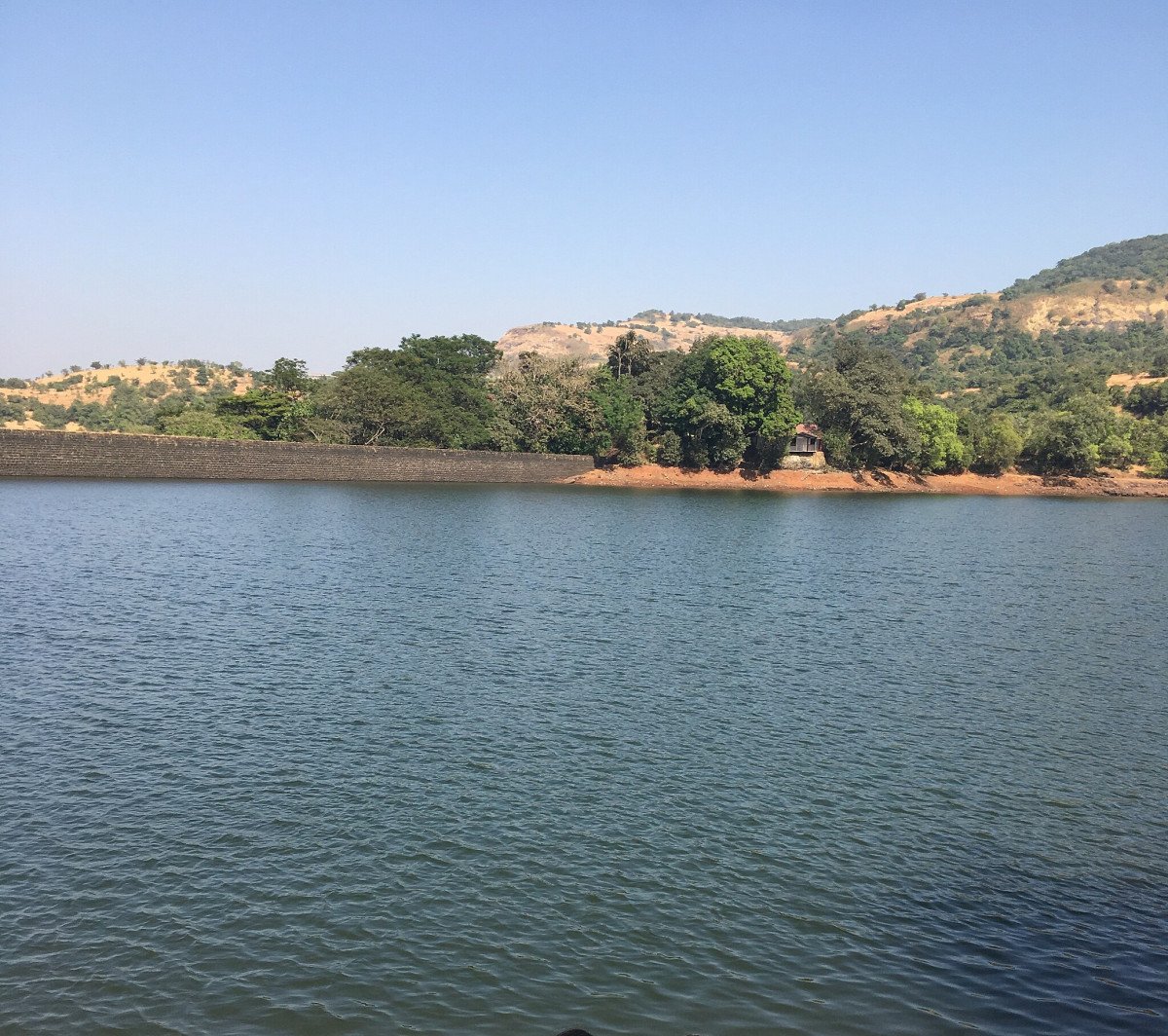
A Multi-Zone Entertainment Hub: Imagicaa is a sprawling entertainment complex and one of India's largest theme park destinations, divided into three distinct zones: the Theme Park (rides and shows), the Water Park (slides and pools), and the Snow Park (indoor snow activities). Its massive scale and international-standard rides attract millions of visitors every year. While technically located in Khopoli, its proximity to the Mumbai-Pune Expressway makes it a highly popular day trip from Lonavala. The park aims to provide a complete immersive experience through themed environments, elaborate backstories for rides, and high-quality entertainment shows.Themed Rides and Storytelling: The main Theme Park is divided into several sections, each with its own unique theme, such as the Wild West, a deep forest, and outer space. Signature rides like Nitro, Deep Space, and Dare 2 Drop are major adrenaline draws, utilizing advanced technology to deliver world-class thrills. The park's creators spent significant effort creating detailed narratives for the rides, such as the spooky tale behind Salimgarh, which enhances the feeling of stepping into a different world. The staff are trained to maintain the persona of their respective zones, adding to the theatrical experience. It is a highly managed environment designed to maximize fun and minimize waiting times, utilizing fast-pass systems similar to major global parks.A Complete Family Experience: Beyond the thrill rides, Imagicaa offers plenty of family-friendly attractions, including indoor shows, 4D cinema experiences, and gentle rides for younger children. The attached Water Park provides much-needed relief during the summer months with high-speed slides and a lazy river. The Snow Park, kept at sub-zero temperatures, offers a unique experience of playing in artificial snow in a tropical climate. This diversity ensures that the park serves as a comprehensive entertainment destination for all ages and interests, justifying its status as a must-visit attraction near the Lonavala region, providing a huge dose of structured, modern fun away from the natural hills.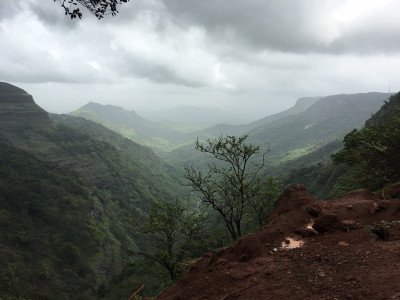 Historical Significance and Purpose: Tungarli Lake & Dam is an artificial reservoir created by constructing a dam across the Tungarli stream, primarily to provide water supply to the inhabitants of Lonavala town and the surrounding areas. The construction dates back to the early 20th century, during the British colonial era, showcasing a strong piece of functional engineering. It serves as a vital water source, making it important both functionally and aesthetically. The calm waters of the lake reflect the sky and the surrounding hills, creating a spectacular scene that changes dramatically with the season and time of day. It’s particularly important in managing water resources during the long dry spell.The Landscape and Ambiance: The dam and lake are nestled amidst the picturesque Sahyadri mountains, surrounded by rolling hills that are densely forested. This makes the environment incredibly peaceful and quiet, a welcome break from the busy tourist areas. The wide, flat top of the dam wall is a popular spot for morning and evening walks, offering a clear view of the water on one side and the valley on the other. The area is largely undeveloped, preserving its natural, rustic charm. During the monsoon, the dam overflows, creating its own small, beautiful cascade that attracts many visitors.An Ideal Retreat: Tungarli is less about adventure and more about serenity. It is a preferred spot for couples, families, and solo travelers who wish to spend a few hours relaxing, reading, or simply watching the sunset. The lake's calm waters are a habitat for various bird species, making it a favorite location for bird watchers. The easy accessibility from the city center makes it a convenient and essential part of the Lonavala experience, providing a stunning natural backdrop for quiet reflection and enjoying the cool, fresh air of the hill station.
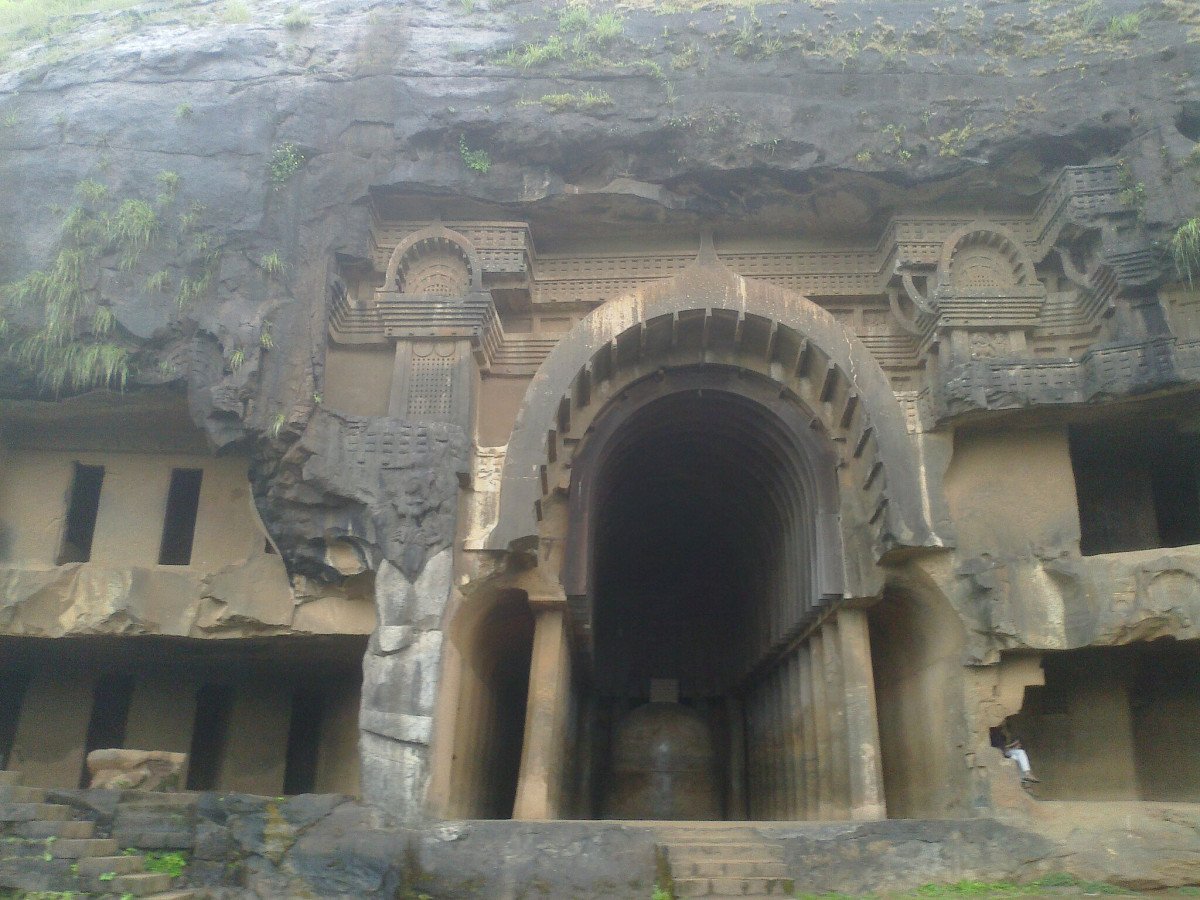
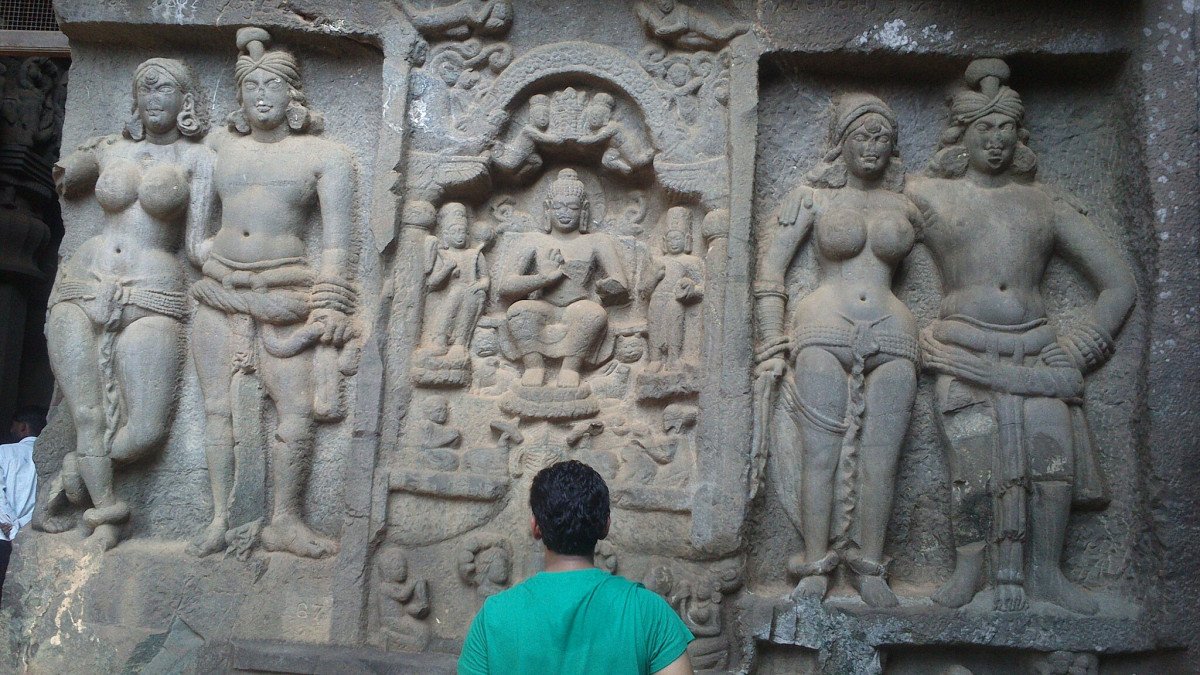
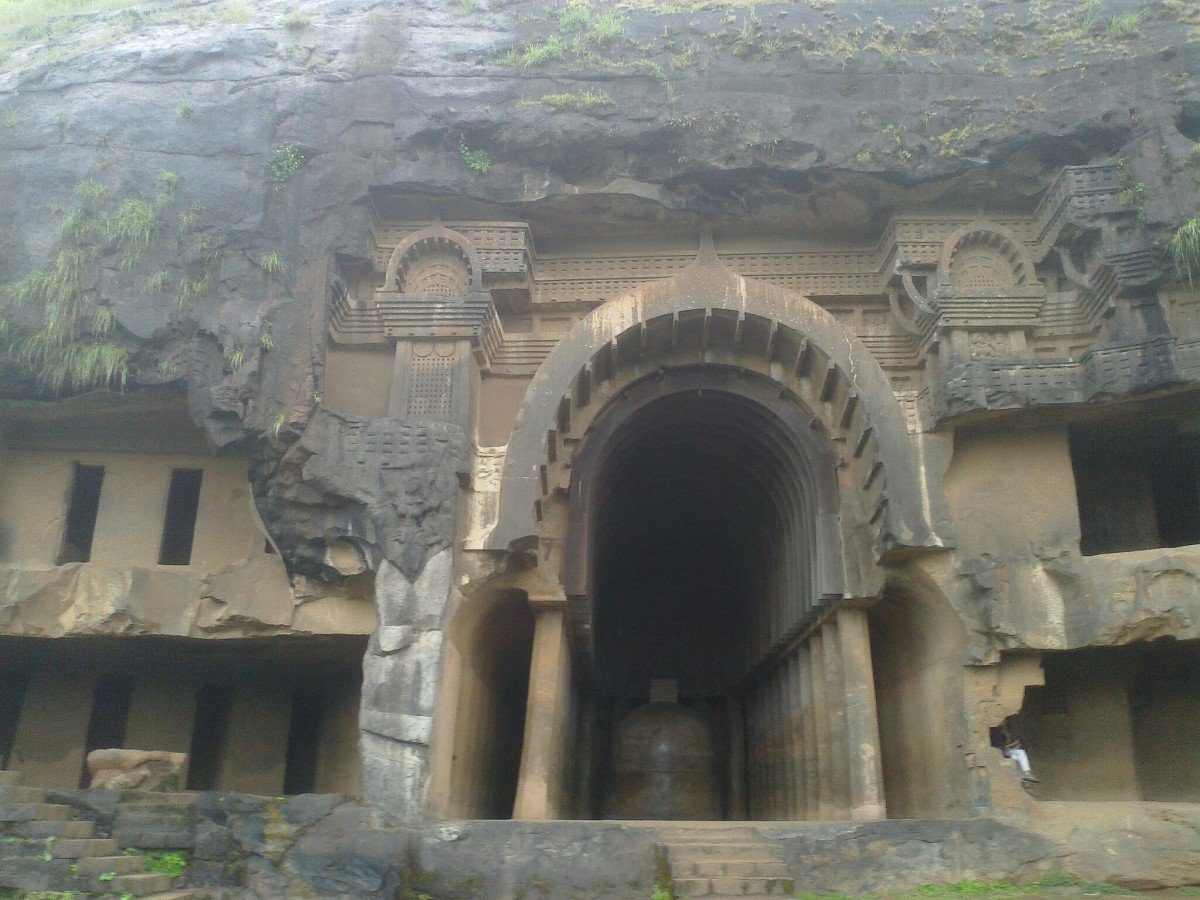
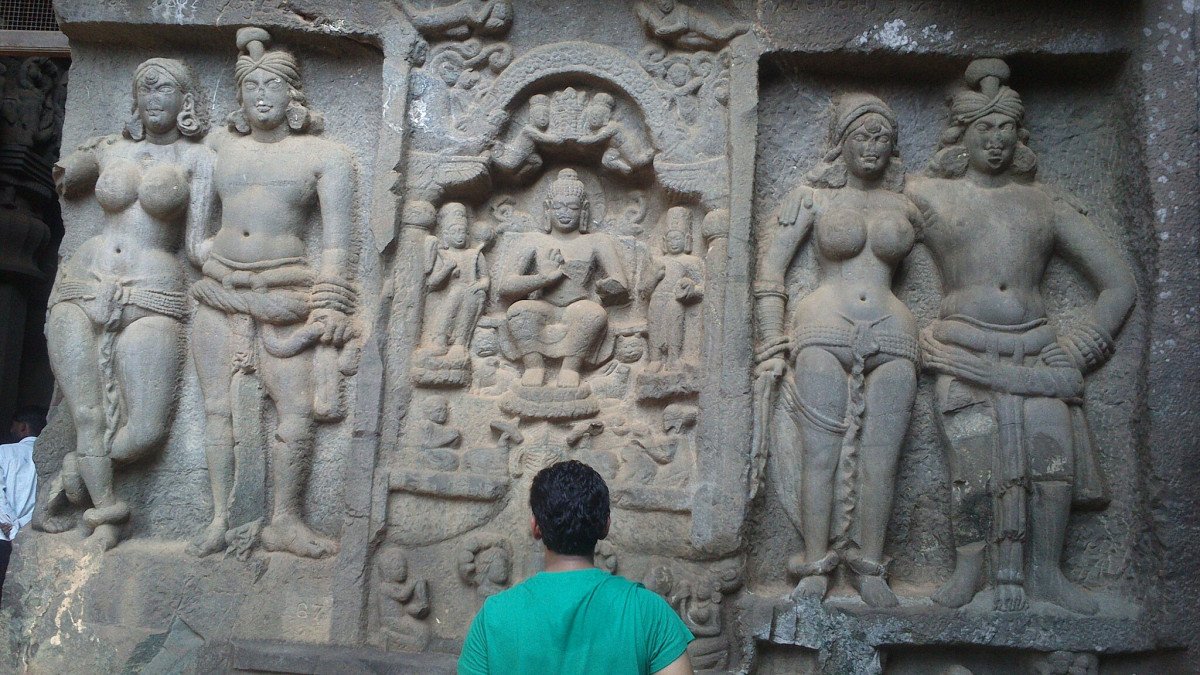
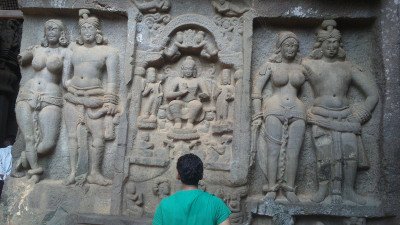 Karla Caves are a complex of ancient Indian Buddhist rock-cut caves, dating back to the 2nd century BCE to the 5th century CE. They are located near the village of Karli, close to Lonavala. The caves were historically situated along a major ancient trade route, which helped in securing wealthy patronage from merchants and rulers, including the Satavahanas and Western Satraps. The site is most famous for Cave 8, known as the Grand Chaitya or prayer hall, which is the largest and best-preserved rock-cut chaitya (prayer hall) in India. This hall features a massive, monolithic stupa and is lined with 37 intricately carved pillars. The pillars are topped with highly detailed capitals depicting elephants, horses, and human figures. The caves are associated with the Mah?s??ghika school of Buddhism. The complex also houses viharas (monasteries/residential caves). The blend of architecture, history, and religious art makes it a highly important archaeological site. The Ekvira Devi Temple is also located at the top, adding a layer of contemporary Hindu religious significance to the ancient Buddhist site. Visitors must climb a series of steps to reach the main cave complex, but the historical reward is immense.
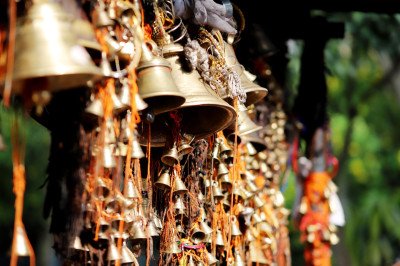 Bhairavnath Temple is an ancient and revered Hindu temple dedicated to Lord Bhairav, an incarnation of Lord Shiva. While there are a few temples by this name in the area, the one often visited by tourists is either the one in Kusgaon (easily accessible) or the one located on the challenging trekking route to Rajmachi Fort (Dhak/Udhewadi). The temple in the Rajmachi area is a crucial landmark and active place of worship, set amidst the dramatic, lush green hills of the Western Ghats. Its location provides a serene spiritual experience combined with the raw beauty of nature. The architecture, often described as having the local Konkan or Hemadpanti style (for the ancient one near Rajmachi), showcases intricate designs and is surrounded by dense forests. The temple is significant to local traditions and is often associated with the era of Chhatrapati Shivaji Maharaj. Visitors are drawn to the temple for its peaceful, spiritual aura and the beautiful surroundings which are perfect for nature appreciation and hiking. The site, being a place of active worship, hosts daily rituals and is a testament to the region's enduring religious heritage. The atmosphere is quiet, respectful, and deeply rooted in local customs, providing a tranquil contrast to the more commercial viewpoints in Lonavala. (Word Count: ~400)Show All
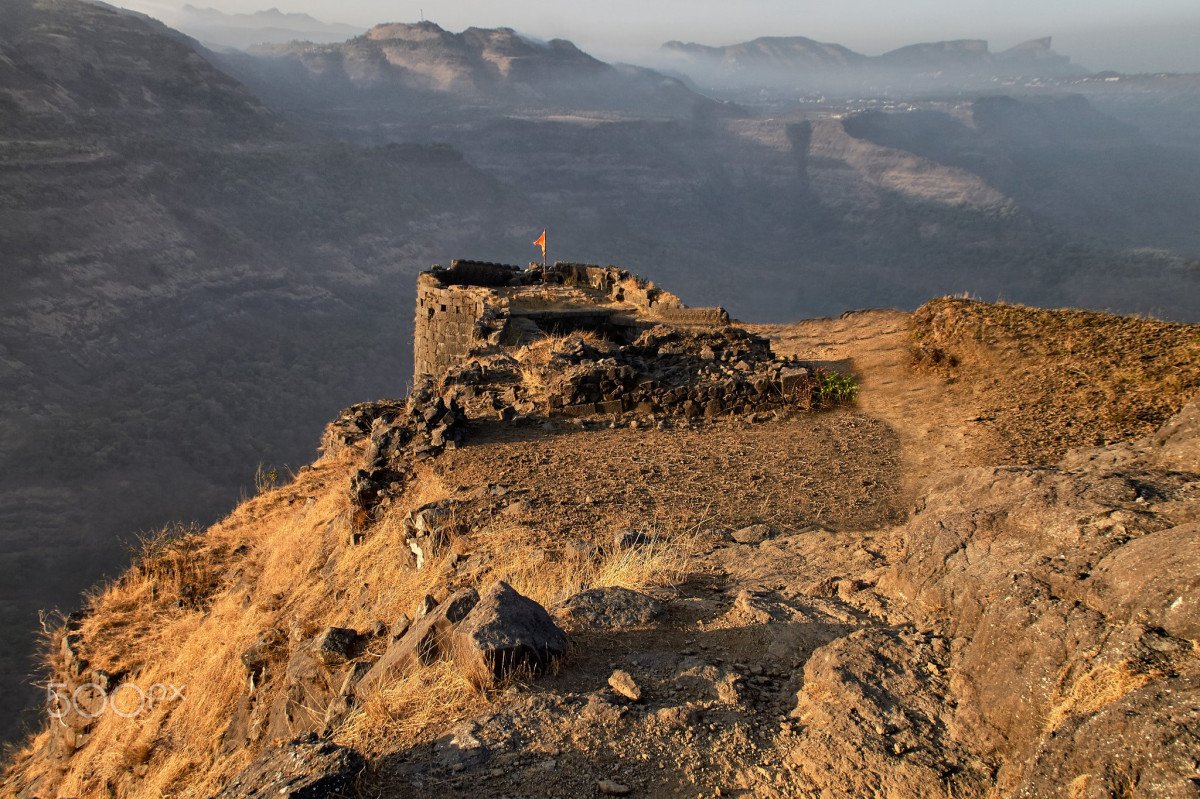
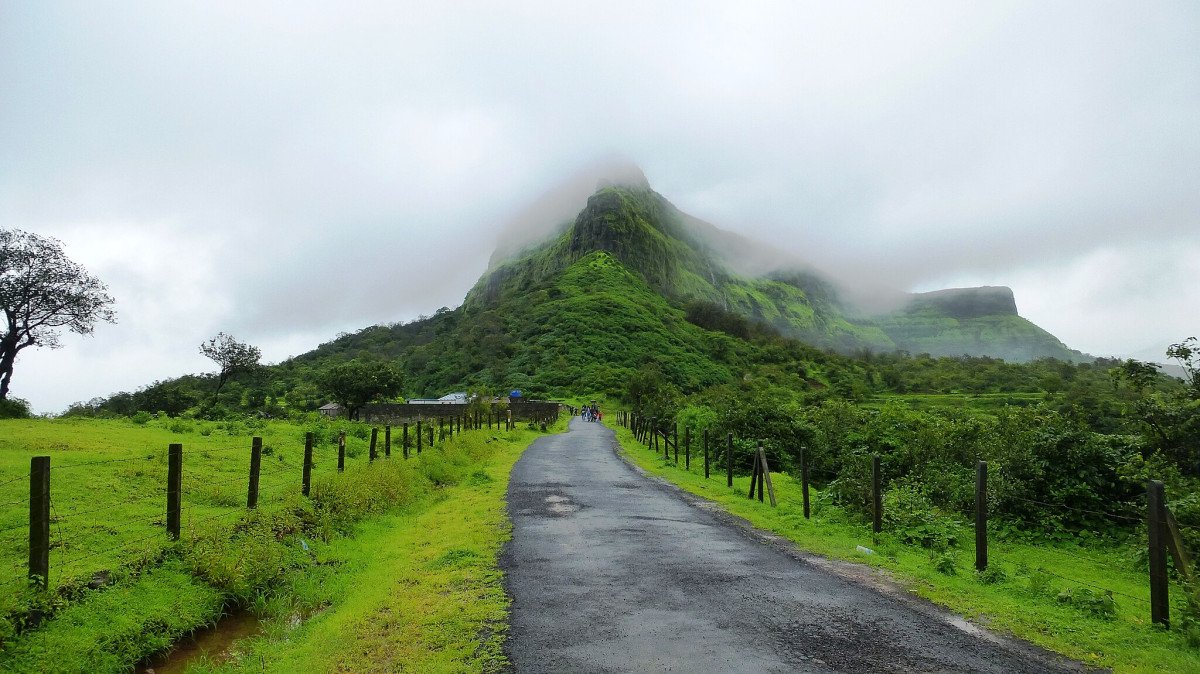
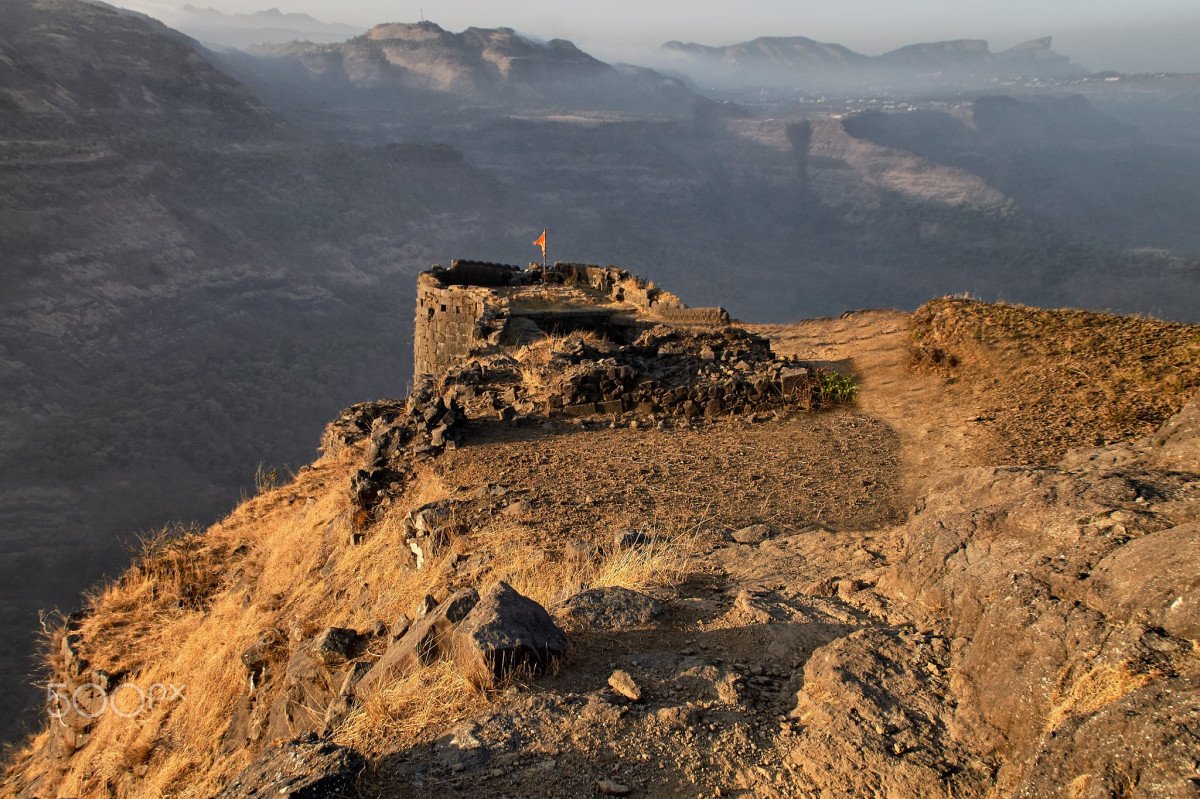
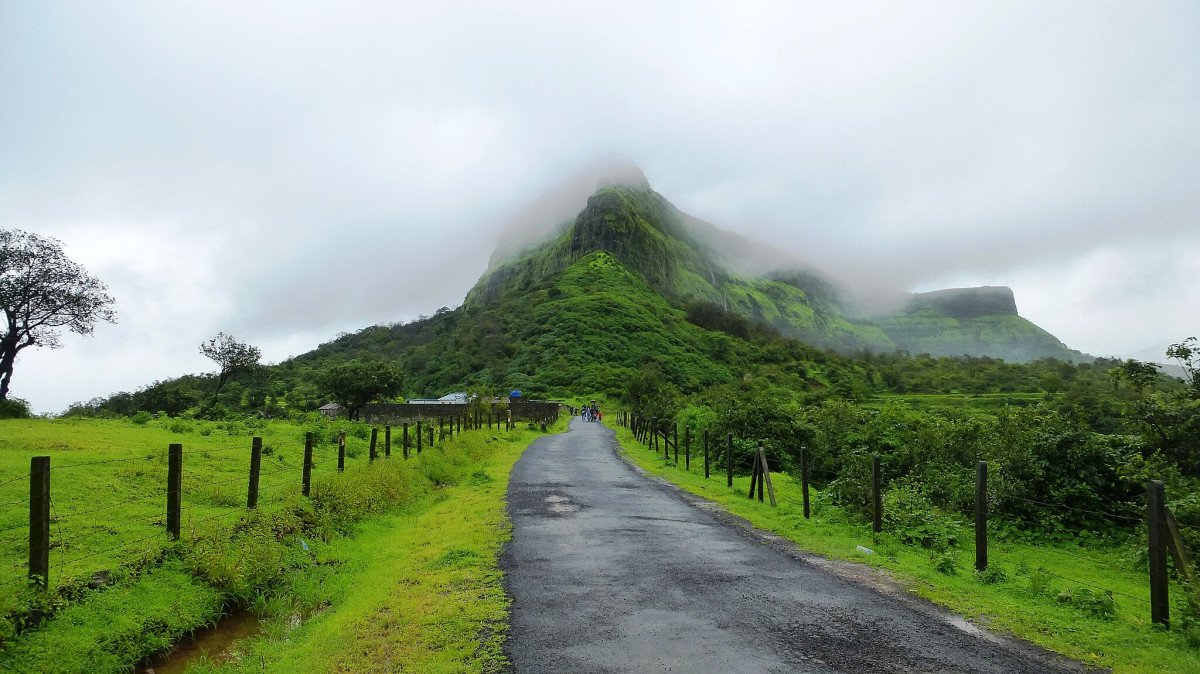
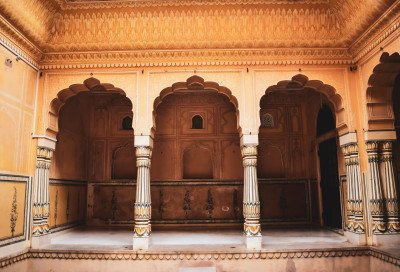 A Steep Historical Outpost: Tung Fort, also known as Kathingad (meaning 'Difficult Fort'), is a hill fort known for its incredibly steep, conical shape and challenging trek. Located at an elevation of about 3,500 feet (1,075 meters), it stands dramatically isolated, providing a natural watchtower over the scenic Pawna Lake and the surrounding valleys. The fort was originally built by the Adil Shahi dynasty in the 16th century but was later captured and strategically used by Chhatrapati Shivaji Maharaj's army. Its primary historical role was as a watchtower to protect the region, particularly the route leading to the Pawna region.The Challenging Trek: The climb to the summit of Tung Fort is not for the casual visitor; it is considered one of the more difficult treks in the Lonavala region, requiring about an hour to an hour and a half of steep, strenuous climbing from the base village. The final section of the climb involves navigating steep, narrow steps carved directly into the rock face, which can be treacherous during the monsoon season. This challenge is what attracts serious trekkers and adventure seekers.Panoramic Views and Isolation: Once at the top, the reward is an unmatched 360-degree view. You can clearly see the vast expanse of Pawna Lake, the nearby Lohagad and Visapur forts, and the deep, rolling Sahyadri hills. The small size of the fort's summit plateau adds to the feeling of isolation and achievement. The ruins on the top include a small temple, some ramparts, and ancient water cisterns, which offer a quiet place for visitors to rest and appreciate the history. It remains a wild, rugged, and historically rich spot that perfectly captures the spirit of Maharashtrian hill forts.
Information
-
Why Famous:
Waterfall Hub: It is famous for Bhushi Dam, where water flows over stone steps during the monsoon. Thousands of tourists gather here to enjoy the cascading water.
Ancient Caves: The Karla Caves house the largest rock-cut Buddhist prayer hal...Waterfall Hub: It is famous for Bhushi Dam, where water flows over stone steps during the monsoon. Thousands of tourists gather here to enjoy the cascading water.
Ancient Caves: The Karla Caves house the largest rock-cut Buddhist prayer hall in India. They are a significant landmark for history and architecture enthusiasts. -
Architecture:
Rock-cut Caves: The Karla Caves feature a massive Chaitya hall with a high arched roof. The stone pillars are decorated with carvings of elephants and human figures.
Fort Architecture: Lohagad Fort is built with massive stone walls and four...Rock-cut Caves: The Karla Caves feature a massive Chaitya hall with a high arched roof. The stone pillars are decorated with carvings of elephants and human figures.
Fort Architecture: Lohagad Fort is built with massive stone walls and four grand gates. The design is strategically defensive, utilizing the natural cliffs of the hill. -
How To Reach:
By Air: Mumbai Airport (90 Kms) and Pune Airport (70 Kms) are the nearest. Taxis and buses are readily available from both airports to the town.
By Train: Lonavala Railway Station is a major stop on the Mumbai-Pune line. Almost all express...By Air: Mumbai Airport (90 Kms) and Pune Airport (70 Kms) are the nearest. Taxis and buses are readily available from both airports to the town.
By Train: Lonavala Railway Station is a major stop on the Mumbai-Pune line. Almost all express and local trains stop here throughout the day.
By Road: The town is located on the Mumbai-Pune Expressway, providing a smooth drive. State transport buses and private volvos operate every few minutes.
By Local Transport: Auto-rickshaws and local taxis are the primary modes of transport. Walking is also a great way to explore the main market and nearby parks. -
Weather and Best Time to Visit:
Monsoon Season: June to September is the absolute best time for greenery and waterfalls. It is when the town truly transforms into a paradise on earth.
Winter Season: October to February offers cool and pleasant weather for trekking. The c...Monsoon Season: June to September is the absolute best time for greenery and waterfalls. It is when the town truly transforms into a paradise on earth.
Winter Season: October to February offers cool and pleasant weather for trekking. The clear skies provide the best visibility for valley views and photography.
Parts of Day: Dawn is magical with mist rising from the valleys and cool breezes. Evenings are perfect for enjoying the local food and market atmosphere. -
Near Tourist Places:
Khandala (5 Kms), Karla Caves (11 Kms), Bhaja Caves (12 Kms), Lohagad Fort (15 Kms), Visapur Fort (16 Kms), Bhushi Dam (4 Kms), Tiger Point (7 Kms), Pawna Lake (15 Kms), Della Adventure (4 Kms), Imagicaa (25 Kms).
Tourism Tips
-
Health & Safety: Be careful near waterfalls and dams as the rocks can be very slippery. Always follow the safety instructions during trekking and adventure sports.
Packing: Carry an umbrella or raincoat if you are visiting during the monsoo...Health & Safety: Be careful near waterfalls and dams as the rocks can be very slippery. Always follow the safety instructions during trekking and adventure sports.
Packing: Carry an umbrella or raincoat if you are visiting during the monsoon. Comfortable shoes with a good grip are a must for exploring the hills.
Accommodation: Lonavala offers thousands of options from homestays to 5-star hotels. It is better to stay away from the main market for a peaceful vibe.
Travel Tips: Try the local Vada Pav and Corn Pakoda which are very popular here. Avoid visiting Bhushi Dam on weekends due to extreme crowds.
Reviews
FAQs
Lonavala Itineray And Cost:-
Other Places In Maharashtra :-
Other States In India :-
Information about New and Updated Locations() of Maharashtra Has Been Added :-
Card subtitle
Note:-
Information provided here in good Faith and for reference only.
Near Places
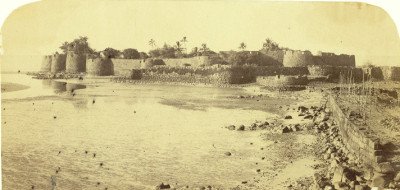
Alibaug
Some quick example text to build on the card title and make up the bulk of the card's content.
Go somewhere
Amravati
Some quick example text to build on the card title and make up the bulk of the card's content.
Go somewhere
Aurangabad
Some quick example text to build on the card title and make up the bulk of the card's content.
Go somewhere
Bhandardara
Some quick example text to build on the card title and make up the bulk of the card's content.
Go somewhere
Diveagar
Some quick example text to build on the card title and make up the bulk of the card's content.
Go somewhere
Ganpatipule
Some quick example text to build on the card title and make up the bulk of the card's content.
Go somewhere
Karjat
Some quick example text to build on the card title and make up the bulk of the card's content.
Go somewhere
Khandala
Some quick example text to build on the card title and make up the bulk of the card's content.
Go somewhere
Kolad
Some quick example text to build on the card title and make up the bulk of the card's content.
Go somewhere
Kolhapur
Some quick example text to build on the card title and make up the bulk of the card's content.
Go somewhere
Lavasa
Some quick example text to build on the card title and make up the bulk of the card's content.
Go somewhere
Lonavala
Some quick example text to build on the card title and make up the bulk of the card's content.
Go somewhere
Mahabaleshwar
Some quick example text to build on the card title and make up the bulk of the card's content.
Go somewhere
Matheran
Some quick example text to build on the card title and make up the bulk of the card's content.
Go somewhere
Mumbai
Some quick example text to build on the card title and make up the bulk of the card's content.
Go somewhere
Nagpur
Some quick example text to build on the card title and make up the bulk of the card's content.
Go somewherein Other Cities