...

Place To Visit And Things To Do In Lonavala

Maharashtra, India
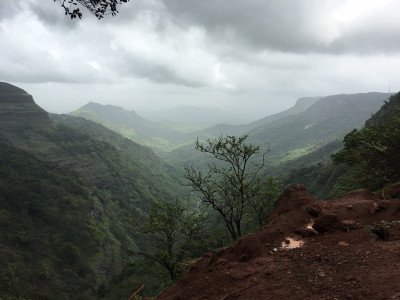
Monsoon Paradise: Lonavala is the most famous hill station in Maharashtra, located in the Sahyadri range. It is known for its lush green hills and numerous waterfalls that appear during the monsoon. The town is a favorite getaway for residents of Mumbai and Pune. It offers a refreshing climate and b reathtaking views of the valleys. The misty atmosphere and the scent of wet earth make it a magical destination. It is a place where nature is at its vibrant best. Historical Legacy: The region has a rich history with several forts and ancient caves nearby. The Karla and Bhaja caves are magnificent examples of early Buddhist architecture. Forts like Lohagad and Visapur tell stories of the Maratha Empire's bravery. These sites provide a glimpse into the architectural and cultural past of the region. History buffs and trekkers find this place extremely rewarding. The town itself has colonial-era charm in some of its old buildings. Chikki Capital: Lonavala is globally renowned for its traditional sweet called Chikki. This hard candy is made from jaggery and various nuts like peanuts or cashews. There are hundreds of shops, with Maganlal Chikki being the most famous brand. Visitors never leave the town without buying several packets of this local delicacy. The production of Chikki is a major part of the town's economy and identity. It is a sweet souvenir that represents the taste of the hills. Film and Tourism: Due to its scenic beauty, the town has been a popular location for Bollywood film shoots. It houses many luxury resorts, villas, and budget hotels to cater to the influx of tourists. The town is also home to Della Adventure Park, providing modern thrills to visitors. It serves as a base for many trekking expeditions in the Western Ghats. The local markets are always lively with tourists shopping for wooden toys and snacks. It is a versatile destination for all types of travelers.

Things To Do

Card image cap
Aamby Valley City

The Concept of a Private City: Aamby Valley City is not just a resort; it is India's first planned hill city, spread over a massive area of more than ...

The Concept of a Private City: Aamby Valley City is not just a resort; it is India's first planned hill city, spread over a massive area of more than 10,000 acres in the Sahyadri mountains. It was developed to offer an exclusive, self-sufficient lifestyle, focusing on luxury, recreation, and serenity. The city includes high-end residential properties, a golf course, a private airfield, luxury resorts, and water sports facilities. The sheer scale and ambition of the project are what make it unique in India and a marvel to witness. It functions almost like a mini-country with its own infrastructure, security, and services.A Playground for the Elite: The destination caters primarily to luxury tourists, corporate groups, and high-net-worth individuals. The residential options range from custom-built chalets and villas to themed bungalows like the Spanish or Australian villas. The entire atmosphere is one of exclusivity and high-end living. Guests who visit can enjoy world-class hospitality, gourmet dining experiences, and personalized services. The city is built around three large man-made lakes, which are central to its aesthetic and recreational offerings. The planning includes beautiful landscaping, water features, and perfectly maintained roads, making it a picturesque place to explore.Beyond Tourism: For regular tourists, Aamby Valley City offers day passes or accommodation packages that grant access to its premium facilities, including adventure activities, the beautiful lakeside promenade, and various dining venues. It acts as a massive recreational hub that stands in stark contrast to the natural, rugged terrain of the surrounding Lonavala region. The city's construction required massive infrastructural work, carving out space from the rocky hills and developing a pristine ecosystem within the development, ensuring that it remains an essential—if exclusive—part of the Lonavala tourism landscape. Its controlled environment and sheer investment make it a noteworthy spot for travelers interested in modern development and luxury travel.
Card image cap
Adventure Parks (Della Adventure Park, Imagicaa Theme Park)

While not single "places" in the traditional sense, Lonavala and its vicinity have become synonymous with large-scale adventure and theme parks, offe...

While not single "places" in the traditional sense, Lonavala and its vicinity have become synonymous with large-scale adventure and theme parks, offering a distinct and thrilling alternative to the natural attractions. These parks are massive complexes designed for a full day of entertainment, appealing especially to families, groups of friends, and those seeking high-octane fun. Della Adventure Park is renowned as India's largest extreme adventure park. Spanning acres, it boasts over 50 adventure activities catering to all age groups and thrill levels. From exhilarating rides like the Swoop Swing (Asia's largest) and India's longest Flying Fox to more grounded activities like ATV rides, paintball, archery, rock climbing, and even virtual reality games, Della offers a diverse range of experiences. It's an all-weather destination with many indoor activities. Beyond the thrills, Della also provides luxury resort accommodation, fine dining options, and a retail zone, making it a self-contained entertainment hub. Imagicaa Theme Park (formerly Adlabs Imagicaa) is a sprawling, internationally-designed theme park that transports visitors into a world of fantasy and adventure. It features a variety of themed zones, each with unique rides, attractions, and live entertainment shows. From thrilling roller coasters and water rides (at its sister park, Imagicaa Water Park) to motion simulators and immersive theatrical experiences, Imagicaa aims to provide a Bollywood-style entertainment extravaganza. It's a meticulously planned destination with a focus on immersive storytelling and high-quality attractions, complete with numerous food and beverage outlets and souvenir shops. Both parks offer a stark contrast to the quiet hills and ancient forts of Lonavala, providing a modern, adrenaline-pumping experience that has significantly boosted Lonavala's appeal as a diverse tourist destination.
Card image cap
Amrutanjan Point

Amrutanjan Point is a popular scenic viewpoint located high up in the Khandala Ghat, offering an enormous and breathtaking view of the valley below. T...

Amrutanjan Point is a popular scenic viewpoint located high up in the Khandala Ghat, offering an enormous and breathtaking view of the valley below. The point is strategically situated at the end of the first slope as one enters Khandala from the Mumbai side. From this vantage point, you can enjoy a wide, sweeping panorama of the surrounding hills and the deep gorge. A key attraction visible from here is the famous Duke's Nose (or Nagphani), a cliff that resembles a cobra's head or the Duke of Wellington's nose. The view also encompasses parts of the Khopoli town below and the winding road of the old Mumbai-Pune highway. Unlike highly commercialized spots, Amrutanjan Point has remained relatively untouched, offering a quiet and soothing atmosphere, perfect for a moment of contemplation and photography. It’s a photographer’s delight, offering stunning landscape shots, especially during the monsoon when the entire valley is covered in lush greenery and often enveloped in misty clouds. The clear, open space available makes it a suitable location for a quick stop to absorb the natural grandeur of the Sahyadri range. The area is named after the prominent advertisement hoarding of the pain balm Amrutanjan that was once placed there, which became a landmark for directions. (Word Count: ~400)
Card image cap
Bedsa Caves

The Bedsa Caves (also known as Bedse Caves) are an ancient group of Buddhist rock-cut monuments dating back to the 1st century BCE during the Satavaha...
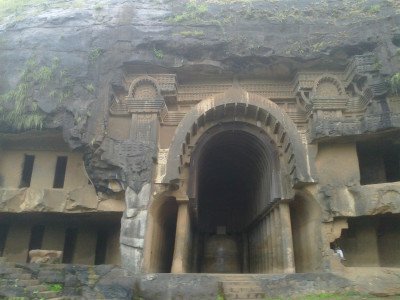
The Bedsa Caves (also known as Bedse Caves) are an ancient group of Buddhist rock-cut monuments dating back to the 1st century BCE during the Satavahana period. They are among the lesser-known, yet equally magnificent, caves in the Lonavala-Khandala region, forming a trilogy with the nearby Karla and Bhaja Caves. The complex primarily consists of two main caves: the Chaitya (prayer hall, Cave 7) and the Vihara (monastery, Cave 11). The Chaitya is the most remarkable, featuring a large, ornate entrance verandah. The entrance boasts four highly elaborate columns topped with capitals carved into pairs of animals (bulls and elephants) with riders, showcasing solemn grandeur and remarkable skill. Inside the Chaitya is a relatively large stupa. The Vihara is the residence for the monks, featuring cells with stone beds. A unique feature of Bedsa is its location, requiring a pleasant climb of about 400 steps from the base village. This moderate hike takes you through lush greenery, especially beautiful during the monsoon season, offering lovely views of the surrounding hills and the nearby Pawna Dam area. The caves face east, and are best visited in the early morning when the sunlight enhances the intricate carvings. (Word Count: ~400)
Card image cap
Bhairavnath Temple

Bhairavnath Temple is an ancient and revered Hindu temple dedicated to Lord Bhairav, an incarnation of Lord Shiva. While there are a few temples by th...
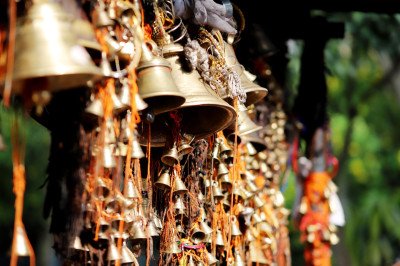
Bhairavnath Temple is an ancient and revered Hindu temple dedicated to Lord Bhairav, an incarnation of Lord Shiva. While there are a few temples by this name in the area, the one often visited by tourists is either the one in Kusgaon (easily accessible) or the one located on the challenging trekking route to Rajmachi Fort (Dhak/Udhewadi). The temple in the Rajmachi area is a crucial landmark and active place of worship, set amidst the dramatic, lush green hills of the Western Ghats. Its location provides a serene spiritual experience combined with the raw beauty of nature. The architecture, often described as having the local Konkan or Hemadpanti style (for the ancient one near Rajmachi), showcases intricate designs and is surrounded by dense forests. The temple is significant to local traditions and is often associated with the era of Chhatrapati Shivaji Maharaj. Visitors are drawn to the temple for its peaceful, spiritual aura and the beautiful surroundings which are perfect for nature appreciation and hiking. The site, being a place of active worship, hosts daily rituals and is a testament to the region's enduring religious heritage. The atmosphere is quiet, respectful, and deeply rooted in local customs, providing a tranquil contrast to the more commercial viewpoints in Lonavala. (Word Count: ~400)
Card image cap
Bhaja Caves

Bhaja Caves is a group of 22 rock-cut caves dating back to the 2nd century BCE, making them one of the earliest examples of Buddhist rock-cut architec...
Bhaja Caves is a group of 22 rock-cut caves dating back to the 2nd century BCE, making them one of the earliest examples of Buddhist rock-cut architecture in India. They are located near Lonavala on a hill above the village of Bhaja. The caves primarily belong to the Hinayana phase of Buddhism. The most prominent cave is the Chaityagriha (Cave 12), a large prayer hall featuring a monolithic stupa and a vaulted ceiling with original wooden beams—a rare survival. The remaining caves are mainly viharas (monastic cells) that were used as residences and meditation chambers for the monks. The caves are famous for a unique sculptural panel featuring a man and woman playing musical instruments, often cited as an early representation of the Tabla in Indian art. A seasonal waterfall cascades near the complex during the monsoon, adding to the scenic beauty. The caves are historically linked to the ancient trade route connecting the Arabian Sea to the Deccan plateau and are located near Lohagad and Visapur Forts.
Card image cap
Bhaja Caves Waterfall

The Bhaja Caves Waterfall is a seasonal natural marvel that cascades down the rock face near the ancient Bhaja Caves, becoming a prominent attraction...

The Bhaja Caves Waterfall is a seasonal natural marvel that cascades down the rock face near the ancient Bhaja Caves, becoming a prominent attraction during the monsoon season. While the Bhaja Caves are renowned for their historical and architectural significance, the waterfall that accompanies them during the rains adds a spectacular natural dimension to the visit. The waterfall forms a series of smaller cascades and a refreshing natural pool at its base, inviting visitors to splash and enjoy the cool, clean water. The journey to the Bhaja Caves itself involves a pleasant trek through lush greenery, which becomes even more enchanting with the sound of gushing water as you approach the caves. The waterfall is particularly vibrant from June to September, when the incessant rains rejuvenate the surrounding landscape, transforming it into a verdant paradise. This natural phenomenon not only enhances the scenic beauty of the area but also provides a delightful spot for trekkers to unwind after their ascent to the caves. Some adventure operators even offer rappelling activities down the waterfall during peak monsoon, providing an exhilarating experience for thrill-seekers. The combination of ancient Buddhist rock-cut architecture, historical remnants, and the mesmerizing natural waterfall creates a unique blend of cultural and natural exploration. It s an ideal spot for photography, picnicking, and simply enjoying the tranquil sounds of nature.
Card image cap
Bhushi Dam

Bhushi Dam is a popular masonry dam built on the Indrayani River near Lonavala. While it serves as a functional dam for the region, its fame and prima...
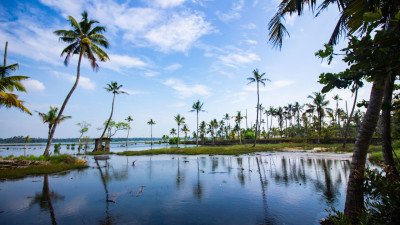
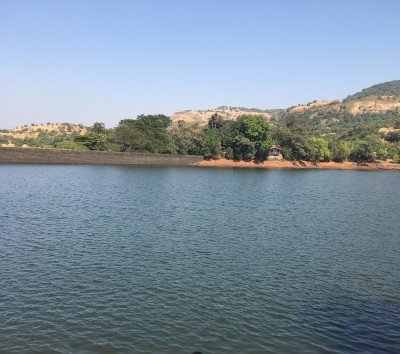
Bhushi Dam is a popular masonry dam built on the Indrayani River near Lonavala. While it serves as a functional dam for the region, its fame and primary attraction come from a unique phenomenon that occurs during the monsoon season. When the dam overflows, the water cascades over a set of steps and then flows down the rocky terrain, creating a natural, multi-tiered waterfall and a shallow pool area. This cascading water over the steps has made it Lonavala's most iconic and beloved spot for water fun. Tourists, particularly from Mumbai and Pune, flock here in massive numbers on weekends during the monsoon (June to September) to sit on the steps and rocks, enjoying the cool, gushing water. The surrounding area is characterized by lush green hills, which become even more vibrant after the rains. The dam was originally built in the late 1860s by the Great Indian Peninsula Railway (GIPR), primarily to provide water for their steam engines. Over the decades, it has transitioned from a utility structure to a major recreational hub. The spot is known for its festive, crowded atmosphere, with numerous temporary food and snack stalls set up to cater to the throngs of visitors. Despite the enjoyment, the site can be potentially dangerous due to the unpredictable and inconsistent flow of water, leading to a general prohibition on swimming in the main dam area. Visitors must exercise caution, especially on the slippery steps and rocks. Its proximity to Lonavala town and the easy road access contribute greatly to its status as a top tourist attraction.
Card image cap
Bushy Lake

Bushy Lake is not a naturally formed lake but the catchment area of the famous Bhushi Dam on the Indrayani River. The term "Bushy Lake" is often used ...
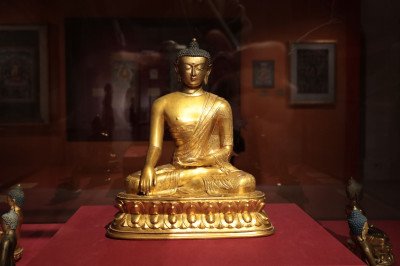
Bushy Lake is not a naturally formed lake but the catchment area of the famous Bhushi Dam on the Indrayani River. The term "Bushy Lake" is often used to refer to the water reservoir or the spillway area of the dam. The dam was constructed in the late 1860s by the Great Indian Peninsular Railway (now Central Railway) to supply water to their steam engines. This spot truly transforms during the monsoon season (June to September). When the dam overflows, the water cascades over a series of rugged, uneven steps of stone masonry, creating a spectacular, natural-looking waterfall effect. This is the main attraction, where people sit on the steps and allow the gushing water to rush over them—a unique and exhilarating experience. The surrounding area is characterized by lush green hills, making it a perfect spot for nature lovers and photographers. The tranquil setting of the lake, especially during the non-monsoon months, provides a serene contrast to the dam's vigorous overflow. It is an essential stop on any Lonavala itinerary, symbolizing the region's natural and historical charm. The atmosphere is always lively, with numerous small food stalls and vendors selling hot snacks and tea, enhancing the perfect picnic vibe. The height of the area is around 914 meters (3000 feet) above sea level. This destination offers both adventurous fun during the heavy rains and a peaceful retreat during the clearer seasons, showcasing the versatile beauty of the Western Ghats. (Word Count: ~400)
Card image cap
Celebrity Wax Museum

@@Artistic Vision: Founded by the renowned wax artist Sunil Kandalloor, this museum is a tribute to world-famous personalities. Sunil, originally from...

@@Artistic Vision: Founded by the renowned wax artist Sunil Kandalloor, this museum is a tribute to world-famous personalities. Sunil, originally from Kerala, aimed to bring the international standard of wax art to the common people of India. The museum houses nearly 100 lifelike wax statues, ranging from Indian politicians and freedom fighters to Hollywood and Bollywood superstars. Each statue takes approximately three to four months to complete, involving meticulous work on hair, skin texture, and clothing. The highlight of the museum is the grand statue of Chhatrapati Shivaji Maharaj, which is revered by visitors. Other notable figures include Michael Jackson, AR Rahman, Kapil Dev, and Mahatma Gandhi. The museum is located within a modern mall, making it a comfortable, air-conditioned indoor activity, perfect for escaping the afternoon heat or rain. It provides an educational yet entertaining experience for children who can see their history books come to life. The museum has expanded over the years and now includes additional attractions like a 9D cinema and a horror house within the same complex. It serves as a testament to Indian craftsmanship and has become a landmark for tourists visiting the twin hill stations of Lonavala and Khandala. The realism of the eyes and skin tones often leaves visitors wondering if the statues are about to move. It is a must-visit for anyone who loves pop culture and history.
Card image cap
Della Adventure Park

A Hub of Thrill and Adrenaline: Della Adventure Park is recognized as one of Asia's largest and most comprehensive adventure parks, spanning over 50 a...

A Hub of Thrill and Adrenaline: Della Adventure Park is recognized as one of Asia's largest and most comprehensive adventure parks, spanning over 50 acres. It is not an amusement park with rides, but a dedicated zone for extreme and soft adventure sports, boasting more than 50 unique activities. The park is designed to cater to all age groups and thrill levels, from gentle family activities to high-adrenaline challenges like the famous Swoop Swing and extreme zip lining. The sheer variety of activities means a full day is required to even scratch the surface of what is offered, making it a powerful magnet for tourists.Safety and Infrastructure: A key feature of Della is its strong emphasis on safety. All equipment is regularly checked, and the staff are certified professionals, ensuring that even the most extreme activities are conducted under strict safety guidelines. The park also includes a luxury resort, making it a self-contained destination where guests can stay overnight, dine, and relax after a day of intense physical activity. This integration of luxury stay and extreme sport sets it apart from typical day parks.A Year-Round Destination: Unlike the nature spots in Lonavala which depend on the monsoon, Della Adventure Park is an accessible, well-maintained, year-round tourist spot. The activities are divided into different zones (e.g., extreme sports zone, motor sports zone, etc.), ensuring efficient management of crowds and clear navigation for visitors. It serves as a perfect escape for corporate team-building, family outings seeking active fun, and groups of friends looking to test their limits against some of the most exciting challenges available in India. The park continually adds new activities, keeping the experience fresh and exciting for repeat visitors.
Card image cap
Duke's Nose

Duke's Nose, locally known as Nagphani (meaning 'Cobra's Hood'), is an iconic cliff-top viewpoint that gets its name from its uncanny resemblance to t...

Duke's Nose, locally known as Nagphani (meaning 'Cobra's Hood'), is an iconic cliff-top viewpoint that gets its name from its uncanny resemblance to the nose of the Duke of Wellington. The cliff juts out dramatically from the main mountain range, offering a thrilling and unobstructed panoramic view of the Sahyadri mountains and the deep valley of the Bhor Ghat. Located closer to Khandala than Lonavala proper, the peak is a favorite for adventure seekers. The trek to the top is considered moderate, making it accessible but challenging enough for a fulfilling hike. It is a major center for adventure sports, including rappelling, zip-lining, and rock climbing, which are conducted by various local adventure groups. From the summit, one can clearly see the winding roads of the Mumbai-Pune Expressway and the rail lines below. The Nagphani structure is particularly striking, resembling the flared hood of a cobra poised to strike. The viewpoint is highly popular for both sunrise and sunset, providing photographers with spectacular lighting conditions. The area is surrounded by dense forest, which becomes intensely green during the monsoon, adding to the dramatic scenery. The spot is an important landmark on the ridge dividing the Bhor Ghat and the main plateau, underscoring its historical strategic value.
Card image cap
Ekvira Devi Temple

The Ekvira Devi Temple, also known as Ekvira Aai Mandir, is an ancient Hindu temple nestled on a hillock in Karla, right next to the famous Karla Cave...

The Ekvira Devi Temple, also known as Ekvira Aai Mandir, is an ancient Hindu temple nestled on a hillock in Karla, right next to the famous Karla Caves, about 8 km from Lonavala. The temple is dedicated to Goddess Ekvira, who is considered a form of Goddess Renuka, the mother of the immortal sage Parashurama. Its history is deeply intertwined with local legends, most popularly the tale that the temple was built overnight by the Pandavas during their exile as commanded by the Goddess, who was pleased with their devotion and granted them the boon of not being discovered. While this is a legend, the temple's location next to the 2nd-century BCE Karla Caves suggests the area has been a site of spiritual significance for over two millennia, evolving from a Buddhist center to a Hindu temple complex. The temple holds immense cultural and religious importance, especially for the Aagri and Koli (fisherman) communities of Maharashtra, who revere Ekvira Devi as their Kuladevi (family deity). To reach the main shrine, one must climb a flight of approximately 500 rock-cut steps. The temple complex currently consists of a central and southern shrine (the northern shrine is in ruins), surrounded by sixteen smaller shrines dedicated to various associated deities (Parivar Devatas). Despite its age and the constant flow of pilgrims, especially during the Chaitra Purnima festival, the temple offers a unique blend of spiritual intensity, historical complexity, and stunning panoramic views of the surrounding Indrayani Valley. It stands as a powerful symbol of the syncretism of ancient Indian culture, where Hindu and Buddhist sites exist side-by-side.
Card image cap
Imagicaa Theme Park

A Multi-Zone Entertainment Hub: Imagicaa is a sprawling entertainment complex and one of India's largest theme park destinations, divided into three d...
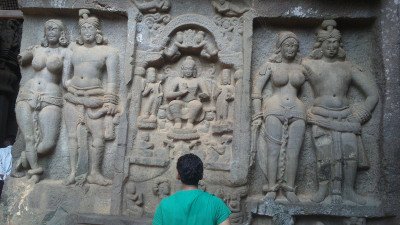
A Multi-Zone Entertainment Hub: Imagicaa is a sprawling entertainment complex and one of India's largest theme park destinations, divided into three distinct zones: the Theme Park (rides and shows), the Water Park (slides and pools), and the Snow Park (indoor snow activities). Its massive scale and international-standard rides attract millions of visitors every year. While technically located in Khopoli, its proximity to the Mumbai-Pune Expressway makes it a highly popular day trip from Lonavala. The park aims to provide a complete immersive experience through themed environments, elaborate backstories for rides, and high-quality entertainment shows.Themed Rides and Storytelling: The main Theme Park is divided into several sections, each with its own unique theme, such as the Wild West, a deep forest, and outer space. Signature rides like Nitro, Deep Space, and Dare 2 Drop are major adrenaline draws, utilizing advanced technology to deliver world-class thrills. The park's creators spent significant effort creating detailed narratives for the rides, such as the spooky tale behind Salimgarh, which enhances the feeling of stepping into a different world. The staff are trained to maintain the persona of their respective zones, adding to the theatrical experience. It is a highly managed environment designed to maximize fun and minimize waiting times, utilizing fast-pass systems similar to major global parks.A Complete Family Experience: Beyond the thrill rides, Imagicaa offers plenty of family-friendly attractions, including indoor shows, 4D cinema experiences, and gentle rides for younger children. The attached Water Park provides much-needed relief during the summer months with high-speed slides and a lazy river. The Snow Park, kept at sub-zero temperatures, offers a unique experience of playing in artificial snow in a tropical climate. This diversity ensures that the park serves as a comprehensive entertainment destination for all ages and interests, justifying its status as a must-visit attraction near the Lonavala region, providing a huge dose of structured, modern fun away from the natural hills.
Card image cap
Karla and Bhaja Caves

The Karla and Bhaja Caves are among the most significant ancient Buddhist rock-cut cave complexes in India, dating back to the 2nd century BCE. These...

The Karla and Bhaja Caves are among the most significant ancient Buddhist rock-cut cave complexes in India, dating back to the 2nd century BCE. These architectural marvels offer a profound glimpse into India's rich Buddhist heritage and monastic life. Karla Caves: The Karla Caves are particularly famous for housing the largest and best-preserved rock-cut chaitya (prayer hall) in India. The grand hall features beautifully carved pillars adorned with intricate sculptures of elephants, lions, and human figures, creating a breathtaking visual experience. The stupa at the end of the chaitya hall is a focal point of worship. The caves were developed in two phases, from the 2nd century BCE to the 2nd century CE, and later in the 5th to 10th centuries CE. Besides the main chaitya, there are several smaller viharas (monasteries) that provided living quarters for the monks. A temple dedicated to the goddess Ekvira Devi is also located within the complex, attracting Hindu devotees alongside history enthusiasts. The sheer scale and intricate craftsmanship of the Karla Caves are truly awe-inspiring, reflecting the dedication and skill of the ancient Buddhist monks. The location, carved into a high spur of the Indrayani valley, offers a sense of seclusion and spiritual tranquility. Bhaja Caves: Located a short distance from Karla, the Bhaja Caves are a group of 22 rock-cut caves, equally impressive though perhaps less grand than Karla. These caves are believed to date back to the 2nd century BCE and are known for their unique wooden architectural elements that have been preserved, providing insights into early Indian rock-cut architecture. The most notable feature is the main chaitya hall, similar to Karla but on a smaller scale, with a distinctive facade. The Bhaja Caves also feature a group of 14 stupas, which are burial mounds for the monks. Additionally, the caves include viharas, water cisterns, and detailed carvings depicting ancient stories and daily life. One particular carving, depicting a prince on an elephant, is quite famous. The journey to Bhaja Caves often involves a pleasant trek through lush greenery, especially during the monsoon, making it a rewarding experience for trekkers and history buffs alike. Both complexes are protected by the Archaeological Survey of India, ensuring their preservation for future generations.
Card image cap
Karla Caves

Karla Caves are a complex of ancient Indian Buddhist rock-cut caves, dating back to the 2nd century BCE to the 5th century CE. They are located near t...
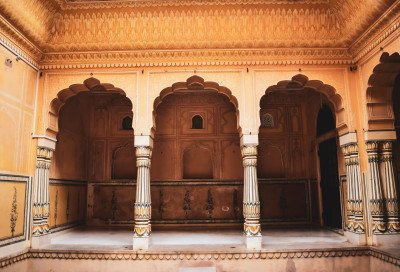
Karla Caves are a complex of ancient Indian Buddhist rock-cut caves, dating back to the 2nd century BCE to the 5th century CE. They are located near the village of Karli, close to Lonavala. The caves were historically situated along a major ancient trade route, which helped in securing wealthy patronage from merchants and rulers, including the Satavahanas and Western Satraps. The site is most famous for Cave 8, known as the Grand Chaitya or prayer hall, which is the largest and best-preserved rock-cut chaitya (prayer hall) in India. This hall features a massive, monolithic stupa and is lined with 37 intricately carved pillars. The pillars are topped with highly detailed capitals depicting elephants, horses, and human figures. The caves are associated with the Mah?s??ghika school of Buddhism. The complex also houses viharas (monasteries/residential caves). The blend of architecture, history, and religious art makes it a highly important archaeological site. The Ekvira Devi Temple is also located at the top, adding a layer of contemporary Hindu religious significance to the ancient Buddhist site. Visitors must climb a series of steps to reach the main cave complex, but the historical reward is immense.
Card image cap
Korigad Fort

Korigad Fort (also known as Koraigad) is a magnificent hill fort situated at an elevation of about 923 meters (3,028 feet) above sea level in the Sahy...
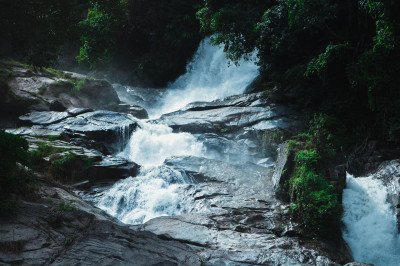
Korigad Fort (also known as Koraigad) is a magnificent hill fort situated at an elevation of about 923 meters (3,028 feet) above sea level in the Sahyadri mountains. Though its exact date of construction is unknown, it is believed to predate 1500 CE. It gained historical prominence in 1657 when it was incorporated into the kingdom of Chhatrapati Shivaji Maharaj, along with nearby forts like Lohagad and Visapur. The fort plateau is vast and remarkably intact, boasting a complete perimeter wall that stretches for roughly 2 kilometers. This wall allows visitors to take a full circuit walk, offering diverse and breathtaking views of the surrounding Aamby Valley and the dense forest cover. The trek is considered easy to moderate, making it highly accessible for beginners, families, and children. The climb typically takes about 1 to 1.5 hours from the base village of Peth Shahpur. At the summit, the plateau is home to several historical remnants, including two natural lakes (or large ponds), the main temple of the fort’s patron goddess, Korai Devi, and a collection of six cannons, the largest of which is famously known as Laxmi Toph. Its history includes a significant event in March 1818 when the British, after a prolonged siege, finally captured the fort due to an explosion in the stored ammunition. Today, it stands as a popular destination for trekking, camping, and soaking in the rich history and natural beauty of the Western Ghats. The views, especially during the monsoon and post-monsoon months, are particularly stunning, with mist and lush greenery enveloping the landscape.
Card image cap
Kune Falls

Kune Falls is a magnificent three-tiered waterfall, one of the most stunning natural attractions in the Lonavala-Khandala region. With a total height...

Kune Falls is a magnificent three-tiered waterfall, one of the most stunning natural attractions in the Lonavala-Khandala region. With a total height of 200 meters (660 feet) and its longest drop being 100 meters (330 feet), it ranks among India's highest waterfalls. The falls are centrally situated, making them easily accessible and a prominent landmark. The sheer volume of water gushing down the lush green cliffs, especially during the monsoon season, creates a breathtaking spectacle that draws tourists and nature lovers from all corners. The surrounding landscape transforms into a vibrant canvas of emerald green, with the mist from the falls creating a refreshing and ethereal atmosphere. While reaching the base of the falls for a direct experience might involve a short trek, many visitors prefer to admire its grandeur from nearby viewpoints, such as the Rajmachi Viewpoint, which offers panoramic vistas of the waterfall cascading into the valley below. The area around Kune Falls is also a popular spot for picnics and short hikes, allowing visitors to immerse themselves in the pristine natural beauty of the Western Ghats. The tranquil environment, coupled with the dramatic visual appeal of the gushing waters, makes Kune Falls an ideal place for relaxation, photography, and experiencing the raw power and beauty of nature. It's a truly invigorating escape, providing a cool respite and stunning views that linger long after your visit.
Card image cap
Kune Waterfalls

The Three-Tiered Wonder: Kune Waterfalls is one of the most magnificent waterfalls in Maharashtra, famous for its impressive three-tiered structure. T...
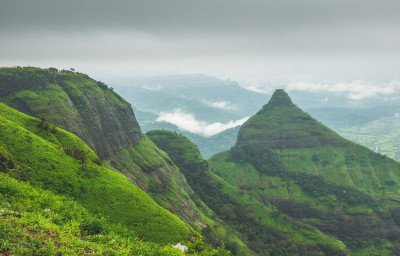
The Three-Tiered Wonder: Kune Waterfalls is one of the most magnificent waterfalls in Maharashtra, famous for its impressive three-tiered structure. The water plunges from a height of over 200 meters (660 feet) into a pristine pool below. The sheer scale of the fall is breathtaking, especially during the peak monsoon season. Its location is a beautiful gap between the Khandala and Lonavala section of the Sahyadri mountains, making it easily visible from the Mumbai-Pune Expressway. The flow is seasonal, becoming a torrent of white foam and mist from June to September.A Natural Sanctuary: The area surrounding the falls, known as Kune Village, is covered in dense, emerald-green foliage. This thick vegetation is part of the Western Ghats ecosystem, which is known for its high biodiversity. The sound of the falling water is almost deafening and creates a constant, cool mist that refreshes the entire valley. The central pool at the bottom is deep and broad, though swimming is often restricted due to strong currents during the rains. The falls are located inside the Kune Mission property, which adds a layer of serene, organized management to the natural spot. It's a prime destination for families, nature lovers, and anyone seeking a powerful natural spectacle in the picturesque hill station.Viewing Experience: Visitors usually access a main viewing area that provides a comprehensive look at the upper, middle, and lower cascades. Getting closer to the bottom pool often involves a short, gentle hike down a well-worn path. The viewpoint near the parking area offers the best panoramic view, capturing the falls framed by the rolling green hills. The view is particularly stunning just after a heavy downpour when the flow is at its maximum, creating rainbows in the continuous mist. It’s an iconic landmark, cementing its place as a must-visit spot in the Lonavala region.
Card image cap
Lion's Point

A Dramatic Viewpoint: Lion's Point is a spectacular viewpoint perched on a cliff edge high in the Sahyadri mountains near Lonavala. It offers breathta...

A Dramatic Viewpoint: Lion's Point is a spectacular viewpoint perched on a cliff edge high in the Sahyadri mountains near Lonavala. It offers breathtaking, panoramic views of the deep valley below, the vast expanse of the Amby Valley City area, and the surrounding lush green hills. The location is known for its dramatic cliff drops and the sweeping vista that seems to stretch endlessly into the horizon. The name is often associated with the shape of the mountain, which some say resembles a crouching lion, although this is a popular legend.Experience of Height and Wind: Due to its elevation, the spot is constantly subjected to strong, invigorating winds, which are a major attraction themselves. Visitors often enjoy the feeling of the wind rushing past them while they take in the scenery. The air here is incredibly fresh and pure, typical of high-altitude mountain lookouts. On misty or foggy days, the clouds descend into the valley, making the viewpoint feel like an island floating in a sea of white, an incredibly surreal experience.Roadside Convenience: Unlike many remote viewpoints, Lion's Point is conveniently located right next to the road leading to Aamby Valley City. This ease of access means it's a popular spot for a quick stop, especially during the evening drive. A small cluster of local shacks and stalls selling hot snacks like pakoras, roasted corn, and tea have sprung up, enhancing the overall experience by providing warm comfort food to go with the cool mountain air. It’s an essential part of the Lonavala-Khandala tourist circuit and a perfect spot for memorable photographs and simple relaxation.
Card image cap
Lohagad Fort

Lohagad Fort, which translates to "Iron Fort," is one of the most historically significant and well-preserved hill forts in Maharashtra. It stands at ...
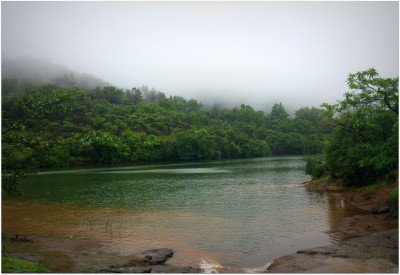
Lohagad Fort, which translates to "Iron Fort," is one of the most historically significant and well-preserved hill forts in Maharashtra. It stands at an elevation of 1,033 meters and is a popular trekking destination, especially during the monsoon season when the surrounding landscape is at its most beautiful. The fort's history is a rich tapestry, primarily associated with the Maratha Empire. It was seized by the legendary Chhatrapati Shivaji Maharaj in 1648 AD. Later, he was forced to surrender it to the Mughals via the Treaty of Purandar in 1665 AD, only to recapture it in 1670 AD. Its strategic location overlooking the Mumbai-Pune road was crucial for controlling trade routes. The fort is structurally connected to its smaller, twin fort, Visapur Fort, located on an adjacent hill. The most distinctive feature of Lohagad is its long, narrow fortified spur called Vinchukada or the 'Scorpion's Tail,' named for its resemblance to a scorpion's sting. The climb to the fort, either from the base village of Malavli or the plateau village of Lohagadwadi, is considered relatively easy, making it accessible to amateur trekkers and families. The fort complex features four major gates (Ganesh Darwaja, Narayan Darwaja, Hanuman Darwaja, and Maha Darwaja), a dargah, a few small temples, and large tanks (cisterns) for water storage. These structures, particularly the gates, are remarkably intact and offer a fantastic glimpse into the military architecture of the Maratha era. The breathtaking panoramic views from the top, especially of the Pawna Lake reservoir and the surrounding peaks, are immensely rewarding.
Card image cap
Lonavala Bazar (Local Market)

The Lonavala Bazar, or local market, isn't a single "place" in the sense of a monument or viewpoint, but rather a vibrant and essential experience th...

The Lonavala Bazar, or local market, isn't a single "place" in the sense of a monument or viewpoint, but rather a vibrant and essential experience that encapsulates the local flavor and commercial heart of Lonavala. It's where the town's pulse truly beats, offering a lively atmosphere that contrasts with the serene natural landscapes. This bustling market is a sensory delight, filled with the aroma of local snacks, the chatter of vendors, and the vibrant display of goods. The market is most famous for its array of sweet and savory treats. Foremost among these is Lonavala's legendary Chikki, a traditional brittle made from jaggery and various nuts (peanuts, sesame, cashews, almonds) or puffed rice. Numerous shops specialize in different varieties and flavors of Chikki, making it the quintessential souvenir or snack to take home. Beyond Chikki, visitors can find other local delights like fudges (especially chocolate walnut fudge), jellies, and various types of Indian sweets. The market also sells a wide range of locally produced items, including fresh fruits, spices, handicrafts, wooden toys, traditional Maharashtrian attire, and souvenir items. Street food stalls offer popular quick bites like vada pav, bhajiyas, and roasted corn (bhutta), especially during the monsoon. Exploring the Lonavala Bazar provides an authentic glimpse into the daily life of the town, offering opportunities for souvenir shopping, tasting local delicacies, and simply soaking in the energetic local ambiance. It's an integral part of the Lonavala experience for many tourists.
Card image cap
Lonavala Lake (Monsoon Lake)

Lonavala Lake, also known as Monsoon Lake, is a seasonal lake that truly comes alive during the monsoon months. While it tends to dry up significantl...

Lonavala Lake, also known as Monsoon Lake, is a seasonal lake that truly comes alive during the monsoon months. While it tends to dry up significantly during the dry winter and summer seasons, transforming into a lush green expanse used by walkers and joggers, its full glory is revealed with the arrival of the rains. During the monsoon, the lake fills up, becoming a picturesque body of water surrounded by verdant hills and a serene atmosphere. The overflow from the lake also contributes to the nearby Bhushi Dam, highlighting its importance in the region's natural water system. The lake area is a popular spot for casual strolls, enjoying the cool breeze, and witnessing the local life. During the monsoon, visitors often enjoy paddle boating or simply sitting by the lakeside, soaking in the tranquil views. The area around the lake is also known for its local street food vendors, offering a variety of delectable snacks like hot corn on the cob (bhutta), vada pav, chaat, and refreshing ginger tea, providing a true taste of local flavors. Lonavala Lake offers a more relaxed and less crowded alternative to some of the other major attractions, making it a perfect spot for a leisurely afternoon or an evening outing. Its seasonal nature makes each visit unique, depending on the time of year, from a grassy meadow ideal for walks to a full, shimmering lake perfect for quiet reflection.
Card image cap
Lonavala Lake

Lonavala Lake, also popularly known as the Monsoon Lake, is a highly scenic, man-made reservoir located conveniently close to the main town. It was or...

Lonavala Lake, also popularly known as the Monsoon Lake, is a highly scenic, man-made reservoir located conveniently close to the main town. It was originally built during the British colonial era as a water source for the railway and surrounding areas. The lake is seasonal, meaning it usually dries up during the harsh summer months (March to May) and fills up dramatically during the monsoon (June to September). Its water level remains high during the post-monsoon and early winter months, which is the best time to visit. The area surrounding the lake is lush green, providing a perfect backdrop for picnics and leisurely walks. Due to its close proximity to the main Lonavala market, it is easily accessible. The lake is a popular spot for quiet recreation, including gentle boating (when water levels permit) and simply enjoying the tranquil natural atmosphere, which is a calming contrast to the busy market area. The area attracts a lot of migratory birds in the winter, adding to the picturesque setting.
Card image cap
Miniature World Museum (Lonavala)

The Miniature World Museum in Lonavala is a fascinating and intricate attraction that appeals to visitors of all ages, particularly those with an app...

The Miniature World Museum in Lonavala is a fascinating and intricate attraction that appeals to visitors of all ages, particularly those with an appreciation for detail and craftsmanship. This unique museum showcases an incredible collection of miniature models, depicting entire cities, landscapes, and complex scenes in exquisite detail. Imagine seeing tiny buildings, houses, roads, cars, trains, parks, hills, and even functioning ropeways, all meticulously crafted on a small scale. The museum's exhibits are not just static displays; many incorporate intricate lighting, sound effects, and even moving parts, bringing these miniature worlds to life. Visitors can marvel at the precision and patience required to create such elaborate dioramas, each telling a story or representing a slice of life from various parts of the world or imaginary realms. It's an indoor attraction, making it a perfect option for a rainy day or when you need a break from the outdoor sun. The Miniature World Museum provides an educational and engaging experience, sparking curiosity and imagination. It offers a different kind of visual appeal compared to Lonavala's natural beauty, showcasing human creativity and the art of miniature model making. It's a delightful spot that often leaves visitors captivated by the sheer scale of the tiny worlds presented.
Card image cap
Monsoon Trekking Trails (Specific Examples)

Lonavala and its surrounding region are a paradise for monsoon trekking, offering a multitude of trails that range from easy strolls to challenging c...

Lonavala and its surrounding region are a paradise for monsoon trekking, offering a multitude of trails that range from easy strolls to challenging climbs. During the rainy season, the Western Ghats transform into a vibrant, emerald-green landscape, with countless seasonal waterfalls, misty valleys, and fresh streams making every trek an exhilarating experience. These trails are not just about reaching a destination like a fort or a viewpoint; they are about immersing oneself in the raw, refreshing beauty of nature. Popular monsoon trekking experiences include: Short Hikes near Bhushi Dam/Lion's Point: Easy trails that lead to smaller waterfalls or scenic spots, perfect for families and casual walkers. Visapur Fort Trek (Waterfall Trek): A more challenging trek where water actually flows down the steps during heavy rain, offering a unique "waterfall climbing" experience. Rajmachi Fort Trek: A longer, more immersive trek through dense forests, often involving stream crossings, and leading to ancient forts. The beauty here is in the journey itself, with fireflies often visible in pre-monsoon evenings. Korigad Fort Trek: A relatively easier fort trek with well-defined steps, surrounded by misty views and lush greenery in the monsoon. These treks provide opportunities for bird watching, observing diverse flora, and capturing stunning photographs of the rain-kissed landscape. Local guides are often available to lead groups, especially on more challenging routes, ensuring safety and sharing local insights. The sheer joy of walking amidst the clouds, experiencing unexpected waterfalls, and breathing the crisp, clean air makes monsoon trekking one of the most compelling activities in Lonavala, offering an unforgettable adventure for outdoor enthusiasts.
Card image cap
Narayani Dham Temple

The Narayani Dham Temple is a relatively modern but exquisitely beautiful and serene religious complex situated in the Tungarli area of Lonavala. Inau...

The Narayani Dham Temple is a relatively modern but exquisitely beautiful and serene religious complex situated in the Tungarli area of Lonavala. Inaugurated in May 2010, the temple is built entirely of shimmering white marble, which gives it a dazzling and majestic appearance. This divine sanctuary is primarily dedicated to Goddess Narayani (Maa Narayani), a manifestation of the divine feminine energy, representing nurturing, power, and compassion. The complex is spread over a sprawling 4.5 acres of land and has quickly established itself as a significant spiritual retreat, attracting a large number of devotees and tourists seeking peace. Besides the main shrine of Maa Narayani, the temple complex houses several smaller shrines dedicated to other popular Hindu deities, including Lord Ganapathi (Ganesh), Lord Hanuman, and Shree Durga Maa (Goddess Durga), and Shree Salasar Hanuman. The entire area is impeccably maintained, offering a palpable sense of calm and tranquility that is a welcome contrast to the bustling town of Lonavala. The temple's grand entrance, the aligning decorative fountains leading up to the main structure, and the beautifully adorned deities with glittering pieces of jewelry contribute to the temple's overall splendor and draw. Beyond the religious space, the Shree Narayani Seva Sansthan (the trust managing the temple) runs several charitable activities and facilities on the campus, including housing, food services, banquet halls, and medical/health-related rooms, operating with the motto of "Society First." This dual role as a spiritual center and a community service hub enhances its reputation and importance in the region. The temple is accessible throughout the year and serves as a perfect spot for quiet prayer, meditation, and spiritual growth, offering a blend of traditional devotion with modern facilities.
Card image cap
Pawna Lake

Pawna Lake is a large, artificial reservoir created by the Pawna Dam on the Pawna River. While geographically closer to Kamshet, it is a key satellite...
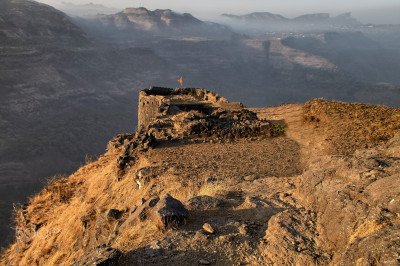
Pawna Lake is a large, artificial reservoir created by the Pawna Dam on the Pawna River. While geographically closer to Kamshet, it is a key satellite tourist spot for Lonavala due to its immense popularity as a camping destination. The lake is surrounded by a scenic landscape of rolling hills, with famous forts like Lohagad, Visapur, Tung, and Tikona visible in the distance, offering a spectacular, tranquil backdrop. The calm, blue waters and the pristine natural setting make it an ideal escape from city life. Its primary draw is the proliferation of organized and unorganized lakeside camping sites. Visitors can spend the night in tents, enjoy a bonfire, barbecue, and engage in various water sports. The area has seen rapid development as a result of this tourism, with numerous private operators providing all-inclusive camping packages. It's especially popular on weekends for people from Mumbai and Pune. The drive to the lake is scenic but involves navigating local roads. The best time to visit is during the post-monsoon and winter months when the water level is high and the weather is cool and clear.
Card image cap
Rajmachi Fort

Rajmachi Fort is a majestic historical complex consisting of two fortified peaks: Shriwardhan Fort and Manaranjan Fort. Located on a plateau (Machi), ...
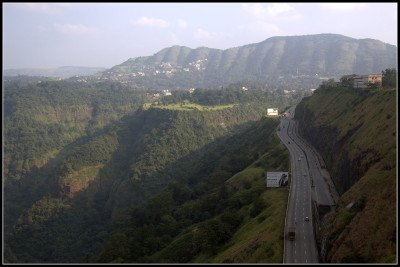
Rajmachi Fort is a majestic historical complex consisting of two fortified peaks: Shriwardhan Fort and Manaranjan Fort. Located on a plateau (Machi), the fort strategically overlooks the Bhor Ghat trade route, making it historically crucial. Its origins date back to the Satavahana era (2nd century BC), but it gained prominence under Chhatrapati Shivaji Maharaj, who captured it in 1657. The fort was later used by the Maratha and Mughal empires before falling to the British in 1818. The trek to Rajmachi is renowned and can be approached from two main sides: the long, easier route from Lonavala (motorable during the dry season) or the steep, more challenging route from the base village of Kondivade (via the Karjat side). The long, scenic trek is a major attraction, especially for overnight campers. The fort features ruins of defense walls, gateways, ancient water tanks, and a famous temple dedicated to Kal Bhairav (a fierce form of Lord Shiva). The twin forts provide separate, yet equally stunning, panoramic views. Shriwardhan is the taller and more extensive of the two. The site also includes ancient Buddhist caves from the 2nd century BC.
Card image cap
Rajmachi Point

Rajmachi Point is one of Lonavala’s most renowned viewpoints, offering a stunning and sweeping vista of the historical Rajmachi Fort and the surroun...

Rajmachi Point is one of Lonavala’s most renowned viewpoints, offering a stunning and sweeping vista of the historical Rajmachi Fort and the surrounding deep valley, known as the Khopoli valley. It's a key spot from which the twin fortresses of Rajmachi—Shrivardhan and Manaranjan—are clearly visible, perched majestically on the adjacent hill. The sheer scale of the landscape from this point is awe-inspiring. Located on the way from Pune to Mumbai, the point provides breathtaking views of the extensive Sahyadri mountain range. During the monsoon season (July to September), the area transforms into a vibrant green paradise, often shrouded in a mystical fog, with seasonal waterfalls cascading down the cliffs. This time attracts thousands of nature enthusiasts and photographers. The viewpoint has minimal commercial development, allowing visitors to connect directly with nature. It’s a popular spot for both a quick scenic stop and a longer picnic. There is often a telescope available for a nominal fee, allowing for a closer look at the fort ruins and distant waterfalls. The easy accessibility from Lonavala town makes it a favorite among all age groups. It perfectly embodies the natural and historical appeal of the Lonavala-Khandala region. (Word Count: ~400)
Show All

Note:-

Information provided here in good Faith and for reference only.

All information and pictures will be updated soon, please keep visiting.

Near Places

...
Ajanta Caves

Some quick example text to build on the card title and make up the bulk of the card's content.

Go somewhere
...
Alibag

Some quick example text to build on the card title and make up the bulk of the card's content.

Go somewhere
...
Alibaug

Some quick example text to build on the card title and make up the bulk of the card's content.

Go somewhere
...
Amravati

Some quick example text to build on the card title and make up the bulk of the card's content.

Go somewhere
...
Aurangabad

Some quick example text to build on the card title and make up the bulk of the card's content.

Go somewhere
...
Bhandardara

Some quick example text to build on the card title and make up the bulk of the card's content.

Go somewhere
...
Diveagar

Some quick example text to build on the card title and make up the bulk of the card's content.

Go somewhere
...
Ganpatipule

Some quick example text to build on the card title and make up the bulk of the card's content.

Go somewhere
...
Karjat

Some quick example text to build on the card title and make up the bulk of the card's content.

Go somewhere
...
Khandala

Some quick example text to build on the card title and make up the bulk of the card's content.

Go somewhere
in Other Cities