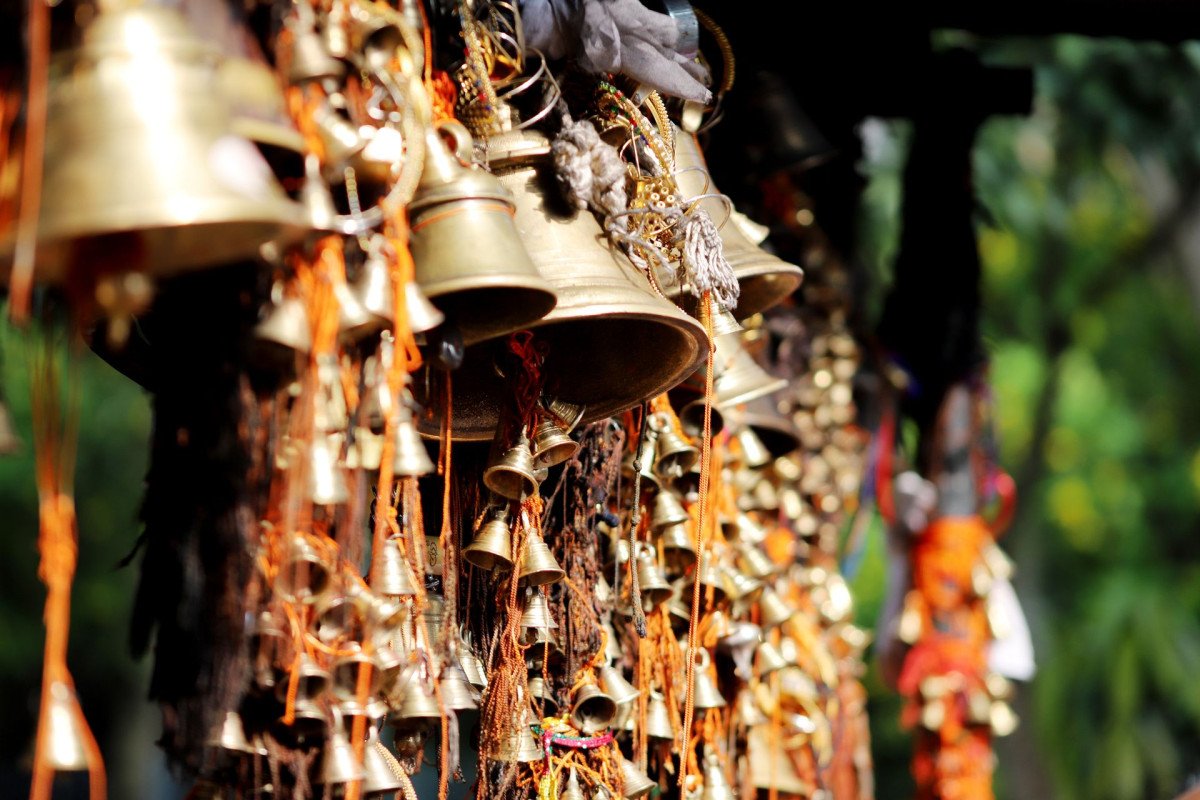
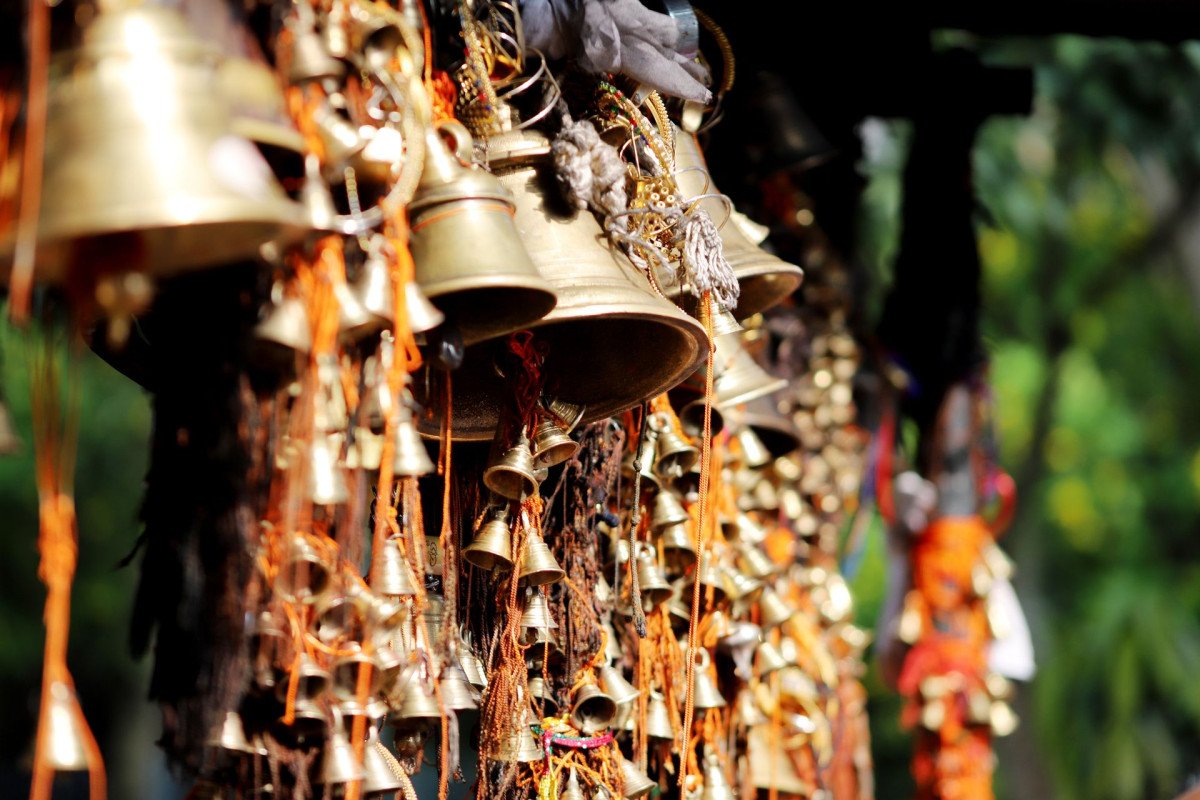
Mamaleshwar Temple
General information
-
Ideal Duration:
1 Hour (For the temple and garden):Place Type:
Religious, Historical, Cultural, Scenic:Entry Fees:
No Entry Fee: Entrance to the Mamaleshwar Temple premises is generally Free for all visitors and devotees. There are no official ticket booths or mandatory fees to enter the temple grounds.
Donations and Offerings: Visitors are welcome to m...No Entry Fee: Entrance to the Mamaleshwar Temple premises is generally Free for all visitors and devotees. There are no official ticket booths or mandatory fees to enter the temple grounds.
Donations and Offerings: Visitors are welcome to make voluntary donations (Dakshina) towards the upkeep and daily running of the temple. Devotees often purchase simple offerings like flowers, incense, or milk from nearby stalls for a nominal price to perform a personal pooja.
Pony Ride Charges: If you opt to reach the temple via the popular Pony Ride circuit from the main town, the pony rental cost (which is typically fixed by the local association) will apply, which is a major part of the cost for most tourists visiting the temple.Timing:
Regular Timings: The temple is open daily from approximately 9:00 AM to 6:00 PM, allowing visitors to perform Darshan and prayers during daylight hours. The gates may close earlier during the deep winter months (November-February) due to early sunset.
Read MoreRegular Timings: The temple is open daily from approximately 9:00 AM to 6:00 PM, allowing visitors to perform Darshan and prayers during daylight hours. The gates may close earlier during the deep winter months (November-February) due to early sunset.
Ideal Visit Time: The best time for a peaceful visit is the early morning (9:00 AM to 11:00 AM) on a weekday, as it avoids the mid-day rush of tourists and the evening crowds, offering the most serene and reflective atmosphere for spiritual contemplation.
Aarti Time: Visiting just before the closing time (around 5:30 PM-6:00 PM) may offer a chance to observe the evening aarti (worship ritual), which adds a special, spiritual dimension to the visit.Special Events:
Maha Shivratri Celebration: The single most significant event is the grand celebration of Maha Shivratri (usually in February or March). The temple becomes a major focal point for thousands of pilgrims and local devotees, featuring special all-night prayers, aarti, and trad...Maha Shivratri Celebration: The single most significant event is the grand celebration of Maha Shivratri (usually in February or March). The temple becomes a major focal point for thousands of pilgrims and local devotees, featuring special all-night prayers, aarti, and traditional religious music, turning the quiet site into a hub of festive religious activity.
Annual Bhandara/Yatra: Small, localized annual yatra (pilgrimage) or Bhandara (community feast) events are sometimes organized by the local community or visiting Sadhu groups, particularly during the peak summer months (May-July), following the traditions of ancient Hindu festivals in Kashmir.
Shravan Somvar Worship: During the holy Hindu month of Shravan (usually July-August), special prayers and offerings are made every Monday (Somvar) to Lord Shiva and the ancient Shiva Lingam, attracting a greater number of devout local pilgrims.Best Photo Spots:
The Temple Framed by the River Valley: The best photo spot is from a slight distance on the approach path, where the stone temple, with its unique roof, is perfectly framed by the towering pine trees and the sweeping, lush green valley of the Lidder River in the background, ...The Temple Framed by the River Valley: The best photo spot is from a slight distance on the approach path, where the stone temple, with its unique roof, is perfectly framed by the towering pine trees and the sweeping, lush green valley of the Lidder River in the background, offering a great landscape/culture shot.
Close-up of the Stone Architecture: Capture the intricate, weathered details of the ancient stone blocks and the unique two-tiered shikhara in black and white or sepia to emphasize the temple’s antiquity and architectural resilience.
Reflections in the Water Tank: Photograph the clear water of the small, stone-lined tank in front of the temple, capturing the reflection of the sanctum or the surrounding sky, providing a serene and symmetrical composition.Photo Gallery
Things To Do
-
Performing a Pooja/Darshan: Offer prayers and seek blessings from Lord Shiva and the unique Shiva Lingam that is perpetually bathed by the spring water inside the small sanctum, experiencing a moment of deep, ancient spirituality.
Observing the Architecture: Take time to appreciate the simple, durable construction and the distinctive two-tiered pyramidal roof of the temple, a classic example of the surviving Kashmiri Temple Architecture style from the early medieval period.
Meditating by the Water Tank: Sit quietly beside the small, stone-lined water tank in front of the temple, allowing the cool, serene atmosphere and the sound of the flowing spring water to aid in quiet reflection and meditation, away from the main tourist hubs of Pahalgam.
Walking the Pilgrim Path...Performing a Pooja/Darshan: Offer prayers and seek blessings from Lord Shiva and the unique Shiva Lingam that is perpetually bathed by the spring water inside the small sanctum, experiencing a moment of deep, ancient spirituality.
Observing the Architecture: Take time to appreciate the simple, durable construction and the distinctive two-tiered pyramidal roof of the temple, a classic example of the surviving Kashmiri Temple Architecture style from the early medieval period.
Meditating by the Water Tank: Sit quietly beside the small, stone-lined water tank in front of the temple, allowing the cool, serene atmosphere and the sound of the flowing spring water to aid in quiet reflection and meditation, away from the main tourist hubs of Pahalgam.
Walking the Pilgrim Path: Take the easy, short walk (about 1 KM) from the main Pahalgam market to the temple, enjoying the peaceful, scenic path and the views of the Lidder River as part of the pilgrimage experience.
Viewing the Nandi Idol: Locate and observe the unique and small two-mouthed Nandi idol on the temple premises, a rarity in Shiva temples, adding a layer of historical and mythological interest to your visit.
Capturing the Temple and Nature: Use the temple's ancient stone walls and unique roof structure against the stunning, natural backdrop of the Lidder River valley for unique, contrast-filled photographs that showcase the blend of history and nature.
Information
-
Why Famous:
The Legend of Lord Ganesha: It is supremely famous as the mythological spot where Lord Shiva beheaded and then resurrected his son, Lord Ganesha, giving him the elephant head, a story of enormous religious significance in Hinduism. This legend draws devotees from across Ind...The Legend of Lord Ganesha: It is supremely famous as the mythological spot where Lord Shiva beheaded and then resurrected his son, Lord Ganesha, giving him the elephant head, a story of enormous religious significance in Hinduism. This legend draws devotees from across India.
Ancient History: The temple is one of the oldest surviving Hindu structures in the Kashmir Valley, dating back to the 4th century AD, and is mentioned in the historical chronicle Rajatarangini, which highlights its deep historical and archaeological value.
Unique Shiva Lingam: The temple is renowned for its Shiva Lingam being continuously bathed by the water from a natural spring that flows around its base, a unique and sacred feature that is a central point of veneration for pilgrims. -
Architecture:
Kashmiri Architecture Style: The temple is a stellar example of early medieval Kashmiri Architecture, a style known for its distinct blend of Buddhist, Hindu, and Greek influences. It is built entirely of grey, locally quarried stone blocks, showcasing exceptional durabilit...Kashmiri Architecture Style: The temple is a stellar example of early medieval Kashmiri Architecture, a style known for its distinct blend of Buddhist, Hindu, and Greek influences. It is built entirely of grey, locally quarried stone blocks, showcasing exceptional durability and simplicity.
Structural Dimension: The temple is relatively small, with the main sanctum (garbhagriha) being approximately 12 feet by 12 feet, and a height of roughly 15-20 feet. Its key architectural feature is the two-tiered pyramidal roof (shikhara), which is a hallmark of the Kashmiri style, designed to shed heavy snow and rain.
Enclosure and Tank: The sanctum is surrounded by a larger stone wall enclosure. A notable feature is the small, square-shaped stone-lined tank (or basin) located directly in front of the main entrance. This tank, fed by a natural spring, flows around the base of the Shiva Lingam inside, symbolizing the confluence of the divine and nature. A rare two-mouthed Nandi idol is also housed within the premises. -
How To Reach:
By Air: The nearest airport is Srinagar International Airport (SXR) (approx. 90 KMS). From the airport, a taxi can be hired directly to Pahalgam, a 2. 5 to 3. 5-hour scenic drive. The temple is then reached by a short walk or local transport from the main market.
...By Air: The nearest airport is Srinagar International Airport (SXR) (approx. 90 KMS). From the airport, a taxi can be hired directly to Pahalgam, a 2. 5 to 3. 5-hour scenic drive. The temple is then reached by a short walk or local transport from the main market.
By Train: The nearest railhead is Srinagar Railway Station (approx. 85 KMS). However, the major functional station is Jammu Tawi (approx. 250 KMS). From either station, one must take a taxi or bus to Pahalgam town.
By Road: The temple is located in the Mamal Village area, just 1 KM from the main Pahalgam Bus Stand/Market, easily accessible via the main road. The temple is a standard stop on the local sightseeing circuit.
By Local Transport: The most popular way to reach the temple from the town center is a short, pleasant 15-20 minute walk. Alternatively, local shared taxis or auto-rickshaws can be hired, or it can be accessed as part of a longer pony ride circuit covering other spots like the Baisaran Valley. -
Weather and Best Time to Visit:
Different Seasons: Peak Summer (May to August) is ideal, with pleasant temperatures for walking and clear skies, ensuring easy access. Autumn (September to October) is also beautiful, with the golden foliage surrounding the temple. Winter (December to February) is very col...Different Seasons: Peak Summer (May to August) is ideal, with pleasant temperatures for walking and clear skies, ensuring easy access. Autumn (September to October) is also beautiful, with the golden foliage surrounding the temple. Winter (December to February) is very cold, with possible snowfall, making the walk challenging but offering a unique, stark beauty, especially around Maha Shivratri.
Different Parts of the Day: Morning is the most serene and spiritual, perfect for those seeking quiet worship or historical exploration before the tourist rush. Mid-day is the busiest. Late Afternoon offers soft, beautiful light for photography of the ancient stone structure. -
Near Tourist Places:
Lidder Amusement Park (0. 5 KMS), Pahalgam Club Garden (1 KMS), Lidder River Banks (0 KMS), Pahalgam Golf Course (2 KMS), Poshwan Park (1. 5 KMS), Aru Valley Road (1 KMS), Betaab Valley Road (1 KMS), Chandanwari Road (1 KMS), Baisaran Valley (Pony Base - 1 KMS), Kashmir Valley Viewpoint (2 KMS):
Tourism Tips
-
Health & safety:
Footwear: Wear comfortable shoes, as the path from the main road is slightly uphill and can be uneven.
Respect: Dress modestly as it is a place of worship. Remove your shoes before entering ...Health & safety:
Footwear: Wear comfortable shoes, as the path from the main road is slightly uphill and can be uneven.
Respect: Dress modestly as it is a place of worship. Remove your shoes before entering the inner sanctum.
Altitude: Although moderate, always keep water handy.
Packing: Carry a camera to capture the ancient architecture and the stunning backdrop of the Lidder River valley. Carry a small amount of cash for making offerings or donations to the temple.
Accommodation: Stay in the main town of Pahalgam, which offers a wide range of options, from budget guesthouses to luxury hotels like Pine N Peak, all within a short distance of the temple.
Other Different Topics:
Historical Significance: Take time to read about the temple's history and the Ganesha legend before visiting to appreciate its profound cultural and religious importance fully.
Photography Etiquette: Be respectful while taking photographs, especially during prayer times, and avoid flash photography inside the sanctum.
Reviews
FAQs
Pahalgam Itineray And Cost:-
Mamaleshwar Temple Tourism:-
Other Places In Pahalgam :-
Other States In India :-
Information about New and Updated Locations() of Jammu and Kashmir Has Been Added :-
Card subtitle
Note:-
Information provided here in good Faith and for reference only.
Near Places
Aru Valley
Some quick example text to build on the card title and make up the bulk of the card's content.
Go somewhere
Baisaran Valley
Some quick example text to build on the card title and make up the bulk of the card's content.
Go somewhere
Betaab Valley
Some quick example text to build on the card title and make up the bulk of the card's content.
Go somewhere
Chandanwari
Some quick example text to build on the card title and make up the bulk of the card's content.
Go somewhere
Dabyan Valley
Some quick example text to build on the card title and make up the bulk of the card's content.
Go somewhere
Deno Valley
Some quick example text to build on the card title and make up the bulk of the card's content.
Go somewhere
Gaganpathri
Some quick example text to build on the card title and make up the bulk of the card's content.
Go somewhere
Hajan Viewpoint
Some quick example text to build on the card title and make up the bulk of the card's content.
Go somewhere
Kani Marg
Some quick example text to build on the card title and make up the bulk of the card's content.
Go somewhere
Katernag Lake
Some quick example text to build on the card title and make up the bulk of the card's content.
Go somewhere
Kolahoi Glacier
Some quick example text to build on the card title and make up the bulk of the card's content.
Go somewhere
Laripora
Some quick example text to build on the card title and make up the bulk of the card's content.
Go somewhere
Liddar Valley
Some quick example text to build on the card title and make up the bulk of the card's content.
Go somewhere
Lidder Amusement Park
Some quick example text to build on the card title and make up the bulk of the card's content.
Go somewhere
Lidder River
Some quick example text to build on the card title and make up the bulk of the card's content.
Go somewhere
Lolab Valley
Some quick example text to build on the card title and make up the bulk of the card's content.
Go somewherein Other Cities