Manikaran Sahib Gurudwara
General information
-
Ideal Duration:
2 - 3 HoursPlace Type:
Pilgrimage Site / Religious & CulturalEntry Fees:
Always Free Entry: There is no entry fee or ticket required to enter the Manikaran Sahib Gurudwara complex, the hot springs, or the Langar Hall. This is a central tenet of the Sikh faith.
Mandatory Donations: Donations (Kar Seva) are comple...Always Free Entry: There is no entry fee or ticket required to enter the Manikaran Sahib Gurudwara complex, the hot springs, or the Langar Hall. This is a central tenet of the Sikh faith.
Mandatory Donations: Donations (Kar Seva) are completely voluntary. However, pilgrims are encouraged to contribute small amounts to the temple fund or to the Langar supplies, usually in the range of Rs.10 to Rs.500.
Langar Food: The community meal (Langar) is served completely free to everyone, ensuring no one goes hungry, embodying the core value of selfless service.
Shoe Storage: A small, nominal fee or a voluntary donation is often requested for the shoe-keeping service (Joda Ghar) to keep your footwear safe while inside, usually a token amount of Rs.5 or a simple voluntary contribution.
Accommodation: Basic accommodation (Sera) within the Gurudwara complex is sometimes offered to travelers at a very minimal or free cost, based on availability and need:Timing:
Always Open (24/7): The Gurudwara Sahib is effectively open 24 hours a day, 7 days a week, especially the main Darbar Hall and the outside areas. This allows pilgrims to visit at any hour.
Hot Springs Timings: The bathing areas usually have specified timings for de...Always Open (24/7): The Gurudwara Sahib is effectively open 24 hours a day, 7 days a week, especially the main Darbar Hall and the outside areas. This allows pilgrims to visit at any hour.
Hot Springs Timings: The bathing areas usually have specified timings for deep cleaning or a brief closure, but generally they are open from 5:00 AM to 10:00 PM. Check local notices for any temporary changes.
Langar Service Time: The Langar (free kitchen) operates throughout the day, typically serving food from around 8:00 AM to 3:00 PM and again from 6:00 PM to 10:00 PM, though the kitchen often prepares and serves food continuously.
Ideal Visit Time: The best time to visit for a peaceful, spiritual experience is in the very early morning (5:00 AM to 7:00 AM) before the day crowds. Evenings (7:00 PM to 9:00 PM) are also serene during the Rehras Sahib prayers:Special Events:
Guru Purab Celebration: The most significant special event is Guru Purab (celebrated on different dates, usually in November or December), marked by massive, elaborate Kirtan (hymn singing), processions (Nagar Kirtan), and the service of special, vast Langar meals to tens of...Guru Purab Celebration: The most significant special event is Guru Purab (celebrated on different dates, usually in November or December), marked by massive, elaborate Kirtan (hymn singing), processions (Nagar Kirtan), and the service of special, vast Langar meals to tens of thousands of devotees.
Baisakhi Festival: The festival of Baisakhi (usually April) is celebrated with immense fervor, as it marks the formation of the Khalsa and is also a local harvest festival. Special prayers, community service, and cultural programs are organized.
Year-Round Langar Seva: While daily, the continuous operation of the Gurudwara Langar is, in itself, a special, daily event—a constant act of faith and selfless service that defines the Gurudwara's spirit:Best Photo Spots:
The Gurudwara's Golden Dome: Photograph the main Gurudwara building from across the Parvati River (e. g. , from the main road bridge) to capture its grand scale and golden dome juxtaposed against the white froth of the river and the dark mountain background.The Gurudwara's Golden Dome: Photograph the main Gurudwara building from across the Parvati River (e. g. , from the main road bridge) to capture its grand scale and golden dome juxtaposed against the white froth of the river and the dark mountain background.
Langar Hall Interior: Capture the atmosphere of communal eating in the Langar Hall, focusing on the long lines of people sitting together on the floor, symbolizing equality. Always ask for permission and be respectful when photographing people.
The Hot Springs in the Complex: Get a close-up shot of the steaming hot springs and bathing areas inside, highlighting the steam and the stark, white rock formations near the pools, an iconic Manikaran shot:Photo Gallery
Things To Do
-
Take a Sacred Dip in the Hot Springs: The primary activity is bathing in the sulphur-rich geothermal springs, believed to have healing and purifying properties. There are separate, enclosed bathing areas for men and women.
Participate in Langar Seva: Join the community service (Sewa) by helping prepare or serve the free meals in the Langar Hall. This is a deeply rewarding spiritual experience.
Share a Meal in the Langar Hall: Partake in the free, simple, and wholesome meal (Langar) served to all visitors, sitting on the floor together, symbolizing equality and community.
Attend the Prayers (Kirtan): Sit in the main hall (Darbar Hall) to listen to the continuous singing of hymns (Kirtan) and prayers, offering a peaceful and spiritually uplifting experience.
...Take a Sacred Dip in the Hot Springs: The primary activity is bathing in the sulphur-rich geothermal springs, believed to have healing and purifying properties. There are separate, enclosed bathing areas for men and women.
Participate in Langar Seva: Join the community service (Sewa) by helping prepare or serve the free meals in the Langar Hall. This is a deeply rewarding spiritual experience.
Share a Meal in the Langar Hall: Partake in the free, simple, and wholesome meal (Langar) served to all visitors, sitting on the floor together, symbolizing equality and community.
Attend the Prayers (Kirtan): Sit in the main hall (Darbar Hall) to listen to the continuous singing of hymns (Kirtan) and prayers, offering a peaceful and spiritually uplifting experience.
Witness the Unique Cooking Process: Go to the Gurudwara kitchen to see the astonishing sight of rice and lentils cooking in the natural thermal steam and water.
Visit the Adjacent Temples: Explore the nearby Hindu temples, including the Ram Mandir and Shiv Mandir, which are part of the larger complex, recognizing the inter-religious significance of the site.
Contemplate by the River: Spend a moment on the balcony or a quiet spot within the complex that overlooks the turbulent Parvati River, contrasting its icy power with the warmth of the springs and the devotion inside:
Information
-
Why Famous:
Geothermal Wonder and Faith: It is globally famous for its unique coexistence of a major Sikh and Hindu pilgrimage site with natural, active hot springs. The concept of cooking langar food (rice and lentils) directly in the hot springs is a phenomenon that attracts visitors...Geothermal Wonder and Faith: It is globally famous for its unique coexistence of a major Sikh and Hindu pilgrimage site with natural, active hot springs. The concept of cooking langar food (rice and lentils) directly in the hot springs is a phenomenon that attracts visitors from all over the world.
Historical Visit of Guru Nanak Dev Ji: The Gurudwara's profound spiritual significance is rooted in the belief that the founder of Sikhism, Guru Nanak Dev Ji, performed a miracle here, which is central to its status as a major Sikh shrine outside of Punjab.
Spiritual Cohesion: It stands as a powerful symbol of interfaith harmony, a rare place where a significant Gurudwara and several Hindu temples (like Rama and Shiva Temples) are built adjacent to each other, sharing the sacred geothermal resource: -
Architecture:
Syncretic Hill-Style Architecture: The Gurudwara complex blends traditional Sikh architectural elements with the mountainous regional style. The main building features a multi-storied structure with white marble and light-colored stone, topped by a golden dome (Gumbad) and ...Syncretic Hill-Style Architecture: The Gurudwara complex blends traditional Sikh architectural elements with the mountainous regional style. The main building features a multi-storied structure with white marble and light-colored stone, topped by a golden dome (Gumbad) and traditional conical roofs found in Himachali temples.
Unique Geothermal Integration: The most distinct architectural detail is the integration of the natural hot springs. The complex houses enclosed bathing rooms (Ishnan Sthans) and a large cooking area where the thermal water pipes run directly beneath the cooking pots. The overall structure is robust, designed to withstand seismic activity and the weight of massive crowds, featuring large halls (Darbar Hall and Langar Hall) measuring several hundred square feet to accommodate thousands of devotees at once: -
How To Reach:
By Air: Fly to Bhuntar Airport (KUU), 35 KMS away. Take a taxi or bus from the airport to Manikaran town. The Gurudwara is right at the entrance of the town, near the bus stand.
By Train: Travel to Chandigarh (CDG), 270 KMS away, then take...By Air: Fly to Bhuntar Airport (KUU), 35 KMS away. Take a taxi or bus from the airport to Manikaran town. The Gurudwara is right at the entrance of the town, near the bus stand.
By Train: Travel to Chandigarh (CDG), 270 KMS away, then take an overnight bus to Bhuntar. From Bhuntar, take a local bus or shared cab directly to Manikaran. The Gurudwara is the most prominent landmark upon entering the town.
By Road: Take a bus (Volvo/HRTC) to Bhuntar from major northern cities (Delhi, Chandigarh). From Bhuntar, take the frequent local bus that runs all the way to Manikaran. The bus typically drops passengers right near the Gurudwara/Bus Stand area. The Gurudwara is accessible immediately upon arrival and is a landmark for all local transport.
By Local Transport: The Gurudwara is centrally located in the heart of Manikaran. You only need to walk a few steps from the town's main bus stand and the market area to reach its entrance. Auto-rickshaws or local shared taxis are not commonly needed within the small town center itself: -
Weather and Best Time to Visit:
Seasonal Clarity: Summer (April to June) offers the most comfortable weather for travel and bathing, with mild temperatures. Autumn (September to November) is ideal for clear, post-monsoon views. Winter (December to February) is spiritually unique with cold air and billowi...Seasonal Clarity: Summer (April to June) offers the most comfortable weather for travel and bathing, with mild temperatures. Autumn (September to November) is ideal for clear, post-monsoon views. Winter (December to February) is spiritually unique with cold air and billowing steam from the hot springs, but requires heavy warm clothing.
Avoid Monsoon Rush: Monsoon (July to August) is the least ideal due to heavy rain and the risk of landslides on the way to Manikaran.
Different Parts of the Day: Early Morning (5:00 AM to 7:00 AM) is the best time for a peaceful bath and quiet reflection. Evening (7:00 PM to 9:00 PM) is ideal for attending evening prayers (Rehras Sahib) and the serene, illuminated ambiance: -
Near Tourist Places:
Ram Mandir (Adjacent) - Ancient Hindu temple. Shiv Mandir (Adjacent) - Dedicated to Lord Shiva. Manikaran Market (Adjacent) - The main shopping area. Kasol (4 KMS) - Bohemian village hub. Chalal Village (6 KMS) - Riverside trek. Sargi Top (2. 5 KMS) - Uphill viewpoint trek. Tosh Village (22 KMS) - For stunning valley views. Kheerganga (25 KMS) - Trek and hot springs. Pin Parvati Pass (Trek Start) - Major high-altitude trek. Bhuntar (35 KMS) - Airport and bus hub.
Tourism Tips
-
Health & Safety: Test the hot spring water temperature carefully before entering. Never put your head under the water. Stay hydrated. The marble floors can be slippery due to the steam, so walk carefully.
Packing Essentials: Carry a spare...Health & Safety: Test the hot spring water temperature carefully before entering. Never put your head under the water. Stay hydrated. The marble floors can be slippery due to the steam, so walk carefully.
Packing Essentials: Carry a spare set of clothes, a towel, and a lock for the communal changing room or shoe storage. Wear simple, modest clothing to respect the religious atmosphere.
Accommodation Tip: The Gurudwara offers free or low-cost accommodation (Sera), which is basic but clean and a unique spiritual experience, especially for budget travelers. Arrive early to secure a bed.
Religious Etiquette: Cover your head (mandatory for both men and women) before entering the Gurudwara and temples. Remove your shoes and socks before entering the complex. Do not face your feet towards the sacred books (Guru Granth Sahib).
Photography: Be very discreet and respectful with photography inside the main halls. Do not photograph devotees bathing in the hot springs:
Reviews
FAQs
Manikaran Itineray And Cost:-
Manikaran Sahib Gurudwara Tourism:-
Other Places In Manikaran :-
Other States In India :-
Information about New and Updated Locations() of Himachal Pradesh Has Been Added :-
Card subtitle
Note:-
Information provided here in good Faith and for reference only.
Near Places
Barshaini Village
Some quick example text to build on the card title and make up the bulk of the card's content.
Go somewhere
Gurudwara Shri Manikaran Sahib
Some quick example text to build on the card title and make up the bulk of the card's content.
Go somewhere
Harinder Mountain
Some quick example text to build on the card title and make up the bulk of the card's content.
Go somewhere
Hill Side Grahan
Some quick example text to build on the card title and make up the bulk of the card's content.
Go somewhere
Hot Springs
Some quick example text to build on the card title and make up the bulk of the card's content.
Go somewhere
Kalga Village
Some quick example text to build on the card title and make up the bulk of the card's content.
Go somewhere
Kheerganga Hot Springs
Some quick example text to build on the card title and make up the bulk of the card's content.
Go somewhere
Kheerganga Waterfall
Some quick example text to build on the card title and make up the bulk of the card's content.
Go somewhere
Kulant Pith
Some quick example text to build on the card title and make up the bulk of the card's content.
Go somewhere
Kutla Village
Some quick example text to build on the card title and make up the bulk of the card's content.
Go somewhere
Lord Ramchandra Temple
Some quick example text to build on the card title and make up the bulk of the card's content.
Go somewhere
Lord Shiva Temple
Some quick example text to build on the card title and make up the bulk of the card's content.
Go somewhere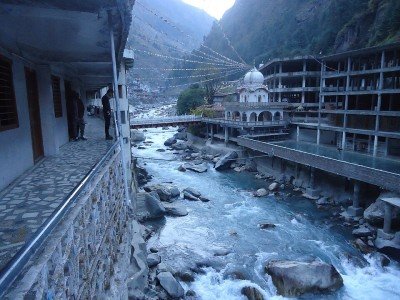
Manihar Nala
Some quick example text to build on the card title and make up the bulk of the card's content.
Go somewhere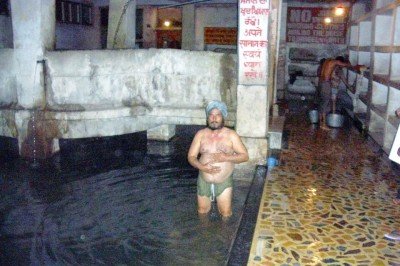
Manikaran Hot Springs
Some quick example text to build on the card title and make up the bulk of the card's content.
Go somewhere
Manikaran Market
Some quick example text to build on the card title and make up the bulk of the card's content.
Go somewhere
Manikaran Sahib Gurudwara
Some quick example text to build on the card title and make up the bulk of the card's content.
Go somewherein Other Cities