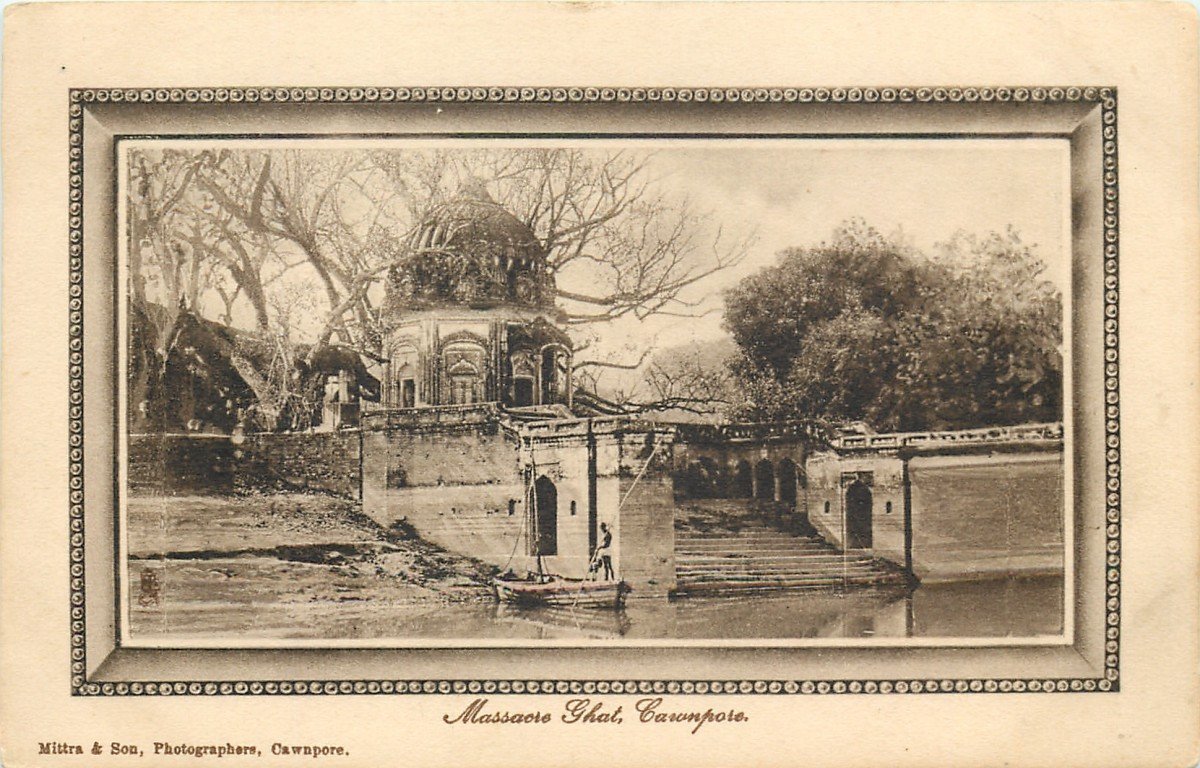

Massacre Ghat
General information
-
Ideal Duration:
1 HourPlace Type:
Historical Landmark, Religious Site (Ghat), RiverfEntry Fees:
No Entry Fee: There is no entry fee whatsoever for visiting the Massacre Ghat. As a public riverfront and place of worship, it is freely accessible to all members of the public at any time, which is consistent with the nature of all major river ghats in India.No Entry Fee: There is no entry fee whatsoever for visiting the Massacre Ghat. As a public riverfront and place of worship, it is freely accessible to all members of the public at any time, which is consistent with the nature of all major river ghats in India.
Fees for Specific Services: Although entry is free, visitors might incur small, optional costs. These could include a fee for hiring a local guide who can narrate the historical events of 1857, a small charge for a short boat ride on the Ganges, or a voluntary donation at any of the small shrines present on the ghat.
No Parking Fee: Being a large, open area, there are usually no dedicated or official parking fees for cars or two-wheelers, though private individuals may charge a nominal amount in adjacent unmanaged lots, especially during festivals.Timing:
Regular Timings: Open 24 Hours a day, 7 days a week. Being a public ghat, it never closes, allowing for ritual use and peaceful walks at all times.
Ideal Visit Time: The ideal time to visit is either at Sunrise (around 5:30 AM to 7:00 AM) t...Regular Timings: Open 24 Hours a day, 7 days a week. Being a public ghat, it never closes, allowing for ritual use and peaceful walks at all times.
Ideal Visit Time: The ideal time to visit is either at Sunrise (around 5:30 AM to 7:00 AM) to witness the spiritual morning rituals and beautiful light, or at Sunset (4:30 PM to 6:30 PM) for the scenic evening view and the potential Aarti ceremony. The historical gravity is best felt during these quieter, reflective times.Special Events:
Bada Mangal (Buddha Mangal): While not specific to the ghat, this festival, celebrated on Tuesdays in the Hindu month of Jyeshtha (May/June), sees an increase in devotees visiting all major temples and river sites, including the ghat, for special offerings and community feas...Bada Mangal (Buddha Mangal): While not specific to the ghat, this festival, celebrated on Tuesdays in the Hindu month of Jyeshtha (May/June), sees an increase in devotees visiting all major temples and river sites, including the ghat, for special offerings and community feasts (Bhandaras).
Ganga Dussehra: This significant Hindu festival, usually falling in May or June, celebrates the descent of the River Ganges to earth. It is celebrated with great fervor at the ghat, featuring elaborate rituals, mass gatherings, and the floating of numerous lamps (diyas) on the river.Best Photo Spots:
Sunset Over the Water: The moment the sun dips below the horizon, casting an orange and purple hue across the wide surface of the Ganges, is the prime photography spot, often best captured from the highest steps of the ghat.
Boats and Rituals:Sunset Over the Water: The moment the sun dips below the horizon, casting an orange and purple hue across the wide surface of the Ganges, is the prime photography spot, often best captured from the highest steps of the ghat.
Boats and Rituals: Capturing the traditional wooden boats moored along the banks or the vivid scenes of devotees performing rituals like the Aarti offers a culturally rich and dynamic photo opportunity. The contrast between the river and human devotion is powerful.
The Wide-Angle River View: Standing on the bank and using a wide-angle lens to capture the vastness of the Ganges and the entire stretch of the ghat steps in a single frame emphasizes the sheer scale and serenity of the riverfront location.Photo Gallery
Things To Do
-
Witnessing the Ganga Aarti: Attending the evening Aarti (a Hindu ritual of worship with lamps) is a spiritual and visually stunning experience. The sight of lamps floating on the river at sunset is mesmerizing.
Leisurely Sunset Strolls: Taking a calm, reflective walk along the riverbank during sunset is highly recommended. The gentle river breeze and the changing colors of the sky offer a tranquil respite from the city's hustle.
Historical Interpretation: Hiring a local guide or reading up on the 1857 events before visiting will significantly enhance the experience, allowing visitors to fully appreciate the historical weight of the location and the importance of the Satti Chaura area.
Boating on the River: Depending on the water level and local regulations, hir...Witnessing the Ganga Aarti: Attending the evening Aarti (a Hindu ritual of worship with lamps) is a spiritual and visually stunning experience. The sight of lamps floating on the river at sunset is mesmerizing.
Leisurely Sunset Strolls: Taking a calm, reflective walk along the riverbank during sunset is highly recommended. The gentle river breeze and the changing colors of the sky offer a tranquil respite from the city's hustle.
Historical Interpretation: Hiring a local guide or reading up on the 1857 events before visiting will significantly enhance the experience, allowing visitors to fully appreciate the historical weight of the location and the importance of the Satti Chaura area.
Boating on the River: Depending on the water level and local regulations, hiring a small, local boat for a short ride can provide a different perspective of the ghat and the riverfront architecture of Kanpur, often revealing quieter, more scenic spots.
Meditation and Contemplation: The inherent tranquility of the riverbank, despite its history, makes it an excellent place for quiet meditation or simple contemplation, allowing visitors to connect with the historical and spiritual energy of the Ganges.
Photography of Local Life:
The ghat is a vibrant hub of daily local life: fishermen, devotees, and people doing laundry. Capturing these authentic slice-of-life moments alongside the solemn historical setting offers a rich photographic opportunity.
Experiencing Local Street Food: Nearby stalls often sell local delicacies and snacks, offering a chance to taste authentic Kanpuri street food while enjoying the view of the river.
Information
-
Why Famous:
The 1857 Tragedy: Its primary fame comes from the tragic and historically significant events of the 1857 Rebellion, where a massive massacre of British soldiers and civilians took place. This single event is a turning point in the history of Kanpur and the wider rebellion, ...The 1857 Tragedy: Its primary fame comes from the tragic and historically significant events of the 1857 Rebellion, where a massive massacre of British soldiers and civilians took place. This single event is a turning point in the history of Kanpur and the wider rebellion, making the ghat a mandatory stop for students of Indian history.
Ganga Riverfront: It is a key spot on the holy River Ganges in Kanpur, attracting devotees for ritual bathing and religious ceremonies. The blend of a sacred Hindu site with a colonial-era tragedy creates a unique and compelling narrative for visitors. -
Architecture:
Typical Riverfront Construction: The architecture of the ghat is primarily functional, built in a traditional riverfront style with wide, descending flights of stone or concrete steps leading directly to the water of the River Ganges. This tiered structure is designed to ac...Typical Riverfront Construction: The architecture of the ghat is primarily functional, built in a traditional riverfront style with wide, descending flights of stone or concrete steps leading directly to the water of the River Ganges. This tiered structure is designed to accommodate the changing water levels of the river, especially during the Monsoon season.
Focus on Utility and Memorial: Unlike temples, the ghat's design prioritizes utility for pilgrims performing rituals and ease of access for people to bathe or launch small boats. While there is no grand single structure, the entire expanse of the ghat serves as a natural memorial. The surrounding area features open spaces, which may include small, humble shrines and memorial plaques detailing the events of 1857. The 'architecture' is more about the spatial arrangement: an open, vast space facing the river, designed to encourage quiet contemplation. The overall dimension extends for a considerable length along the riverbank, providing a sprawling, picturesque view. The use of simple, durable stone and cement reflects its practical purpose as a river entry point. -
How To Reach:
By Air: Kanpur Airport (KNU) in Chakeri is approximately 15 KMS away. A pre-booked cab or taxi is the most direct way, taking around 40-50 minutes to reach the ghat, depending on traffic.
By Train: Kanpur Central Railway Station (CNB) is th...By Air: Kanpur Airport (KNU) in Chakeri is approximately 15 KMS away. A pre-booked cab or taxi is the most direct way, taking around 40-50 minutes to reach the ghat, depending on traffic.
By Train: Kanpur Central Railway Station (CNB) is the nearest major rail link, only about 5 KMS away. Auto-rickshaws and cabs are the most popular and affordable options for a short 15-20 minute drive to the riverbank.
By Road: The ghat is easily accessible via Nathusingh Road and other arterial roads from the main city. City buses and private vehicles can reach the vicinity of the ghat complex.
By Local Transport: Auto-rickshaws and e-rickshaws are prevalent throughout Kanpur and can drop you very close to the ghat steps. The local transport is the most economical way to commute to the site. -
Weather and Best Time to Visit:
Winter Season (October to March): This is the most comfortable time to visit. The mild, cool weather is perfect for spending time by the river, especially during sunrise and sunset.
Monsoon Season (July to September): The river Ganges swell...Winter Season (October to March): This is the most comfortable time to visit. The mild, cool weather is perfect for spending time by the river, especially during sunrise and sunset.
Monsoon Season (July to September): The river Ganges swells during this time, making the ghat a spectacular sight, but the steps can be slippery, and the overall atmosphere is humid.
Summer Season (April to June): This is the least ideal time due to intense heat, making a mid-day visit very uncomfortable and harsh.
Different Parts of the Day: The best part of the day is either early morning or late evening. Morning offers a spiritual and calm experience, while the evening provides scenic views and a cooler environment. -
Near Tourist Places:
Kanpur Memorial Church (5 KMS), Nana Rao Park (6 KMS), Jajmau (Ancient Site - 8 KMS), Phool Bagh (6 KMS), Green Park Stadium (8 KMS), Kanpur Zoo (Allen Forest Zoo) (15 KMS), Sisamau Bazaar (7 KMS), ISKCON Temple (13 KMS), Moti Jheel (9 KMS), Bithoor (Historical Town - 25 KMS).
Tourism Tips
-
Health & Safety: Be extremely cautious on the ghat steps, as they can be slippery, especially near the water's edge or during the Monsoon. Never venture too deep into the river, and avoid swimming if you are unfamiliar with the currents.
Packin...Health & Safety: Be extremely cautious on the ghat steps, as they can be slippery, especially near the water's edge or during the Monsoon. Never venture too deep into the river, and avoid swimming if you are unfamiliar with the currents.
Packing: Carry minimal valuables. Comfortable, slip-resistant footwear is strongly advised. A hat and sunscreen are necessary if visiting during the day.
Accommodation: Hotels are generally available in the nearby Civil Lines and Mall Road areas, offering a short commute to the ghat.
Other Different Topics: Be respectful of locals performing religious rituals; maintain a quiet and contemplative demeanor. Avoid leaving any trash behind to help keep the holy river and the memorial site clean.
Reviews
FAQs
Kanpur Itineray And Cost:-
Other Places In Kanpur :-
Other States In India :-
Information about New and Updated Locations() of Uttar Pradesh Has Been Added :-
Card subtitle
Note:-
Information provided here in good Faith and for reference only.
Near Places
Allen Forest Zoo
Some quick example text to build on the card title and make up the bulk of the card's content.
Go somewhere
Anandeshwar Temple
Some quick example text to build on the card title and make up the bulk of the card's content.
Go somewhere
Bhitargaon Temple
Some quick example text to build on the card title and make up the bulk of the card's content.
Go somewhere
Bithoor
Some quick example text to build on the card title and make up the bulk of the card's content.
Go somewhere
Blue World Theme Park
Some quick example text to build on the card title and make up the bulk of the card's content.
Go somewhere
Ganga Barrage
Some quick example text to build on the card title and make up the bulk of the card's content.
Go somewhere
Green Park Stadium
Some quick example text to build on the card title and make up the bulk of the card's content.
Go somewhere
ISKCON Temple
Some quick example text to build on the card title and make up the bulk of the card's content.
Go somewhere
Jain Glass Temple
Some quick example text to build on the card title and make up the bulk of the card's content.
Go somewhere
Jajmau
Some quick example text to build on the card title and make up the bulk of the card's content.
Go somewhere
Japanese Garden
Some quick example text to build on the card title and make up the bulk of the card's content.
Go somewhere
Kamla Retreat
Some quick example text to build on the card title and make up the bulk of the card's content.
Go somewhere
Kanpur Memorial Church
Some quick example text to build on the card title and make up the bulk of the card's content.
Go somewhere
Kanpur Museum
Some quick example text to build on the card title and make up the bulk of the card's content.
Go somewhere
Massacre Ghat
Some quick example text to build on the card title and make up the bulk of the card's content.
Go somewhere
Moti Jheel
Some quick example text to build on the card title and make up the bulk of the card's content.
Go somewherein Other Cities