Narsingh Temple
General information
-
Ideal Duration:
1 Hour (For Darshan and Exploration)Place Type:
Pilgrimage, Religious, and Historical SiteEntry Fees:
General Entry and Darshan Fees: There is generally No Entry Fee to visit the Narsingh Temple for general Darshan (viewing and prayer). The temple is a place of public worship, and access is free for all devotees and tourists, which aligns with the open tradition of most Hin...General Entry and Darshan Fees: There is generally No Entry Fee to visit the Narsingh Temple for general Darshan (viewing and prayer). The temple is a place of public worship, and access is free for all devotees and tourists, which aligns with the open tradition of most Hindu temples in India.
Special Pooja and Ritual Charges: Devotees who wish to perform specific, personalized rituals (Pooja) like Abhishek or a special family prayer may need to pay a nominal fee to the temple trust or the priest. This fee varies based on the type and duration of the ritual and is usually a donation to the temple's upkeep.
Donation and Offerings: Pilgrims are encouraged to make voluntary donations (Dakshina) for the temple's maintenance and to purchase offerings (Prasad) like flowers, sweets, or cloth, but these are not compulsory 'entry fees'. The total cost for a devotee is a personal choice, but the base access remains free, making the temple accessible to all economic backgrounds, which is essential for a major pilgrimage site. :Timing:
Regular Timings: The temple is typically open from 5:00 AM to 8:30 PM daily, allowing ample time for morning, afternoon, and evening visits, catering to the needs of pilgrims arriving at different times.
Ideal Visit Time: The best time for a...Regular Timings: The temple is typically open from 5:00 AM to 8:30 PM daily, allowing ample time for morning, afternoon, and evening visits, catering to the needs of pilgrims arriving at different times.
Ideal Visit Time: The best time for a serene and spiritual experience is during the early morning hours, particularly from 7:30 AM to 8:30 AM, when the statue is being bathed and special morning Aarti is performed. This period is less crowded and allows for a clearer view of the deity.
Winter Worship Schedule: During the winter months (November to April), the timings may slightly shift to accommodate the transfer of the Badrinath deity and the adjusted daylight hours, but the temple remains open throughout the day, providing an essential pilgrimage stop during the cold season.
Avoiding Rush Hour: To avoid the largest crowds, particularly during the transition months of May and November, visit during the late afternoon (around 4:00 PM) or the early evening to enjoy a peaceful Darshan without a long wait, especially on days when major rituals are not scheduled. :Special Events:
The Badrinath Kapat Opening/Closing: The most significant and special event is the ceremonial procession of the idol of Lord Badri (Uddhav and Kuber) to or from the Badrinath temple. The "closing" (Kapat Bandh) ceremony in November and the "opening" (Kapat Khol) ceremony in...The Badrinath Kapat Opening/Closing: The most significant and special event is the ceremonial procession of the idol of Lord Badri (Uddhav and Kuber) to or from the Badrinath temple. The "closing" (Kapat Bandh) ceremony in November and the "opening" (Kapat Khol) ceremony in May are marked by elaborate rituals, traditional music, and dance, with the idol being carried in a beautifully decorated palanquin. The temple becomes the center of a massive gathering of pilgrims during these transition days.
Narsingh Jayanti: The festival celebrating the birth anniversary of Lord Narsingh (the deity of the temple), which falls on the 14th day of the bright half of the Vaishakha month (April or May), is celebrated with great fervor, elaborate Aartis, and community feasts, attracting a large number of local devotees and visiting pilgrims to the temple for special prayer sessions and community gathering. :Best Photo Spots:
The Main Idol Photo (from outside): Capturing the temple's entrance with the traditional Himalayan architecture and the surrounding mountains in the background, focusing on the modest, stone-and-wood structure that is characteristic of the area. Note that photography inside...The Main Idol Photo (from outside): Capturing the temple's entrance with the traditional Himalayan architecture and the surrounding mountains in the background, focusing on the modest, stone-and-wood structure that is characteristic of the area. Note that photography inside the main sanctum is usually strictly prohibited.
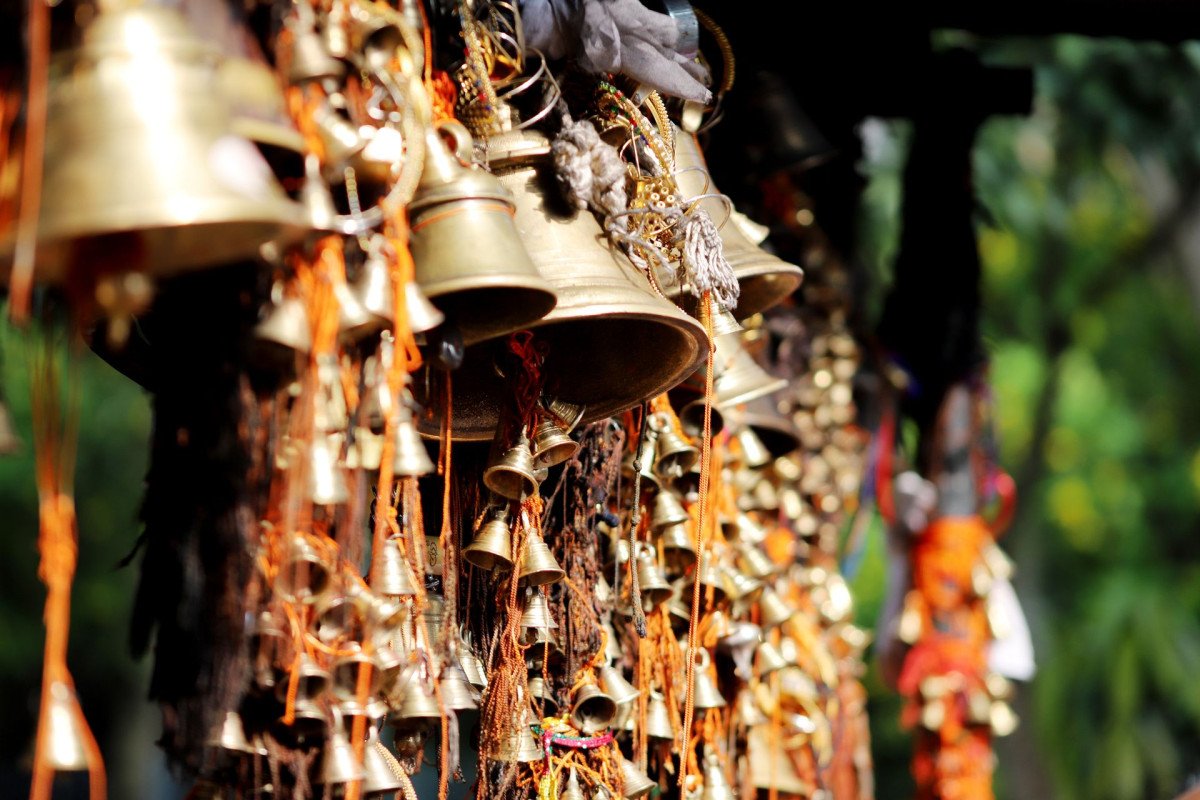
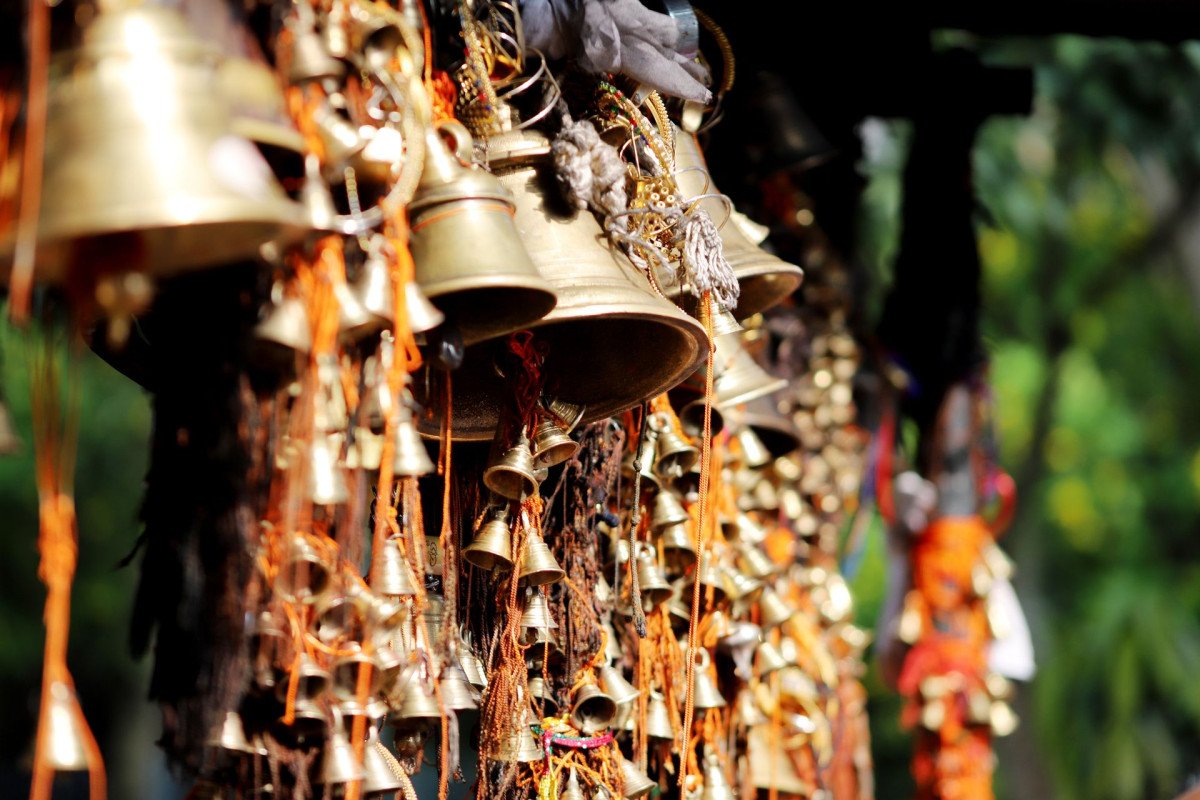
The Aarti and Ritual Scene: Capturing the atmosphere and devotion during the morning or evening Aarti from a respectful distance, focusing on the traditional lamps, bells, and the engaged faces of the priests and devotees, highlighting the spiritual energy.
The Temple Tower (Shikhara) Against the Sky: A close-up shot of the unique temple tower, contrasting its traditional architectural details against the backdrop of the clear, blue Himalayan sky or the distant, snow-capped peaks.
The Winter Palanquin Arrival/Departure: If visiting during the transition months (November or April/May), capturing the vibrant, colorful procession of the Lord Badri idol being carried to or from the temple is a unique and spectacular photo opportunity, symbolizing the religious importance of the temple as a winter home. :Photo Gallery
Things To Do
-
Offering Darshan and Prayer: Participate in the early morning Aarti (prayer ceremony) or the evening service. This is the main activity, offering a chance to witness the rituals and feel the spiritual energy.
Witnessing the Winter Idol: If visiting between November and April, attend the special rituals dedicated to the idol of Lord Badri (Uddhav and Kuber), which is kept here during the winter months. This is a unique privilege only available during this period.
Meditation and Contemplation: Find a quiet corner on the temple premises for a few minutes of meditation. The serene environment and historical significance of the spot make it ideal for spiritual reflection.
Exploring the Bazaar: Since the temple is located in the Lower Bazaar area, take a slow walk t...Offering Darshan and Prayer: Participate in the early morning Aarti (prayer ceremony) or the evening service. This is the main activity, offering a chance to witness the rituals and feel the spiritual energy.
Witnessing the Winter Idol: If visiting between November and April, attend the special rituals dedicated to the idol of Lord Badri (Uddhav and Kuber), which is kept here during the winter months. This is a unique privilege only available during this period.
Meditation and Contemplation: Find a quiet corner on the temple premises for a few minutes of meditation. The serene environment and historical significance of the spot make it ideal for spiritual reflection.
Exploring the Bazaar: Since the temple is located in the Lower Bazaar area, take a slow walk through the market outside the temple complex. This provides an excellent opportunity to observe the local life of Joshimath, buy local religious souvenirs, and sample regional snacks.
Architecture and Carving Study: Spend time observing the traditional Garhwali architecture of the temple, focusing on the intricate, often faded, stone and wooden carvings that narrate mythological tales, appreciating the craftsmanship that has lasted for centuries.
Sacred Parikrama (Circumambulation): Perform a devotional walk (Parikrama) around the main sanctum of the temple, a traditional Hindu practice of seeking blessings and showing reverence to the deity.
Seeking Blessings for the Yatra: Pilgrims often visit this temple before proceeding to Badrinath or other high-altitude temples, seeking the blessing of Lord Narsingh for a safe and successful journey, recognizing him as the divine protector of the region. :
Information
-
Why Famous:
The Shrinking Arm Prophecy: The temple is famously known for a powerful and widely-believed prophecy centered around the idol of Lord Narsingh. It is said that the right arm of the deity is gradually becoming thinner each year. Local legends and ancient texts (like the San...The Shrinking Arm Prophecy: The temple is famously known for a powerful and widely-believed prophecy centered around the idol of Lord Narsingh. It is said that the right arm of the deity is gradually becoming thinner each year. Local legends and ancient texts (like the Sanat Kumar Samhita) state that when this arm finally breaks off, the mountains of Nar and Narayan (which form the route to Badrinath) will merge, blocking the path to the current Badrinath Temple. This event is foretold to herald the end of the Kaliyuga and the deity of Badrinath will then shift its abode to Bhavishya Badri (Future Badri), making this temple a focal point of ancient Hindu eschatology.
Winter Residence of Badrinath: The temple's role as the sacred winter seat for the idol of Lord Badri from the main Badrinath Temple makes it immensely famous. For six months, it becomes the primary focus of all the religious ceremonies and rituals related to Badrinath, ensuring that the worship of the deity continues without interruption, drawing a large number of pilgrims who cannot travel to the main shrine during the snowy season.
Established by Adi Shankaracharya: Its fame is inextricably linked to Adi Shankaracharya, the revered 8th-century philosopher and saint. The belief that he installed the idol and established the temple as one of the centers for his spiritual and philosophical revival movements solidifies its fame and position as the northern religious Matha (Jyotirmath) of India. : -
Architecture:
Traditional Garhwali Temple Style: The architecture of the Narsingh Temple is a classic example of the traditional Himalayan or Garhwali style of temple construction. It is generally a modest, stone-built structure that has been well-maintained and renovated over centuries,...Traditional Garhwali Temple Style: The architecture of the Narsingh Temple is a classic example of the traditional Himalayan or Garhwali style of temple construction. It is generally a modest, stone-built structure that has been well-maintained and renovated over centuries, reflecting a blend of simplicity and spiritual functionality.
Dimension: The temple complex is relatively compact, focusing on the main sanctum (Garbhagriha) where the principal deities are enshrined. The main idol of Lord Narsingh is an ancient, stone idol, often depicted sitting in a meditative posture.
Material and Construction: The construction primarily uses local stone and wood, which are naturally durable and insulated against the region's harsh cold and snow. The walls of the temple are often thick, providing structural stability and protection.
Carvings and Decorative Elements: While not as ornate as the massive temples in the plains of India, the walls and wooden frames of the entrance often feature intricate, yet weathered, carvings that depict mythological stories, particularly focused on the avatars of Lord Vishnu. The design is functional, with sloping roofs (often covered in slate or metal) to manage heavy snowfall. The overall aesthetic is one of quiet devotion, perfectly fitting its mountain setting. The architecture successfully blends with the natural environment, giving it a timeless feel. : -
How To Reach:
By Air (Nearest Airport): The nearest airport is Jolly Grant Airport, Dehradun (DED), approximately 270 KMS away. From the airport, a taxi or bus must be taken to Joshimath. The travel time is around 8-10 hours. Pre-booking a taxi is highly recommended for convenience.By Air (Nearest Airport): The nearest airport is Jolly Grant Airport, Dehradun (DED), approximately 270 KMS away. From the airport, a taxi or bus must be taken to Joshimath. The travel time is around 8-10 hours. Pre-booking a taxi is highly recommended for convenience.
By Train (Nearest Railway Station): The closest major railhead is Rishikesh (RKSH), about 256 KMS away, or Haridwar (HW), about 278 KMS away. From either station, regular bus services and private/shared taxis are available to Joshimath along the main NH7 highway. The road journey from the station to Joshimath takes about 8 hours.
By Road (Accessibility): Joshimath is situated directly on the NH7 (Badrinath Highway) and is easily accessible by road from major cities like Rishikesh, Haridwar, and Dehradun. State transport buses and private taxis are frequent. The temple is located right in the Lower Bazaar area, making it easy to spot and reach upon arrival in Joshimath.
By Local Transport (Within Joshimath): The temple is just 0. 5 KMS from the main Joshimath Bus Stand and is easily reached by walking for approximately 5-10 minutes. Local autorickshaws or shared taxis are also available for a very small fee from the main town center for those with limited mobility. : -
Weather and Best Time to Visit:
Different Types of Seasons: Summer (April to June) is the most popular time due to pleasant, comfortable weather (15°C to 30°C day), ideal for pilgrims before the monsoon begins. Autumn (September to November) is an excellent time, with clear skies, post-monsoon greenery,...Different Types of Seasons: Summer (April to June) is the most popular time due to pleasant, comfortable weather (15°C to 30°C day), ideal for pilgrims before the monsoon begins. Autumn (September to November) is an excellent time, with clear skies, post-monsoon greenery, and moderate temperatures. The start of November is crucial to witness the Badrinath deity's transfer. Winter (Late November to March) is for those who wish to worship the Badrinath deity at its winter seat and can withstand the cold (-5°C to 15°C day). Avoid the Monsoon (July and August) due to the high risk of landslides and road closures.
Different Parts of the Day: Early Morning (5:00 AM - 8:30 AM) is the best time for worship, when the temple opens and the sacred rituals are performed, offering the most intense spiritual experience. Evening (5:00 PM - 8:30 PM) is the second-best time to attend the evening Aarti, often marked by the ringing of bells and a calming spiritual atmosphere. Mid-day can be slightly warmer but is generally less crowded, allowing for a leisurely visit. : -
Near Tourist Places:
Shankaracharya Math (0. 5 KMS) - The religious hub established by Adi Shankaracharya: Kalpavriksha (0.
5 KMS) - Ancient sacred tree: Auli Ropeway (Start Point - 1.
5 KMS) - Asia's longest ropeway:
Vishnuprayag (12 KMS) - Confluence point:
Tapovan (14 KMS) - Hot Sulphur Springs: Vridha Badri Temple (7 KMS) - One of the Sapt Badri: Bhavishya Badri (23 KMS) - Future seat of Badrinath: Gari Bhawani Temple (6 KMS) - Local Goddess Temple:
Auli (Drive/Ropeway) - 15 KMS: Ghangaria (Trek Base to Valley of Flowers) - 20 KMS:
Tourism Tips
-
Health and Safety in the Market: The temple is located in a crowded market area. Be aware of your belongings and avoid leaving bags unattended. The altitude is moderate, but stay hydrated. During winter, wear heavy woolens, gloves, and caps to protect against the cold.Health and Safety in the Market: The temple is located in a crowded market area. Be aware of your belongings and avoid leaving bags unattended. The altitude is moderate, but stay hydrated. During winter, wear heavy woolens, gloves, and caps to protect against the cold.
Packing Tips for Pilgrims: Dress modestly; traditional or conservative clothing (covering shoulders and knees) is highly recommended out of respect for the religious site. Carry a small amount of cash for offerings and temple donations. Do not carry leather items into the inner sanctum.
Accommodation and Logistics: Ample accommodation (Guesthouses, hotels, and dharamshalas) is available near the temple and in the main town of Joshimath. Bookings are essential during the peak Char Dham season (May-June and September-October). Mobile connectivity is good in Joshimath.
Cultural Etiquette and Customs: Remove shoes before entering the temple premises. Photography is usually prohibited in the inner sanctum (Garbhagriha); always ask for permission. Maintain silence and respect the ongoing prayers. For any special Pooja, consult the temple office or a recognized priest and avoid touts. :
Reviews
FAQs
Joshimath Itineray And Cost:-
Other Places In Joshimath :-
Other States In India :-
Information about New and Updated Locations() of Uttarakhand Has Been Added :-
Card subtitle
Note:-
Information provided here in good Faith and for reference only.
Near Places

Acha Bacha Waterfall
Some quick example text to build on the card title and make up the bulk of the card's content.
Go somewhere
Auli Cable Car
Some quick example text to build on the card title and make up the bulk of the card's content.
Go somewhere
Auli
Some quick example text to build on the card title and make up the bulk of the card's content.
Go somewhere
Auli Ropeway
Some quick example text to build on the card title and make up the bulk of the card's content.
Go somewhere
Badrinath Temple
Some quick example text to build on the card title and make up the bulk of the card's content.
Go somewhere
Bhavishya Badri Temple
Some quick example text to build on the card title and make up the bulk of the card's content.
Go somewhere
Bhavishya Kedar Temple
Some quick example text to build on the card title and make up the bulk of the card's content.
Go somewhere
Bhyundar Ganga River
Some quick example text to build on the card title and make up the bulk of the card's content.
Go somewhere
Bhyundar Valley
Some quick example text to build on the card title and make up the bulk of the card's content.
Go somewhere
Chenab Lake
Some quick example text to build on the card title and make up the bulk of the card's content.
Go somewhere
Dhak Village
Some quick example text to build on the card title and make up the bulk of the card's content.
Go somewhere
Gari Bhawani Temple
Some quick example text to build on the card title and make up the bulk of the card's content.
Go somewhere
Ghangaria
Some quick example text to build on the card title and make up the bulk of the card's content.
Go somewhere
Govindghat
Some quick example text to build on the card title and make up the bulk of the card's content.
Go somewhere
Helang Village
Some quick example text to build on the card title and make up the bulk of the card's content.
Go somewhere
Hemkund Sahib
Some quick example text to build on the card title and make up the bulk of the card's content.
Go somewherein Other Cities