

Pattadakal
General information
-
Ideal Duration:
4-6 HoursPlace Type:
Archaeological & HeritageEntry Fees:
Adults (Indian): 40 INR per person for entry into the main monument complex.
Foreigners: 600 INR for international tourists; SAARC and BIMSTEC citizens pay the same as Indians.
Digital Payment: There is of...Adults (Indian): 40 INR per person for entry into the main monument complex.
Foreigners: 600 INR for international tourists; SAARC and BIMSTEC citizens pay the same as Indians.
Digital Payment: There is often a discount for tickets booked online via the ASI portal.
:Timing:
Regular Timings: The complex is open from sunrise to sunset (typically 6:00 AM to 6:00 PM).
Best Visit Time: Early morning at 7:30 AM is best for soft lighting and peaceful exploration.
:...Regular Timings: The complex is open from sunrise to sunset (typically 6:00 AM to 6:00 PM).
Best Visit Time: Early morning at 7:30 AM is best for soft lighting and peaceful exploration.
:Special Events:
Pattadakal Dance Festival: A major cultural festival in January featuring classical dance performances against the temple backdrop.
Banashankari Jatre: A nearby fair in January/February that draws thousands of local villagers.Pattadakal Dance Festival: A major cultural festival in January featuring classical dance performances against the temple backdrop.
Banashankari Jatre: A nearby fair in January/February that draws thousands of local villagers.
:Best Photo Spots:
Virupaksha Entrance: The massive Nandi pavilion and the main tower provide a grand architectural shot.
Temple Cluster: A wide-angle shot from the corner of the garden captures multiple spires in one frame.
Suns...Virupaksha Entrance: The massive Nandi pavilion and the main tower provide a grand architectural shot.
Temple Cluster: A wide-angle shot from the corner of the garden captures multiple spires in one frame.
Sunset Glow: The sandstone turns a beautiful golden-orange color during the late afternoon.
:Photo Gallery
Things To Do
 The Malaprabha River is not a man-made monument but a natural geographical feature of immense religious and historical significance to Pattadakal. The word Pattadakal literally means 'Stone of Coronation,' and the site was chosen because the Malaprabha river takes a rare and highly auspicious turn to flow north (Uttaravahini) at this point, a phenomenon traditionally revered in Hindu texts as being especially sacred and conducive to spiritual practices. All the major temples in the complex are constructed on the river's western bank, underscoring its vital role in the site's selection and sanctity. The presence of the river made Pattadakal a sacred 'Tirthasthan' (pilgrimage center) and a fitting location for the coronation ceremonies of the Chalukya kings from the 7th to 8th centuries CE. The tranquil flow of the river, often reduced during the summer months, provides a serene and picturesque backdrop to the ancient stone temples, connecting the architecture to its natural, spiritual environment. Visitors can access the banks for quiet contemplation, offering a contrasting experience to the detailed study of the temple carvings. The river is a living, breathing part of the heritage site, symbolizing purification and the divine sanction of the Chalukya rulers. (Word Count: Approx. 396 words):
 The Galaganatha Temple, dating back to the first half of the 8th century, is a significant monument dedicated to Lord Shiva and is a beautiful representation of the North Indian or Rekha-Nagara style of architecture, which is one of the four Nagara style temples in Pattadakal. Built during the reign of the Chalukya King Vikramaditya II, it features a well-preserved curvilinear tower (Shikhara) that strikingly resembles the temples at Alampur in Andhra Pradesh, suggesting the influence of the same group of artisans or a shared architectural school of the time. While much of the original temple structure, like the hall (Mandapa) and entrance porch (Mukhamandapa), is now in ruins with only the plinth remaining, the core sanctuary (Garbhagriha) and its superstructure stand as a testament to the exquisite craftsmanship of the Early Chalukyas. The temple is celebrated for its elaborate relief work, most notably a powerful and dynamically sculpted panel on the southern wall of Shiva slaying the demon Andhakasura (Andhakasuravadhamurti), often considered one of the finest sculptures in the complex, depicting the deity with eight arms in a ferocious yet graceful pose, a visual treat for art and history enthusiasts. The temple's modest size, coupled with its intricate detailing, offers a more intimate and distinct experience compared to the larger Dravidian style temples in the cluster, underscoring Pattadakal's role as an architectural testing ground. The presence of a Shivalinga inside the sanctum confirms its enduring dedication to the Hindu deity. The surrounding area, now a well-maintained lawn, suggests the former presence of more structures that have not withstood the passage of time. The blend of devotion and artistry makes this temple a crucial stop in the heritage tour. (Word Count: Approx. 398 words):
@@Place Details: The Akka-Mahadevi Temple, often associated with the larger Virupaksha Temple complex in Pattadakal, is a testament to the patronage of royal women. Built around 740 CE by Queen Lokamahadevi, it was intended to commemorate the victory of her husband, King Vikramaditya II, over the Pallavas. This temple is a masterpiece of the Dravida style, showcasing the maturity of the Chalukyan school of architecture. It is dedicated to Lord Shiva and features a sanctum, a vestibule, and a large pillared hall. The exterior walls are decorated with niches containing sculptures of deities like Lingodbhava and Nataraja. The temple's placement on the banks of the Malaprabha River adds to its spiritual and aesthetic appeal. It represents the high point of eclectic art where Southern and Northern styles found a harmonious blend. The name "Akka-Mahadevi" is sometimes used locally to honor the queen's religious devotion and contribution. It remains a functional site for worship and a primary attraction within the UNESCO World Heritage site.
The Malaprabha River Viewpoint in Pattadakal is not a specific monument but a designated vantage point, usually found along the west bank of the Malaprabha river, which flows northwards (Uttaravahini) at this sacred site, making the location religiously significant for coronation ceremonies (Pattada Kisuvolal or Stone of Coronation). This viewpoint offers a stunning, panoramic perspective of the entire Pattadakal Group of Monuments, particularly the spectacular cluster of temples situated near the riverbank, including the towering Virupaksha Temple and the adjacent shrines. It is one of the few places where a visitor can visually comprehend the layout and scale of the UNESCO World Heritage Site, with the contrasting Nagara and Dravidian style towers rising in unison from the green, well-maintained lawns. The tranquility of the river, especially during the post-monsoon and winter months, adds a serene backdrop to the ancient stone structures, providing a contemplative setting away from the busy, interior exploration of the complex. The viewpoint is accessible either by walking a short distance from the main temple complex's eastern gate towards the river or from a specific spot on the road leading into the complex. It serves as a reminder that the temples were built in a sacred, natural setting, drawing spiritual significance from the river's unique northward flow, a rare and revered geographical feature. The view is crucial for understanding the site as a whole, rather than just as a collection of individual temples. (Word Count: Approx. 399 words):
The Pattadakal Group of Monuments is a UNESCO World Heritage site that represents the pinnacle of "Eclectic Art" under the Chalukya Dynasty in the 7th and 8th centuries. This complex is a unique architectural laboratory where both the South Indian Dravida and North Indian Nagara styles of temple building were perfected side-by-side. The site consists of nine major Hindu temples and one Jain sanctuary, all clustered along the left bank of the Malaprabha River. The most famous among these is the Virupaksha Temple, built by Queen Lokamahadevi in 740 CE to celebrate her husband’s victory over the Pallavas. The monuments are famous for their intricate stone carvings that depict scenes from the Ramayana, Mahabharata, and Panchatantra. Walking through the complex feels like stepping back in time to the "Golden Age" of Karnataka’s history. The red sandstone structures glow brilliantly during sunset, reflecting the royal grandeur of the kings who were crowned here. This site is not just a religious center but a testimony to the technological and artistic brilliance of ancient Indian craftsmen who blended diverse cultural influences into a harmonious whole. It remains one of the most significant archaeological treasures in India, drawing thousands of global tourists every year.
The Sangameshwara Temple, dedicated to Lord Shiva (originally known as Vijayeshwara after the king), is the oldest temple in the main Pattadakal complex, with its construction initiated by the Chalukya King Vijayaditya Satyashraya around 720 AD. It stands as one of the finest and most crucial examples of the early Dravidian Vimana style, showcasing the nascent stages of the architectural form that reached its peak in the adjacent Virupaksha and Mallikarjuna temples. Although the temple's construction was never fully completed—it was left unfinished after Vijayaditya's death—the existing structure is imposing and remarkably well-preserved, comprising a square-plan sanctuary (Garbhagriha) with an inner circumambulatory path (Pradakshinapatha), an antechamber (Antarala), and a large pillared hall (Mandapa). Its simple elegance and lack of the overwhelming later ornamentation seen in the other temples allow for a clearer appreciation of the core Dravidian architectural principles. The temple's exterior walls feature niches (Devakoshtas) with sculptures of Lord Vishnu and Lord Shiva in various forms, while the pillars inside are adorned with relief work, though less profusely than its later counterparts. As the first major Dravidian structure at the site, it is a foundation stone of the Pattadakal architectural school and holds immense historical and spiritual value. (Word Count: Approx. 396 words):
@@Place Details: The Durga Temple in Aihole is a magnificent 7th-century structure renowned for its unique apsidal or "Gajaprastha" (elephant-back) shape. Despite its name, it was originally dedicated to Surya (the Sun God) or Vishnu, but later served as a "Durg" or fortress, hence the name. It represents the pinnacle of Chalukyan experimentation, blending North Indian Nagara and South Indian Dravida styles. The temple stands on a high plinth and features an exquisite pillared corridor for circumambulation. Its walls are adorned with intricate sculptures of Shiva, Vishnu, and Durga in various avatars. The temple's sophisticated design reflects the transition from rock-cut architecture to structural stone temples. It remains the most photographed monument in the Aihole region due to its distinct semi-circular rear. Visitors often spend hours admiring the ceiling panels featuring the Nagaraja and Matsya Chakra. The surrounding complex includes several other smaller shrines, making it a hub of historical study. This temple is a key part of the UNESCO tentative list.Show All
The Jain Temple, also known as the Jain Narayana Temple, is a solitary but impressive structure located away from the main cluster of Hindu temples in Pattadakal. Believed to have been built in the 9th century CE, it is the last major monument constructed at the site and stands as a remarkable example of Dravidian architecture, although its patronage is generally attributed to the Rashtrakuta dynasty, likely King Amoghavarsha I or his successor Krishna II, after the decline of the Chalukya power. This temple is dedicated to the 23rd Tirthankara, Lord Parshvanatha, and its existence highlights the religious tolerance and diverse patronage that defined the Deccan region during this period. Built on a high, intricately moulded platform (Adhishthana), the temple is characterized by its large, open pillared hall (Mukhamandapa) featuring sixteen round pillars and a significant stone bench (Kakshasana) with a backrest running along the periphery, providing a place for contemplation. Although the main idol is now missing, the temple's walls and pillars feature carvings of Jinas, Yakshas, and Yakshis, affirming its Jain affiliation. The complex was carefully restored by the Archaeological Survey of India (ASI) in the early 2000s, including the restoration of the circumambulatory path's exterior wall. The temple offers a peaceful and structurally distinct experience from the Shiva temples, providing a complete view of Pattadakal's architectural and religious scope. (Word Count: Approx. 396 words):
The Galaganatha Temple, dating back to the first half of the 8th century, is a significant monument dedicated to Lord Shiva and is a beautiful representation of the North Indian or Rekha-Nagara style of architecture, which is one of the four Nagara style temples in Pattadakal. Built during the reign of the Chalukya King Vikramaditya II, it features a well-preserved curvilinear tower (Shikhara) that strikingly resembles the temples at Alampur in Andhra Pradesh, suggesting the influence of the same group of artisans or a shared architectural school of the time. While much of the original temple structure, like the hall (Mandapa) and entrance porch (Mukhamandapa), is now in ruins with only the plinth remaining, the core sanctuary (Garbhagriha) and its superstructure stand as a testament to the exquisite craftsmanship of the Early Chalukyas. The temple is celebrated for its elaborate relief work, most notably a powerful and dynamically sculpted panel on the southern wall of Shiva slaying the demon Andhakasura (Andhakasuravadhamurti), often considered one of the finest sculptures in the complex, depicting the deity with eight arms in a ferocious yet graceful pose, a visual treat for art and history enthusiasts. The temple's modest size, coupled with its intricate detailing, offers a more intimate and distinct experience compared to the larger Dravidian style temples in the cluster, underscoring Pattadakal's role as an architectural testing ground. The presence of a Shivalinga inside the sanctum confirms its enduring dedication to the Hindu deity. The surrounding area, now a well-maintained lawn, suggests the former presence of more structures that have not withstood the passage of time. The blend of devotion and artistry makes this temple a crucial stop in the heritage tour. (Word Count: Approx. 398 words):
@@Place Details: The Akka-Mahadevi Temple, often associated with the larger Virupaksha Temple complex in Pattadakal, is a testament to the patronage of royal women. Built around 740 CE by Queen Lokamahadevi, it was intended to commemorate the victory of her husband, King Vikramaditya II, over the Pallavas. This temple is a masterpiece of the Dravida style, showcasing the maturity of the Chalukyan school of architecture. It is dedicated to Lord Shiva and features a sanctum, a vestibule, and a large pillared hall. The exterior walls are decorated with niches containing sculptures of deities like Lingodbhava and Nataraja. The temple's placement on the banks of the Malaprabha River adds to its spiritual and aesthetic appeal. It represents the high point of eclectic art where Southern and Northern styles found a harmonious blend. The name "Akka-Mahadevi" is sometimes used locally to honor the queen's religious devotion and contribution. It remains a functional site for worship and a primary attraction within the UNESCO World Heritage site.
The Malaprabha River Viewpoint in Pattadakal is not a specific monument but a designated vantage point, usually found along the west bank of the Malaprabha river, which flows northwards (Uttaravahini) at this sacred site, making the location religiously significant for coronation ceremonies (Pattada Kisuvolal or Stone of Coronation). This viewpoint offers a stunning, panoramic perspective of the entire Pattadakal Group of Monuments, particularly the spectacular cluster of temples situated near the riverbank, including the towering Virupaksha Temple and the adjacent shrines. It is one of the few places where a visitor can visually comprehend the layout and scale of the UNESCO World Heritage Site, with the contrasting Nagara and Dravidian style towers rising in unison from the green, well-maintained lawns. The tranquility of the river, especially during the post-monsoon and winter months, adds a serene backdrop to the ancient stone structures, providing a contemplative setting away from the busy, interior exploration of the complex. The viewpoint is accessible either by walking a short distance from the main temple complex's eastern gate towards the river or from a specific spot on the road leading into the complex. It serves as a reminder that the temples were built in a sacred, natural setting, drawing spiritual significance from the river's unique northward flow, a rare and revered geographical feature. The view is crucial for understanding the site as a whole, rather than just as a collection of individual temples. (Word Count: Approx. 399 words):
The Pattadakal Group of Monuments is a UNESCO World Heritage site that represents the pinnacle of "Eclectic Art" under the Chalukya Dynasty in the 7th and 8th centuries. This complex is a unique architectural laboratory where both the South Indian Dravida and North Indian Nagara styles of temple building were perfected side-by-side. The site consists of nine major Hindu temples and one Jain sanctuary, all clustered along the left bank of the Malaprabha River. The most famous among these is the Virupaksha Temple, built by Queen Lokamahadevi in 740 CE to celebrate her husband’s victory over the Pallavas. The monuments are famous for their intricate stone carvings that depict scenes from the Ramayana, Mahabharata, and Panchatantra. Walking through the complex feels like stepping back in time to the "Golden Age" of Karnataka’s history. The red sandstone structures glow brilliantly during sunset, reflecting the royal grandeur of the kings who were crowned here. This site is not just a religious center but a testimony to the technological and artistic brilliance of ancient Indian craftsmen who blended diverse cultural influences into a harmonious whole. It remains one of the most significant archaeological treasures in India, drawing thousands of global tourists every year.
The Sangameshwara Temple, dedicated to Lord Shiva (originally known as Vijayeshwara after the king), is the oldest temple in the main Pattadakal complex, with its construction initiated by the Chalukya King Vijayaditya Satyashraya around 720 AD. It stands as one of the finest and most crucial examples of the early Dravidian Vimana style, showcasing the nascent stages of the architectural form that reached its peak in the adjacent Virupaksha and Mallikarjuna temples. Although the temple's construction was never fully completed—it was left unfinished after Vijayaditya's death—the existing structure is imposing and remarkably well-preserved, comprising a square-plan sanctuary (Garbhagriha) with an inner circumambulatory path (Pradakshinapatha), an antechamber (Antarala), and a large pillared hall (Mandapa). Its simple elegance and lack of the overwhelming later ornamentation seen in the other temples allow for a clearer appreciation of the core Dravidian architectural principles. The temple's exterior walls feature niches (Devakoshtas) with sculptures of Lord Vishnu and Lord Shiva in various forms, while the pillars inside are adorned with relief work, though less profusely than its later counterparts. As the first major Dravidian structure at the site, it is a foundation stone of the Pattadakal architectural school and holds immense historical and spiritual value. (Word Count: Approx. 396 words):
@@Place Details: The Durga Temple in Aihole is a magnificent 7th-century structure renowned for its unique apsidal or "Gajaprastha" (elephant-back) shape. Despite its name, it was originally dedicated to Surya (the Sun God) or Vishnu, but later served as a "Durg" or fortress, hence the name. It represents the pinnacle of Chalukyan experimentation, blending North Indian Nagara and South Indian Dravida styles. The temple stands on a high plinth and features an exquisite pillared corridor for circumambulation. Its walls are adorned with intricate sculptures of Shiva, Vishnu, and Durga in various avatars. The temple's sophisticated design reflects the transition from rock-cut architecture to structural stone temples. It remains the most photographed monument in the Aihole region due to its distinct semi-circular rear. Visitors often spend hours admiring the ceiling panels featuring the Nagaraja and Matsya Chakra. The surrounding complex includes several other smaller shrines, making it a hub of historical study. This temple is a key part of the UNESCO tentative list.Show All
The Jain Temple, also known as the Jain Narayana Temple, is a solitary but impressive structure located away from the main cluster of Hindu temples in Pattadakal. Believed to have been built in the 9th century CE, it is the last major monument constructed at the site and stands as a remarkable example of Dravidian architecture, although its patronage is generally attributed to the Rashtrakuta dynasty, likely King Amoghavarsha I or his successor Krishna II, after the decline of the Chalukya power. This temple is dedicated to the 23rd Tirthankara, Lord Parshvanatha, and its existence highlights the religious tolerance and diverse patronage that defined the Deccan region during this period. Built on a high, intricately moulded platform (Adhishthana), the temple is characterized by its large, open pillared hall (Mukhamandapa) featuring sixteen round pillars and a significant stone bench (Kakshasana) with a backrest running along the periphery, providing a place for contemplation. Although the main idol is now missing, the temple's walls and pillars feature carvings of Jinas, Yakshas, and Yakshis, affirming its Jain affiliation. The complex was carefully restored by the Archaeological Survey of India (ASI) in the early 2000s, including the restoration of the circumambulatory path's exterior wall. The temple offers a peaceful and structurally distinct experience from the Shiva temples, providing a complete view of Pattadakal's architectural and religious scope. (Word Count: Approx. 396 words):Information
-
Why Famous:
UNESCO Site: Recognized globally for its exceptional 8th-century temple architecture and cultural value.
Coronation Site: Historically, this was the sacred ground where the Badami Chalukya kings were crowned.
A...UNESCO Site: Recognized globally for its exceptional 8th-century temple architecture and cultural value.
Coronation Site: Historically, this was the sacred ground where the Badami Chalukya kings were crowned.
Artistic Fusion: One of the rare places where North Indian and South Indian temple styles coexist.
: -
Architecture:
Place Architecture:
Dimension: The Virupaksha Temple is the largest, with a massive Vimana (spire) and a large courtyard measuring approximately 120 by 120 feet. The architecture is a fusion of Nagara (North Indian) and Dravida (South Indian...Place Architecture:
Dimension: The Virupaksha Temple is the largest, with a massive Vimana (spire) and a large courtyard measuring approximately 120 by 120 feet. The architecture is a fusion of Nagara (North Indian) and Dravida (South Indian) styles. The temples are built of sandstone, featuring massive pillars, intricately carved ceilings, and detailed relief work on walls. The Papanatha Temple is a famous example of the Vesara style, which mixes both traditions.
: -
How To Reach:
By Air: The nearest airport is Hubli Airport, located about 130 km away from the heritage site.
By Train: Badami Railway Station (22 km) is the closest railhead, connected to Gadag and Hubli.
By Road: Easil...By Air: The nearest airport is Hubli Airport, located about 130 km away from the heritage site.
By Train: Badami Railway Station (22 km) is the closest railhead, connected to Gadag and Hubli.
By Road: Easily accessible by road from Badami via taxis or local buses; NH-67 connects the region.
Local Transport: Private taxis from Badami are the most convenient way to cover the Badami-Aihole-Pattadakal circuit.
: -
Weather and Best Time to Visit:
Best Time Visit:
Winter Season: October to March is the best time as the weather is dry and mildly cool.
Summer Season: April to June is extremely hot and dry, which can make exploring the open ruins difficul...Best Time Visit:
Winter Season: October to March is the best time as the weather is dry and mildly cool.
Summer Season: April to June is extremely hot and dry, which can make exploring the open ruins difficult.
: -
Near Tourist Places:
Badami Caves (22km), Aihole (13km), Mahakuta (15km), Banashankari (25km), Almatti Dam (45km), Bijapur (130km), Hubli (110km), Hampi (140km), Gadag (80km), Kudalasangama (50km)
Tourism Tips
-
Health & Safety: Carry plenty of water and a hat as there is very little shade within the temple complex.
Packing: Wear light cotton clothes and comfortable walking shoes; sunblock is highly recommended.
Accom...Health & Safety: Carry plenty of water and a hat as there is very little shade within the temple complex.
Packing: Wear light cotton clothes and comfortable walking shoes; sunblock is highly recommended.
Accommodation: Stay in Badami town, as Pattadakal has very few lodging options.
Itiquette: Do not touch the ancient carvings or lean on the pillars to help preserve the heritage.
:
Reviews
FAQs
Pattadakal Itineray And Cost:-
Other Places In Karnataka :-
Other States In India :-
Information about New and Updated Locations() of Karnataka Has Been Added :-
Card subtitle
Note:-
Information provided here in good Faith and for reference only.
Near Places
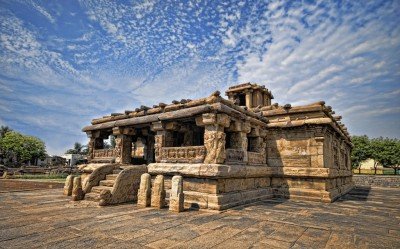
Badami
Some quick example text to build on the card title and make up the bulk of the card's content.
Go somewhere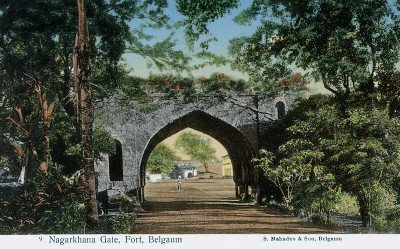
Belagavi
Some quick example text to build on the card title and make up the bulk of the card's content.
Go somewhere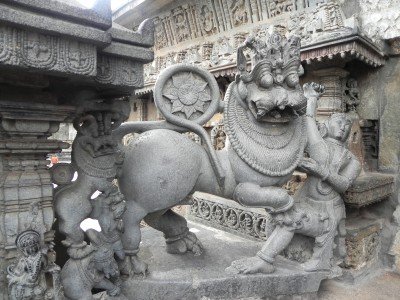
Belur
Some quick example text to build on the card title and make up the bulk of the card's content.
Go somewhere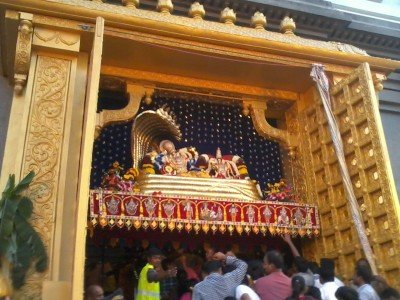
Bengaluru
Some quick example text to build on the card title and make up the bulk of the card's content.
Go somewhere
Bidar
Some quick example text to build on the card title and make up the bulk of the card's content.
Go somewhere
Chamarajanagar
Some quick example text to build on the card title and make up the bulk of the card's content.
Go somewhere
Chikkaballapur
Some quick example text to build on the card title and make up the bulk of the card's content.
Go somewhere
Chikmagalur
Some quick example text to build on the card title and make up the bulk of the card's content.
Go somewhere
Coorg
Some quick example text to build on the card title and make up the bulk of the card's content.
Go somewhere
Dandeli
Some quick example text to build on the card title and make up the bulk of the card's content.
Go somewhere
Davangere
Some quick example text to build on the card title and make up the bulk of the card's content.
Go somewhere
Dharmasthala
Some quick example text to build on the card title and make up the bulk of the card's content.
Go somewhere
Gokarna
Some quick example text to build on the card title and make up the bulk of the card's content.
Go somewhere
Hampi
Some quick example text to build on the card title and make up the bulk of the card's content.
Go somewhere
Hubballi-Dharwad
Some quick example text to build on the card title and make up the bulk of the card's content.
Go somewhere
Kabini
Some quick example text to build on the card title and make up the bulk of the card's content.
Go somewherein Other Cities