...

Place To Visit And Things To Do In Ahmedabad

Gujarat, India
History of Ahmedabad: Founded in 1411 by Sultan Ahmed Shah, the city served as a capital of the Gujarat Sultanate. It has evolved from a medieval fortified city to a modern metropolis known for its textile industry. The city played a pivotal role in the Indian independence movement, hosting Mahatma Gandhi at Sabarmati Ashram. Today, it is India’s first UNESCO World Heritage City, blending ancient structures with modern urban planning. The city’s name reflects its founder, and its spirit reflects centuries of trade and culture. Cultural Heritage: The culture is a vibrant mix of traditional Gujarati values and modern cosmopolitan life. It is famous for its performing arts, folk dances like Garba, and a rich culinary heritage featuring snacks like Dhokla and Fafda. The city hosts numerous galleries and museums that preserve its artistic past. Festivals are celebrated with immense fervor, bringing people of all religions together. Urban Development: Modern Ahmedabad is a hub for education and commerce, housing institutions like IIM-A and NID. The Sabarmati Riverfront project has transformed the city's landscape into a recreational space. High-rise buildings and shopping malls stand alongside historic pols, showing a balanced growth. It remains the commercial heart of western India. Economic Significance: Known as the textile hub of India, the city has a long-standing history of manufacturing. It also hosts growing sectors in pharmaceuticals and information technology. The local markets are always bustling with traders from across the state. It provides significant employment and contributes largely to the state's GDP.

Things To Do

Card image cap
Amdavad Ni Gufa

This is an underground art gallery that represents a spectacular fusion of architecture and art, designed by the world-renowned architect B.V. Doshi ...
This is an underground art gallery that represents a spectacular fusion of architecture and art, designed by the world-renowned architect B.V. Doshi and painted by the legendary artist M.F. Husain. The name Amdavad Ni Gufa translates to the "Cave of Ahmedabad," and it truly lives up to its name by offering a subterranean sanctuary away from the city's noise. The gallery was built to showcase Husain's work in a space that wasn't a traditional box-like museum, but rather a living, breathing organic structure that mimics the natural caves of ancient times. Inside, the walls are not straight but curved, and the ceiling is a series of interconnected domes that create a surreal, dreamlike atmosphere for every visitor. The project was completed in 1994 and has since become a pilgrimage site for students of design and art lovers globally. It is located within the lush campus of CEPT University, providing a quiet and intellectual vibe that is rare to find in the bustling parts of the city. The coolness of the underground space offers a natural respite from the intense heat of Gujarat, making the experience both visually and physically refreshing.
Card image cap
Auto World Vintage Car Museum

Established by Shri Pranlal Bhogilal, this museum is one of the largest and finest private collections of vintage cars in the world. It is a paradise...
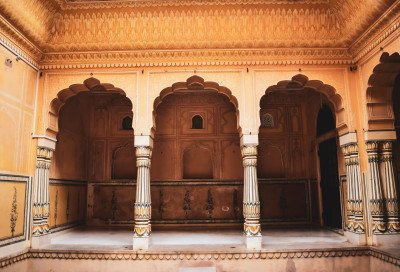
Established by Shri Pranlal Bhogilal, this museum is one of the largest and finest private collections of vintage cars in the world. It is a paradise for automobile enthusiasts, housing over 100 rare vehicles that date back to the early 1900s. The collection includes iconic brands like Rolls-Royce, Bentley, Maybach, Cadillac, and Mercedes-Benz, many of which were custom-built for the Maharajas of India. Each car is in impeccable running condition, maintained by a dedicated team of mechanics who preserve the original leather upholstery and wooden dashboards. The museum is set within the lush Dastan Estate, offering a wide-open area where visitors can see these mechanical marvels parked under high-roofed pavilions. Beyond just cars, the museum showcases vintage motorcycles, horse-drawn carriages, and even specialized "hunting cars" used by royalty for expeditions. Walking through the rows of shining chrome and polished paint feels like stepping back into a time of extreme luxury and craftsmanship. It provides a fascinating look at how automotive technology evolved from simple engines to the high-performance machines of the mid-20th century. For many, it is not just a museum but a tribute to the passion of a single collector who dedicated his life to preserving automotive history for future generations.
Card image cap
Bhadra Fort

Built in 1411 by Sultan Ahmad Shah I, the founder of the city, Bhadra Fort stands as the historic heart of Ahmedabad. The fort was named after the Bh...

Built in 1411 by Sultan Ahmad Shah I, the founder of the city, Bhadra Fort stands as the historic heart of Ahmedabad. The fort was named after the Bhadrakali Temple located within its premises, though some believe it was named after the fortress of Bhadra in Arabia. For centuries, this fort served as the royal residence and the seat of power for various dynasties, including the Mughals and the Marathas, before being taken over by the British. The fort complex originally contained royal palaces, lush gardens, and a large open square known as Maidan-e-Shahi, where royal processions and polo matches were held. Today, the fort is a protected monument that houses various government offices, but it remains open to the public to explore its massive stone walls and intricate carvings. The architecture is a beautiful example of the Indo-Saracenic style, blending Islamic structural elements with Hindu decorative motifs. Walking along the ramparts provides a panoramic view of the old city and the bustling Teen Darwaza market below. The fort is not just a pile of stones; it is a living witness to the city's transformation from a medieval capital to a modern metropolis. The presence of the Bhadrakali Temple makes it a site of religious significance as well, drawing thousands of devotees during festivals.
Card image cap
Calico Museum of Textiles

Widely regarded as one of the finest textile museums in the world, the Calico Museum of Textiles was founded in 1949 by the industrialist Gautam Sara...

Widely regarded as one of the finest textile museums in the world, the Calico Museum of Textiles was founded in 1949 by the industrialist Gautam Sarabhai and his sister Gira Sarabhai. It is housed in "The Retreat," a beautiful heritage estate that was once the family home of the Sarabhais. The museum was inaugurated by India's first Prime Minister, Jawaharlal Nehru, with the aim of preserving the rich weaving traditions of India that were at risk of disappearing. The collection is vast and breathtaking, featuring textiles that span five centuries, including rare Mughal court costumes, religious wall hangings (Pichhwais), and intricate tie-dye fabrics from across Gujarat and Rajasthan. The museum is not just a display of cloth; it is a curated journey through the social and cultural history of India. Due to the fragile nature of the ancient fabrics, the museum follows extremely strict rules, including mandatory pre-registration and limited entry. The guided tours are led by experts who explain the complex techniques of weaving, embroidery, and dyeing used in each piece. The estate itself is a lush garden sanctuary, featuring traditional Gujarati wooden architecture (Havelis) that have been painstakingly reconstructed to house the galleries. It is a world-class center for textile research and a must-visit for anyone interested in the intersection of art, history, and craft.
Card image cap
Dada Harir Stepwell

Built in 1485-1499 during the reign of Sultan Mahmud Begada, the Dada Harir Stepwell is one of the most stunning examples of Gujarat’s ancient wate...
Built in 1485-1499 during the reign of Sultan Mahmud Begada, the Dada Harir Stepwell is one of the most stunning examples of Gujarat’s ancient water management systems. It was commissioned by Dhai Harir, a lady of the royal harem, to provide water and a cool resting place for travelers and locals. Unlike many monuments of that era, this stepwell features inscriptions in both Sanskrit and Arabic, reflecting the inclusive cultural atmosphere of medieval Ahmedabad. The structure descends five levels deep into the earth, with each level becoming progressively cooler. The walls are covered in intricate carvings of floral patterns, geometric designs, and spiritual symbols. As you descend the stone stairs, the play of light and shadow creates a mystical environment, especially when the sun is directly overhead. Historically, these stepwells were not just wells; they were social hubs where women would gather to collect water and chat, and where weary merchants would find shelter from the scorching sun. The stepwell is located in the Asarwa area, tucked away behind the Dada Harir Mosque and tomb, which makes it a quieter alternative to the more famous Adalaj Stepwell. Visiting this site offers a deep sense of peace and a chance to admire the engineering brilliance of ancient India, where utility and beauty were perfectly integrated.
Card image cap
Gujarat Science City

Gujarat Science City is a sprawling educational and entertainment complex designed to foster scientific temper among the masses. Established by the G...

Gujarat Science City is a sprawling educational and entertainment complex designed to foster scientific temper among the masses. Established by the Government of Gujarat, it spans over 107 hectares of land and serves as a premier destination for students, families, and science enthusiasts. The facility is not just a museum but an experiential center where complex scientific concepts are translated into engaging exhibits. It features cutting-edge galleries like the Aquatic Gallery, which is India's largest public aquarium, and the Robotics Gallery showcasing the future of automation. The center also includes an IMAX 3D Theater, an Energy Education Park, and a Planet Earth pavilion. Each section is meticulously designed to provide hands-on learning, making it a vital part of Ahmedabad's modern identity. The lush green surroundings and interactive displays create a perfect blend of education and leisure, attracting millions of visitors annually. It plays a significant role in promoting STEM education through workshops, camps, and national-level science events. The recent additions of the Nature Park and advanced VR rides have further elevated its status as a world-class science park. It is a place where curiosity meets reality, offering deep insights into the universe, biology, and technology.
Card image cap
Hathisingh Wadi

Rani No Hajiro, also known as the Tombs of the Queens, is a 15th-century historical complex located in the heart of the Old City. Built by Sultan Ahm...

Rani No Hajiro, also known as the Tombs of the Queens, is a 15th-century historical complex located in the heart of the Old City. Built by Sultan Ahmed Shah, the founder of Ahmedabad, this site serves as the final resting place for his royal consorts. Unlike many traditional tombs that are enclosed, the graves here are situated in a large open-air courtyard, which is a rare architectural feature. The complex is surrounded by high stone walls with intricate trellis work (Jalis). Over the centuries, a vibrant market has grown around its entrance, specializing in traditional Gujarati textiles and jewelry. This juxtaposition of a solemn historic tomb and a bustling commercial hub creates a unique atmosphere that reflects the living heritage of Ahmedabad. It is a place where one can admire the silence of history while being steps away from the chaotic energy of the city. The site is a protected monument under the ASI and serves as a testament to the Indo-Islamic architectural style that defines the Sultanate era. It remains a must-visit for history buffs and shoppers alike, offering a glimpse into the royal past and the cultural richness of the region.
Card image cap
Hutheesing Jain Temple

The Hutheesing Jain Temple is one of the most magnificent Jain temples in India, known for its architectural grandeur and spiritual serenity. Constru...

The Hutheesing Jain Temple is one of the most magnificent Jain temples in India, known for its architectural grandeur and spiritual serenity. Constructed in 1848 by a wealthy merchant, Sheth Hutheesing Kesarisinh, and completed by his wife Harkunvarba, the temple is dedicated to Lord Dharmanatha, the 15th Tirthankara. It was built during a time of severe famine, providing employment to hundreds of skilled artisans for two years. The temple is famous for its intricate carvings and its use of high-quality white marble that has retained its luster for over a century. The complex is remarkably clean and quiet, offering a stark contrast to the busy streets of Ahmedabad. It serves as a major pilgrimage site for the Jain community and a point of interest for architects worldwide. The temple trust maintains the premises with great care, ensuring that the ancient traditions and the structure's integrity are preserved. Visitors are often struck by the sense of peace that pervades the courtyard. It is not just a religious site but a masterpiece of 19th-century craftsmanship that reflects the prosperity and piety of the Ahmedabad merchant class.
Card image cap
ISKCON Temple - Ahmedabad

The ISKCON Temple in Ahmedabad, also known as Sri Sri Radha Govind Dham, is a center for spiritual learning and Vedic culture. Spread over 4 acres, i...

The ISKCON Temple in Ahmedabad, also known as Sri Sri Radha Govind Dham, is a center for spiritual learning and Vedic culture. Spread over 4 acres, it is one of the most beautiful and active temples in the city. The temple is dedicated to Lord Krishna and Radha, but also houses altars for Lord Ram, Sita, and Narasimha. Beyond its religious function, the temple serves as a hub for community service, including the distribution of sanctified food (Prasadam) and value-based education for youth. The temple's atmosphere is charged with the rhythmic chanting of the 'Hare Krishna' Maha-mantra, creating a meditative environment that attracts people from all walks of life. The architecture is a blend of traditional Rajasthani and Gujarati styles, featuring grand domes and detailed stone work. The temple complex includes a guest house, a restaurant (Govinda’s), and a library. It is particularly famous for its Sunday Feast programs and its massive celebrations during Janmashtami. For many locals, it is a place for weekly rejuvenation, offering a break from the commercial buzz of the S.G. Highway. The temple is impeccably maintained, with gardens that provide a serene backdrop for prayer and contemplation.
Card image cap
Jama Masjid

Jama Masjid in Ahmedabad is one of the most magnificent Islamic structures in India, built in 1424 by Sultan Ahmed Shah I, the founder of the city. O...
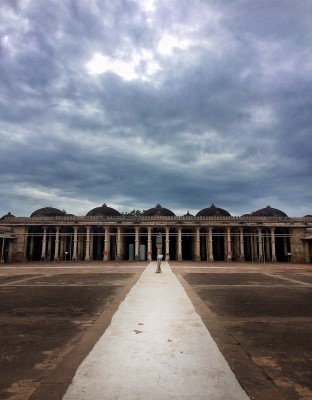
Jama Masjid in Ahmedabad is one of the most magnificent Islamic structures in India, built in 1424 by Sultan Ahmed Shah I, the founder of the city. Originally intended as a private shrine for the royal family, it eventually became a congregational space for the public to offer Friday prayers. The mosque is situated in the heart of the old walled city, standing as a testament to the cultural synthesis of the Gujarat Sultanate. It was once the largest mosque in the Indian subcontinent, reflecting the power and aesthetic vision of the ruler. The atmosphere inside the courtyard is profoundly peaceful, offering a stark contrast to the chaotic energy of the surrounding Manek Chowk market. Visitors are often struck by the play of light and shadow within the prayer hall, which houses hundreds of pillars. Historically, the mosque was part of a grander urban plan that included the Bhadra Fort and Teen Darwaza. Despite suffering damage from massive earthquakes in 1819 and 2001, it remains remarkably well-preserved. It serves as a living heritage site where spirituality and history coexist seamlessly. The yellow sandstone glow during sunset is a sight that captures the soul of ancient Amdavad.
Card image cap
Jhulta Minar

The Jhulta Minar, or Shaking Minarets, are part of the Sidi Bashir Mosque, located near the Kalupur gate in Ahmedabad. Built in 1452, these minarets ...
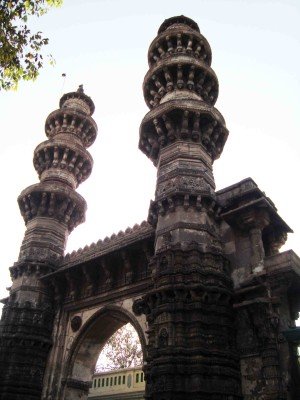
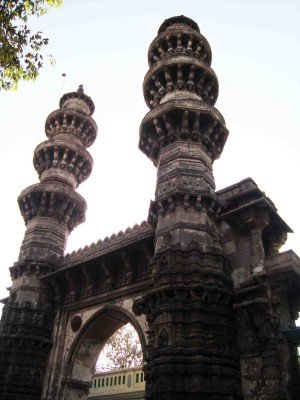
The Jhulta Minar, or Shaking Minarets, are part of the Sidi Bashir Mosque, located near the Kalupur gate in Ahmedabad. Built in 1452, these minarets are an architectural mystery that continues to baffle engineers and scientists worldwide. The unique feature of these towers is that if one minaret is shaken with a little force, the other one begins to vibrate within seconds, while the connecting passage remains completely still. This phenomenon was intended as a safety measure against earthquakes. Unfortunately, the main body of the mosque was destroyed during the 1753 war between the Marathas and Mughals, leaving only the two magnificent minarets and the central gateway standing today. Another pair of shaking minarets exists at the Raj Bibi Mosque, but those at Sidi Bashir are more famous. British engineers once dismantled part of a minaret to understand the mechanism but were unable to put it back together, proving the sophistication of ancient Indian engineering. Today, visitors are no longer allowed to climb the minarets to protect the structural integrity, but seeing them from the ground is still a mesmerizing experience. It remains a symbol of the city's legendary craftsmanship.
Card image cap
Kankaria Lake

Kankaria Lake is the second largest lake in Ahmedabad, originally built in 1451 by Sultan Qutb-ud-Din. Historically known as Hauz-e-Qutb, it served a...
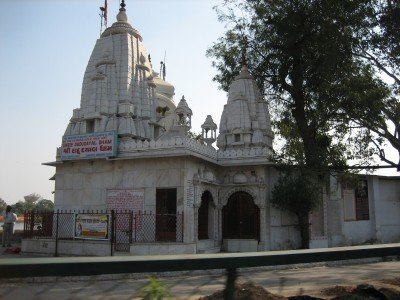
Kankaria Lake is the second largest lake in Ahmedabad, originally built in 1451 by Sultan Qutb-ud-Din. Historically known as Hauz-e-Qutb, it served as a bathing place for the royalty. The lake is nearly circular in shape and features a central garden island called Nagina Wadi, which is connected to the shore by a beautiful causeway. In 2008, the Ahmedabad Municipal Corporation transformed the lakefront into a world-class recreational hub, making it the most popular hangout spot for locals and tourists alike. The lake is surrounded by a 2.25 KM pedestrian path filled with food stalls, toy trains, and amusement parks. Legend says the name "Kankaria" comes from the large quantities of limestone (Kankar) dug out during its excavation. Today, it offers a blend of history and modern entertainment, featuring high-tech light shows, a tethered hot air balloon, and various water sports. It is especially vibrant during the Kankaria Carnival held every December. The lake serves as the lungs of the city, providing a serene escape from the urban hustle. Whether you want a morning walk or an evening of thrill rides, Kankaria has something for everyone.
Card image cap
Kankaria Zoo

The Kamla Nehru Zoological Garden, popularly known as Kankaria Zoo, was established in 1951 by Reuben David. Located on the banks of Kankaria Lake, i...
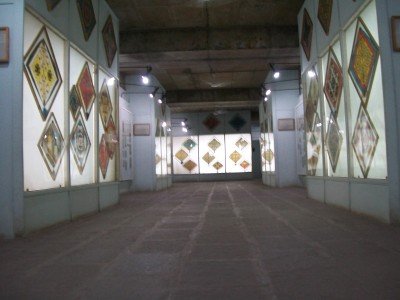
The Kamla Nehru Zoological Garden, popularly known as Kankaria Zoo, was established in 1951 by Reuben David. Located on the banks of Kankaria Lake, it is one of the best-maintained zoos in India. The zoo is famous for its successful breeding programs for endangered species and its lush, green environment that provides a natural habitat for the animals. It houses a wide variety of wildlife, including the rare albino animals, tigers, lions, leopards, and an extensive collection of reptiles and birds. The zoo also features a specialized Nocturnal Zoo, where visitors can observe the behavior of night-dwellers like owls, hyenas, and porcupines under artificial moonlight. This was the first of its kind in India. The Butterfly Park and the Reptile House are other major attractions within the complex. Education and conservation are at the heart of this garden, which attracts millions of visitors annually. It serves as a vital educational resource for children to learn about biodiversity. The zoo is beautifully landscaped, making it a pleasant walk even during the warmer months due to the thick tree cover. It is a must-visit for nature lovers and families exploring Ahmedabad.
Card image cap
Kite Museum

@@The Essence of the Museum: The Kite Museum, located inside the Sanskar Kendra cultural center, is a unique institution dedicated to the art and hist...
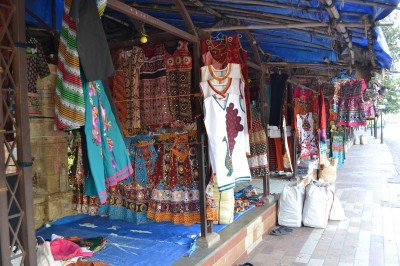
@@The Essence of the Museum: The Kite Museum, located inside the Sanskar Kendra cultural center, is a unique institution dedicated to the art and history of kite flying. Founded by Bhanu Shah, who donated his personal collection of kites to the city, the museum showcases a breathtaking variety of designs, from miniature kites to massive, intricate creations. The exhibits trace the evolution of kites from simple toys to sophisticated tools used in aerial photography and warfare. @@Cultural Significance of Kites: In Gujarat, kite flying is more than a hobby; it is a spiritual and social ritual. The museum captures this essence through displays that explain the significance of the Uttarayan festival. Visitors can see kites made from unconventional materials like bamboo, silk, and even paper-thin gold. The collection includes Japanese Rokoku kites and hexagonal designs that have influenced global kite culture. @@A Tribute to Craftsmanship: Every kite in the museum tells a story of meticulous craftsmanship. There are kites depicting mythological figures like Radha Krishna, as well as those featuring contemporary icons. The museum also educates visitors on the science of aerodynamics and the traditional methods of making manja (glass-coated string). It serves as a bridge between the city's royal past and its modern, festive spirit, making it a must-visit for families and art lovers. @@Educational Experience: The museum is not just a visual treat but an educational journey. It provides insights into how kites were used in different cultures across Asia and Europe. The curated displays include rare photographs of kite festivals from the early 20th century, offering a nostalgic look at Ahmedabad's heritage. It is a quiet, contemplative space that celebrates human ingenuity and the universal desire to touch the sky.
Card image cap
Law Garden Night Market

@@The Spirit of the Night Market: The Law Garden Night Market is one of the most iconic shopping destinations in Ahmedabad, coming alive as the sun se...
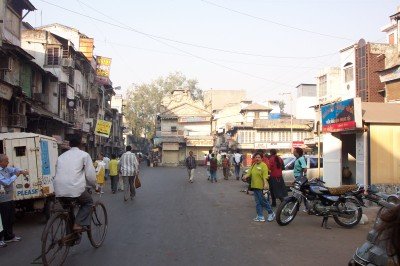
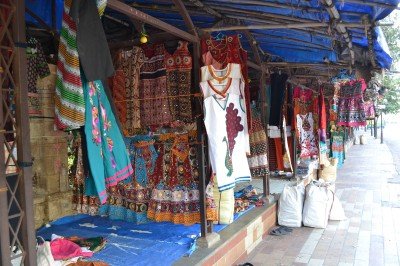
@@The Spirit of the Night Market: The Law Garden Night Market is one of the most iconic shopping destinations in Ahmedabad, coming alive as the sun sets. Located on the periphery of the public Law Garden, this bustling street market is famous for its explosion of colors and traditional Gujarati textiles. Artisans and vendors from across the state set up stalls to sell authentic handicrafts, including the world-renowned Chaniya Cholis and Kediyus. @@A Shopper's Paradise: For those looking to take home a piece of Gujarat, this market is unrivaled. You can find exquisite Bandhani (tie-dye) fabrics, intricate mirror work, and Kutchi embroidery. The market is also a hub for oxidized jewelry, traditional footwear called Mojris, and home decor items like wall hangings and bedspreads. The vibrant atmosphere is fueled by the energy of thousands of shoppers looking for the best deals. @@Cultural Immersion: Walking through the narrow lanes of the market offers a deep dive into the local culture. The vendors are often the artisans themselves, sharing stories about the techniques used in their crafts. The market is especially lively during the Navratri season, when locals flock here to buy their festive attire. It is a place where traditional craftsmanship meets modern commerce, creating a unique urban experience. @@Street Food Extravaganza: Beyond shopping, the market is a major culinary destination. The adjacent Khau Gali (Food Street) serves a variety of local delicacies, from spicy Pav Bhaji to sweet Kulfi. The combination of retail therapy and delicious street food makes it a favorite hangout for both tourists and locals. The market represents the joyous and hardworking spirit of the people of Ahmedabad, offering a sensory overload of sights, sounds, and tastes.
Card image cap
Manek Chowk

@@A Living Legend: Manek Chowk is a historical city square located in the heart of the Old City of Ahmedabad. It is unique because it serves three dif...
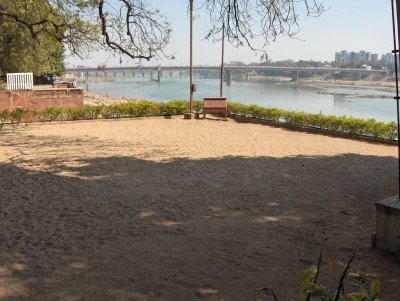
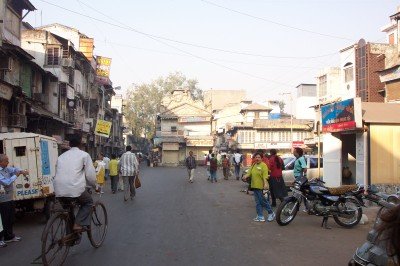
@@A Living Legend: Manek Chowk is a historical city square located in the heart of the Old City of Ahmedabad. It is unique because it serves three different purposes throughout the day: a vegetable market in the morning, a jewelry market during the day, and a bustling food street at night. Named after the saint Maneknath, who lived in the area during the city's founding, the square is a witness to centuries of history. @@The Jewelry Hub: During the afternoon, Manek Chowk transforms into one of India’s most significant bullion and jewelry markets. The narrow streets are lined with shops selling gold, silver, and precious stones. This transformation is a testament to the city’s mercantile heritage. The architecture of the surrounding Pols (traditional housing clusters) adds to the charm of the area, making it a favorite spot for history buffs and photographers. @@Culinary Nightlife: As evening falls, the jewelry shops close, and the square is taken over by food stalls. This "Ratri Bazaar" is famous across India for its unique street food offerings. From the legendary "Gwalior Dosa" to chocolate sandwiches and pineapple sandwiches, the food here is innovative and rich. It is a place where families and friends gather late into the night, enjoying the cool evening air and the vibrant street life of the city. @@Historical Surroundings: The area around Manek Chowk is home to some of the city's most important monuments, including the Jama Masjid and Badshah no Haziro. Exploring the square allows visitors to experience the dense, layered history of Ahmedabad. The square is not just a market; it is the heartbeat of the city, where tradition and modernity coexist in a chaotic yet harmonious dance, offering a glimpse into the everyday life of the locals.
Card image cap
Sabarmati Ashram

@@A Place of Pilgrimage: Sabarmati Ashram, also known as Gandhi Ashram, is located on the tranquil banks of the Sabarmati River. It served as the resi...
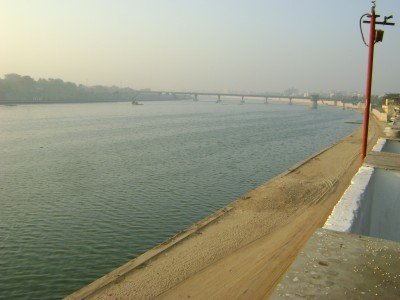
@@A Place of Pilgrimage: Sabarmati Ashram, also known as Gandhi Ashram, is located on the tranquil banks of the Sabarmati River. It served as the residence of Mahatma Gandhi from 1917 to 1930 and was the nerve center of the Indian independence movement. It was from here that Gandhi launched the historic Dandi March in 1930. The ashram remains a symbol of peace, truth, and non-violence, attracting visitors from all over the world. @@The Gandhi Smarak Sangrahalaya: The museum within the ashram, designed by the renowned architect Charles Correa, houses a vast collection of Gandhi's personal belongings, letters, and photographs. The exhibits provide a comprehensive look at his life and his philosophy of Satyagraha. Visitors can see the spinning wheels (charkhas) that Gandhi used and learn about his efforts to promote self-reliance through Khadi. @@A Serene Atmosphere: Despite being in the middle of a bustling city, the ashram offers a sense of profound peace. The lush green campus, filled with trees and birds, provides a meditative environment. Visitors can sit on the banks of the river, much like Gandhi did, and reflect on his teachings. The various cottages, such as Hridaya Kunj, have been preserved in their original state, giving a glimpse into the simple lifestyle of the Mahatma. @@Global Legacy: The ashram is more than just a historical site; it is a living laboratory of Gandhian ideals. It continues to inspire activists, world leaders, and students of history. The site manages various social and educational programs aimed at rural development and social justice. A visit to the ashram is a spiritual journey that reminds us of the power of simplicity and the enduring relevance of Gandhi's message in the modern world.
Card image cap
Sabarmati Riverfront

The Sabarmati Riverfront is a massive urban environmental project that has transformed the dusty riverbed into a vibrant social space for the residen...

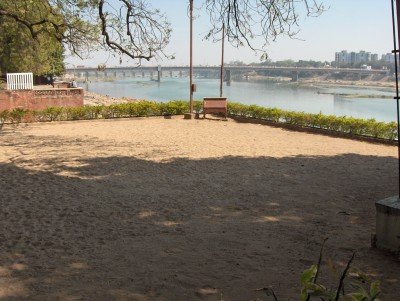
The Sabarmati Riverfront is a massive urban environmental project that has transformed the dusty riverbed into a vibrant social space for the residents of Ahmedabad. Initiated in the early 2000s, the project aims to provide the city with a sustainable waterfront while managing the river's flow and pollution. It features lush parks, plazas, and a continuous lower promenade for pedestrians and cyclists that stretches for over 11 kilometers on both sides. The riverfront has become the premier venue for major national celebrations and public gatherings in the state of Gujarat. Visitors can enjoy the serene environment while watching the river reflect the city's skyline during the golden hour of the sunset. It represents the perfect harmony between modern infrastructure and nature, serving as a model for urban renewal projects across India. The area is meticulously maintained by the Ahmedabad Municipal Corporation and offers various amenities like food stalls and seating areas. :
Card image cap
Sardar Vallabhbhai Patel National Memorial

The Sardar Vallabhbhai Patel National Memorial is a premier museum dedicated to the life and works of India's first Deputy Prime Minister. It is situ...
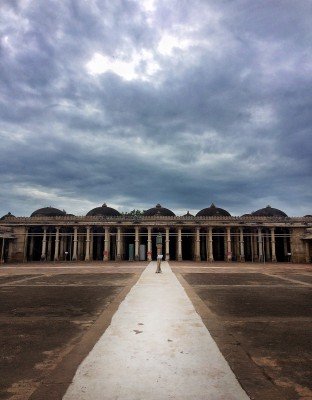
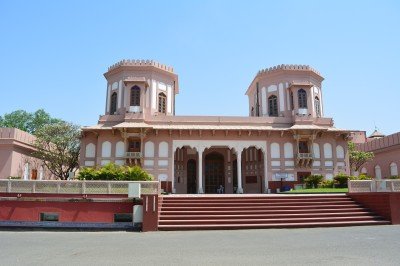
The Sardar Vallabhbhai Patel National Memorial is a premier museum dedicated to the life and works of India's first Deputy Prime Minister. It is situated within the historic Moti Shahi Mahal, a palace built by the Mughal Emperor Shah Jahan during his tenure as the Governor of Gujarat in the 1620s. The memorial was established in 1980 and showcases a vast collection of artifacts, including personal belongings, letters, and rare photographs of Sardar Patel. It also features detailed exhibits on the Indian freedom struggle and the unification of various princely states. The museum is equipped with modern technology, including 3D light and sound shows that narrate the history of the Indian independence movement. Visitors can also see the rooms where the Nobel laureate Rabindranath Tagore stayed during his youth. The surrounding gardens, known as the Shahi Baug, add to the tranquil atmosphere of the site. It is an essential visit for anyone interested in modern Indian history and the architectural grandeur of the Mughal era. :
Card image cap
Sarkhej Roza

Sarkhej Roza is a magnificent complex of mosques and tombs that represents the early Islamic architecture of Ahmedabad. It is dedicated to the memory...

Sarkhej Roza is a magnificent complex of mosques and tombs that represents the early Islamic architecture of Ahmedabad. It is dedicated to the memory of the Sufi saint Shaikh Ahmed Khattu Ganj Baksh, who was a spiritual advisor to the sultan. The complex was built during the reign of Sultan Muhammad Shah and completed in 1451. It is famously known as the "Acropolis of Ahmedabad" due to its elegant proportions and the layout of its structures around a central lake. The site is a perfect example of the Indo-Saracenic style, blending Hindu and Islamic architectural elements seamlessly. The peaceful atmosphere of the 72-acre complex makes it a favorite spot for meditation and spiritual reflection. It houses the tombs of several royal family members, including Sultan Mahmud Begada. Despite the urban sprawl nearby, Sarkhej Roza remains a sanctuary of peace and historical beauty. It continues to be an active site of worship and a symbol of the city's rich medieval heritage. :
Card image cap
Sidi Saiyyed Mosque

The Sidi Saiyyed Mosque is globally renowned for its exquisite stone latticework windows, popularly known as the Sidi Saiyyed ni Jali. Built in 1572 ...

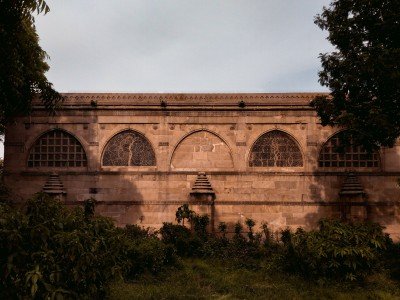
The Sidi Saiyyed Mosque is globally renowned for its exquisite stone latticework windows, popularly known as the Sidi Saiyyed ni Jali. Built in 1572 by a nobleman named Sidi Saiyyed, who was of Abyssinian descent, the mosque represents the pinnacle of craftsmanship during the Gujarat Sultanate. The most famous feature of the mosque is the two intricately carved windows on the rear wall, which depict the "Tree of Life" with intertwining branches and palm leaves. This design is so iconic that it serves as the unofficial symbol of Ahmedabad and the inspiration for the IIM Ahmedabad logo. The mosque itself is a small but elegant structure built with yellow sandstone. Despite its location in the middle of a busy traffic circle, the interior remains surprisingly calm. It is a testament to the skill of the artisans who could carve such delicate, web-like patterns out of solid stone. Travelers from all over the world come to witness this "poetry in stone," which remains one of the most photographed monuments in India. :
Card image cap
Swaminarayan Temple

The Shree Swaminarayan Mandir in Kalupur is a spiritual landmark, being the first temple of the Swaminarayan Sampraday ever built. Constructed in 182...

The Shree Swaminarayan Mandir in Kalupur is a spiritual landmark, being the first temple of the Swaminarayan Sampraday ever built. Constructed in 1822 on land gifted by the British government, it was supervised by Lord Swaminarayan himself. The temple is a riot of colors and features some of the most intricate wood carvings found in India. It is primarily built using Burmese teak, and every pillar, beam, and bracket is carved with images of deities, flowers, and animals. The complex is divided into several sections, including the main temple, a residence for women, and a museum showcasing the personal items of the founder. The temple serves as the starting point for the famous Heritage Walk of Ahmedabad, which explores the narrow lanes (pols) of the old city. The vibrant atmosphere during the morning and evening aarti is a deeply moving experience, with the sound of drums and chants filling the air. It is not just a place of worship but a living museum of Gujarati craftsmanship and religious devotion. :
Card image cap
Teen Darwaza

@@ Overview: The Teen Darwaza is an iconic historical gateway located on the eastern side of the Bhadra Fort. Built in 1411 AD by Sultan Ahmed Shah, t...

@@ Overview: The Teen Darwaza is an iconic historical gateway located on the eastern side of the Bhadra Fort. Built in 1411 AD by Sultan Ahmed Shah, the founder of the city, it has served as a royal entrance for centuries. This structure is a witness to the rich history of the Gujarat Sultanate and the Mughal Empire. It was originally designed to lead into the Maidan-e-Shah, where royal processions and games were held. Today, it stands amidst a bustling market, blending ancient grandeur with modern daily life. The gate is featured in the logo of the Ahmedabad Municipal Corporation, signifying its importance. It is managed by the Archaeological Survey of India and remains a key landmark for anyone exploring the Old City. Visitors can feel the pulse of Ahmedabad as they walk through these grand arches. The site is a living museum of the city's evolution from a fortified capital to a UNESCO World Heritage City.
Card image cap
Vastrapur Lake

@@ Overview: Vastrapur Lake is a prominent man-made lake located in the western part of Ahmedabad. Developed by the Ahmedabad Municipal Corporation in...

@@ Overview: Vastrapur Lake is a prominent man-made lake located in the western part of Ahmedabad. Developed by the Ahmedabad Municipal Corporation in 2002, it serves as a vital green lung for the city's residents. In 2013, it was officially renamed as the Bhakt Kavi Narsinh Mehta Sarovar in honor of the famous 15th-century saint-poet. The lake is surrounded by a lush green garden and a well-paved walking track that attracts hundreds of morning walkers and joggers. It is a popular spot for families, especially on weekends, due to its peaceful environment and recreational facilities. The lake also features an open-air theater that hosts various cultural programs and musical performances. During the winter months, several species of migratory birds can be seen near the water, making it a spot for nature lovers. Its proximity to major shopping malls and eateries makes it a central hub for social gatherings. The atmosphere here is a perfect blend of natural beauty and urban convenience.
Card image cap
Vechaar Utensils Museum

@@ Overview: The Vechaar Utensils Museum (Vishalla Environmental Centre for Heritage of Art, Architecture and Research) was established in 1981. It is...

@@ Overview: The Vechaar Utensils Museum (Vishalla Environmental Centre for Heritage of Art, Architecture and Research) was established in 1981. It is the brainchild of designer Surendra Patel and anthropologist Jyotindra Jain, aimed at preserving India's culinary heritage. The museum is unique as it is the only one of its kind in the world dedicated entirely to utensils. It houses a massive collection of over 4,000 items made from various materials like brass, copper, bronze, and even wood. These artifacts range from simple water pots to complex locks and nutcrackers used in ancient Indian households. The museum is set within a rustic, village-themed environment that transports visitors back in time. Each piece in the collection tells a story of the craftsmanship and lifestyle of people from different eras. The display is not just about utility but also about the artistic expression found in everyday objects. It is located within the famous Vishalla restaurant complex, known for its authentic Gujarati dining experience. Visiting this museum is an educational journey into the heart of Indian tradition.
Show All

Ahmedabad Itineray And Cost:-

Information about New and Updated Locations() of Gujarat Has Been Added :-
Card subtitle

Note:-

Information provided here in good Faith and for reference only.

All information and pictures will be updated soon, please keep visiting.

Near Places
...
Ahmedabad

Some quick example text to build on the card title and make up the bulk of the card's content.

Go somewhere
...
Bhuj

Some quick example text to build on the card title and make up the bulk of the card's content.

Go somewhere
...
Chotila

Some quick example text to build on the card title and make up the bulk of the card's content.

Go somewhere
...
Dahod

Some quick example text to build on the card title and make up the bulk of the card's content.

Go somewhere
...
Dandi

Some quick example text to build on the card title and make up the bulk of the card's content.

Go somewhere

...
Kevadia

Some quick example text to build on the card title and make up the bulk of the card's content.

Go somewhere
...
Kutch

Some quick example text to build on the card title and make up the bulk of the card's content.

Go somewhere
...
Lothal

Some quick example text to build on the card title and make up the bulk of the card's content.

Go somewhere
...
Mandvi

Some quick example text to build on the card title and make up the bulk of the card's content.

Go somewhere
...
Modhera

Some quick example text to build on the card title and make up the bulk of the card's content.

Go somewhere
in Other Cities