Chotila
General information
-
Ideal Duration:
Half DayPlace Type:
PilgrimageEntry Fees:
Temple Access: Entry to the temple is free for all. There is a nominal charge for using the ropeway, usually around 100 to 150 INR for a round trip. These funds support the maintenance of the facilities.
Parking Fees: There is a small fee ...Temple Access: Entry to the temple is free for all. There is a nominal charge for using the ropeway, usually around 100 to 150 INR for a round trip. These funds support the maintenance of the facilities.
Parking Fees: There is a small fee for parking vehicles at the base of the hill. Public facilities like restrooms may have a very small maintenance charge. Most of the religious services are based on voluntary donations.Timing:
General Timings: The temple is open from 5:00 AM to 8:30 PM. As per tradition, no one stays on the hill after the evening Aarti. The gates are strictly closed for the night.
Best Time for Darshan: Early morning (Brahmamuhurta) is considere...General Timings: The temple is open from 5:00 AM to 8:30 PM. As per tradition, no one stays on the hill after the evening Aarti. The gates are strictly closed for the night.
Best Time for Darshan: Early morning (Brahmamuhurta) is considered very auspicious. Weekdays are generally less crowded than weekends. During Navratri, the temple may stay open for longer hours to accommodate the crowd.Special Events:
Navratri Celebration: The nine nights of Navratri are the busiest time in Chotila. Special pujas and cultural events are organized. The entire town is lit up, and thousands of people wait in long queues for a glimpse of the goddess.
Chaitra Na...Navratri Celebration: The nine nights of Navratri are the busiest time in Chotila. Special pujas and cultural events are organized. The entire town is lit up, and thousands of people wait in long queues for a glimpse of the goddess.
Chaitra Navratri: Held in March or April, this is another significant period for pilgrims. Many people undertake walking yatras from distant cities to reach the temple. It is a time of intense devotion and community service.Best Photo Spots:
Hilltop Viewpoint: The panoramic view of the plains and the NH-8A highway from the top is perfect for landscape shots. The sunset from here is particularly golden and wide. It captures the vastness of the Saurashtra region.
Temple Entrance:Hilltop Viewpoint: The panoramic view of the plains and the NH-8A highway from the top is perfect for landscape shots. The sunset from here is particularly golden and wide. It captures the vastness of the Saurashtra region.
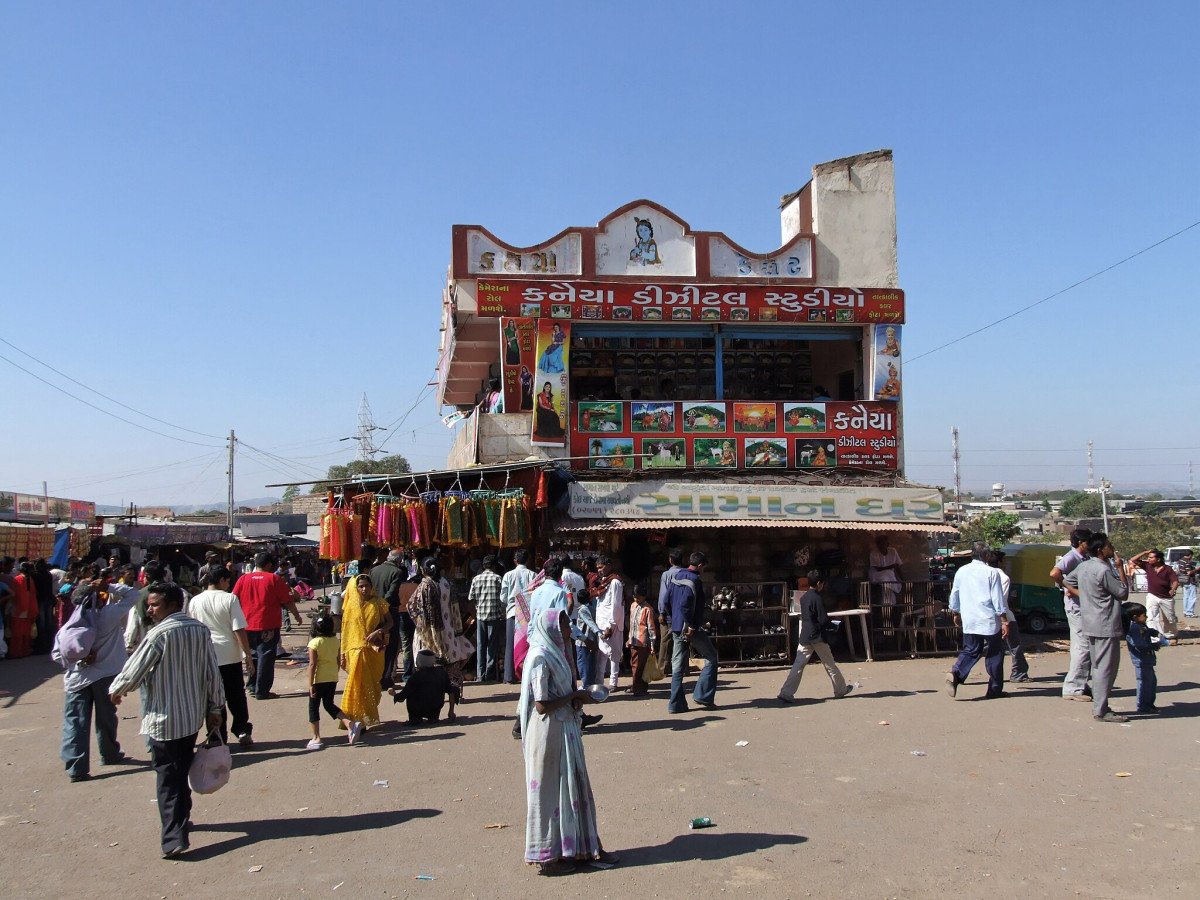
Temple Entrance: The colorful entrance and the steps leading up the hill provide a great perspective for photography. Capturing the stream of devotees in traditional attire adds a human element. It reflects the spiritual energy of the place.
Ropeway Cabin: Taking photos from the ropeway offers a unique high-angle view of the temple complex. The contrast between the red temple flags and the green/brown hill is striking. It is a favorite for quick social media clips.Photo Gallery
Things To Do
 The Hingolgadh Wildlife Sanctuary is a lush green oasis nestled in the arid landscape of the Saurashtra region. Spanning an area of approximately 654 hectares, it was declared a sanctuary in 1980 to protect the unique hilly scrub forest ecosystem. This sanctuary is managed by the GEER Foundation and serves as a premier center for nature education in Gujarat. It is home to a variety of animals including the Chinkara, Nilgai, Wolf, and Hyena, along with over 230 species of birds. The terrain is hilly and rugged, offering a beautiful mosaic of grasslands and deciduous trees. During the monsoon, the entire area transforms into a vibrant green paradise, buzzing with life and the melodies of chirping birds. It is particularly famous for its nature education camps that aim to sensitize students and visitors about wildlife conservation. The sanctuary acts as a critical recharge zone for groundwater in the region. Visitors can explore the well-marked nature trails and enjoy the serene environment far from the hustle of urban life. The presence of the historic Hingolgadh Fort nearby adds a touch of royal heritage to the natural beauty of the site.
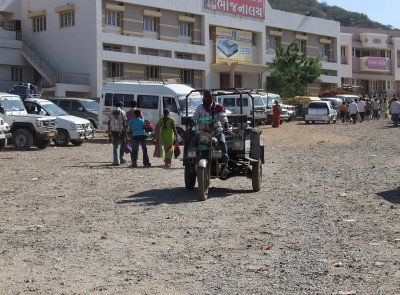 Chamunda Mataji Temple is a highly revered Hindu pilgrimage site dedicated to Maa Chamunda, a fierce, war-like manifestation of Goddess Durga or Mahakali. Situated majestically at the peak of Chotila Hill (locally called Chotila Dungar), the temple stands at an elevation of approximately 1173 feet (about 357 meters) above the surrounding plains, offering a breathtaking panoramic view of the Surendranagar district landscape. The sheer physical effort required to climb the estimated 620 to 700 steps to the summit is itself considered an act of devotion, or Tapasya. The temple's mythology is deeply rooted in the ancient scriptures, where it is believed that Maa Mahakali slew the demons Chand and Mund and presented their heads to Goddess Ambika, who then bestowed the name Chamunda upon her. This act of vanquishing evil firmly established the goddess as the guardian deity, or Kuldevi, for numerous communities in the Saurashtra region of Gujarat, making it a vital spiritual center attracting thousands of pilgrims daily, with the numbers swelling exponentially during Hindu festivals. The vibrant energy and unwavering faith of the devotees, combined with the temple’s spectacular location, make it one of the most prominent and spiritually significant hill shrines in the entirety of Gujarat. The structure has seen several renovations over the centuries, but its core spiritual essence and mythological importance remain central to the cultural identity of Chotila.
 @@Detailed Overview of the Spiritual Abode: Varnindra Dham Swaminarayan Temple, popularly known as Mini Poicha, is a magnificent spiritual and cultural complex located in Patdi. It serves as a major pilgrimage hub for followers of the Swaminarayan sect and is managed by the Shree Swaminarayan Gurukul Surat. The temple complex is a sprawling sanctuary that combines intense devotion with artistic brilliance, offering visitors a chance to experience the divine presence of Lord Swaminarayan. Spanning over a vast area, the temple is famous for its serene environment, clean surroundings, and the majestic idol of Varnindra Nilkanth Prabhu. Since its inauguration in October 2017, it has become a beacon of spiritual peace in the region. The campus is designed to cater to all age groups, featuring beautifully landscaped gardens, a massive water body, and a dedicated exhibition area. It is not just a place for prayer but a holistic center where families can spend an entire day engaged in religious and recreational activities. The temple stands as a testament to modern Hindu architecture and the timeless values of the Swaminarayan faith. Visitors often find solace in the rhythmic chanting and the peaceful vibrations that permeate the entire compound. The meticulous maintenance of the facility ensures a pleasant experience for every tourist, making it a must-visit destination near Chotila.
The Khodiyar Mata Temple referred to in the context of Chotila is typically a smaller, regional shrine dedicated to Maa Khodiyar, another fierce and widely revered folk goddess in Gujarat. While the major, widely-known temple for this deity is located far away at Rajpara near Bhavnagar, nearly all towns and villages in Saurashtra have a local shrine for Khodiyar Mata (also called Maa Khodal) as she is the Kuldevi (clan goddess) for numerous communities. This specific local shrine in the Chotila vicinity (approx. 10 KMS away) serves the immediate spiritual needs of the local villagers and the traveler community. It provides a more intimate and less crowded spiritual experience compared to the massive hilltop temple. Devotees visit this shrine to offer special prayers, especially those related to good fortune, protection on journeys, and the welfare of their families. The small temple, often built near a local water body or along a major road, is a testament to the pervasive and deep-rooted folk-Hindu faith in the region, offering a quiet counterpoint to the grandeur of Chamunda Mataji's hill temple.
@@Historical and Spiritual Significance: Ghela Somnath Mahadev Temple is one of the most revered and historically significant shrines dedicated to Lord Shiva in the Saurashtra region. The temple is located on a scenic hillock along the banks of the Ghela River, providing a tranquil atmosphere for spiritual seekers. The history of this temple is deeply intertwined with the main Somnath Temple on the coast. It is believed that during the 15th-century invasion by Mahmud Begada, the original Shivling was shifted here by a brave devotee named Ghelo Vaniyo and Princess Meenaldai to protect it from desecration. The temple serves as a symbol of resilience and undying faith, as the devotees chose this remote location to continue their worship in peace. The surrounding landscape consists of rolling hills and the winding river, which adds to the temple's mystical charm. Pilgrims from all over Gujarat visit this site to perform various rituals, especially during the holy month of Shravan. The temple complex is well-maintained and includes facilities for food and stay, making it a complete pilgrimage destination. The energy of the place is described by many as extremely peaceful and powerful, where the sound of the flowing river and temple bells create a meditative environment. Over the centuries, the temple has undergone several renovations, but it still retains its ancient aura. It is particularly popular among the local Darbar and Vaniyo communities, who have historical ties to the temple's protection. Visiting this temple is not just a religious act but also a journey into the rich folklore and history of Gujarat, where legends of bravery and divine intervention are still told by the local priests. The site offers a perfect blend of natural beauty and spiritual depth, making it a must-visit for anyone traveling through the Rajkot district.
The Khambhalida Caves are a significant archaeological site dating back to the 4th or 5th Century AD. Discovered in 1958 by archaeologist P.P. Pandya, these limestone rock-cut caves are a testament to the spread of Buddhism in the Saurashtra region. The complex consists of three main caves, with the central one being a Chaitya (prayer hall) that houses a worn-out Stupa. The most striking feature of these caves is the presence of massive, intricately carved sculptures of Bodhisattvas flanking the entrance. On the right stands Padmapani, accompanied by a female companion and attendants under an Ashoka tree. On the left is Vajrapani, depicted with similar artistic finesse. These sculptures are considered among the oldest and most refined examples of Buddhist art in Western India, reflecting influences from the Kushana-Kshatrapa period. The caves are situated at the foot of small hillocks near a seasonal stream, providing a serene environment that was once ideal for the meditation of Buddhist monks. Apart from the three main structures, there are about 15 smaller caves nearby which likely served as residential quarters for the monks. The site offers a deep dive into the spiritual and artistic history of ancient Gujarat.
@@Detailed Overview of the Spiritual Abode: Varnindra Dham Swaminarayan Temple, popularly known as Mini Poicha, is a magnificent spiritual and cultural complex located in Patdi. It serves as a major pilgrimage hub for followers of the Swaminarayan sect and is managed by the Shree Swaminarayan Gurukul Surat. The temple complex is a sprawling sanctuary that combines intense devotion with artistic brilliance, offering visitors a chance to experience the divine presence of Lord Swaminarayan. Spanning over a vast area, the temple is famous for its serene environment, clean surroundings, and the majestic idol of Varnindra Nilkanth Prabhu. Since its inauguration in October 2017, it has become a beacon of spiritual peace in the region. The campus is designed to cater to all age groups, featuring beautifully landscaped gardens, a massive water body, and a dedicated exhibition area. It is not just a place for prayer but a holistic center where families can spend an entire day engaged in religious and recreational activities. The temple stands as a testament to modern Hindu architecture and the timeless values of the Swaminarayan faith. Visitors often find solace in the rhythmic chanting and the peaceful vibrations that permeate the entire compound. The meticulous maintenance of the facility ensures a pleasant experience for every tourist, making it a must-visit destination near Chotila.
The Khodiyar Mata Temple referred to in the context of Chotila is typically a smaller, regional shrine dedicated to Maa Khodiyar, another fierce and widely revered folk goddess in Gujarat. While the major, widely-known temple for this deity is located far away at Rajpara near Bhavnagar, nearly all towns and villages in Saurashtra have a local shrine for Khodiyar Mata (also called Maa Khodal) as she is the Kuldevi (clan goddess) for numerous communities. This specific local shrine in the Chotila vicinity (approx. 10 KMS away) serves the immediate spiritual needs of the local villagers and the traveler community. It provides a more intimate and less crowded spiritual experience compared to the massive hilltop temple. Devotees visit this shrine to offer special prayers, especially those related to good fortune, protection on journeys, and the welfare of their families. The small temple, often built near a local water body or along a major road, is a testament to the pervasive and deep-rooted folk-Hindu faith in the region, offering a quiet counterpoint to the grandeur of Chamunda Mataji's hill temple.
@@Historical and Spiritual Significance: Ghela Somnath Mahadev Temple is one of the most revered and historically significant shrines dedicated to Lord Shiva in the Saurashtra region. The temple is located on a scenic hillock along the banks of the Ghela River, providing a tranquil atmosphere for spiritual seekers. The history of this temple is deeply intertwined with the main Somnath Temple on the coast. It is believed that during the 15th-century invasion by Mahmud Begada, the original Shivling was shifted here by a brave devotee named Ghelo Vaniyo and Princess Meenaldai to protect it from desecration. The temple serves as a symbol of resilience and undying faith, as the devotees chose this remote location to continue their worship in peace. The surrounding landscape consists of rolling hills and the winding river, which adds to the temple's mystical charm. Pilgrims from all over Gujarat visit this site to perform various rituals, especially during the holy month of Shravan. The temple complex is well-maintained and includes facilities for food and stay, making it a complete pilgrimage destination. The energy of the place is described by many as extremely peaceful and powerful, where the sound of the flowing river and temple bells create a meditative environment. Over the centuries, the temple has undergone several renovations, but it still retains its ancient aura. It is particularly popular among the local Darbar and Vaniyo communities, who have historical ties to the temple's protection. Visiting this temple is not just a religious act but also a journey into the rich folklore and history of Gujarat, where legends of bravery and divine intervention are still told by the local priests. The site offers a perfect blend of natural beauty and spiritual depth, making it a must-visit for anyone traveling through the Rajkot district.
The Khambhalida Caves are a significant archaeological site dating back to the 4th or 5th Century AD. Discovered in 1958 by archaeologist P.P. Pandya, these limestone rock-cut caves are a testament to the spread of Buddhism in the Saurashtra region. The complex consists of three main caves, with the central one being a Chaitya (prayer hall) that houses a worn-out Stupa. The most striking feature of these caves is the presence of massive, intricately carved sculptures of Bodhisattvas flanking the entrance. On the right stands Padmapani, accompanied by a female companion and attendants under an Ashoka tree. On the left is Vajrapani, depicted with similar artistic finesse. These sculptures are considered among the oldest and most refined examples of Buddhist art in Western India, reflecting influences from the Kushana-Kshatrapa period. The caves are situated at the foot of small hillocks near a seasonal stream, providing a serene environment that was once ideal for the meditation of Buddhist monks. Apart from the three main structures, there are about 15 smaller caves nearby which likely served as residential quarters for the monks. The site offers a deep dive into the spiritual and artistic history of ancient Gujarat.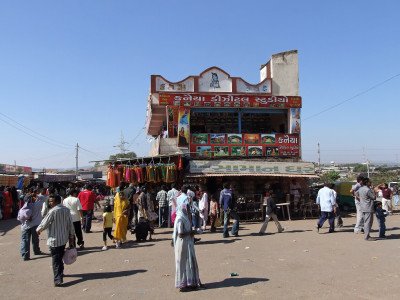 The Chotila Fort, originally known as Chotgadh, is not a single structure but rather the historical and defensive ramparts and ruins surrounding the hilltop where the Chamunda Mataji Temple now stands. The fort's history predates the current temple structure, with its origins traced back to the time of the Sodha Parmar rulers. The fort was a strategic stronghold due to its commanding height and natural defenses. Its most significant period was after 1566 AD, when it was conquered from Jagsio Parmar by the Khachar Kathis, who subsequently established it as one of their principal seats of power in Saurashtra. Many families of the Khachar Kathi clan trace their lineage back to this place. During the British colonial era, the fort area and the town served as the headquarters for an Agency thana (police station), highlighting its continued importance as an administrative and military center. Today, the fort's remnants—such as fragmented walls, observation posts, and ancient water reservoirs—are interwoven with the temple complex. The fort’s legacy is preserved in the local name for the hill, Chotgadh, signifying its past as a formidable medieval fortress. Visitors today walk on the very stones that once formed the boundary walls and bastions of a historically significant defensive outpost.Show All
The Vachcharaj Bet Temple found in the Chotila area is a local shrine dedicated to Vachharadada (or Vachharaj Dada), an eminent warrior-hero and folk deity from the Solanki Rajput clan, widely worshipped in Gujarat. His legend is centered on his supreme sacrifice: leaving his wedding ceremony incomplete to fight dacoits who were stealing cows, in which he attained martyrdom. He is thus revered as the protector of cows and the champion of the helpless. While the main and most famous shrine for him is situated deep in the Little Rann of Kutch (near Zinzuwada), virtually every region with a large Rajput or cattle-herding population has a local Vachharadada Bet (shrine/sanctuary). The local shrine near Chotila is a small, roadside or village temple that caters to the local community, especially cattle herders and travelers. Devotees visit here to seek protection for their cattle, good health, and success in disputes or travels. The presence of this shrine highlights the strong influence of folk deities, cow protection, and hero-worship culture alongside the mainstream Hindu temples in the Saurashtra region.
The Chotila Fort, originally known as Chotgadh, is not a single structure but rather the historical and defensive ramparts and ruins surrounding the hilltop where the Chamunda Mataji Temple now stands. The fort's history predates the current temple structure, with its origins traced back to the time of the Sodha Parmar rulers. The fort was a strategic stronghold due to its commanding height and natural defenses. Its most significant period was after 1566 AD, when it was conquered from Jagsio Parmar by the Khachar Kathis, who subsequently established it as one of their principal seats of power in Saurashtra. Many families of the Khachar Kathi clan trace their lineage back to this place. During the British colonial era, the fort area and the town served as the headquarters for an Agency thana (police station), highlighting its continued importance as an administrative and military center. Today, the fort's remnants—such as fragmented walls, observation posts, and ancient water reservoirs—are interwoven with the temple complex. The fort’s legacy is preserved in the local name for the hill, Chotgadh, signifying its past as a formidable medieval fortress. Visitors today walk on the very stones that once formed the boundary walls and bastions of a historically significant defensive outpost.Show All
The Vachcharaj Bet Temple found in the Chotila area is a local shrine dedicated to Vachharadada (or Vachharaj Dada), an eminent warrior-hero and folk deity from the Solanki Rajput clan, widely worshipped in Gujarat. His legend is centered on his supreme sacrifice: leaving his wedding ceremony incomplete to fight dacoits who were stealing cows, in which he attained martyrdom. He is thus revered as the protector of cows and the champion of the helpless. While the main and most famous shrine for him is situated deep in the Little Rann of Kutch (near Zinzuwada), virtually every region with a large Rajput or cattle-herding population has a local Vachharadada Bet (shrine/sanctuary). The local shrine near Chotila is a small, roadside or village temple that caters to the local community, especially cattle herders and travelers. Devotees visit here to seek protection for their cattle, good health, and success in disputes or travels. The presence of this shrine highlights the strong influence of folk deities, cow protection, and hero-worship culture alongside the mainstream Hindu temples in the Saurashtra region.Information
-
Why Famous:
Spiritual Magnet: It is famous for the Chamunda Mataji Temple, where thousands gather daily. The belief that the deity resides here in a living form attracts devotees from across India. It is a major stop for those traveling to Dwarka or Somnath.
Read MoreSpiritual Magnet: It is famous for the Chamunda Mataji Temple, where thousands gather daily. The belief that the deity resides here in a living form attracts devotees from across India. It is a major stop for those traveling to Dwarka or Somnath.
Strategic Location: Being on the NH-8A highway, it is a bustling hub for travelers. It is known for its highway 'Dhabas' and local snacks. It represents the vibrant roadside culture of Gujarat.Architecture:
Hilltop Structure: The temple architecture is simple yet sturdy, designed to withstand high winds on the hilltop. It features a bright red flag that can be seen from the highway.
Dimension: The hill is approximately 350 meters high with 635...Hilltop Structure: The temple architecture is simple yet sturdy, designed to withstand high winds on the hilltop. It features a bright red flag that can be seen from the highway.
Dimension: The hill is approximately 350 meters high with 635 steps.
Modern Additions: A ropeway has been recently introduced for those who cannot climb the stairs. The temple complex at the base and the top has been renovated with modern amenities for pilgrims. It follows a traditional Nagara style in its newer structures.How To Reach:
By Air: The nearest airport is Rajkot International Airport, about 50 KMS away. From there, you can hire a taxi or take a bus to Chotila. The airport has good connectivity with major Indian cities.
By Train: Rajkot Junction and Surendranag...By Air: The nearest airport is Rajkot International Airport, about 50 KMS away. From there, you can hire a taxi or take a bus to Chotila. The airport has good connectivity with major Indian cities.
By Train: Rajkot Junction and Surendranagar are the nearest major railway stations. Both are about 50-60 KMS away. Frequent buses and taxis operate from these stations to the town.
By Road: Chotila is located on the Ahmedabad-Rajkot Highway. It is well-connected by GSRTC buses from all major towns in Saurashtra. Private car travel is very convenient due to the excellent road conditions.
By Local Transport: Within the town, auto-rickshaws are the most common mode of transport. The town is small enough to explore on foot once you reach the base of the hill. Shared rickshaws are also available for nearby villages.Weather and Best Time to Visit:
Winter Season: October to February is the ideal time as the weather is cool and pleasant. The climb up the hill is much easier during these months. This is also the time for the main Navratri festival.
Summer Season: March to June can be v...Winter Season: October to February is the ideal time as the weather is cool and pleasant. The climb up the hill is much easier during these months. This is also the time for the main Navratri festival.
Summer Season: March to June can be very hot, making the climb difficult during midday. If visiting in summer, it is best to climb before 8:00 AM or after 5:00 PM. The dry heat can be taxing for the elderly.
Monsoon Season: July to September makes the hill look green and beautiful. The weather becomes cooler, but the steps can be slippery. It is a refreshing time to visit if you enjoy the rains.Near Tourist Places:
1. Rajkot (47 km), 2. Wankaner Palace (40 km), 3. Surendranagar (45 km), 4. Hingolgadh Sanctuary (45 km), 5. Thangadh (25 km), 6. Ghela Somnath (65 km), 7. Morbi (70 km), 8. Jalaram Bapa Temple Virpur (100 km), 9. Gondal (85 km), 10. Tarnetar (35 km).Tourism Tips
-
Health & Safety: The climb can be strenuous, so take breaks if needed. There are resting spots and water stations along the steps. If you have heart or breathing issues, use the ropeway instead of the stairs.
Packing Essentials: Wear comfo...Health & Safety: The climb can be strenuous, so take breaks if needed. There are resting spots and water stations along the steps. If you have heart or breathing issues, use the ropeway instead of the stairs.
Packing Essentials: Wear comfortable cotton clothes and shoes with a good grip. Carry a hat and sunglasses for the sunny climb. A small bottle of water is essential, although it is also available on the way.
Accommodation Tips: There are many dharamshalas and budget hotels in the town. For more luxury, you can find resorts on the highway towards Rajkot. Booking is only necessary during peak festival seasons.
Temple Etiquette: Maintain silence and decorum inside the shrine. Avoid wearing shorts or very casual clothes out of respect. Follow the instructions of the temple guards, especially during crowded periods.
Reviews
FAQs
Chotila Itineray And Cost:-
Other Places In Gujarat :-
Other States In India :-
Information about New and Updated Locations() of Gujarat Has Been Added :-
Card subtitle
Note:-
Information provided here in good Faith and for reference only.
Near Places
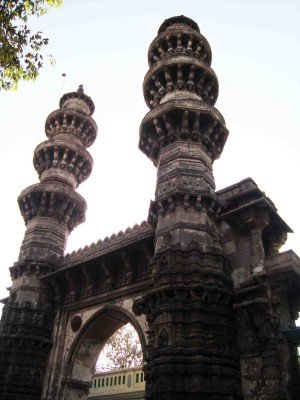
Ahmedabad
Some quick example text to build on the card title and make up the bulk of the card's content.
Go somewhere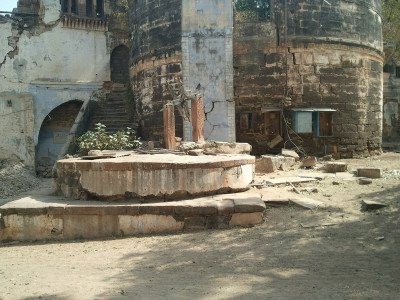
Bhuj
Some quick example text to build on the card title and make up the bulk of the card's content.
Go somewhere
Chotila
Some quick example text to build on the card title and make up the bulk of the card's content.
Go somewhere
Dahod
Some quick example text to build on the card title and make up the bulk of the card's content.
Go somewhere
Dandi
Some quick example text to build on the card title and make up the bulk of the card's content.
Go somewhere
Kevadia
Some quick example text to build on the card title and make up the bulk of the card's content.
Go somewhere
Kutch
Some quick example text to build on the card title and make up the bulk of the card's content.
Go somewhere
Lothal
Some quick example text to build on the card title and make up the bulk of the card's content.
Go somewhere
Mandvi
Some quick example text to build on the card title and make up the bulk of the card's content.
Go somewhere
Modhera
Some quick example text to build on the card title and make up the bulk of the card's content.
Go somewhere
Near Ahmedabad
Some quick example text to build on the card title and make up the bulk of the card's content.
Go somewhere
Palanpur
Some quick example text to build on the card title and make up the bulk of the card's content.
Go somewhere
Palitana
Some quick example text to build on the card title and make up the bulk of the card's content.
Go somewhere
Patan
Some quick example text to build on the card title and make up the bulk of the card's content.
Go somewhere
Pavagadh
Some quick example text to build on the card title and make up the bulk of the card's content.
Go somewhere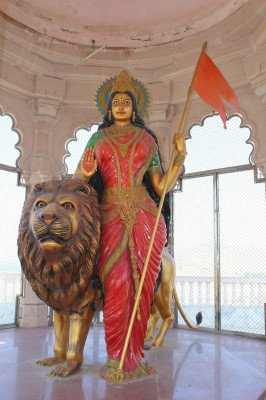
Porbandar
Some quick example text to build on the card title and make up the bulk of the card's content.
Go somewherein Other Cities