


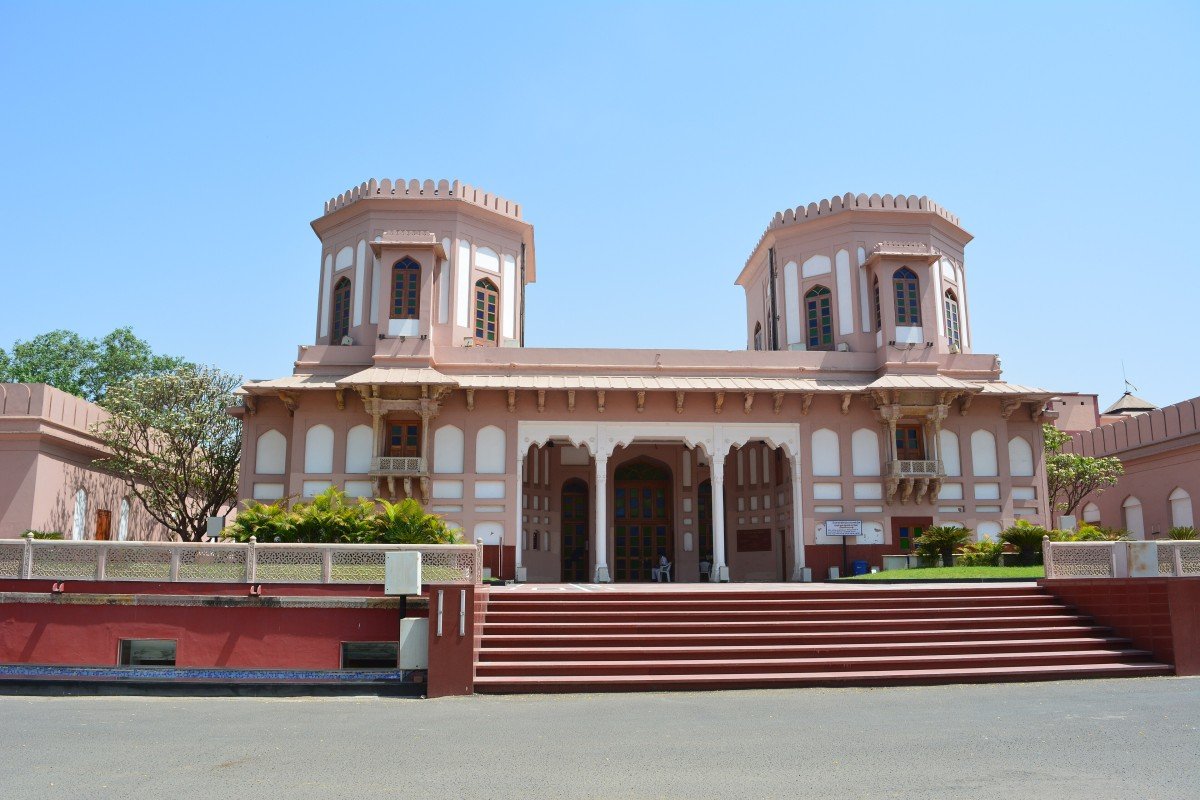
Ahmedabad
General information
-
Ideal Duration:
2-3 DaysPlace Type:
Heritage & CultureEntry Fees:
Public Memorials: Most heritage sites like Sabarmati Ashram and Sidi Saiyyed Mosque have no entry fee. This makes the city very accessible for budget travelers. Donations are often accepted for maintenance purposes.
Commercial Parks: Place...Public Memorials: Most heritage sites like Sabarmati Ashram and Sidi Saiyyed Mosque have no entry fee. This makes the city very accessible for budget travelers. Donations are often accepted for maintenance purposes.
Commercial Parks: Places like Science City or Kankaria Lake have nominal entry fees ranging from 10 to 100 INR. Some specific galleries within them may cost extra. Digital payment is widely accepted at these counters.Timing:
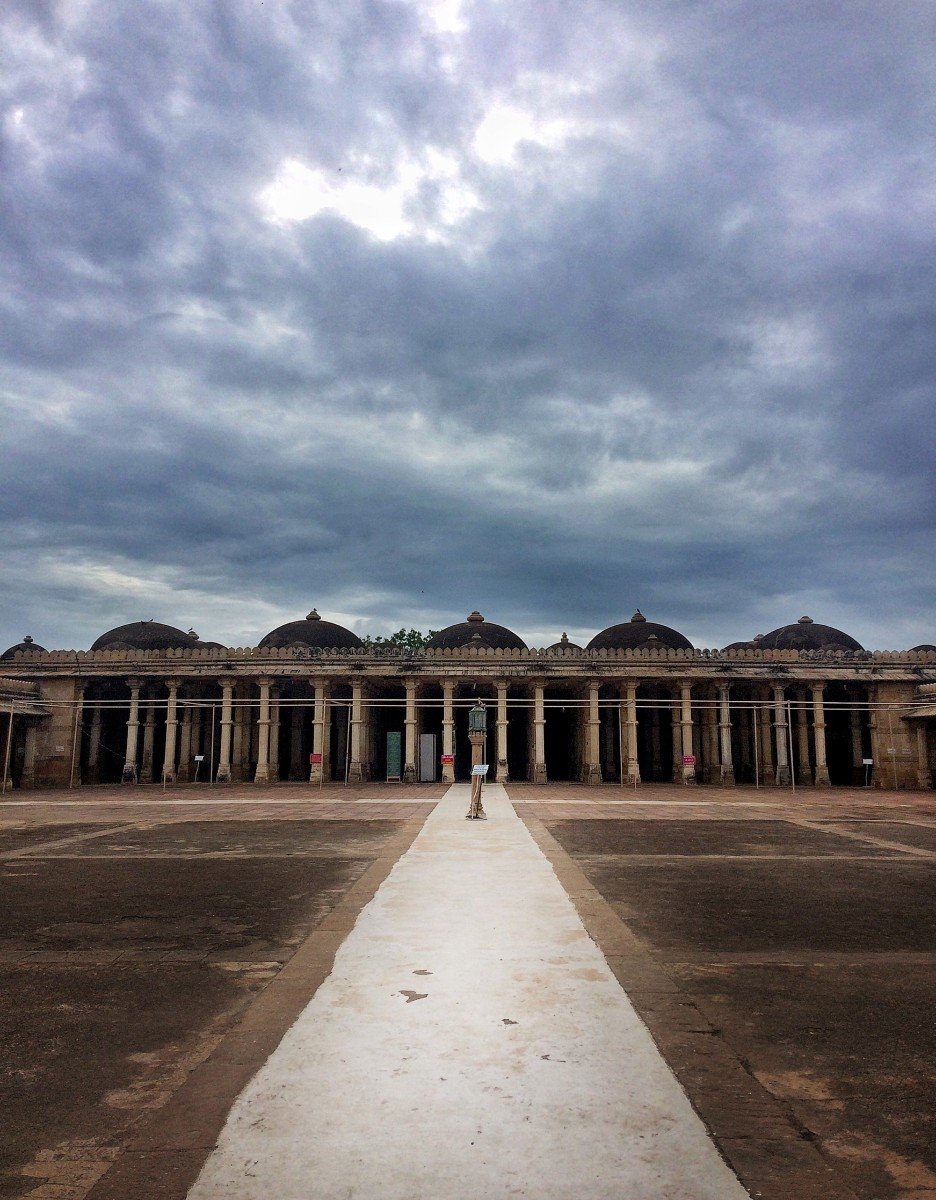
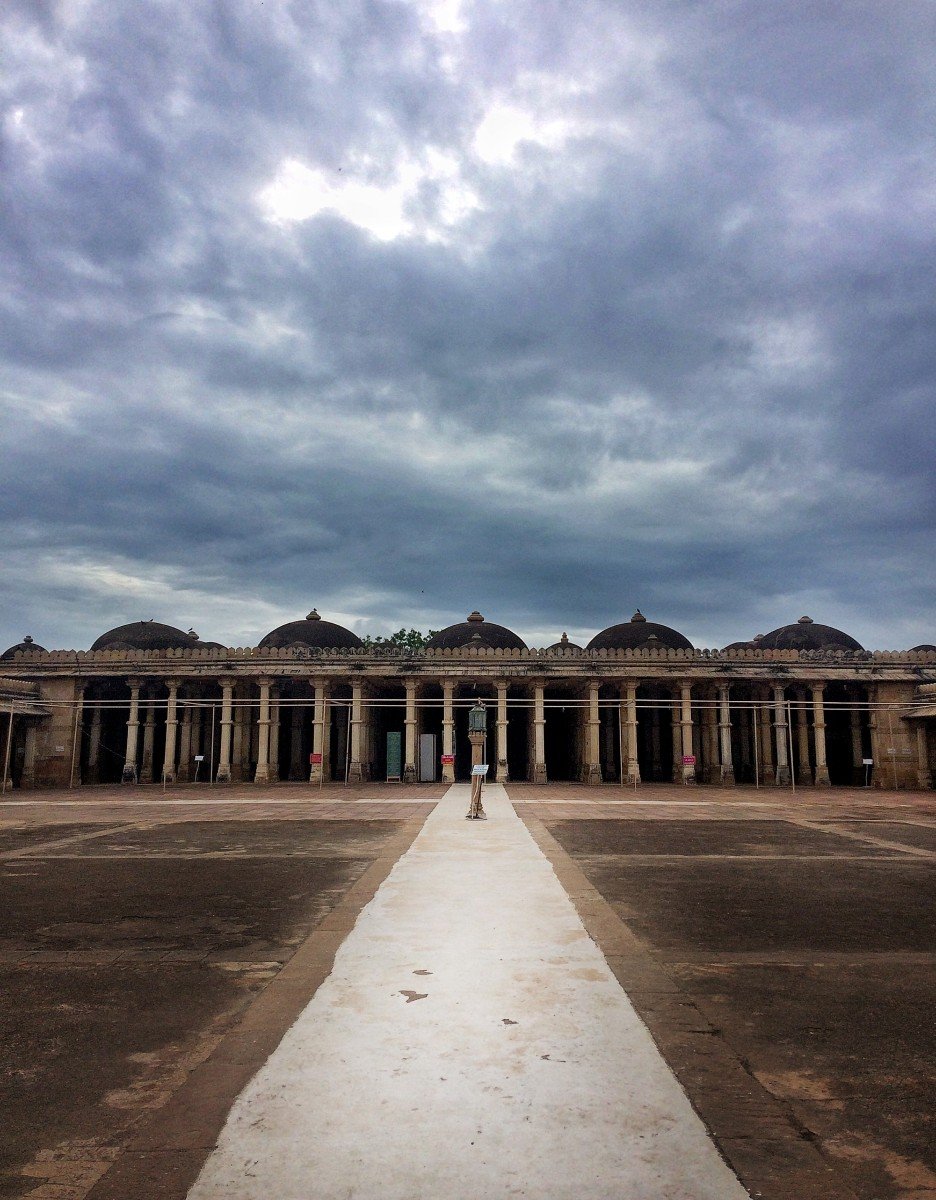
Regular Hours: Most monuments like Jama Masjid are open from 6:00 AM to 8:00 PM. Museums typically operate between 10:00 AM and 6:00 PM. Some sites close during prayer times or on Mondays.
Best Time of Day: Early morning is best for herita...Regular Hours: Most monuments like Jama Masjid are open from 6:00 AM to 8:00 PM. Museums typically operate between 10:00 AM and 6:00 PM. Some sites close during prayer times or on Mondays.
Best Time of Day: Early morning is best for heritage walks to avoid the heat and crowd. Late evenings are perfect for visiting the riverfront and street food markets. The city feels most alive after sunset during the summers.Special Events:
Navratri Festival: The world's longest dance festival where people perform Garba for nine nights. The city is decorated with lights, and the energy is unparalleled. It usually falls in September or October.
International Kite Festival: Hel...Navratri Festival: The world's longest dance festival where people perform Garba for nine nights. The city is decorated with lights, and the energy is unparalleled. It usually falls in September or October.
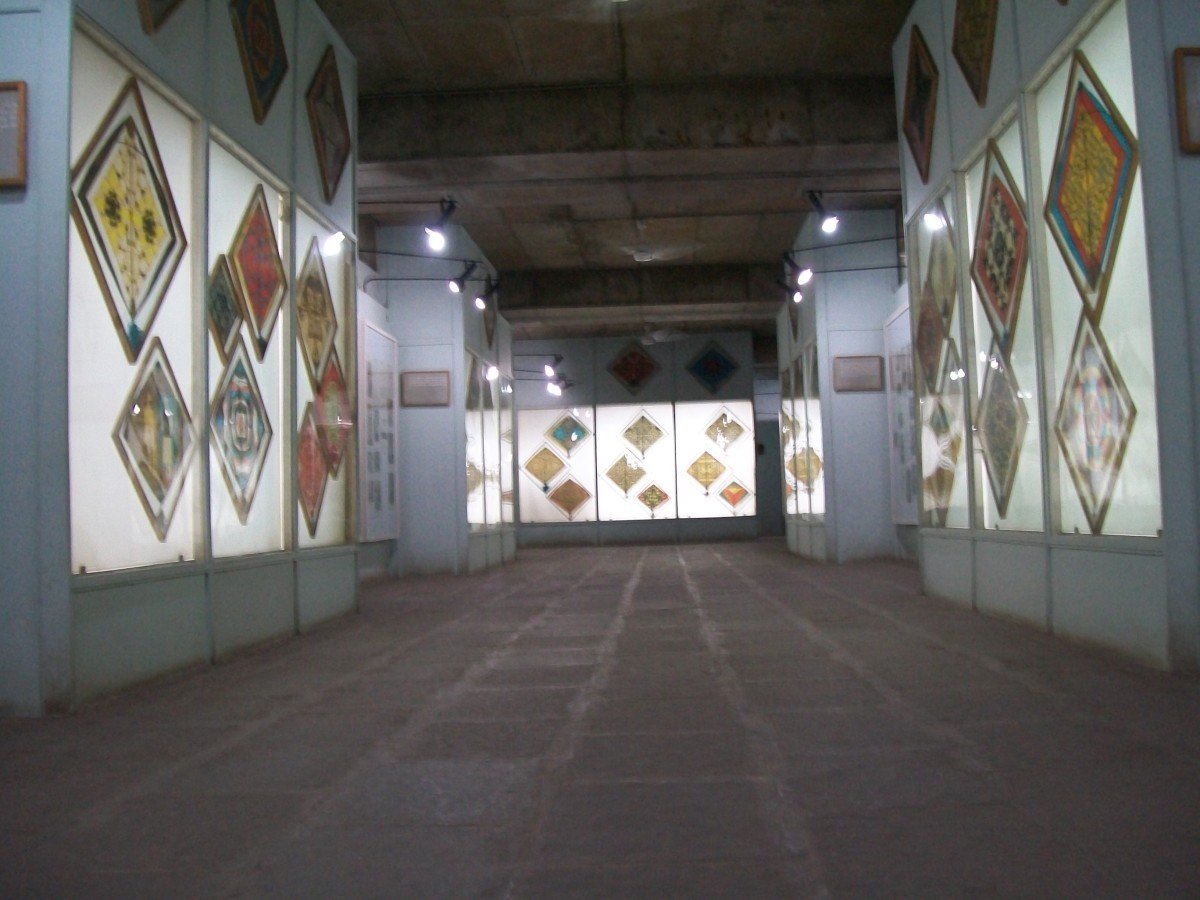
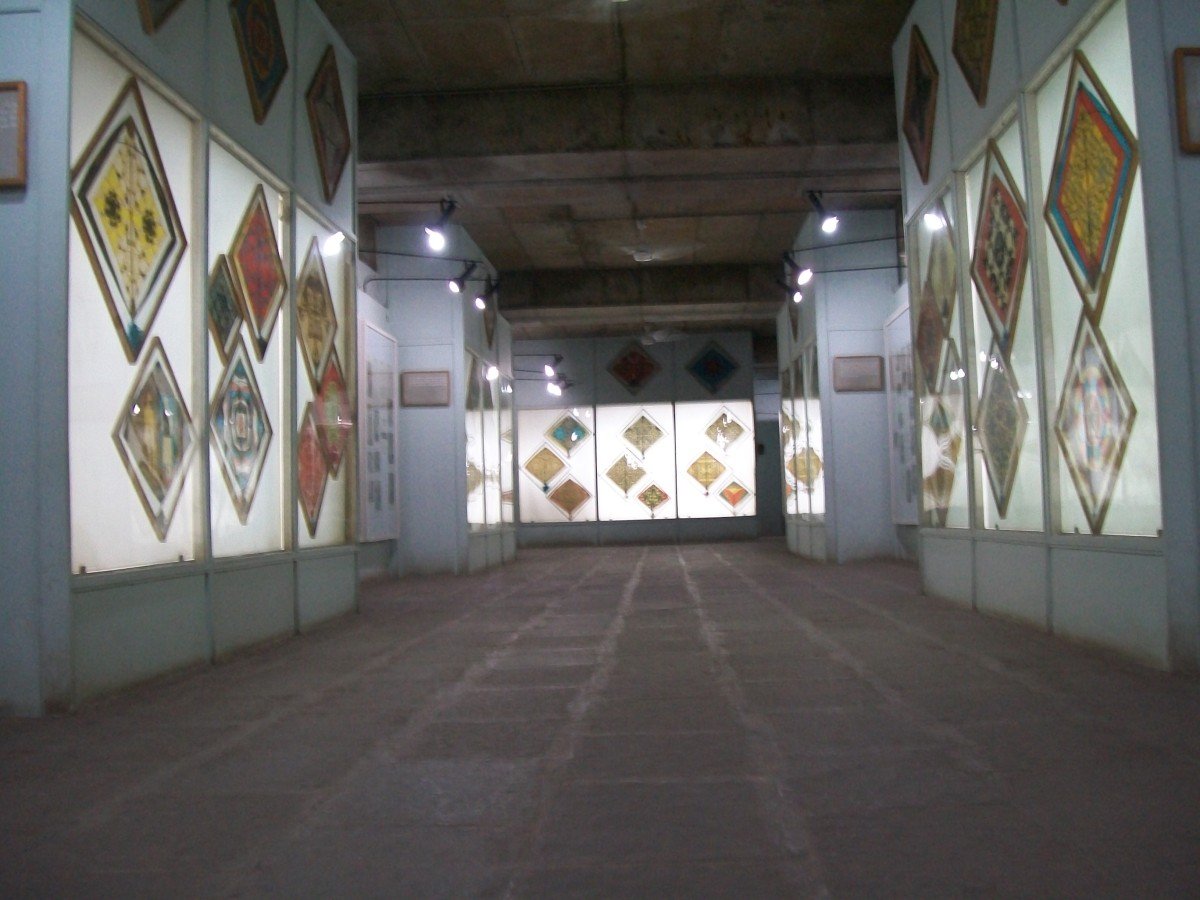
International Kite Festival: Held in January on Makar Sankranti, the sky is filled with thousands of colorful kites. It is a time of joy, rooftop music, and special food like Undhiyu. This event attracts participants from many countries.Best Photo Spots:
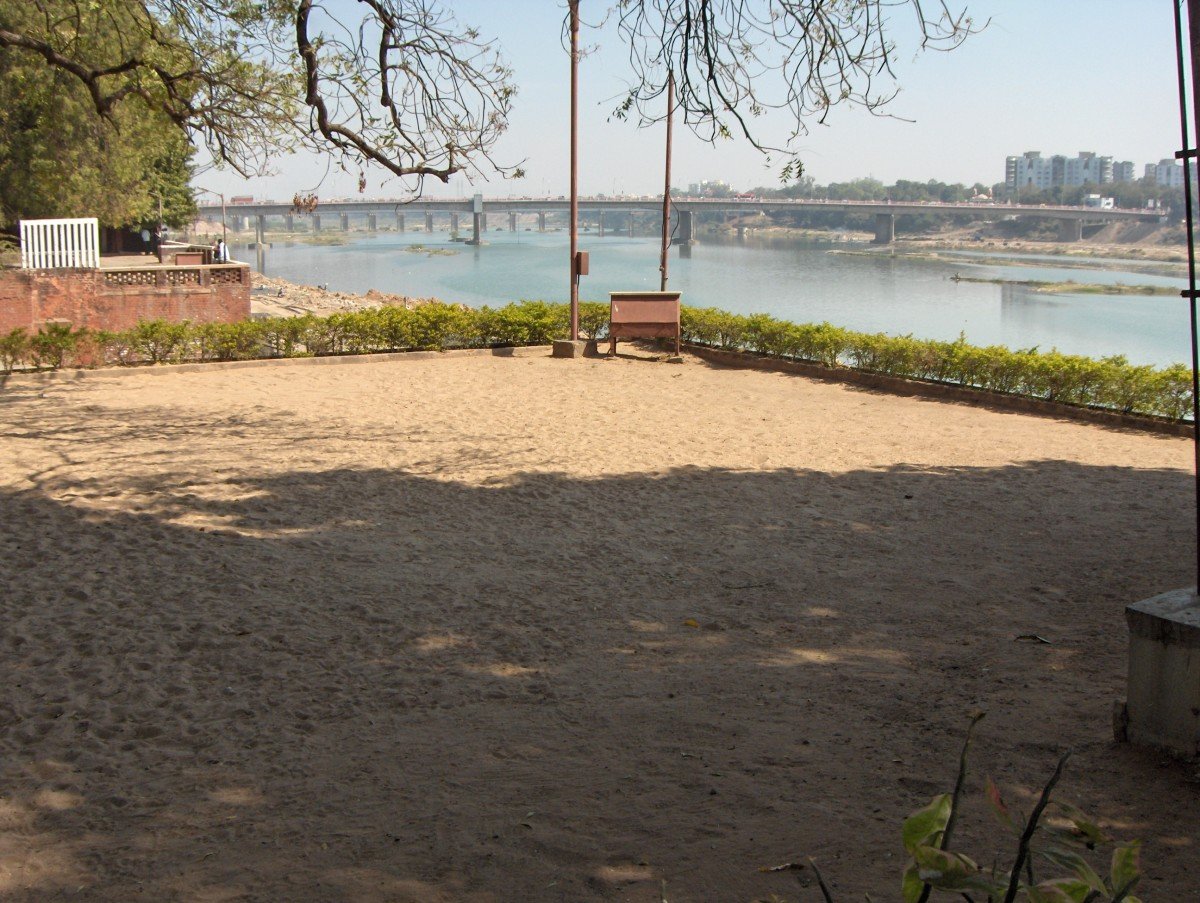
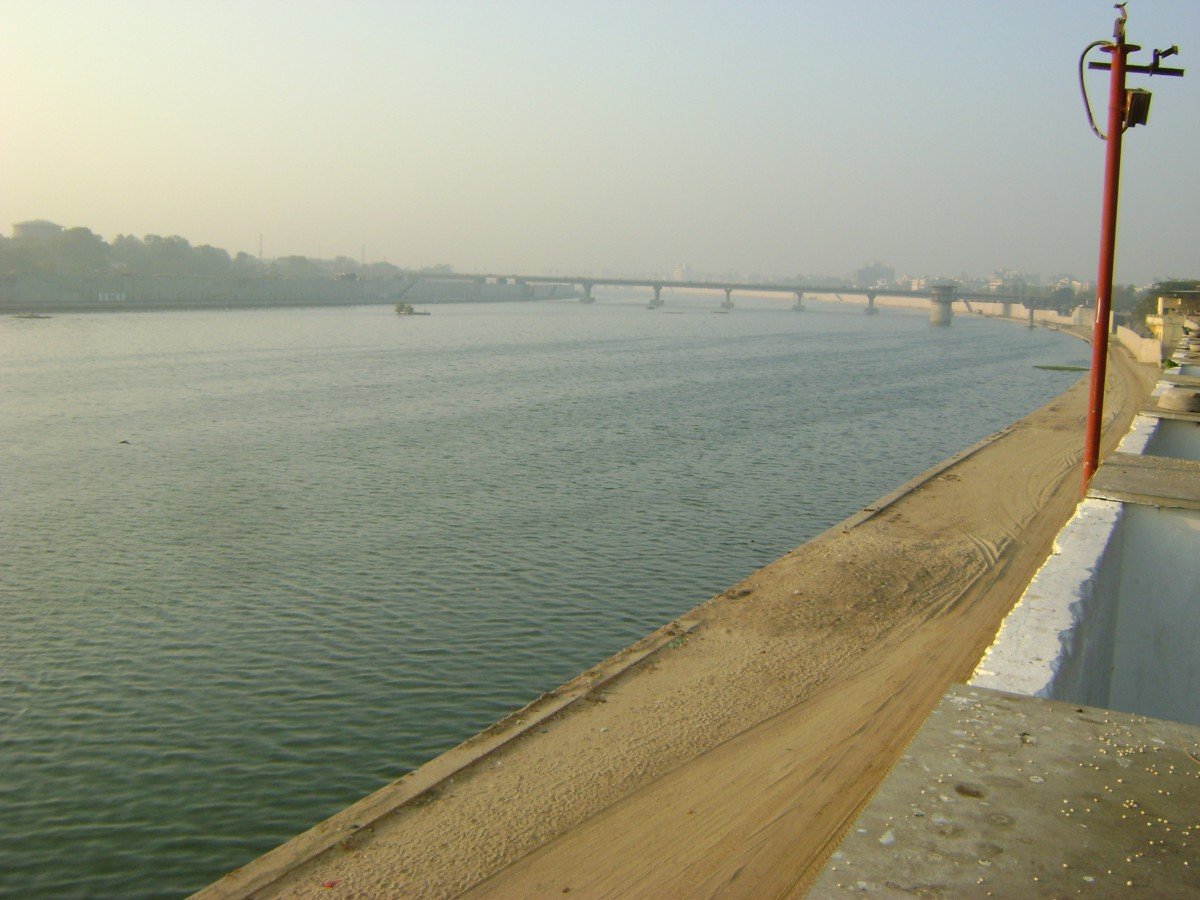
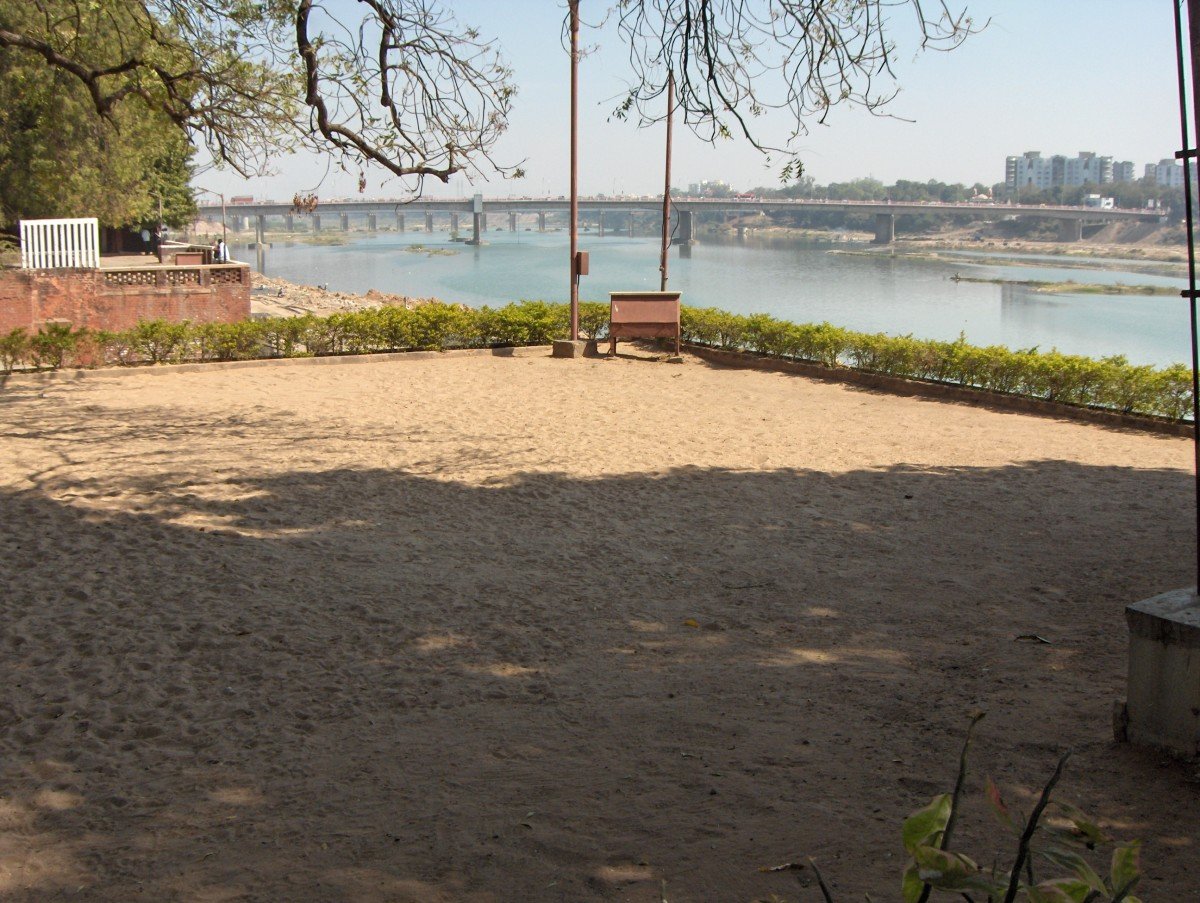
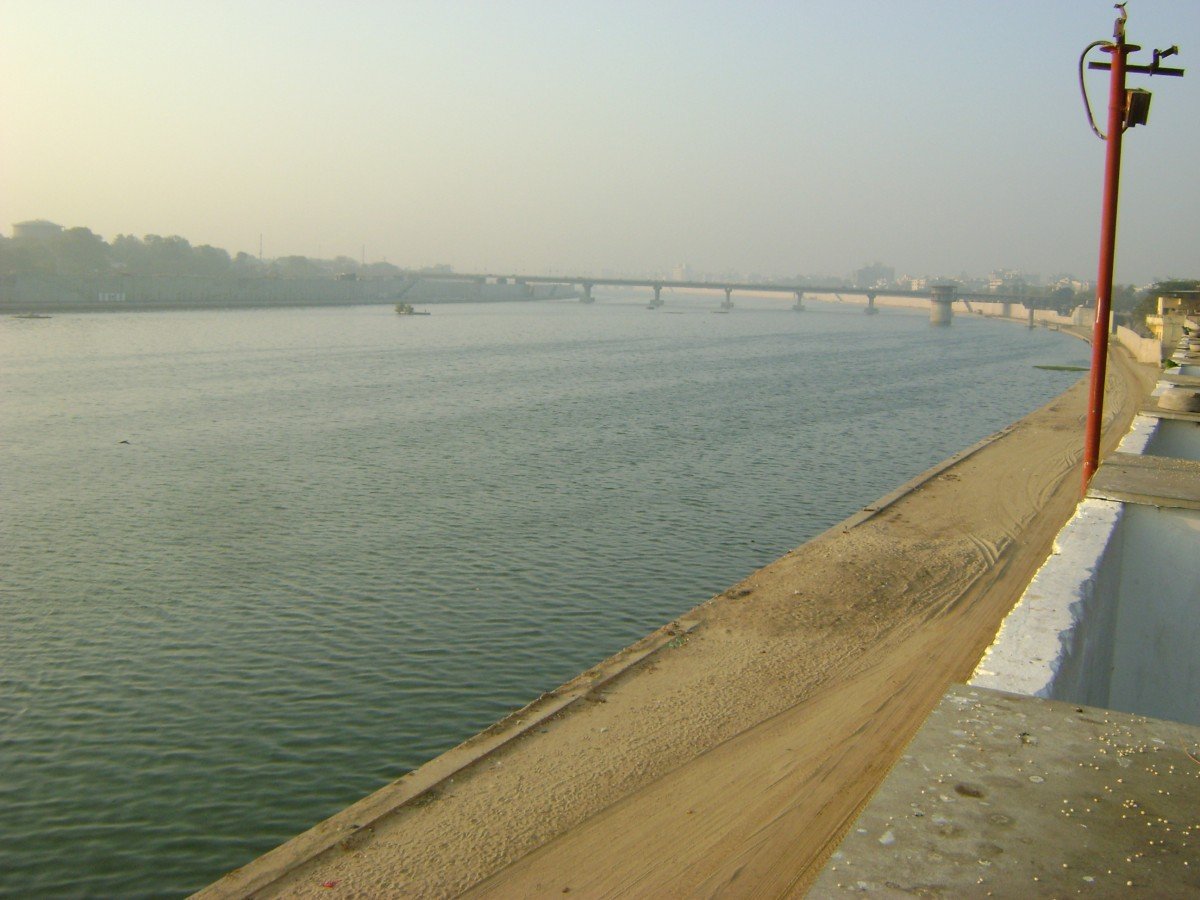
Sabarmati Riverfront: The long walkways and the modern Atal Bridge provide a perfect backdrop for urban photography. The sunset views over the water are particularly stunning. It is a favorite spot for many travel influencers.
Adalaj Stepwell:...Sabarmati Riverfront: The long walkways and the modern Atal Bridge provide a perfect backdrop for urban photography. The sunset views over the water are particularly stunning. It is a favorite spot for many travel influencers.
Adalaj Stepwell: The symmetrical stairs and detailed stone carvings create a dramatic architectural frame. Early morning light enhances the texture of the yellow sandstone. It is ideal for heritage-themed photoshoots.
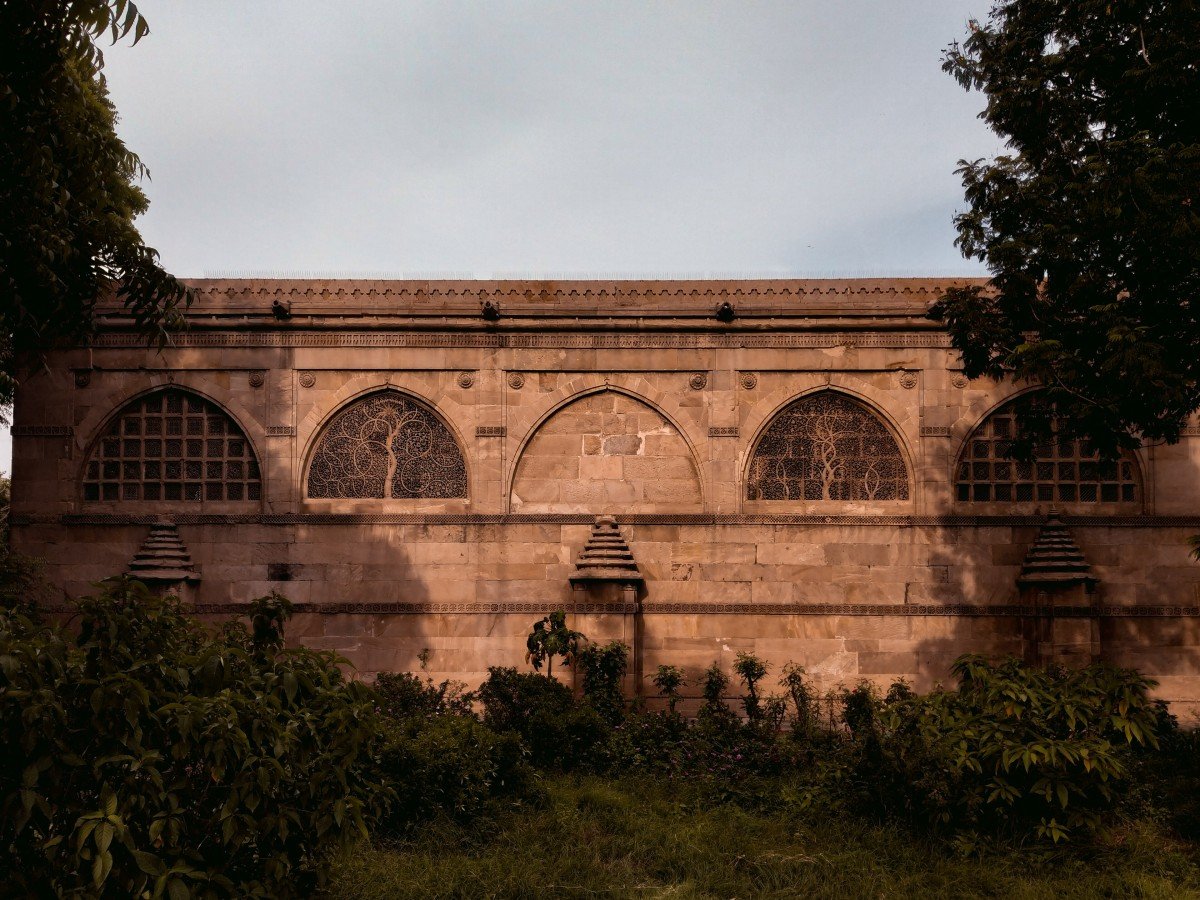
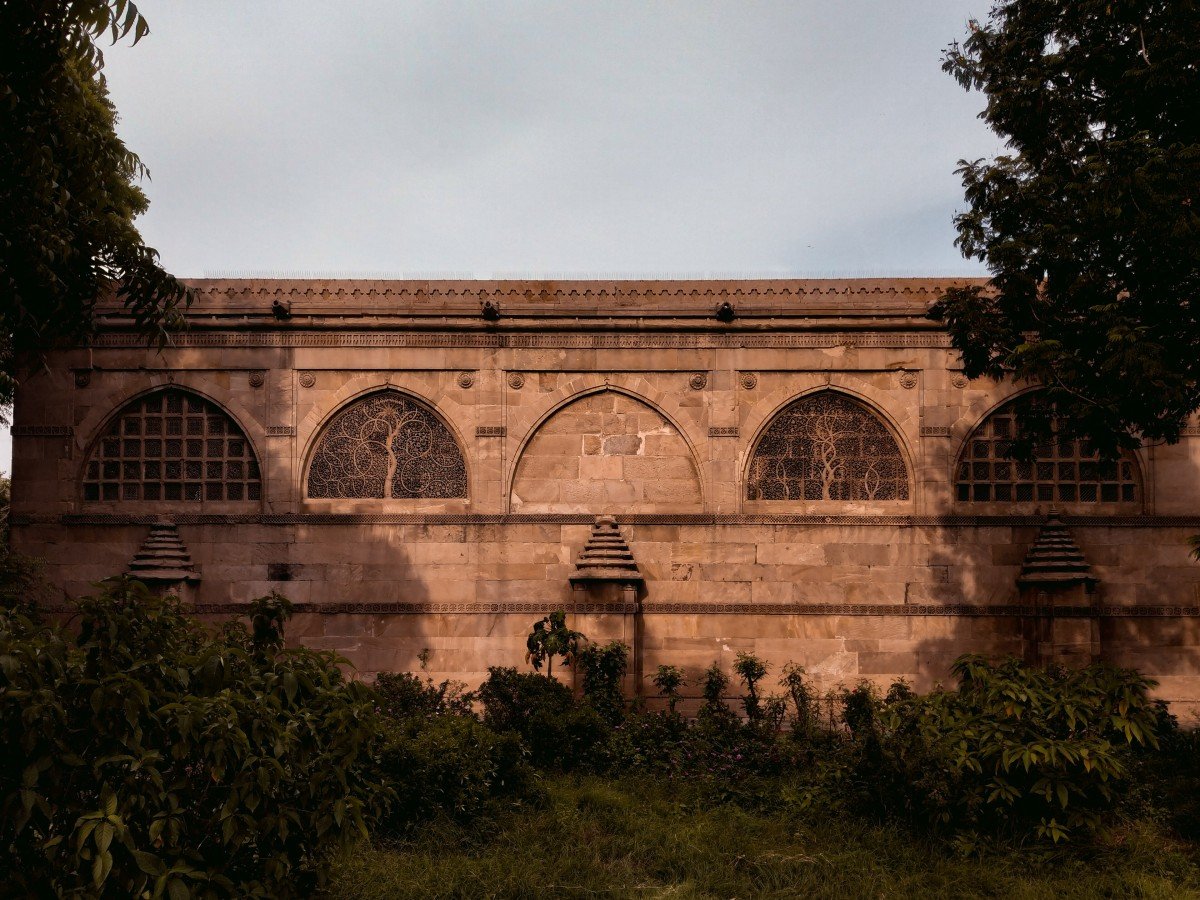
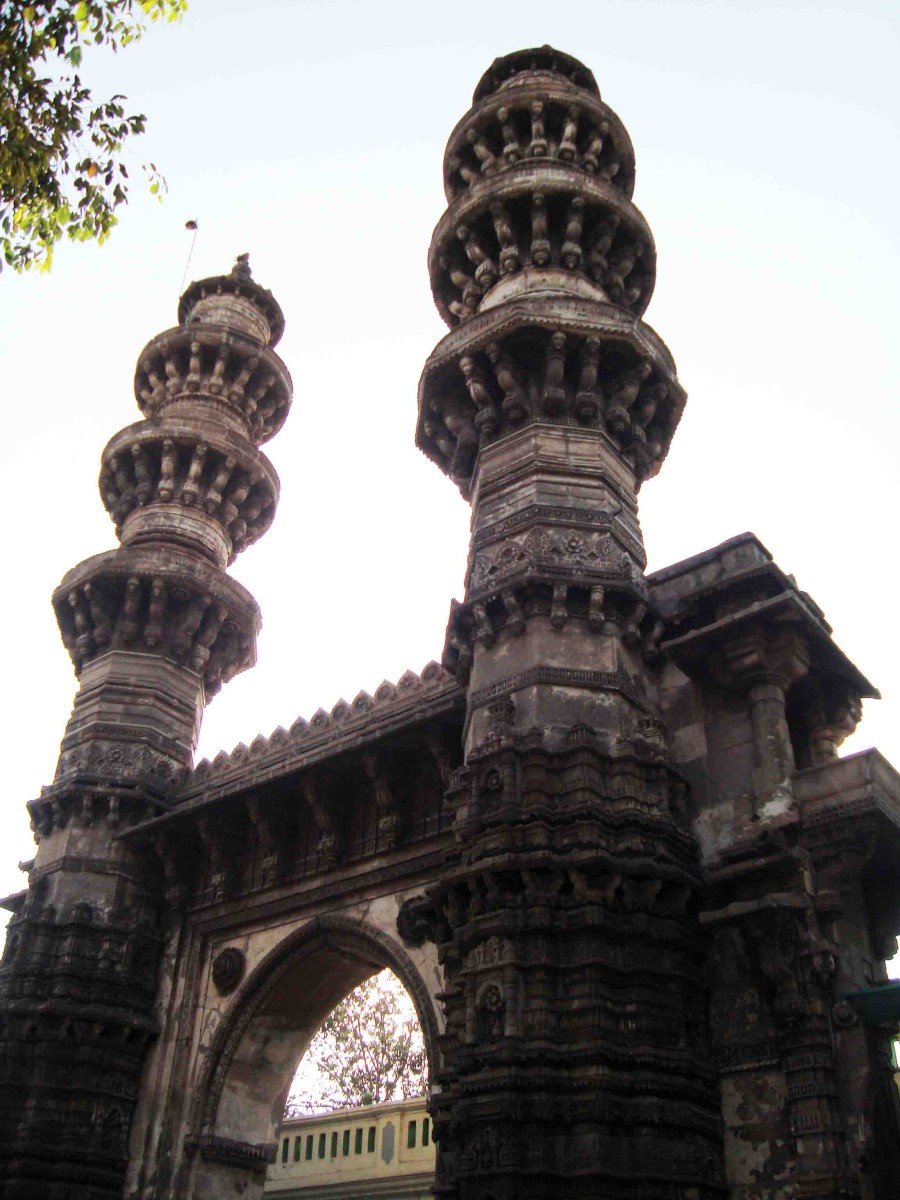
Sidi Saiyyed Mosque: The "Tree of Life" stone lattice window is one of the most photographed icons of the city. Capturing the light filtering through the jaali is a must for any photographer. It represents the peak of stone craftsmanship.Photo Gallery


Things To Do
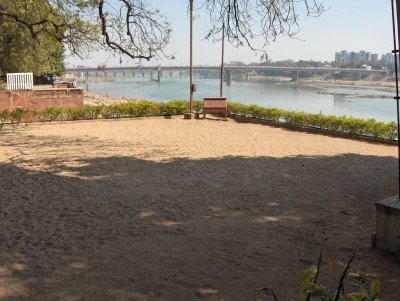 @@A Place of Pilgrimage: Sabarmati Ashram, also known as Gandhi Ashram, is located on the tranquil banks of the Sabarmati River. It served as the residence of Mahatma Gandhi from 1917 to 1930 and was the nerve center of the Indian independence movement. It was from here that Gandhi launched the historic Dandi March in 1930. The ashram remains a symbol of peace, truth, and non-violence, attracting visitors from all over the world. @@The Gandhi Smarak Sangrahalaya: The museum within the ashram, designed by the renowned architect Charles Correa, houses a vast collection of Gandhi's personal belongings, letters, and photographs. The exhibits provide a comprehensive look at his life and his philosophy of Satyagraha. Visitors can see the spinning wheels (charkhas) that Gandhi used and learn about his efforts to promote self-reliance through Khadi. @@A Serene Atmosphere: Despite being in the middle of a bustling city, the ashram offers a sense of profound peace. The lush green campus, filled with trees and birds, provides a meditative environment. Visitors can sit on the banks of the river, much like Gandhi did, and reflect on his teachings. The various cottages, such as Hridaya Kunj, have been preserved in their original state, giving a glimpse into the simple lifestyle of the Mahatma. @@Global Legacy: The ashram is more than just a historical site; it is a living laboratory of Gandhian ideals. It continues to inspire activists, world leaders, and students of history. The site manages various social and educational programs aimed at rural development and social justice. A visit to the ashram is a spiritual journey that reminds us of the power of simplicity and the enduring relevance of Gandhi's message in the modern world.
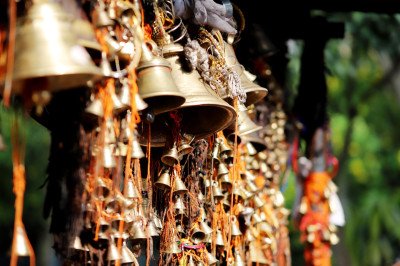 The ISKCON Temple in Ahmedabad, also known as Sri Sri Radha Govind Dham, is a center for spiritual learning and Vedic culture. Spread over 4 acres, it is one of the most beautiful and active temples in the city. The temple is dedicated to Lord Krishna and Radha, but also houses altars for Lord Ram, Sita, and Narasimha. Beyond its religious function, the temple serves as a hub for community service, including the distribution of sanctified food (Prasadam) and value-based education for youth. The temple's atmosphere is charged with the rhythmic chanting of the 'Hare Krishna' Maha-mantra, creating a meditative environment that attracts people from all walks of life. The architecture is a blend of traditional Rajasthani and Gujarati styles, featuring grand domes and detailed stone work. The temple complex includes a guest house, a restaurant (Govinda’s), and a library. It is particularly famous for its Sunday Feast programs and its massive celebrations during Janmashtami. For many locals, it is a place for weekly rejuvenation, offering a break from the commercial buzz of the S.G. Highway. The temple is impeccably maintained, with gardens that provide a serene backdrop for prayer and contemplation.
 This is an underground art gallery that represents a spectacular fusion of architecture and art, designed by the world-renowned architect B.V. Doshi and painted by the legendary artist M.F. Husain. The name Amdavad Ni Gufa translates to the "Cave of Ahmedabad," and it truly lives up to its name by offering a subterranean sanctuary away from the city's noise. The gallery was built to showcase Husain's work in a space that wasn't a traditional box-like museum, but rather a living, breathing organic structure that mimics the natural caves of ancient times. Inside, the walls are not straight but curved, and the ceiling is a series of interconnected domes that create a surreal, dreamlike atmosphere for every visitor. The project was completed in 1994 and has since become a pilgrimage site for students of design and art lovers globally. It is located within the lush campus of CEPT University, providing a quiet and intellectual vibe that is rare to find in the bustling parts of the city. The coolness of the underground space offers a natural respite from the intense heat of Gujarat, making the experience both visually and physically refreshing.
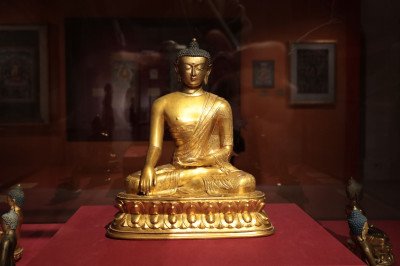 @@ Overview: The Vechaar Utensils Museum (Vishalla Environmental Centre for Heritage of Art, Architecture and Research) was established in 1981. It is the brainchild of designer Surendra Patel and anthropologist Jyotindra Jain, aimed at preserving India's culinary heritage. The museum is unique as it is the only one of its kind in the world dedicated entirely to utensils. It houses a massive collection of over 4,000 items made from various materials like brass, copper, bronze, and even wood. These artifacts range from simple water pots to complex locks and nutcrackers used in ancient Indian households. The museum is set within a rustic, village-themed environment that transports visitors back in time. Each piece in the collection tells a story of the craftsmanship and lifestyle of people from different eras. The display is not just about utility but also about the artistic expression found in everyday objects. It is located within the famous Vishalla restaurant complex, known for its authentic Gujarati dining experience. Visiting this museum is an educational journey into the heart of Indian tradition.
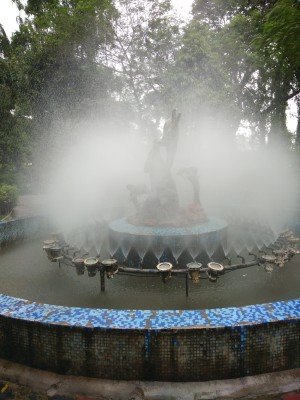 Kankaria Lake is the second largest lake in Ahmedabad, originally built in 1451 by Sultan Qutb-ud-Din. Historically known as Hauz-e-Qutb, it served as a bathing place for the royalty. The lake is nearly circular in shape and features a central garden island called Nagina Wadi, which is connected to the shore by a beautiful causeway. In 2008, the Ahmedabad Municipal Corporation transformed the lakefront into a world-class recreational hub, making it the most popular hangout spot for locals and tourists alike. The lake is surrounded by a 2.25 KM pedestrian path filled with food stalls, toy trains, and amusement parks. Legend says the name "Kankaria" comes from the large quantities of limestone (Kankar) dug out during its excavation. Today, it offers a blend of history and modern entertainment, featuring high-tech light shows, a tethered hot air balloon, and various water sports. It is especially vibrant during the Kankaria Carnival held every December. The lake serves as the lungs of the city, providing a serene escape from the urban hustle. Whether you want a morning walk or an evening of thrill rides, Kankaria has something for everyone.
Widely regarded as one of the finest textile museums in the world, the Calico Museum of Textiles was founded in 1949 by the industrialist Gautam Sarabhai and his sister Gira Sarabhai. It is housed in "The Retreat," a beautiful heritage estate that was once the family home of the Sarabhais. The museum was inaugurated by India's first Prime Minister, Jawaharlal Nehru, with the aim of preserving the rich weaving traditions of India that were at risk of disappearing. The collection is vast and breathtaking, featuring textiles that span five centuries, including rare Mughal court costumes, religious wall hangings (Pichhwais), and intricate tie-dye fabrics from across Gujarat and Rajasthan. The museum is not just a display of cloth; it is a curated journey through the social and cultural history of India. Due to the fragile nature of the ancient fabrics, the museum follows extremely strict rules, including mandatory pre-registration and limited entry. The guided tours are led by experts who explain the complex techniques of weaving, embroidery, and dyeing used in each piece. The estate itself is a lush garden sanctuary, featuring traditional Gujarati wooden architecture (Havelis) that have been painstakingly reconstructed to house the galleries. It is a world-class center for textile research and a must-visit for anyone interested in the intersection of art, history, and craft.
Kankaria Lake is the second largest lake in Ahmedabad, originally built in 1451 by Sultan Qutb-ud-Din. Historically known as Hauz-e-Qutb, it served as a bathing place for the royalty. The lake is nearly circular in shape and features a central garden island called Nagina Wadi, which is connected to the shore by a beautiful causeway. In 2008, the Ahmedabad Municipal Corporation transformed the lakefront into a world-class recreational hub, making it the most popular hangout spot for locals and tourists alike. The lake is surrounded by a 2.25 KM pedestrian path filled with food stalls, toy trains, and amusement parks. Legend says the name "Kankaria" comes from the large quantities of limestone (Kankar) dug out during its excavation. Today, it offers a blend of history and modern entertainment, featuring high-tech light shows, a tethered hot air balloon, and various water sports. It is especially vibrant during the Kankaria Carnival held every December. The lake serves as the lungs of the city, providing a serene escape from the urban hustle. Whether you want a morning walk or an evening of thrill rides, Kankaria has something for everyone.
Widely regarded as one of the finest textile museums in the world, the Calico Museum of Textiles was founded in 1949 by the industrialist Gautam Sarabhai and his sister Gira Sarabhai. It is housed in "The Retreat," a beautiful heritage estate that was once the family home of the Sarabhais. The museum was inaugurated by India's first Prime Minister, Jawaharlal Nehru, with the aim of preserving the rich weaving traditions of India that were at risk of disappearing. The collection is vast and breathtaking, featuring textiles that span five centuries, including rare Mughal court costumes, religious wall hangings (Pichhwais), and intricate tie-dye fabrics from across Gujarat and Rajasthan. The museum is not just a display of cloth; it is a curated journey through the social and cultural history of India. Due to the fragile nature of the ancient fabrics, the museum follows extremely strict rules, including mandatory pre-registration and limited entry. The guided tours are led by experts who explain the complex techniques of weaving, embroidery, and dyeing used in each piece. The estate itself is a lush garden sanctuary, featuring traditional Gujarati wooden architecture (Havelis) that have been painstakingly reconstructed to house the galleries. It is a world-class center for textile research and a must-visit for anyone interested in the intersection of art, history, and craft.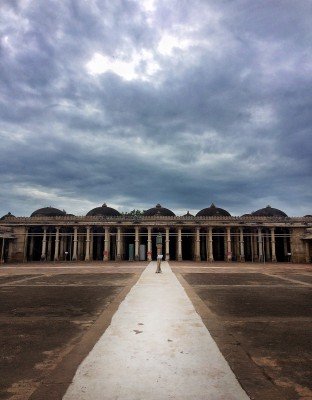 Sarkhej Roza is a magnificent complex of mosques and tombs that represents the early Islamic architecture of Ahmedabad. It is dedicated to the memory of the Sufi saint Shaikh Ahmed Khattu Ganj Baksh, who was a spiritual advisor to the sultan. The complex was built during the reign of Sultan Muhammad Shah and completed in 1451. It is famously known as the "Acropolis of Ahmedabad" due to its elegant proportions and the layout of its structures around a central lake. The site is a perfect example of the Indo-Saracenic style, blending Hindu and Islamic architectural elements seamlessly. The peaceful atmosphere of the 72-acre complex makes it a favorite spot for meditation and spiritual reflection. It houses the tombs of several royal family members, including Sultan Mahmud Begada. Despite the urban sprawl nearby, Sarkhej Roza remains a sanctuary of peace and historical beauty. It continues to be an active site of worship and a symbol of the city's rich medieval heritage. :Show All
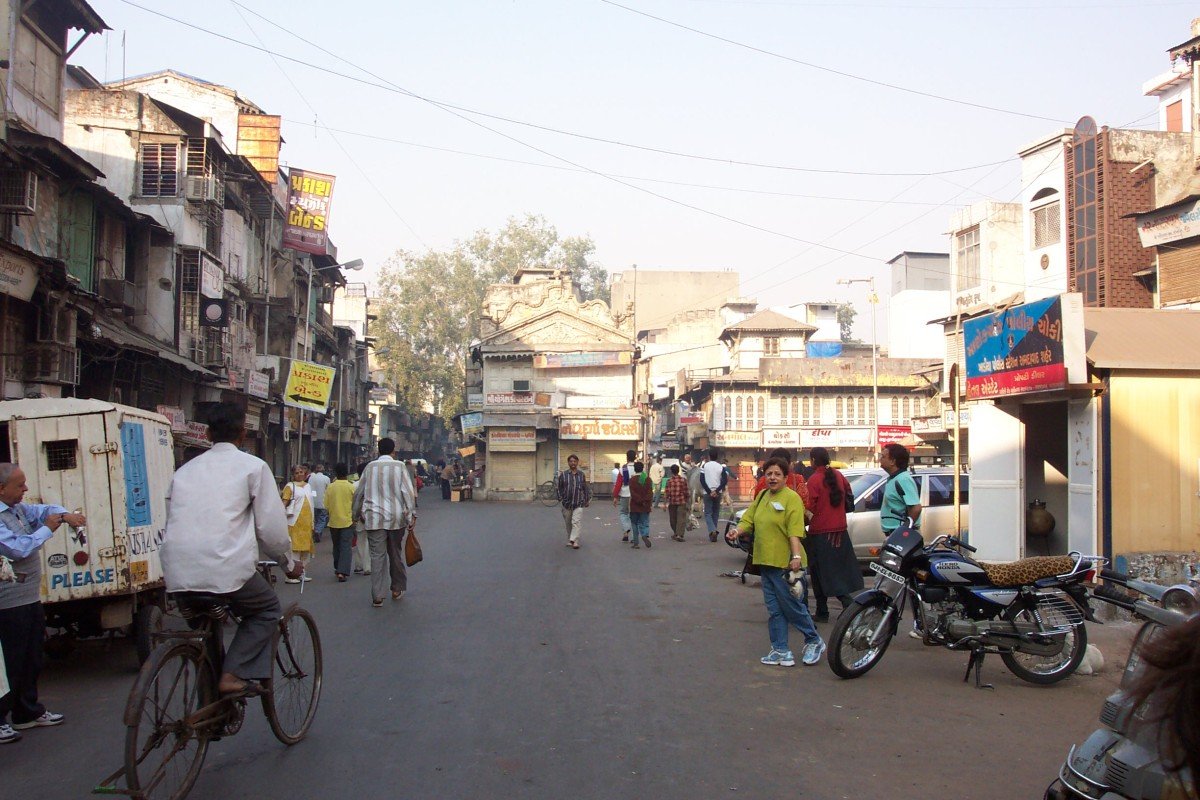
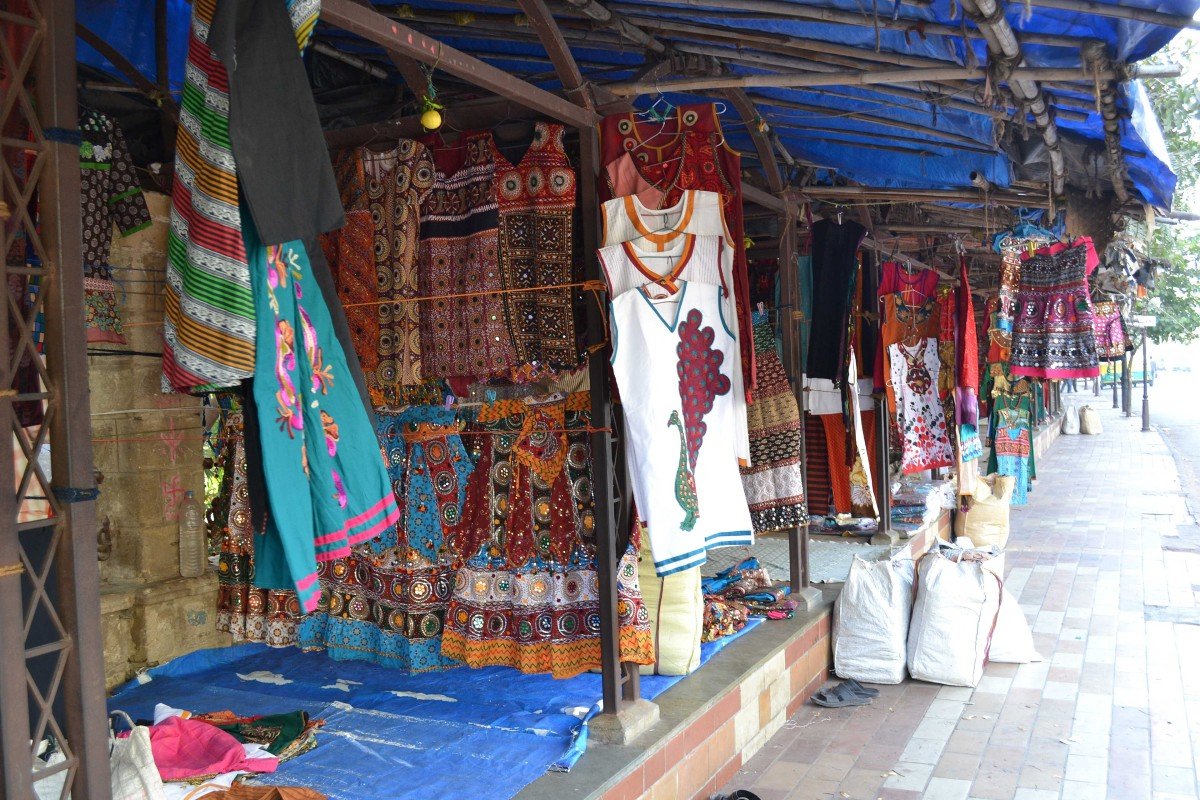
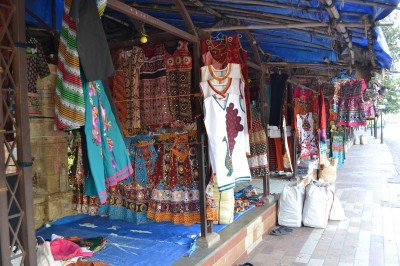 @@The Spirit of the Night Market: The Law Garden Night Market is one of the most iconic shopping destinations in Ahmedabad, coming alive as the sun sets. Located on the periphery of the public Law Garden, this bustling street market is famous for its explosion of colors and traditional Gujarati textiles. Artisans and vendors from across the state set up stalls to sell authentic handicrafts, including the world-renowned Chaniya Cholis and Kediyus. @@A Shopper's Paradise: For those looking to take home a piece of Gujarat, this market is unrivaled. You can find exquisite Bandhani (tie-dye) fabrics, intricate mirror work, and Kutchi embroidery. The market is also a hub for oxidized jewelry, traditional footwear called Mojris, and home decor items like wall hangings and bedspreads. The vibrant atmosphere is fueled by the energy of thousands of shoppers looking for the best deals. @@Cultural Immersion: Walking through the narrow lanes of the market offers a deep dive into the local culture. The vendors are often the artisans themselves, sharing stories about the techniques used in their crafts. The market is especially lively during the Navratri season, when locals flock here to buy their festive attire. It is a place where traditional craftsmanship meets modern commerce, creating a unique urban experience. @@Street Food Extravaganza: Beyond shopping, the market is a major culinary destination. The adjacent Khau Gali (Food Street) serves a variety of local delicacies, from spicy Pav Bhaji to sweet Kulfi. The combination of retail therapy and delicious street food makes it a favorite hangout for both tourists and locals. The market represents the joyous and hardworking spirit of the people of Ahmedabad, offering a sensory overload of sights, sounds, and tastes.
Information
-
Why Famous:
Historical Milestone: The city is famous for being the heart of the Salt Satyagraha and the non-violence movement. Sabarmati Ashram remains a global symbol of peace. It attracts scholars and tourists from all over the world.
World Heritage Sit...Historical Milestone: The city is famous for being the heart of the Salt Satyagraha and the non-violence movement. Sabarmati Ashram remains a global symbol of peace. It attracts scholars and tourists from all over the world.
World Heritage Site: Being the first Indian city to get the UNESCO World Heritage tag makes it unique. The "Living Heritage" of the old city is preserved through its vibrant pols and markets. It showcases 600 years of continuous urban life. -
Architecture:
Indo-Saracenic Style: The architecture is a unique blend of Islamic aesthetics and Hindu craftsmanship. This style features intricate stone carvings, jaali work, and grand arches. Many mosques and tombs exhibit this fusion, which became a signature of the city.Indo-Saracenic Style: The architecture is a unique blend of Islamic aesthetics and Hindu craftsmanship. This style features intricate stone carvings, jaali work, and grand arches. Many mosques and tombs exhibit this fusion, which became a signature of the city.
Dimension: The Jama Masjid measures approximately 64 x 82 meters.
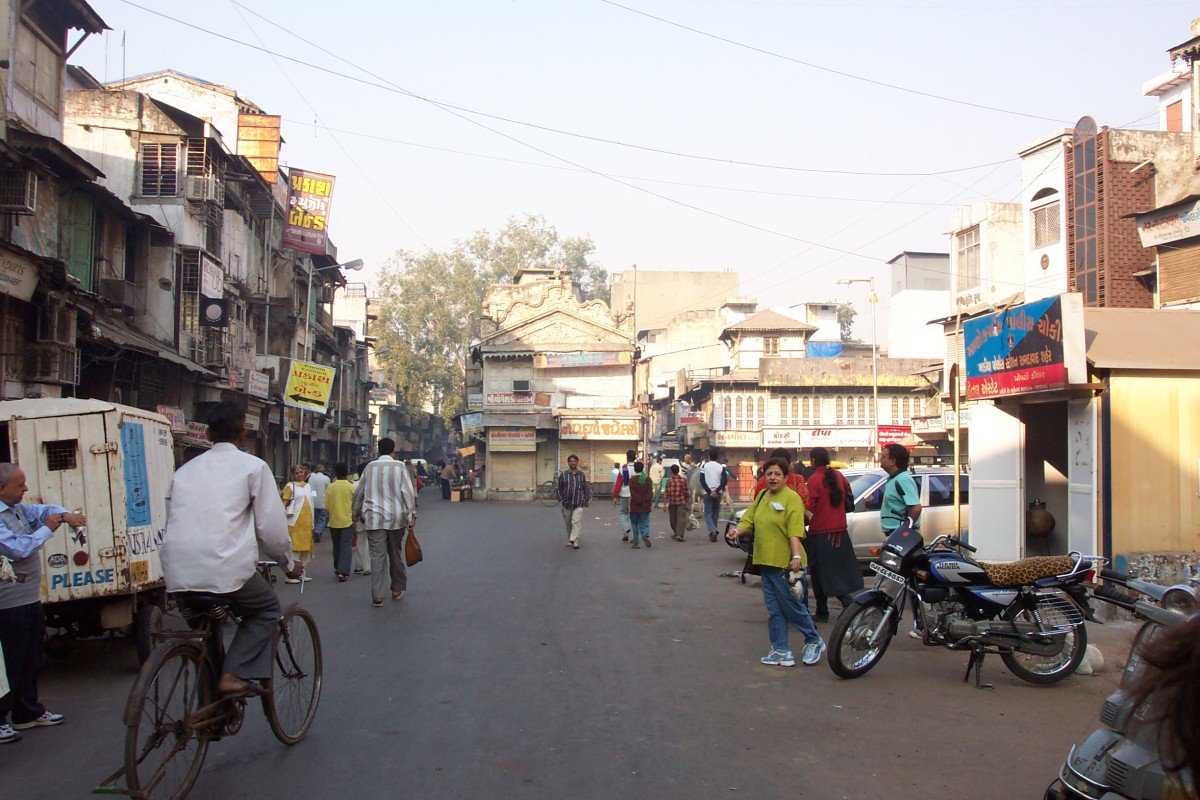
Traditional Pols: The old city consists of residential clusters called pols, which are narrow streets with wooden houses. These houses feature carved facades and internal courtyards for natural ventilation. The layout was designed for community living and security. It reflects an ancient urban planning wisdom. -
How To Reach:
By Air: Sardar Vallabhbhai Patel International Airport connects the city to major global and domestic hubs. It is located about 15 KMS from the city center. Taxis and app-based cabs are easily available at the arrivals.
By Train: Ahmedabad...By Air: Sardar Vallabhbhai Patel International Airport connects the city to major global and domestic hubs. It is located about 15 KMS from the city center. Taxis and app-based cabs are easily available at the arrivals.
By Train: Ahmedabad Junction (Kalupur) is a major railway station with trains from all parts of India. It is well-integrated with the local BRTS and Metro system. Several luxury trains also make a stop at this station.
By Road: The city is well-connected by National Highways to cities like Mumbai and Udaipur. The Ahmedabad-Vadodara Expressway provides a smooth driving experience. State-run buses and private luxury coaches operate frequently from various points.
By Local Transport: The city has an efficient AMTS bus service and a dedicated BRTS corridor for faster travel. The newly developed Metro Rail connects major residential and commercial areas. Auto-rickshaws are the most common way to travel short distances. -
Weather and Best Time to Visit:
Winter Season: November to February is the most pleasant time with temperatures between 12°C and 30°C. The weather is perfect for outdoor sightseeing and heritage walks. This is also the peak season for festivals and cultural events.
Summer ...Winter Season: November to February is the most pleasant time with temperatures between 12°C and 30°C. The weather is perfect for outdoor sightseeing and heritage walks. This is also the peak season for festivals and cultural events.
Summer Season: March to June can be very hot with temperatures exceeding 40°C. It is advisable to stay indoors during the afternoon. However, the nights remain lively at food markets and the riverfront.
Monsoon Season: July to September brings moderate rainfall, making the city green and refreshing. The dust settles, and the riverfront looks beautiful. It is a good time for budget travelers as hotel rates may drop. -
Near Tourist Places:
1. Adalaj Stepwell (18 km), 2. Akshardham Temple (28 km), 3. Thol Lake (30 km), 4. Indroda Nature Park (25 km), 5. Modhera Sun Temple (98 km), 6. Patan (125 km), 7. Nalsarovar Bird Sanctuary (64 km), 8. Lothal (78 km), 9. Statue of Unity (197 km), 10. Vadodara (110 km).
Tourism Tips
-
Health & Safety: Stay hydrated as the weather can be dry and hot. Use bottled water and be cautious with street food if you have a sensitive stomach. The city is generally very safe for solo travelers and tourists.
Packing Essentials: Wear...Health & Safety: Stay hydrated as the weather can be dry and hot. Use bottled water and be cautious with street food if you have a sensitive stomach. The city is generally very safe for solo travelers and tourists.
Packing Essentials: Wear light cotton clothes during summers and carry a light jacket for winter evenings. Comfortable walking shoes are a must for heritage walks and temple visits. Sunscreen and hats are recommended for day trips.
Accommodation Tips: Stay in the Ashram Road area for easy access to both the old and new city. For a more traditional experience, look for heritage boutique hotels inside the pols. Booking in advance during October-January is necessary.
Cultural Etiquette: Dress modestly when visiting religious sites like mosques and temples. Remove footwear before entering homes or shrines. Always ask for permission before taking photographs of local people or inside certain monuments.
Reviews
FAQs
Ahmedabad Itineray And Cost:-
Other Places In Gujarat :-
Other States In India :-
Information about New and Updated Locations() of Gujarat Has Been Added :-
Card subtitle
Note:-
Information provided here in good Faith and for reference only.
Near Places
Ahmedabad
Some quick example text to build on the card title and make up the bulk of the card's content.
Go somewhere
Bhuj
Some quick example text to build on the card title and make up the bulk of the card's content.
Go somewhere
Chotila
Some quick example text to build on the card title and make up the bulk of the card's content.
Go somewhere
Dahod
Some quick example text to build on the card title and make up the bulk of the card's content.
Go somewhere
Dandi
Some quick example text to build on the card title and make up the bulk of the card's content.
Go somewhere
Kevadia
Some quick example text to build on the card title and make up the bulk of the card's content.
Go somewhere
Kutch
Some quick example text to build on the card title and make up the bulk of the card's content.
Go somewhere
Lothal
Some quick example text to build on the card title and make up the bulk of the card's content.
Go somewhere
Mandvi
Some quick example text to build on the card title and make up the bulk of the card's content.
Go somewhere
Modhera
Some quick example text to build on the card title and make up the bulk of the card's content.
Go somewhere
Near Ahmedabad
Some quick example text to build on the card title and make up the bulk of the card's content.
Go somewhere
Palanpur
Some quick example text to build on the card title and make up the bulk of the card's content.
Go somewhere
Palitana
Some quick example text to build on the card title and make up the bulk of the card's content.
Go somewhere
Patan
Some quick example text to build on the card title and make up the bulk of the card's content.
Go somewhere
Pavagadh
Some quick example text to build on the card title and make up the bulk of the card's content.
Go somewhere
Porbandar
Some quick example text to build on the card title and make up the bulk of the card's content.
Go somewherein Other Cities