





Bhuj
General information
-
Ideal Duration:
2 DaysPlace Type:
Desert HeritageEntry Fees:
Palace Fees: Entry to Aina Mahal and Prag Mahal is around 20 to 50 INR for Indians. Camera charges are usually extra and can range from 50 to 100 INR. These fees help in the restoration of the structures.
Museum Entry: The Kutch Museum has...Palace Fees: Entry to Aina Mahal and Prag Mahal is around 20 to 50 INR for Indians. Camera charges are usually extra and can range from 50 to 100 INR. These fees help in the restoration of the structures.
Museum Entry: The Kutch Museum has a very nominal fee of 5 to 10 INR. Private museums like LLDC may have higher entry fees around 100 INR. Tickets are mostly available at the entrance gates.Timing:
Museum Timing: Most sites operate from 9:00 AM to 12:00 PM and then 3:00 PM to 6:00 PM. They usually close during the afternoon hours to avoid the heat. Some sites are closed on Wednesdays or public holidays.
Best Visiting Hours: Early mor...Museum Timing: Most sites operate from 9:00 AM to 12:00 PM and then 3:00 PM to 6:00 PM. They usually close during the afternoon hours to avoid the heat. Some sites are closed on Wednesdays or public holidays.
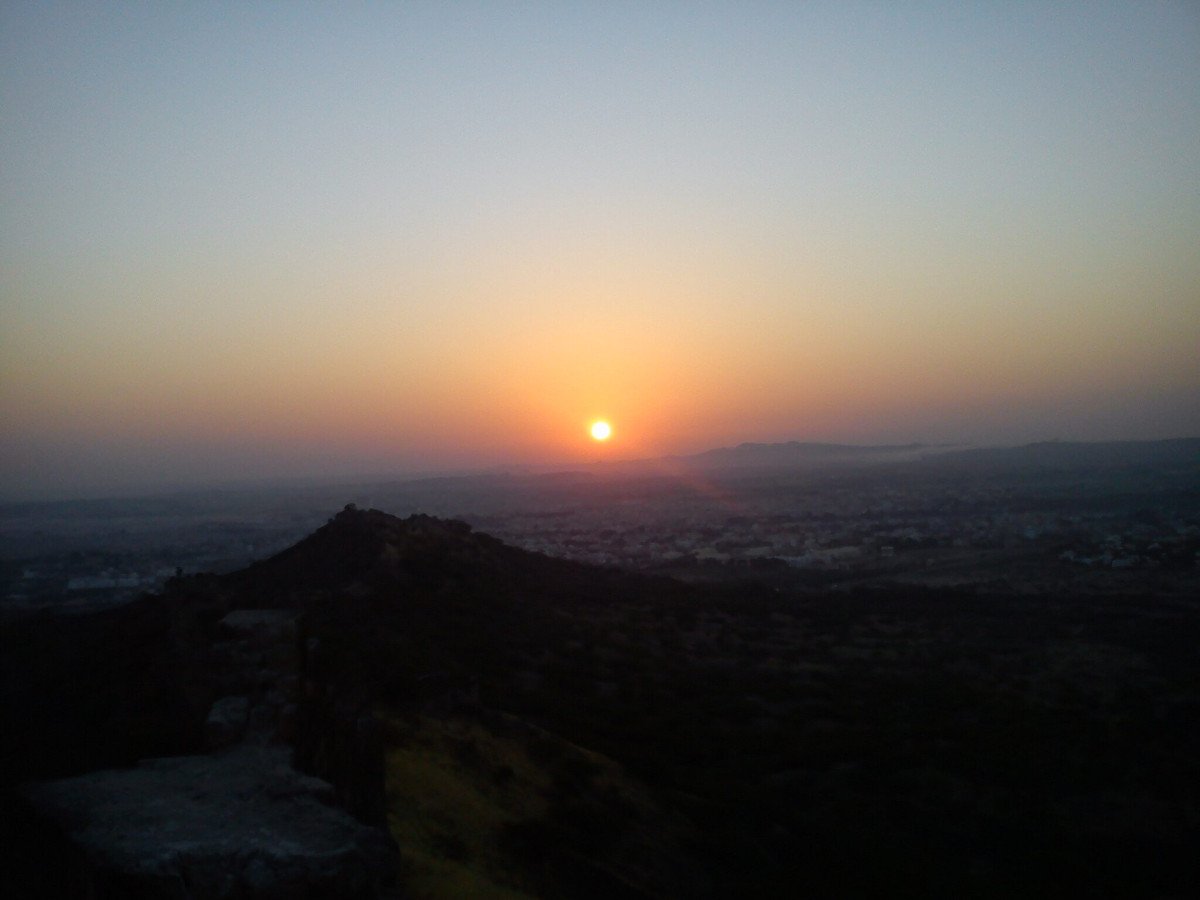
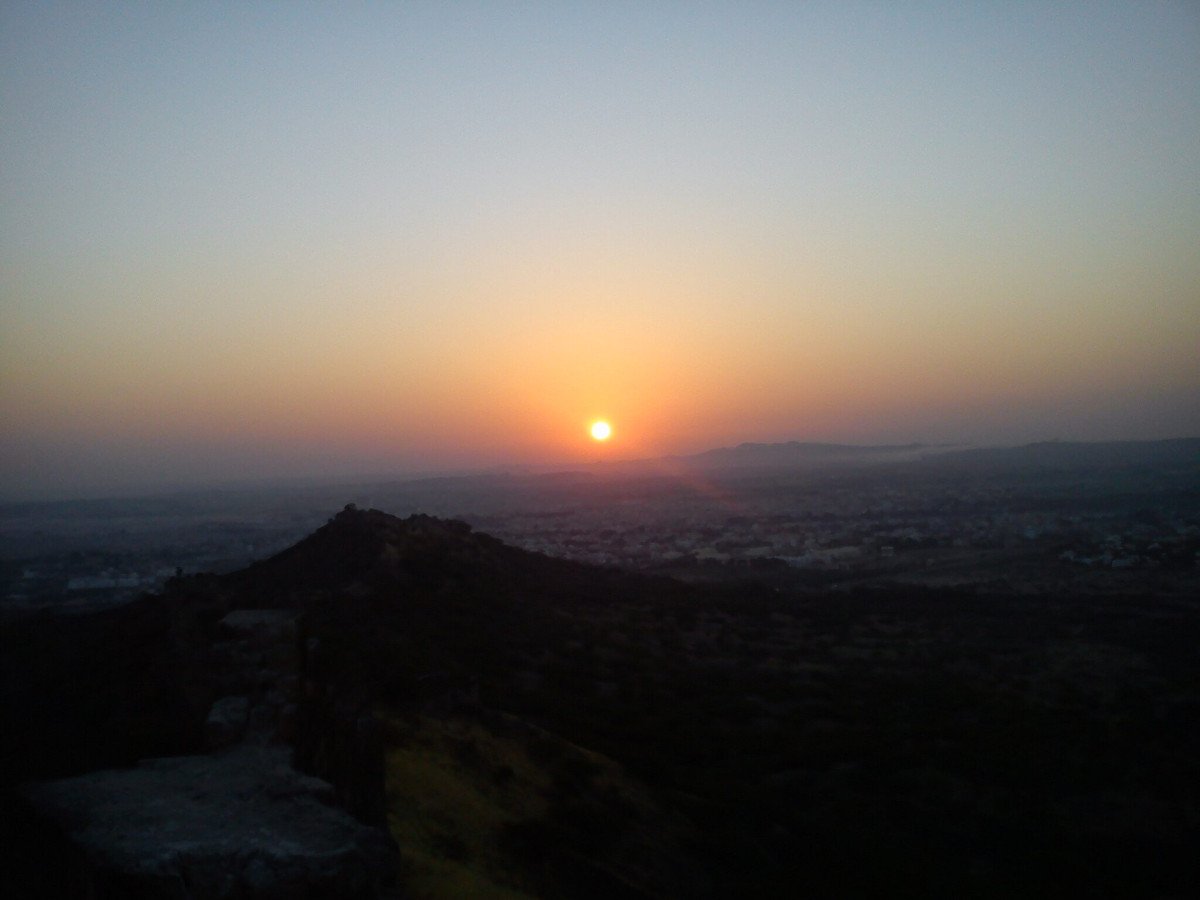
Best Visiting Hours: Early mornings are ideal for climbing Bhujia Hill to see the sunrise. Evenings are best for the lake and palace visits. Night time is perfect for exploring the local markets and street food stalls.Special Events:
Rann Utsav: While the main event is in Dhordo, the celebrations spill over into Bhuj. It features folk music, dance, and craft stalls from November to February. The city serves as the gateway for this grand desert festival.
Bhujia Hill Fair:Rann Utsav: While the main event is in Dhordo, the celebrations spill over into Bhuj. It features folk music, dance, and craft stalls from November to February. The city serves as the gateway for this grand desert festival.
Bhujia Hill Fair: A local fair held at the fort during August or September. It involves traditional rituals and local gatherings. It is a great time to see the local community in their traditional attire.Best Photo Spots:
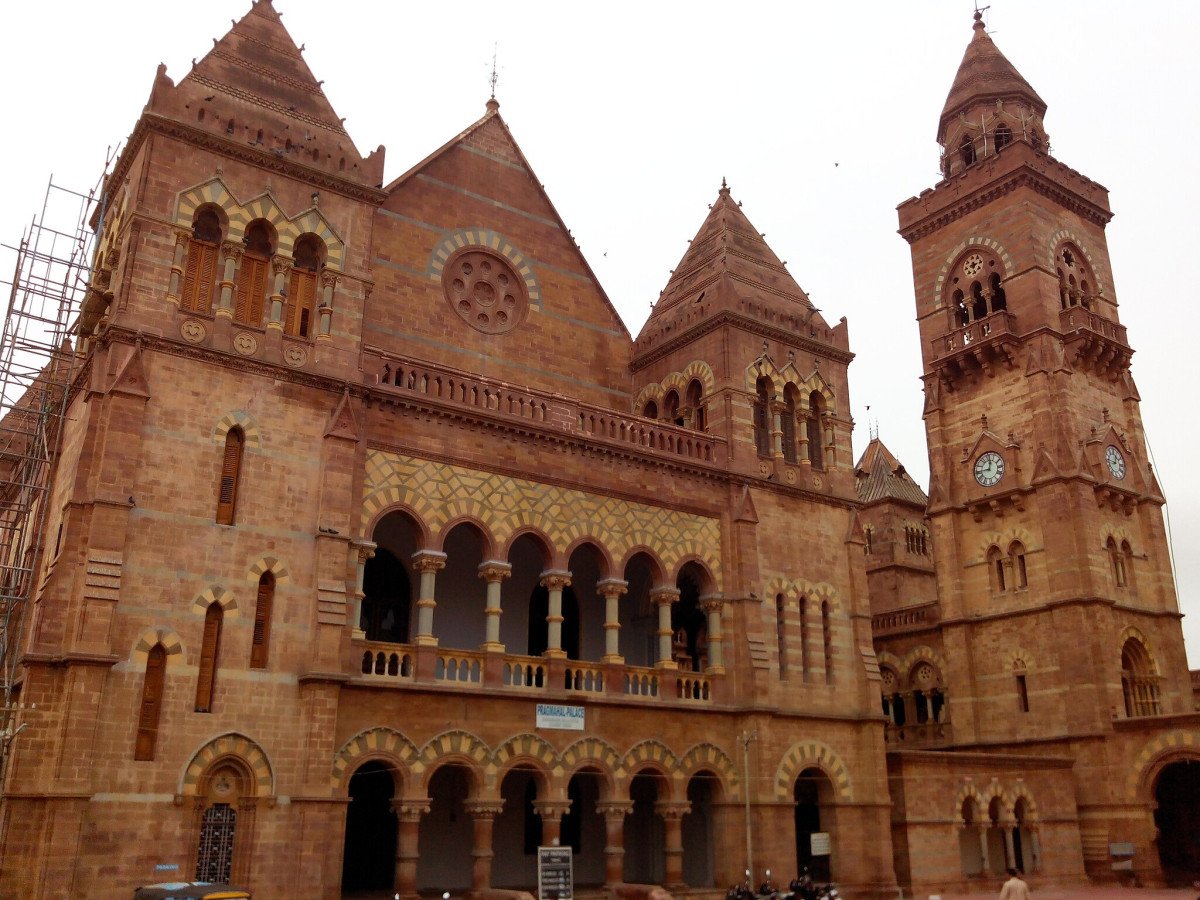
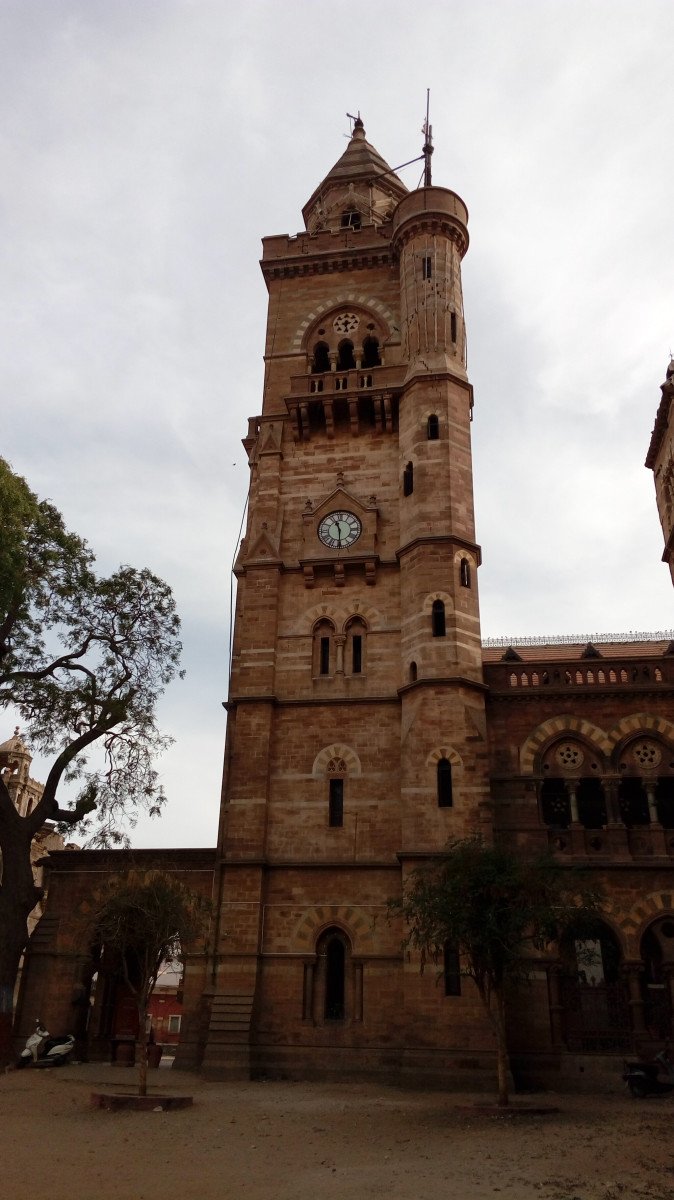
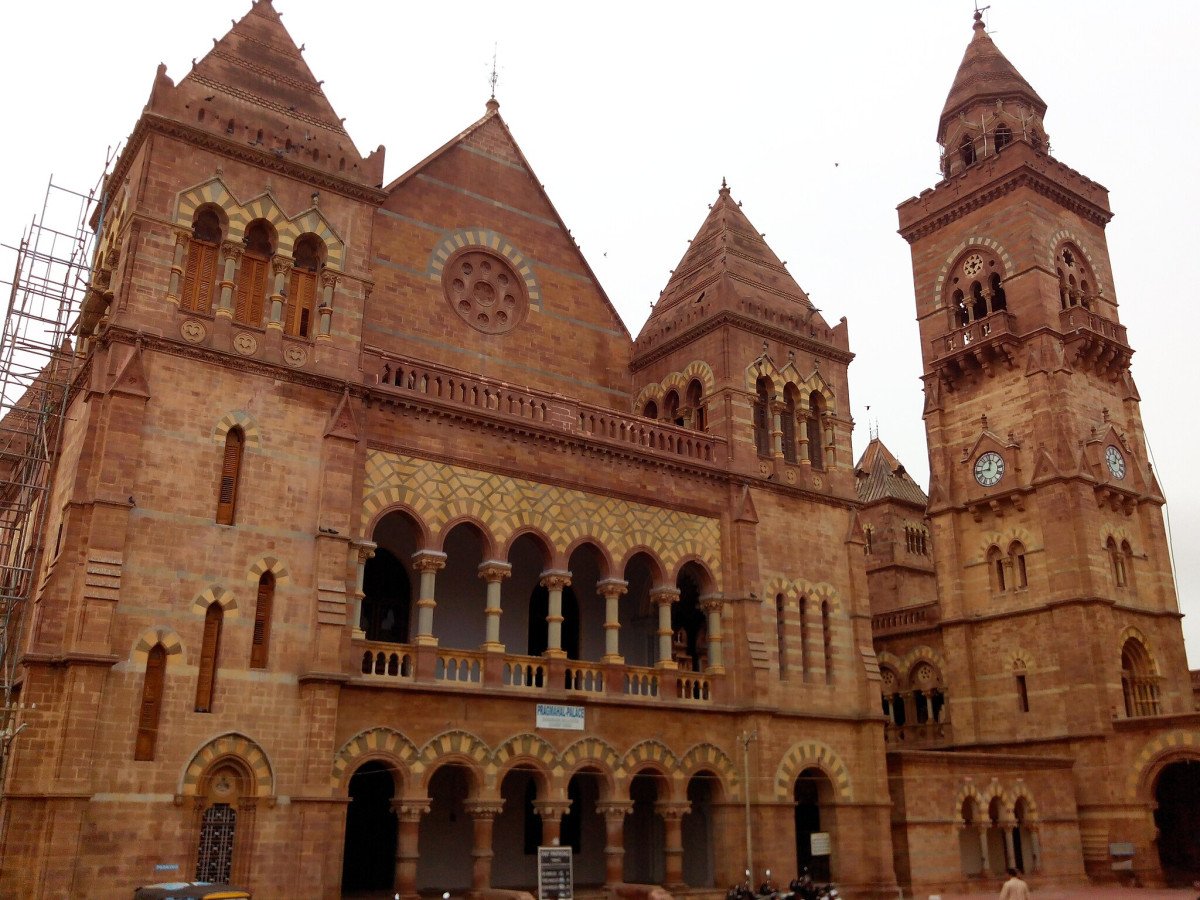
Prag Mahal Tower: Capturing the city’s skyline from the top of the clock tower is a must. The gothic details of the palace provide an excellent foreground. It is one of the highest vantage points in the city.
Chhatedi Cenotaphs: The sand...Prag Mahal Tower: Capturing the city’s skyline from the top of the clock tower is a must. The gothic details of the palace provide an excellent foreground. It is one of the highest vantage points in the city.
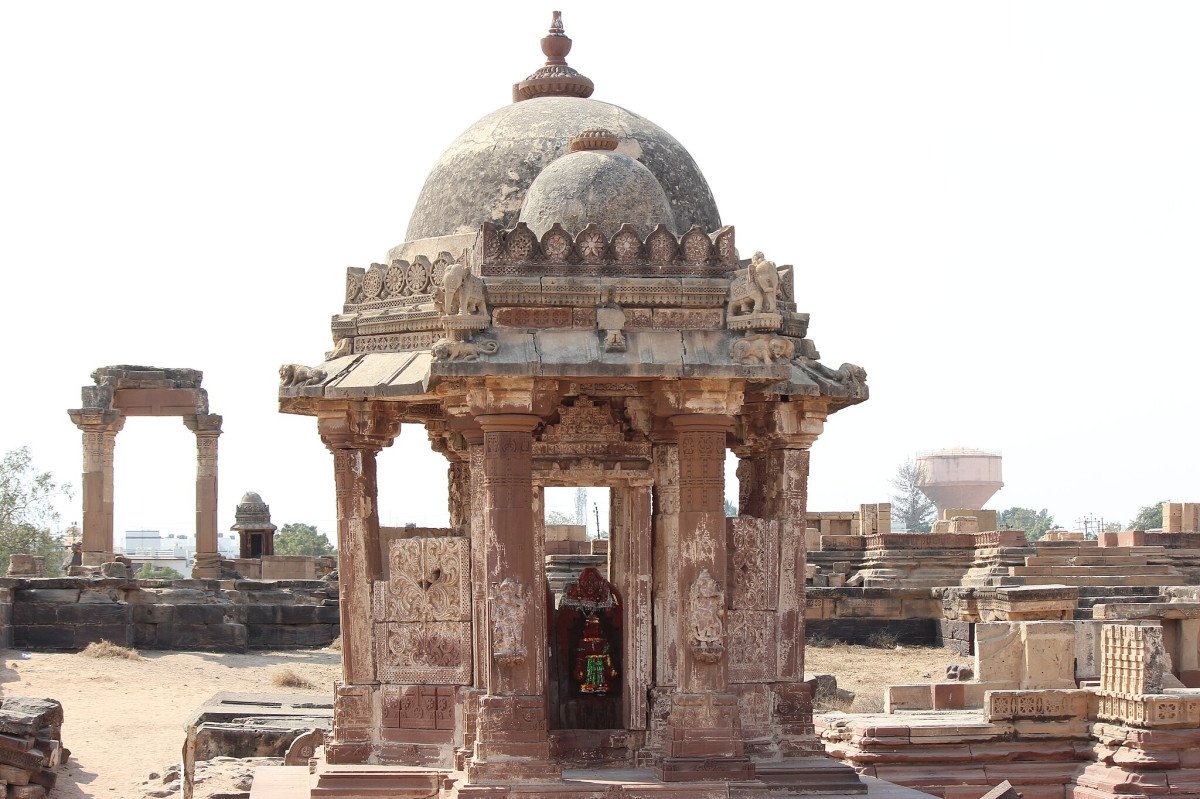
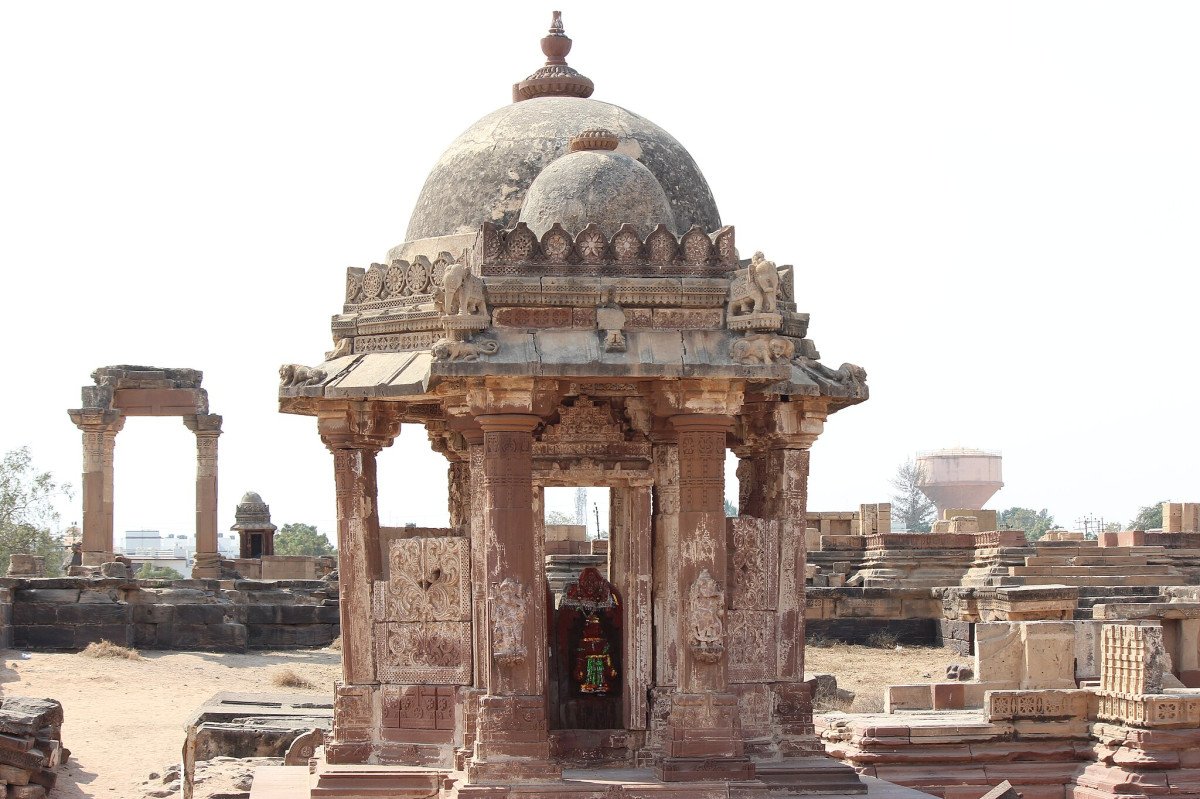
Chhatedi Cenotaphs: The sandstone structures and their shadows create geometric patterns perfect for photography. The warm evening light makes the carvings stand out. It is a popular spot for pre-wedding and artistic shoots.
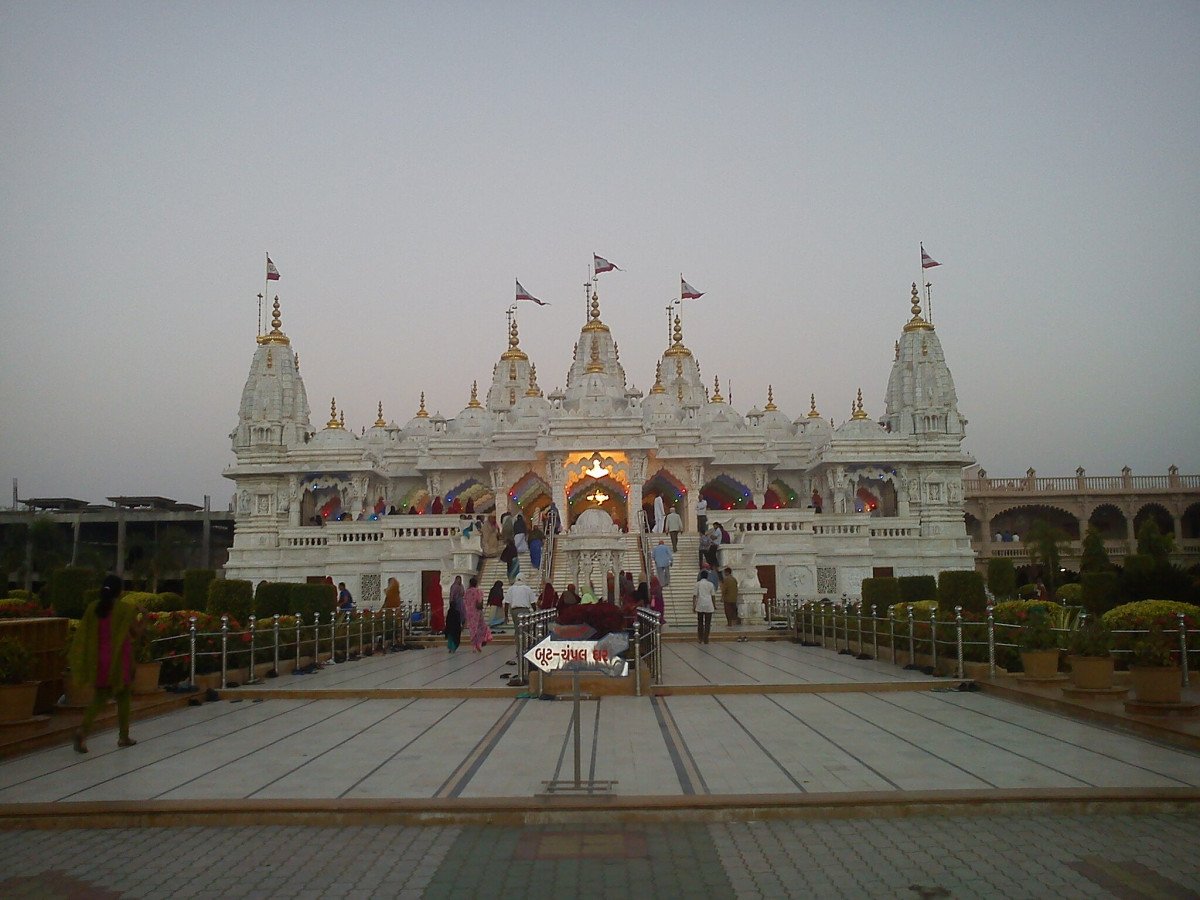
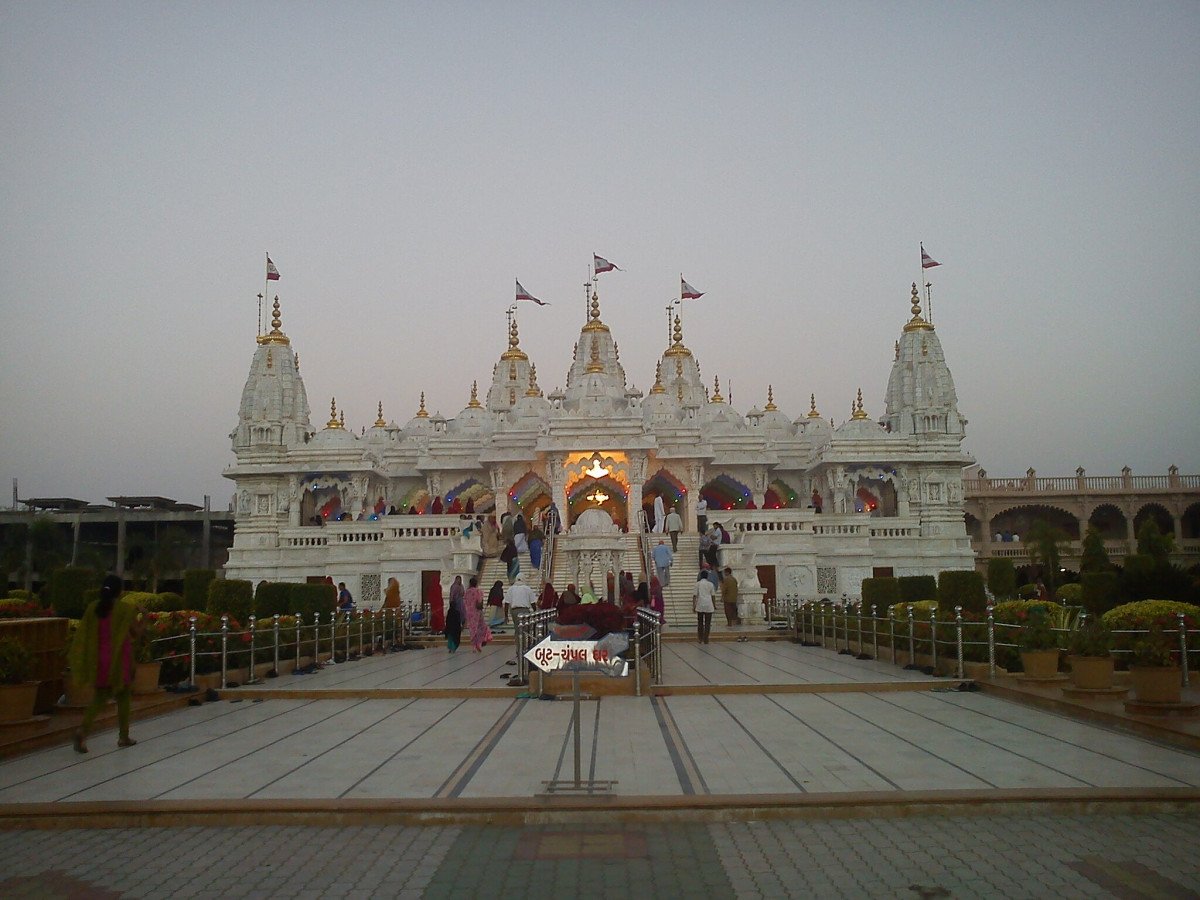
Swaminarayan Temple: The pristine white marble and symmetrical domes offer a clean, spiritual aesthetic. The intricate pillars are great for close-up shots of Indian craftsmanship. It looks particularly stunning against a blue sky.Photo Gallery

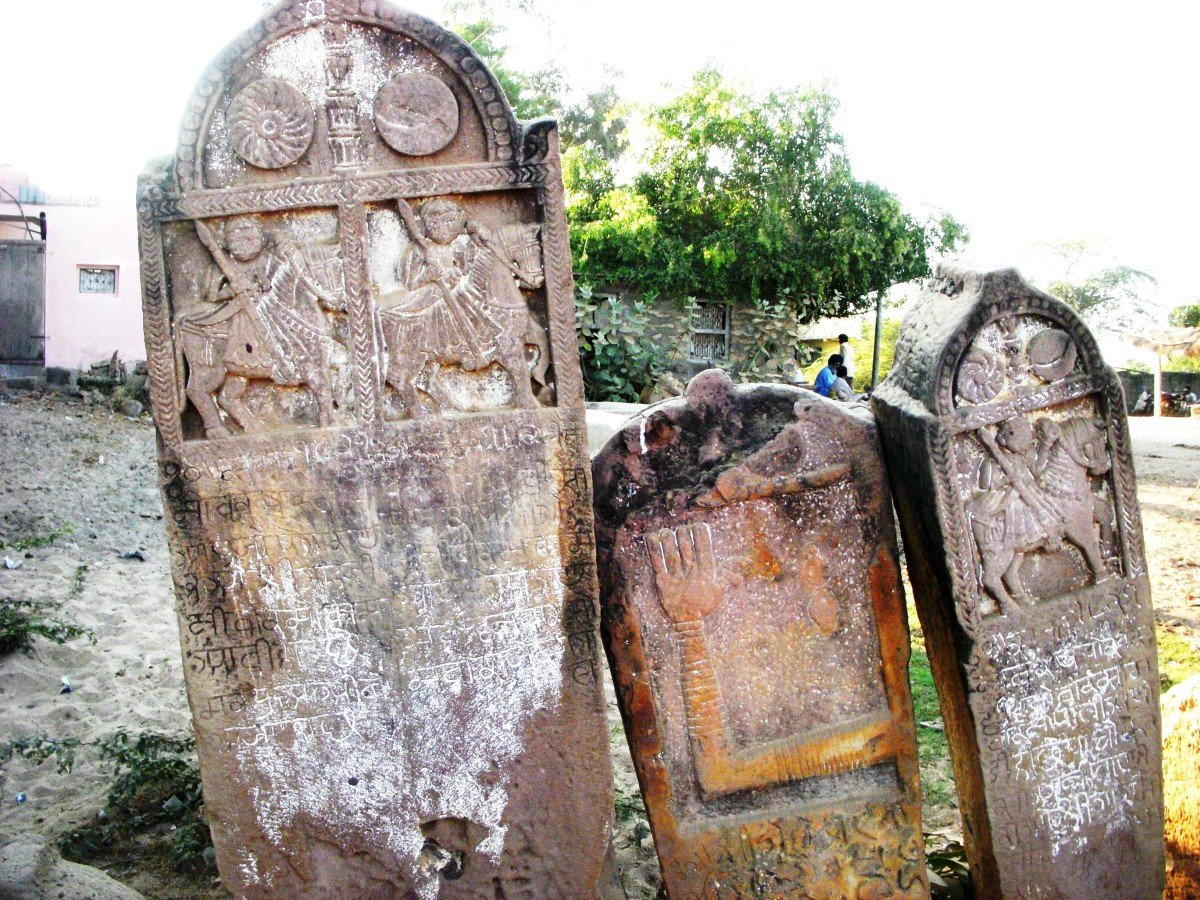


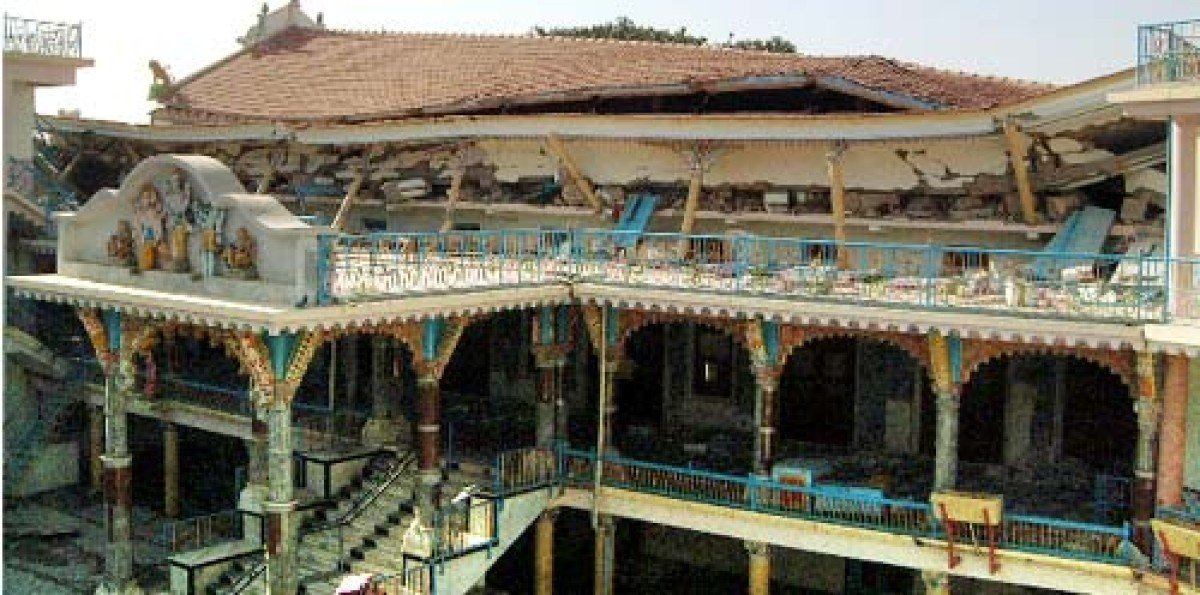

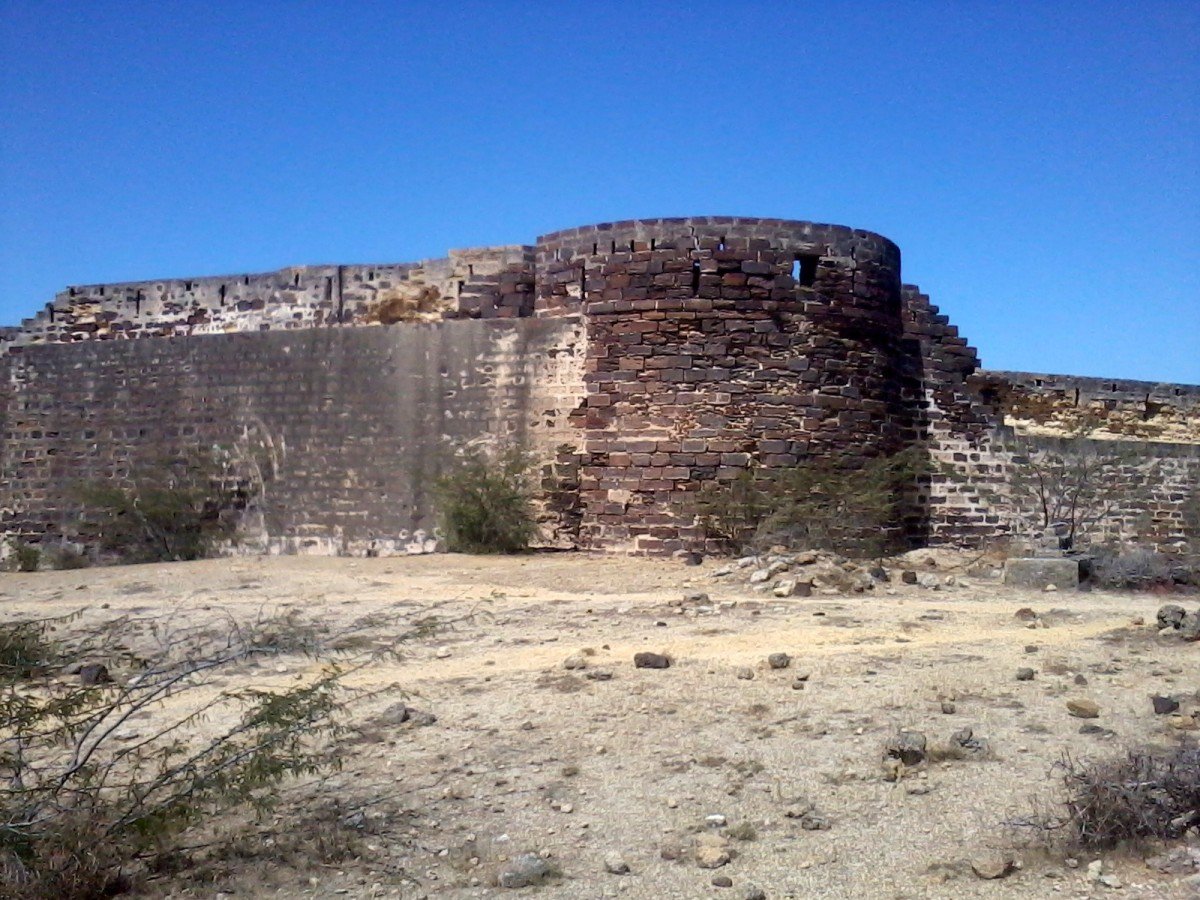

Things To Do
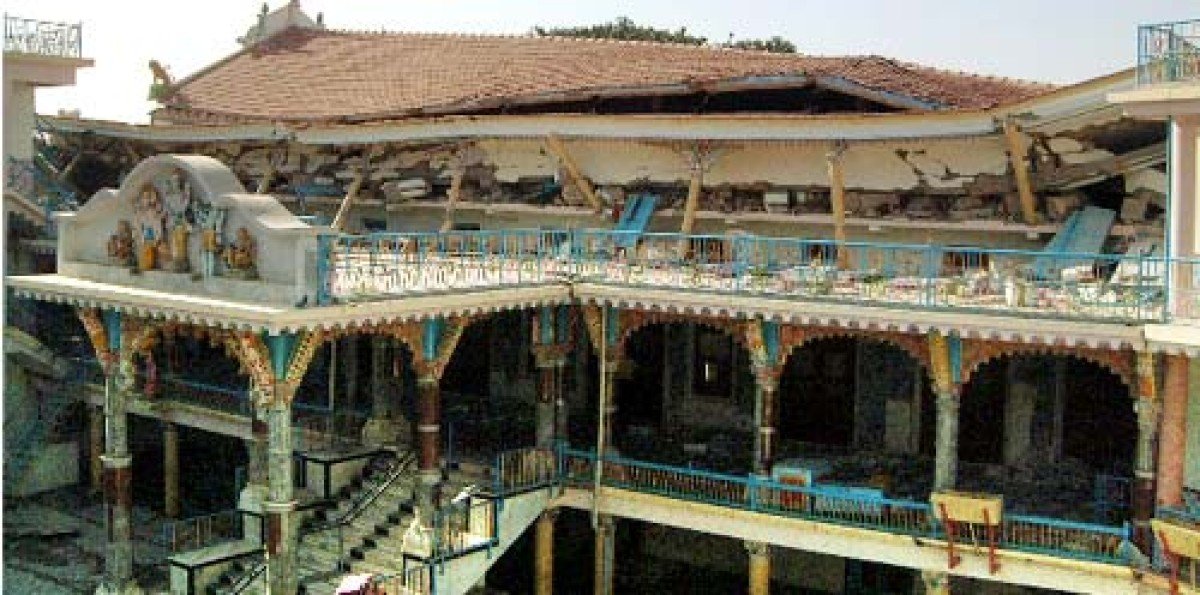
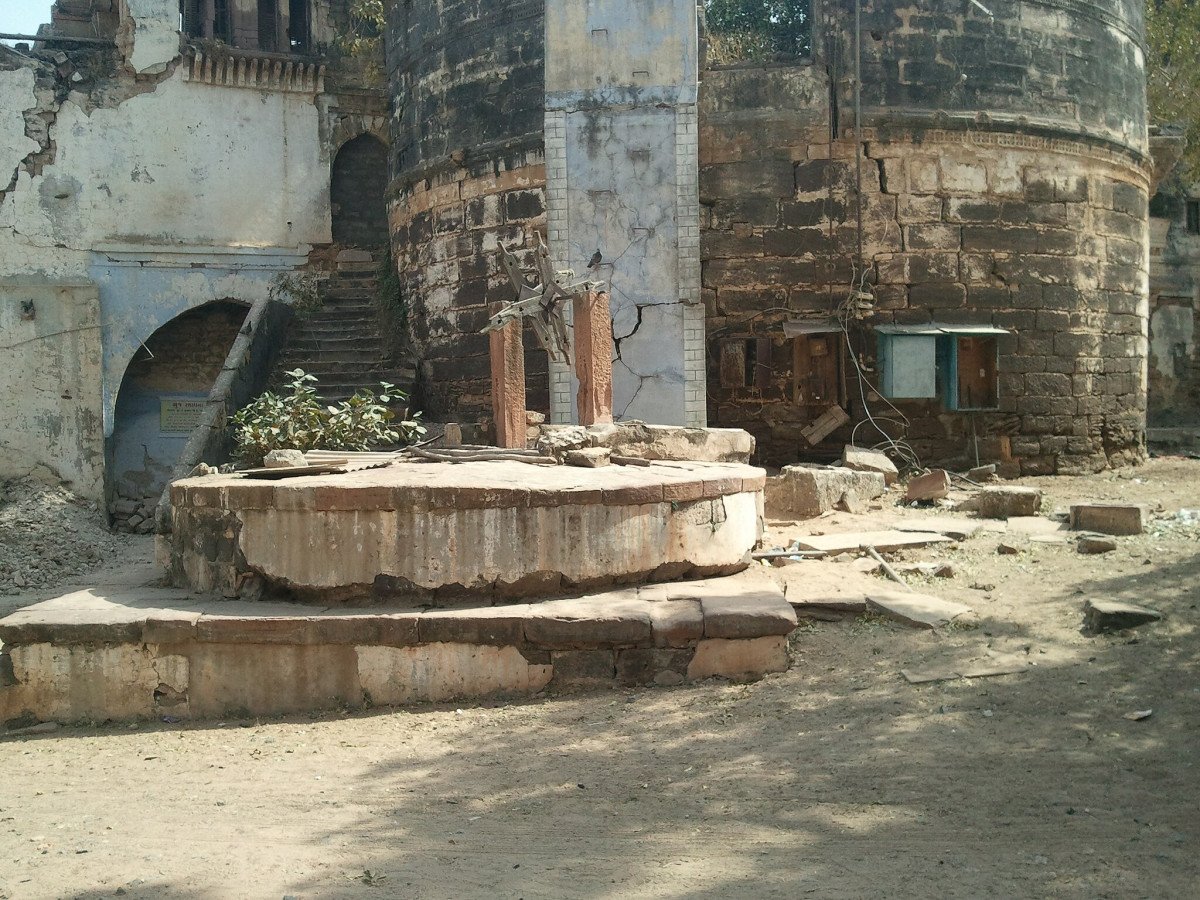
 Aina Mahal, or Palace of Mirrors, is an exquisite 18th-century palace built by Rao Lakhpatji around 1750. The master craftsman, Ramsinh Malam, trained in Europe, designed it in a unique Indo-European style. The palace is renowned for its Hall of Mirrors, which features walls lined with mirrors separated by gilded frames, creating a breathtaking visual effect. Despite being severely damaged in the devastating 2001 earthquake, the conserved first floor still showcases the opulence of the Kutch royals, including a famous scroll painting depicting a royal procession. The palace houses a rich collection of artifacts, clocks, glassware, and paintings, reflecting the fascination of the Kutch rulers with European arts and crafts, making it a pivotal site for understanding the region's historical and cultural exchange. It stands as a testament to the artistic skill and royal grandeur of the past, drawing visitors to explore its beautiful, albeit partially ruined, structure within the Darbargadh complex. The preserved sections offer a rare glimpse into the lavish lifestyle and sophisticated taste of the Maharaos of Kutch.
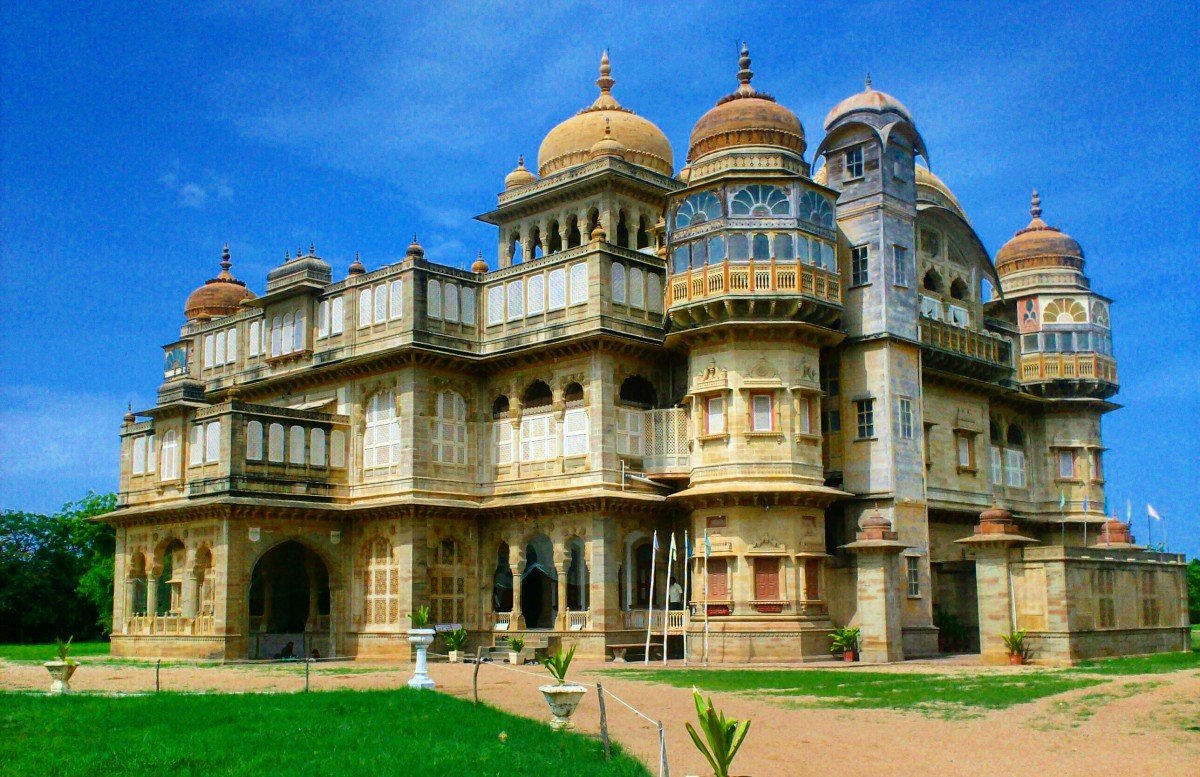
 Mandvi Beach is one of the most popular and beautiful coastal destinations in Gujarat. Located in the historic port town of Mandvi, it features a long stretch of silky white sand and crystal-clear blue waters. The beach is famous for its serene atmosphere, high windmills, and the nearby Vijay Vilas Palace. It was once a major port for the royal state of Kutch, and you can still see traditional wooden ships being built nearby. Unlike the crowded beaches of South India, Mandvi offers a peaceful retreat with plenty of space for long walks. The water is relatively calm, making it suitable for various water sports. At sunset, the beach transforms into a lively spot with families enjoying camel rides and local street food. The rows of windmills along the shore provide a unique and eco-friendly backdrop. It is the perfect place to relax after exploring the dry landscapes of northern Kutch. The blend of maritime history and natural beauty makes it a top choice for tourists.
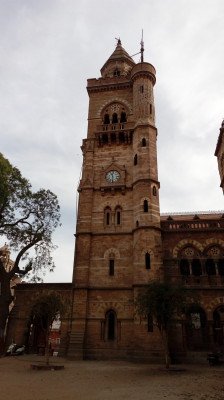 @@A Victorian Beacon:@@ The Clock Tower, locally known as Ghanta Ghar, is a significant historical landmark situated in the central, oldest part of Bhuj. It stands near the famed royal palaces, Aina Mahal and Prag Mahal, placing it at the very heart of the city’s historical and commercial center. The tower was constructed during the British colonial period and is a classic example of Victorian architecture with influences of local materials and craftsmanship. It was historically one of the tallest structures in the area, designed to serve as a public time-keeper for the citizens of Bhuj, a symbol of modernization and orderly administration introduced during the princely state era. @@Urban Landmark and Community Hub:@@ The structure features a large, four-faced clock that chimes on the hour, a sound that has been a defining characteristic of the old city's soundscape for generations. Though currently the tower's clock face and mechanism require conservation, it remains a powerful symbol of Bhuj's past. Its location is strategically important as it anchors the main historical square and is surrounded by vibrant, bustling markets (Bazaars) and traditional houses (Pol system). As a physical monument, the Clock Tower represents the intersection of the administrative power of the Maharaos of Kutch (whose palaces it neighbors) and the burgeoning commercial life of the local community. It is a vital part of the city’s identity and a classic photographic subject, especially when framed against the backdrop of the palace domes and arches.:
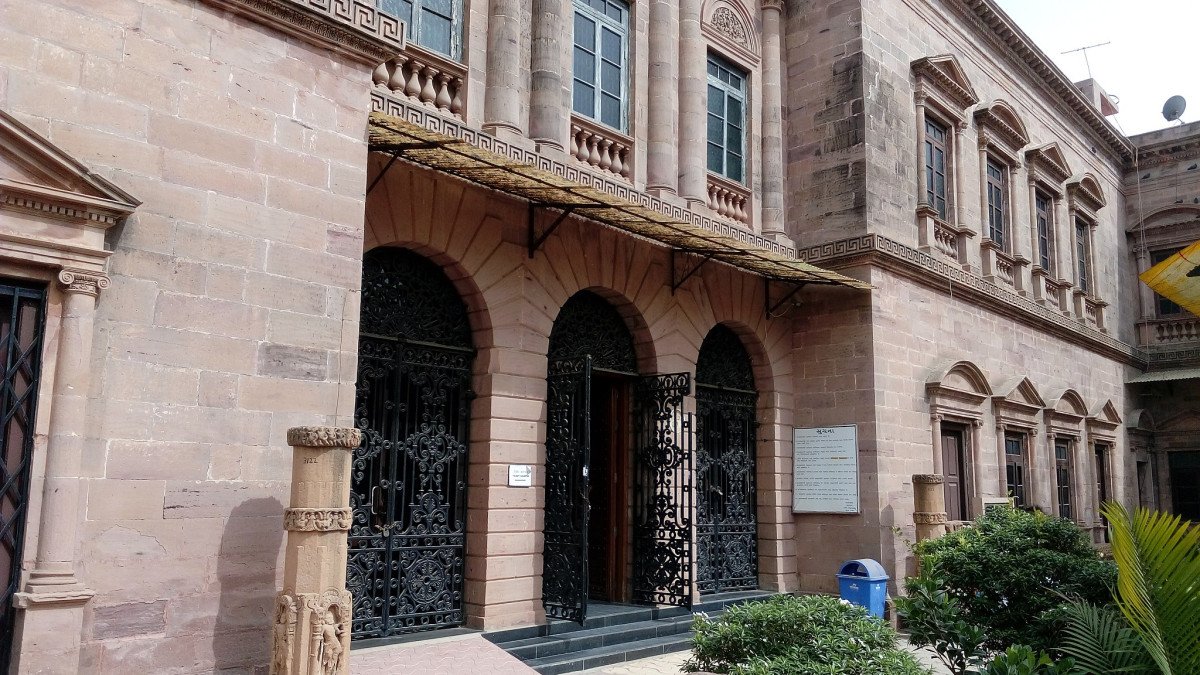
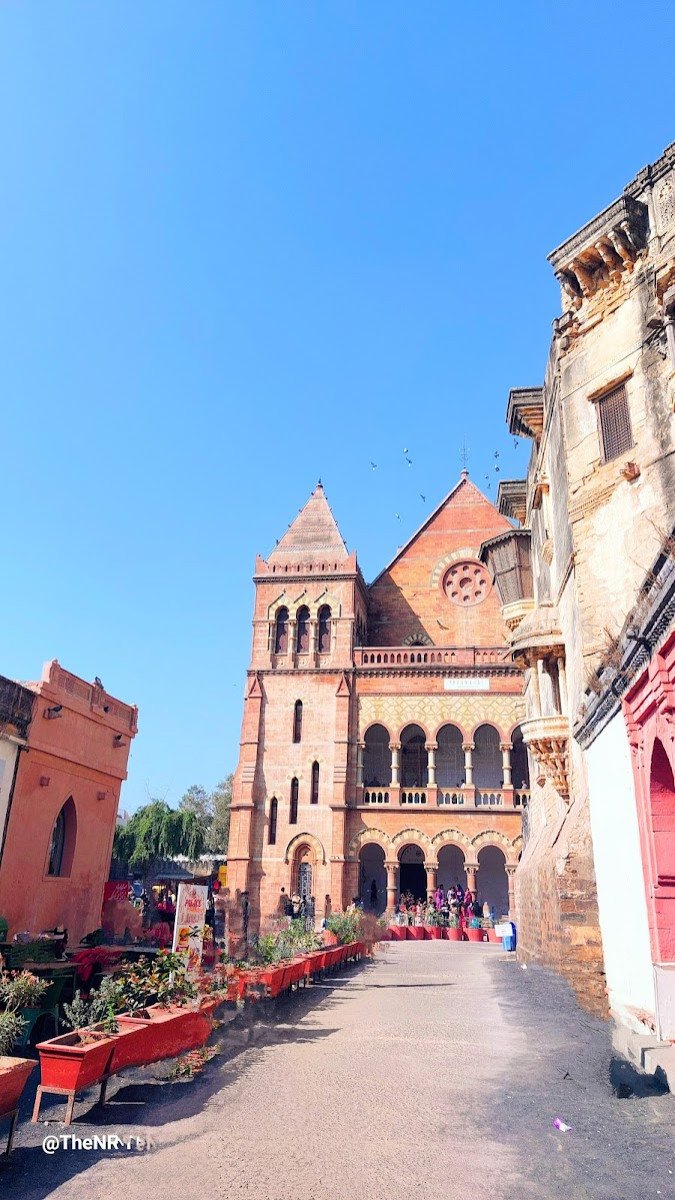
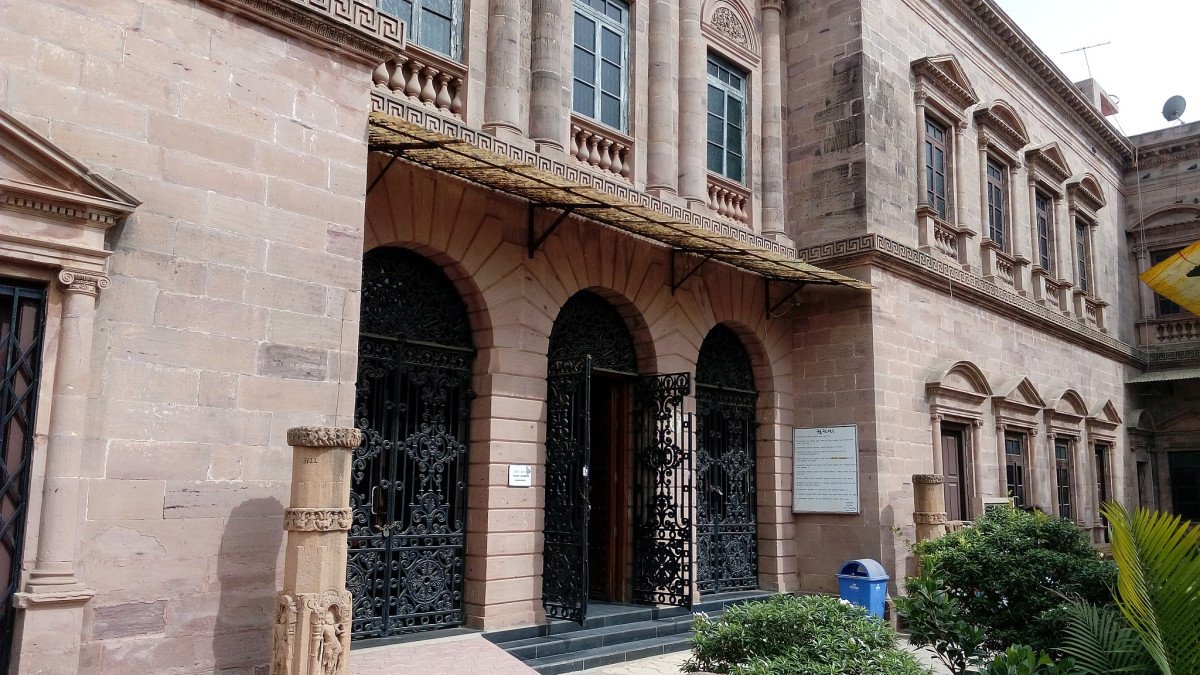
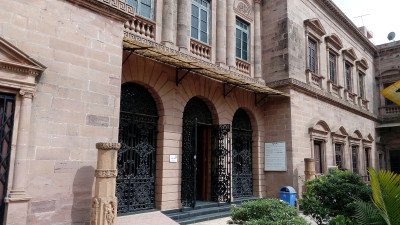 Kutch Museum, established on July 1, 1877, is the oldest museum in Gujarat and a cornerstone of the state's cultural heritage. Initially named the Fergusson Museum after its founder, Governor of Bombay Sir James Fergusson, the present Italian Gothic-style building was completed in 1884. Located prominently opposite Hamirsar Lake, the museum boasts a highly eclectic and significant collection spread across 11 sections. Its star attractions include the largest existing collection of Kshatrapa inscriptions dating back to the 1st century AD, an example of the extinct Kutchi script, and a collection of Koris (the local Kutch currency). Other extensive displays cover the region's vibrant tribal culture, folk arts, musical instruments (Nagfani, Morchang), weapons, sculpture, and a gallery of paintings, providing an invaluable resource for understanding the rich, diverse history, and cultural evolution of the Kutch district.
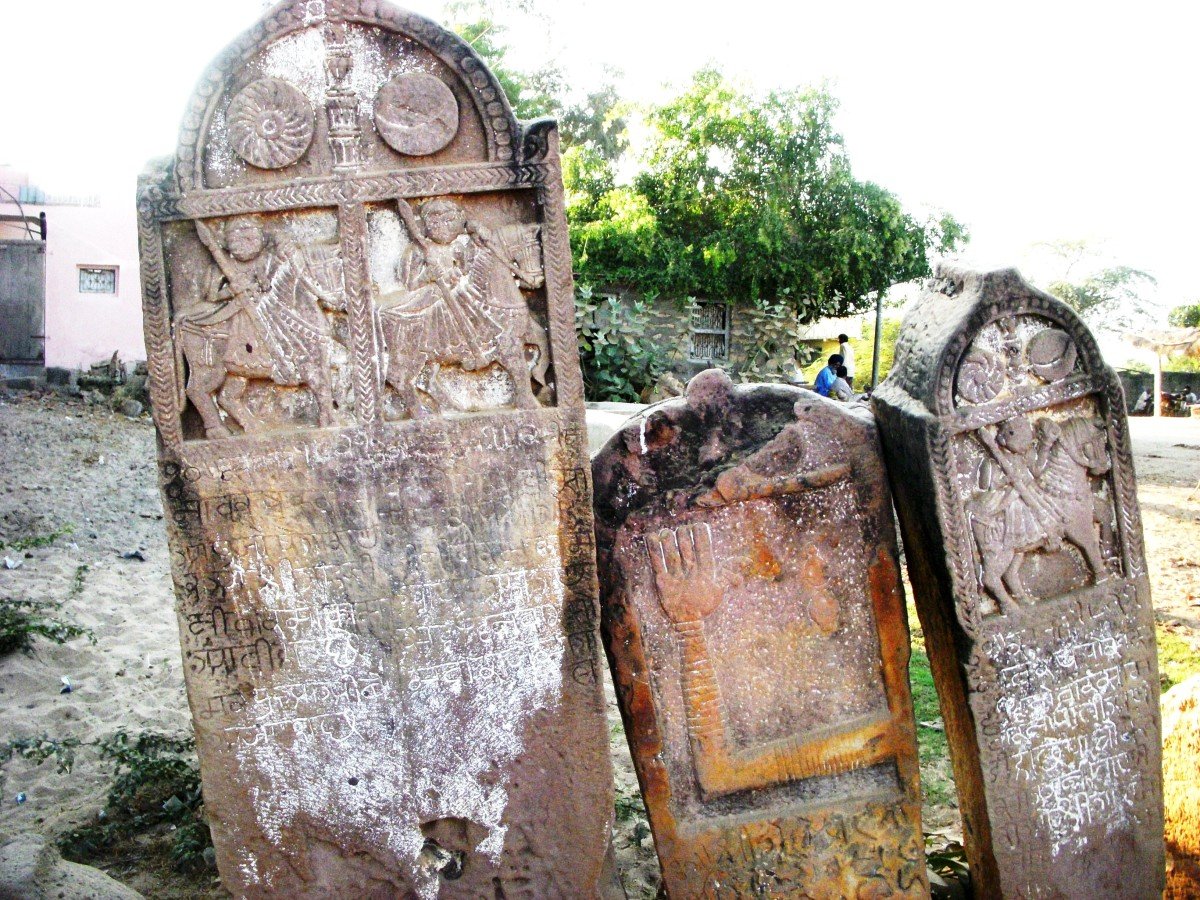
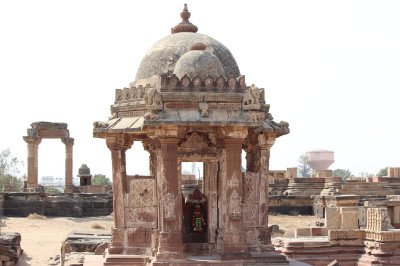 The Chhatedi, literally meaning 'umbrella', refers to the complex of royal cenotaphs (memorial structures built over the site of cremation) of the Maharaos of Kutch. These majestic, intricately carved stone pavilions are located southwest of Hamirsar Lake in Bhuj. The site is more than 400 years old and is protected by the Archaeological Survey of India (ASI). The cenotaphs are built in memory of the royal family members, including Rao Lakhpatji, Rao Raydhanji II, and Rao Desalji. Although significantly damaged by the 2001 earthquake, the surviving structures, particularly the largest and most intact ones, showcase exceptional stonework and traditional Hindu temple architecture styles. The site is characterized by its peaceful, slightly melancholic atmosphere, standing as a beautiful ruin that quietly narrates the history and the bygone era of the Kutch royalty. It is a favored spot for photographers due to the dramatic juxtaposition of the ornate carvings against the ruins.
 Nirona Village is a small but globally renowned settlement in the Kutch district, serving as a living museum of rare and ancient handicrafts. This village has gained international fame primarily because of the Rogan Art, a 300-year-old tradition that originated in Persia and is now practiced by only one family in the entire world—the Khatris. Rogan involves painting on fabric using a thick, sticky paste made from boiled castor oil mixed with natural pigments. The artist uses a thin metal rod to create intricate patterns without any prior sketching, often producing a "mirror image" by folding the cloth while the paint is still wet. Beyond Rogan, the village is a sanctuary for the Copper Bell craft, practiced by the Luhar community. These artisans transform scrap metal into melodious bells using a unique interlocking system without any welding or soldering. Each bell is tuned by ear to produce a specific musical note, a skill passed down through ten generations. The third major craft found here is Lacquer work, practiced by the nomadic Wada tribe. They use a hand-operated lathe to apply natural lacquer—a resin obtained from trees—onto wooden items like rolling pins, toys, and spoons, creating vibrant, psychedelic zigzag patterns. Walking through the narrow lanes of Nirona, you can hear the rhythmic hammering of bells and see colorful textiles drying in the sun. The village represents the resilience of traditional Indian craftsmanship in the face of modern industrialization. It gained significant diplomatic attention when Prime Minister Narendra Modi gifted a Rogan painting titled "Tree of Life" to former US President Barack Obama. The villagers are incredibly hospitable, often inviting tourists into their modest homes to witness live demonstrations of their work. Nirona is not just a shopping destination; it is a place where every object tells a story of ancestry, patience, and artistic genius. The simplicity of the village life contrasts with the sophistication of the art produced here, making it a must-visit for anyone interested in culture and heritage.
 The Chhatardi of Bhuj are magnificent royal cenotaphs built in the 18th century by the Jadeja rulers of Kutch. These structures serve as memorials for the deceased kings and queens of the royal family. The word 'Chhatardi' literally translates to 'umbrella', referring to the dome-shaped roofs that characterize these monuments. The most impressive among these is the cenotaph of Rao Lakha, which features a large polygonal structure with intricate carvings on red sandstone. The site is a testament to the architectural brilliance of that era, blending Rajput and Mughal styles. Although the site suffered significant damage during the 2001 earthquake, the ruins still retain a haunting beauty that attracts photographers and history lovers from all over the world. Walking through the complex, one can see detailed carvings of musicians, dancers, and celestial beings on the pillars and ceilings. The site is particularly famous for its peaceful atmosphere, away from the hustle of the city market. Many visitors come here during the golden hour to witness the sunset, as the red sandstone glows brilliantly under the evening light. The site is not just a graveyard but a historical archive that tells the story of the Kutch royalty through its stone inscriptions and motifs. It is one of the most Instagrammable spots in Bhuj due to its ancient and rustic appeal.Show All
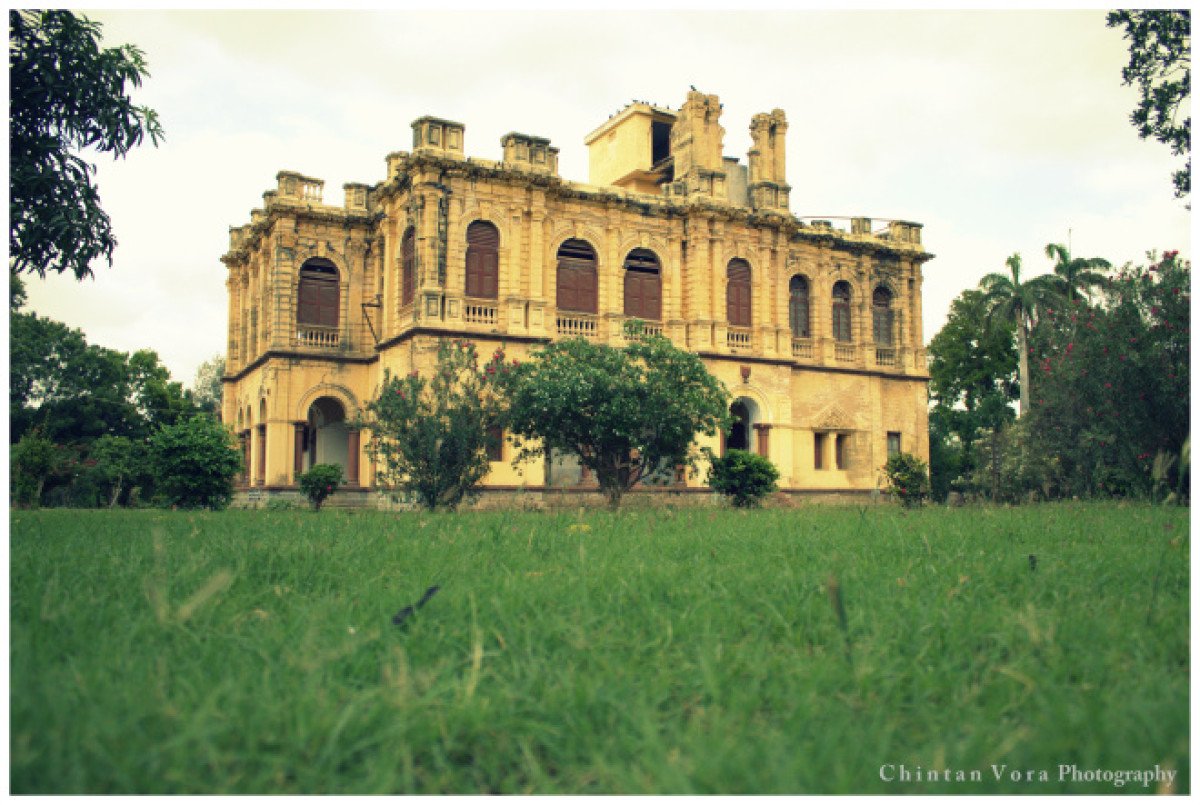
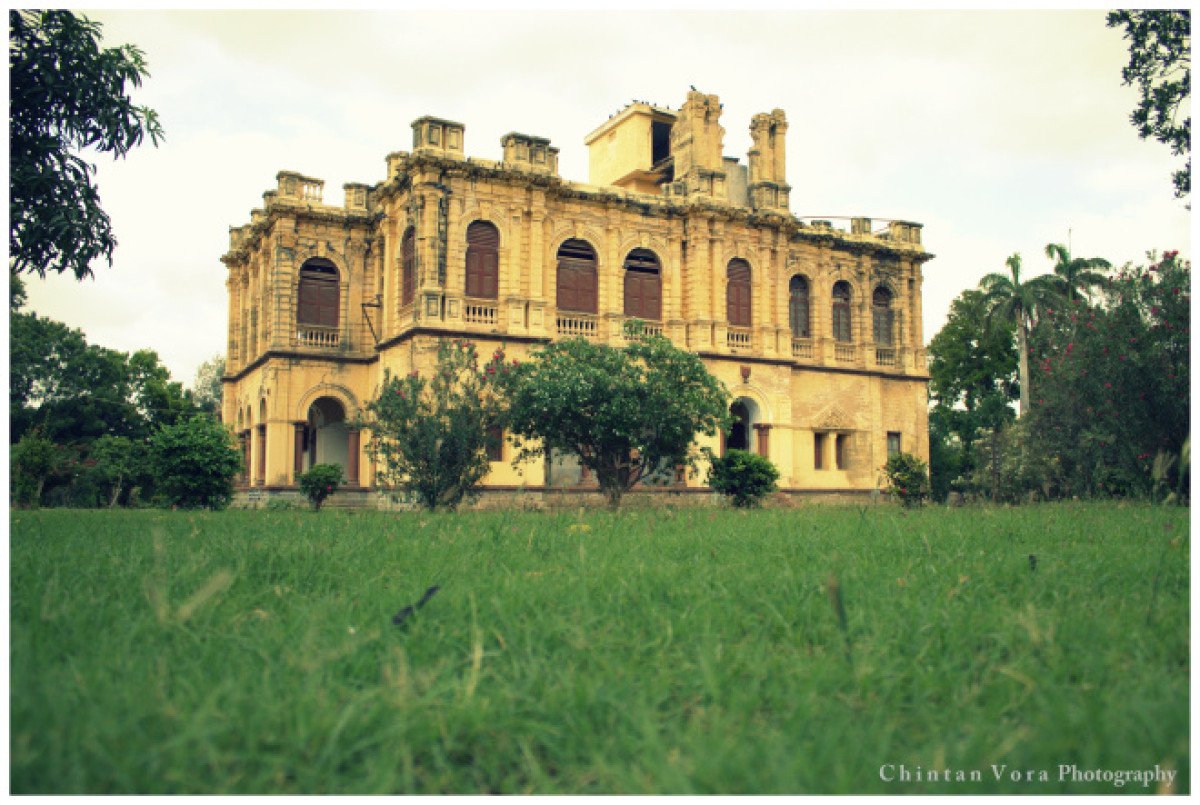
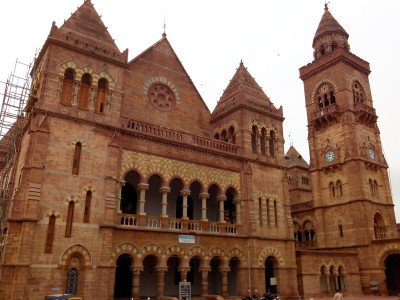 @@The Maharaja's Vision:@@ While the original Ranjit Vilas Palace is a prominent heritage hotel in Wankaner, the spirit of royal architecture in Bhuj is best represented by its sister palaces like Prag Mahal (often confused with Ranjit Vilas by tourists). Assuming the query intends to refer to a grand Bhuj royal site, we describe the royal complex near Hamirsar Lake. The palace complex in Bhuj served as the principal residence and administrative hub of the Maharaos of Kutch. These palaces were designed to project the power and sophistication of the Jadeja rulers, showcasing a blend of traditional Kutchi and global architectural influences, specifically incorporating Victorian Gothic and European styles. The buildings were often commissioned following periods of calamity or for modernization. The palace grounds traditionally included grand courtyards, a durbar hall for public audiences, and private residential quarters. @@Collection and Heritage:@@ The true essence of the palace's legacy lies in the extensive collections housed within, which include priceless artifacts, royal memorabilia, historic weaponry, and taxidermy specimens. These collections offer an intimate glimpse into the opulent, cosmopolitan lifestyle of the royal family. The architecture itself—with its use of local sandstone, intricate jali work for ventilation, and imported marble—tells a story of a kingdom that was simultaneously deeply rooted in its local culture and globally connected through trade and diplomatic ties. Despite the damage sustained during the 2001 earthquake, the remaining structure stands as a powerful testament to the city's majestic past, representing a significant chapter in the history of the Kutch region and its rulers.:
Information
-
Why Famous:
Handicraft Paradise: It is the global destination for authentic embroidery styles like Rabari and Ahir. Collectors and designers visit Bhuj to source unique textiles. The local Bhujodi village is a dedicated hub for weavers.
Historical Resilie...Handicraft Paradise: It is the global destination for authentic embroidery styles like Rabari and Ahir. Collectors and designers visit Bhuj to source unique textiles. The local Bhujodi village is a dedicated hub for weavers.
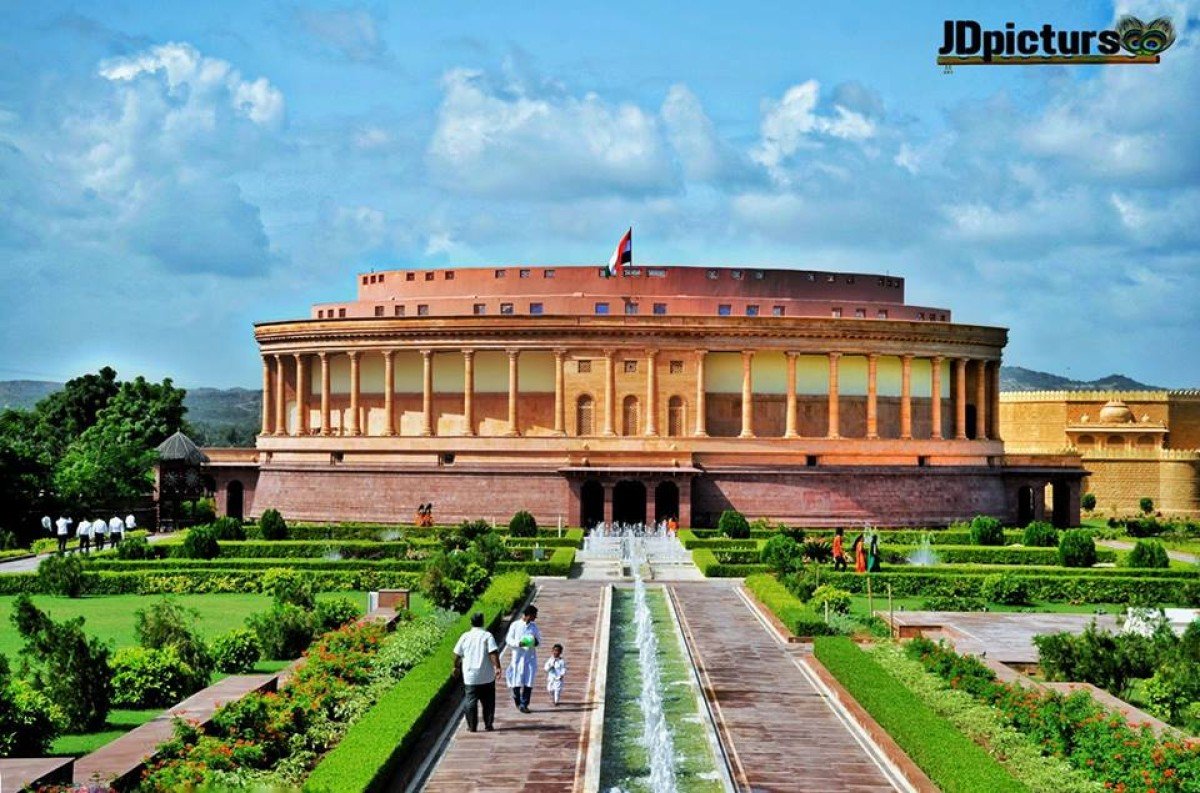
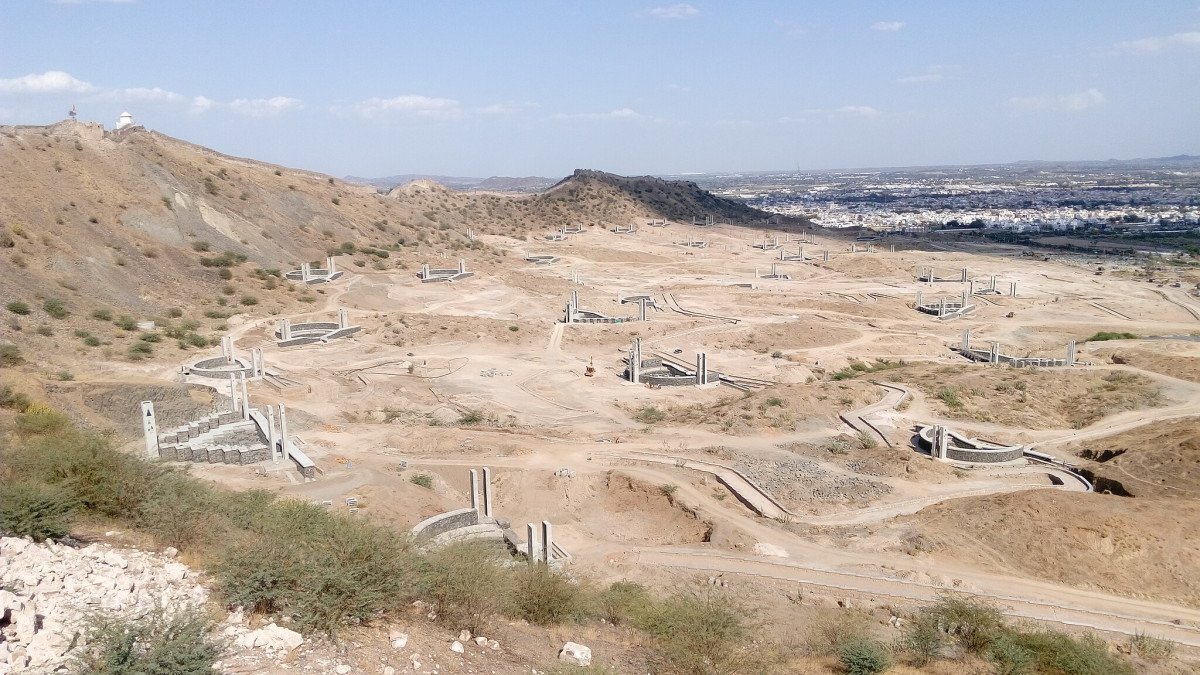
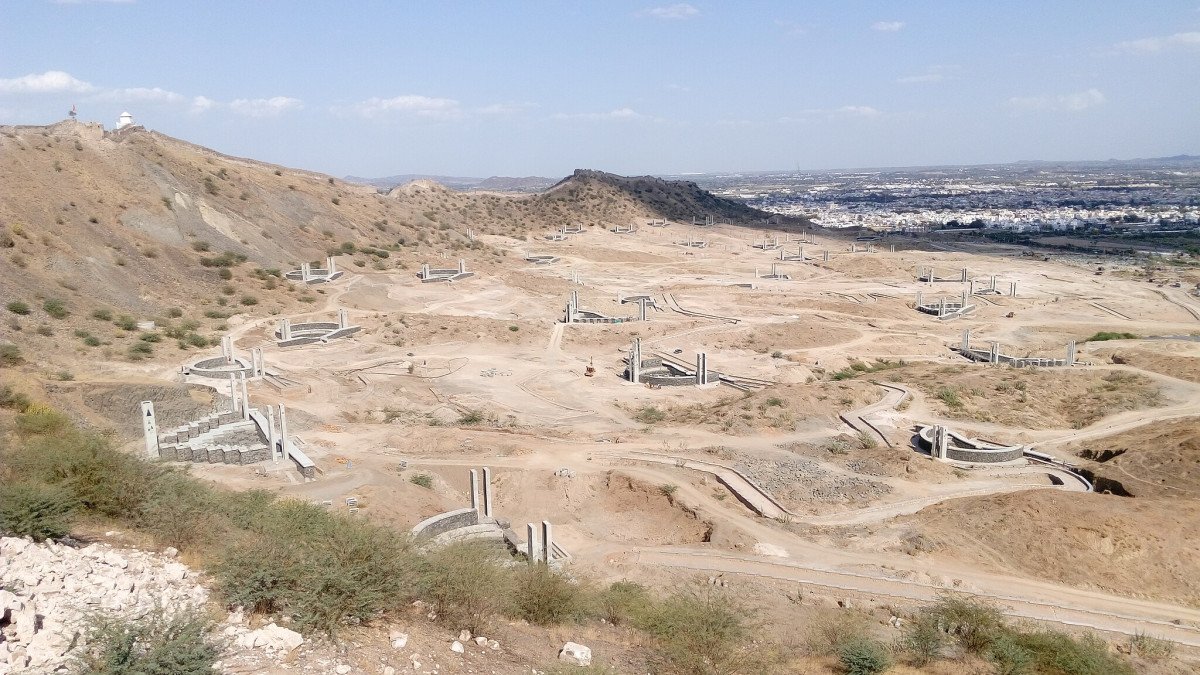
Historical Resilience: The way the city rebuilt itself after the 2001 earthquake is a study in human spirit. The Smritivan Earthquake Memorial on Bhujia Hill is a major landmark. It pays tribute to the lives lost and the city's revival. -
Architecture:
Indo-European Fusion: The architecture of Prag Mahal is Italian Gothic, built with red sandstone and Italian marble. It features a giant clock tower and a lavish Durbar hall.
Dimension: The Prag Mahal clock tower is 45 meters high.
...Indo-European Fusion: The architecture of Prag Mahal is Italian Gothic, built with red sandstone and Italian marble. It features a giant clock tower and a lavish Durbar hall.
Dimension: The Prag Mahal clock tower is 45 meters high.
Aina Mahal Craftsmanship: The 'Palace of Mirrors' was built by Ram Singh Malam, who studied in Holland. It features blue-and-white tiles, glass lamps, and intricate mirror work. The design is a rare blend of Dutch influence and Indian aesthetics. -
How To Reach:
By Air: Bhuj Airport has daily flights from Mumbai and other major cities. It is a small airport located about 5 KMS from the city. Taxis and rickshaws are easily available for transfers to hotels.
By Train: Bhuj Railway Station is well-co...By Air: Bhuj Airport has daily flights from Mumbai and other major cities. It is a small airport located about 5 KMS from the city. Taxis and rickshaws are easily available for transfers to hotels.
By Train: Bhuj Railway Station is well-connected to Ahmedabad, Mumbai, and Delhi. Several superfast trains like the Kutch Express terminate here. It is a clean and well-maintained station near the city center.
By Road: State Transport (GSRTC) and private buses connect Bhuj to all major cities in Gujarat. The roads are well-maintained, especially the highway from Ahmedabad. Long-distance buses are comfortable and offer AC options.
By Local Transport: Auto-rickshaws are the primary mode of transport within the city. They are affordable but it’s best to fix the fare beforehand. Car rentals are recommended for those planning to visit the Great Rann. -
Weather and Best Time to Visit:
Winter Season: October to March is the best time when the weather is cool and dry. This coincides with the Rann Utsav, making it the peak tourist season. Daytime is pleasant for sightseeing and shopping.
Summer Season: April to June is ext...Winter Season: October to March is the best time when the weather is cool and dry. This coincides with the Rann Utsav, making it the peak tourist season. Daytime is pleasant for sightseeing and shopping.
Summer Season: April to June is extremely hot with temperatures reaching 45°C. Sightseeing is difficult during the day. However, it is a quiet time for those looking for budget stays and fewer crowds.
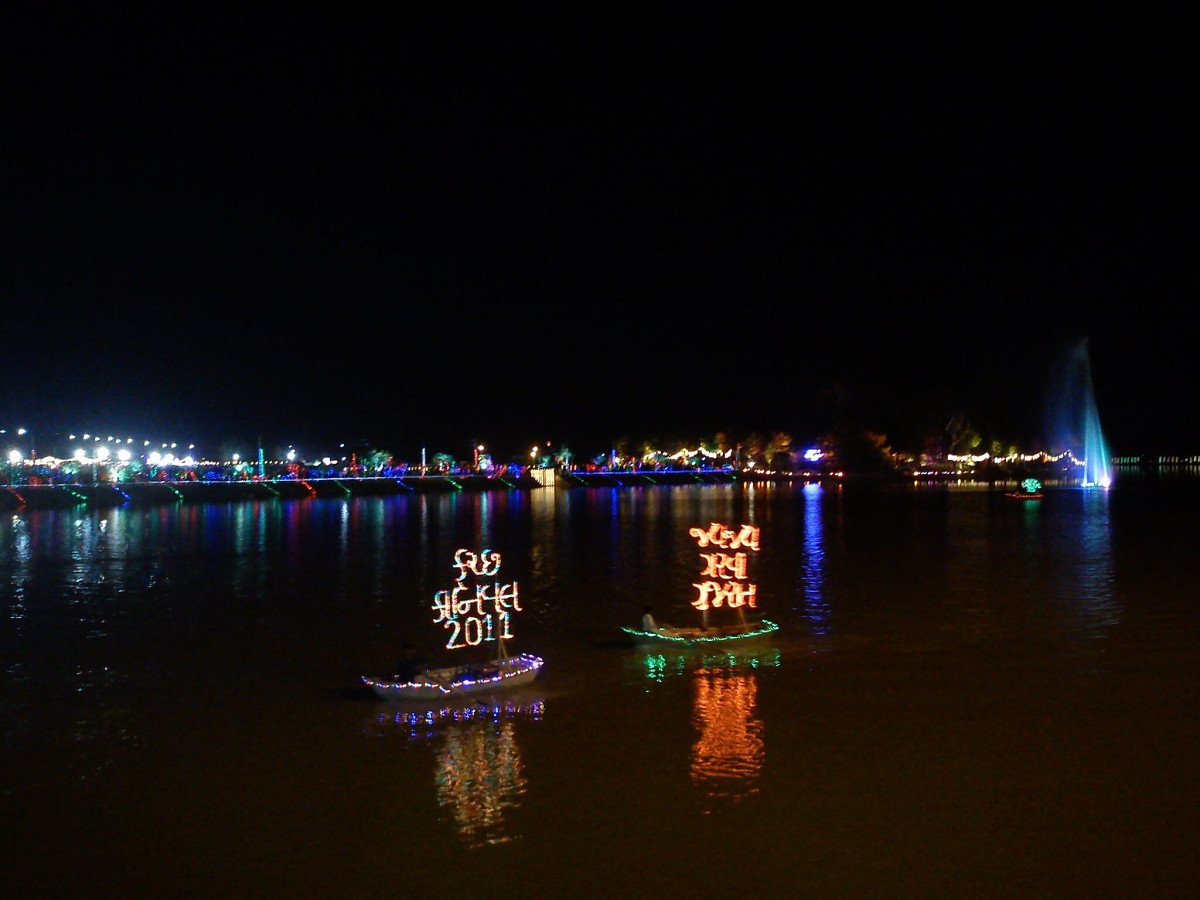
Monsoon Season: July to September brings life to the arid landscape. The Hamirsar Lake overflows, which is a rare and celebrated event. The weather becomes humid but the surroundings turn surprisingly green. -
Near Tourist Places:
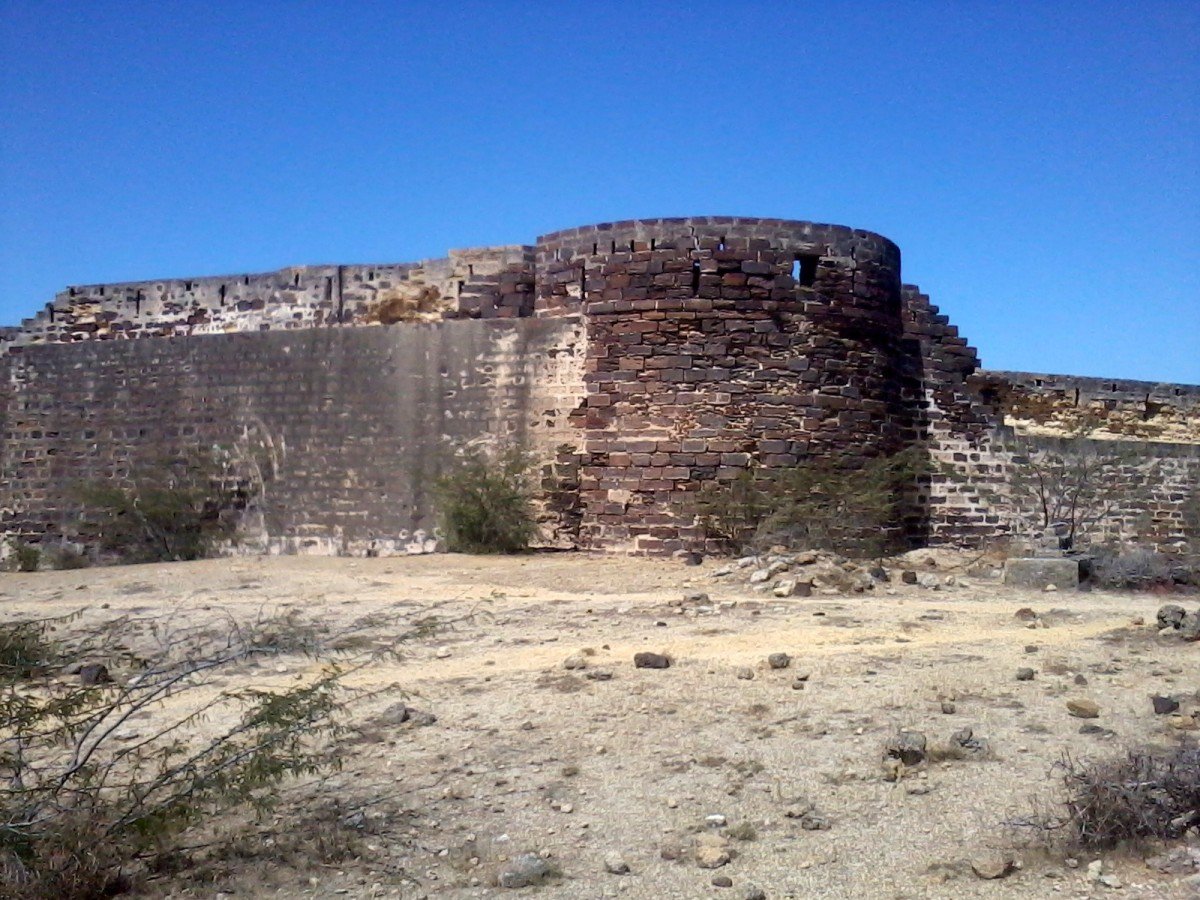
1. White Rann (85 km), 2. Kala Dungar (95 km), 3. Bhujodi (8 km), 4. Mandvi Beach (60 km), 5. Anjar (40 km), 6. Lakhpat Fort (135 km), 7. Dholavira (215 km), 8. Mata no Madh (95 km), 9. Narayan Sarovar (150 km), 10. Koteshwar (155 km).
Tourism Tips
-
Health & Safety: The sun can be harsh even in winters, so use high-SPF sunscreen. Carry plenty of water as dehydration is common in the desert climate. Stick to well-cooked local food to avoid stomach issues.
Packing Essentials: Carry ligh...Health & Safety: The sun can be harsh even in winters, so use high-SPF sunscreen. Carry plenty of water as dehydration is common in the desert climate. Stick to well-cooked local food to avoid stomach issues.
Packing Essentials: Carry light-colored cotton clothes and a wide-brimmed hat. A sturdy pair of walking shoes is necessary for the rocky terrain of the hills. If visiting the Rann at night, carry a warm shawl or jacket.
Accommodation Tips: There are many guest houses and hotels near the Hamirsar Lake. For a luxury experience, there are heritage resorts on the outskirts. Booking months in advance is required for the December-January period.
Local Culture: Kutchis are very friendly and hospitable. Learning a few words of Kutchi or Gujarati will help in building rapport. Respect the local traditions and avoid wearing revealing clothes in the villages.
Reviews
FAQs
Bhuj Itineray And Cost:-
Other Places In Gujarat :-
Other States In India :-
Information about New and Updated Locations() of Gujarat Has Been Added :-
Card subtitle
Note:-
Information provided here in good Faith and for reference only.
Near Places
Ahmedabad
Some quick example text to build on the card title and make up the bulk of the card's content.
Go somewhere
Bhuj
Some quick example text to build on the card title and make up the bulk of the card's content.
Go somewhere
Chotila
Some quick example text to build on the card title and make up the bulk of the card's content.
Go somewhere
Dahod
Some quick example text to build on the card title and make up the bulk of the card's content.
Go somewhere
Dandi
Some quick example text to build on the card title and make up the bulk of the card's content.
Go somewhere
Kevadia
Some quick example text to build on the card title and make up the bulk of the card's content.
Go somewhere
Kutch
Some quick example text to build on the card title and make up the bulk of the card's content.
Go somewhere
Lothal
Some quick example text to build on the card title and make up the bulk of the card's content.
Go somewhere
Mandvi
Some quick example text to build on the card title and make up the bulk of the card's content.
Go somewhere
Modhera
Some quick example text to build on the card title and make up the bulk of the card's content.
Go somewhere
Near Ahmedabad
Some quick example text to build on the card title and make up the bulk of the card's content.
Go somewhere
Palanpur
Some quick example text to build on the card title and make up the bulk of the card's content.
Go somewhere
Palitana
Some quick example text to build on the card title and make up the bulk of the card's content.
Go somewhere
Patan
Some quick example text to build on the card title and make up the bulk of the card's content.
Go somewhere
Pavagadh
Some quick example text to build on the card title and make up the bulk of the card's content.
Go somewhere
Porbandar
Some quick example text to build on the card title and make up the bulk of the card's content.
Go somewherein Other Cities