

Kutch
General information
-
Ideal Duration:
3-4 DaysPlace Type:
Culture & DesertEntry Fees:
Permit Fees: Entry to the White Rann requires a government permit costing approximately 100 INR per person, which can be obtained at the Bhindo check post.
Museum Entry: Most historical sites and museums in Bhuj have nominal fees ranging fro...Permit Fees: Entry to the White Rann requires a government permit costing approximately 100 INR per person, which can be obtained at the Bhindo check post.
Museum Entry: Most historical sites and museums in Bhuj have nominal fees ranging from 20 INR to 50 INR for domestic tourists.
Tent City: Staying at the official Rann Utsav tent city is a premium experience, with packages starting from 8,000 INR per night including meals.Timing:
Rann Hours: The White Rann is accessible from 6:00 AM to 10:00 PM, allowing visitors to enjoy both the sunrise and the moonrise.
Museum Timings: Places like Aina Mahal and Kutch Museum generally operate from 9:00 AM to 12:00 PM and 3:00 PM t...Rann Hours: The White Rann is accessible from 6:00 AM to 10:00 PM, allowing visitors to enjoy both the sunrise and the moonrise.
Museum Timings: Places like Aina Mahal and Kutch Museum generally operate from 9:00 AM to 12:00 PM and 3:00 PM to 6:00 PM.
Best Visit: Late afternoons are ideal for the Rann, while mornings should be reserved for exploring the heritage buildings in the city of Bhuj.Special Events:
Rann Utsav: A four-month festival from November to February featuring folk music, dance performances, and craft stalls. The nights are filled with the sound of the Bhorindo and Morchang, local instruments that create a soulful desert atmosphere.Rann Utsav: A four-month festival from November to February featuring folk music, dance performances, and craft stalls. The nights are filled with the sound of the Bhorindo and Morchang, local instruments that create a soulful desert atmosphere.
Kutch Carnival: Held in Bhuj, this event features colorful parades, traditional costumes, and street food that celebrate the district's history. It is a great time to see the local communities coming together in a grand display of pride and cultural heritage.Best Photo Spots:
White Salt Flats: The endless white horizon during the "Golden Hour" of sunset is the most iconic shot for any traveler.
Prag Mahal Tower: Climb the bell tower of this Italian Gothic palace in Bhuj for a panoramic view of the old city and th...White Salt Flats: The endless white horizon during the "Golden Hour" of sunset is the most iconic shot for any traveler.
Prag Mahal Tower: Climb the bell tower of this Italian Gothic palace in Bhuj for a panoramic view of the old city and the desert.
Lippan Walls: The mirrored mud-work on the walls of traditional Bhungas provides a beautiful, textured background for portraits and cultural shots.Photo Gallery
Things To Do
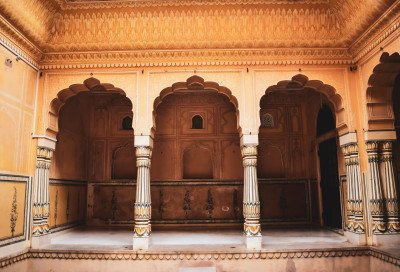 Roha Fort is a majestic yet hauntingly beautiful historical site perched atop a hill in the Nakhatrana region. Built in the 16th century, it served as a powerful seat of the Jadeja Rajputs. The fort is famously known as Roha Sumari Fort due to the legend of 120 Sumari princesses who sacrificed their lives here. The fort complex once governed 52 villages, making it one of the wealthiest jagirs in Kutch. Today, the fort stands in ruins, partially destroyed by the 2001 Earthquake, but its crumbling walls still whisper stories of bravery and tragedy. The fort is situated 800 feet above sea level, offering a panoramic view of the surrounding Kutchhi landscape. It was also a place of inspiration for the famous Gujarati poet Kalapi, who spent time here amidst the peacocks and nature. The atmosphere at the fort is incredibly still and quiet, often visited by history enthusiasts and trekkers. Walking through the ruins, one can see the remains of the royal quarters, a temple, and deep wells that were once said to be filled with treasures. The climb to the top involves about a hundred stone steps, making it an accessible trek for most visitors. :
 Kalo Dungar, which translates to "Black Hill," is the highest point in the Kutch district, standing at an elevation of 462 meters (1,516 feet) above sea level. This peak offers the most spectacular and comprehensive panoramic view of the Great Rann of Kutch, where the white desert meets the blue sky on the horizon. From the summit, the Rann looks like a massive inland sea, especially during the monsoon when it is filled with water. The hill is not just a geographical landmark but also a place of deep spiritual significance. It is home to a 400-year-old temple dedicated to Lord Dattatreya, an incarnation of the holy trinity (Brahma, Vishnu, and Shiva). According to local legend, Dattatreya stopped here and encountered a pack of hungry jackals; seeing their plight, he offered his body for them to eat, but his body miraculously regenerated. In memory of this, the temple priests have a tradition of feeding "Prasad" (cooked rice) to the wild jackals every day at noon and evening. Visitors can witness this unique ritual, as the jackals emerge from the scrub forest at the sound of the priest's call. The climb to the top involves a winding road that showcases the rugged volcanic landscape of the region. Near the hill, there is also a "Magnetic Hill" phenomenon where vehicles appear to move against gravity, which is a popular attraction for curious tourists. Being close to the Pakistan border, there is also a military post at the top, and on clear days, the international border and the India Bridge can be spotted through binoculars. The silence at the peak, broken only by the wind and the temple bells, provides a sense of peace that is hard to find elsewhere. It is a must-visit for anyone who wants to understand the sheer scale of the Kutch landscape. The hill serves as a sentinel over the vast salt plains, representing the rugged and resilient spirit of the people of Kutch.
@@ Anjar (Jesal Toral Samadhi) Details: This sacred site in Anjar commemorates the legendary lives of Jesal Jadeja, a notorious dacoit, and Sati Toral, a queen whose spiritual influence transformed him into a saint. The story is a cornerstone of Kutchi folklore, symbolizing the power of devotion and the possibility of human redemption. Visitors flock here to pay respects at the adjacent tombs, which according to local myth, move closer to each other every year. The atmosphere is thick with reverence, as pilgrims sing bhajans and recount the miracles of the duo. Beyond the spiritual aspect, the site serves as a cultural hub for the town of Anjar, reflecting the deep-rooted values of the Rabari and Jadeja communities. The surrounding area is filled with narrow lanes and small shops selling traditional items, giving a glimpse into the authentic lifestyle of rural Kutch. It is a place where history, myth, and faith converge beautifully.
@@History of Tera Fort: This ancient structure is located in the historic village of Tera, which was once a major jagir of the Jadeja rulers in Kutch. Built during the reign of Deshalji I in the 18th Century, the fort served as a defensive stronghold for the local chiefs. The village itself is famous as the first Heritage Village of Gujarat, known for its interlinked water bodies. The fort witnessed a major conflict during the time of Maharao Lakhpatji, where modern artillery was used for the first time in the region's history. This battle led to significant damage to the structure, but its ruins still hold a regal charm today. The surrounding area is rich in wildlife, often spotting Chinkaras and Peacocks near the walls. Visitors come here to see the confluence of three manmade lakes: Chattasar, Sumerasar, and Chatasar. These lakes represent the traditional wisdom of water management in the arid land of Kutch. The fort remains a private property, yet its exterior and the nearby Darbar Gadh offer a glimpse into the royal lifestyle. Inside the village, one can find stunning Ramayana wall paintings and historic Jain temples. The local community still practices ancient crafts like Bandhani and Block Printing. The quiet atmosphere of Tera offers a stark contrast to the busy tourist hubs. It is a place where history, culture, and nature coexist in a fragile balance. Despite the ruins, the massive gates and stone walls stand as a testament to the Jadeja dynasty's power. Exploring the village feels like stepping back into the 1700s. The heritage status ensures that the traditional architecture is preserved for future generations to admire.
Kalo Dungar, which translates to "Black Hill," is the highest point in the Kutch district, standing at an elevation of 462 meters (1,516 feet) above sea level. This peak offers the most spectacular and comprehensive panoramic view of the Great Rann of Kutch, where the white desert meets the blue sky on the horizon. From the summit, the Rann looks like a massive inland sea, especially during the monsoon when it is filled with water. The hill is not just a geographical landmark but also a place of deep spiritual significance. It is home to a 400-year-old temple dedicated to Lord Dattatreya, an incarnation of the holy trinity (Brahma, Vishnu, and Shiva). According to local legend, Dattatreya stopped here and encountered a pack of hungry jackals; seeing their plight, he offered his body for them to eat, but his body miraculously regenerated. In memory of this, the temple priests have a tradition of feeding "Prasad" (cooked rice) to the wild jackals every day at noon and evening. Visitors can witness this unique ritual, as the jackals emerge from the scrub forest at the sound of the priest's call. The climb to the top involves a winding road that showcases the rugged volcanic landscape of the region. Near the hill, there is also a "Magnetic Hill" phenomenon where vehicles appear to move against gravity, which is a popular attraction for curious tourists. Being close to the Pakistan border, there is also a military post at the top, and on clear days, the international border and the India Bridge can be spotted through binoculars. The silence at the peak, broken only by the wind and the temple bells, provides a sense of peace that is hard to find elsewhere. It is a must-visit for anyone who wants to understand the sheer scale of the Kutch landscape. The hill serves as a sentinel over the vast salt plains, representing the rugged and resilient spirit of the people of Kutch.
@@ Anjar (Jesal Toral Samadhi) Details: This sacred site in Anjar commemorates the legendary lives of Jesal Jadeja, a notorious dacoit, and Sati Toral, a queen whose spiritual influence transformed him into a saint. The story is a cornerstone of Kutchi folklore, symbolizing the power of devotion and the possibility of human redemption. Visitors flock here to pay respects at the adjacent tombs, which according to local myth, move closer to each other every year. The atmosphere is thick with reverence, as pilgrims sing bhajans and recount the miracles of the duo. Beyond the spiritual aspect, the site serves as a cultural hub for the town of Anjar, reflecting the deep-rooted values of the Rabari and Jadeja communities. The surrounding area is filled with narrow lanes and small shops selling traditional items, giving a glimpse into the authentic lifestyle of rural Kutch. It is a place where history, myth, and faith converge beautifully.
@@History of Tera Fort: This ancient structure is located in the historic village of Tera, which was once a major jagir of the Jadeja rulers in Kutch. Built during the reign of Deshalji I in the 18th Century, the fort served as a defensive stronghold for the local chiefs. The village itself is famous as the first Heritage Village of Gujarat, known for its interlinked water bodies. The fort witnessed a major conflict during the time of Maharao Lakhpatji, where modern artillery was used for the first time in the region's history. This battle led to significant damage to the structure, but its ruins still hold a regal charm today. The surrounding area is rich in wildlife, often spotting Chinkaras and Peacocks near the walls. Visitors come here to see the confluence of three manmade lakes: Chattasar, Sumerasar, and Chatasar. These lakes represent the traditional wisdom of water management in the arid land of Kutch. The fort remains a private property, yet its exterior and the nearby Darbar Gadh offer a glimpse into the royal lifestyle. Inside the village, one can find stunning Ramayana wall paintings and historic Jain temples. The local community still practices ancient crafts like Bandhani and Block Printing. The quiet atmosphere of Tera offers a stark contrast to the busy tourist hubs. It is a place where history, culture, and nature coexist in a fragile balance. Despite the ruins, the massive gates and stone walls stand as a testament to the Jadeja dynasty's power. Exploring the village feels like stepping back into the 1700s. The heritage status ensures that the traditional architecture is preserved for future generations to admire.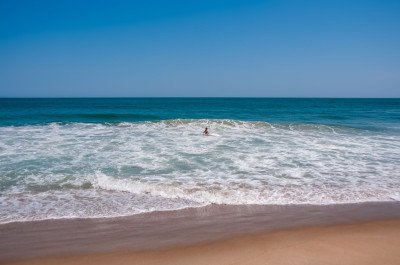 @@Sun, Sand, and Shipbuilding: Mandvi Beach is one of Gujarat's most beautiful coastal stretches, known for its pristine white sand and azure waters. Historically, Mandvi was a prominent port of the Kutch state, and the town still maintains a 400-year-old tradition of handmade wooden shipbuilding. The beach is unique because of the massive windmills that line the shore, providing a futuristic contrast to the traditional camel rides. Nearby, the Vijay Vilas Palace adds a touch of royalty, having served as a summer retreat for the Maharaos of Kutch. The beach atmosphere is vibrant yet serene, offering a mix of water sports for thrill-seekers and quiet corners for those looking to relax. During low tide, the sea retreats significantly, allowing long walks on the wet sand where you can spot birds like flamingos and gulls.
@@ Chhari Dhand Bird Sanctuary Details: Chhari Dhand is a shallow wetland located on the edge of the arid Banni grasslands and the marshy salt flats of the Rann of Kutch. In the local language, 'Chhari' means salty and 'Dhand' means a shallow lake. This seasonal desert wetland is a paradise for ornithologists and nature lovers, attracting over 200 species of migratory birds every winter. It is home to thousands of Flamingos, Common Cranes, and Great White Pelicans that travel from as far as Siberia and Europe. The ecosystem is unique, as it depends entirely on the monsoon rains to fill the basin. When full, it covers a vast area, providing a stark, beautiful contrast to the surrounding desert. The sanctuary is also a habitat for endangered species like the Dalmatian Pelican and the Oriental Darter. Beyond birds, one can often spot desert foxes, wolves, and Chinkaras in the surrounding grasslands. It is one of the most serene and untouched parts of Kutch, offering a raw experience of nature away from the tourist crowds.
@@Sun, Sand, and Shipbuilding: Mandvi Beach is one of Gujarat's most beautiful coastal stretches, known for its pristine white sand and azure waters. Historically, Mandvi was a prominent port of the Kutch state, and the town still maintains a 400-year-old tradition of handmade wooden shipbuilding. The beach is unique because of the massive windmills that line the shore, providing a futuristic contrast to the traditional camel rides. Nearby, the Vijay Vilas Palace adds a touch of royalty, having served as a summer retreat for the Maharaos of Kutch. The beach atmosphere is vibrant yet serene, offering a mix of water sports for thrill-seekers and quiet corners for those looking to relax. During low tide, the sea retreats significantly, allowing long walks on the wet sand where you can spot birds like flamingos and gulls.
@@ Chhari Dhand Bird Sanctuary Details: Chhari Dhand is a shallow wetland located on the edge of the arid Banni grasslands and the marshy salt flats of the Rann of Kutch. In the local language, 'Chhari' means salty and 'Dhand' means a shallow lake. This seasonal desert wetland is a paradise for ornithologists and nature lovers, attracting over 200 species of migratory birds every winter. It is home to thousands of Flamingos, Common Cranes, and Great White Pelicans that travel from as far as Siberia and Europe. The ecosystem is unique, as it depends entirely on the monsoon rains to fill the basin. When full, it covers a vast area, providing a stark, beautiful contrast to the surrounding desert. The sanctuary is also a habitat for endangered species like the Dalmatian Pelican and the Oriental Darter. Beyond birds, one can often spot desert foxes, wolves, and Chinkaras in the surrounding grasslands. It is one of the most serene and untouched parts of Kutch, offering a raw experience of nature away from the tourist crowds.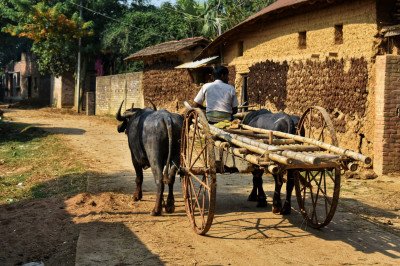 @@Artistry in the Arid Land: Nirona Village is a living museum of Kutchi handicrafts and is globally famous for being the home of Rogan Art. This ancient technique of painting on fabric using castor oil and natural pigments is practiced only by one family in the world today. Walking through the narrow, dusty lanes of Nirona, you can see artisans at work on their porches, creating incredible designs with nothing but a metal rod and a dollop of colored paste. The village is also famous for its Copper Bell makers, who can tune a bell to a specific musical note using just a hammer, and Lacquer Work on wood. Nirona gained international fame when Prime Minister Modi gifted a Rogan painting to President Obama. A visit here is an intimate experience where you sit with the artists, watch their painstaking processes, and understand the soul of Kutch through its traditional crafts.Show All
Hajipir Dargah is a sacred shrine dedicated to the Muslim saint Hajipir, who is revered by both Hindus and Muslims across the Kutch region and beyond. According to local legend, the saint came to this region from Persia and died while protecting cows from bandits, a noble act that earned him the respect of all communities. The Dargah is situated in the parched plains near the Indo-Pak border and serves as a beacon of faith for thousands of devotees. Unlike many other religious sites, the Hajipir shrine is unique because it symbolizes a blend of Sufi traditions and local folk legends. The saint is often referred to as 'Zinda Pir' or the Living Saint. The atmosphere at the Dargah is one of extreme peace and simplicity. Pilgrims often walk miles across the desert to reach the shrine as an act of penance or devotion. The complex includes the main tomb of the saint and several smaller structures for prayer and rest. The surrounding landscape is barren and rugged, highlighting the spiritual significance of the shrine as an oasis of hope. Every year, a massive fair is held here, which is attended by people of all castes and creeds, showcasing the deep-rooted communal harmony of Gujarat. The shrine is not just a religious site but a cultural landmark where traditional Sufi music and local qawwalis can often be heard. The stories of the saint's miracles are passed down through generations, making it a living part of the region's oral history. Visiting the Dargah provides a deep insight into the spiritual fabric of the borderland communities of Kutch. The shrine is maintained by a local trust that ensures facilities for the thousands of pilgrims who visit daily. The simplicity of the white-washed structure against the brown desert backdrop makes for a striking and humble sight, reminding visitors of the saint's own simple life.
@@Artistry in the Arid Land: Nirona Village is a living museum of Kutchi handicrafts and is globally famous for being the home of Rogan Art. This ancient technique of painting on fabric using castor oil and natural pigments is practiced only by one family in the world today. Walking through the narrow, dusty lanes of Nirona, you can see artisans at work on their porches, creating incredible designs with nothing but a metal rod and a dollop of colored paste. The village is also famous for its Copper Bell makers, who can tune a bell to a specific musical note using just a hammer, and Lacquer Work on wood. Nirona gained international fame when Prime Minister Modi gifted a Rogan painting to President Obama. A visit here is an intimate experience where you sit with the artists, watch their painstaking processes, and understand the soul of Kutch through its traditional crafts.Show All
Hajipir Dargah is a sacred shrine dedicated to the Muslim saint Hajipir, who is revered by both Hindus and Muslims across the Kutch region and beyond. According to local legend, the saint came to this region from Persia and died while protecting cows from bandits, a noble act that earned him the respect of all communities. The Dargah is situated in the parched plains near the Indo-Pak border and serves as a beacon of faith for thousands of devotees. Unlike many other religious sites, the Hajipir shrine is unique because it symbolizes a blend of Sufi traditions and local folk legends. The saint is often referred to as 'Zinda Pir' or the Living Saint. The atmosphere at the Dargah is one of extreme peace and simplicity. Pilgrims often walk miles across the desert to reach the shrine as an act of penance or devotion. The complex includes the main tomb of the saint and several smaller structures for prayer and rest. The surrounding landscape is barren and rugged, highlighting the spiritual significance of the shrine as an oasis of hope. Every year, a massive fair is held here, which is attended by people of all castes and creeds, showcasing the deep-rooted communal harmony of Gujarat. The shrine is not just a religious site but a cultural landmark where traditional Sufi music and local qawwalis can often be heard. The stories of the saint's miracles are passed down through generations, making it a living part of the region's oral history. Visiting the Dargah provides a deep insight into the spiritual fabric of the borderland communities of Kutch. The shrine is maintained by a local trust that ensures facilities for the thousands of pilgrims who visit daily. The simplicity of the white-washed structure against the brown desert backdrop makes for a striking and humble sight, reminding visitors of the saint's own simple life.Information
-
Why Famous:
White Rann: Famous as the world's largest salt desert, it offers a surreal landscape that looks like a sheet of snow under the sun. It is a photographer's paradise, especially during the sunset when the white salt reflects the colors of the sky in a magical display.White Rann: Famous as the world's largest salt desert, it offers a surreal landscape that looks like a sheet of snow under the sun. It is a photographer's paradise, especially during the sunset when the white salt reflects the colors of the sky in a magical display.
Handicraft Hub: Kutch is globally renowned for its exquisite hand-embroidery styles like Suf, Khaarek, and Paako, practiced by various tribal groups. It is also the only place in the world where Rogan art, a rare form of oil-based fabric painting, is still preserved by a single family. -
Architecture:
Traditional Bhunga: The local circular mud houses are designed to be earthquake-resistant and keep the interiors cool during the desert heat. The walls are often decorated with Lippan art, which uses mud and mirrors to create intricate geometric patterns and floral motifs. ...Traditional Bhunga: The local circular mud houses are designed to be earthquake-resistant and keep the interiors cool during the desert heat. The walls are often decorated with Lippan art, which uses mud and mirrors to create intricate geometric patterns and floral motifs.
Dholavira Layout: This ancient Harappan site features sophisticated urban planning with a grid system and advanced water management. The massive stone walls and the world's oldest signboards showcase the engineering brilliance of a civilization that lived 4,500 years ago. -
How To Reach:
By Air: Bhuj Airport (BHJ) is the nearest, located 4 km from the city, with daily flights connecting to Mumbai and Ahmedabad. Taxis and auto-rickshaws are readily available at the airport to take you to the city center or directly to the desert camps.
Read MoreBy Air: Bhuj Airport (BHJ) is the nearest, located 4 km from the city, with daily flights connecting to Mumbai and Ahmedabad. Taxis and auto-rickshaws are readily available at the airport to take you to the city center or directly to the desert camps.
By Train: Bhuj Railway Station is a major terminal on the Western Railway, with direct trains from Mumbai, Delhi, and Ahmedabad. The "Kutch Express" and "Sayajinagari Express" are popular options for travelers coming from the southern parts of the state.
By Road: Kutch is well-connected by state highways; it is about 330 km from Ahmedabad and 400 km from Rajkot. You can opt for the luxury Sleeper buses or drive yourself via the scenic highway that passes through the Little Rann.
Local Transport: Hiring a private jeep or SUV is the best way to explore the vast and often rugged terrain of the Kutch district. For city travel in Bhuj, auto-rickshaws are the most convenient mode for navigating the narrow lanes of the old heritage markets.Weather and Best Time to Visit:
Winter Season: November to February is the peak season because the weather is cool and the Rann Utsav is in full swing.
Summer Season: March to June is extremely hot, with temperatures often crossing 45°C, making it unsuitable for desert ex...Winter Season: November to February is the peak season because the weather is cool and the Rann Utsav is in full swing.
Summer Season: March to June is extremely hot, with temperatures often crossing 45°C, making it unsuitable for desert exploration.
Full Moon Days: These are the most coveted days to visit; it is highly recommended to check the lunar calendar before booking your trip.Near Tourist Places:
1. Bhuj (80 km), 2. Mandvi Beach (140 km), 3. Kalo Dungar (40 km), 4. Dholavira (200 km), 5. Lakhpat (135 km), 6. Narayan Sarovar (150 km), 7. Mata no Madh (95 km), 8. Anjar (45 km), 9. Gandhidham (55 km), 10. Little Rann (250 km)Tourism Tips
-
Permits: Ensure you carry a physical copy of your ID card for the Rann permit, as the check-posts are strictly managed by the police.
Clothing: Carry heavy woolens for the night as desert temperatures drop significantly, while light cottons ...Permits: Ensure you carry a physical copy of your ID card for the Rann permit, as the check-posts are strictly managed by the police.
Clothing: Carry heavy woolens for the night as desert temperatures drop significantly, while light cottons are best for the sunny daytime.
Health: Carry basic medicines and sunscreen, as the reflection of the sun off the white salt can cause severe sunburns if you are unprotected.
Water: Always carry an extra liter of water when heading into the remote parts of the Rann, as shops are few and far between in the desert.
Reviews
FAQs
Kutch Itineray And Cost:-
Information about New and Updated Locations() of Gujarat Has Been Added :-
Card subtitle
Note:-
Information provided here in good Faith and for reference only.
All information and pictures will be updated soon, please keep visiting.
Near Places

Ahmedabad
Some quick example text to build on the card title and make up the bulk of the card's content.
Go somewhere
Bhuj
Some quick example text to build on the card title and make up the bulk of the card's content.
Go somewhere
Chotila
Some quick example text to build on the card title and make up the bulk of the card's content.
Go somewhere
Dahod
Some quick example text to build on the card title and make up the bulk of the card's content.
Go somewhere
Dandi
Some quick example text to build on the card title and make up the bulk of the card's content.
Go somewhere
Kevadia
Some quick example text to build on the card title and make up the bulk of the card's content.
Go somewhere
Kutch
Some quick example text to build on the card title and make up the bulk of the card's content.
Go somewhere
Lothal
Some quick example text to build on the card title and make up the bulk of the card's content.
Go somewhere
Mandvi
Some quick example text to build on the card title and make up the bulk of the card's content.
Go somewhere
Modhera
Some quick example text to build on the card title and make up the bulk of the card's content.
Go somewherein Other Cities