Modhera
General information
-
Ideal Duration:
3-4 HoursPlace Type:
Heritage & ReligiousEntry Fees:
Standard Entry: The entry fee for Indian visitors is approximately 40 INR, while foreign tourists are charged around 300 INR.
Light Show Ticket: The evening projection mapping show has a separate ticket, usually costing around 50 INR to 100 ...Standard Entry: The entry fee for Indian visitors is approximately 40 INR, while foreign tourists are charged around 300 INR.
Light Show Ticket: The evening projection mapping show has a separate ticket, usually costing around 50 INR to 100 INR depending on the day.
Free Entry Days: Entry is often free on special occasions like World Heritage Day or during the national heritage week in November.Timing:
Regular Timings: The temple complex is open from 7:00 AM to 6:00 PM every day for general sightseeing and exploration.
Evening Show: The 3D light and sound show usually starts around 7:30 PM, and it is advisable to check the exact timing at ...Regular Timings: The temple complex is open from 7:00 AM to 6:00 PM every day for general sightseeing and exploration.
Evening Show: The 3D light and sound show usually starts around 7:30 PM, and it is advisable to check the exact timing at the counter.
Best Visit: Early morning at 7:30 AM is the absolute best time to see the temple as the architects intended—with the morning sun hitting the stones.Special Events:
Modhera Dance Festival: Held in the third week of January, this three-day festival features Bharatnatyam, Kathak, and Odissi performances. It is one of the most prestigious cultural events in Gujarat, where the illuminated temple provides a breathtaking stage for Indian cla...Modhera Dance Festival: Held in the third week of January, this three-day festival features Bharatnatyam, Kathak, and Odissi performances. It is one of the most prestigious cultural events in Gujarat, where the illuminated temple provides a breathtaking stage for Indian classical arts.
Makar Sankranti: As a temple dedicated to the Sun, the festival of the sun's transition (Kite Festival) is celebrated with special decorations and visits by locals. The sky around the temple is filled with colorful kites, symbolizing the community's continued reverence for the solar deity.Best Photo Spots:
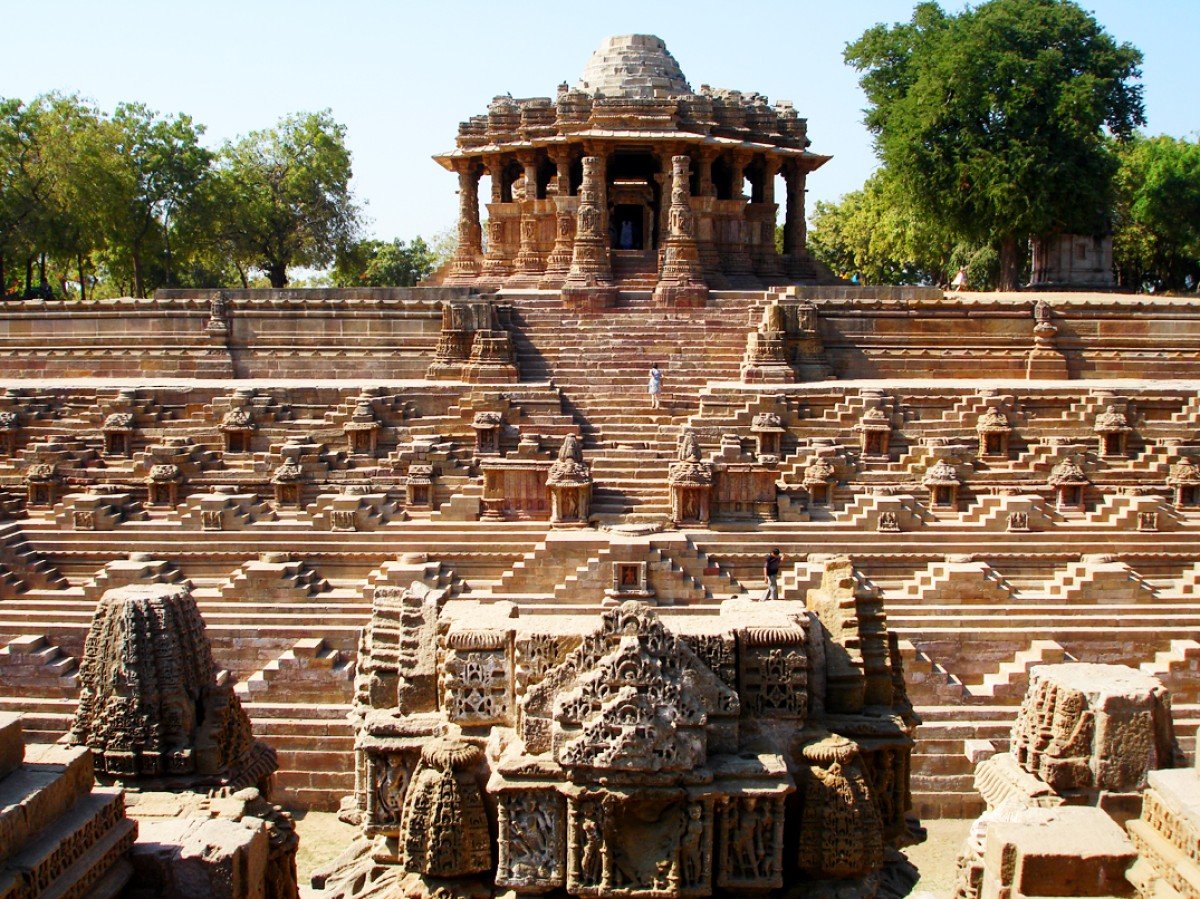
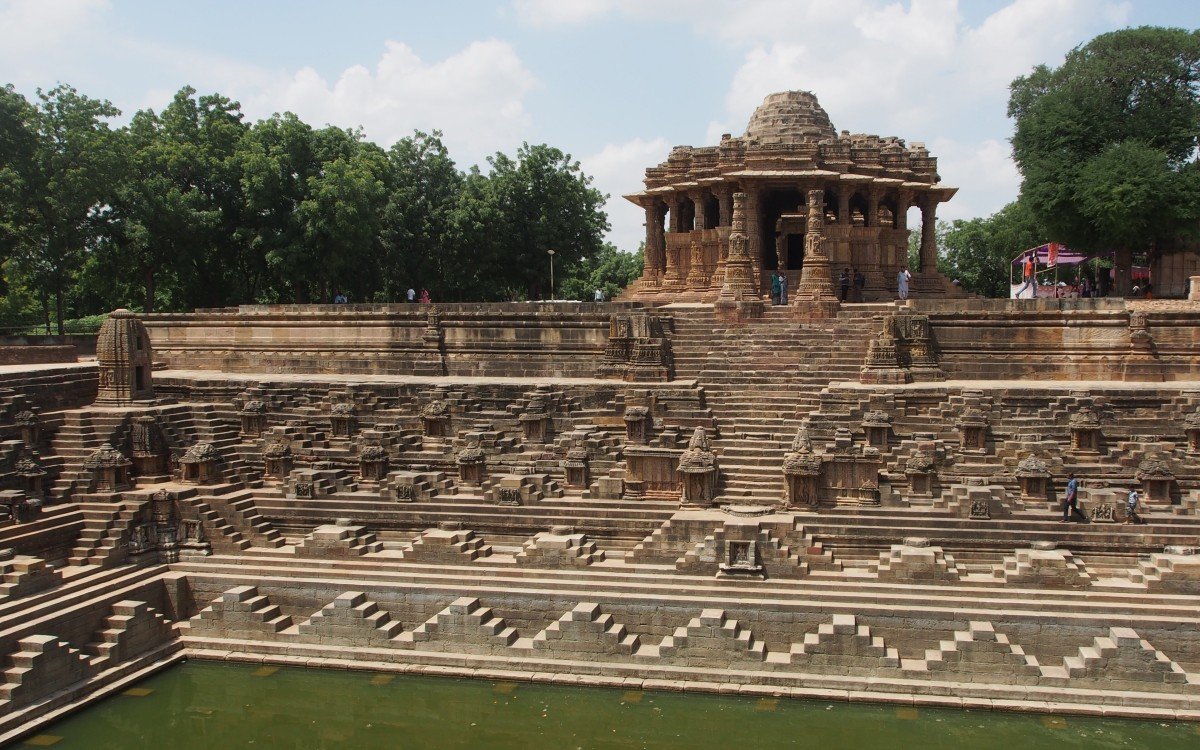
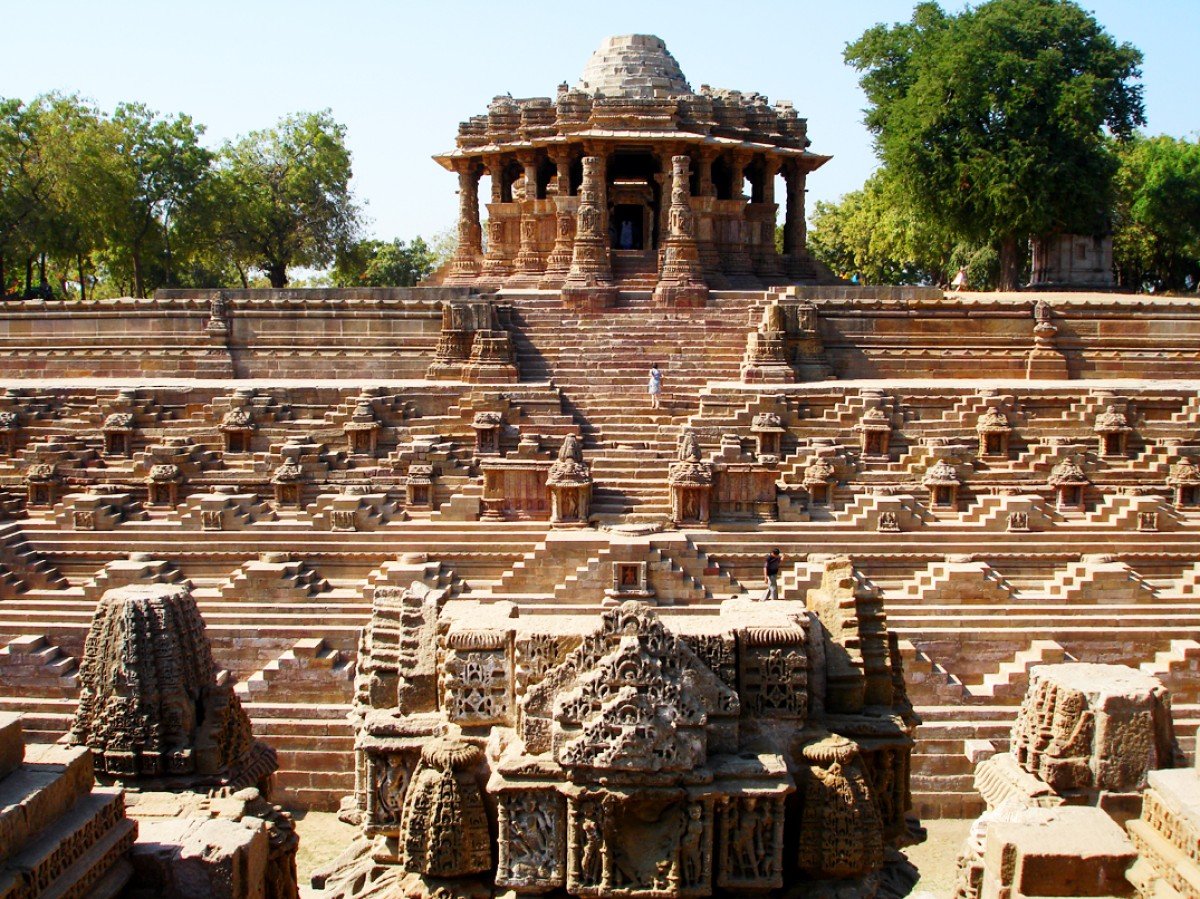
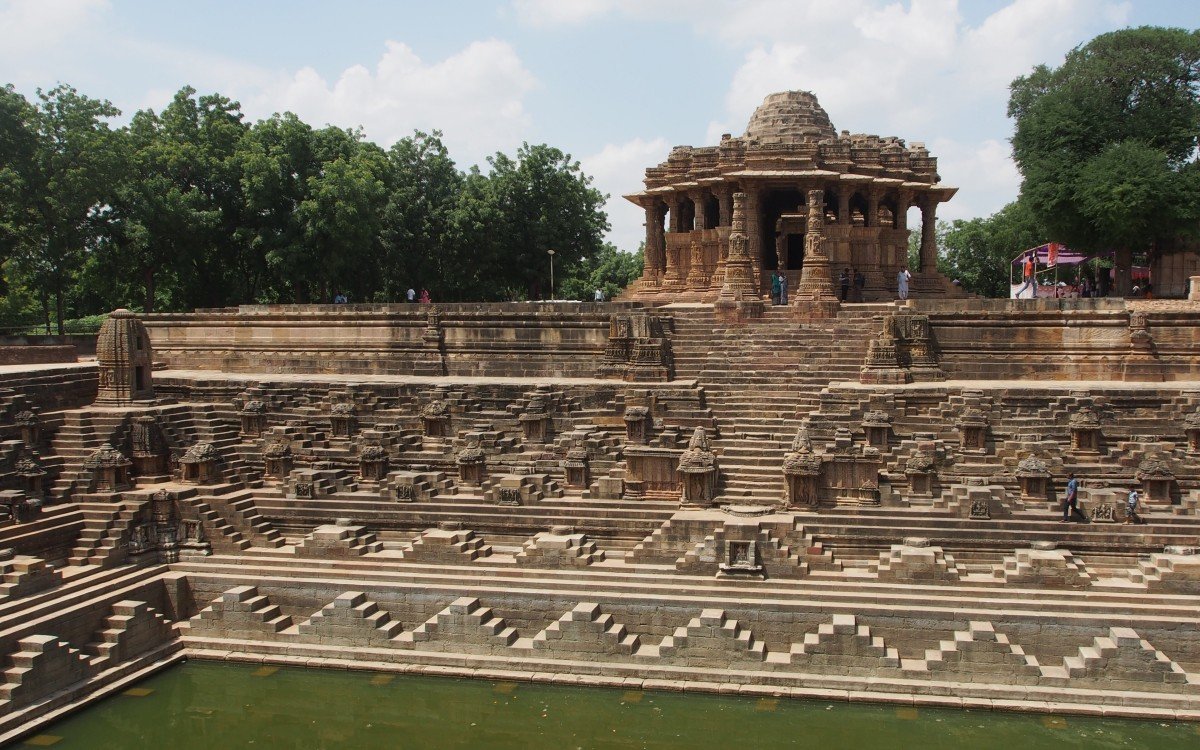
Surya Kund Steps: A wide-angle shot from the top of the tank capturing the symmetry of the steps and the Sabha Mandap in the background.
Pillar Details: Close-up shots of the mythological carvings on the 52 pillars of the assembly hall, show...Surya Kund Steps: A wide-angle shot from the top of the tank capturing the symmetry of the steps and the Sabha Mandap in the background.
Pillar Details: Close-up shots of the mythological carvings on the 52 pillars of the assembly hall, showing the incredible depth of the stone work.
Sunset Silhouette: Capturing the temple's spire against the setting sun creates a powerful and spiritual image that highlights its connection to the deity.Photo Gallery
Things To Do
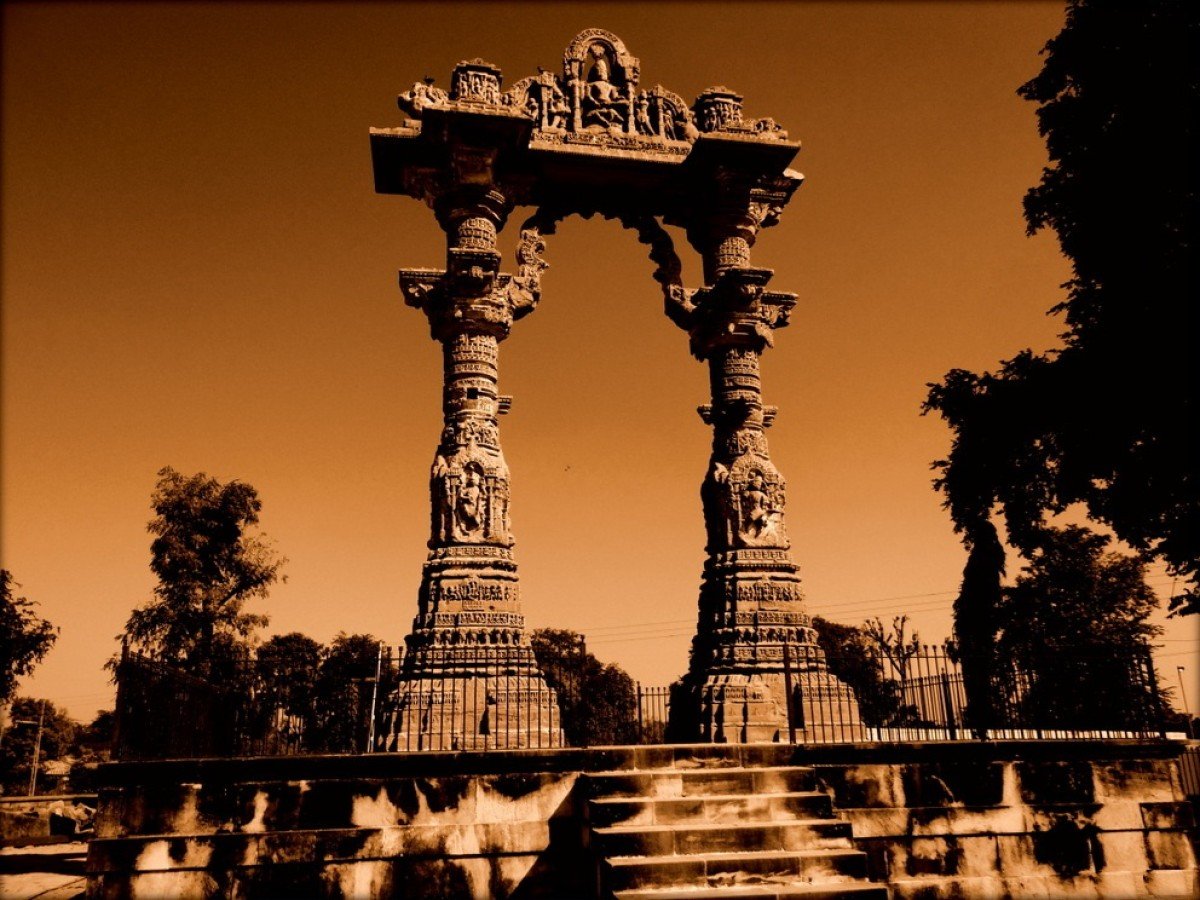
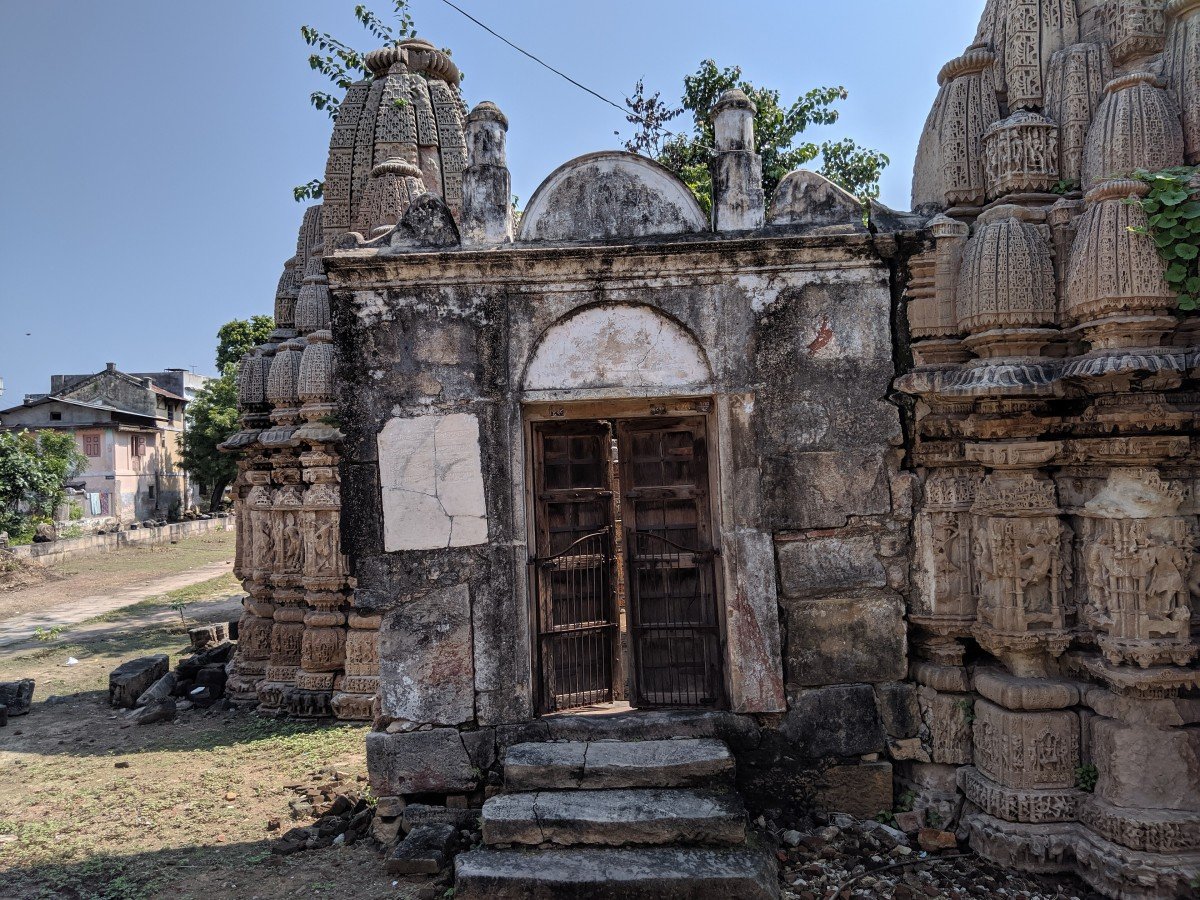
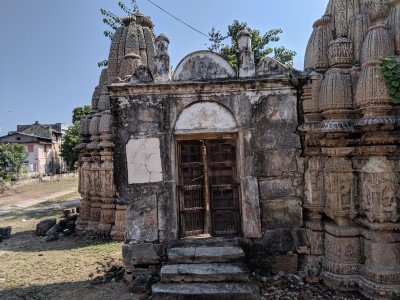 The Rudra Mahalaya Temple ruins in Siddhpur represent what was once one of the largest and most magnificent Shiva temples in India. Its construction was initiated by Mularaja, the founder of the Solanki dynasty, in 943 AD, and later completed by the legendary King Siddharaja Jayasimha in 1140 AD. The temple was dedicated to Rudra (an avatar of Shiva) and featured a multi-storied complex with 11 subsidiary shrines. Unfortunately, the temple was destroyed during the invasions by Alauddin Khalji and later by Ahmed Shah I, who converted parts of it into a mosque. Today, only a few fragments of this grand edifice remain, including a few massive pillars, a Torana (ornate archway), and some porches. Despite being in ruins, the sheer scale of the surviving columns and the intricacy of the carvings give visitors a clear idea of its former glory. It is currently a protected site under the Archaeological Survey of India. Walking through the ruins is a hauntingly beautiful experience that transports you back to the golden age of the Chaulukya kings, where art and religion were intertwined on a colossal scale.
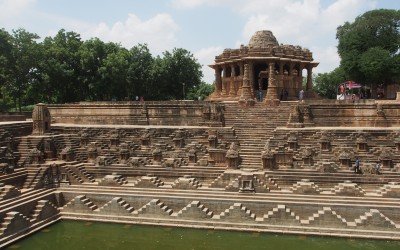 Surya Kund, also known as Ramakund, is a massive rectangular stepped tank located within the Sun Temple complex in Modhera. This architectural wonder served as a reservoir for devotees to perform ritual ablutions before entering the main shrine. The tank is an engineering marvel from the 11th century, featuring 108 miniature shrines carved into its terraced steps. The geometric precision of the stairs creates a mesmerizing visual pattern that reflects the advanced mathematical knowledge of the Solanki era. As you descend, the air cools, and the spiritual energy of the ancient site becomes palpable. It is not just a water body but a canvas of stone storytelling. The tank is aligned with the temple's east-west axis, ensuring that the first rays of the sun illuminate the entire structure. Historically, it has survived centuries of weather and invasions, standing as a testament to the Chaulukya dynasty's glory. Today, it remains a central attraction for history buffs and spiritual seekers alike, offering a glimpse into India's rich Vedic heritage. The intricate carvings of deities like Vishnu, Ganesha, and Shiva within the small niches make it a spiritual labyrinth. The sound of water and the sight of ancient stone create a serene atmosphere for every visitor. :
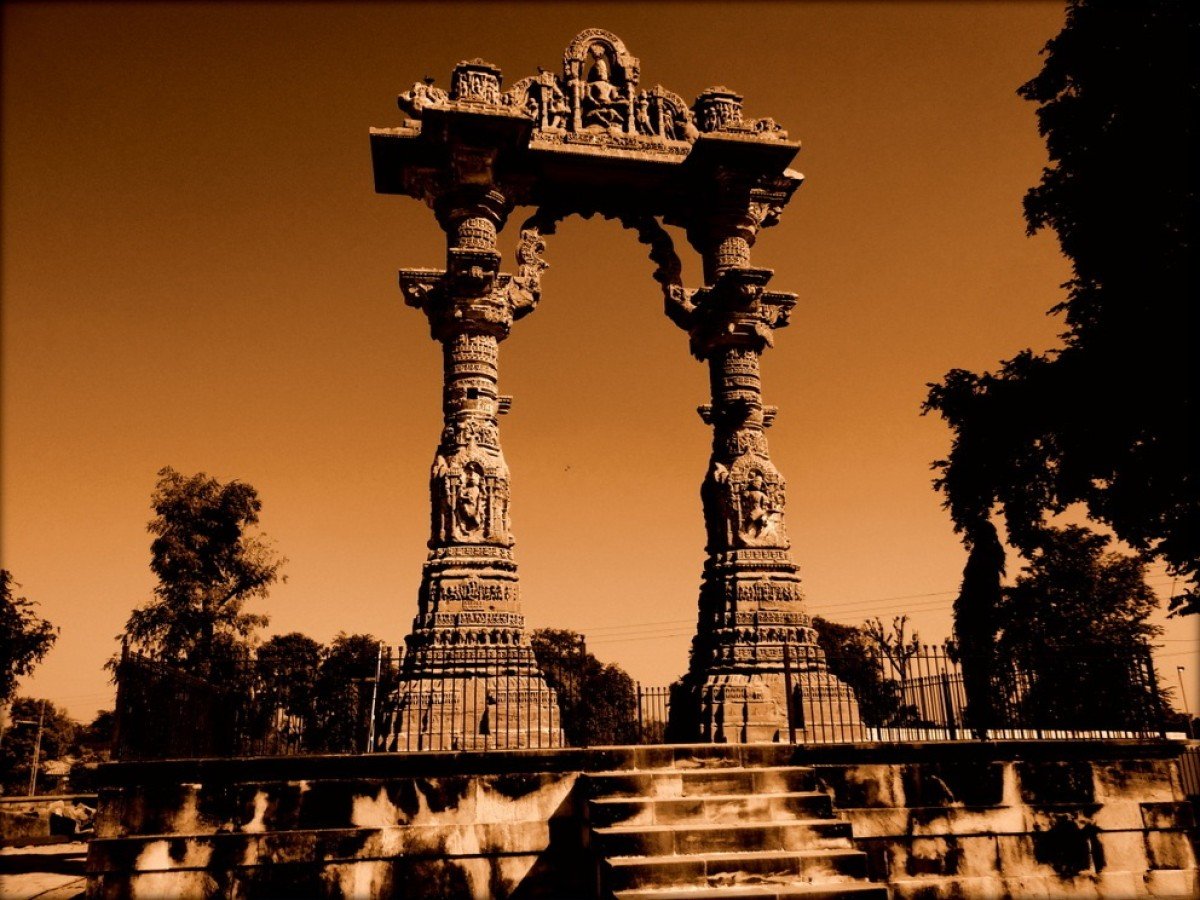
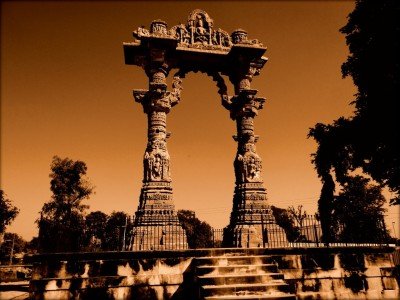 Vadnagar is an ancient fortified town with a history stretching back over 2,500 years. The Kirti Torans, or Triumphal Arches, are the crown jewels of this historic town. Standing at about 40 feet tall, these twin arches were built in the 12th century during the Solanki period using red and yellow sandstone. They are believed to have been built to commemorate a military victory. The arches are located on the banks of the Sharmistha Lake and represent the pinnacle of Gujarati temple architecture. Unlike many other structures, these arches have survived without the support of the temples they were once attached to. Vadnagar is also famous as the birthplace of Prime Minister Narendra Modi, which has led to increased tourism and restoration efforts. The town itself is a labyrinth of narrow lanes, ancient temples, and historic gates. Visiting the Torans feels like stepping back into the golden age of the Chaulukya dynasty. The intricate carvings of battle scenes, dancers, and floral patterns are exceptionally well-preserved. It is a must-visit for anyone interested in the architectural heritage of Western India. :
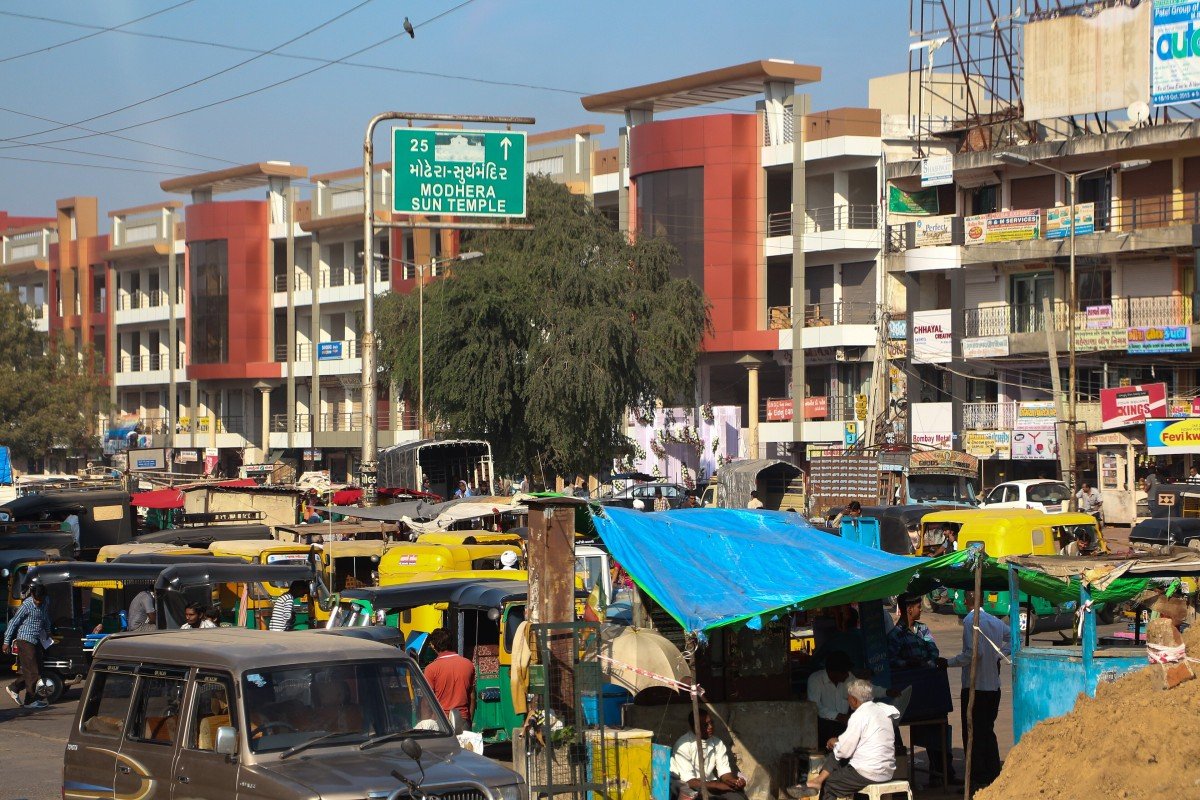
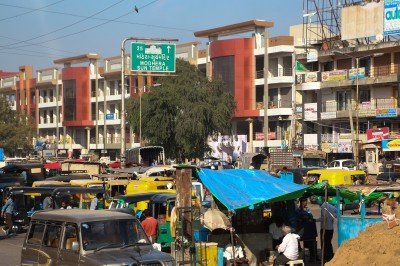 Mehsana is one of the largest and most developed cities in North Gujarat, serving as a gateway to several world-class heritage sites like Modhera and Patan. Historically, it was part of the Gaekwad state of Baroda, and its name is said to be derived from Mehsaji Chavda, a Rajput heir who established the town. The city is famous for its thriving dairy industry, being home to Dudhsagar Dairy, which is one of the largest milk cooperatives in India. While often seen as a commercial hub, the city itself houses historical gems like the Rajmahal Palace and the Badiyashi Vav. It is a bustling urban center with modern amenities, making it the perfect base for tourists exploring the Solanki era monuments. The city culture is a blend of traditional Gujarati values and rapid industrialization. For nature lovers, the Thol Bird Sanctuary is located within the district, offering a serene escape. Mehsana’s strategic location on the highway connecting Ahmedabad to Rajasthan makes it a crucial stop for travelers.
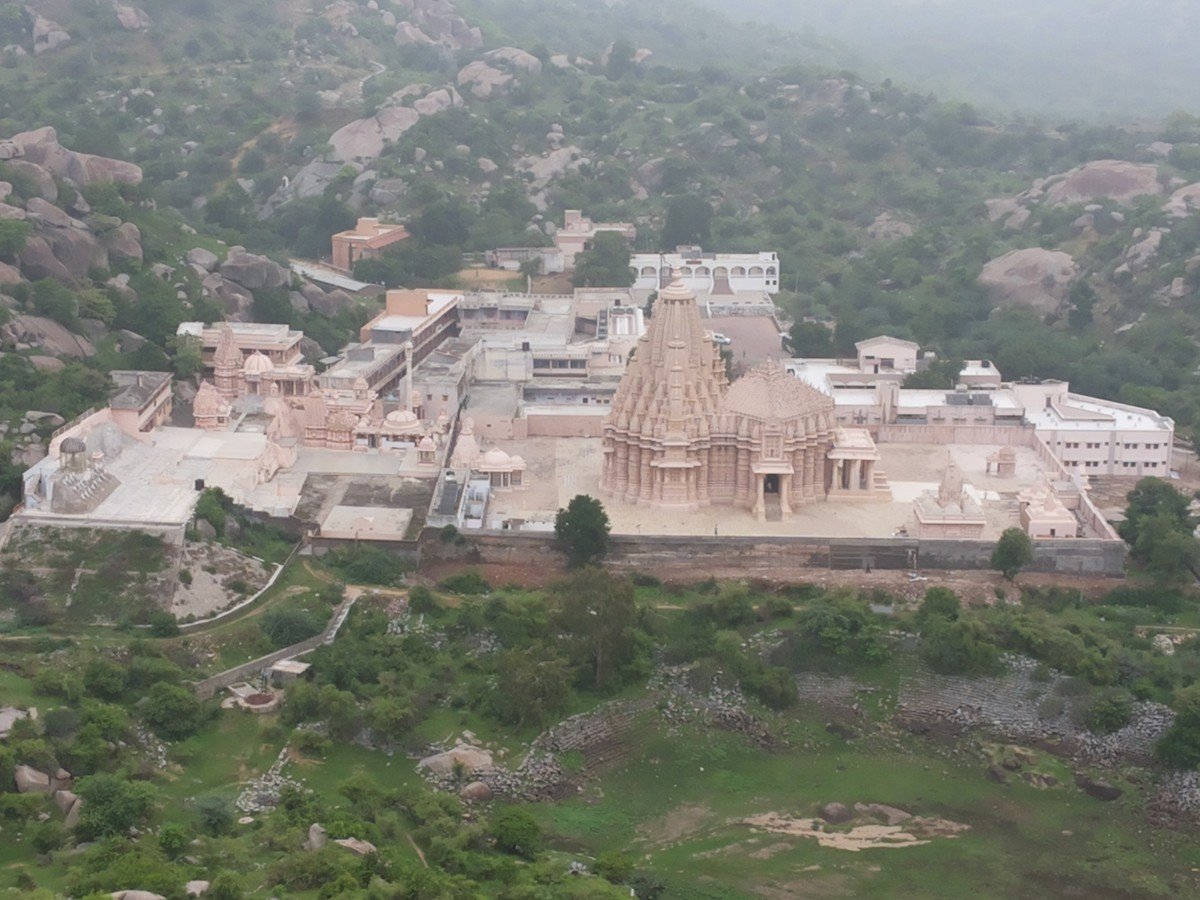
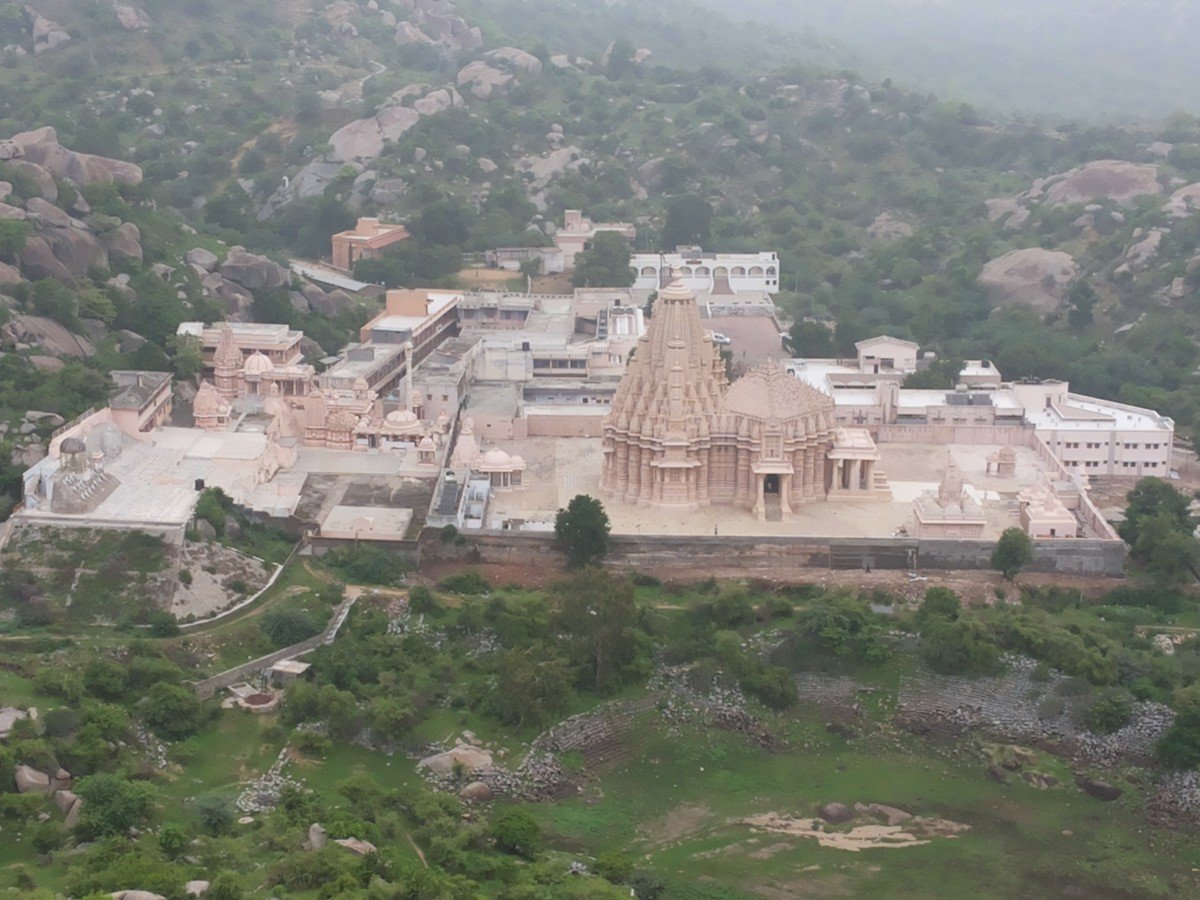
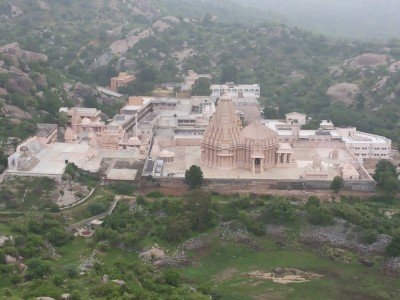 Taranga Hills is a magnificent pilgrimage site located in the Aravalli range, holding deep significance for both Jains and Buddhists. The primary attraction is the Ajitnath Jain Temple, built in the 12th century by the Solanki King Kumarpala. This temple is dedicated to the second Jain Tirthankara, Shri Ajitnath. The hills are part of a scenic landscape that offers a mix of spirituality and adventure. Reaching the hilltop requires a climb of about 700 steps, providing panoramic views of the surrounding forests. The atmosphere is filled with tranquility, making it a perfect retreat from urban life. Historically, these hills served as a refuge for Buddhist monks as well, with ancient caves and idols of Taramata found nearby. The white sandstone structure of the temple glows under the sun, creating a divine aura. It is considered one of the five most important Jain Mahatirthas. The site is not just a religious center but also a hub for nature lovers who enjoy trekking through the rugged terrain. Every year, thousands of devotees visit during the full moon days to seek blessings. The blend of Hindu, Jain, and Buddhist influences makes Taranga a unique cultural crossroads in North Gujarat. :
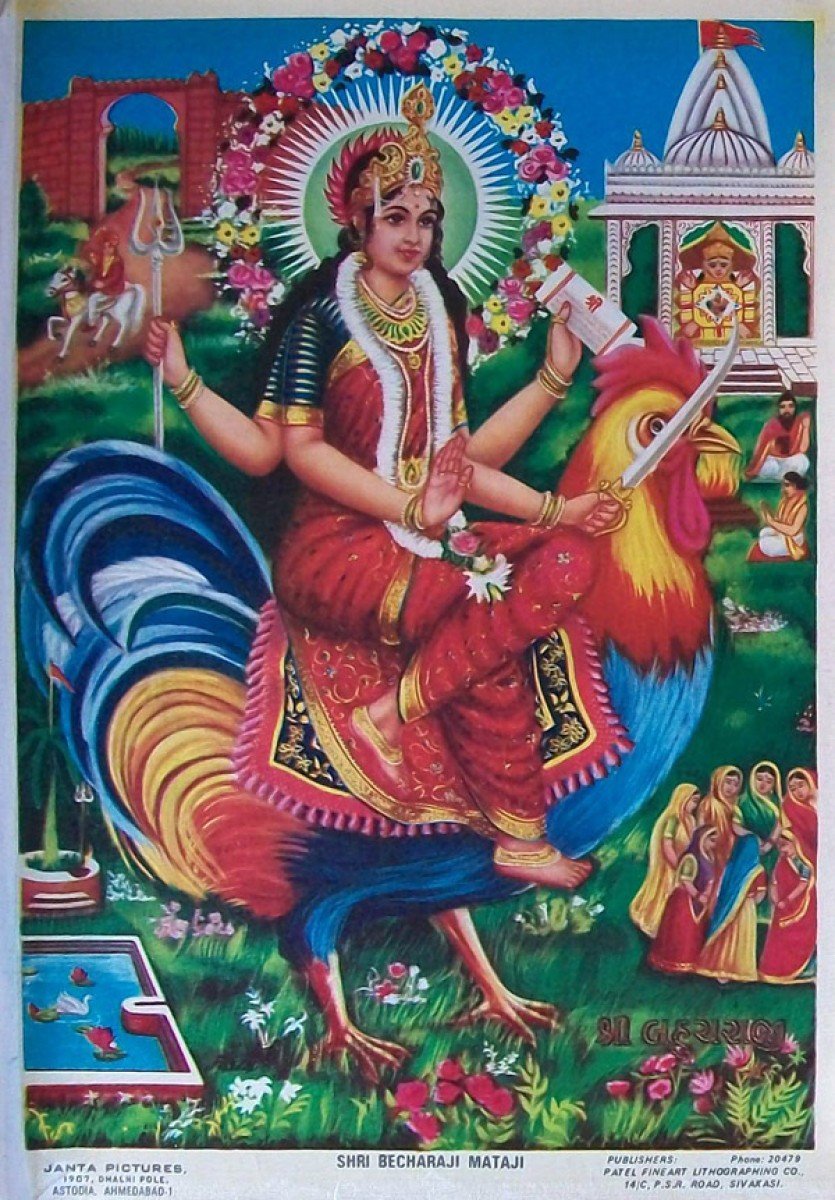
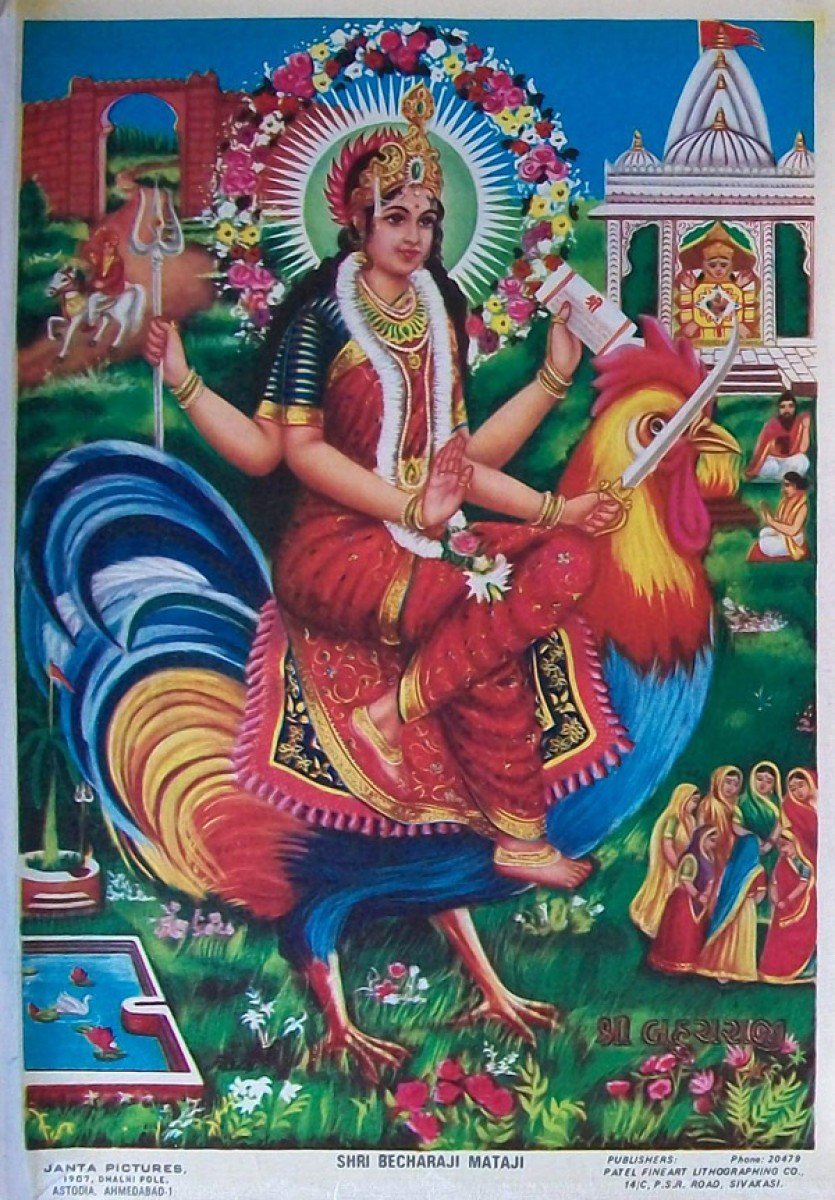
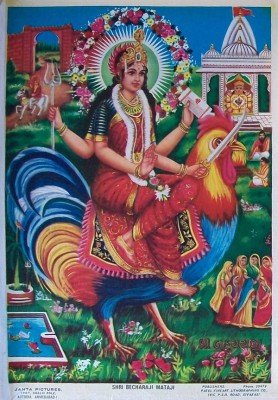 The Bahucharaji Mata Temple is a prominent Hindu pilgrimage site located in the Mehsana district of Gujarat. This temple is dedicated to Bahuchara Mata, an incarnation of the Mother Goddess who is depicted as a woman carrying a sword, a trident, and scriptures, usually seen riding a cock. It is widely recognized as one of the 51 Shakti Peethas, specifically representing the site where the heart or hand of Sati fell, though local legends vary. The temple holds a unique and profound cultural significance as the primary patron deity of the Hijra community in India, who visit in large numbers to seek blessings. Historically, the temple was significantly expanded by the Maratha ruler Manajirao Gaekwad in 1783 AD. The spiritual atmosphere is vibrant, especially during the full moon days (Purnima), when thousands of devotees gather to perform rituals and offer prayers for prosperity and protection. The complex comprises three main shrines known as the Adyasthan, Madhya Sthan, and the Main Temple, each representing different historical phases of the site's development.
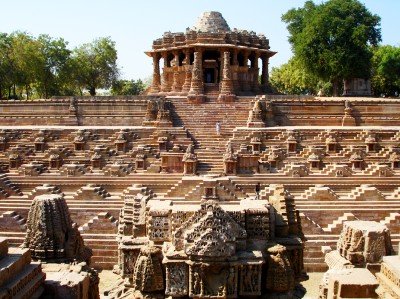 The Modhera Sun Temple is a UNESCO World Heritage Site and one of the most stunning examples of temple architecture in India. Built in 1026-27 AD during the reign of King Bhima I of the Solanki dynasty, it is dedicated to the Sun God, Surya. The temple is unique because it was designed such that during the equinoxes, the first rays of the rising sun would fall directly onto the jeweled image of Surya in the inner sanctum. Although no active worship takes place here today, the site is a protected monument under the Archaeological Survey of India. The complex is divided into three main parts: the Surya Kund (a massive stepped tank), the Sabha Mandapa (assembly hall), and the Guda Mandapa (the main shrine). The intricate carvings on the exterior walls depict scenes from the Ramayana, Mahabharata, and the lives of the people of that era. The temple stands on the banks of the Pushpavati River and remains a testament to the scientific and artistic brilliance of ancient India. It recently became India's first village to run entirely on solar power, adding a modern green feather to its ancient cap.Show All
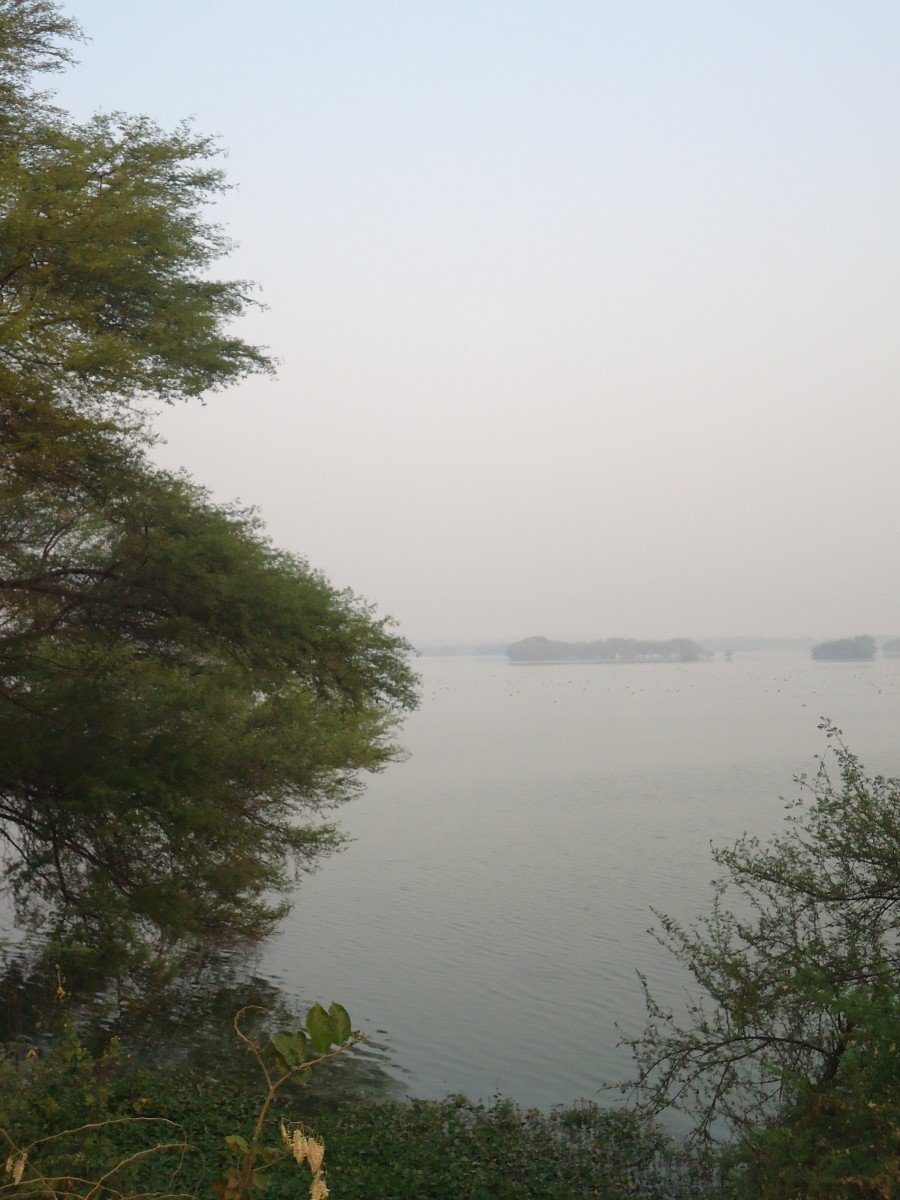
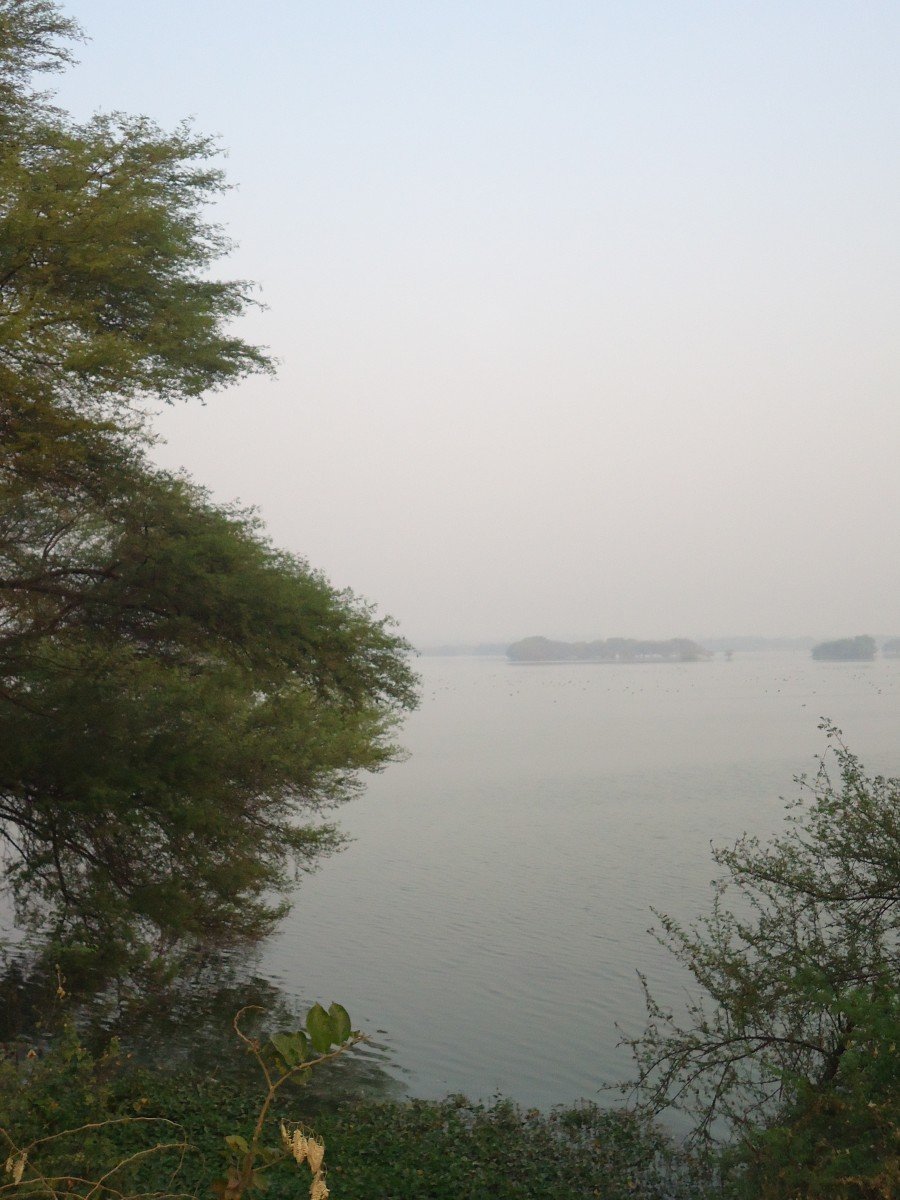
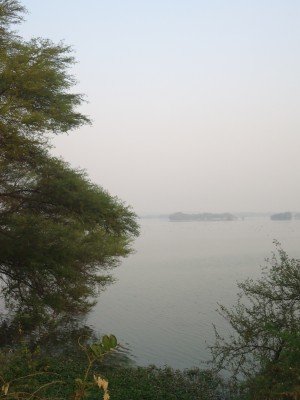 Thol Lake Bird Sanctuary is a shallow freshwater body surrounded by marshes and scrub forests. Originally built in 1912 as an irrigation tank by the Gaekwad of Baroda, it was declared a sanctuary in 1988. It spans over 7 square kilometers and is home to more than 150 species of birds. During the winter months, it becomes a temporary home for thousands of migratory birds from Siberia and Central Asia. The sight of vast flocks of Flamingos, Pelicans, and Sarus Cranes is a treat for the eyes. The lake is a vital ecosystem for the region, providing a breeding ground for many endangered species. The quiet atmosphere is only interrupted by the melodious chirping of birds and the gentle rustle of leaves. It is a popular weekend getaway for people from Ahmedabad and Mehsana seeking a brush with nature. Unlike more commercial parks, Thol offers a raw and authentic wildlife experience. The sunset at the lake is particularly famous, as the sky turns into shades of orange and pink, reflecting on the calm waters. It is an ideal spot for birdwatchers, photographers, and anyone looking for peace. :
Information
-
Why Famous:
Sun Temple Architecture: Famous for the Maru-Gurjara style of architecture, it is considered a masterpiece of the Solanki era. The external walls are covered with detailed sculptures of twelve different forms of the Sun God, along with figures of dancers, musicians, and flo...Sun Temple Architecture: Famous for the Maru-Gurjara style of architecture, it is considered a masterpiece of the Solanki era. The external walls are covered with detailed sculptures of twelve different forms of the Sun God, along with figures of dancers, musicians, and floral motifs.
Uttarardha Mahotsav: The temple is world-famous for its annual classical dance festival held in January, which attracts top performers from across the country. The temple serves as a majestic backdrop for the dancers, creating a magical atmosphere that blends ancient stone art with living performance traditions. -
Architecture:
Structural Layout:
The complex consists of three main parts: the Surya Kund (stepped tank), the Sabha Mandap (assembly hall), and the Guda Mandap (sanctum sanctorum). The Sabha Mandap features 52 intricately carved pillars, representing the ...Structural Layout:
The complex consists of three main parts: the Surya Kund (stepped tank), the Sabha Mandap (assembly hall), and the Guda Mandap (sanctum sanctorum). The Sabha Mandap features 52 intricately carved pillars, representing the 52 weeks of the year, each depicting scenes from the Ramayana.
The Surya Kund: This massive rectangular tank measures approximately 53 meters by 37 meters and features 108 miniature shrines built into its steps. The geometric precision of the stairs and the small temples creates a stunning visual rhythm that is unique to this site. -
How To Reach:
By Air: The nearest airport is Ahmedabad (AMD), which is about 100 km away and is well-connected to all major domestic and international hubs. From the airport, you can hire a private car or take a taxi for a comfortable 2. 5-hour drive to the Modhera temple site.
<...By Air: The nearest airport is Ahmedabad (AMD), which is about 100 km away and is well-connected to all major domestic and international hubs. From the airport, you can hire a private car or take a taxi for a comfortable 2. 5-hour drive to the Modhera temple site.
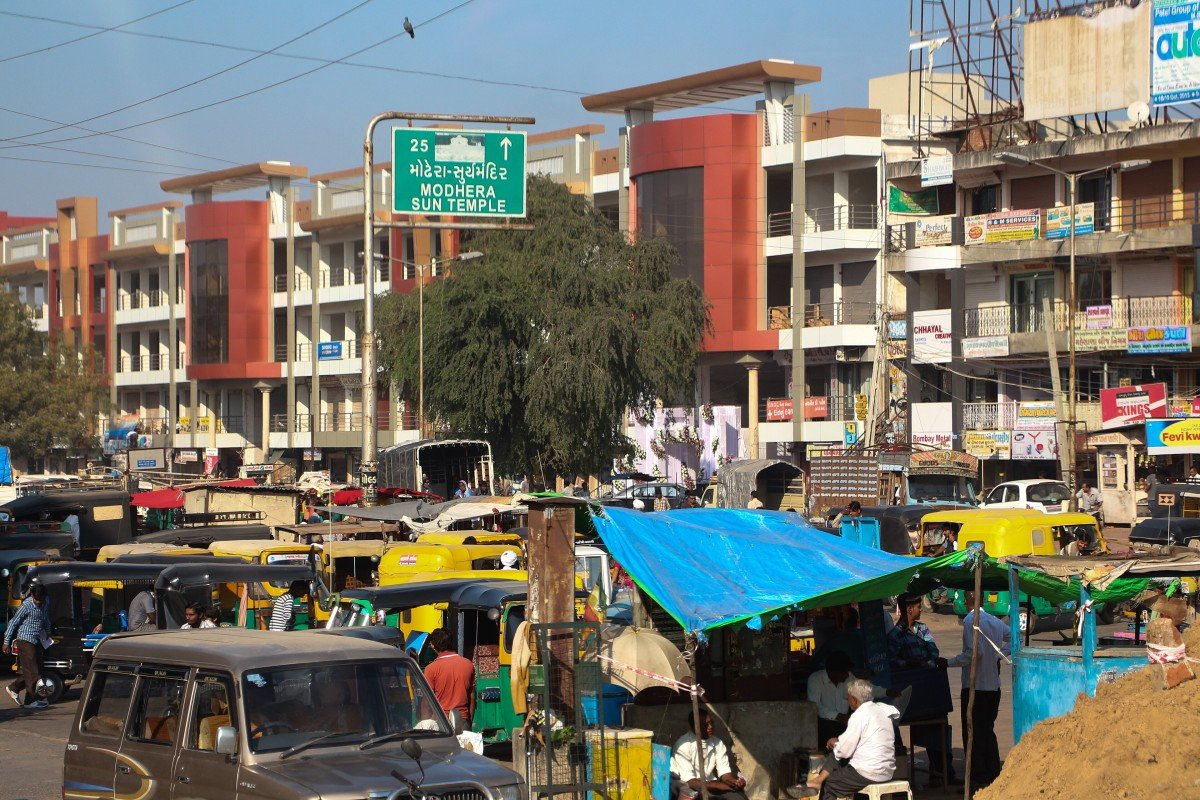
By Train: Mehsana Junction is the nearest major railway station, located 25 km away, and it lies on the busy Ahmedabad-Delhi route. You can find frequent local buses and taxis from Mehsana station that will take you to Modhera in less than 45 minutes.
By Road: Modhera is well-connected by road to Ahmedabad (100 km), Patan (35 km), and Gandhinagar (80 km). State transport buses (GSRTC) run regularly from Ahmedabad's Gita Mandir bus stand, making it an easy day trip for budget-conscious travelers.
Local Transport: Since the village is small, you can explore the temple and the solar village on foot once you arrive at the main parking area. For traveling to nearby sites like Patan, you can hire a local auto-rickshaw or wait for the frequent shared jeeps that ply on the main highway. -
Weather and Best Time to Visit:
Winter Season: October to March is the peak time, as the cool weather is perfect for exploring the open-air temple and attending the dance festival.
Summer Season: April to June can be brutally hot in northern Gujarat, so if you visit then, ...Winter Season: October to March is the peak time, as the cool weather is perfect for exploring the open-air temple and attending the dance festival.
Summer Season: April to June can be brutally hot in northern Gujarat, so if you visit then, go as early as possible in the morning.
Monsoon Season: July to September brings a fresh look to the gardens, and the Surya Kund looks majestic when filled with rainwater. -
Near Tourist Places:
1. Patan Rani Ki Vav (35 km), 2. Mehsana (25 km), 3. Becharaji Temple (15 km), 4. Siddhpur (60 km), 5. Ahmedabad (100 km), 6. Thol Lake (75 km), 7. Vadnagar (55 km), 8. Taranga Hills (75 km), 9. Ambaji Temple (115 km), 10. Unjha (45 km)
Tourism Tips
-
Footwear: You will need to remove your shoes to enter certain parts of the temple platforms; carry a pair of socks if the stone is too hot.
Guides: There are few signboards, so hiring an ASI-approved guide will greatly enhance your understa...Footwear: You will need to remove your shoes to enter certain parts of the temple platforms; carry a pair of socks if the stone is too hot.
Guides: There are few signboards, so hiring an ASI-approved guide will greatly enhance your understanding of the complex mythological carvings on the walls.
Sun Protection: There is very little shade within the temple complex; carry an umbrella, wear a hat, and use sunscreen to protect yourself from the direct rays.
Combo Trip: Always plan your visit to Modhera along with the Rani Ki Vav stepwell in Patan, as they are close and represent the same architectural era.
Reviews
FAQs
Modhera Itineray And Cost:-
Other Places In Gujarat :-
Other States In India :-
Information about New and Updated Locations() of Gujarat Has Been Added :-
Card subtitle
Note:-
Information provided here in good Faith and for reference only.
Near Places
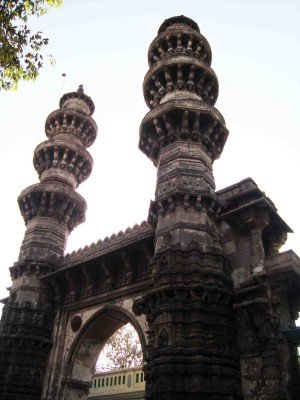
Ahmedabad
Some quick example text to build on the card title and make up the bulk of the card's content.
Go somewhere
Bhuj
Some quick example text to build on the card title and make up the bulk of the card's content.
Go somewhere
Chotila
Some quick example text to build on the card title and make up the bulk of the card's content.
Go somewhere
Dahod
Some quick example text to build on the card title and make up the bulk of the card's content.
Go somewhere
Dandi
Some quick example text to build on the card title and make up the bulk of the card's content.
Go somewhere
Kevadia
Some quick example text to build on the card title and make up the bulk of the card's content.
Go somewhere
Kutch
Some quick example text to build on the card title and make up the bulk of the card's content.
Go somewhere
Lothal
Some quick example text to build on the card title and make up the bulk of the card's content.
Go somewhere
Mandvi
Some quick example text to build on the card title and make up the bulk of the card's content.
Go somewhere
Modhera
Some quick example text to build on the card title and make up the bulk of the card's content.
Go somewhere
Near Ahmedabad
Some quick example text to build on the card title and make up the bulk of the card's content.
Go somewhere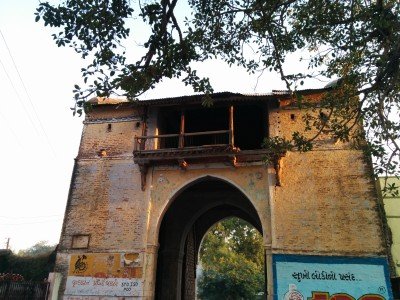
Palanpur
Some quick example text to build on the card title and make up the bulk of the card's content.
Go somewhere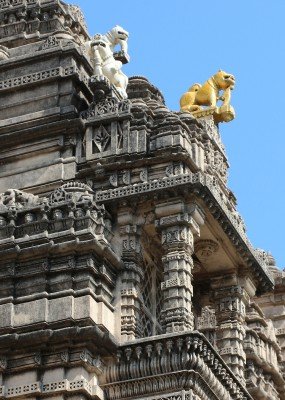
Palitana
Some quick example text to build on the card title and make up the bulk of the card's content.
Go somewhere
Patan
Some quick example text to build on the card title and make up the bulk of the card's content.
Go somewhere
Pavagadh
Some quick example text to build on the card title and make up the bulk of the card's content.
Go somewhere
Porbandar
Some quick example text to build on the card title and make up the bulk of the card's content.
Go somewherein Other Cities