...

Place To Visit And Things To Do In Bhandardara

Maharashtra, India
Place Overview: Bhandardara is a picturesque hill station and holiday resort village nestled in the Sahyadri ranges of the Western Ghats in Maharashtra. Located in the Ahmednagar district, it is famous for its pristine Arthur Lake, the historic Wilson Dam, and its proximity to the highest peak in th e state, Kalsubai. The village is surrounded by lush greenery, cascading waterfalls, and ancient forts which makes it a paradise for trekkers, campers, and nature lovers seeking a quiet escape from urban life. Its tranquil environment and the cool mountain air provide a refreshing contrast to the humid coastal plains which draws travelers from Mumbai and Pune throughout the year for weekend getaways. Natural Splendor: The landscape of Bhandardara is dominated by the vast expanse of Arthur Lake which was created by the construction of the Wilson Dam across the Pravara River. During the monsoon, the region transforms into a vibrant green wonderland with numerous seasonal waterfalls like the Umbrella Falls and Randha Falls flowing in full glory. The surrounding hills are part of the Kalsubai Harishchandragad Wildlife Sanctuary which offers a rich biodiversity and scenic trekking trails that lead to some of the most spectacular viewpoints in the Western Ghats. The mirror-like reflections of the mountains in the still waters of the lake create a serene and mystical atmosphere that captivates every visitor. Historical Context: While primarily known for its natural beauty, Bhandardara also holds historical and mythological significance. The Wilson Dam, built in 1910, is one of the oldest dams in India and is a testament to the engineering skills of the British era. Nearby, the Ratangad Fort and Amruteshwar Temple date back centuries and offer a glimpse into the regional history and the architectural style of the Silhara dynasty. Legend also connects the region to the sage Agastya who is said to have meditated in the caves near the lake. This blend of colonial engineering and ancient heritage adds a layer of depth to the travel experience which makes it more than just a scenic destination for a holiday. Adventure Hub: For those seeking an active vacation, Bhandardara serves as an excellent base for trekking and outdoor adventures. The climb to Kalsubai Peak is a bucket-list activity for trekkers in Maharashtra while the Sandhan Valley, also known as the "Valley of Shadows," offers a unique rock-cutting experience for advanced explorers. Lakeside camping has become a major trend here where visitors can enjoy star-gazing, bonfires, and night photography in a safe and peaceful environment. The variety of terrain from flat lakeside paths to steep mountain ridges ensures that there is something for every level of adventurer and nature enthusiast looking to test their limits in the great outdoors.

Things To Do

Card image cap
Agastya Rishi Ashram

Agastya Rishi Ashram is a site steeped in Hindu mythology, believed to be the spot where the great Sage Agastya, one of the Saptarishis, meditated for...
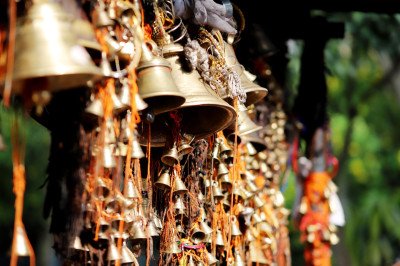
Agastya Rishi Ashram is a site steeped in Hindu mythology, believed to be the spot where the great Sage Agastya, one of the Saptarishis, meditated for a year, subsisting only on air and water. The ashram is historically and spiritually significant as it is mentioned in the epic Ramayana, where Lord Rama is said to have sought the blessings of the sage and received the divine arrow used to slay Ravana. The ashram complex, while modernized in parts, retains a tranquil and profound spiritual atmosphere. The location, right next to the flowing Pravara River, provides a serene backdrop for meditation and introspection. Visitors, including devotees and history buffs, come here seeking peace, learning, and connection to ancient Indian wisdom. The ashram often hosts spiritual discourses and community programs, promoting values of harmony and simplicity, making it a living center for cultural and religious practice in the region. The legend of the sage's asceticism and the link to Lord Rama makes it a must-visit pilgrimage spot in Bhandardara.
Card image cap
Amruteshwar Temple

The Amruteshwar Temple is an ancient structural wonder located in the quiet village of Ratanwadi. Built in the 9th century AD by the rulers of the Sh...
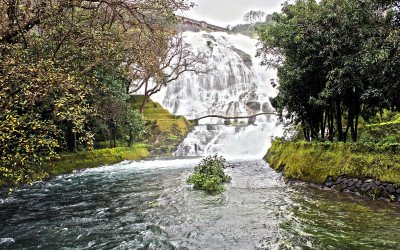
The Amruteshwar Temple is an ancient structural wonder located in the quiet village of Ratanwadi. Built in the 9th century AD by the rulers of the Shilahara dynasty, it is dedicated to Lord Shiva. The temple is approximately 1,200 years old and is one of twelve Shiva temples constructed by King Jhanj. Situated on the banks of the Pravara river, it provides a serene spiritual environment. The temple is an Archaeological Survey of India (ASI) protected site. Visitors often combine a visit here with the Ratangad trek. The atmosphere is deeply mystical, especially during the Monsoon season when the surrounding hills are emerald green. It is a place where history and divinity blend seamlessly. The stones used in the construction have weathered centuries yet retain intricate details. This site is a must-visit for history buffs and devotees alike. The tranquility of the Ratanwadi village adds to the overall experience. It is a living testament to the medieval craftsmanship of Maharashtra. Every corner of the temple tells a story of ancient Indian heritage and devotion.
Card image cap
Arthur Lake

Arthur Lake, also known as Lake Arthur Hill, is a magnificent, expansive reservoir created by the construction of the Wilson Dam on the Pravara River ...
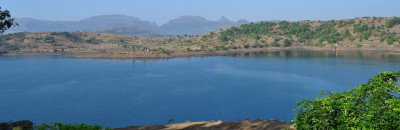
Arthur Lake, also known as Lake Arthur Hill, is a magnificent, expansive reservoir created by the construction of the Wilson Dam on the Pravara River in 1910. Named after Arthur Hill, the former Governor of Bombay, the lake is the scenic heart of Bhandardara tourism. It is completely surrounded by the rugged, towering peaks of the Sahyadri mountain range, including the imposing presence of Kalsubai Peak. The lake's clear, calm waters reflect the emerald-green hills, especially vibrant during the monsoon season, offering unparalleled photographic views. It serves not only as a crucial water source for the region but also as a primary hub for leisure activities like boating, fishing (angling), and the extremely popular lakeside camping. The tranquility and natural beauty make it a favored destination for nature lovers seeking an escape from the city hustle. The vast stretch of water and its picturesque setting are what define the identity of Bhandardara.
Card image cap
Bhandardara Dam Spillway

The Bhandardara Dam Spillway is the designated overflow section of the historic Wilson Dam, a colossal masonry structure built over the Pravara River....
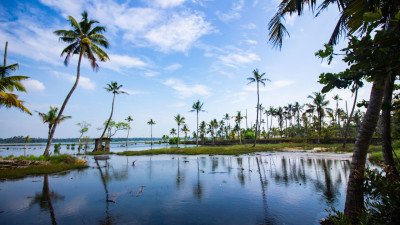
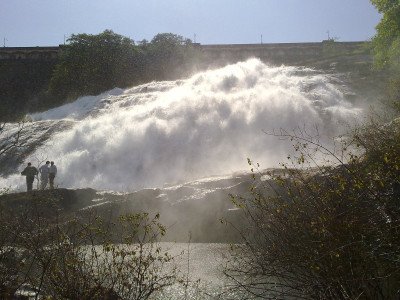
The Bhandardara Dam Spillway is the designated overflow section of the historic Wilson Dam, a colossal masonry structure built over the Pravara River. It is not a separate entity but the main mechanism for releasing excess water when the Arthur Lake reservoir reaches its full capacity during the peak monsoon season. The Spillway is arguably the most dramatic and thrilling spot in Bhandardara when active. The controlled release of the voluminous water creates a spectacular torrent that cascades over the natural and man-made rocky outcrops, leading directly to the formation of the renowned Umbrella Falls. Tourists gather in large numbers at the dam's top and the viewing garden at the base to witness this awe-inspiring display of raw hydrological power. This spectacle highlights the engineering prowess of the early 20th-century construction and underscores the critical role the dam plays in the regional water and power supply. The spillway's functioning is directly tied to the monsoonal intensity, making it a highly seasonal but unforgettable attraction.
Card image cap
Bhandardara Lake

Arthur Lake, also known as Bhandardara Lake, is the heart of the tourism in this region. Formed by the waters of the Pravara river and held by the Wi...
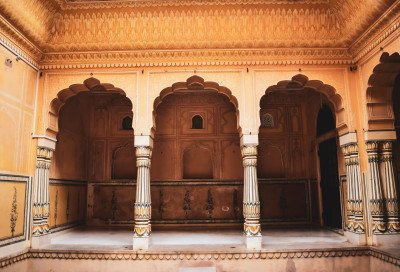
Arthur Lake, also known as Bhandardara Lake, is the heart of the tourism in this region. Formed by the waters of the Pravara river and held by the Wilson Dam, this massive reservoir is a sight to behold. It is surrounded by the thick forests of the Kalsubai Harishchandragad Wildlife Sanctuary. The lake is horseshoe-shaped and stretches over a large area, providing water to several districts. It is a serene spot where the blue water reflects the high peaks of the Sahyadris. The lake is a hub for various activities like boating, camping, and stargazing. Many resorts and campsites are located along its banks. The atmosphere is extremely peaceful, making it a favorite for city dwellers looking for a weekend getaway. The history of the lake is tied to the construction of the Wilson Dam in 1910, which was one of the highest dams in the country at that time. During the Monsoon, the lake overflows, creating the famous Umbrella Falls. In Winter, the water is calm and clear, perfect for reflection photography. The lake also hosts the famous Fireflies Festival in its surrounding woods. It is a place that offers both relaxation and adventure. Whether you are on a boat or sitting by the shore, the beauty of Arthur Lake is captivating.
Card image cap
Harishchandragad Fort

Harishchandragad is a massive hill fort located in the Ahmednagar district, standing at an elevation of 1,424 meters. It is one of the most popular t...
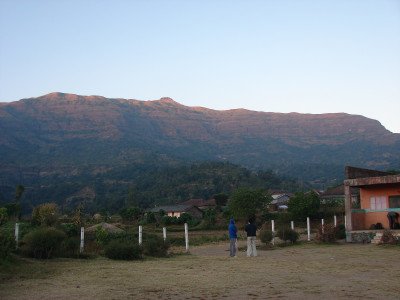
Harishchandragad is a massive hill fort located in the Ahmednagar district, standing at an elevation of 1,424 meters. It is one of the most popular trekking destinations in the Sahyadri range. The fort dates back to the 6th century during the rule of the Kalachuri dynasty. It has played a vital role in guarding the surrounding regions for centuries. The fort is mentioned in various Puranas like Matsyapurana and Skandapurana. It houses several ancient structures, including temples and caves. The most famous feature is the Konkan Kada, a massive concave cliff. The fort offers a panoramic view of the Malshej Ghat and Kalsubai peak. It is a haven for history lovers and adventure seekers. The trek to the top can be challenging depending on the route chosen. Once at the summit, the vast plateau feels like a different world. The fort has been ruled by the Mughals and later the Marathas. It is a perfect blend of natural beauty and historical significance. The environment is pristine and provides a rugged experience of the Western Ghats. Many trekkers stay overnight in the caves or tents to experience the sunrise. It is a site that demands physical endurance but rewards with spiritual peace.
Card image cap
Kalsubai Peak

Kalsubai Peak stands proudly as the Highest Peak in Maharashtra, soaring to an altitude of 1646 meters (5400 feet). Revered as the 'Everest of Maharas...

Kalsubai Peak stands proudly as the Highest Peak in Maharashtra, soaring to an altitude of 1646 meters (5400 feet). Revered as the 'Everest of Maharashtra', it is the ultimate pilgrimage for trekkers, adventurers, and nature lovers in the state. The trek, starting from the base village of Bari, is a challenging but immensely rewarding journey that offers a blend of physical endurance and breathtaking natural beauty. Authorities have installed steel ladders and protective railings on the trickiest, steepest sections, making the climb manageable for determined, fit individuals. The summit offers an unparalleled, 360-degree panoramic vista that stretches across the vast Sahyadri mountain range, offering aerial views of the Arthur Lake, Wilson Dam, and ancient forts like Ratangad and Harishchandragad. At the peak is a small temple dedicated to Goddess Kalsubai, the local deity after whom the peak is named, adding a spiritual dimension to the physical feat of the climb. The entire experience—from the starlit night trek to the glorious sunrise view—is an unforgettable adventure.
Card image cap
Kedareshwar Cave

The Kedareshwar Cave is a unique and mystical rock-cut cave located on the Harishchandragad fort. It is dedicated to Lord Shiva and is famous for its...

The Kedareshwar Cave is a unique and mystical rock-cut cave located on the Harishchandragad fort. It is dedicated to Lord Shiva and is famous for its massive five-foot-tall Shiva Lingam. The Lingam is completely surrounded by icy-cold water throughout the year. Interestingly, the water level never recedes, even in the peak of Summer. The cave is supported by four pillars, which are said to represent the four Yugas: Satya, Treta, Dwapara, and Kali. According to local legend, three of the pillars have already broken, and the current world exists on the strength of the final pillar. It is believed that when the fourth pillar breaks, the world will come to an end. This legend adds a deep sense of mystery and spiritual weight to the site. The cave is carved into the solid rock of the mountain. Reaching the cave requires a trek to the fort plateau. The atmosphere inside is cool and damp, offering a stark contrast to the exterior heat. It is a place of pilgrimage for many locals and a site of wonder for tourists. The construction of the cave is linked to the Kalachuri and Yadava eras. It is a masterpiece of ancient engineering and religious symbolism. Visitors often stand in awe of how such a structure was carved in such a remote location.
Card image cap
Koltembhe Waterfall

Koltembhe Waterfall is a seasonal natural wonder located near the small village of Koltembhe in the Bhandardara region. It is one of the lesser-known...

Koltembhe Waterfall is a seasonal natural wonder located near the small village of Koltembhe in the Bhandardara region. It is one of the lesser-known attractions compared to the famous Randha or Umbrella falls. The waterfall comes to life during the Monsoon season when the rainwater from the surrounding hills cascades down the rocky cliffs. It is a relatively quiet spot, perfect for those looking to avoid the massive crowds. The water drops from a significant height, creating a mist that cools the surrounding area. The approach to the waterfall involves a small walk through green fields and village paths. The local villagers are friendly and often guide tourists to the best viewing points. It is a great spot for a family picnic or a quiet afternoon with friends. The surrounding landscape is filled with paddy fields and small streams. The sound of the falling water is rhythmic and soothing. Unlike the more commercialized falls, Koltembhe offers a raw and authentic experience of the Western Ghats. It is a photographer's paradise, especially when the clouds hang low over the mountains. The area remains largely untouched, providing a peaceful escape into nature. It is a seasonal beauty that disappears as the Summer approaches, making it a special treat for monsoon travelers.
Card image cap
Kulang Fort

Kulang Fort stands as a majestic sentinel in the Igatpuri region near Bhandardara. Known for having the highest climb among all hill forts in Maharas...

Kulang Fort stands as a majestic sentinel in the Igatpuri region near Bhandardara. Known for having the highest climb among all hill forts in Maharashtra, it reaches an elevation of 4,822 feet. The fort offers an expansive plateau on top, providing a 360-degree view of the Sahyadri range. Historically, it was a strategic watchtower used by various dynasties, including the Satavahanas and the Marathas. The trek to the summit is physically demanding but deeply rewarding for those who seek solitude and ancient ruins. The vastness of the fort is so immense that it takes hours just to explore the entire plateau. Visitors often find themselves lost in the misty clouds that frequently blanket the summit during the monsoon. The fort remains one of the less crowded spots, ensuring a peaceful experience for history buffs. Its remote location makes it a sanctuary for biodiversity, where one can spot unique flora and fauna of the Western Ghats. The silence at the top is only broken by the whistling wind and the calls of mountain eagles. Exploring the ruins of ancient mansions and granaries gives a glimpse into the lifestyle of the soldiers who once guarded these heights.
Card image cap
Madangad Fort

Madangad Fort is often described as the most challenging trek in Maharashtra. Perched at a height of 4,900 feet, it is part of the famous AMK (Alang-...
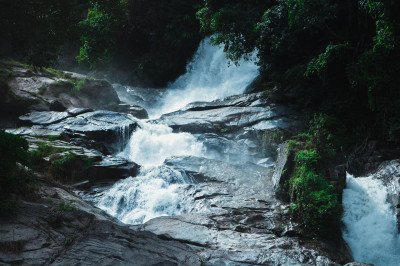
Madangad Fort is often described as the most challenging trek in Maharashtra. Perched at a height of 4,900 feet, it is part of the famous AMK (Alang-Madan-Kulang) trio. The fort is unique because its summit is relatively small and can only be accessed through a vertical rock-climbing patch of about 60 feet. This makes it a destination for only the most daring adventurers. Historically, its difficult access made it a perfect stronghold for storing treasures or housing high-ranking officials during times of war. The view from the top is breathtaking, offering a bird's eye view of the vast Bhandardara region and the deep valleys of the Konkan. The fort contains a large cave that can accommodate a group of trekkers for an overnight stay. There is a sense of accomplishment like no other when one reaches the top of Madangad. The silence at this height is profound, and the clouds often drift through the cave itself. Due to its technical nature, it remains untouched by casual tourists, preserving its raw and rugged beauty. It is a place where one truly feels the power of nature and the ingenuity of ancient fortress builders who carved paths into vertical cliffs.
Card image cap
Nanhe Ghat Waterfalls

Nanhe Ghat Waterfalls is a serene and relatively unexplored gem located near the base village of Ratanwadi. Unlike the commercialized waterfalls, Nan...

Nanhe Ghat Waterfalls is a serene and relatively unexplored gem located near the base village of Ratanwadi. Unlike the commercialized waterfalls, Nanhe Ghat offers a pristine environment where the water plunges from a significant height amidst dense forest cover. The path to the waterfall involves a light trek through paddy fields and small streams, making it an enjoyable experience for families and nature lovers. The sound of the falling water can be heard from a distance, creating a rhythmic melody that relaxes the soul. During the peak monsoon, the waterfall becomes a roaring giant, while in the post-monsoon months, it turns into a gentle silvery streak. The surrounding area is rich in biodiversity, with colorful butterflies and exotic birds frequently spotted near the water. It is an ideal spot for a day picnic, away from the hustle of the main Bhandardara tourist points. The water is cool and refreshing, perfect for a dip after a long walk. The rocks around the fall are covered in emerald-green moss, giving the place a fairy-tale appearance. Local villagers consider the area sacred and maintain its cleanliness. Visiting this waterfall provides a deep connection with the rural landscape of Maharashtra.
Card image cap
Pabargad Fort

Pabargad Fort is a hidden historical treasure located in the Akole taluka. This fort is often overshadowed by its famous neighbor, Ratangad, but it o...
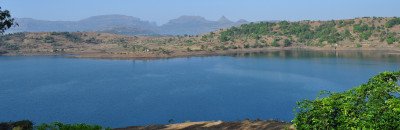
Pabargad Fort is a hidden historical treasure located in the Akole taluka. This fort is often overshadowed by its famous neighbor, Ratangad, but it offers an equally fascinating experience for those who love offbeat trails. The fort sits at an altitude of 3,800 feet and provides a commanding view of the Bhandardara dam and the surrounding peaks like Ghanchakkar. Historically, it served as a secondary defense post, monitoring movement along the river Pravara. The trek to Pabargad is moderate, passing through thick forests and rocky ridges. The top of the fort is marked by several water cisterns and the remains of old fortifications. One of the most striking features is the view of the Bhandardara backwaters, which look like a giant blue sapphire embedded in the green hills. The fort is relatively quiet, making it a perfect spot for those who want to escape the touristy crowds of Shendi. The climb offers a mix of easy walks and steep sections, providing a balanced workout. Exploring the plateau reveals hidden caves and carved stone idols that reflect the religious history of the region. It is a place where history whispers through the ruins of old stone walls and the rustling leaves of the surrounding jungle.
Card image cap
Randha Falls

Randha Falls is a spectacular, permanent waterfall where the Pravara River plunges dramatically from a height of approximately 170 feet (52 meters) in...
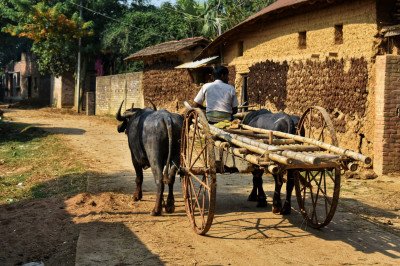
Randha Falls is a spectacular, permanent waterfall where the Pravara River plunges dramatically from a height of approximately 170 feet (52 meters) into a deep, rocky gorge. Unlike the seasonal Umbrella Falls, Randha Falls is a major cascade that flows year-round, although its intensity is undeniably maximized during the monsoon season when the water volume is immense, creating a thundering roar and a massive cloud of white mist that hangs over the canyon. The waterfall is a geological marvel, having carved a significant gorge over millennia. A viewing platform, and in some spots, a bridge, allows visitors to safely admire the sheer power and beauty of the waterfall from a strategic distance. The sight of the milky-white water contrasting sharply with the deep green of the surrounding hills is a photographer's delight. The area also holds cultural significance, with the nearby Ghorpada Devi Temple adding a spiritual touch to the natural wonder. It serves as a powerful reminder of the relentless force of the river's flow through the Deccan Plateau region.
Card image cap
Ratanwadi Village

Ratanwadi Village is a remote and quintessential hamlet tucked away in the Kalsubai Harishchandragad Wildlife Sanctuary of Maharashtra. This village ...

Ratanwadi Village is a remote and quintessential hamlet tucked away in the Kalsubai Harishchandragad Wildlife Sanctuary of Maharashtra. This village serves as the primary base camp for the legendary Ratangad Fort trek and is home to the ancient Amruteshwar Temple. Life here moves at a slow, peaceful pace, offering visitors a raw glimpse into the Sahyadri mountain culture. The village is surrounded by the vast backwaters of Arthur Lake, making it feel like a secluded island during the monsoon season. Dense forests and towering peaks create a dramatic backdrop for the small cluster of traditional mud and stone houses. Historically, the village gained prominence during the reign of Chhatrapati Shivaji Maharaj, as Ratangad was one of his favorite forts. Today, it is a haven for trekkers, history buffs, and soul-seekers looking to escape the urban chaos. The villagers are known for their warm hospitality and serve authentic Maharashtrian meals cooked on wood-fired chulhas. Walking through the village, you will encounter cattle grazing in lush meadows and children playing near the stream that eventually feeds into the Pravara River. The atmosphere is especially magical during the rains when dozens of seasonal waterfalls sprout from the surrounding cliffs. Despite its growing popularity among hikers, Ratanwadi has managed to preserve its authentic charm without the intrusion of heavy commercialization. It is a place where nature and history breathe together in silent harmony.
Card image cap
Reverse Waterfall Samrad

The Reverse Waterfall in Samrad is one of nature’s most baffling and exhilarating spectacles, located on the edge of the Kokankada cliff. This phen...
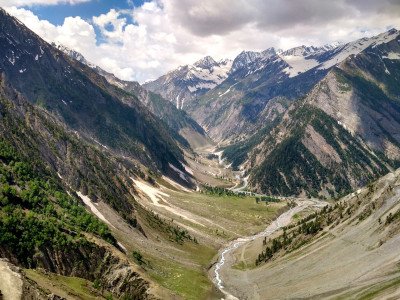
The Reverse Waterfall in Samrad is one of nature’s most baffling and exhilarating spectacles, located on the edge of the Kokankada cliff. This phenomenon occurs during the peak monsoon months when the massive wind pressure blowing against the Western Ghats hits the cliff wall with such force that it pushes the falling water back upwards. Instead of cascading down into the valley, the water transforms into a misty spray that flies back toward the spectators standing at the top. This site is situated near the famous Samrad village, which is also the base for the Sandhan Valley. The trek to the reverse waterfall is relatively easy and passes through lush meadows and small streams, making it accessible even for beginners. When you stand at the edge of the guarded railing, the wind is often strong enough to make it difficult to stand upright, and the upward-flowing water will drench you within seconds. The surrounding scenery is equally impressive, with deep gorges and the massive walls of the Sahyadri range visible through the mist. The area is part of the Kalsubai Harishchandragad Wildlife Sanctuary, ensuring that the environment remains pristine and rich in biodiversity. During the rains, the entire plateau is covered in a carpet of yellow and purple wild flowers. It is not just a visual treat but an auditory one as well, as the roaring wind and the sound of crashing water create a powerful symphony. Visitors often spend hours here just marveling at the sheer power of the elements. It is a must-visit for anyone seeking a unique adventure that challenges the basic laws of physics in the most beautiful way possible.
Card image cap
Sandhan Valley

Sandhan Valley, also known as the "Grand Canyon of Maharashtra," is a spectacular canyon located in the Sahyadri mountain range near Bhandardara. Thi...
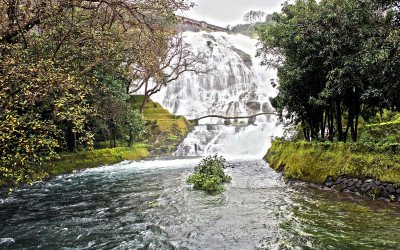
Sandhan Valley, also known as the "Grand Canyon of Maharashtra," is a spectacular canyon located in the Sahyadri mountain range near Bhandardara. This water-carved valley is approximately 200 feet deep and stretches for about 1.5 kilometers. What makes Sandhan Valley unique is its narrowness—at some points, the width is less than 3 feet, causing the towering rock walls to block out the sunlight almost entirely. This is why it is aptly nicknamed the "Valley of Shadows." The trek through the valley is one of the most challenging and rewarding experiences in the Western Ghats. It involves navigating through deep rock-strewn paths, wading through pools of freezing cold water that can reach chest height, and descending vertical rock patches using rappelling techniques. The valley is surrounded by some of the most formidable forts in Maharashtra, including Alang, Madan, and Kulang (AMK). The journey usually starts from Samrad village and ends near the Dehne village after a full descend. For those not looking for a full trek, a "half-descend" is popular, where you explore the initial gorge and return to the base. The sheer scale of the rock walls is humbling, and the silence inside the canyon is profound, broken only by the sound of dripping water or the echoes of fellow trekkers. The geological formations here are a testament to the power of water erosion over millions of years. At the end of the valley, the view opens up into a magnificent vista of the Konkan plains and the surrounding mountain ranges. It is an adventure that tests your physical endurance and mental grit, providing an unparalleled sense of accomplishment once completed.
Card image cap
Umbrella Falls

Umbrella Falls is a truly unique, seasonal waterfall formed by the overflow of water from the gates of the Wilson Dam (Bhandardara Dam). It earns its ...

Umbrella Falls is a truly unique, seasonal waterfall formed by the overflow of water from the gates of the Wilson Dam (Bhandardara Dam). It earns its picturesque name because the water, when forcefully released, hits the semi-circular, naturally placed rocks at the base of the dam structure and splays out in a white sheet, resembling a massive, translucent umbrella or shield. This spectacular sight only occurs during the peak monsoon season (July to September) when the Arthur Lake reservoir is full and the dam gates are opened to release the excess water into the Pravara River. A small footbridge connecting the dam area to the main road offers the best and closest view of the cascade, where the spray and mist can be intensely felt. The falls are entirely dependent on the dam's operation and water level, making a visit a matter of perfect seasonal timing. This mesmerizing, misty curtain of water is one of Bhandardara's most cherished and easily accessible attractions.
Card image cap
Vasundhara Waterfall

Vasundhara Waterfall is often considered the most beautiful and serene waterfall in the Bhandardara region. Unlike the more famous Randha Falls, whic...
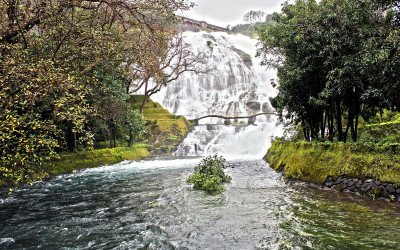
Vasundhara Waterfall is often considered the most beautiful and serene waterfall in the Bhandardara region. Unlike the more famous Randha Falls, which is powerful and roaring, Vasundhara offers a more graceful and picturesque flow. It is located near the village of Koltembhe and requires a short, scenic walk through the forest to reach. The waterfall drops from a significant height against a backdrop of dark basalt rocks and vibrant green vegetation. During the monsoon, the water is pure white, earning it the reputation of being a "milky" cascade. The area around the waterfall is relatively flat, allowing visitors to get close to the base and even take a dip in the natural pool formed by the falling water. The mist created by the fall keeps the surrounding temperature cool, providing a refreshing break even on humid days. This spot is less commercialized than other falls in the area, making it a favorite for those who prefer quiet contemplation over crowded tourist spots. The trail leading to the fall is well-marked but can get muddy during heavy rains. You will often see local villagers crossing the streams with their livestock, adding a touch of rustic life to your visit. The waterfall is surrounded by the Kalsubai-Harishchandragad forest, which means you are likely to hear the calls of various mountain birds. It is an ideal spot for a day trip from Bhandardara, especially for families who want to enjoy nature without the strenuous effort of a major trek. The pristine condition of the water and the lack of litter make it one of the cleanest natural attractions in the district.
Card image cap
Wilson Dam

The Wilson Dam, officially known as Bhandardara Dam, is an iconic and historic masonry gravity dam constructed on the Pravara River. Completed in 1926...

The Wilson Dam, officially known as Bhandardara Dam, is an iconic and historic masonry gravity dam constructed on the Pravara River. Completed in 1926, it is one of the oldest dams in India and stands as a magnificent testament to British colonial-era engineering and an important public work project of the time. The construction was initiated in 1910 and took 16 years to complete, with the purpose of providing irrigation water to the dry regions of the Ahmednagar district. The dam's colossal wall holds back the vast waters of Arthur Lake, which serves as the region's main reservoir and the scenic heart of Bhandardara. Tourists can walk along the crest of the dam wall, offering unparalleled views of the massive reservoir on one side and the gorge of the Pravara River on the other. At its base lies the picturesque Bhandardara Garden (or Ratanwadi Garden), a perfect spot for relaxation and viewing the famous, seasonal Umbrella Falls that form when the dam overflows. The dam is both a vital piece of infrastructure and a prime tourist attraction.
Show All

Note:-

Information provided here in good Faith and for reference only.

All information and pictures will be updated soon, please keep visiting.

Near Places

...
Alibaug

Some quick example text to build on the card title and make up the bulk of the card's content.

Go somewhere
...
Amravati

Some quick example text to build on the card title and make up the bulk of the card's content.

Go somewhere
...
Aurangabad

Some quick example text to build on the card title and make up the bulk of the card's content.

Go somewhere
...
Bhandardara

Some quick example text to build on the card title and make up the bulk of the card's content.

Go somewhere
...
Diveagar

Some quick example text to build on the card title and make up the bulk of the card's content.

Go somewhere
...
Ganpatipule

Some quick example text to build on the card title and make up the bulk of the card's content.

Go somewhere
...
Karjat

Some quick example text to build on the card title and make up the bulk of the card's content.

Go somewhere
...
Khandala

Some quick example text to build on the card title and make up the bulk of the card's content.

Go somewhere
...
Kolad

Some quick example text to build on the card title and make up the bulk of the card's content.

Go somewhere
...
Kolhapur

Some quick example text to build on the card title and make up the bulk of the card's content.

Go somewhere
in Other Cities