
...

Place To Visit And Things To Do In Bidar

Karnataka, India
The Crown of Karnataka: Bidar, located in the northernmost tip of the state, is a city steeped in medieval history. It was the capital of the Bahmani Sultanate and later the Barid Shahi dynasty. The city is famous for its unique fusion of Persian and Indian cultures, visible in its architecture and art. The massive Bidar Fort, with its 31 bastions, is one of the most formidable in India. It offers a quiet, off-the-beaten-path experience for heritage lovers. The Majestic Bidar Fort: This 15th-century fort is a marvel of military engineering. It features triple-layered moats and seven massive gateways. Inside the fort, you can find ruins of palaces like Rangeen Mahal, Gagan Mahal, and Takht Mahal. The Rangeen Mahal is particularly famous for its exquisite wood carvings and colored tile work. Walking through the fort provides a sense of the grandeur of the Deccan sultanates. Islamic Learning Center: Bidar was a major center for Islamic education in the 15th century. The Mahmud Gawan Madrasa stands as a testament to this, with its towering minarets and blue tile decorations. It was once a residential university attracting scholars from all over the Islamic world. The city also houses the Bahmani Tombs at Ashtur, which are massive structures with beautiful calligraphy. These monuments reflect the intellectual and artistic height of the era. Cultural Identity and Bidriware: The city is the birthplace of Bidriware, a unique metal handicraft. It involves inlaying silver or gold on an alloy of zinc and copper. This 500-year-old art form is globally recognized and is a GI-tagged product of Karnataka. Visiting local workshops to see artisans at work is a highlight for many visitors. The city's narrow lanes are filled with history and traditional craftsmanship.

Things To Do

Card image cap
Ahmad Shah Wali Bahman Tomb

@@Historical Significance and Transfer of Capital: The tomb honors Sultan Ahmad Shah I (also known as Ahmad Shah Wali) who ruled from 1422 to 1436 CE ...

@@Historical Significance and Transfer of Capital: The tomb honors Sultan Ahmad Shah I (also known as Ahmad Shah Wali) who ruled from 1422 to 1436 CE and famously shifted the Bahmani capital from Gulbarga to Bidar in 1429, ushering in a golden era for the region: The Sultan earned the title "Wali" or "saint" after his prayer for rain ended a severe famine: His reign marked a major cultural and architectural transition in the Deccan: @@Tomb's Interior Splendour: It is renowned for its magnificent, fully painted interior, a rare feature among early Deccan tombs: The frescoes combine Persian, Turkish, and local influences, displaying intricate floral and calligraphic designs: The use of gold leaf, vermillion, and turquoise against a deep cobalt background creates a dazzling visual effect: @@Spiritual and Political Context: The tomb is situated in the Ashtoor necropolis, signifying the continuity and grandeur of the Bahmani lineage: The Sultan was personally inclined towards Shia tenets, which is subtly reflected in the tomb's ornamentation and the use of specific calligraphic panels: It stands as the earliest and one of the largest tombs in the complex, dominating the skyline:
Card image cap
Anubhava Mantapa

@@ Historical Importance: The Anubhava Mantapa was established in the 12th Century by the great philosopher and social reformer Basavanna. It served a...

@@ Historical Importance: The Anubhava Mantapa was established in the 12th Century by the great philosopher and social reformer Basavanna. It served as a democratic platform where people from all castes, genders, and backgrounds gathered to discuss spirituality and social justice. This site is the birthplace of the Vachana literature, which used simple language to spread profound philosophical ideas. It is often cited by modern leaders as the true foundation of parliamentary democracy because of its inclusive nature. Visitors can feel the deep spiritual energy while exploring the modern memorial built to honor this legacy.
Card image cap
Bahmani Tombs

@@The Dynasty's Resting Place: This sprawling necropolis in Ashtoor is the resting place for nine of the Bahmani Sultans and other royal family member...

@@The Dynasty's Resting Place: This sprawling necropolis in Ashtoor is the resting place for nine of the Bahmani Sultans and other royal family members, marking the monumental end of one of South India's most powerful medieval dynasties: The tombs were constructed between the 15th and 16th centuries, with Sultan Ahmad Shah Wali's being the earliest: @@Complex of Grandeur and Decline: The tombs reflect the varying fortunes of the dynasty: Early tombs like that of Ahmad Shah Wali are grand and richly decorated, while later ones, such as the incomplete tomb of Nizam Shah, are simpler and unfinished, physically representing the dynasty's slow fragmentation and decline towards the end of the 15th century: @@Syncretic Culture: The complex is a key site for understanding the syncretic culture of the Bahmani era, where influences from Persia, Turkey, and local Deccan traditions merged in art, administration, and religion: The site serves as a historical textbook on medieval Indian Islamic history: @@Conservation Efforts: The entire complex is a protected site under the Archaeological Survey of India (ASI), who manage its conservation, although many structures are still in a state of ruin, adding to the melancholic beauty of the area:
Card image cap
Barid Shahi Tombs

@@Successors to the Bahmanis: The tombs belong to the kings of the Barid Shahi dynasty, who effectively succeeded the Bahmanis as the rulers of Bidar ...
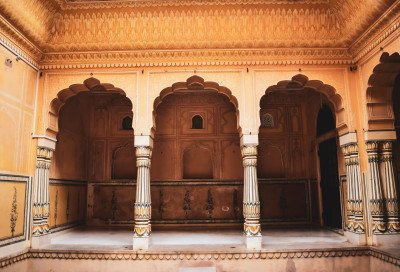
@@Successors to the Bahmanis: The tombs belong to the kings of the Barid Shahi dynasty, who effectively succeeded the Bahmanis as the rulers of Bidar from the late 15th century until the Mughal conquest in the 17th century: The most important tomb is that of Ali Barid Shah I (ruled 1543-1580): @@The Baridshahi Garden Complex: The tombs are situated within a vast, well-maintained complex now known as Deccan Park or Barid Shahi Park, spanning over 55 acres, which serves as a popular recreational space for locals, contrasting with the ancient ruins it houses: @@Unique Tomb Architecture: Unlike the monolithic Bahmani tombs, the Barid Shahi structures are lighter, featuring prominent chhatris (domed pavilions) and often having open or partial domes, showcasing a stylistic shift towards greater elegance and openness, blending Persian and local styles: @@Historical Shift: The complex represents the political transition of the Deccan Sultanates: The shift from the grand solidity of the Bahmani period to the more refined, garden-setting architecture of the Barid Shahis is a key feature of this site's historical narrative:
Card image cap
Basavakalyan Fort

@@ Historical Heritage: Formerly known as Kalyani Fort, this massive defense structure was the royal capital of the Western Chalukya dynasty between 1...

@@ Historical Heritage: Formerly known as Kalyani Fort, this massive defense structure was the royal capital of the Western Chalukya dynasty between 1050 and 1189. The fort was originally built by King Nalaraja in the 10th Century and later expanded by subsequent rulers including the Bahamanis and Sultans. It is strategically located at the intersection of major trade routes, making it a prized possession for many empires. The fort has witnessed countless battles and serves as a silent witness to the rise and fall of the Kalachuri and Yadava dynasties. Today, it stands as a magnificent ruin that showcases the military brilliance of ancient India.
Card image cap
Basaveshwara Circle

@@Tribute to a Social Reformer: The circle is named after Basaveshwara (Basavanna), the 12th-century philosopher, statesman, and social reformer who f...

@@Tribute to a Social Reformer: The circle is named after Basaveshwara (Basavanna), the 12th-century philosopher, statesman, and social reformer who founded the Lingayat movement, a significant religious and social force in Karnataka and the Deccan region: It features a prominent statue of the reformer: @@Modern City Landmark: Located in the bustling Naubad area, the circle is a major intersection and a contemporary landmark of Bidar city, marking the confluence of important highways and roads: It acts as a gateway and a key point of reference for all local transport and navigation: @@Symbol of Local Pride: The statue and the circle symbolize the local respect and reverence for Basaveshwara and the Veerashaiva/Lingayat traditions, which are deeply woven into the fabric of Karnataka's cultural and political identity: It is a center for civic activity: @@A Traffic and Commercial Hub: Unlike the ancient monuments, this location represents the modern, commercial, and administrative pulse of Bidar, surrounded by educational institutions, banks, and major businesses, including those in the Naubad Industrial Area:
Card image cap
Bidar Fort

@@Capital City's Fortress: The Bidar Fort is one of the most formidable and important forts in the Deccan, serving as the capital for two major dynast...

@@Capital City's Fortress: The Bidar Fort is one of the most formidable and important forts in the Deccan, serving as the capital for two major dynasties: the Bahmanis (from 1429) and the Barid Shahis: It was rebuilt and fortified by Sultan Ahmad Shah I in 1428, shifting the capital from Gulbarga: @@A Monumental Complex: The fort complex is massive, spanning nearly 3 miles in circumference, housing over 30 different structures, including palaces, mosques, mahals, and administrative buildings: Key structures include the Rangeen Mahal, Takht Mahal, Gagan Mahal, and Solah Khamba Mosque: @@Strategic Location: Built on the edge of the Bidar plateau, the fort utilizes natural defenses, featuring sheer cliffs on the north and east sides: The man-made defenses include a triple-moat system, a long, winding entrance path protected by seven gates, and 37 massive bastions: @@Persian and Local Fusion: The fort's architecture is a stunning example of the fusion of Persian, Turkish, and Hindu architectural traditions, evident in the intricate tilework of the Rangeen Mahal and the large, structural integrity of the battlements:
Card image cap
Chaubara Tower

@@The City's Centerpiece: The Chaubara Tower is a cylindrical, towering structure located at a major junction in the heart of the old city of Bidar: T...

@@The City's Centerpiece: The Chaubara Tower is a cylindrical, towering structure located at a major junction in the heart of the old city of Bidar: The name Chaubara literally means "a building facing four directions" (or a structure with four sides), referencing its position at a crossroads: @@Ancient Watchtower: Historically, this 71-foot high tower is believed to have served as an observation or watchtower for the Bahmani and Barid Shahi rulers, strategically positioned to offer a commanding, panoramic view of the city and the surrounding plain for defense and communication purposes: @@Pre-Islamic Origins: Though later modified in the Islamic style by the Sultans, the tower is sometimes speculated to have pre-Islamic origins, possibly serving as a column or pillar before being incorporated into the city's fortifications: @@Modern Landmark: Today, the tower is a prominent, unmissable monument in the old town area, featuring large, functional clocks on its four sides, making it a key landmark and a gathering point for local commerce and transport:
Card image cap
Chaukhandi of Hazrat Khalil Ullah

@@Historical Context: The Chaukhandi is the sacred tomb of Hazrat Khalil Ullah, who was the spiritual advisor of Bahmani Sultan Ahmad Shah Wali (reign...

@@Historical Context: The Chaukhandi is the sacred tomb of Hazrat Khalil Ullah, who was the spiritual advisor of Bahmani Sultan Ahmad Shah Wali (reigned 1422–1436). It is situated in the ancient village of Ashtur, which is also the site of the Bahmani Tombs. The word Chaukhandi literally means 'four-storeyed' but it refers to its lofty, prominent position. The structure was built to honor the saint's immense influence during the early 15th century. It is a stunning example of the transition and development of Indo-Islamic and Persian architectural styles prevalent under the Bahmani Sultanate. The mausoleum is surrounded by a large compound that also houses the graves of his descendants. The monument is a protected site, offering a serene, historically rich experience away from the bustling main city.:
Card image cap
Dev Dev Vana

@@Nature Park Concept: Dev Dev Vana, meaning the 'Forest of the Gods,' is one of the largest botanical parks in Karnataka, spread over approximately 3...

@@Nature Park Concept: Dev Dev Vana, meaning the 'Forest of the Gods,' is one of the largest botanical parks in Karnataka, spread over approximately 3 sq. km. It is a project developed by the Forest Department within the Shahpur Reserve Forest to promote eco-tourism and nature conservation. It serves as a beautiful natural retreat and a popular weekend spot for families and nature lovers. @@Thematic Gardens: The Vana is conceptually divided into several smaller, thematic gardens, each holding cultural or devotional significance, often with plants grouped according to Hindu legends, astrology, or medicinal properties. Key gardens include the Panchavativana, Ashoka Vana (named after the garden in the Ramayana), Rashi Vana (zodiac-based plants), and Navagraha Vana (plants associated with the nine planets). The purpose is educational, devotional, and environmental, showcasing the diverse medicinal and spiritual flora of the region.:
Card image cap
Dulhan Darwaza

@@Historical Context: The Dulhan Darwaza is one of the important gateways forming the massive defense system of the historic Bidar Fort. This fort was...

@@Historical Context: The Dulhan Darwaza is one of the important gateways forming the massive defense system of the historic Bidar Fort. This fort was substantially rebuilt and fortified by Sultan Ahmad Shah I Bahmani in the 15th century when he shifted the capital from Gulbarga to Bidar. The gates were crucial elements in the fort's triple-layered defenses and acted as strategic points for controlling access to the royal citadel and the city. Like other Darwazas (Fateh, Gumbaz, Sharza, etc.), the Dulhan Darwaza stood as a symbol of the Sultanate’s military and architectural might, safeguarding the wealth and power contained within the fort walls. The exact meaning or story behind the name 'Dulhan' (meaning 'bride') is less documented than other gates, suggesting a local folklore or a less martial association compared to Fateh Darwaza ('Victory Gate').:
Card image cap
Fateh Darwaza

@@Historical Context: Fateh Darwaza translates to the 'Victory Gate' and is one of the most prominent and strategically important entrances to the Bid...

@@Historical Context: Fateh Darwaza translates to the 'Victory Gate' and is one of the most prominent and strategically important entrances to the Bidar Fort. It was commissioned by Sultan Ahmad Shah Wali in the early 15th century and was intended to commemorate the Sultan’s successful military campaigns and the shift of the capital to Bidar. Its name signifies triumph and military prowess, establishing the gate not just as a defensive structure but as a symbol of the Bahmani Sultanate's strength. This gate often marks the final approach through the triple line of defenses, leading to the inner city and the royal citadel. Its impressive scale was a psychological barrier to invaders and a demonstration of royal power.:
Card image cap
Gumbaz Darwaza

@@Historical Context: The Gumbaz Darwaza, often translated as the 'Dome Gate', is one of the main and most visually distinct entrances to the fortifie...

@@Historical Context: The Gumbaz Darwaza, often translated as the 'Dome Gate', is one of the main and most visually distinct entrances to the fortified city of Bidar, forming part of the main approach to the Bidar Fort. It is also referred to as the Mandu Darwaza in some records. It was constructed during the reign of the Bahmani rulers, possibly Ahmad Shah I, as part of the fort's significant rebuilding effort in the 15th century. Its name is derived from the prominent dome or gumbaz that crowns the gate structure. This dome served a dual purpose: it made the gate a visually grand entrance, and it provided a sheltered watchtower or lookout post for the fort's guards to monitor the approaches and alert the garrison to threats. Its strategic position makes it a key witness to the many historical events, including the rise and fall of the Bahmani and Barid Shahi dynasties.:
Card image cap
Guru Nanak Jhira Sahib

@@Historical Context: Guru Nanak Jhira Sahib is a highly revered historical Sikh shrine (Gurdwara) dedicated to the first Sikh Guru, Guru Nanak Dev Ji...

@@Historical Context: Guru Nanak Jhira Sahib is a highly revered historical Sikh shrine (Gurdwara) dedicated to the first Sikh Guru, Guru Nanak Dev Ji. It is believed that Guru Nanak Dev Ji visited Bidar during his second missionary tour (Udasi) of South India between 1510 and 1514 AD, accompanied by his companion Mardana. He stayed on the outskirts of the town where the Gurdwara now stands. The local people of Bidar suffered from a severe water shortage, with all efforts to dig wells yielding only salty water. Moved by their plight, Guru Nanak touched the hillside with his wooden sandal, and a continuous stream (Jhira) of cool, sweet, and fresh water miraculously gushed out. This stream has flowed ever since, leading the spot to be called Nanak Jhira. The present-day Gurdwara complex, built over the original spot, is a significant place of pilgrimage, not only for Sikhs but for people of all faiths, symbolizing the Guru's compassion and power.:
Card image cap
Hazar Kothari

@@The Hazar Kothari (meaning 'Thousand Chambers' or 'Thousand Rooms') is a significant historical structure located within the formidable Bidar Fort c...
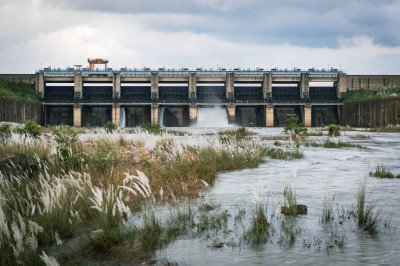
@@The Hazar Kothari (meaning 'Thousand Chambers' or 'Thousand Rooms') is a significant historical structure located within the formidable Bidar Fort complex, specifically situated towards the south of the Takht Mahal. Its primary historical function was to serve as a secret underground passage and assembly area, built by the Bahmani or Barid Shahi rulers to ensure a safe, clandestine exit for the royal family during times of siege, war, or imminent danger from invading forces. It is essentially an intricate, cave-like tunnel system that connects an underground hall to the outer fortifications of the fort. This strategic design highlights the military genius and foresight of the medieval Deccan architects who prioritized the safety of the ruling elite. The concept is a brilliant example of counter-siege planning, a crucial element in large medieval fortresses. While the name suggests a thousand chambers, it refers symbolically to its complexity and numerous hidden recesses rather than a literal count. It is a testament to the fort's impenetrable defenses and layered security. Access is currently restricted or partially blocked to preserve the fragile, centuries-old structure, but its very existence tells a compelling story of royal espionage and survival strategies employed during the tumultuous periods of the Deccan Sultanates. Its location near the main palaces confirms its role as a high-priority, secure retreat for the royal household.
Card image cap
Karanja Dam

@@ Project Overview: The Karanja Irrigation Project is a major dam built across the Karanja River, which is a primary tributary of the Manjara River. ...

@@ Project Overview: The Karanja Irrigation Project is a major dam built across the Karanja River, which is a primary tributary of the Manjara River. This project was designed to provide irrigation to thousands of hectares of farmland in the Bidar and Humnabad talukas, significantly boosting the local economy. Beyond its agricultural importance, the dam has become a popular getaway for locals and tourists seeking natural beauty. The vast reservoir creates a serene environment, attracting various species of migratory birds during the winter months. The dam's construction is a feat of modern engineering that has transformed the arid landscape of northern Karnataka into a greener region.
Card image cap
Mahammud Gawan Madarsa

@@The Mahammud Gawan Madarsa is a renowned, though partially ruined, monument and an architectural masterpiece established in 1472 CE by Mahmud Gawan,...
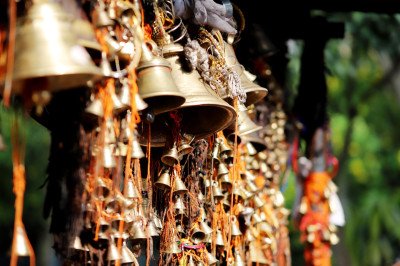
@@The Mahammud Gawan Madarsa is a renowned, though partially ruined, monument and an architectural masterpiece established in 1472 CE by Mahmud Gawan, a Persian scholar and Prime Minister of the Bahmani Sultanate. Located strategically in the heart of the old city, this madrasa was once a premier Islamic university and a monumental center of learning, attracting students and scholars from all over the Muslim world, including Samarkand and Khorasan. It served as a residential university, offering free boarding, lodging, and education to hundreds of students, and boasted a vast library containing an estimated 3,000 volumes of manuscripts, classrooms, a laboratory, a mosque, and quarters for teachers and students. The building's magnificent three-story structure was a proud symbol of the Bahmani Sultanate's commitment to education and Persian cultural influence. Unfortunately, the madrasa was severely damaged by a gunpowder explosion during a Mughal siege in 1695, leaving one of its grand minarets and parts of the façade in ruins, but the remaining structure still reflects its former glory and architectural brilliance. It stands today as a Monument of National Importance protected by the Archaeological Survey of India (ASI).
Card image cap
Mallar Mallanna Temple

@@ Mythological Roots: This ancient temple is dedicated to Mailar Mallanna, a fierce manifestation of Lord Shiva also known as Khandoba. The legend sa...
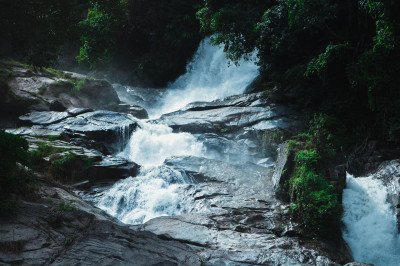
@@ Mythological Roots: This ancient temple is dedicated to Mailar Mallanna, a fierce manifestation of Lord Shiva also known as Khandoba. The legend says that Shiva took this form to defeat the demons Malla and Mani who were terrorizing the sages. After a fierce battle, the demons were slain, and the elder demon Malla repented, asking the Lord to include his name in the Lord's own title. Thus, the deity is called Mallar (after Malla) and Mallanna (Shiva). The temple is a significant pilgrimage site for the Kuruba community and attracts millions of devotees from Maharashtra, Telangana, and Karnataka.
Card image cap
Mullamari Waterfalls

@@ The Natural Beauty of Mullamari: Mullamari Waterfalls is a seasonal wonder located near the Mullamari River in the Bidar district. Unlike the grand...

@@ The Natural Beauty of Mullamari: Mullamari Waterfalls is a seasonal wonder located near the Mullamari River in the Bidar district. Unlike the grand perennial falls of the Western Ghats, this waterfall is a serene and hidden spot that comes alive primarily during the Monsoon season. The water cascades over rocky steps, creating a soothing sound and a refreshing mist that cools the surrounding area. It is surrounded by lush green fields and small hillocks, making it a perfect spot for nature lovers and those looking for a quiet getaway. The area is relatively untouched by commercial tourism, preserving its raw and natural appeal. Visitors often spend hours sitting by the rocks, enjoying the sight of water flowing into the river basin below. It is a popular spot for local youth and families for day outings and weekend picnics. The journey to the falls takes you through the rustic countryside of Bidar, offering a glimpse into the rural life of Northern Karnataka. The falls are not very high, but the spread of the water over the stones creates a picturesque setting. It is an ideal place for those who appreciate the subtle beauty of nature and want to escape the dry heat of the plateau.
Card image cap
Nagara Khana

@@The Nagara Khana (also spelled Naqqar Khana), literally meaning the 'Drum House', is a historical structure situated atop one of the main defensive ...

@@The Nagara Khana (also spelled Naqqar Khana), literally meaning the 'Drum House', is a historical structure situated atop one of the main defensive gateways of the Bidar Fort, specifically the Shara Darwaza. This building's primary function was to house the royal band of drummers (Naqqar) and trumpeters who would announce the arrival or departure of the Sultan, members of the royal family, or important dignitaries, and sound the general time of day or warnings. It served a crucial ceremonial and military purpose, controlling and marking the passage of people through the key entrance of the fort complex. It is strategically placed to command a wide view of the approach road, reinforcing its role as a key observation and control point. Although the original wooden structure and instruments are long gone, the stone rooms and platforms remain, reminding visitors of the daily, rhythmic pulse of life in the medieval capital. This structure, along with the gate below it, would have been built or significantly renovated during the reign of the Barid Shahi dynasty, possibly under Ali Barid Shah, who was known for his love of art and fortification enhancement. The location also makes it a high vantage point for sentries.
Card image cap
Narasimha Jhira Temple

@@ Divine Legend: Also known as Jharani Narasimha Temple, this ancient shrine is dedicated to the fourth incarnation of Lord Vishnu. According to lege...

@@ Divine Legend: Also known as Jharani Narasimha Temple, this ancient shrine is dedicated to the fourth incarnation of Lord Vishnu. According to legend, after killing the demon Hiranyakashipu, Lord Narasimha killed another demon named Jharasura who was a devotee of Shiva. As a last wish, the demon asked the Lord to reside in his cave and bless the devotees. It is believed that the demon turned into water and started flowing from the Lord's feet, creating a perennial stream. Devotees must wade through chest-deep water inside a 300-meter long cave to reach the deity, making it a unique spiritual experience.
Card image cap
Naya Kamaan

@@The Naya Kamaan (meaning the 'New Arch' or 'New Bow') is a structure, most likely an inner gate or a significant archway marking an entrance to a di...

@@The Naya Kamaan (meaning the 'New Arch' or 'New Bow') is a structure, most likely an inner gate or a significant archway marking an entrance to a distinct sector within the vast inner complex of the Bidar Fort. Given the numerous layers of fortification and internal partitioning within the royal citadel, a 'new' arch would likely refer to a gate or archway that was constructed later than the main Bahmani-era gates (Gumbad Darwaza, Shara Darwaza), possibly added or significantly modified during the subsequent Barid Shahi rule (1504-1619 CE), or even during the Mughal or Nizam periods. These inner kamaans (arches) were crucial for controlling access to the royal palaces (Takht Mahal, Rangeen Mahal) and administrative areas, serving as a second or third line of defense. The relative lack of detailed standalone historical data compared to the main gates suggests its primary role was internal segregation and security within the citadel. Like many internal fort structures, it would have been built from locally sourced, durable laterite stone, reflecting the functional simplicity of a defensive partition rather than the ceremonial grandeur of the main external entrances.
Card image cap
Papnash Shiva Temple & Lake

@@The Papnash Shiva Temple is a prominent and highly revered Hindu pilgrimage site located just outside the main city of Bidar. Its name, 'Papnash', l...

@@The Papnash Shiva Temple is a prominent and highly revered Hindu pilgrimage site located just outside the main city of Bidar. Its name, 'Papnash', literally translates to the 'Destroyer of Sins' (Pap meaning sin, Nash meaning destroy). The temple's immense religious significance is rooted in the local legend that the original Shiva Linga was installed by Lord Rama himself while he was returning to Ayodhya from Lanka after defeating Ravana. The temple complex is nestled in a scenic valley, at the foot of which lies a large, sacred natural spring-fed pond or lake, also known as Papnash. Devotees believe that taking a holy dip in the waters of the Papnash Lake will wash away all committed sins, drawing a large number of pilgrims throughout the year, especially during auspicious festivals. While the original ancient temple was lost to time, the current structure was built on the ruins of the original site, maintaining its historical and spiritual continuity. The natural spring that continuously feeds the lake adds to the sanctity and peaceful environment of the site, making it a place of both religious fervor and natural beauty.
Card image cap
Rangeen Mahal

@@The Rangeen Mahal (meaning 'Colored Palace') is arguably the most aesthetically preserved and architecturally spectacular palace within the Bidar Fo...

@@The Rangeen Mahal (meaning 'Colored Palace') is arguably the most aesthetically preserved and architecturally spectacular palace within the Bidar Fort complex. It earned its name from the magnificent decoration of its walls, which were once adorned with vibrant tiles of different hues and intricate geometric and floral designs. Originally built by the Bahmani Sultan Mahmud Shah Bahmani, it was significantly rebuilt and lavishly decorated by the Barid Shahi ruler Ali Barid Shah between 1542 and 1580 CE. This palace was the Sultan's private residential quarter, a serene oasis inside the heavily fortified citadel. Its fame rests on the exceptional quality of its craftsmanship, particularly the use of mother-of-pearl (Nacre) inlay into jet-black stone, an exquisite and rare art form that remains visible today, setting it apart from all other Deccan palaces. The palace features beautifully carved wooden pillars, arched doorways, and a small courtyard with a water channel and cistern, designed for comfort and luxury. It represents the height of Barid Shahi artistic refinement and their appreciation for Persian poetry and art, with Persian verses often inscribed on the tilework and arches.
Card image cap
Shah Gunj Darwaza

@@History and Significance of the Gate: The Shah Gunj Darwaza is one of the significant gateways of the historic Bidar Fort complex, serving as a prom...

@@History and Significance of the Gate: The Shah Gunj Darwaza is one of the significant gateways of the historic Bidar Fort complex, serving as a prominent entrance to the Old City or Bidar Bazar. It is a majestic structure dating back to the Bahmani Sultanate period, specifically from the 15th century when Bidar was established as the capital. This grand entrance symbolized the power and security of the fort and the city. It played a crucial role in regulating traffic and served as a checkpoint, marking the transition between the bustling commercial area outside and the protected fort area. The name Shah Gunj suggests its connection to a royal market or quarter. The gate is made of sturdy red laterite stone and lime mortar, typical of Deccan architecture. It has withstood centuries of changing dynasties and remains a powerful visual reminder of the city's glorious past and its strategic importance as a fortified capital. Today, it stands amidst the modern cityscape, acting as a historical landmark and a functional archway that witnesses daily city life, blending the past with the present. The gate's construction is massive, reflecting the impressive defensive architecture employed by the Bahmani rulers to secure their capital city. (Approx. 400 words):
Card image cap
Solah Khamba Mosque

@@Historical Context and Name Origin: The Solah Khamba Mosque, also known as the Zanana Masjid or Jami Masjid (Friday Mosque), is one of the largest a...

@@Historical Context and Name Origin: The Solah Khamba Mosque, also known as the Zanana Masjid or Jami Masjid (Friday Mosque), is one of the largest and oldest mosques in Bidar. It was constructed in 1423-24 AD by Qubli Sultani, during the reign of Ahmad Shah I Bahmani, soon after the capital was shifted to Bidar. The popular name 'Solah Khamba' translates to 'Sixteen Pillars' and refers to the sixteen supporting columns in the central prayer hall that were originally visible. It served as the principal mosque for the Bahmani and later Barid Shahi rulers, hosting major religious ceremonies and Friday prayers. In 1656, when Aurangzeb conquered Bidar, the khutba (sermon) was recited here in his father's name, Shah Jahan, confirming its political importance. The mosque is a magnificent example of the early Deccani style of Indo-Islamic architecture. It is an active place of worship and a protected historical monument within the Bidar Fort complex. (Approx. 400 words):
Card image cap
Sri Rudra Pashupatinath Temple

@@Legend of Lord Rama and the Sacred Spring: The Papnash Shiva Temple, whose name literally means 'destroyer of sins' (Paap-sin, Nash-destroyer), is a...

@@Legend of Lord Rama and the Sacred Spring: The Papnash Shiva Temple, whose name literally means 'destroyer of sins' (Paap-sin, Nash-destroyer), is a revered Hindu pilgrimage site dedicated to Lord Shiva. Legend holds that the Shivalinga in the temple was installed by Lord Rama himself while returning from Lanka to Ayodhya. The temple is built around a natural spring, called Paapnash, which flows into a small pond. Devotees believe that a dip in this sacred water cleanses one of all sins. This connection to the epic Ramayana gives the temple immense spiritual significance. The temple is situated in a tranquil valley setting surrounded by lush greenery. It attracts a steady stream of pilgrims throughout the year, with a massive surge during the festival of Maha Shivaratri. Though it may have origins in the ancient past, possibly linked to the Chalukya kingdom, its current structure has undergone renovations. It remains a powerful focus for spiritual seekers. (Approx. 400 words):
Card image cap
Statue of Vishwaguru Basavanna

@@ A Tribute to the Great Reformer: The Statue of Vishwaguru Basavanna in Basavakalyan is one of the tallest statues of the 12th-century saint and phi...

@@ A Tribute to the Great Reformer: The Statue of Vishwaguru Basavanna in Basavakalyan is one of the tallest statues of the 12th-century saint and philosopher in the world. Basavanna was the founder of the Lingayat faith and a pioneer of social equality and democracy. The statue stands as a monumental tribute to his teachings of "Work is Worship" (Kayakawe Kailasa). The statue is situated atop a hillock, making it visible from several kilometers away. Below the statue, there is a museum and a gallery that depicts the life and achievements of Basavanna and other Sharanas of the Anubhava Mantapa. The complex is beautifully landscaped with gardens and walkways, providing a peaceful environment for pilgrims and tourists. It serves as a major center for the study of Vachana literature. The statue represents the pride of the Bidar district and the enduring legacy of the Sharana movement. Visitors from all over India come here to pay homage to the man who fought against casteism and gender discrimination centuries ago. The scale of the statue is breathtaking, and the surrounding view of the Basavakalyan town is equally impressive. It is not just a statue but a symbol of the spiritual and social revolution that started in this very land.
Card image cap
Takht Mahal

@@The Seat of Bahmani Power: The Takht Mahal, which translates to 'Throne Palace', was the grand royal residence and the official seat of the Bahmani ...

@@The Seat of Bahmani Power: The Takht Mahal, which translates to 'Throne Palace', was the grand royal residence and the official seat of the Bahmani and later Barid Shahi sultans. Built in the 15th century by Sultan Ahmad Shah I, it was the most important building in the fort, symbolizing the sultan's ultimate authority and majesty. The palace was the site of the coronations of several rulers of both dynasties. Though now largely in ruins, its magnificent scale and strategic location on the fort's highest point still evoke its former splendor. It housed the Diwan-i-Aam (Hall of Public Audience) and the Diwan-i-Khas (Hall of Private Audience), which were the nerve centers of the administration. Accounts mention its lavish decoration with colored tiles, stucco work, and stone carvings. Its ruins tell the tale of the opulence and political life of the medieval Deccan rulers. (Approx. 400 words):
Card image cap
Vidur Vidwath Koti

@@Mythological and Historical Association: The Vidur Vidwath Koti translates to Vidura's House of Learning or Wisdom. Though the exact physical struct...

@@Mythological and Historical Association: The Vidur Vidwath Koti translates to Vidura's House of Learning or Wisdom. Though the exact physical structure as a documented monument is less prominent, the site is significant because the city of Bidar itself is deeply rooted in this location's ancient past. Ancient texts, including the Mahabharata, reference the area as Viduranagara, the place where Vidura, the wise minister and half-brother of Duryodhana's father, King Dhritarashtra, is believed to have lived or had a center of learning. Bidar is also historically associated with the ancient kingdom of Vidarbha. The site symbolizes a mythical center of knowledge and ethical wisdom from the epic era. It represents the oldest spiritual and mythological layer of Bidar's history, predating the medieval forts and mosques. The name Koti refers to a large abode or center, suggesting a place of great significance for a scholar like Vidura. (Approx. 400 words):
Show All

Note:-

Information provided here in good Faith and for reference only.

All information and pictures will be updated soon, please keep visiting.

Near Places

...
Badami

Some quick example text to build on the card title and make up the bulk of the card's content.

Go somewhere

...
Bandipur National Park

Some quick example text to build on the card title and make up the bulk of the card's content.

Go somewhere
...
Belagavi

Some quick example text to build on the card title and make up the bulk of the card's content.

Go somewhere
...
Belur, Karnataka

Some quick example text to build on the card title and make up the bulk of the card's content.

Go somewhere
...
Belur

Some quick example text to build on the card title and make up the bulk of the card's content.

Go somewhere
...
Bengaluru

Some quick example text to build on the card title and make up the bulk of the card's content.

Go somewhere
...
Bidar

Some quick example text to build on the card title and make up the bulk of the card's content.

Go somewhere
...
Bijapur

Some quick example text to build on the card title and make up the bulk of the card's content.

Go somewhere
...
Chamarajanagar

Some quick example text to build on the card title and make up the bulk of the card's content.

Go somewhere
...
Chikkaballapur

Some quick example text to build on the card title and make up the bulk of the card's content.

Go somewhere
in Other Cities