...

Place To Visit And Things To Do In Bijapur

Karnataka, India
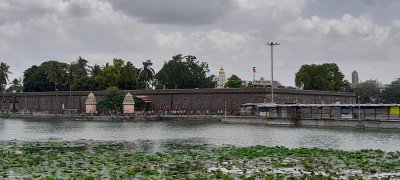
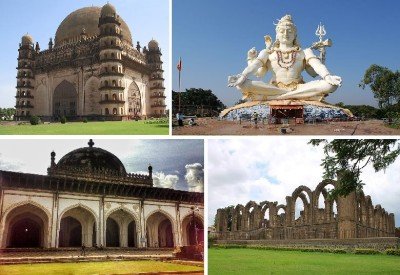
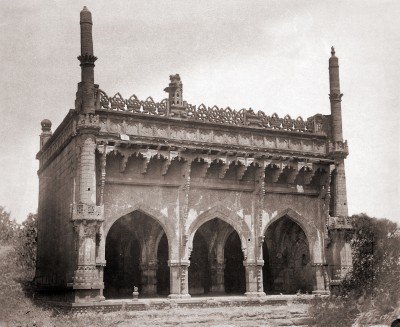
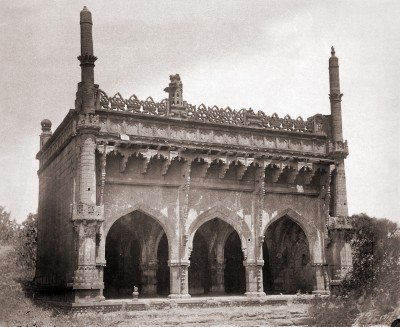
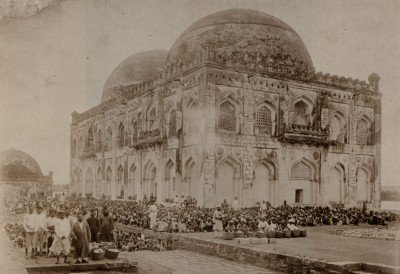
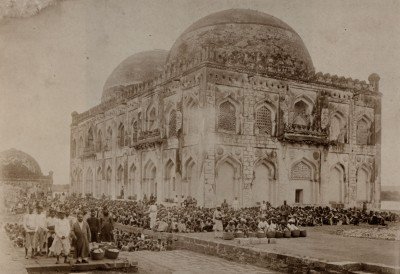
Historical Legacy: Bijapur, now Vijayapura, was the capital of the Adil Shahi kings. The city is a treasure trove of Islamic architecture from the 15th to 17th centuries. Gol Gumbaz Glory: This massive mausoleum houses the tomb of Mohammed Adil Shah. It features one of the largest unsupported domes in the world. Cultural Fusion: The city blends Persian and Indian styles beautifully. Every stone in the old city tells a story of a glorious bygone era. Modern Significance: Today, it is a major commercial hub for agriculture and tourism. It remains a top destination for history buffs and architecture students alike.

Things To Do

Card image cap
Adalat Mahal

@@Detailed History: Adalat Mahal, often called Asar Mahal, was built in 1646 by Sultan Mohammed Adil Shah. It originally served as a Royal Hall of Jus...
@@Detailed History: Adalat Mahal, often called Asar Mahal, was built in 1646 by Sultan Mohammed Adil Shah. It originally served as a Royal Hall of Justice where the Sultan meted out law and order. Later, it became a sacred site housing two hairs from the beard of Prophet Muhammad. The building faces a large artificial lake that reflects its majestic wooden pillars. It is a place of deep spiritual and historical importance in Bijapur. The interior is famous for its Persian-style murals and landscape paintings. Women are traditionally restricted from entering the inner sanctum of the building. The surrounding garden adds to the serenity of the palace grounds. It stands as a bridge between the administrative and religious history of the dynasty. Visitors often feel a sense of peace while walking near the massive water tank. The site represents the refined taste of the later Adil Shahi rulers. It remains one of the best-preserved examples of wooden architecture in the region. The palace is an integral part of any heritage walk through the city. Its proximity to the main citadel makes it a popular stop.
Card image cap
Adil Shahi Fort

@@Detailed History: The Adil Shahi Fort, or the Citadel, was primarily constructed by Yusuf Adil Shah in 1566. It served as the powerhouse of the Bija...
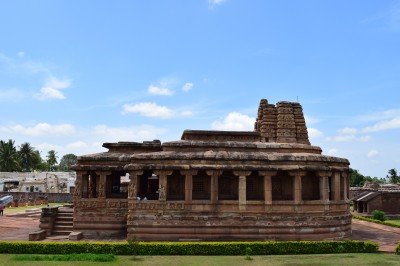
@@Detailed History: The Adil Shahi Fort, or the Citadel, was primarily constructed by Yusuf Adil Shah in 1566. It served as the powerhouse of the Bijapur Sultanate for over two centuries. The fort features massive walls with ninety-six bastions and is surrounded by a deep moat. Within its walls lie several palaces, mosques, and public buildings like Gagan Mahal and Anand Mahal. The fort was designed to be invincible, with walls reaching 50 feet in height. It has seen the rise and fall of several dynasties, including the Mughals. The architecture is a blend of Persian, Turkish, and local Deccani styles. Much of the fort is now in ruins, yet the sheer scale of the stone blocks is impressive. The citadel was once a bustling royal city with water channels and lush gardens. Today, the ruins offer a hauntingly beautiful glimpse into the medieval military strength of India. Exploring the bastions gives a panoramic view of the modern Bijapur city. The fort remains the historical soul of the district. It is a testament to the engineering genius of the Adil Shahi era.
Card image cap
Aihole Group of Temples

@@Detailed History: Aihole is an ancient archaeological site dating from the 4th to the 12th century CE. It was the first capital of the Early Chaluky...
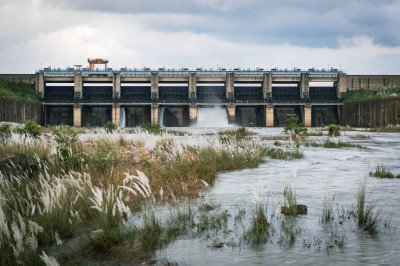
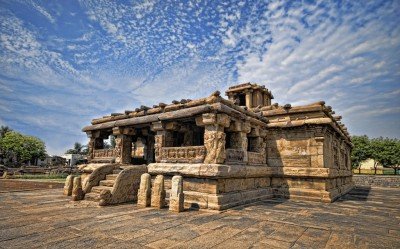
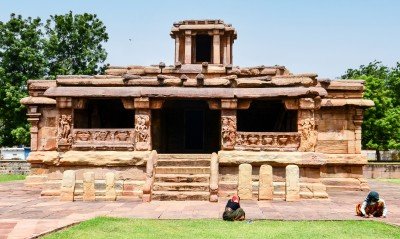
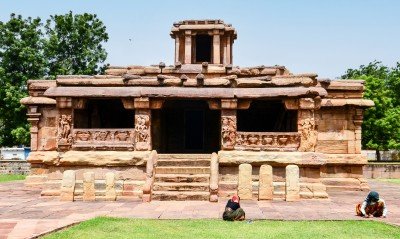
@@Detailed History: Aihole is an ancient archaeological site dating from the 4th to the 12th century CE. It was the first capital of the Early Chalukyas and served as a testing ground for temple styles. There are over 120 stone temples spread across a small village and its surrounding hills. The site is famous for being the "Cradle of Indian Temple Architecture" because of its experimentation. Many styles that later became standard in South Indian temples originated here. The most famous structure is the Durga Temple, known for its unique horse-shoe shape. Other significant temples include the Lad Khan Temple and the Ravana Phadi cave. The site also features a rare 634 CE inscription by the poet Ravikirti mentioning Pulakeshin II. It is a major center for scholars of Indian art and history. The temples represent Hindu, Jain, and even Buddhist faiths living in harmony. The stone carvings here are exceptionally detailed and tell stories of various deities. Aihole is a must-visit for anyone interested in the roots of Hindu culture. It remains a peaceful village where history lives in every corner.
Card image cap
Almatti Dam & Gardens

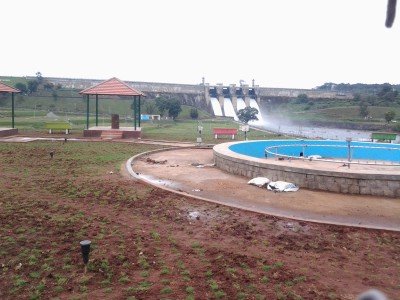
@@Detailed History: Almatti Dam, officially known as the Lal Bahadur Shastri Dam, was completed in 2005. It is a major hydroelectric project built acr...

@@Detailed History: Almatti Dam, officially known as the Lal Bahadur Shastri Dam, was completed in 2005. It is a major hydroelectric project built across the Krishna River for irrigation and power. The dam is one of the largest in Karnataka and has transformed the local economy. Beyond its utility, it has been developed into a massive tourist destination with landscaped gardens. These gardens, such as the Rock Garden and Japanese Garden, surround the reservoir. The dam has a height of 52.5 meters and stretches for over 3.5 kilometers. In the evenings, the musical fountain attracts thousands of visitors with its light and sound show. The reservoir, known as the Almatti Reservoir, is a hub for migratory birds during winter. It provides a refreshing contrast to the dry historical landscape of Bijapur. Families often visit the dam for weekend picnics and boating activities. The site is well-maintained with modern amenities for travelers. It represents the post-independence progress of the Bijapur region. The cool breeze from the river makes it a pleasant escape from the city heat.
Card image cap
Anand Mahal

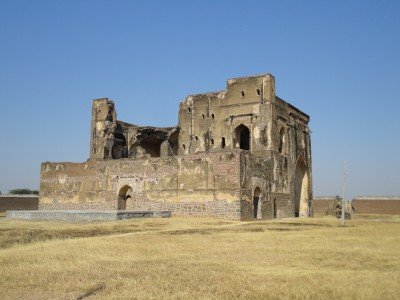
@@Details: The Anand Mahal, also known as the Palace of Delight, was constructed in 1589 by Ibrahim Adil Shah II. This magnificent structure was prima...

@@Details: The Anand Mahal, also known as the Palace of Delight, was constructed in 1589 by Ibrahim Adil Shah II. This magnificent structure was primarily used as a residential palace for the royal ladies of the court and later served as a guesthouse for British officials. Though parts of the palace are now in ruins, it still reflects the lavish lifestyle and artistic preferences of the Adil Shahi dynasty. The building is surrounded by open spaces that once housed lush gardens and fountains, making it a serene spot away from the city's hustle. It stands as a testament to the cultural zenith of Bijapur during the 16th century, representing the sultan's love for music and arts. Exploring its halls gives visitors a glimpse into the domestic life of medieval royalty and the historical evolution of the Deccan region. Today, it remains a protected monument under the Archaeological Survey of India, drawing history buffs and architecture students alike. The site is relatively quieter than other monuments, offering a peaceful atmosphere for contemplation of the past. :
Card image cap
Archaeological Museum

@@Details: Established in 1892, the Archaeological Museum of Bijapur is housed within the Naqqar Khana (Music Gallery) of the Gol Gumbaz complex. This...

@@Details: Established in 1892, the Archaeological Museum of Bijapur is housed within the Naqqar Khana (Music Gallery) of the Gol Gumbaz complex. This museum is a treasure trove for anyone interested in the medieval history of South India, specifically the Adil Shahi dynasty. It features six sprawling galleries that display a vast collection of artifacts including stone sculptures, inscriptions, ancient coins, and Persian manuscripts. One of the most striking exhibits is the collection of medieval weaponry, showcasing swords, daggers, and shields used in Deccan warfare. The museum also houses a unique gallery dedicated to Chinese porcelain and Bidriware, reflecting the global trade connections of the sultanate. Each artifact is carefully labeled, providing context to the political and cultural climate of the 15th to 17th centuries. The building itself is an architectural marvel with high arches and massive stone walls that keep the interior cool even during the peak of summer. It is maintained by the Archaeological Survey of India and serves as an educational hub for researchers. Visiting this museum provides a comprehensive background before exploring the larger monuments of the city. :
Card image cap
Ark-Killa

@@Details: The Ark-Killa, or the Citadel, is the heart of the original fortified city of Bijapur, established by Yusuf Adil Shah in 1489. It is a fort...

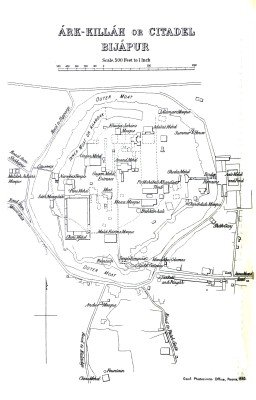
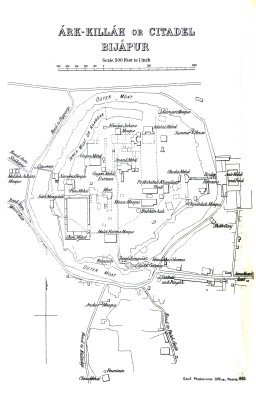
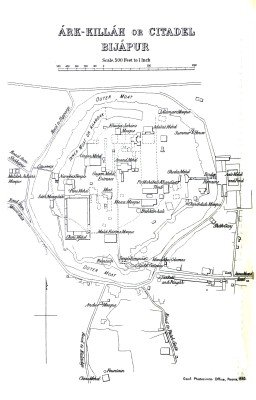
@@Details: The Ark-Killa, or the Citadel, is the heart of the original fortified city of Bijapur, established by Yusuf Adil Shah in 1489. It is a fortress within a fortress, surrounded by a separate moat and massive walls that once protected the royal palaces and administrative buildings. Though much of it is now in ruins, it houses some of the most important historical remains like the Gagan Mahal and the Adalat Mahal. The fort was designed to be self-sufficient with intricate water systems and large granaries to withstand long sieges. Walking through the Ark-Killa is like walking through a skeletal remains of a once-powerful empire. The massive basalt blocks used in its construction show the engineering brilliance of the era. Over the centuries, the fort has seen the rise and fall of several dynasties, from the Bahmanis to the Mughals and finally the Marathas. Today, it serves as a public space where history coexists with modern government offices. It is an essential stop for anyone wanting to understand the urban planning and defensive strategies of the medieval Deccan rulers. The atmosphere here is deeply nostalgic, filled with the echoes of royal processions and grand darbars. :
Card image cap
Asar Mahal

@@Details: The Asar Mahal was built by Mohammed Adil Shah in 1646 to serve as a Hall of Justice. However, it later gained immense religious significan...

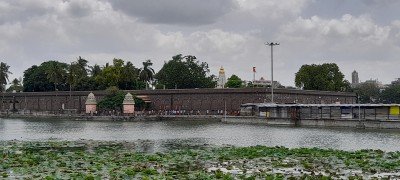
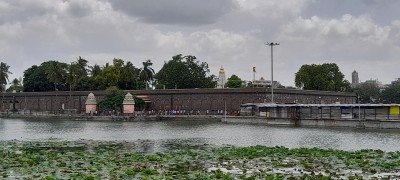
@@Details: The Asar Mahal was built by Mohammed Adil Shah in 1646 to serve as a Hall of Justice. However, it later gained immense religious significance as it became a repository for two hairs from the beard of the Prophet Muhammad. This dual identity makes it both a historical palace and a sacred mosque. The building sits on the eastern edge of the citadel and faces a large square tank that was once used for ablutions. One of the most distinctive features of Asar Mahal is its massive wooden pillars that support the front portico, a departure from the typical stone arches found in the city. The upper floor contains rooms that were once decorated with elaborate Persian-style frescoes, though many have faded over time. Access to certain areas, especially where the relics are kept, is restricted, and women are traditionally not allowed inside the main building. The atmosphere at Asar Mahal is one of quiet devotion and historical mystery. In front of the building, three interconnected tanks provide a cooling effect to the surrounding area. It remains a focal point for the local Muslim community, especially during the annual Urs festival. :
Card image cap
Bara Kaman

@@Details: Bara Kaman is the unfinished mausoleum of Ali Adil Shah II, the eighth sultan of the Adil Shahi dynasty. Started in 1672, it was intended t...

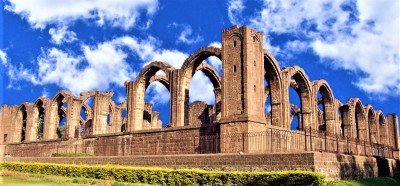
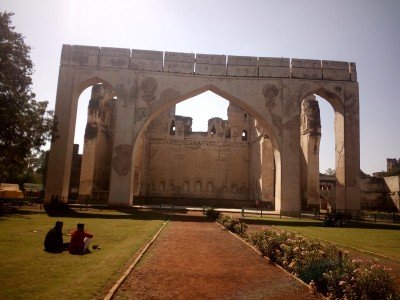
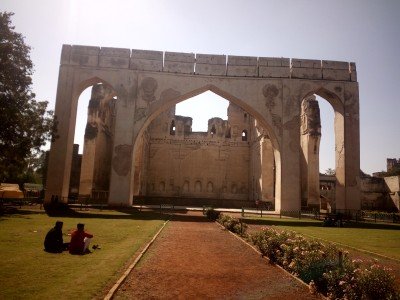
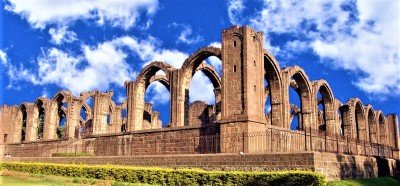
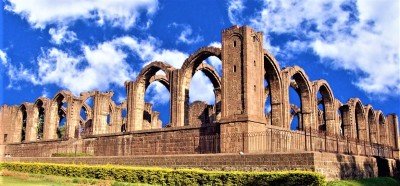
@@Details: Bara Kaman is the unfinished mausoleum of Ali Adil Shah II, the eighth sultan of the Adil Shahi dynasty. Started in 1672, it was intended to be a structure of unparalleled grandeur, designed to surpass even the Gol Gumbaz in scale and beauty. The plan consisted of twelve arches placed both horizontally and vertically around the tomb of the king. However, the construction was abruptly halted after the sultan's death, and only two vertical arches were ever completed. Legend says that the construction was stopped because its shadow would have fallen on the Gol Gumbaz, the tomb of the sultan's father, which was considered disrespectful. Today, the massive stone platform and the standing arches of dark basalt create a hauntingly beautiful silhouette against the sky. The site is a favorite for photographers due to its symmetry and the dramatic play of light through the open-air arches. It sits on a high-raised basement, and the central area contains the tombs of the sultan and his family. The surrounding gardens are well-maintained, providing a quiet retreat right in the middle of the city. Despite being incomplete, Bara Kaman is considered one of the most graceful examples of Indo-Islamic architecture in India. :
Card image cap
Basavana Bagewadi

@@Details: Basavana Bagewadi is a significant pilgrimage center in the Vijayapura district, widely revered as the birthplace of the 12th-century socia...

@@Details: Basavana Bagewadi is a significant pilgrimage center in the Vijayapura district, widely revered as the birthplace of the 12th-century social reformer and philosopher, Lord Basaveshwara. He was the founding saint of the Lingayat faith and a pioneer of the Bhakti movement. The town is steeped in spiritual energy and historical depth, attracting thousands of devotees who come to pay their respects at the sacred Basaveshwara Temple. This temple stands on the exact spot where the saint was born, and the atmosphere remains thick with devotion and peace. Visitors can explore the various shrines within the complex, which are dedicated to different deities like Sangameshwara and Mallikarjuna. The town serves as a living museum of Lingayat culture, where ancient traditions are still practiced with great fervor. Beyond its religious importance, Basavana Bagewadi offers a glimpse into the rural charm of Northern Karnataka, with its fertile lands and simple lifestyle. The local community is deeply connected to the teachings of Basavanna, emphasizing equality and work as worship. A visit here provides a profound understanding of the Vachana literature and the social revolution that shaped the region's identity. It is a place for reflection, learning, and spiritual rejuvenation, making it a cornerstone of the Bijapur heritage circuit.
Card image cap
Basaveshwar Circle

@@Details: Basaveshwar Circle is the most prominent landmark and busiest intersection in the city of Bijapur. Named after the visionary saint Basavesh...

@@Details: Basaveshwar Circle is the most prominent landmark and busiest intersection in the city of Bijapur. Named after the visionary saint Basaveshwara, it serves as a central hub connecting major parts of the city. The circle is dominated by a majestic statue of Lord Basavanna mounted on a horse, symbolizing his leadership and revolutionary spirit. This spot is more than just a traffic junction; it is the pulse of the city's commercial and social life. Surrounding the circle are numerous shops, administrative buildings, and local markets that offer a variety of goods ranging from textiles to traditional handicrafts. During major festivals, especially Basava Jayanthi, the circle is beautifully illuminated and becomes the focal point of grand celebrations and public gatherings. It is a common meeting point for locals and a great place for tourists to observe the daily hustle and bustle of life in Northern Karnataka. The area around the circle is known for its vibrant atmosphere, especially in the evenings when the street lights and neon signs of nearby businesses create a lively urban landscape. It is also a gateway to other major monuments, as many city tours and local transport routes originate or pass through this point. Whether you are looking for a quick snack, a place to shop, or just want to witness the city's energy, Basaveshwar Circle is an essential stop in your Bijapur itinerary.
Card image cap
Begum Mahal

@@Details: Begum Mahal, also referred to as Aisha Begum Mahal, is a hauntingly beautiful residential palace located in the Navraspur area on the outsk...

@@Details: Begum Mahal, also referred to as Aisha Begum Mahal, is a hauntingly beautiful residential palace located in the Navraspur area on the outskirts of Bijapur. Built during the Adil Shahi era, it was primarily intended as a royal retreat or a residence for the queens and ladies of the court. Unlike the grand public monuments of the city, this palace offers a more intimate look at the private lives of the royalty. The structure is currently in ruins, yet its skeletal remains evoke a sense of bygone grandeur and poetic sadness. It is situated near a large lake, which would have provided a cool breeze and a scenic backdrop during its peak. The palace is surrounded by vast open fields, making it a peaceful escape from the crowded city. Visitors can walk through the arched doorways and look up at the remaining parts of the ceiling to see traces of fine stucco work. The history of Aisha Begum, for whom it was named, is shrouded in local legends, often described as a tragic figure or a beloved queen. The site is less frequented by tourists, allowing for a quiet and contemplative visit. It is a perfect spot for those who appreciate "ruin-porn" and historical sites that haven't been over-restored. The surrounding landscape, especially during the monsoon, turns lush green, adding to the charm of this forgotten architectural gem.
Card image cap
Bijapur Fort

@@Details: The Bijapur Fort, also known as the Citadel or Arkilla, is the massive heart of the city's historical defense system. Built by Yusuf Adil S...

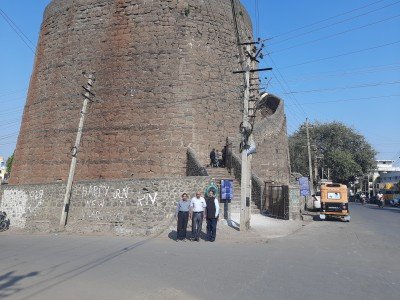
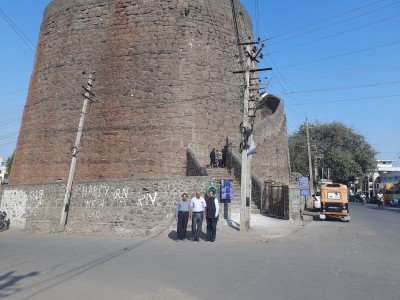
@@Details: The Bijapur Fort, also known as the Citadel or Arkilla, is the massive heart of the city's historical defense system. Built by Yusuf Adil Shah in 1566, it is one of the most formidable fortifications in Southern India. The fort is designed in two concentric circles, with the inner Citadel housing the royal palaces, administrative halls, and private gardens. The outer wall, stretching over 10 kilometers, once protected the entire city of Vijayapura. The fort is famous for its 96 massive bastions, each uniquely designed and heavily armed with cannons during the sultanate's peak. Walking through the fort's massive gateways, like the Mecca Gate, is like stepping back into a time of epic battles and royal splendor. Inside the Citadel, you can find the ruins of the Gagan Mahal, the Sat Manzili, and the Jala Manzil. The moat surrounding the fort, though now partially filled, was once 50 feet wide and filled with water to deter invaders. The fort has witnessed the rise and fall of the Adil Shahi dynasty and was eventually captured by the Mughal Emperor Aurangzeb. Today, it stands as a testament to the engineering brilliance of the medieval period, blending Persian, Turkish, and local Deccani styles. The fort walls provide a panoramic view of the modern city growing around the ancient stone, creating a striking contrast between the old and the new.
Card image cap
Chand Bawdi

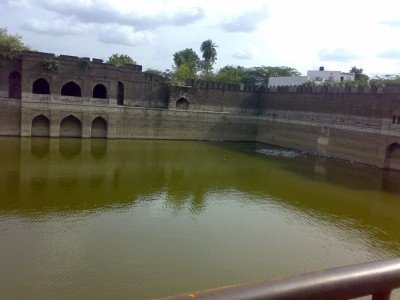
@@Historical Narrative: Chand Bawdi is a magnificent stepwell built by Ali Adil Shah I in 1557 to commemorate his wife, the legendary queen Chand Bibi...
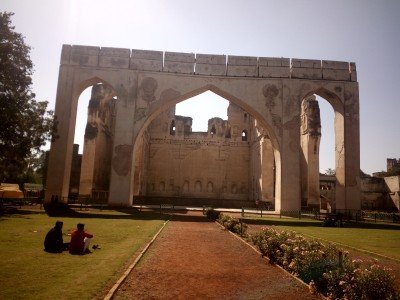
@@Historical Narrative: Chand Bawdi is a magnificent stepwell built by Ali Adil Shah I in 1557 to commemorate his wife, the legendary queen Chand Bibi. This structure was originally designed as a large water tank to cater to the needs of the growing population of Bijapur after the fall of the Vijayanagar Empire. For centuries, it served as a primary source of water and a cool retreat for the royal family during the scorching summer months. The stepwell is surrounded by high walls and features various chambers that were used as rest houses for travelers and soldiers. Despite the passage of time, the structure remains a testament to the advanced hydraulic engineering of the Adil Shahi era. Visitors are often awestruck by the sheer scale of the well and the deep green water that reflects the surrounding stone arches. It is a place where history feels alive, whispering stories of royal processions and thirsty caravans. Today, it stands as a protected monument under the Archaeological Survey of India, attracting those who seek a quiet escape from the city's bustle. The atmosphere at Chand Bawdi is one of serene decay, where the stone walls tell a story of a once-flourishing kingdom. It remains one of the most significant water-harvesting structures in North Karnataka.
Card image cap
Gagan Mahal

@@Royal Durbar: Gagan Mahal, also known as the "Heavenly Palace," was constructed in 1561 by Ali Adil Shah I. It was designed to serve two major purpo...
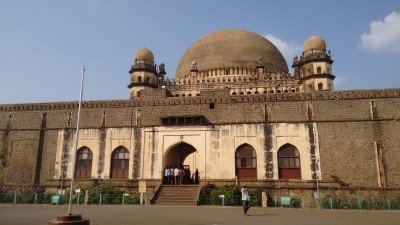
@@Royal Durbar: Gagan Mahal, also known as the "Heavenly Palace," was constructed in 1561 by Ali Adil Shah I. It was designed to serve two major purposes: as a royal residence for the king’s family and as a grand Durbar Hall where the monarch met his subjects and held court. The palace is situated within the historic citadel of Bijapur, surrounded by lush gardens that were once part of the royal pleasure grounds. Historically, this site is famous for being the location where the last king of Bijapur, Sikandar Adil Shah, was brought in silver chains before the Mughal Emperor Aurangzeb. The palace originally featured wooden roofs and balconies that have long since vanished, leaving behind the massive stone skeleton we see today. The ground floor was used for public meetings, while the upper floors provided private quarters for the royal ladies. Its location near the moat and the city walls made it a strategic and aesthetic centerpiece of the capital. Even in its ruined state, the palace commands respect for its bold architectural vision and its role as a silent witness to the rise and fall of the Adil Shahi dynasty. It is now a popular public park where locals and tourists gather to appreciate the sunset against the massive arches.
Card image cap
Gol Gumbaz

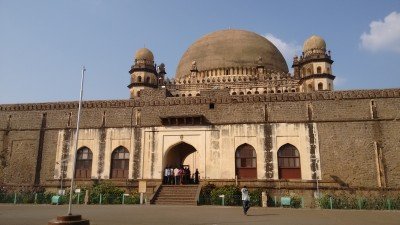
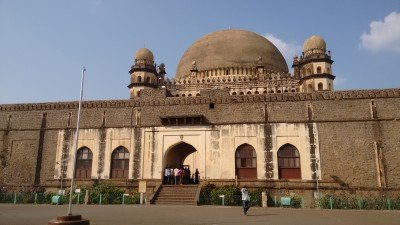
@@The Grand Mausoleum: Gol Gumbaz is the crowning glory of Bijapur and the final resting place of Sultan Mohammed Adil Shah, who ruled from 1627 to 16...

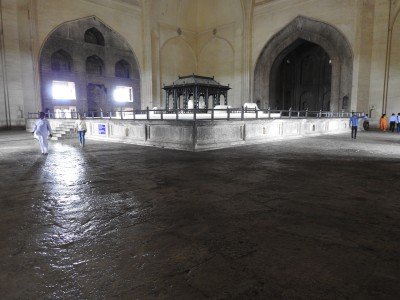
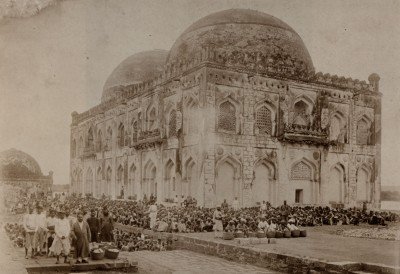
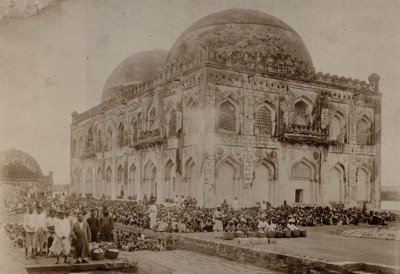
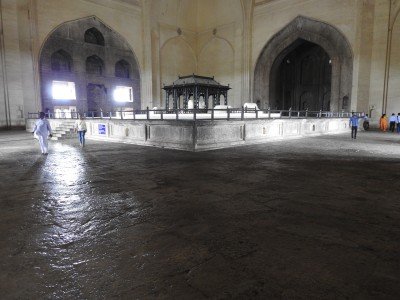
@@The Grand Mausoleum: Gol Gumbaz is the crowning glory of Bijapur and the final resting place of Sultan Mohammed Adil Shah, who ruled from 1627 to 1657. Completed in 1656, this monument is globally renowned for having one of the largest single-chamber spaces in the world. The name translates to "Circular Dome," referring to the massive hemispherical structure that dominates the skyline for miles. The Sultan commissioned this tomb during his lifetime with the ambition of surpassing the beauty of his father’s tomb, the Ibrahim Rauza. Inside, the massive hall covers an area of nearly 18,000 square feet, and it is completely unsupported by pillars. This engineering feat remains a mystery to many modern architects. The most famous feature is the Whispering Gallery, located high up near the dome, where even the softest sound travels across the diameter and echoes multiple times. The complex also includes a mosque, a museum (formerly the Naqqar Khana), and a tavern. The vast gardens surrounding the tomb provide a green contrast to the dark basalt stone. It is not just a tomb but a symbol of the peak of Deccan power and cultural achievement. Thousands of visitors flock here daily to experience the unique acoustics and the sheer scale of the monument.
Card image cap
Hazarat Maqbara

@@The Queen’s Resting Place: Hazarat Maqbara, popularly known as the Jahan Begum Tomb, is a massive but unfinished mausoleum located in Ainapur. It ...
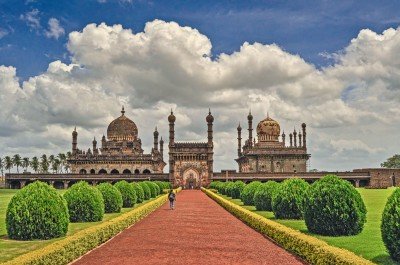
@@The Queen’s Resting Place: Hazarat Maqbara, popularly known as the Jahan Begum Tomb, is a massive but unfinished mausoleum located in Ainapur. It was intended to be the final resting place of Jahan Begum, the wife of Mohammed Adil Shah. Construction began during the mid-17th century but was abruptly halted, likely due to the economic and political instability that preceded the Mughal conquest. The structure is built on a massive elevated platform and follows the traditional Adil Shahi style with octagonal corners and high arches. Although it lacks the finished dome and intricate carvings seen at the Gol Gumbaz, its massive scale gives a clear indication of the Sultan's grand architectural ambitions for his queen. The site is often overlooked by mainstream tourists, which adds to its charm as a "hidden gem." The interior is vast and empty, creating a hauntingly beautiful atmosphere that reflects the "what could have been" of Bijapur's history. The tomb is surrounded by open fields, providing a stark and dramatic view of the stone arches against the horizon. It serves as a poignant reminder of the transience of power and the unfinished dreams of a once-great empire. Local legends say that the queen was deeply involved in the administration, and this tomb was meant to reflect her high status in the court.
Card image cap
Ibrahim Rauza

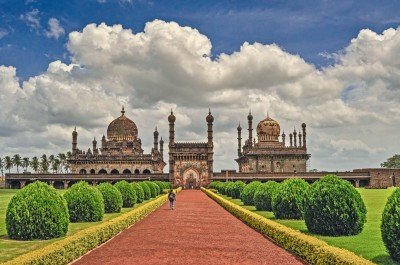
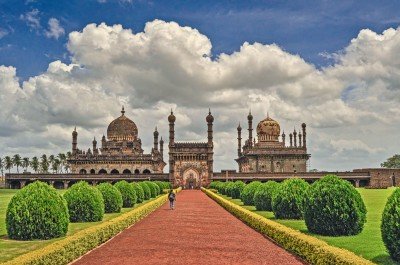
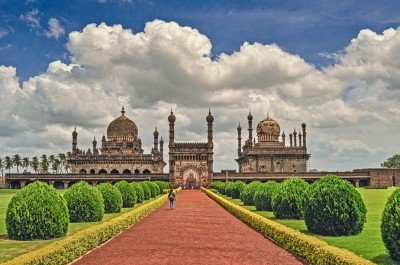
@@The Architectural Jewel: Ibrahim Rauza is frequently hailed as the "Taj Mahal of the South" due to its exquisite beauty and symmetrical design. Buil...

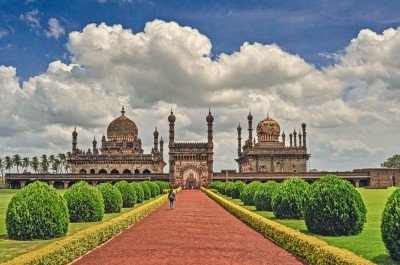
@@The Architectural Jewel: Ibrahim Rauza is frequently hailed as the "Taj Mahal of the South" due to its exquisite beauty and symmetrical design. Built in 1627 by Ibrahim Adil Shah II, it serves as a palatial tomb for the Sultan and his family. The complex consists of two main structures—a tomb and a mosque—facing each other on a high stone platform, separated by a beautiful fountain and water tank. It was designed by the Persian architect Malik Sandal, whose grave is also located within the complex as a sign of respect from the Sultan. The monument is famous for its delicate stone carvings, slender minarets, and heavy stone chains that appear to be carved from a single block. The calligraphy on the walls includes verses from the Quran and poems praising the Sultan’s rule. Ibrahim Adil Shah II was a great patron of the arts and a scholar of music and painting, and his refined taste is evident in every inch of this structure. The gardens are meticulously maintained, following the Charbagh style typical of Islamic architecture. It is said that the beauty of Ibrahim Rauza served as an inspiration for the architects of the Taj Mahal in Agra. The site is a masterpiece of the Indo-Islamic style, blending Persian and local influences seamlessly.
Card image cap
Ibrahim Roza Garden

@@Sub Place Details: Ibrahim Roza Garden is a majestic funerary complex that serves as the final resting place for Sultan Ibrahim Adil Shah II and his...

@@Sub Place Details: Ibrahim Roza Garden is a majestic funerary complex that serves as the final resting place for Sultan Ibrahim Adil Shah II and his family. Often hailed as the Taj Mahal of the South, it predates the Agra monument and is believed to have inspired its symmetrical perfection. The complex sits within a lush, walled garden that provides a tranquil atmosphere away from the city's bustle. It consists of two primary buildings, a tomb and a mosque, facing each other on a single elevated platform. The history of this place is deeply rooted in the Adil Shahi dynasty's golden age of art and culture. Walking through the manicured lawns, visitors can feel the spiritual and aesthetic weight of the 17th-century craftsmanship. The garden was originally designed to reflect the Islamic concept of paradise, featuring water channels and symmetrical pathways. Today, it remains one of the most well-preserved heritage sites in India, attracting historians and tourists alike. The peaceful environment makes it ideal for slow walks and deep reflection on medieval history.
Card image cap
Jal Mandir

@@Sub Place Details: Jal Mandir, or the Water Temple, is a delicate and beautiful structure located in the heart of the ancient Citadel of Bijapur. De...

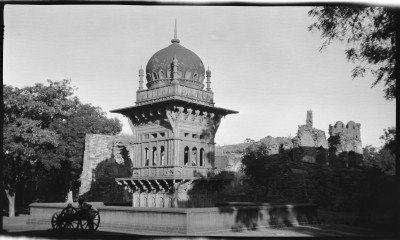
@@Sub Place Details: Jal Mandir, or the Water Temple, is a delicate and beautiful structure located in the heart of the ancient Citadel of Bijapur. Despite its name, it was not a temple in the religious sense but a pleasure pavilion or a "cool room" built for the royalty of the Adil Shahi dynasty. It is situated in the middle of a small pond, which was once filled with fresh water to keep the surroundings cool during the scorching Deccan summers. The structure is small but intricately designed, reflecting the high artistic taste of the 16th-century rulers. Legend says that it was used by the kings for private meetings or as a place to enjoy music and poetry over the water. Today, the pond is often dry or shallow, but the stone pavilion remains a testament to the advanced hydraulic engineering of that era. It is surrounded by the ruins of other palaces like Gagan Mahal and Sat Manzil. Visiting Jal Mandir gives one a sense of the luxury and refined lifestyle that the sultans enjoyed within the fortified walls of the city. It is a quiet spot, often overlooked by major tour groups, making it a peaceful stop for heritage lovers.
Card image cap
Jala Manzil

@@Sub Place Details: Jala Manzil is another exquisite water-themed structure within the Adil Shahi royal enclosure. While often confused with Jal Mand...

@@Sub Place Details: Jala Manzil is another exquisite water-themed structure within the Adil Shahi royal enclosure. While often confused with Jal Mandir, Jala Manzil was a more substantial residence or a "Water Palace" used for summer retreats. It was designed to be surrounded by water on all sides, acting as a natural air-conditioning system for the royal family. The palace is currently in a state of ruin, but its remaining arches and walls still showcase the grandeur of Bijapur's past. It was part of a larger complex of gardens, fountains, and tanks that defined the Citadel. History suggests that the water was pumped from the nearby Taj Bawdi or other large wells to fill the moats around this palace. The peaceful setting of Jala Manzil reflects the sultan's appreciation for aesthetics and comfort. It is a place where one can truly understand the urban planning skills of the Adil Shahis, who managed to create lush, cool environments in the dry Deccan landscape. Exploring these ruins allows visitors to step back into a world of royal courts and ancient luxury. It is a must-visit for those interested in Islamic architecture and the history of the Deccan Sultanates.
Card image cap
Jama Masjid

@@Sub Place Details: The Jama Masjid of Bijapur is one of the oldest and largest mosques in the Deccan. Built by Ali Adil Shah I in 1576 to commemorat...

@@Sub Place Details: The Jama Masjid of Bijapur is one of the oldest and largest mosques in the Deccan. Built by Ali Adil Shah I in 1576 to commemorate his victory in the Battle of Talikota, it remains an active place of worship today. The mosque is famous for its massive proportions and its austere yet grand design. It was never fully completed; the two minarets that were planned for the entrance were never built. Despite this, the central dome and the vast prayer hall are architectural marvels. The floor of the main hall is divided into 2,250 rectangular black squares, each representing a prayer mat for a single worshiper. These were added by the Mughal Emperor Aurangzeb later on. The mosque's Mihrab (prayer niche) is the most decorated part, gilded with gold and covered in Persian verses. The courtyard is huge and features a central fountain for ablutions. The mosque reflects the spiritual and political power of the Adil Shahi kingdom at its peak. It is a place of great serenity, where the silence is only broken by the call to prayer. Visitors are welcomed to witness the blend of faith and history that has stood for over four centuries.
Card image cap
Jod Gumbaz

@@Sub Place Details: Jod Gumbaz, meaning "Twin Domes," is a unique funerary complex built in the late 17th Century. It contains the tombs of Khan Muha...

@@Sub Place Details: Jod Gumbaz, meaning "Twin Domes," is a unique funerary complex built in the late 17th Century. It contains the tombs of Khan Muhammad and his spiritual advisor Abdul Razzaq Qadiri. Unlike many other tombs in Bijapur, these two are placed on a very high elevated platform. The history of Khan Muhammad is quite controversial; he was an Adil Shahi general who was assassinated for allegedly helping the Mughal Emperor Aurangzeb. Ironically, it was Aurangzeb who ordered the construction of this grand tomb for him using the local taxes of Bijapur. The complex is beautifully maintained by the ASI and is surrounded by lush gardens. The two domes are distinct in size but similar in style, creating a harmonious silhouette. During the British era, the tomb of Khan Muhammad was actually used as an office and a residence for judges, which helped in its preservation. Today, the tomb of Abdul Razzaq is revered as a Dargah (shrine) and attracts many devotees seeking blessings. The site is a perfect example of the transition from late Adil Shahi to early Mughal architectural influence in the region.
Card image cap
Khwaja Amin Dargah

@@Sub Place Details: Khwaja Amin Dargah, also known as the shrine of Hazrat Khwaja Aminuddin Ali Ala, is one of the most spiritually significant sites...

@@Sub Place Details: Khwaja Amin Dargah, also known as the shrine of Hazrat Khwaja Aminuddin Ali Ala, is one of the most spiritually significant sites in the Deccan region. Khwaja Amin was a prominent Sufi saint of the Chishti order during the 17th century, following the lineage of his father Shah Burhanuddin Janam. The shrine is not just a place of worship but a historical center for Dakhani Urdu literature, as the saint himself was a renowned scholar and poet. Perched on a hill, the Dargah offers a panoramic view of the ancient city of Bijapur. The atmosphere here is deeply meditative, filled with the scent of incense and the rhythmic sounds of devotional prayers. Legend has it that the saint possessed miraculous powers, including the ability to walk on water. The architecture of the shrine is characterized by its large, graceful dome and white-washed walls that symbolize purity. Throughout history, the Dargah has been a bridge between different communities, fostering a culture of harmony and inclusivity. The site also features several smaller tombs of the saint's disciples and family members. Visitors often come here to find solace and seek fulfillment of their prayers. The climb to the hilltop provides a sense of pilgrimage and detachment from the bustling city below. It remains a vital part of the city's living heritage, where ancient traditions are still practiced with modern fervor. The shrine's importance in the Sufi circuit is comparable to the great shrines of Gulbarga and Ajmer.
Card image cap
Kudala Sangama

@@Sub Place Details: Kudala Sangama is one of the most important pilgrimage centers for the Lingayat community and a site of immense historical and na...

@@Sub Place Details: Kudala Sangama is one of the most important pilgrimage centers for the Lingayat community and a site of immense historical and natural beauty. It marks the confluence of the Krishna and Malaprabha rivers. This sacred spot is where the 12th-century social reformer, philosopher, and poet Basavanna spent his early years and finally achieved Aikya (union with God). The site is centered around the Sangamanatha Temple, dedicated to Lord Shiva. One of the most unique features is the Aikya Mantapa, the holy Samadhi of Basavanna, which is protected by a massive cylindrical cement structure to prevent it from being submerged by the backwaters of the Almatti Dam. The entire complex has been beautifully developed by the Kudala Sangama Development Board, featuring lush gardens, a massive auditorium, and a world-class museum. The Basava Gopura, a 200-foot-high tower, serves as a landmark visible from miles away. For followers of the Sharana movement, this is the "Kashi" of the South. The riverbanks are peaceful, providing a perfect setting for meditation and spiritual retreats. The blend of ancient Chalukyan architecture with modern engineering marvels makes it a fascinating destination for both pilgrims and history enthusiasts. The vachanas (poems) of Basavanna frequently mention Kudala Sangamanatha, immortalizing this place in Kannada literature. Visitors can also take boat rides to the point where the two rivers meet, experiencing the power of nature and spirituality combined. The site serves as a reminder of the revolutionary social reforms of the 12th century that promoted equality and devotion.
Card image cap
Malik-e-Maidan

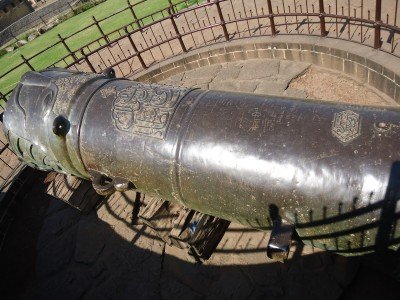
@@Sub Place Details: Malik-e-Maidan, which translates to "Lord of the Battlefield," is an awe-inspiring piece of medieval military engineering. This m...

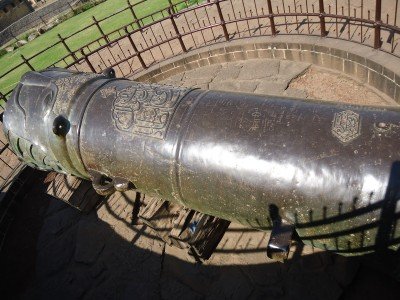
@@Sub Place Details: Malik-e-Maidan, which translates to "Lord of the Battlefield," is an awe-inspiring piece of medieval military engineering. This massive cannon, cast in 1549 by Muhammad Bin Husain Rumi, is one of the largest surviving pieces of bronze artillery in the world. It was originally a trophy of war brought from Ahmadnagar by 400 oxen and 10 elephants. The cannon played a decisive role in the historic Battle of Talikota in 1565, where the Deccan Sultanates defeated the Vijayanagara Empire. It is made of "Panchaloha" or five-metal alloy (bell metal), which gives it a unique property—it remains cool even under the scorching sun of Karnataka and produces a bell-like sound when struck. The muzzle of the cannon is masterfully carved into the shape of a lion's head with open jaws, seemingly swallowing an elephant. This symbolism was meant to intimidate enemies and showcase the power of the Adil Shahi dynasty. It sits atop the Sherza Burj, a bastion specifically reinforced to bear its 55-ton weight. Historical accounts suggest that the gunner had to dive into a nearby water tank upon firing to protect his eardrums from the deafening blast. The cannon bears three inscriptions, one of which was added by the Mughal Emperor Aurangzeb after his conquest of Bijapur. In the 19th century, the British attempted to take it to England as a trophy, but the logistics of moving such a massive object proved impossible. Today, it stands as a silent sentinel over the city, attracting thousands of tourists who marvel at its size and the intricate craftsmanship of its decorations.
Card image cap
Mecca Gate

@@Details: The Mecca Gate, also known as the Mecca Darwaza, is one of the most significant historical entrances among the five main gates of the forti...

@@Details: The Mecca Gate, also known as the Mecca Darwaza, is one of the most significant historical entrances among the five main gates of the fortified city of Bijapur. This massive gateway was primarily used as the starting point for pilgrims traveling toward the holy city of Mecca, hence its name. Built during the Adil Shahi dynasty, it stands as a sentinel of the city’s glorious past, reflecting the military and religious priorities of the era. The gate is intricately linked to the Ibrahim Rauza complex, which lies just outside its perimeter. Historically, this gate was the most guarded and decorated entrance because it faced the west, the direction of prayer (Qibla). It served not just as a defensive barrier but also as a symbolic transition point between the urban life of the Sultanate and the spiritual journey of the Hajj. Over the centuries, the gate has witnessed the rise and fall of various rulers, from the Adil Shahis to the Mughals under Aurangzeb. Today, it remains a sturdy example of Deccan fortification, standing tall despite the ravages of time. Tourists often pass through this gate to reach the famous Ibrahim Rauza, making it a vital part of the city's heritage circuit. The surrounding walls and bastions provide a glimpse into the sophisticated urban planning of the 16th and 17th centuries. It is a place where history feels tangible, echoing with the sounds of marching armies and departing caravans.
Card image cap
Mehtar Mahal

@@Details: Mehtar Mahal is not actually a palace but an ornamental gateway leading to a small mosque. Built in 1620 AD during the reign of Ibrahim Adi...

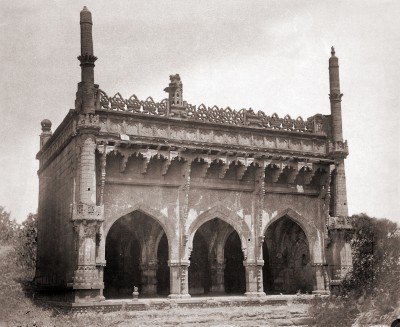
@@Details: Mehtar Mahal is not actually a palace but an ornamental gateway leading to a small mosque. Built in 1620 AD during the reign of Ibrahim Adil Shah II, it is one of the most delicately carved structures in Bijapur. The name "Mehtar" translates to "Sweeper," and legend has it that the building was funded by a court sweeper (or a fakir) whom the King had rewarded with a large sum of gold. Despite its modest size, it rivals the most famous monuments of India in terms of architectural finesse. The structure consists of three stories and is famous for its stone-carved balconies and brackets. The level of detail on the stone mimics woodwork, showing the incredible skill of the artisans of that era. The mosque behind the gate, though small, is equally beautiful and remains a place of worship for the local community. The architecture is a fusion of Indo-Saracenic and Hindu styles, with motifs of swans and lions integrated into the Islamic design. It stands as a testament to the secular and artistic nature of the Adil Shahi rulers. Visiting this monument feels like stepping into a jewelry box of stone, where every inch is covered in artistic expression. It is often overshadowed by the Gol Gumbaz, but for those who appreciate fine details, it is an unmissable stop in Bijapur. The building has survived remarkably well, retaining its sharp carvings and structural integrity for over 400 years.
Card image cap
Pani Mahal

@@Details: Pani Mahal, or the Water Palace, is a serene and atmospheric ruin located in the heart of the Bijapur Citadel. Built during the Adil Shahi ...

@@Details: Pani Mahal, or the Water Palace, is a serene and atmospheric ruin located in the heart of the Bijapur Citadel. Built during the Adil Shahi period, likely in the late 16th century, it served as a private pavilion for the royals to relax and escape the Deccan heat. The palace was originally surrounded by water tanks and fountains, creating a cooling microclimate. It is part of a larger complex of royal buildings that includes the Anand Mahal and Gagan Mahal. Though much of the palace is now in ruins, the skeletal structure still reveals its former beauty. It features graceful arches and a balcony that overlooks what used to be a lush garden and a large water body. The palace was designed to be aesthetically pleasing and functional, with an advanced water supply system that utilized clay pipes to bring water from nearby reservoirs. Historically, it was a place for leisure, poetry recitals, and private royal gatherings. Walking through the ruins today, one can imagine the luxury of the Sultanate era. The site is relatively quiet compared to the Gol Gumbaz, making it a perfect spot for those who want to experience the "silent history" of Bijapur. The surrounding greenery and the remnants of the water channels provide a glimpse into the sophisticated landscape architecture of the Adil Shahis. It is a must-visit for anyone interested in the private lives and leisure activities of the medieval Indian royalty.
Card image cap
Saat Manzil

@@Details: Saat Manzil, which literally means "Seven Stories," was a grand palace built by Ibrahim Adil Shah II in 1583 AD. It served as a royal resid...

@@Details: Saat Manzil, which literally means "Seven Stories," was a grand palace built by Ibrahim Adil Shah II in 1583 AD. It served as a royal residence and a pleasure pavilion within the high-security Arkilla (Citadel). Although it was originally seven stories high, only five stories remain standing today, with the upper two having collapsed over time. The building is unique for its verticality in a city known for its horizontal expanse. Each floor was designed for different purposes—some for private living, others for entertaining, and the topmost floors to catch the cool breeze. The palace was once lavishly decorated with gold leaf, murals, and intricate stucco work. Legend says the Sultan could view the entire city and even distant monuments from the top floor. Interestingly, the building was connected to a sophisticated water system that supplied water to ornamental baths on various levels. Today, it stands as a slightly dilapidated but imposing structure, offering a hauntingly beautiful silhouette. It is currently used for some government offices, so entry to the interiors is often restricted, but the exterior view is a highlight of the Citadel tour. It represents the height of luxury and the architectural ambition of the Adil Shahi dynasty before the decline of the Sultanate.
Show All

Note:-

Information provided here in good Faith and for reference only.

All information and pictures will be updated soon, please keep visiting.

Near Places
...
Badami

Some quick example text to build on the card title and make up the bulk of the card's content.

Go somewhere
...
Bandipur National Park

Some quick example text to build on the card title and make up the bulk of the card's content.

Go somewhere
...
Belagavi

Some quick example text to build on the card title and make up the bulk of the card's content.

Go somewhere
...
Belur, Karnataka

Some quick example text to build on the card title and make up the bulk of the card's content.

Go somewhere
...
Belur

Some quick example text to build on the card title and make up the bulk of the card's content.

Go somewhere
...
Bengaluru

Some quick example text to build on the card title and make up the bulk of the card's content.

Go somewhere
...
Bidar

Some quick example text to build on the card title and make up the bulk of the card's content.

Go somewhere
...
Bijapur

Some quick example text to build on the card title and make up the bulk of the card's content.

Go somewhere
...
Chamarajanagar

Some quick example text to build on the card title and make up the bulk of the card's content.

Go somewhere
...
Chikkaballapur

Some quick example text to build on the card title and make up the bulk of the card's content.

Go somewhere
in Other Cities