...

Place To Visit And Things To Do In Kailashahar

Tripura, India
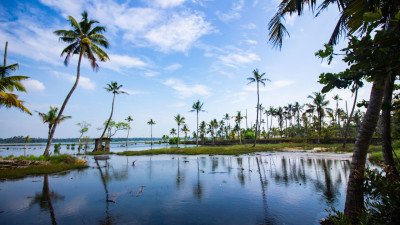
Historical Roots: Kailashahar is the former capital of the Kingdom of Tripura. It is a town steeped in antiquity, with its history reaching back to the 7th century. The town serves as the base for visiting the world-famous Unakoti rock-cut carvings. The name 'Kailashahar' itself suggests a city of L ord Shiva (Kailash). Natural Backdrop: The town is nestled amidst tea gardens and green hills. The Manu River flows nearby, adding to the scenic charm of the location. The landscape is a beautiful mix of urban settlements and sprawling estates, providing a picturesque setting for travelers. Cultural Center: It is a vibrant center for art and culture. The local community is a mix of various ethnicities, leading to a rich tapestry of languages, food, and traditions. The town is particularly famous for its grand celebrations of Durga Puja, which rival those of Agartala. Gateway to Adventure: Beyond history, Kailashahar offers opportunities for eco-tourism and trekking. The nearby forests and hills are part of the larger North Tripura biodiversity zone, home to various species of primates and birds.

Things To Do

Card image cap
Boulapassa Wall Art

@@Details: This site in Boulapassa village near Kailashahar is a testament to the local artistic talent, featuring large, vibrant murals and graffiti ...

@@Details: This site in Boulapassa village near Kailashahar is a testament to the local artistic talent, featuring large, vibrant murals and graffiti that often depict local life, mythological scenes, and social messages, making it a unique outdoor art gallery and an evolving cultural hub for the youth and local artists to express themselves, showcasing a modern yet rooted form of creative expression distinct from the ancient carvings of nearby Unakoti, and serves as a colorful landmark in the area, contributing significantly to the aesthetic appeal and contemporary cultural landscape of Kailashahar:
Card image cap
Chouddo Devotar Temple

@@A Testament to Tripuri Culture: This sacred temple is dedicated to the 14 deities (or Chouddo Devata) revered by the indigenous Tripuri community, r...
@@A Testament to Tripuri Culture: This sacred temple is dedicated to the 14 deities (or Chouddo Devata) revered by the indigenous Tripuri community, representing the mother deity, Ama (or Tripuri), and her 13 other forms. The worship of these deities is central to the state's cultural and religious identity. The temple is situated in a tranquil location, often atop a hill, with a peaceful atmosphere. It is a historical site that holds immense value for understanding the ancient kings and their religious syncretism, making it a critical hub for both tribal and non-tribal religious practices. The structure itself is a simple but deeply respected symbol of the region's spiritual heritage.:
Card image cap
Deb Place

@@Details: Deb Place is an important historical and cultural site, often cited as a former residential or administrative block of the local royal or l...

@@Details: Deb Place is an important historical and cultural site, often cited as a former residential or administrative block of the local royal or landowning families (Deb being a common title or surname), standing near the significant Bhairav Thali area, believed to be connected to the former royal lineage of Tripura (Manikya dynasty) or powerful local chieftains; its ruins or remaining structures provide a valuable, tangible link to the town's past as an ancient capital (Chambulnagar), offering visitors a glimpse into the region's socio-political history during pre-modern times and serving as a quiet reminder of bygone eras:
Card image cap
Ham Ham Waterfall

@@A Hidden Natural Wonder: The Ham Ham Waterfall is one of Tripura's relatively unexplored natural attractions, renowned for its pristine beauty and s...

@@A Hidden Natural Wonder: The Ham Ham Waterfall is one of Tripura's relatively unexplored natural attractions, renowned for its pristine beauty and secluded location within a dense forest. It is a stunning, multi-tiered cascade that requires a degree of adventurous spirit and trekking to reach, making the journey an integral part of the experience. The remoteness of the site ensures that the natural environment remains largely untouched and pollution-free. It offers a refreshing and invigorating escape from the urban environment, and its discovery is a rewarding experience for nature lovers and trekkers. Local guides are often essential due to the dense forest trails.:
Card image cap
Juri River Bank

@@Details: The Juri River, a vital tributary of the Kushiyara River, is the lifeblood of Kailashahar town, and its banks offer a serene, accessible pu...

@@Details: The Juri River, a vital tributary of the Kushiyara River, is the lifeblood of Kailashahar town, and its banks offer a serene, accessible public space; the river itself plays a significant role in the town's history and commerce, with the bank serving as a central point for local activity, including daily life, religious ceremonies, and a picturesque spot for evening strolls; it is an ideal location to observe the daily rhythm and culture of the town, from fishermen to devotees, and to appreciate the tranquil environment of a riverine settlement in the northeastern region of India:
Card image cap
Kailashahar Airport

@@Details: The Old Kailashahar Airport (IXH/VEKR) is a non-operational airfield with profound historical significance, notably serving as a critical s...

@@Details: The Old Kailashahar Airport (IXH/VEKR) is a non-operational airfield with profound historical significance, notably serving as a critical strategic airbase during World War II and, more importantly, as the launchpad for the Mukti Bahini's legendary 'Kilo Flight' during the 1971 Bangladesh Liberation War; the abandoned site, with its single, decaying asphalt runway, is currently undergoing discussions for revival under the UDAN scheme and as a potential strategic defense outpost, making it a powerful symbol of the region's geopolitical history and a monument to the shared struggle for liberation:
Card image cap
Kailashahar Palace

@@Details: The Kailashahar Palace Ruins are the decayed remains of what was once the royal seat and capital (Chambulnagar) of the ancient Tripuri King...

@@Details: The Kailashahar Palace Ruins are the decayed remains of what was once the royal seat and capital (Chambulnagar) of the ancient Tripuri Kingdom under the early Manikya dynasty, possibly dating back to the 7th century under King Adi-Dharmapha; though mostly reduced to foundations and fragments of walls today, the site holds immense historical and cultural value, offering archeologists and historians tangible evidence of the town's historical importance before the capital was shifted, making it a key destination for understanding the region's royal heritage and pre-modern history:
Card image cap
Khowrabil Lake

@@Details: Khowrabil Lake (also spelled Khaorabil) is a large, historic water body and marshy area near Kailashahar, fed by streams like Jarail Cherra...

@@Details: Khowrabil Lake (also spelled Khaorabil) is a large, historic water body and marshy area near Kailashahar, fed by streams like Jarail Cherra and Bagua Cherra, which has been a center of community life and commerce since the royal era, with records suggesting Maharaja Indra Manikya may have briefly resided near it; today, it is recognized as a significant local wetland, supporting diverse flora and fauna, making it a picturesque spot for quiet recreation, fishing, and bird-watching, though it is currently an uncared-for spot with great potential for eco-tourism development:
Card image cap
Lakhi Narayan Bari Temple

@@Historical and Religious Significance: This revered Hindu temple is primarily dedicated to Lord Laxminarayan (a combined form of Lord Vishnu and God...

@@Historical and Religious Significance: This revered Hindu temple is primarily dedicated to Lord Laxminarayan (a combined form of Lord Vishnu and Goddess Lakshmi) and also enshrines a popular idol of Lord Krishna. It is a testament to Tripura's rich spiritual tradition and a protected monument, believed to have been built with financial help from the royal family of Tripura. The site offers a profound sense of peace and is a key center for local religious life, drawing devotees throughout the year. The complex also features a large, serene lake, enhancing its tranquil atmosphere. It represents the enduring legacy of the Tripuri kingdom's patronage of faith.:
Card image cap
Manu River Bank

@@The Town's Waterway and Lifeline: The Manu River is the longest river in Tripura and flows right through Kailashahar, providing the town with its ge...
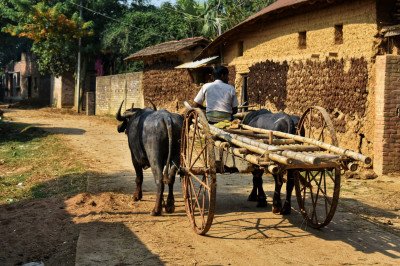
@@The Town's Waterway and Lifeline: The Manu River is the longest river in Tripura and flows right through Kailashahar, providing the town with its geographical identity and historical significance. The riverbank offers a tranquil, easily accessible space for local recreation and contemplation. Historically, the river served as a major transport route and the source of life for the ancient capital. The sight of local boats, the gentle flow of the water, and the life unfolding on its banks offer a peaceful, authentic glimpse into the daily life of Kailashahar residents, who rely on it for fishing, washing, and cultural practices. It is a perfect spot to relax after a day of sightseeing.:
Card image cap
Manubankul Village

@@A Hub of Buddhist Pilgrimage: Manubankul is famous primarily as the location of the revered Mahamuni Pagoda (or Temple), a major Buddhist shrine. It...

@@A Hub of Buddhist Pilgrimage: Manubankul is famous primarily as the location of the revered Mahamuni Pagoda (or Temple), a major Buddhist shrine. It draws pilgrims and tourists not only from different parts of India but also from neighboring countries like Bangladesh, Myanmar, Sri Lanka, and Thailand. The village's identity is deeply intertwined with this temple, which creates an aura of sublime divinity and peace. The surroundings are serene, providing an excellent environment for meditation and spiritual retreat. The village life here offers a glimpse into the diverse cultural fabric of Tripura, where different communities coexist.:
Card image cap
Soteromiar Hawor

@@A Unique Wetland Ecosystem: Soteromiar Hawor is a vast, ecologically significant marshy area (wetland) formed by the confluence of two local streams...
@@A Unique Wetland Ecosystem: Soteromiar Hawor is a vast, ecologically significant marshy area (wetland) formed by the confluence of two local streams: the Jarail Cherra and the Bagua Cherra. It is a major biodiversity spot, especially known for its unique aquatic flora and fauna. The area's name, meaning "marsh of seventeen Mias," stems from a local legend about 17 Muslim individuals (Mias) whose boats sank here, giving the place a somber yet intriguing historical folk narrative. The entire region is characterized by a waterlogged field that transforms with the seasons, offering different ecological experiences throughout the year. The government is exploring making it a protected area.:
Card image cap
Tea Estates

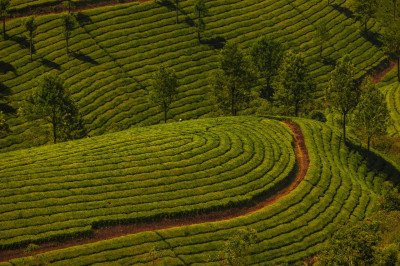
@@Tripura's Rich Tea History: The local Tea Estates around Kailashahar are a significant part of Tripura's agro-economic and colonial history. The fir...

@@Tripura's Rich Tea History: The local Tea Estates around Kailashahar are a significant part of Tripura's agro-economic and colonial history. The first tea garden in Tripura, the Hirachara Tea Estate, was established here in 1916 under the royal administration. The region is known for producing high-quality tea, including organic varieties. The sprawling, perfectly manicured green plantations offer a stunning contrast to the wilder natural forests. Visiting these estates provides an insight into the processes of tea cultivation and manufacturing, from the tender tea leaf to the finished product, and supports the local tea industry.:
Card image cap
Unakoti Festival Ground

@@A Designated Hub for Pilgrimage: The Unakoti Festival Ground is the large, open, usually grassy area adjacent to the famous Unakoti Heritage Site. I...

@@A Designated Hub for Pilgrimage: The Unakoti Festival Ground is the large, open, usually grassy area adjacent to the famous Unakoti Heritage Site. It is the dedicated site for hosting the massive fairs (Melas) and cultural programs associated with the ancient pilgrimage spot, most notably the Ashokastami Mela. Outside of festival times, it serves as an open space for local recreation and a staging ground for site maintenance. During the main festival, it transforms into a temporary city, bustling with vendors, cultural stages, and thousands of pilgrims. It is the logistical heart of the religious events tied to the magnificent rock-cut sculptures.:
Card image cap
Unakoti Heritage Site

@@Ancient Rock-Cut Marvel: Unakoti is a globally significant, ancient Shaivite (dedicated to Lord Shiva) pilgrimage site, dating back to the 7th-9th c...

@@Ancient Rock-Cut Marvel: Unakoti is a globally significant, ancient Shaivite (dedicated to Lord Shiva) pilgrimage site, dating back to the 7th-9th centuries CE. Its name literally means "one less than a crore" (i.e., 9,999,999), based on the legend that Lord Shiva cursed a crore of accompanying gods and goddesses to turn into stone images when they failed to wake up for the journey to Kashi. The site is a dense cluster of magnificent rock-cut sculptures and stone images set amidst a beautifully landscaped forest area, making it a powerful blend of primitive art and natural beauty. It is on the tentative list for UNESCO World Heritage Status, testifying to its universal value.:
Show All

Note:-

Information provided here in good Faith and for reference only.

All information and pictures will be updated soon, please keep visiting.

Near Places

...
Boxanagar

Some quick example text to build on the card title and make up the bulk of the card's content.

Go somewhere
...
Kailasahar

Some quick example text to build on the card title and make up the bulk of the card's content.

Go somewhere
...
Udaipur, Tripura

Some quick example text to build on the card title and make up the bulk of the card's content.

Go somewhere
in Other Cities