

Pilak
General information
-
Ideal Duration:
4 to 6 HoursPlace Type:
Archaeological & Historical SiteEntry Fees:
Place Entry Fees:
Standard Entry: Currently, there is no major entry fee for visiting the open archaeological sites, though some specific excavated areas might have a nominal charge of 10-20 Rupees.
Camera Charge...Place Entry Fees:
Standard Entry: Currently, there is no major entry fee for visiting the open archaeological sites, though some specific excavated areas might have a nominal charge of 10-20 Rupees.
Camera Charges: Professional videography or commercial photography may require prior permission from the Archaeological Survey of India (ASI) and associated fees.Timing:
Place Timings:
Regular Timings: The site is generally open from 9:00 AM to 5:00 PM every day. It is best to visit during daylight hours to see the carvings clearly.
Ideal Visit Time: The morning hours betwee...Place Timings:
Regular Timings: The site is generally open from 9:00 AM to 5:00 PM every day. It is best to visit during daylight hours to see the carvings clearly.
Ideal Visit Time: The morning hours between 9:00 AM and 11:30 AM are ideal to avoid the afternoon sun and to get the best lighting for viewing the rock-cut sculptures.Special Events:
Place Special Event:
Pilak Festival: A grand three-day festival held in February or March every year, featuring local folk dances, cultural programs, and food stalls.
Archaeology Week: Special exhibitions and...Place Special Event:
Pilak Festival: A grand three-day festival held in February or March every year, featuring local folk dances, cultural programs, and food stalls.
Archaeology Week: Special exhibitions and guided tours are organized by the state tourism department to promote the heritage value of the site among students.Best Photo Spots:
Place Best Photo Spots:
The Surya Image: The 10-foot tall sandstone sculpture of the Sun God is the most iconic spot for a photograph, especially with the morning light hitting the carvings.
Terracotta Walls:...Place Best Photo Spots:
The Surya Image: The 10-foot tall sandstone sculpture of the Sun God is the most iconic spot for a photograph, especially with the morning light hitting the carvings.
Terracotta Walls: Close-up shots of the Kinnaras and other mythological figures on the brick walls provide a textured and artistic background for photography enthusiasts.
Green Valleys: The panoramic view of the excavations set against the backdrop of the lush green mounds of Jolaibari is a must-capture for landscape photographers.Photo Gallery
Things To Do
 @@Park Overview: Kalapania Nature Park is a breathtaking eco-tourism destination located near the Sabroom border. Established in 2004 over 21 hectares, it transformed deserted hilly terrain into a lush paradise. The park features a stunning central lake with crystal-clear blue water, surrounded by green-capped hillocks and vibrant floral gardens. It serves as a vital lung for the region, offering a tranquil escape for nature lovers and families. The park is meticulously maintained by the Tripura Forest Department and provides a perfect blend of biodiversity and recreation. Visitors can explore various sections of the park, including the nature interpretation center and children's play zones. The atmosphere is consistently cool due to the dense canopy of trees and the large water body. It is a prime example of successful ecological restoration in North East India.
@@Historical Details: Pilak Historical Palace, often referred to as the Shyam Sundar Tilla excavation site, is a world-renowned archaeological treasure. Dating back to the 8th to 12th centuries, this site represents a unique fusion of Hindu and Buddhist cultures. The "Palace" is actually a series of excavated mounds that have revealed ancient temples, stupas, and residential complexes. It was part of the ancient Samatata kingdom. Archaeologists have unearthed magnificent stone carvings of Avalokiteswara, Buddha, and various Hindu deities like Shiva and Surya. The site is famous for its large terracotta plaques that adorn the base of the structures, depicting scenes from daily life and mythology. Walking through Pilak is like stepping back a millennium into a time of religious harmony. The site is spread over several square kilometers, with Shyam Sundar Tilla being the most prominent. It is protected by the Archaeological Survey of India (ASI) and continues to yield new discoveries.
Thakurani Tilla is a unique archaeological site within the Pilak region that highlights the seamless blend of Hindu and Buddhist traditions. This mound is famous for being the discovery site of several significant stone sculptures, including depictions of the Sun God Surya and various Buddhist deities. The site is nestled near the Satchand Reserve Forest, providing a natural canopy that adds to its mystical and ancient atmosphere. Historically, it served as a major center for religious activities where different sects coexisted without conflict, a rare feat in the medieval period. The excavations at this tilla have unearthed foundations of ancient temples and residential quarters for priests or monks. Each layer of soil removed here has revealed a new chapter of Tripura's glorious past, from the 8th to the 12th century. The site is particularly important for its collection of sandstone carvings which show a distinct Arakanese influence from Myanmar. It is a place that requires a keen eye to appreciate the subtle details in the weathered stone and the precision of the ancient masons. For those seeking a deeper understanding of religious evolution, this tilla offers unparalleled insights. The surrounding forest area makes the visit even more rewarding for nature enthusiasts.
@@Park Overview: Kalapania Nature Park is a breathtaking eco-tourism destination located near the Sabroom border. Established in 2004 over 21 hectares, it transformed deserted hilly terrain into a lush paradise. The park features a stunning central lake with crystal-clear blue water, surrounded by green-capped hillocks and vibrant floral gardens. It serves as a vital lung for the region, offering a tranquil escape for nature lovers and families. The park is meticulously maintained by the Tripura Forest Department and provides a perfect blend of biodiversity and recreation. Visitors can explore various sections of the park, including the nature interpretation center and children's play zones. The atmosphere is consistently cool due to the dense canopy of trees and the large water body. It is a prime example of successful ecological restoration in North East India.
@@Historical Details: Pilak Historical Palace, often referred to as the Shyam Sundar Tilla excavation site, is a world-renowned archaeological treasure. Dating back to the 8th to 12th centuries, this site represents a unique fusion of Hindu and Buddhist cultures. The "Palace" is actually a series of excavated mounds that have revealed ancient temples, stupas, and residential complexes. It was part of the ancient Samatata kingdom. Archaeologists have unearthed magnificent stone carvings of Avalokiteswara, Buddha, and various Hindu deities like Shiva and Surya. The site is famous for its large terracotta plaques that adorn the base of the structures, depicting scenes from daily life and mythology. Walking through Pilak is like stepping back a millennium into a time of religious harmony. The site is spread over several square kilometers, with Shyam Sundar Tilla being the most prominent. It is protected by the Archaeological Survey of India (ASI) and continues to yield new discoveries.
Thakurani Tilla is a unique archaeological site within the Pilak region that highlights the seamless blend of Hindu and Buddhist traditions. This mound is famous for being the discovery site of several significant stone sculptures, including depictions of the Sun God Surya and various Buddhist deities. The site is nestled near the Satchand Reserve Forest, providing a natural canopy that adds to its mystical and ancient atmosphere. Historically, it served as a major center for religious activities where different sects coexisted without conflict, a rare feat in the medieval period. The excavations at this tilla have unearthed foundations of ancient temples and residential quarters for priests or monks. Each layer of soil removed here has revealed a new chapter of Tripura's glorious past, from the 8th to the 12th century. The site is particularly important for its collection of sandstone carvings which show a distinct Arakanese influence from Myanmar. It is a place that requires a keen eye to appreciate the subtle details in the weathered stone and the precision of the ancient masons. For those seeking a deeper understanding of religious evolution, this tilla offers unparalleled insights. The surrounding forest area makes the visit even more rewarding for nature enthusiasts. @@Park Details: Muhuripur Eco-Park is a serene destination located very close to the international border between India and Bangladesh. The park is characterized by its rolling green landscapes and beautifully manicured flower beds. It offers a unique vantage point where visitors can feel the proximity of the neighboring country while enjoying the peaceful environment of Tripura. The park features a variety of local tree species and a small water body that attracts local birdlife. It is a popular spot for local residents of Santirbazar and Jolaibari for weekend outings. The park is designed to promote environmental awareness among the youth. Several resting sheds and benches are scattered throughout the area for relaxation. The cool breeze from the nearby Muhuri River keeps the park refreshed even during summer afternoons. It is an ideal spot for those looking for a quiet place away from the main tourist hubs.
 @@Temple Details: The Raja Rajeshwari Temple in Pilak is a significant spiritual site that houses the famous Chunda Idol. This deity is a multi-armed form of the Goddess, carved in a style that reflects the Mahayana Buddhist influence of the 8th century. The temple serves as a living link to the ancient archaeological sites nearby, as many of the idols worshipped here were discovered during excavations. The temple complex is modest but deeply revered by the local community. It stands as a symbol of the enduring religious traditions of the region. The main sanctum is peaceful and filled with the scent of incense and fresh flowers. Devotees from across Tripura visit to seek blessings from the Goddess, who is believed to be the protector of the Pilak valley. The temple is surrounded by old trees, giving it a cool and shaded environment. It is a place where history and faith converge, as the ancient stone idols are still part of daily rituals.
Basudev Bari is a prominent site in the Pilak circuit that specifically showcases the Brahmanical or Hindu influence during the 11th and 12th centuries. Named after Lord Krishna (Vasudeva), this site has yielded incredible icons of Vishnu, Narasimha, and other deities. It is located in a serene setting that allows for quiet contemplation away from the more crowded tourist spots of the state. The site is characterized by its organized brick foundations which suggest a highly planned temple complex once stood here. The discovery of bronze images here, including the famous Bronze Buddha from nearby Rishyamukh, underscores the importance of this region as a metallurgical hub in ancient times. Basudev Bari serves as a vital link in understanding how Hinduism gradually integrated with the existing Buddhist culture of the Samatata region. The terracotta work found here is slightly different in style, showing more emphasis on Vaishnavite themes and local folklore. Tourists often visit this site to see the massive stone pedestals that once held colossal idols of the gods. The preservation of these ruins allows us to appreciate the architectural ingenuity of the people who lived here over a millennium ago. It remains a primary destination for those tracing the roots of traditional Hindu art in Eastern India.
@@Temple Details: The Raja Rajeshwari Temple in Pilak is a significant spiritual site that houses the famous Chunda Idol. This deity is a multi-armed form of the Goddess, carved in a style that reflects the Mahayana Buddhist influence of the 8th century. The temple serves as a living link to the ancient archaeological sites nearby, as many of the idols worshipped here were discovered during excavations. The temple complex is modest but deeply revered by the local community. It stands as a symbol of the enduring religious traditions of the region. The main sanctum is peaceful and filled with the scent of incense and fresh flowers. Devotees from across Tripura visit to seek blessings from the Goddess, who is believed to be the protector of the Pilak valley. The temple is surrounded by old trees, giving it a cool and shaded environment. It is a place where history and faith converge, as the ancient stone idols are still part of daily rituals.
Basudev Bari is a prominent site in the Pilak circuit that specifically showcases the Brahmanical or Hindu influence during the 11th and 12th centuries. Named after Lord Krishna (Vasudeva), this site has yielded incredible icons of Vishnu, Narasimha, and other deities. It is located in a serene setting that allows for quiet contemplation away from the more crowded tourist spots of the state. The site is characterized by its organized brick foundations which suggest a highly planned temple complex once stood here. The discovery of bronze images here, including the famous Bronze Buddha from nearby Rishyamukh, underscores the importance of this region as a metallurgical hub in ancient times. Basudev Bari serves as a vital link in understanding how Hinduism gradually integrated with the existing Buddhist culture of the Samatata region. The terracotta work found here is slightly different in style, showing more emphasis on Vaishnavite themes and local folklore. Tourists often visit this site to see the massive stone pedestals that once held colossal idols of the gods. The preservation of these ruins allows us to appreciate the architectural ingenuity of the people who lived here over a millennium ago. It remains a primary destination for those tracing the roots of traditional Hindu art in Eastern India.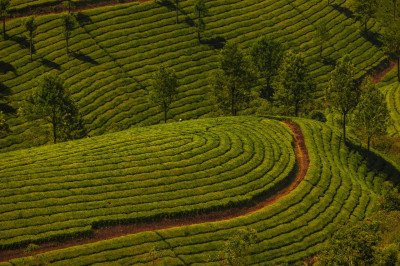 @@Estate Profile: Muhuripur Tea Estate is one of the most scenic tea plantations in South Tripura, located near the Muhuri River. The estate spans hundreds of acres of gently undulating hills, covered in a carpet of vibrant green tea bushes. This estate has a long history dating back to the British era and continues to be a major producer of CTC tea in the state. Walking through the estate, one can see tea pluckers at work, often carrying traditional baskets on their backs. The air here is filled with the faint aroma of fresh tea leaves. The estate also features a processing factory where the journey from leaf to cup can be observed. The rows of tea plants are neatly pruned, creating a geometric beauty that is a delight for photographers. It is a quiet, industrious place that offers a glimpse into Tripura's agricultural heritage. The estate is also home to a diverse range of shade trees that provide a canopy for the tea plants.Show All
Shyam Sundar Tilla is a cornerstone of the Pilak archaeological circuit, representing the peak of the Samatata kingdom's cultural influence. This site is widely recognized for its extensive collection of terracotta plaques that adorn the base of a massive brick stupa structure. Excavations here have revealed a deep connection between the indigenous styles of Tripura and the sophisticated art of the Pala and Gupta dynasties. The site serves as a silent witness to the era when Buddhism flourished in this corner of Northeast India, attracting scholars and monks from across the region. Visitors are often captivated by the intricate storytelling depicted on the walls, featuring scenes from daily life, animals, and mythical beings. The mound itself provides a panoramic view of the surrounding lush greenery, making it a peaceful retreat for history lovers. Over the years, the Archaeological Survey of India has worked tirelessly to preserve these delicate structures from the elements. The site is a treasure trove for anyone interested in ancient urban planning and religious architecture. Walking through the ruins, one can almost feel the spiritual energy that once dominated this monastic complex. It is truly a site where history feels alive and accessible to the modern traveler.
@@Estate Profile: Muhuripur Tea Estate is one of the most scenic tea plantations in South Tripura, located near the Muhuri River. The estate spans hundreds of acres of gently undulating hills, covered in a carpet of vibrant green tea bushes. This estate has a long history dating back to the British era and continues to be a major producer of CTC tea in the state. Walking through the estate, one can see tea pluckers at work, often carrying traditional baskets on their backs. The air here is filled with the faint aroma of fresh tea leaves. The estate also features a processing factory where the journey from leaf to cup can be observed. The rows of tea plants are neatly pruned, creating a geometric beauty that is a delight for photographers. It is a quiet, industrious place that offers a glimpse into Tripura's agricultural heritage. The estate is also home to a diverse range of shade trees that provide a canopy for the tea plants.Show All
Shyam Sundar Tilla is a cornerstone of the Pilak archaeological circuit, representing the peak of the Samatata kingdom's cultural influence. This site is widely recognized for its extensive collection of terracotta plaques that adorn the base of a massive brick stupa structure. Excavations here have revealed a deep connection between the indigenous styles of Tripura and the sophisticated art of the Pala and Gupta dynasties. The site serves as a silent witness to the era when Buddhism flourished in this corner of Northeast India, attracting scholars and monks from across the region. Visitors are often captivated by the intricate storytelling depicted on the walls, featuring scenes from daily life, animals, and mythical beings. The mound itself provides a panoramic view of the surrounding lush greenery, making it a peaceful retreat for history lovers. Over the years, the Archaeological Survey of India has worked tirelessly to preserve these delicate structures from the elements. The site is a treasure trove for anyone interested in ancient urban planning and religious architecture. Walking through the ruins, one can almost feel the spiritual energy that once dominated this monastic complex. It is truly a site where history feels alive and accessible to the modern traveler.Information
-
Why Famous:
Why Famous Place:
Religious Harmony: Pilak is uniquely famous for co-hosting Hindu and Buddhist icons, proving a history of peaceful coexistence between the two faiths.
Grand Sculptures: It is home to some of...Why Famous Place:
Religious Harmony: Pilak is uniquely famous for co-hosting Hindu and Buddhist icons, proving a history of peaceful coexistence between the two faiths.
Grand Sculptures: It is home to some of the largest monolithic rock-cut images in the region, including the majestic Avalokiteshvara and Narasimha idols.
Cultural Link: The site is a crucial link to the ancient trade and religious routes that connected Northeast India with Southeast Asia during the medieval period. -
Architecture:
Place Architecture:
Style and Influence: The architecture of Pilak reflects the Buddhist and Hindu styles of the 8th to 12th centuries, characterized by intricate terracotta plaques and brick-built stupas. The structures are primarily made o...Place Architecture:
Style and Influence: The architecture of Pilak reflects the Buddhist and Hindu styles of the 8th to 12th centuries, characterized by intricate terracotta plaques and brick-built stupas. The structures are primarily made of burnt clay and sandstone, showing similarities to the Paharpur and Mainamati sites in Bangladesh.
Dimensions and Features: The central mounds like Thakurani Tila house massive rock carvings; for instance, the Surya image stands over 10 feet tall. The brick foundations suggest a complex of monasteries and temples that were meticulously planned with drainage and ceremonial courtyards. -
How To Reach:
Place How to Reach:
By Air: The nearest airport is Maharaja Bir Bikram Airport in Agartala, located about 120 km away; from there, one can hire a taxi or take a bus.
By Train: The nearest major railway stati...Place How to Reach:
By Air: The nearest airport is Maharaja Bir Bikram Airport in Agartala, located about 120 km away; from there, one can hire a taxi or take a bus.
By Train: The nearest major railway station is Agartala, though recent expansions have brought rail connectivity closer to Belonia or Sabroom, which are much nearer.
By Road: Pilak is well-connected by the National Highway; regular buses and private cabs ply from Agartala and Udaipur to Jolaibari throughout the day.
By Local Transport: Once at Jolaibari, local auto-rickshaws and cycle-rickshaws are readily available to take you to the different tila sites within the archaeological zone. -
Weather and Best Time to Visit:
Place Best Time to Visit:
Seasons: The winter season from October to March is the best time as the weather is cool and pleasant for exploring the outdoor ruins on foot.
Day Parts: Early mornings are the most ...Place Best Time to Visit:
Seasons: The winter season from October to March is the best time as the weather is cool and pleasant for exploring the outdoor ruins on foot.
Day Parts: Early mornings are the most refreshing, while late afternoons offer a golden hue over the terracotta bricks, making for a very spiritual and calm atmosphere. -
Near Tourist Places:
1. Udaipur (62 km), 2. Sabroom (25 km), 3. Mahamuni Pagoda (23 km), 4. Trishna Sanctuary (35 km), 5. Matabari (60 km), 6. Neermahal (75 km), 7. Sepahijala (90 km), 8. Agartala (114 km), 9. Bhubaneswari Temple (63 km), 10. Kalapania Park (30 km).
Tourism Tips
-
Place Tourism Tips:
Health and Safety: Wear comfortable walking shoes as the terrain is uneven; carry water and sun protection as most sites are in open areas without much shade.
Packing: Light cotton clothe...Place Tourism Tips:
Health and Safety: Wear comfortable walking shoes as the terrain is uneven; carry water and sun protection as most sites are in open areas without much shade.
Packing: Light cotton clothes are best, along with a good pair of binoculars to see the higher carvings and a power bank for your camera.
Accommodation: Stay at the Pilak Tourist Lodge in Jolaibari for an authentic experience; otherwise, Udaipur offers more diverse hotel options for overnight stays.
Respect Heritage: Do not touch the ancient sculptures or carvings to prevent erosion; follow all guidelines provided by the ASI officials on-site.
Reviews
FAQs
Pilak Itineray And Cost:-
Other Places In Tripura :-
Other States In India :-
Information about New and Updated Locations() of Tripura Has Been Added :-
Card subtitle
Note:-
Information provided here in good Faith and for reference only.
Near Places
Agartala
Some quick example text to build on the card title and make up the bulk of the card's content.
Go somewhere
Amarpur
Some quick example text to build on the card title and make up the bulk of the card's content.
Go somewhere
Ambassa
Some quick example text to build on the card title and make up the bulk of the card's content.
Go somewhere
Belonia
Some quick example text to build on the card title and make up the bulk of the card's content.
Go somewhere
Bishalgarh
Some quick example text to build on the card title and make up the bulk of the card's content.
Go somewhere
Chabimura
Some quick example text to build on the card title and make up the bulk of the card's content.
Go somewhere
Chailengta
Some quick example text to build on the card title and make up the bulk of the card's content.
Go somewhere
Champaknagar
Some quick example text to build on the card title and make up the bulk of the card's content.
Go somewhere
Devtamura
Some quick example text to build on the card title and make up the bulk of the card's content.
Go somewhere
Dharmanagar
Some quick example text to build on the card title and make up the bulk of the card's content.
Go somewhere
Gandacharra
Some quick example text to build on the card title and make up the bulk of the card's content.
Go somewhere
Gomati
Some quick example text to build on the card title and make up the bulk of the card's content.
Go somewhere
Jirania
Some quick example text to build on the card title and make up the bulk of the card's content.
Go somewhere
Jolaibari
Some quick example text to build on the card title and make up the bulk of the card's content.
Go somewhere
Kailashahar
Some quick example text to build on the card title and make up the bulk of the card's content.
Go somewhere
Kamalasagar
Some quick example text to build on the card title and make up the bulk of the card's content.
Go somewherein Other Cities