

Gandacharra
General information
-
Ideal Duration:
1 to 2 DaysPlace Type:
Eco-Tourism / NatureEntry Fees:
Entry Charges: Generally, there is no entry fee for the lake itself, but the sanctuary and dam area may have a nominal fee of Rs.10 to Rs.20. Boat rentals vary from Rs.500 to Rs.1500 depending on the duration.
Parking Fees: Small fees for parking p...Entry Charges: Generally, there is no entry fee for the lake itself, but the sanctuary and dam area may have a nominal fee of Rs.10 to Rs.20. Boat rentals vary from Rs.500 to Rs.1500 depending on the duration.
Parking Fees: Small fees for parking private vehicles are applicable at the main jetty point.Timing:
Standard Hours: The lake and sanctuary are open from 8:00 AM to 5:00 PM. It is advised to conclude boating activities before sunset for safety reasons.
Best Time of Day: Early morning is the best time for bird watching and calm waters. Lat...Standard Hours: The lake and sanctuary are open from 8:00 AM to 5:00 PM. It is advised to conclude boating activities before sunset for safety reasons.
Best Time of Day: Early morning is the best time for bird watching and calm waters. Late afternoon offers the best light for photography.Special Events:
Pous Sankranti Mela: The most significant event is the Pous Sankranti Mela held in January. Thousands of people take a holy dip at the confluence of the rivers Raima and Sarma.
Boat Racing: During major local festivals, traditional boat rac...Pous Sankranti Mela: The most significant event is the Pous Sankranti Mela held in January. Thousands of people take a holy dip at the confluence of the rivers Raima and Sarma.
Boat Racing: During major local festivals, traditional boat races are organized on the lake. These races are high-energy events that showcase the physical prowess and teamwork of the local youth.Best Photo Spots:
Coconut Groves: The towering coconut trees on the islands provide a perfect tropical backdrop. These spots are ideal for portraits and landscape shots.
Lake Horizon: Capturing the vast expanse of the lake from the top of the dam or the watc...Coconut Groves: The towering coconut trees on the islands provide a perfect tropical backdrop. These spots are ideal for portraits and landscape shots.
Lake Horizon: Capturing the vast expanse of the lake from the top of the dam or the watchtowers provides a sense of scale. The blue water meeting the green hills is a classic shot.Photo Gallery
Things To Do
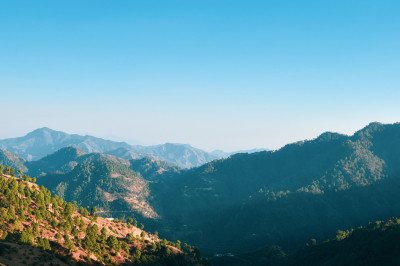 Jampui Hills is the highest hill range in Tripura, offering a unique landscape of rolling hills and orange orchards. Situated at an altitude of about 1,000 meters, it is known for its bracing climate and spectacular views of the sunset and sunrise. The hills are primarily inhabited by the Mizo community, who have preserved their rich cultural traditions and neat village lifestyle. The area is famous for its lush greenery, orchids, and the annual Orange Festival. From the peaks, one can see the Chittagong Hill Tracts of Bangladesh and the hills of Mizoram. It is a peaceful retreat far from the humid plains. The villages like Vanghmun and Phuldungsei are known for their cleanliness and hospitality. It is a perfect destination for those seeking tranquility and a glimpse into tribal hill culture.:
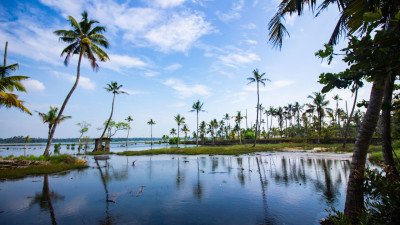 @@Natural Grandeur and Ecological Importance: Dumboor Lake is a vast, beautiful water body sprawling over approximately 41 square kilometers located at the confluence of the Raima and Saima rivers. Its name comes from the drum-shaped instrument, the 'Dumboor' or 'Damru', associated with Lord Shiva, reflecting its distinctive look from an aerial perspective. The lake is surrounded by lush green hills and boasts 48 picturesque islands, with Narkel Kunja being the most famous one. This enormous reservoir is not only a major tourist attraction but also an important ecological site, serving as a catchment area for the Gomati River, which originates from a nearby point, and is home to a rich variety of aquatic life, including diverse species of fishes. The sheer scale and serene atmosphere of the lake offer a spectacular display of nature's beauty, making it a perfect spot for photography and peaceful relaxation. Its clear waters reflect the emerald greenery of the surrounding forests and hills, creating a captivating panoramic view for every visitor. The lake is a prime example of the unspoiled natural wealth of Tripura, playing a crucial role in the local ecosystem and supporting the livelihood of the indigenous communities, making its preservation a priority.
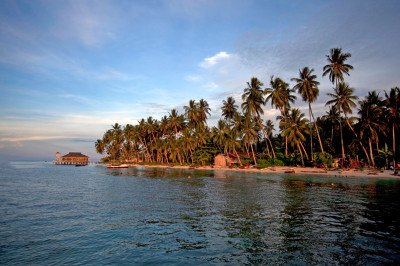 @@Island Oasis and Tourist Hub: Narkel Kunja (literally 'Coconut Grove' or 'Coconut Island') is the most prominent and developed of the 48 islets within the massive Dumboor Lake. This small, beautifully maintained island is a key tourism destination, covered extensively with towering coconut palms and other tropical vegetation, offering a perfect tropical island feel in the heart of landlocked Tripura. The island is managed by Tripura Tourism and features a resort and basic amenities, making it the ideal spot for travelers to disembark, relax, and stay overnight amidst the serene waters of the lake. It provides a unique 360-degree view of the vast lake and the surrounding undulating hills, acting as a tranquil retreat away from the mainland. Its accessibility by boat is part of the adventure, and the clean, well-maintained environment makes it a highly appealing destination for couples and families. The island is not just a viewpoint but a complete leisure and relaxation spot.
 @@Spiritual and Geographical Source: Tirthamukh is an intensely sacred and geographically significant site, revered by both tribal (Tripuri) and non-tribal communities as the origin point of the holy Gomati River, the most important river in Tripura. The name literally translates to 'mouth of a holy place' (Tirtha-holy place, Mukh-mouth/origin). The river emerges here from the vast reservoir of Dumboor Lake through the outlet of the Gomati Hydel Project. This spot is a unique blend of spiritual significance and modern engineering. It is believed that a holy dip in the river at this location, especially during auspicious times, particularly the annual Pous Sankranti Mela, can wash away one's sins and bring merit. The serene natural setting, surrounded by the high hills of the area, adds to the profound spiritual appeal of the pilgrimage site. The site is a testament to the deep-rooted faith in nature and rivers that is characteristic of the region's diverse culture.
Longtharai Mandir is one of the most sacred pilgrimage sites in the Dhalai district of Tripura. The name Longtharai is the Kokborok word for Lord Shiva, who is the presiding deity of this temple. According to local legend, Lord Shiva rested here while traveling from Mount Kailash, leaving a divine imprint on the valley. The temple is situated within the lush Longtharai Hill Range, surrounded by dense forests and a serene environment. It is not just a religious site but also a place of immense natural beauty, often covered in mist during the mornings. The atmosphere is deeply spiritual, attracting thousands of devotees during Maha Shivratri. The winding roads leading to the temple offer stunning views of the valley below. It is a place where nature and divinity coexist in perfect harmony.:
@@Forest Ecosystem and Species Diversity: Covering an area of approximately 289.54 square kilometers, the Gomati Wildlife Sanctuary is the largest protected forest area in Tripura. The sanctuary's core is characterized by semi-evergreen and evergreen forest pockets, making it incredibly rich in biodiversity. It serves as a vital catchment area for the Gomati and Khowai rivers. The habitat is home to an impressive list of flora, including over 230 varieties of plants, over 150 species of climbers, and over 400 species of herbs. The fauna includes large animals like Elephants, Bison (Gaur), Sambar Deer, Barking Deer, and the elusive Wild Goat (Serow). However, the sanctuary is particularly renowned for its high concentration of endangered primate species, such as the Hoolock Gibbon, Slow Loris, Capped Langur, and the threatened Phayre's Langur (Spectacled Monkey), which are a major draw for wildlife conservationists and researchers. The massive adjoining water reservoir (part of Dumboor Lake) also makes it a haven for both resident and migratory water birds, further enhancing its ecological value and importance.
@@Religious Significance and Annual Fair: The Pous Sankranti Mela Site is the sacred confluence point, known as Tirthamukh, which marks the origin of the revered Gomati River near the Dumboor Lake outlet. The site is famous for hosting the massive, annual Pous Sankranti Mela—one of the most important festivals in Tripura—held every year around January 14th (the last day of the Pousha month). The festival is a blend of Hindu and traditional tribal (Tripuri) rituals. Thousands of devotees, both tribal and non-tribal, congregate here to take a holy dip in the river at the auspicious moment of the Sun's northern course (Uttarayan Sankranti). The fair lasts for a couple of days and features elaborate religious ceremonies, traditional head-shaving rituals for departed ancestors, offerings to deities, and a bustling market of local handicrafts and goods. It's a profound display of the cultural and spiritual unity of the diverse communities in the state.Show All
Chabimura, also known as Devtamura, is an extraordinary archaeological site located on the banks of the Gomati River. It is famous for its colossal rock-cut carvings dating back to the 15th or 16th century. The site features massive panels of Hindu deities like Shiva, Vishnu, Kartikeya, and Ganesha carved directly onto the steep mountain faces. The most spectacular image is of Goddess Durga in her Mahishasuramardini form, locally revered as Chakrak Ma. The carvings are set against a backdrop of dense tropical forests and deep river gorges, creating a mystical atmosphere. Visitors must take a boat ride through the quiet river to view these ancient masterpieces. The lush greenery and vertical cliffs make it feel like a journey through a lost world. It is a significant site for both history enthusiasts and nature lovers.:
@@Spiritual and Geographical Source: Tirthamukh is an intensely sacred and geographically significant site, revered by both tribal (Tripuri) and non-tribal communities as the origin point of the holy Gomati River, the most important river in Tripura. The name literally translates to 'mouth of a holy place' (Tirtha-holy place, Mukh-mouth/origin). The river emerges here from the vast reservoir of Dumboor Lake through the outlet of the Gomati Hydel Project. This spot is a unique blend of spiritual significance and modern engineering. It is believed that a holy dip in the river at this location, especially during auspicious times, particularly the annual Pous Sankranti Mela, can wash away one's sins and bring merit. The serene natural setting, surrounded by the high hills of the area, adds to the profound spiritual appeal of the pilgrimage site. The site is a testament to the deep-rooted faith in nature and rivers that is characteristic of the region's diverse culture.
Longtharai Mandir is one of the most sacred pilgrimage sites in the Dhalai district of Tripura. The name Longtharai is the Kokborok word for Lord Shiva, who is the presiding deity of this temple. According to local legend, Lord Shiva rested here while traveling from Mount Kailash, leaving a divine imprint on the valley. The temple is situated within the lush Longtharai Hill Range, surrounded by dense forests and a serene environment. It is not just a religious site but also a place of immense natural beauty, often covered in mist during the mornings. The atmosphere is deeply spiritual, attracting thousands of devotees during Maha Shivratri. The winding roads leading to the temple offer stunning views of the valley below. It is a place where nature and divinity coexist in perfect harmony.:
@@Forest Ecosystem and Species Diversity: Covering an area of approximately 289.54 square kilometers, the Gomati Wildlife Sanctuary is the largest protected forest area in Tripura. The sanctuary's core is characterized by semi-evergreen and evergreen forest pockets, making it incredibly rich in biodiversity. It serves as a vital catchment area for the Gomati and Khowai rivers. The habitat is home to an impressive list of flora, including over 230 varieties of plants, over 150 species of climbers, and over 400 species of herbs. The fauna includes large animals like Elephants, Bison (Gaur), Sambar Deer, Barking Deer, and the elusive Wild Goat (Serow). However, the sanctuary is particularly renowned for its high concentration of endangered primate species, such as the Hoolock Gibbon, Slow Loris, Capped Langur, and the threatened Phayre's Langur (Spectacled Monkey), which are a major draw for wildlife conservationists and researchers. The massive adjoining water reservoir (part of Dumboor Lake) also makes it a haven for both resident and migratory water birds, further enhancing its ecological value and importance.
@@Religious Significance and Annual Fair: The Pous Sankranti Mela Site is the sacred confluence point, known as Tirthamukh, which marks the origin of the revered Gomati River near the Dumboor Lake outlet. The site is famous for hosting the massive, annual Pous Sankranti Mela—one of the most important festivals in Tripura—held every year around January 14th (the last day of the Pousha month). The festival is a blend of Hindu and traditional tribal (Tripuri) rituals. Thousands of devotees, both tribal and non-tribal, congregate here to take a holy dip in the river at the auspicious moment of the Sun's northern course (Uttarayan Sankranti). The fair lasts for a couple of days and features elaborate religious ceremonies, traditional head-shaving rituals for departed ancestors, offerings to deities, and a bustling market of local handicrafts and goods. It's a profound display of the cultural and spiritual unity of the diverse communities in the state.Show All
Chabimura, also known as Devtamura, is an extraordinary archaeological site located on the banks of the Gomati River. It is famous for its colossal rock-cut carvings dating back to the 15th or 16th century. The site features massive panels of Hindu deities like Shiva, Vishnu, Kartikeya, and Ganesha carved directly onto the steep mountain faces. The most spectacular image is of Goddess Durga in her Mahishasuramardini form, locally revered as Chakrak Ma. The carvings are set against a backdrop of dense tropical forests and deep river gorges, creating a mystical atmosphere. Visitors must take a boat ride through the quiet river to view these ancient masterpieces. The lush greenery and vertical cliffs make it feel like a journey through a lost world. It is a significant site for both history enthusiasts and nature lovers.:Information
-
Why Famous:
Dumboor Lake: The place is famous for the Dumboor Lake, a vast water body resembling the shape of a small drum (Dumboor) used by Lord Shiva. This spiritual and physical resemblance attracts thousands of devotees and tourists annually.
Sanctuary...Dumboor Lake: The place is famous for the Dumboor Lake, a vast water body resembling the shape of a small drum (Dumboor) used by Lord Shiva. This spiritual and physical resemblance attracts thousands of devotees and tourists annually.
Sanctuary Presence: The Gandacharra Wildlife Sanctuary is a major draw for wildlife enthusiasts. It is one of the few places in the Northeast where one can witness such a dense concentration of rare avian species in their natural habitat. -
Architecture:
Architectural Style: The architecture in Gandacharra is primarily focused on eco-friendly structures and traditional tribal huts. These huts are built using bamboo, thatch, and local timber, showcasing the indigenous craftsmanship of the region.Architectural Style: The architecture in Gandacharra is primarily focused on eco-friendly structures and traditional tribal huts. These huts are built using bamboo, thatch, and local timber, showcasing the indigenous craftsmanship of the region.
The Dumboor Dam: A significant modern structure here is the hydroelectric dam, which features robust concrete engineering designed to harness the power of the Gomati River. Its massive walls and spillways are impressive examples of functional industrial architecture.
Island Gazebos: Small aesthetic gazebos and resting sheds are built on various islands within the lake. These structures use simple geometric designs to blend with the natural surroundings without being intrusive. -
How To Reach:
By Air: The nearest airport is Maharaja Bir Bikram Airport in Agartala. From there, one can hire a taxi to reach Gandacharra via road.
By Train: The nearest major railway station is in Ambassa. Regular trains connect Ambassa with Agartala ...By Air: The nearest airport is Maharaja Bir Bikram Airport in Agartala. From there, one can hire a taxi to reach Gandacharra via road.
By Train: The nearest major railway station is in Ambassa. Regular trains connect Ambassa with Agartala and other parts of Northeast India.
By Road: Gandacharra is well-connected by state highways. Public buses and private cabs run regularly from Agartala and Ambassa.
Local Transport: Within the town, auto-rickshaws and cycle-rickshaws are the primary modes of transport. For the lake, motorboats are the only way to commute. -
Weather and Best Time to Visit:
Winter Season: October to February is the peak season due to pleasant weather. Temperatures range between 10°C and 25°C, making it ideal for outdoor exploration.
Monsoon View: From July to September, the lake is at its fullest. While tre...Winter Season: October to February is the peak season due to pleasant weather. Temperatures range between 10°C and 25°C, making it ideal for outdoor exploration.
Monsoon View: From July to September, the lake is at its fullest. While trekking is difficult, the lush greenery and full water level make it look magnificent. -
Near Tourist Places:
1. Dumboor Lake (0 KMS), 2. Ambassa (55 KMS), 3. Agartala (115 KMS), 4. Unakoti (140 KMS), 5. Neermahal (145 KMS), 6. Udaipur (130 KMS), 7. Jampui Hills (180 KMS), 8. Sepahijala (135 KMS), 9. Pilak (160 KMS), 10. Chabimura (90 KMS).
Tourism Tips
-
Safety First: Always wear life jackets while boating on the lake. The waters can be deep, and sudden winds can cause waves.
Eco-Friendly Travel: Avoid littering in the lake or the sanctuary. Carry reusable water bottles and dispose of wast...Safety First: Always wear life jackets while boating on the lake. The waters can be deep, and sudden winds can cause waves.
Eco-Friendly Travel: Avoid littering in the lake or the sanctuary. Carry reusable water bottles and dispose of waste only in designated bins.
Accommodation: Book your stay in advance if you plan to stay overnight at the tourist lodges. Options are limited, especially during festival seasons.
Reviews
FAQs
Gandacharra Itineray And Cost:-
Other Places In Tripura :-
Other States In India :-
Information about New and Updated Locations() of Tripura Has Been Added :-
Card subtitle
Note:-
Information provided here in good Faith and for reference only.
Near Places
Agartala
Some quick example text to build on the card title and make up the bulk of the card's content.
Go somewhere
Amarpur
Some quick example text to build on the card title and make up the bulk of the card's content.
Go somewhere
Ambassa
Some quick example text to build on the card title and make up the bulk of the card's content.
Go somewhere
Belonia
Some quick example text to build on the card title and make up the bulk of the card's content.
Go somewhere
Bishalgarh
Some quick example text to build on the card title and make up the bulk of the card's content.
Go somewhere
Chabimura
Some quick example text to build on the card title and make up the bulk of the card's content.
Go somewhere
Chailengta
Some quick example text to build on the card title and make up the bulk of the card's content.
Go somewhere
Champaknagar
Some quick example text to build on the card title and make up the bulk of the card's content.
Go somewhere
Devtamura
Some quick example text to build on the card title and make up the bulk of the card's content.
Go somewhere
Dharmanagar
Some quick example text to build on the card title and make up the bulk of the card's content.
Go somewhere
Gandacharra
Some quick example text to build on the card title and make up the bulk of the card's content.
Go somewhere
Gomati
Some quick example text to build on the card title and make up the bulk of the card's content.
Go somewhere
Jirania
Some quick example text to build on the card title and make up the bulk of the card's content.
Go somewhere
Jolaibari
Some quick example text to build on the card title and make up the bulk of the card's content.
Go somewhere
Kailashahar
Some quick example text to build on the card title and make up the bulk of the card's content.
Go somewhere
Kamalasagar
Some quick example text to build on the card title and make up the bulk of the card's content.
Go somewherein Other Cities