

Bishalgarh
General information
-
Ideal Duration:
1 DayPlace Type:
Wildlife & NatureEntry Fees:
Entry to the sanctuary is around 20-50 INR. Camera fees and vehicle entry are extra.
Activity Fees: Boating and toy train rides have separate nominal charges of 30-50 INR. ...Entry to the sanctuary is around 20-50 INR. Camera fees and vehicle entry are extra.
Activity Fees: Boating and toy train rides have separate nominal charges of 30-50 INR.Timing:
Regular Timings: The sanctuary is open from 9:00 AM to 5:00 PM, usually closed on Fridays.
Ideal Visit Time: Winter mornings are best to see animals when they are most active and out in the sun. ...Regular Timings: The sanctuary is open from 9:00 AM to 5:00 PM, usually closed on Fridays.
Ideal Visit Time: Winter mornings are best to see animals when they are most active and out in the sun.Special Events:
Neermahal Water Festival: Celebrated nearby in Melaghar, featuring boat races and cultural programs.
World Wildlife Day: Observed with special awareness programs and exhibitions in the sanctuary. ...Neermahal Water Festival: Celebrated nearby in Melaghar, featuring boat races and cultural programs.
World Wildlife Day: Observed with special awareness programs and exhibitions in the sanctuary.Best Photo Spots:
Lake View: The reflections in Amrit Sagar during the golden hour are perfect for landscape shots.
Primate Section: Get close-up shots of the playful monkeys in their naturalistic enclosures. ...Lake View: The reflections in Amrit Sagar during the golden hour are perfect for landscape shots.
Primate Section: Get close-up shots of the playful monkeys in their naturalistic enclosures.Photo Gallery
Things To Do
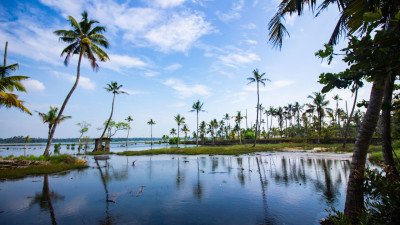 Dakshin Charilam Lake is a pristine water body that serves as a vital ecological lung for the Bishalgarh subdivision. This expansive lake is surrounded by lush tropical vegetation and rolling hills, creating a picturesque setting that feels worlds away from the urban noise. The lake is naturally formed and has been a source of irrigation and fishing for the local community for generations. In recent years, it has gained popularity as a quiet picnic spot for families and a romantic getaway for couples. The water is remarkably clear during the post-monsoon months, reflecting the azure sky and the surrounding greenery like a giant mirror. Birdwatchers frequent the lake, especially during the winter when several species of migratory birds make it their temporary home. The tranquil environment is perfect for meditation or simply sitting by the banks to watch the ripples on the water. Local fishermen can often be seen in their small wooden boats, casting nets in the traditional style, which adds a cultural layer to the natural beauty. The lake is also significant for the local micro-climate, keeping the surrounding air cooler even during the warm summer months. Efforts are being made to develop the area into a more formal eco-park while maintaining its raw, untouched charm. For those who enjoy long walks, the perimeter of the lake offers a rough trail that provides different perspectives of the landscape. It is a place where one can truly connect with the rhythms of nature and witness the harmonious coexistence of water, forest, and local human activity in Tripura.
@@Tranquility and Natural Beauty of the Lakeside: The area referred to as the Shipahijola Lake Backside (often associated with the large lakes within the Sepahijala Wildlife Sanctuary complex, such as Amrit Sagar or Abasarika Lake) is a highly tranquil and picturesque spot. This 'backside' area typically refers to the less-developed, more pristine banks of the lake system, away from the main boating jetties and tourist facilities. This part of the lake offers an unparalleled view of the dense forest meeting the water's edge, creating beautiful reflections, especially in the early morning. The lake itself is an artificial reservoir created within the sanctuary, serving as a critical water source for the wildlife and supporting a rich population of aquatic flora and fauna. The calm waters attract a large number of resident and migratory birds, making it a prime location for ornithology. The environment is one of deep peace and quiet, ideal for contemplation and absorbing the natural beauty of Tripura's woodlands. The dense foliage of the forest acts as a natural buffer, enhancing the secluded feel of the area. It is a photographer’s delight, with the play of light and shadow on the water surface and the surrounding trees providing constant visual interest. The lake is a functional part of the ecosystem, not just a tourist attraction.
Dakshin Charilam Lake is a pristine water body that serves as a vital ecological lung for the Bishalgarh subdivision. This expansive lake is surrounded by lush tropical vegetation and rolling hills, creating a picturesque setting that feels worlds away from the urban noise. The lake is naturally formed and has been a source of irrigation and fishing for the local community for generations. In recent years, it has gained popularity as a quiet picnic spot for families and a romantic getaway for couples. The water is remarkably clear during the post-monsoon months, reflecting the azure sky and the surrounding greenery like a giant mirror. Birdwatchers frequent the lake, especially during the winter when several species of migratory birds make it their temporary home. The tranquil environment is perfect for meditation or simply sitting by the banks to watch the ripples on the water. Local fishermen can often be seen in their small wooden boats, casting nets in the traditional style, which adds a cultural layer to the natural beauty. The lake is also significant for the local micro-climate, keeping the surrounding air cooler even during the warm summer months. Efforts are being made to develop the area into a more formal eco-park while maintaining its raw, untouched charm. For those who enjoy long walks, the perimeter of the lake offers a rough trail that provides different perspectives of the landscape. It is a place where one can truly connect with the rhythms of nature and witness the harmonious coexistence of water, forest, and local human activity in Tripura.
@@Tranquility and Natural Beauty of the Lakeside: The area referred to as the Shipahijola Lake Backside (often associated with the large lakes within the Sepahijala Wildlife Sanctuary complex, such as Amrit Sagar or Abasarika Lake) is a highly tranquil and picturesque spot. This 'backside' area typically refers to the less-developed, more pristine banks of the lake system, away from the main boating jetties and tourist facilities. This part of the lake offers an unparalleled view of the dense forest meeting the water's edge, creating beautiful reflections, especially in the early morning. The lake itself is an artificial reservoir created within the sanctuary, serving as a critical water source for the wildlife and supporting a rich population of aquatic flora and fauna. The calm waters attract a large number of resident and migratory birds, making it a prime location for ornithology. The environment is one of deep peace and quiet, ideal for contemplation and absorbing the natural beauty of Tripura's woodlands. The dense foliage of the forest acts as a natural buffer, enhancing the secluded feel of the area. It is a photographer’s delight, with the play of light and shadow on the water surface and the surrounding trees providing constant visual interest. The lake is a functional part of the ecosystem, not just a tourist attraction. This park, established in 2007, covers 5.08 sq. km within the larger Sepahijala Wildlife Sanctuary. It is a crucial conservation hub dedicated to the elusive and Vulnerable Clouded Leopard species. The area is characterized by moist deciduous forests, dense bamboo groves, and rolling terrain, providing an ideal, semi-natural habitat for its namesake and other diverse fauna. The park's purpose extends beyond tourism, serving as a vital center for wildlife research and the conservation of Northeast India's unique biodiversity. Visitors experience a blend of educational and tranquil natural environments, often spotting several species of primates. [...] (400 words)
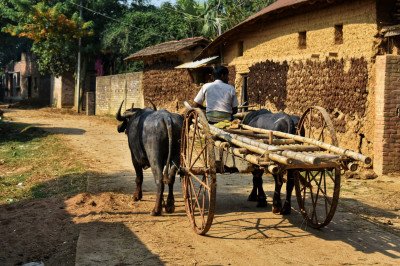 @@Village Charm: Purba Charilam Village is a model village representing the authentic rural life of Tripura. It is famous for its vast rubber plantations and lush paddy fields. The village is a hub for the Charilam block activities. It offers a glimpse into the harmonious living of different communities. The lifestyle here is slow and deeply connected to the earth. The village is known for its cleanliness and well-planned layout. Visitors can see traditional mud houses with thatched roofs. The area is a major producer of natural rubber in the district. It serves as the gateway to the Sepahijala Wildlife Sanctuary. The village folks are known for their hospitality and traditional crafts. The details of the village include its focus on sustainable agriculture. It is a great place to experience the "Gramin" (rural) culture of Northeast India. The village ponds are full of fish and lotus flowers. The local markets are vibrant with fresh organic produce. It is a perfect spot for those looking to escape the concrete jungle.
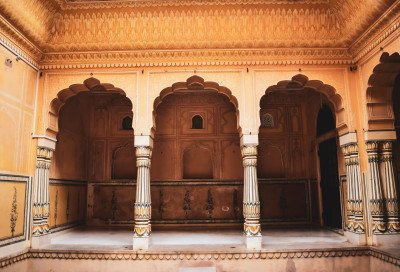 The Bishalgarh Fort Ruins, historically known as Koilagarh, stand as a testament to the military prowess and architectural heritage of the Manikya kings of Tripura. These ruins are located strategically near the international border, overlooking the plains that transition into modern-day Bangladesh. The fort was primarily established by Maharaja Kalyan Manikya in the 17th century to defend the kingdom against the frequent invasions of the Mughals and the Nawabs of Bengal. Historically, this site witnessed several fierce battles, most notably the defense against Nawab Hossain Shah's forces. Today, while much of the structure has succumbed to time and tropical vegetation, the remaining brick walls and foundations offer a hauntingly beautiful glimpse into the past. The ruins are surrounded by dense foliage, giving it the feel of a lost city. The brickwork reflects the traditional 'Indo-Islamic' influence combined with indigenous Tripuri styles. Visitors can trace the outlines of the old barracks, the armory, and the defensive moats that once protected the royal forces. The atmosphere at the fort ruins is one of profound stillness, where the only sounds are the chirping of insects and the wind through the trees. It is a place of great interest for historians and archaeology students who come here to study the fortification techniques of the medieval Northeast. The site provides an excellent vantage point to see the border fencing and the vast paddy fields beyond. Local legends speak of hidden tunnels that once connected the fort to other strategic points in the kingdom. Although largely neglected in the past, there is a growing awareness regarding the conservation of this site. Visiting the Bishalgarh Fort Ruins is like stepping into a different era, offering a stark contrast to the modern developments in the town. It is a place that demands respect for its historical significance and the lives that were once guarded by its mighty walls. The trek to the ruins is relatively easy but rewarding for those who appreciate heritage.
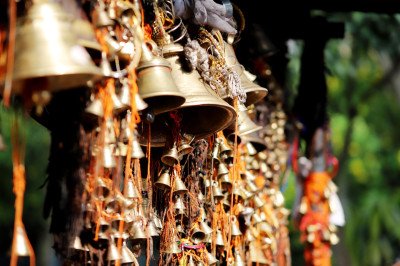 The Kasba Kali Temple, also known as Kasbeswari Kali Mata or Kamalasagar Kali Temple, is a revered Hindu shrine established in the late 15th century by Maharaja Dhanya Manikya. It is dedicated to the fierce goddess Kali, a form of Shakti. The temple is perched majestically on a small hillock, offering a commanding view of the beautiful Kamalasagar Lake below and the Indo-Bangladesh Border nearby. Despite the main idol resembling the ten-handed Goddess Durga fighting the demon Mahishasura, it is worshipped as Maa Kali because the idol is placed on a base platform that features an image of Lord Shiva. This unique iconographic detail and its ancient history make it a major pilgrimage center, drawing devotees from both India and Bangladesh. [...] (400 words)
Sipahijala Zoo, officially known as the Sepahijala Zoological Park, is one of the most famous wildlife destinations in Northeast India. It is unique because it is situated within a natural sanctuary, allowing animals to live in conditions that closely mimic their natural habitats. The zoo is spread over a vast area of approximately 68 hectares and is home to a diverse range of fauna. One of its primary attractions is the Clouded Leopard, which is a rare and elusive species native to the region. The zoo has been successful in the captive breeding of this endangered feline. Another highlight is the Spectacled Monkey, also known as the Phayre's Leaf Monkey, which can be seen swinging through the trees. The park is divided into several sections, including a primate section, a reptile house, and an aviary. The aviary is particularly impressive, housing numerous species of colorful tropical birds. The zoo also features a large lake called Amrit Sagar, where visitors can enjoy paddle boating while observing water birds. For families, the toy train ride is a popular attraction that takes visitors around the key enclosures. The botanical garden within the premises adds to the educational value, showcasing a variety of medicinal and ornamental plants. The zoo plays a critical role in conservation and education, hosting many researchers and students. The paths are well-shaded by dense forest canopy, making it a pleasant walk even during the day. It is an ideal spot for nature lovers and photographers who wish to see the biodiversity of Tripura in one place. The zoo's commitment to animal welfare is evident in the spacious and naturalistic enclosures. Visiting Sipahijala is not just about seeing animals but also about experiencing the tranquility of the forest. It remains a top-rated destination for both domestic and international tourists.Show All
The Kasba Kali Temple, also known as Kasbeswari Kali Mata or Kamalasagar Kali Temple, is a revered Hindu shrine established in the late 15th century by Maharaja Dhanya Manikya. It is dedicated to the fierce goddess Kali, a form of Shakti. The temple is perched majestically on a small hillock, offering a commanding view of the beautiful Kamalasagar Lake below and the Indo-Bangladesh Border nearby. Despite the main idol resembling the ten-handed Goddess Durga fighting the demon Mahishasura, it is worshipped as Maa Kali because the idol is placed on a base platform that features an image of Lord Shiva. This unique iconographic detail and its ancient history make it a major pilgrimage center, drawing devotees from both India and Bangladesh. [...] (400 words)
Sipahijala Zoo, officially known as the Sepahijala Zoological Park, is one of the most famous wildlife destinations in Northeast India. It is unique because it is situated within a natural sanctuary, allowing animals to live in conditions that closely mimic their natural habitats. The zoo is spread over a vast area of approximately 68 hectares and is home to a diverse range of fauna. One of its primary attractions is the Clouded Leopard, which is a rare and elusive species native to the region. The zoo has been successful in the captive breeding of this endangered feline. Another highlight is the Spectacled Monkey, also known as the Phayre's Leaf Monkey, which can be seen swinging through the trees. The park is divided into several sections, including a primate section, a reptile house, and an aviary. The aviary is particularly impressive, housing numerous species of colorful tropical birds. The zoo also features a large lake called Amrit Sagar, where visitors can enjoy paddle boating while observing water birds. For families, the toy train ride is a popular attraction that takes visitors around the key enclosures. The botanical garden within the premises adds to the educational value, showcasing a variety of medicinal and ornamental plants. The zoo plays a critical role in conservation and education, hosting many researchers and students. The paths are well-shaded by dense forest canopy, making it a pleasant walk even during the day. It is an ideal spot for nature lovers and photographers who wish to see the biodiversity of Tripura in one place. The zoo's commitment to animal welfare is evident in the spacious and naturalistic enclosures. Visiting Sipahijala is not just about seeing animals but also about experiencing the tranquility of the forest. It remains a top-rated destination for both domestic and international tourists.Show All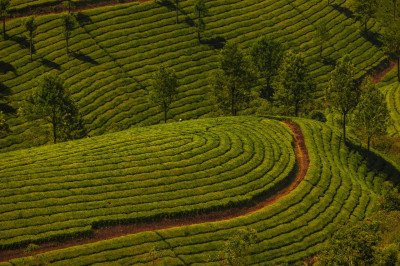 Ganganagar Tea Estate is a hidden treasure of Bishalgarh, representing the rich tea-growing tradition of Tripura. While most people associate tea only with Assam, this estate proves that the soil and climate of Bishalgarh are equally suited for high-quality tea production. The estate consists of undulating slopes covered with neatly manicured tea bushes that stretch as far as the eye can see. Walking through the estate, one is greeted by a refreshing aroma of young tea leaves and the sight of workers expertly plucking "two leaves and a bud." The estate is particularly beautiful during the monsoon when the rain washes the leaves, giving them a brilliant emerald hue. It provides a peaceful alternative to more crowded tourist spots, offering visitors a chance to observe the life of a tea garden community. The estate also houses a processing unit where the fresh leaves are withered, rolled, and dried to create the final product. Many visitors find it fascinating to see the transition from a green leaf to the black tea found in their cups. The estate's history is tied to the early industrial efforts of the region and remains a symbol of agricultural pride. The surrounding area is dotted with small labor colonies where the culture is a unique blend of various ethnic backgrounds. For those who enjoy slow travel, a visit to Ganganagar provides a soulful experience of the countryside. It is an ideal spot for morning walks or landscape photography, where the play of light and shadow on the tea slopes creates a dynamic and ever-changing view.
Information
-
Why Famous:
Sepahijala Wildlife Sanctuary: Famous for being a biodiversity hotspot and home to the unique Spectacled Monkey.
Clouded Leopard National Park: A dedicated area for the rare and elusive Clouded Leopard, attracting wildlife enthusiasts. ...Sepahijala Wildlife Sanctuary: Famous for being a biodiversity hotspot and home to the unique Spectacled Monkey.
Clouded Leopard National Park: A dedicated area for the rare and elusive Clouded Leopard, attracting wildlife enthusiasts. -
Architecture:
Modern Conservation: The structures within the Sepahijala sanctuary are designed to blend with the natural environment. The animal enclosures are spacious and replicate natural habitats as much as possible. The Botanical Garden features a variety of glasshouses and organiz...Modern Conservation: The structures within the Sepahijala sanctuary are designed to blend with the natural environment. The animal enclosures are spacious and replicate natural habitats as much as possible. The Botanical Garden features a variety of glasshouses and organized sections for different plant species.
Royal Retreats: Nearby areas feature old rest houses and bungalows that reflect the late Manikya period's utility-focused architecture. The use of local timber and sloping roofs is a common feature in these government-maintained lodges. -
How To Reach:
By Air: Agartala Airport is the closest, just 35 KM away.
By Train: The nearest station is Bishalgarh, though most express trains stop at Agartala.
By Road: Located on the main highway to Udaipur, it is easi...By Air: Agartala Airport is the closest, just 35 KM away.
By Train: The nearest station is Bishalgarh, though most express trains stop at Agartala.
By Road: Located on the main highway to Udaipur, it is easily accessible by bus and car from Agartala (25 KM).
Local Transport: Shared taxis and buses are very frequent along the main road. -
Weather and Best Time to Visit:
Winter: November to February is the most comfortable time for walking around the zoo and parks.
Spring: March is great for seeing the blooming flora in the botanical garden. ...Winter: November to February is the most comfortable time for walking around the zoo and parks.
Spring: March is great for seeing the blooming flora in the botanical garden. -
Near Tourist Places:
Sepahijala Sanctuary (2 KM), Neermahal (28 KM), Agartala (25 KM), Udaipur (30 KM), Tripura Sundari Temple (32 KM), Kamalasagar (20 KM), Boxanagar Ruins (25 KM), Heritage Park (28 KM), Jagannath Bari (26 KM), Rudrasagar Lake (28 KM).
Tourism Tips
-
Timings: Arrive early to cover the entire sanctuary as it is quite large and requires a lot of walking.
Food: There are small canteens inside, but carrying some light snacks and water is advisable.
Safety: D...Timings: Arrive early to cover the entire sanctuary as it is quite large and requires a lot of walking.
Food: There are small canteens inside, but carrying some light snacks and water is advisable.
Safety: Do not feed the animals or go too close to the enclosures for your own safety and theirs.
Stay: The Abasarika forest rest house provides a unique opportunity to stay within the sanctuary.
Reviews
FAQs
Bishalgarh Itineray And Cost:-
Other Places In Tripura :-
Other States In India :-
Information about New and Updated Locations() of Tripura Has Been Added :-
Card subtitle
Note:-
Information provided here in good Faith and for reference only.
Near Places
Agartala
Some quick example text to build on the card title and make up the bulk of the card's content.
Go somewhere
Amarpur
Some quick example text to build on the card title and make up the bulk of the card's content.
Go somewhere
Ambassa
Some quick example text to build on the card title and make up the bulk of the card's content.
Go somewhere
Belonia
Some quick example text to build on the card title and make up the bulk of the card's content.
Go somewhere
Bishalgarh
Some quick example text to build on the card title and make up the bulk of the card's content.
Go somewhere
Chabimura
Some quick example text to build on the card title and make up the bulk of the card's content.
Go somewhere
Chailengta
Some quick example text to build on the card title and make up the bulk of the card's content.
Go somewhere
Champaknagar
Some quick example text to build on the card title and make up the bulk of the card's content.
Go somewhere
Devtamura
Some quick example text to build on the card title and make up the bulk of the card's content.
Go somewhere
Dharmanagar
Some quick example text to build on the card title and make up the bulk of the card's content.
Go somewhere
Gandacharra
Some quick example text to build on the card title and make up the bulk of the card's content.
Go somewhere
Gomati
Some quick example text to build on the card title and make up the bulk of the card's content.
Go somewhere
Jirania
Some quick example text to build on the card title and make up the bulk of the card's content.
Go somewhere
Jolaibari
Some quick example text to build on the card title and make up the bulk of the card's content.
Go somewhere
Kailashahar
Some quick example text to build on the card title and make up the bulk of the card's content.
Go somewhere
Kamalasagar
Some quick example text to build on the card title and make up the bulk of the card's content.
Go somewherein Other Cities