

Gomati
General information
-
Ideal Duration:
1 DayPlace Type:
Religious / HeritageEntry Fees:
There is no entry fee for the temples. However, special puja tickets can range from Rs.50 to Rs.500 depending on the requirements.
Camera Fees: A nominal fee of Rs.20 to Rs.50 may be charged for professional photography in certain areas. ...There is no entry fee for the temples. However, special puja tickets can range from Rs.50 to Rs.500 depending on the requirements.
Camera Fees: A nominal fee of Rs.20 to Rs.50 may be charged for professional photography in certain areas.Timing:
Temple Timings: The main temple is open from 5:00 AM to 9:00 PM. It usually closes for a few hours in the afternoon for 'Bhog'.
Best Visit Time: Early morning at 6:00 AM is perfect for a peaceful darshan. ...Temple Timings: The main temple is open from 5:00 AM to 9:00 PM. It usually closes for a few hours in the afternoon for 'Bhog'.
Best Visit Time: Early morning at 6:00 AM is perfect for a peaceful darshan.Special Events:
Diwali Festival: The Diwali celebration at Matabari is the grandest in the state. Thousands of lamps are lit, and a massive fair is organized.
Boat Festival: Occasional boat races on the large lakes during local holidays bring the whole tow...Diwali Festival: The Diwali celebration at Matabari is the grandest in the state. Thousands of lamps are lit, and a massive fair is organized.
Boat Festival: Occasional boat races on the large lakes during local holidays bring the whole town together in celebration.Best Photo Spots:
Matabari Entrance: The traditional gateway to the temple provides a grand backdrop for photographs.
Tortoise Feeding Ghat: The steps of Kalyan Sagar where the tortoises come up to be fed offer a unique wildlife-human interaction shot. ...Matabari Entrance: The traditional gateway to the temple provides a grand backdrop for photographs.
Tortoise Feeding Ghat: The steps of Kalyan Sagar where the tortoises come up to be fed offer a unique wildlife-human interaction shot.Photo Gallery
Things To Do
 The Gomati Wildlife Sanctuary is the largest and most significant protected area in Tripura, covering an expansive area of approximately 389.54 square kilometers in the Gomati district. This sanctuary is a haven for nature enthusiasts and wildlife lovers, featuring a vast water reservoir of about 300 square kilometers that attracts a myriad of resident and migratory birds, especially during the winter months. The landscape is dominated by semi-evergreen and deciduous forests, providing a lush green canopy that supports a rich variety of flora, including over 230 plant species, 150 types of climbers, and 400 herb species. The sanctuary is home to several endangered and rare animal species such as the Indian Elephant, Bison (Gaur), Sambar, Barking Deer, and the rare Serow (wild goat). Primate diversity is a major highlight here, with sightings of the Hoolock Gibbon, Capped Langur, and the Slow Loris being frequent for those who venture deep into the trails. The sanctuary plays a vital role in the ecosystem of the region as it forms the catchment area for the Gumti and Khowai rivers. Visitors can explore the dense bamboo brakes and the hilly terrain that offer a rugged yet beautiful outdoor experience. The proximity to the sacred Tirthamukh, where the Gomati river originates, adds a spiritual dimension to the visit. The sanctuary is not just a place for wildlife spotting but also a significant center for environmental conservation and research. The peaceful atmosphere, broken only by the chirping of birds and the rustle of leaves, makes it an ideal escape from the hustle and bustle of urban life. Efforts by the state forest department have ensured that the virgin forests remain largely undisturbed, maintaining the natural balance of this biodiversity hotspot. Whether you are a bird watcher looking for Siberian visitors or a trekker seeking forest trails, this sanctuary offers a comprehensive ecological experience that captures the essence of Northeast India's natural beauty.:
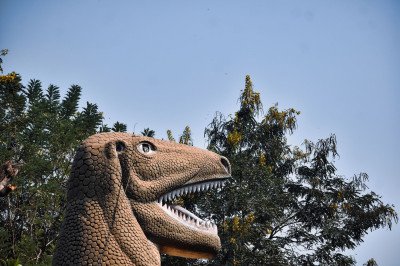 Tepania Eco Park is a beautifully landscaped green lung in the Gomati district, spread over an impressive area of 155 hectares within the Radhakishorepur Reserve Forest. Established in 1995, the park has evolved into one of the most popular eco-tourism destinations in Tripura, offering a perfect mix of botanical diversity and recreational facilities. The park is uniquely partitioned into various blocks, each dedicated to different types of flora, including an extensive collection of orchids and cacti. One of the standout features of the park is its Orchid House, which houses over 225 species of orchids, many of which are endemic to the Northeast region while others have been brought from places like Kalimpong and Coimbatore. For those who love desert plants, the Cactus House contains over 250 samples, showcasing an incredible variety of shapes and sizes. The park's design emphasizes harmony with nature, featuring winding walking trails that lead through dense groves of bamboo and various tropical trees. For adventure seekers and nature lovers, the park offers a unique Tree House where visitors can stay overnight to experience the sounds of the forest after dark. A stunning wooden hanging bridge adds an element of thrill and serves as a great vantage point for observing the forest canopy. The park also includes a medicinal garden where visitors can learn about the various plants used in traditional healing. For families, there are well-maintained picnic spots and a children's play area, making it a favorite weekend getaway. The presence of a watchtower allows visitors to get a panoramic view of the surrounding reserve forest, where one might occasionally spot local birdlife and small mammals. The park is managed by the State Forest Department, which ensures cleanliness and conservation. The peaceful ambiance, combined with the educational value of the botanical collections, makes Tepania Eco Park a must-visit for anyone traveling through the Gomati district. It serves as an excellent example of how forest land can be utilized for sustainable tourism and environmental education.:
The Tropic of Cancer (Garjee Landmark) is a significant geographical site located in the Gomati district of Tripura. It marks the exact point where the imaginary line of the Tropic of Cancer (23.5 degrees North latitude) passes through the state. This landmark is situated within the lush Garjee Reserve Forest, making it a unique combination of science and nature. For geography enthusiasts and students, standing on this line is a thrill, as it represents the northernmost point where the sun can appear directly overhead at noon. The state government has installed a prominent marker and a globe structure to help tourists identify the spot. The surrounding forest is part of a biodiversity hotspot, home to various species of flora and fauna, including rare primates like the Hoolock Gibbon. The road passing through this landmark is exceptionally scenic, with tall teak and sal trees forming a green canopy. The air here is noticeably cooler and fresher than in the urban centers. Historically, this point has been a stopover for travelers moving toward the southern parts of Tripura, like Sabroom. The landmark serves as an educational tool, bringing textbook geography to life. Small informative plaques explain the significance of the tropic and its impact on the local climate. It is a place where one can pause to reflect on the Earth's tilt and its celestial journey. The site is well-maintained, with small benches for visitors to rest. It has become a popular "check-in" spot for road trippers. The blend of the scientific importance of the latitude and the natural beauty of the Garjee forest makes it a must-visit destination in the Gomati district. :
Tepania Eco Park is a beautifully landscaped green lung in the Gomati district, spread over an impressive area of 155 hectares within the Radhakishorepur Reserve Forest. Established in 1995, the park has evolved into one of the most popular eco-tourism destinations in Tripura, offering a perfect mix of botanical diversity and recreational facilities. The park is uniquely partitioned into various blocks, each dedicated to different types of flora, including an extensive collection of orchids and cacti. One of the standout features of the park is its Orchid House, which houses over 225 species of orchids, many of which are endemic to the Northeast region while others have been brought from places like Kalimpong and Coimbatore. For those who love desert plants, the Cactus House contains over 250 samples, showcasing an incredible variety of shapes and sizes. The park's design emphasizes harmony with nature, featuring winding walking trails that lead through dense groves of bamboo and various tropical trees. For adventure seekers and nature lovers, the park offers a unique Tree House where visitors can stay overnight to experience the sounds of the forest after dark. A stunning wooden hanging bridge adds an element of thrill and serves as a great vantage point for observing the forest canopy. The park also includes a medicinal garden where visitors can learn about the various plants used in traditional healing. For families, there are well-maintained picnic spots and a children's play area, making it a favorite weekend getaway. The presence of a watchtower allows visitors to get a panoramic view of the surrounding reserve forest, where one might occasionally spot local birdlife and small mammals. The park is managed by the State Forest Department, which ensures cleanliness and conservation. The peaceful ambiance, combined with the educational value of the botanical collections, makes Tepania Eco Park a must-visit for anyone traveling through the Gomati district. It serves as an excellent example of how forest land can be utilized for sustainable tourism and environmental education.:
The Tropic of Cancer (Garjee Landmark) is a significant geographical site located in the Gomati district of Tripura. It marks the exact point where the imaginary line of the Tropic of Cancer (23.5 degrees North latitude) passes through the state. This landmark is situated within the lush Garjee Reserve Forest, making it a unique combination of science and nature. For geography enthusiasts and students, standing on this line is a thrill, as it represents the northernmost point where the sun can appear directly overhead at noon. The state government has installed a prominent marker and a globe structure to help tourists identify the spot. The surrounding forest is part of a biodiversity hotspot, home to various species of flora and fauna, including rare primates like the Hoolock Gibbon. The road passing through this landmark is exceptionally scenic, with tall teak and sal trees forming a green canopy. The air here is noticeably cooler and fresher than in the urban centers. Historically, this point has been a stopover for travelers moving toward the southern parts of Tripura, like Sabroom. The landmark serves as an educational tool, bringing textbook geography to life. Small informative plaques explain the significance of the tropic and its impact on the local climate. It is a place where one can pause to reflect on the Earth's tilt and its celestial journey. The site is well-maintained, with small benches for visitors to rest. It has become a popular "check-in" spot for road trippers. The blend of the scientific importance of the latitude and the natural beauty of the Garjee forest makes it a must-visit destination in the Gomati district. :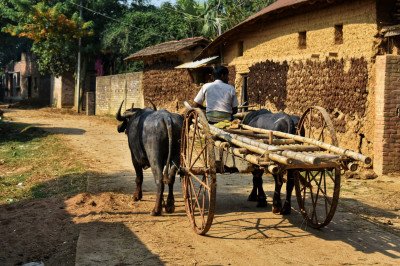 Kalajhari Tribal Village is a serene and culturally rich settlement located in the heart of the Gomati district, offering visitors a rare glimpse into the traditional lifestyle of the indigenous tribes of Tripura. The village is inhabited primarily by the Tripuri and Reang communities, who have preserved their age-old customs, architectural styles, and agricultural practices for generations. As you walk through the village, you are greeted by the sight of traditional "Tong" houses—bamboo structures built on raised platforms to protect against dampness and wild animals. The villagers are known for their exceptional skills in handloom and handicrafts, particularly the weaving of Rignai and Rikutu, the traditional tribal attire. Agriculture is the mainstay of the community, with many families still practicing Jhum (shifting) cultivation on the surrounding hill slopes. The village is surrounded by lush green forests and fruit orchards, creating a picturesque setting that feels worlds away from modern urbanization. Visitors can witness daily activities such as rice pounding, bamboo basket weaving, and the preparation of local tribal delicacies. The social fabric of the village is tightly knit, and the residents are known for their warm hospitality and simple way of life. Cultural enthusiasts can learn about the various festivals and folk dances like the Hojagiri dance, which are integral to the tribal identity. The village also serves as an educational hub for those interested in sustainable living and traditional medicine, as many elders possess deep knowledge of local forest herbs. A visit to Kalajhari is not just a sightseeing trip but an immersive cultural experience that fosters a deeper understanding of the diverse ethnic tapestry of Northeast India. The peaceful environment, characterized by the absence of vehicular noise and the presence of nature's sounds, makes it a perfect destination for those seeking tranquility and authentic human connection. The village represents the soul of rural Tripura, where tradition and nature coexist in perfect harmony.:
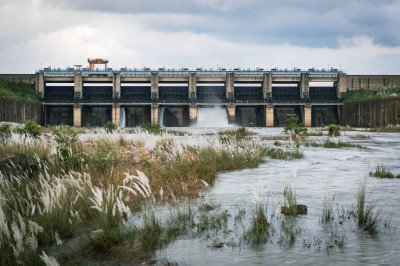 Tirthamukh Dam Site is a mesmerizing confluence where the rivers Raima and Sarma meet to form the mighty Gomati River. This location is not just a geographical wonder but a spiritual epicenter for the people of Tripura. The site is surrounded by lush green hills and a serene atmosphere that invites peace and introspection. For centuries, it has served as a holy place for both tribal and non-tribal communities who come here to perform ancestral rites. The dam at the site regulates the water flow and contributes to the state's hydel power. The expansive water body creates a breathtaking view, especially during the early hours of the day when the mist settles over the hills. Visitors can witness the raw beauty of Tripura’s landscape here, characterized by rolling hills and deep valleys. The site is historically significant as it reflects the ancient tradition of river worship in the region. Many believe that a dip in the holy waters here cleanses the soul of all sins. The area is also part of the larger Dumboor Lake ecosystem, which is famous for its 48 islands. The tranquil environment makes it an ideal spot for those looking to escape the hustle of city life. The cultural fabric of Tirthamukh is rich, blending local indigenous myths with mainstream religious practices. It remains a symbol of unity and faith, drawing thousands of devotees every year. The natural reservoir created by the dam is home to various aquatic species, adding to the ecological value of the spot. Exploring this site provides a deep insight into the spiritual heart of Tripura. :
Radhakishorepur, popularly known by its historic name Udaipur, is the headquarters of the Gomati district and was once the capital of the ancient Manikya kings of Tripura. This town is a fascinating blend of historical grandeur and modern administrative life, famous for its numerous artificial lakes (dighis) and ancient temples. The town was named after Maharaja Radha Kishore Manikya, who significantly contributed to its development. The most iconic landmark here is the Tripura Sundari Temple, one of the 51 Shakti Peethas, which draws pilgrims from across the nation. The town is geographically structured around several large lakes like Jagannath Dighi, Amar Sagar, and Dhani Sagar, which were constructed by various kings to provide water to the citizens. These lakes not only add to the beauty of the town but also serve as recreational spots for locals and tourists alike. The architecture of the town reflects its royal past, with many old buildings featuring a mix of Bengali and tribal styles. Walking through the narrow lanes of Radhakishorepur, one can find bustling markets selling local produce and traditional Tripuri handicrafts. The town acts as a gateway to other major tourist spots in the district like Tepania Eco Park and Chabimura. Over the years, it has developed into a major educational and commercial hub while retaining its spiritual essence. The religious atmosphere is palpable, especially during festivals like Diwali, when the entire town is illuminated. For a traveler, Radhakishorepur offers a complete package—history at the Bhubaneswari Temple, spirituality at Matabari, and nature at the various lakesides. The town's infrastructure has improved significantly with the introduction of the railway line, making it highly accessible. Despite its growth, the town maintains a relaxed pace of life, where people are friendly and eager to share stories of their glorious heritage. Whether you are exploring the ruins of the old palace or enjoying a sunset by the dighi, the town leaves a lasting impression of a bygone era that is still very much alive in the hearts of its residents.:Show All
The Tripura State Rifles Camp (TSR Camp) in the Gomati district is a significant paramilitary establishment that ensures the security and peace of this hilly region. The TSR is an elite force of the state, often referred to as the 'Sons of the Soil' for their bravery and deep connection with the local terrain. This specific camp serves as a strategic base for operations and training in the challenging landscapes of the Atharamura and Gandacherra ranges. While primarily a security zone, the periphery of the camp offers a unique look into the disciplined life of the soldiers. The camp is situated amidst dense forests and undulating hills, providing a rugged and adventurous backdrop. Visitors passing through this route often stop to appreciate the orderly environment and the well-maintained surroundings. The presence of the TSR has historically been crucial in neutralizing insurgencies and promoting tourism by making the remote areas safe for travelers. The camp often interacts with the local tribal communities, participating in social welfare and disaster relief programs. The personnel are known for their hospitality and discipline, often guiding lost tourists in the dense forest regions. The camp's location near the Gomati river makes it a picturesque site, despite its primary military function. For many, a visit to the vicinity of the camp is an eye-opening experience regarding the sacrifices made by the forces to protect the state's integrity. It stands as a symbol of strength and stability in the heart of rural Tripura. The architecture of the barracks and the parade grounds reflect a functional yet aesthetic military style that blends with the greenery. :
Tirthamukh Dam Site is a mesmerizing confluence where the rivers Raima and Sarma meet to form the mighty Gomati River. This location is not just a geographical wonder but a spiritual epicenter for the people of Tripura. The site is surrounded by lush green hills and a serene atmosphere that invites peace and introspection. For centuries, it has served as a holy place for both tribal and non-tribal communities who come here to perform ancestral rites. The dam at the site regulates the water flow and contributes to the state's hydel power. The expansive water body creates a breathtaking view, especially during the early hours of the day when the mist settles over the hills. Visitors can witness the raw beauty of Tripura’s landscape here, characterized by rolling hills and deep valleys. The site is historically significant as it reflects the ancient tradition of river worship in the region. Many believe that a dip in the holy waters here cleanses the soul of all sins. The area is also part of the larger Dumboor Lake ecosystem, which is famous for its 48 islands. The tranquil environment makes it an ideal spot for those looking to escape the hustle of city life. The cultural fabric of Tirthamukh is rich, blending local indigenous myths with mainstream religious practices. It remains a symbol of unity and faith, drawing thousands of devotees every year. The natural reservoir created by the dam is home to various aquatic species, adding to the ecological value of the spot. Exploring this site provides a deep insight into the spiritual heart of Tripura. :
Radhakishorepur, popularly known by its historic name Udaipur, is the headquarters of the Gomati district and was once the capital of the ancient Manikya kings of Tripura. This town is a fascinating blend of historical grandeur and modern administrative life, famous for its numerous artificial lakes (dighis) and ancient temples. The town was named after Maharaja Radha Kishore Manikya, who significantly contributed to its development. The most iconic landmark here is the Tripura Sundari Temple, one of the 51 Shakti Peethas, which draws pilgrims from across the nation. The town is geographically structured around several large lakes like Jagannath Dighi, Amar Sagar, and Dhani Sagar, which were constructed by various kings to provide water to the citizens. These lakes not only add to the beauty of the town but also serve as recreational spots for locals and tourists alike. The architecture of the town reflects its royal past, with many old buildings featuring a mix of Bengali and tribal styles. Walking through the narrow lanes of Radhakishorepur, one can find bustling markets selling local produce and traditional Tripuri handicrafts. The town acts as a gateway to other major tourist spots in the district like Tepania Eco Park and Chabimura. Over the years, it has developed into a major educational and commercial hub while retaining its spiritual essence. The religious atmosphere is palpable, especially during festivals like Diwali, when the entire town is illuminated. For a traveler, Radhakishorepur offers a complete package—history at the Bhubaneswari Temple, spirituality at Matabari, and nature at the various lakesides. The town's infrastructure has improved significantly with the introduction of the railway line, making it highly accessible. Despite its growth, the town maintains a relaxed pace of life, where people are friendly and eager to share stories of their glorious heritage. Whether you are exploring the ruins of the old palace or enjoying a sunset by the dighi, the town leaves a lasting impression of a bygone era that is still very much alive in the hearts of its residents.:Show All
The Tripura State Rifles Camp (TSR Camp) in the Gomati district is a significant paramilitary establishment that ensures the security and peace of this hilly region. The TSR is an elite force of the state, often referred to as the 'Sons of the Soil' for their bravery and deep connection with the local terrain. This specific camp serves as a strategic base for operations and training in the challenging landscapes of the Atharamura and Gandacherra ranges. While primarily a security zone, the periphery of the camp offers a unique look into the disciplined life of the soldiers. The camp is situated amidst dense forests and undulating hills, providing a rugged and adventurous backdrop. Visitors passing through this route often stop to appreciate the orderly environment and the well-maintained surroundings. The presence of the TSR has historically been crucial in neutralizing insurgencies and promoting tourism by making the remote areas safe for travelers. The camp often interacts with the local tribal communities, participating in social welfare and disaster relief programs. The personnel are known for their hospitality and discipline, often guiding lost tourists in the dense forest regions. The camp's location near the Gomati river makes it a picturesque site, despite its primary military function. For many, a visit to the vicinity of the camp is an eye-opening experience regarding the sacrifices made by the forces to protect the state's integrity. It stands as a symbol of strength and stability in the heart of rural Tripura. The architecture of the barracks and the parade grounds reflect a functional yet aesthetic military style that blends with the greenery. :Information
-
Why Famous:
Tripura Sundari Temple: It is one of the 51 Shakti Peethas, making it one of the holiest sites in India. It is famously known as Matabari and is the spiritual heart of the state.
Udaipur Lakes: Known as the 'City of Lakes', the presence of ...Tripura Sundari Temple: It is one of the 51 Shakti Peethas, making it one of the holiest sites in India. It is famously known as Matabari and is the spiritual heart of the state.
Udaipur Lakes: Known as the 'City of Lakes', the presence of numerous historical tanks makes it a unique urban landscape in Northeast India. -
Architecture:
Tripura Sundari Temple: This temple is built in the Ek-ratna style of Bengal architecture. It features a square sanctum with a conical dome and a height of approximately 75 feet. The structure is built on a hillock shaped like a tortoise.
Bhub...Tripura Sundari Temple: This temple is built in the Ek-ratna style of Bengal architecture. It features a square sanctum with a conical dome and a height of approximately 75 feet. The structure is built on a hillock shaped like a tortoise.
Bhubaneswari Temple: Located on the banks of the Gomati River, this temple is famous for its simple yet elegant brick architecture. It inspired the legendary writer Rabindranath Tagore to write his famous play 'Bisharjan'.
Mughal Influence: Some of the older structures in the district show a subtle blend of Bengali hut-style architecture and Mughal floral motifs, reflecting the historical interactions between the two regions. -
How To Reach:
By Air: Fly to Agartala and take a taxi. The journey takes about 1. 5 hours via the Agartala-Sabroom highway.
By Train: Udaipur has its own railway station, which is well-connected to Agartala and Dharmanagar.
...By Air: Fly to Agartala and take a taxi. The journey takes about 1. 5 hours via the Agartala-Sabroom highway.
By Train: Udaipur has its own railway station, which is well-connected to Agartala and Dharmanagar.
By Road: Frequent buses and shared jeeps operate between Agartala and Udaipur. The road condition is excellent.
Local Transport: E-rickshaws (Totos) are the most convenient way to travel within Udaipur town. -
Weather and Best Time to Visit:
Winter (Peak): October to March is ideal as the weather is cool and festivals are in full swing.
Summer (Off-peak): April to June can be hot, but the morning and evening breezes near the lakes are pleasant. ...Winter (Peak): October to March is ideal as the weather is cool and festivals are in full swing.
Summer (Off-peak): April to June can be hot, but the morning and evening breezes near the lakes are pleasant. -
Near Tourist Places:
1. Matabari (5 KMS), 2. Neermahal (25 KMS), 3. Sepahijala (30 KMS), 4. Agartala (55 KMS), 5. Pilak (60 KMS), 6. Chabimura (35 KMS), 7. Jampui Hills (190 KMS), 8. Unakoti (170 KMS), 9. Amarpur (30 KMS), 10. Dumboor Lake (65 KMS).
Tourism Tips
-
Dress Code: When visiting the temples, it is respectful to dress modestly. Remove footwear before entering the temple premises.
Health: Carry bottled water as the humidity can be high even in the winter months.
...Dress Code: When visiting the temples, it is respectful to dress modestly. Remove footwear before entering the temple premises.
Health: Carry bottled water as the humidity can be high even in the winter months.
Guide: Hiring a local guide at the temple can help you understand the deep-rooted myths and legends associated with the deities.
Reviews
FAQs
Gomati Itineray And Cost:-
Other Places In Tripura :-
Other States In India :-
Information about New and Updated Locations() of Tripura Has Been Added :-
Card subtitle
Note:-
Information provided here in good Faith and for reference only.
Near Places
Agartala
Some quick example text to build on the card title and make up the bulk of the card's content.
Go somewhere
Amarpur
Some quick example text to build on the card title and make up the bulk of the card's content.
Go somewhere
Ambassa
Some quick example text to build on the card title and make up the bulk of the card's content.
Go somewhere
Belonia
Some quick example text to build on the card title and make up the bulk of the card's content.
Go somewhere
Bishalgarh
Some quick example text to build on the card title and make up the bulk of the card's content.
Go somewhere
Chabimura
Some quick example text to build on the card title and make up the bulk of the card's content.
Go somewhere
Chailengta
Some quick example text to build on the card title and make up the bulk of the card's content.
Go somewhere
Champaknagar
Some quick example text to build on the card title and make up the bulk of the card's content.
Go somewhere
Devtamura
Some quick example text to build on the card title and make up the bulk of the card's content.
Go somewhere
Dharmanagar
Some quick example text to build on the card title and make up the bulk of the card's content.
Go somewhere
Gandacharra
Some quick example text to build on the card title and make up the bulk of the card's content.
Go somewhere
Gomati
Some quick example text to build on the card title and make up the bulk of the card's content.
Go somewhere
Jirania
Some quick example text to build on the card title and make up the bulk of the card's content.
Go somewhere
Jolaibari
Some quick example text to build on the card title and make up the bulk of the card's content.
Go somewhere
Kailashahar
Some quick example text to build on the card title and make up the bulk of the card's content.
Go somewhere
Kamalasagar
Some quick example text to build on the card title and make up the bulk of the card's content.
Go somewherein Other Cities