...

Place To Visit And Things To Do In Kasaragod

Kerala, India
Northern Gateway: Kasaragod is the northernmost district of Kerala, a unique region where multiple languages like Malayalam, Tulu, Kannada, and Konkani are spoken. It is a land of beautiful hills, forts, and rivers that remains largely unexplored by mass tourism. Historic Sentinel: The district is h ome to the majestic Bekal Fort, the largest and best-preserved fort in Kerala, which offers stunning views of the Arabian Sea. This 17th-century structure has served as a strategic military outpost for various dynasties throughout history. Spiritual Tapestry: It is a place where different religions and cultures coexist harmoniously, featuring ancient temples like Ananthapura Lake Temple and historic mosques like Malik Dinar. These sites showcase the deep spiritual roots and diverse architectural heritage of the northern Malabar region. Untouched Nature: From the misty hills of Ranipuram to the tranquil backwaters of Valiyaparamba, the district offers a raw and pristine nature experience. The lack of heavy commercialization allows travelers to enjoy the scenic beauty in its most authentic and peaceful form.

Things To Do

Card image cap
Adhur Gopalakrishna Temple

The Adhur Gopalakrishna Temple, also known as Kanipura Sri Gopalakrishna Temple, is a spiritual cornerstone of Kasaragod. According to ancient legend...

The Adhur Gopalakrishna Temple, also known as Kanipura Sri Gopalakrishna Temple, is a spiritual cornerstone of Kasaragod. According to ancient legends, the deity was worshipped by Yashoda, the foster mother of Lord Krishna. The temple is deeply associated with Kanva Maharshi, who is said to have installed the jet-black granite idol of Balagopala. Historically, the temple served as the coronation site for the Kumbla Rajas, marking its political and spiritual significance in the region. The atmosphere is filled with the scent of incense and the rhythmic chanting of Vedic hymns, offering a sanctuary of peace. Devotees flock here to experience the divine energy of Balagopala, who is depicted in his childhood form. The temple's connection to the Mahabharata era makes it a site of immense historical value, where the past and present merge in a sea of devotion. It is not just a place of worship but a living museum of Tuluva and Kerala heritage. Visitors can witness traditional rituals that have remained unchanged for centuries, providing a glimpse into the rich cultural tapestry of the Malabar coast. The temple is flanked by the Kumbha Hole river, adding to its scenic and spiritual charm.
Card image cap
Ananthapura Lake Temple

Ananthapura Lake Temple is a unique architectural marvel, being the only lake temple in Kerala. Located on a remote rocky hill in Kumbla, it is surro...

Ananthapura Lake Temple is a unique architectural marvel, being the only lake temple in Kerala. Located on a remote rocky hill in Kumbla, it is surrounded by a 2-acre rectangular lake fed by natural springs. The temple is considered the Moolasthanam (original seat) of the famous Sree Padmanabhaswamy Temple in Thiruvananthapuram. Legend has it that the deity migrated to the south through a cave located in the corner of the lake. The most fascinating aspect of this temple is Babiya, the legendary vegetarian crocodile that has guarded the shrine for decades. It is believed that only one crocodile lives in the lake at a time; when one dies, another mysteriously appears. The temple offers a sense of profound tranquility, far removed from the hustle of urban life. The primary deity is Lord Ananthapadmanabha, seen seated on the serpent king Anantha. Unlike many temples where idols are made of stone or metal, the original idols here were made of a unique combination of 72 medicinal herbs called Kadu-Sharkara-Yogam. The temple reflects the deep-rooted spiritual traditions of the Tulu Brahmins and the agrarian culture of north Kerala. Visiting this temple is as much about the natural beauty of the lake as it is about the religious significance of the shrine.
Card image cap
Arayi Temple

Arayi Temple, located in the serene outskirts of Kanhangad, is a place where spirituality meets local tradition. The temple is dedicated to local dei...
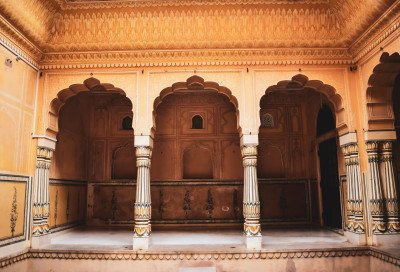
Arayi Temple, located in the serene outskirts of Kanhangad, is a place where spirituality meets local tradition. The temple is dedicated to local deities and serves as a vital community center for the people of Arayi village. It is particularly known for its vibrant folk art performances, especially Theyyam, which is the ritualistic dance of North Kerala. Unlike the larger Brahminical temples, Arayi Temple maintains a more rustic and folk atmosphere, making it a must-visit for those interested in the authentic culture of the Malabar region. The temple is surrounded by lush coconut groves and paddy fields, providing a tranquil environment for worship. The local myths associated with the temple tell stories of protective spirits that have guarded the village for generations. During the festive season, the temple becomes a spectacle of colors, with traditional lamps illuminating the entire complex. The simplicity of the rituals and the deep faith of the local community make a visit here a touching experience. It is a place where one can observe the intersection of social life and religious practice in a traditional Kerala village. The temple’s history is intertwined with the agrarian cycles of the region, and many rituals are performed to ensure a good harvest.
Card image cap
Arikady Fort

Arikady Fort, also known as Kumbla Fort, is a historical landmark that tells the story of the shifting power dynamics in North Kerala. Built in the e...
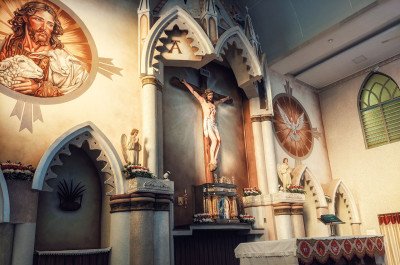
Arikady Fort, also known as Kumbla Fort, is a historical landmark that tells the story of the shifting power dynamics in North Kerala. Built in the early 17th century by Ikeri Hiriya Venkadappa Nayak, the fort is strategically located on a laterite hillock overlooking the Arikady and Shiriya rivers. Over the centuries, it has been controlled by the Kolathiri Rajas, the Vijayanagara Empire, Tipu Sultan, and finally the British. The fort’s circular design is unique in the region, offering a 360-degree view of the surrounding plains and the river estuary. Recent excavations have uncovered a large congregation hall, ancient pottery, and even lead bullets, proving its significance as a military and administrative hub. Today, the fort stands in a state of atmospheric ruin, with its walls covered in moss and creepers, giving it a romantic, "lost-in-time" feel. It is less crowded than the nearby Bekal Fort, making it an ideal spot for those seeking solitude and a deeper connection with history. The site provides a fantastic vantage point to watch local fishermen at work in the river below. The fort is not just a pile of stones but a silent witness to the battles fought for the control of the Tulunadu and Malabar regions.
Card image cap
Azhithala Beach

Azhithala Beach is a pristine, secluded stretch of sand located near Nileshwar in Kasaragod. It is the breathtaking point where the Tejaswini River c...
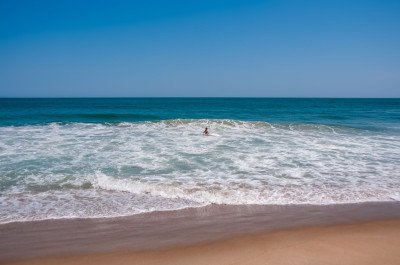
Azhithala Beach is a pristine, secluded stretch of sand located near Nileshwar in Kasaragod. It is the breathtaking point where the Tejaswini River completes its journey and merges with the vast Arabian Sea. This confluence, known locally as an estuary, creates a unique ecosystem and a visual spectacle of contrasting water bodies. The beach is famous for its long rows of Casuarina trees that sway with the sea breeze, providing natural shade for visitors. Unlike the more commercialized beaches of Kerala, Azhithala remains a quiet retreat, perfect for those who want to escape the crowds and enjoy nature in its rawest form. The beach is also a hub for houseboat tourism, as many cruises through the Valiyaparamba backwaters culminate here. Historically, the region was a strategic trade point for the French and Dutch in the 18th century. Today, it is a favorite spot for evening walks, family outings, and witnessing spectacular sunsets. The golden sands are clean and expansive, offering plenty of space for beach activities. The sight of the river meeting the sea is particularly dramatic during high tide, when the waves and river currents create a beautiful dance of water.
Card image cap
Bela Church

@@ Historical Backdrop of Bela Church: Bela Church, officially known as Our Lady of Sorrows Church, is the oldest and most significant Roman Catholic ...

@@ Historical Backdrop of Bela Church: Bela Church, officially known as Our Lady of Sorrows Church, is the oldest and most significant Roman Catholic parish in the Kasaragod district. Established in 1890, it serves as a spiritual beacon for the local Konkani-speaking Catholic community. The church was originally built in a smaller, thatched form at Kudrepady before being shifted to its current serene location in Bela. Over the years, it has undergone several renovations, most notably during its centenary celebrations in 1995, to maintain its structural integrity. The church is managed by the Mangalore Diocese and stands as a testament to the enduring faith of the region's inhabitants. Surrounded by lush coconut groves and a tranquil rural landscape, the church offers a peaceful retreat from the urban bustle of Kasaragod. It is not just a place of worship but a historical monument that chronicles the migration and settlement of Christians in Northern Kerala. Visitors often find themselves captivated by the silence and spiritual energy that permeates the premises. The church's long history is intertwined with the social and educational development of the Bela village, making it a cornerstone of local culture.
Card image cap
Chandragiri Fort

@@ Heritage of Chandragiri Fort: Chandragiri Fort is a 17th-century fortification located on the banks of the Payaswini River near its confluence with...

@@ Heritage of Chandragiri Fort: Chandragiri Fort is a 17th-century fortification located on the banks of the Payaswini River near its confluence with the Arabian Sea. Built by Sivappa Nayaka of Bednore, the fort was part of a chain of fortifications intended to protect the kingdom from seafaring invaders. The fort sits atop a hill, approximately 150 feet above sea level, offering a strategic vantage point over the coastline and the river. Its history is marked by shifting allegiances, having been under the control of the Vijayanagara Empire, the Ikkeri Nayakas, Hyder Ali, and eventually the British. Today, the fort is a protected monument under the state archaeology department. Though much of the interior is in ruins, the massive laterite walls and bastions still stand tall, whispering stories of ancient battles and naval defenses. The panoramic view of the river meeting the sea is considered one of the most beautiful sights in Kasaragod. The fort's location makes it a popular spot for sunset watchers and history enthusiasts who wish to explore the lesser-known ruins of the region.
Card image cap
Chembirika Beach

@@ Serenity of Chembirika Beach: Chembirika Beach is one of the most secluded and pristine coastal stretches in Kasaragod. Located in the Chemnad gram...

@@ Serenity of Chembirika Beach: Chembirika Beach is one of the most secluded and pristine coastal stretches in Kasaragod. Located in the Chemnad grama panchayath, it is far removed from the commercialized tourist trails of Bekal or Kozhikode. The beach is characterized by its vast expanse of golden sand, gently lapping waves, and a dense fringe of swaying coconut trees. A unique feature of this beach is the confluence of the Chembirika River with the Arabian Sea, creating a calm lagoon-like area that is perfect for relaxation. The beach is also home to the Kalanad Tunnel, Kerala's longest railway tunnel, which adds a touch of historical intrigue to the natural beauty. Unlike other beaches, Chembirika remains remarkably clean and quiet, making it a favorite for those seeking solitude. The local community is deeply involved in preserving the beach's natural state, and you will often see traditional fishermen launching their boats in the early hours. It is a place where you can truly connect with nature, listening only to the sound of the wind and the waves.
Card image cap
Cheruvathur

@@ Heritage of Cheruvathur: Cheruvathur is a picturesque town located in the southern part of Kasaragod district, nestled on the banks of the Payaswin...

@@ Heritage of Cheruvathur: Cheruvathur is a picturesque town located in the southern part of Kasaragod district, nestled on the banks of the Payaswini River. It is famously known as the birthplace of Mahakavi Kuttamath, a renowned 19th-century poet who significantly influenced Malayalam literature. The town serves as a gateway to the southern attractions of the district, including the famous Valiyaparamba Backwaters. Cheruvathur is a melting pot of culture, where traditional art forms like Theyyam are practiced with great fervor in local "Kavus" (sacred groves). The landscape is a beautiful blend of riverine beauty, lush paddy fields, and nearby coastal stretches. Historically, it was an important center under the Nileshwaram Rajas, and its old buildings and temples reflect this royal heritage. For a traveler, Cheruvathur offers an authentic Kerala experience, far from the commercialized tourist hubs. It is a place where you can witness the slow pace of village life, enjoy traditional home-cooked Mappila and Hindu cuisine, and explore the hidden backwater islands that are only accessible by small country boats.
Card image cap
Hosdurg Fort

Hosdurg Fort, also famously known as the Kanhangad Fort, is a remarkable historical landmark that stands as a silent witness to the rich military his...

Hosdurg Fort, also famously known as the Kanhangad Fort, is a remarkable historical landmark that stands as a silent witness to the rich military history of Northern Kerala. This ancient fortification was built by Somashekara Nayaka of the Keladi Nayaka dynasty of Ikkeri during the early 18th century to strengthen their administrative and defensive hold over the Malabar region. Unlike many other forts in Kerala that were built by European powers, this structure showcases the indigenous strategic engineering of the South Canara rulers. Today, although much of the original structure lies in ruins, the massive high brick walls and the imposing round bastions still manage to command respect and wonder from every visitor. The fort premises have evolved over the centuries and currently house several public government offices, making it a unique blend of historical heritage and modern civic life. For the spiritually inclined, the fort area is home to the famous Karpooreshwara Temple dedicated to Lord Shiva, and the nearby Nityananda Ashram with its 45 spiritual caves adds a layer of tranquility to the historical site. Walking through the fort, one can feel the echoes of the past where soldiers once stood guard over the Arabian Sea trade routes. The site serves as an educational hub for history students and a peaceful retreat for locals who come to enjoy the greenery and the breeze. The preservation of the ruins allows tourists to visualize the layout of a medieval defensive stronghold, complete with watchtowers and storage areas. It remains a must-visit for anyone looking to understand the complex geopolitical history of the Kasaragod district.
Card image cap
Kanwatheertha Beach

Kanwatheertha Beach is one of the most unique and visually stunning coastal destinations in Kerala, often described as a "virgin territory" due to it...
Kanwatheertha Beach is one of the most unique and visually stunning coastal destinations in Kerala, often described as a "virgin territory" due to its untouched beauty and serene atmosphere. What sets this beach apart from any other in the region is a rare, large swimming-pool-like formation caused by the sea on the vast sandy stretch. This natural pool is safe for swimming as it is sheltered from the heavy waves of the Arabian Sea, making it a paradise for families and novice swimmers. The beach is lined with a dense fringe of coconut palms and lush greenery, providing ample shade and a picturesque tropical vibe. It is located near the border of Kerala and Karnataka, resulting in a beautiful cultural blend of the two states in the nearby villages. Unlike the more commercialized beaches of the south, Kanwatheertha offers a sense of solitude and peace that is hard to find elsewhere. The golden sands are clean, and the water is crystal clear, reflecting the bright blue sky. It is an ideal spot for those who want to experience the traditional hospitality of North Malabar. The local fishing community can often be seen going about their daily routines, adding a touch of authentic rural charm to the visit. For birdwatchers, the surrounding mangroves and palm groves are home to several coastal bird species. The beach is not just a place for leisure but also a significant spot for "aqua-tourism," where the focus is on preserving the natural ecosystem while allowing visitors to enjoy the water. Whether you want to take a refreshing dip in the calm pool, walk along the endless shoreline, or simply sit under a palm tree with a book, Kanwatheertha offers the perfect escape from the hectic pace of urban life. It remains one of Kasaragod's best-kept secrets, waiting to be explored by nature lovers.
Card image cap
Kareems Forest Park

Kareems Forest Park is an extraordinary testament to one man's vision and tireless dedication toward nature conservation. Spread over 32 acres of lus...

Kareems Forest Park is an extraordinary testament to one man's vision and tireless dedication toward nature conservation. Spread over 32 acres of lush greenery, this is the only man-made forest of its kind in Kerala. It was created by Mr. Abdul Kareem, a native of Kasaragod, who transformed a completely barren, rocky wasteland into a thriving ecosystem over a period of three decades. In the late 1970s, Kareem purchased five acres of parched land and began planting saplings despite the mockery of locals who believed nothing could grow on the hard laterite rock. Today, the park is a dense canopy of indigenous trees, medicinal plants, and wild shrubs. This forest has not only restored the green cover but has also significantly increased the groundwater levels in the entire Puliyamkulam village. The park is a sanctuary for hundreds of species of birds, small wild animals, insects, and reptiles, making it a "living laboratory" for environmentalists, scientists, and students of Ayurveda. Visitors can walk through narrow forest trails, breathe in the incredibly pure air, and observe how nature reclaims land when given a chance. Mr. Kareem himself often interacts with visitors, sharing his inspiring story and the techniques he used to nurture the forest without using chemical fertilizers or complex irrigation. The park features a small stream and a well that now remains full even in the peak of summer, showcasing the forest's ability to retain moisture. It is a peaceful retreat far from the city's noise, offering a deep connection with the earth. The park also serves as a center for distributing saplings to those who wish to start their own micro-forests. For anyone interested in eco-tourism and sustainability, a visit to Kareems Forest Park is an eye-opening and deeply humbling experience.
Card image cap
Kasaragod Light House

The Kasaragod Light House is a towering structure that stands as a vital navigational aid for sailors traversing the Arabian Sea. Established in 1984...
The Kasaragod Light House is a towering structure that stands as a vital navigational aid for sailors traversing the Arabian Sea. Established in 1984, this lighthouse replaced the older system of masts and white balls that previously guided ships into the Kasaragod Port. It is located on a small hillock in Nellikkunnu, offering a commanding view of the vast blue waters and the lush green coastline of Kerala. The lighthouse is managed by the Directorate General of Lighthouses and Lightships and serves as a popular tourist attraction for those seeking panoramic vistas. Visitors can climb the spiral staircase to reach the gallery at the top, where the cool sea breeze and the sight of fishing boats in the distance create a tranquil atmosphere. The surrounding area is beautifully maintained with gardens, making it an ideal spot for families and solo travelers alike. Historically, this region was a significant maritime hub, and the lighthouse symbolizes the area's enduring connection to the sea. The structure is painted with distinctive red and white bands, making it easily visible from both land and sea. It stands as a testament to modern engineering while reflecting the historical importance of Kasaragod as a trade center. The peaceful environment and the rhythmic flashing of the light at night add a touch of romance to the coastal landscape.
Card image cap
Kottencheri Hills

Kottencheri Hills is a magnificent range of hills located near Konnakkad in the Kasaragod district. Often compared to the scenic beauty of Kodagu (Co...

Kottencheri Hills is a magnificent range of hills located near Konnakkad in the Kasaragod district. Often compared to the scenic beauty of Kodagu (Coorg), these hills are part of the Western Ghats and offer a refreshing escape into nature. The landscape is characterized by rolling grasslands, dense forests, and misty peaks that seem to touch the clouds. For adventure enthusiasts, it is a premier trekking destination, with trails leading through the Ranipuram Wildlife Sanctuary and towards the Talakaveri in Karnataka. The area is rich in biodiversity, housing various species of flora and fauna, including wild elephants, deer, and numerous species of butterflies and birds. The trek to the top is moderately challenging but highly rewarding, as the summit provides a panoramic view of the surrounding valleys and the neighboring state of Karnataka. The hills are also known for their spiritual connection, as many believe the peaks are sacred. The tranquility of the place is unmatched, making it a perfect spot for those looking to disconnect from the digital world and reconnect with the earth. The cool climate, even during summer, makes it a favored retreat for locals and tourists alike. The journey to the hills is equally beautiful, passing through winding roads and lush plantations of rubber and spices. It is a place where the air is pure and the scenery is a vibrant shade of green.
Card image cap
Kumbala Fort

Kumbala Fort, also known as Arikady Fort, is a historical monument that whispers tales of the Nayakas of Keladi and Tipu Sultan. Located on a small h...

Kumbala Fort, also known as Arikady Fort, is a historical monument that whispers tales of the Nayakas of Keladi and Tipu Sultan. Located on a small hillock overlooking the Arikady River, this fort was strategically built around the year 1600 to guard the coastline and the river mouth. Unlike the grand Bekal Fort, Kumbala Fort is more modest in size but holds immense archaeological significance. Recent excavations have unearthed various artifacts, including Chinese pottery, lead bullets, and ancient roof tiles, suggesting that this was once a bustling center of trade and military activity. The fort is circular in shape and offers a steep but short climb to the top, where a watchtower provides a panoramic view of the surrounding greenery and the shimmering river. At the base of the fort lies the Arikady Hanuman Temple, which is a popular spot for devotees and adds a spiritual dimension to the visit. The fort's walls, made of laterite stones, have weathered centuries of monsoon rains but still stand as a proud reminder of the region's colonial and pre-colonial past. It is an ideal spot for history buffs and those looking for a quiet place to explore away from the typical tourist crowds. The blend of history, archaeology, and natural beauty makes it a unique destination in North Malabar. Visitors can spend time exploring the ruins, imagining the life of soldiers who once stood guard here, and enjoying the peaceful vistas of the Kumbla region.
Card image cap
Madhur Srimad Anantheswara Vinayaka Temple

The Madhur Srimad Anantheswara Vinayaka Temple is one of the most significant and ancient temples in the Kasaragod district. Situated on the banks of...

The Madhur Srimad Anantheswara Vinayaka Temple is one of the most significant and ancient temples in the Kasaragod district. Situated on the banks of the Madhuvahini River, this temple is unique because, while the presiding deity is Lord Anantheswara (Shiva), it is world-famous for its Lord Vinayaka (Ganesha) idol. Legend has it that the Ganesha idol was drawn by a small boy on the temple wall, and it began to grow in size over time. The temple is a masterpiece of Kerala and Tulu architectural styles, featuring exquisite wood carvings that depict scenes from the Ramayana. Historically, the temple survived an attack by Tipu Sultan, who reportedly spared the structure after drinking water from the temple well and feeling a change of heart; a sword mark on the well is said to be a remnant of this event. The temple attracts thousands of devotees during festivals like Maha Shivaratri and Ganesh Chaturthi. The atmosphere is deeply spiritual, enhanced by the rhythmic sounds of temple bells and the flowing river. The temple also offers the famous Appam prasad, which is highly sought after by visitors. It serves as a center for cultural learning, often hosting Yakshagana performances and Vedic classes. The lush green surroundings and the serene river make it a place of both religious and aesthetic beauty.
Card image cap
Madhur Temple

@@ General Details: The Madhur Srimad Anantheswara Vinayaka Temple is one of the most famous and ancient temples in the Tulunadu region. Though the pr...

@@ General Details: The Madhur Srimad Anantheswara Vinayaka Temple is one of the most famous and ancient temples in the Tulunadu region. Though the primary deity is Lord Shiva (Anantheswara), the temple is more popularly known for its Lord Ganesha (Vinayaka) idol. According to legend, the Ganesha image was drawn by a small boy on the temple wall, and it miraculously grew in size over time. The temple is located on the banks of the Madhuvahini River, which adds to its serene and holy atmosphere. During the monsoon, the river water often enters the temple premises, which is considered an auspicious event. The temple has a unique three-tiered structure that stands out in the landscape. It has historical significance as well; it is said that Tipu Sultan intended to destroy the temple but changed his mind after drinking water from the temple well. He even made a symbolic cut on the well's structure with his sword, which is still visible today. The temple is a center for Vedic learning and hosts several cultural programs throughout the year. The priests here belong to the Shivalli Brahmin community, following traditional rituals that have been preserved for centuries. It is a place where faith and history blend seamlessly.
Card image cap
Madiyan Kulom Temple

Madiyan Kulom Temple, located in Ajanur near Kanhangad, is a 500-year-old shrine dedicated to Kshetrapalakan and Kalarathri Amma. It is one of the mo...

Madiyan Kulom Temple, located in Ajanur near Kanhangad, is a 500-year-old shrine dedicated to Kshetrapalakan and Kalarathri Amma. It is one of the most culturally significant temples in North Kerala, known for its stunning wooden carvings and mural paintings. The temple is a unique symbol of religious harmony; for centuries, the Muslim community of the region has played a vital role in temple rituals, reflecting the syncretic culture of the Malabar coast. The main deity, Kshetrapalakan, is considered the guardian of the region, and the temple's history is closely tied to the Allada Swaroopam kingdom. A fascinating tradition here is that while a Brahmin priest performs the noon pooja, the morning and evening rituals are conducted by the Maniyani (Yadava) community. The temple walls are adorned with erotic wood carvings similar to those in Khajuraho, alongside depictions of the Ramayana and other Hindu epics. The sprawling 6-acre campus includes ancient monuments, ponds, and sacred groves. The annual Pattu Utsavam and Kalasham festivals are major events that draw thousands of people from all castes and creeds. The temple's architecture, with its red tiled roofs and intricate timber work, is a classic example of the Kerala style. It is not just a place of worship but a living museum of art and a testament to the peaceful coexistence of different faiths in Kasaragod.
Card image cap
Malik Deenar Juma Masjid

The Malik Deenar Juma Masjid is one of the most significant historical and religious landmarks in Kasaragod, Kerala. Believed to have been founded in...

The Malik Deenar Juma Masjid is one of the most significant historical and religious landmarks in Kasaragod, Kerala. Believed to have been founded in 642 CE by Malik Ibn Dinar, a Persian scholar and companion of Prophet Muhammad, it stands as one of the oldest mosques in India. The mosque serves as a testament to the early arrival of Islam in the Indian subcontinent via the Malabar Coast. It is not just a place of worship but a massive cultural bridge that has fostered harmony for over a millennium. The site contains the sacred tomb of Malik Ibn Muhammad, a descendant of the founder, making it a major pilgrimage hub for devotees from across the country. Over the centuries, the mosque has been a center for Islamic learning and spirituality. Despite modern renovations, the core of the mosque retains a profound sense of antiquity. The serene atmosphere, coupled with the sound of the nearby Arabian Sea, provides a unique spiritual experience for every visitor. The mosque’s history is deeply intertwined with the local seafaring communities of Thalangara. It represents the synthesis of Arabic faith and Kerala's social fabric. Thousands of people gather here during festivals, reflecting the deep-rooted faith of the local population. The mosque is surrounded by a peaceful cemetery and an orphanage, continuing the legacy of social service. Visitors often describe the experience as stepping back into the 7th century, where the whispers of history are audible in the rustling palm leaves. It remains a beacon of the rich heritage of Kasaragod.
Card image cap
Mallikarjuna Temple

The Sree Mallikarjuna Temple is an ancient Hindu shrine dedicated to Lord Shiva, located in the heart of Kasaragod town. It is considered one of the ...

The Sree Mallikarjuna Temple is an ancient Hindu shrine dedicated to Lord Shiva, located in the heart of Kasaragod town. It is considered one of the most important spiritual centers in the district. The temple is believed to have been established by the Ikkeri Nayakas in the 17th century to provide a place of worship for the warriors and administrators brought from Karnataka. The presiding deity, Lord Shiva, is worshipped here as Mallikarjuna. According to local legend, the idol was originally consecrated by Arjuna, the Pandava hero from the Mahabharata. The temple is situated near the Kumbala River, adding to its scenic and spiritual aura. For centuries, it has been a hub for cultural activities, especially Yakshagana, a traditional dance-drama popular in the Tulu Nadu region. The temple underwent significant renovation in the late 20th century after part of its land was acquired for the railway line. Today, it stands as a beautiful example of the shared cultural heritage of Kerala and Karnataka. The temple's inner walls are adorned with beautiful paintings of various deities, including Lord Ganesha and Goddess Durga. The peaceful environment within the temple complex offers a stark contrast to the bustling town outside. It is a place where history, myth, and devotion converge.
Card image cap
Nileshwar Palace

Nileshwar Palace, also known as the Nileshwaram Kovilakom, was the ancestral home of the Nileshwaram Rajas. These rulers are believed to have migrate...

Nileshwar Palace, also known as the Nileshwaram Kovilakom, was the ancestral home of the Nileshwaram Rajas. These rulers are believed to have migrated from Kozhikode nearly 600 years ago. The palace is the crowning glory of Nileshwaram, which is often referred to as the cultural capital of Kasaragod. The palace is a fine example of traditional Kerala architecture, specifically the "Nalukettu" style, characterized by an open central courtyard that allows for natural light and ventilation. Built primarily with laterite stone and high-quality wood, the structure reflects the royal elegance of a bygone era. Today, the palace serves as the Folklore Centre under the Department of Archaeology, housing various artifacts, ancient weaponry, and traditional art forms. The town surrounding the palace is famous for its "Kavus" (sacred groves) and temple festivals like Theyyam. The palace grounds are serene, surrounded by lush greenery and old trees. Visitors can see the official symbol of the royal family—a lion statue—placed prominently on the balcony. The palace has hosted many legendary scholars and artists over the centuries. It remains a focal point for researchers interested in the history of the Kolathiri dynasty and the feudal past of North Malabar. A visit here provides a deep dive into the regal lifestyle, the craftsmanship of the 15th century, and the spiritual traditions that continue to thrive in the region.
Card image cap
Nityanandasramam

Nityanandasramam, located in Kanhangad, is a spiritual sanctuary founded by the revered saint Swami Nityananda. Situated atop a small hill near the r...

Nityanandasramam, located in Kanhangad, is a spiritual sanctuary founded by the revered saint Swami Nityananda. Situated atop a small hill near the ruins of the Hosdurg Fort, the ashram is a unique blend of spirituality and architectural marvel. Its most striking feature is the collection of 43 man-made caves carved out of a single laterite hill. It is said that Swami Nityananda himself participated in the excavation of these caves, which were designed for silent meditation. Above these caves stands a magnificent temple dedicated to the Swami, featuring a stunning "Panchaloha" (five-metal alloy) idol of him in a meditative pose. The temple's design is inspired by the famous Somanatha Temple in Gujarat, lending it a grand and divine appearance. The ashram is surrounded by lush green groves, providing a tranquil environment for seekers of peace. Nearby is Guruvanam, another sacred spot where the Swami spent his early years in deep meditation. The ashram provides free food (Annadanam) to visitors and poor children, continuing the Swami's legacy of selfless service. It is not just a destination for Hindus but a place for anyone looking to escape the chaos of modern life. The vibration of the caves is said to be intensely spiritual, making it a favorite for practitioners of Yoga and Dhyana.
Card image cap
Posadi Gumpe

@@The Natural Splendor of Posadi Gumpe: Posadi Gumpe is a breathtaking hillock located in the northernmost part of Kasaragod district, standing tall a...

@@The Natural Splendor of Posadi Gumpe: Posadi Gumpe is a breathtaking hillock located in the northernmost part of Kasaragod district, standing tall at an altitude of approximately 1060 feet above sea level. This destination is often referred to as a hidden paradise for nature enthusiasts and trekkers who wish to escape the crowded tourist spots. From the summit, visitors are treated to a magnificent panoramic view that encompasses the vast Arabian Sea on one side and the rolling hills of the Western Ghats on the other. On clear days, one can even spot the distant outlines of Mangalore and the peaks of Kudremukh in Karnataka. The atmosphere here is incredibly serene, characterized by cool breezes and a mist that often blankets the hills during the early morning hours. Unlike many commercialized hill stations, Posadi Gumpe retains a raw, untouched beauty that appeals to those seeking solitude. The landscape is dotted with lush greenery and unique rock formations that add to its rugged charm. It serves as an ideal spot for a day picnic where families and friends can enjoy the fresh air and stunning vistas. The area is also significant for its ecological value, hosting various species of flora and fauna native to the region. Overall, it is a must-visit for anyone looking to experience the quiet grandeur of Kerala's northern highlands.
Card image cap
Ranipuram Hills

@@The Ethereal Beauty of Ranipuram: Ranipuram Hills is a magnificent hill station located in the Western Ghats of Kasaragod, formerly known as Madathu...

@@The Ethereal Beauty of Ranipuram: Ranipuram Hills is a magnificent hill station located in the Western Ghats of Kasaragod, formerly known as Madathumala. Situated at an elevation of 750 meters, it is famous for its extensive trekking trails and diverse vegetation. The hills are covered with evergreen shola forests, monsoon forests, and vast grasslands that look like a green carpet during the rainy season. This place is a sanctuary for those who love the wilderness, as it is part of a wildlife sanctuary where one can occasionally spot wild elephants. The trek to the top is approximately 2.5 kilometers and takes you through various terrains, including dense woods and open meadows. Once you reach the summit, the cool breeze scented with wild lemongrass rejuvenates your senses instantly. The view from the top is breathtaking, with the mountains of Coorg visible in the distance. The climate here remains pleasant throughout the year, making it a popular weekend getaway for locals and tourists alike. It is a place where you can truly disconnect from the digital world and immerse yourself in the sounds of nature. The biodiversity here is rich, with many rare medicinal plants and vibrant wildflowers blooming along the paths. Whether you are an adventure seeker looking for a challenging hike or a family looking for a scenic picnic, Ranipuram offers something for everyone. It remains one of the most beautiful and well-preserved natural landscapes in the entire state of Kerala.
Card image cap
Thalangara Mosque

@@The Historic Malik Deenar Mosque: Thalangara Mosque, officially known as the Malik Deenar Juma Masjid, is one of the oldest and most significant mos...

@@The Historic Malik Deenar Mosque: Thalangara Mosque, officially known as the Malik Deenar Juma Masjid, is one of the oldest and most significant mosques in India. It is believed to have been founded by Malik Ibn Dinar, a Persian scholar who was among the first to bring Islam to the Indian subcontinent in the 7th century. Located in the Thalangara area of Kasaragod, the mosque stands as a testament to the long-standing religious harmony and cultural heritage of the region. The mosque is not just a place of worship but a historical monument that attracts pilgrims and history buffs from all over the country. It contains the sacred grave of Malik Ibn Muhammad, a descendant of the founder. The peaceful atmosphere of the mosque, situated near the banks of the Chandragiri River, provides a spiritual retreat for all visitors. Over the centuries, the mosque has undergone several renovations, yet it has managed to preserve its historical essence. It serves as the center of Islamic learning and community life in Kasaragod. The annual Uroos festival celebrated here is a major event that brings together people of all faiths, reflecting the secular fabric of Kerala. The surrounding area of Thalangara is also famous for its traditional handloom industry, adding another layer of interest for tourists. A visit to this mosque offers a deep dive into the roots of Malabar's history and the peaceful spread of faith through trade and scholarship. It remains a focal point of pride for the local residents and a landmark for the entire district.
Card image cap
Trikkaripur

@@The Cultural Hub of Trikkaripur: Trikkaripur is a vibrant town in the southern part of Kasaragod that serves as a gateway to some of the district's ...

@@The Cultural Hub of Trikkaripur: Trikkaripur is a vibrant town in the southern part of Kasaragod that serves as a gateway to some of the district's most beautiful landscapes and cultural traditions. It is renowned for its deep roots in folk arts like Theyyam, a ritualistic dance form that is a spectacle of color and spiritual energy. The town is situated in a geographically unique area, surrounded by the Valiyaparamba Backwaters and the Tejaswini River, making it a prime spot for water-based tourism. Trikkaripur has a rich historical background, having been a center of traditional learning and trade for centuries. The town itself is a blend of old-world charm and modern convenience, with bustling markets and serene residential pockets. It is particularly famous for its contributions to sports and literature in Kerala, producing many notable personalities. For a traveler, Trikkaripur offers the perfect base to explore the nearby islands, hidden beaches, and mangrove forests. The local cuisine here is a highlight, featuring fresh seafood and traditional Malabar snacks that are a treat for the taste buds. The people of Trikkaripur are known for their hospitality and their commitment to preserving the communal harmony that defines the region. Whether you are interested in witnessing a late-night Theyyam performance or taking a slow boat ride through the coconut groves, this town provides an authentic experience of North Malabar life. It is a place where tradition meets tranquility, offering a soulful journey for every visitor who passes through its gates.
Card image cap
Valiyaparamba Backwaters

@@The Serene Valiyaparamba Backwaters: Valiyaparamba Backwaters is arguably the most scenic and least explored backwater destination in all of Kerala....

@@The Serene Valiyaparamba Backwaters: Valiyaparamba Backwaters is arguably the most scenic and least explored backwater destination in all of Kerala. Fed by four different rivers, it is the third-largest backwater stretch in the state and offers a tranquil alternative to the crowded waters of Alappuzha. The area is a long strip of land separated from the mainland by the backwaters, with the Arabian Sea on one side and the river on the other. This unique geography creates a stunning landscape of narrow canals, vast lagoons, and lush coconut groves. The primary charm of Valiyaparamba lies in its "Kettuvallams" or traditional houseboats, which allow visitors to cruise through the waters at a slow, relaxing pace. As you glide along, you can witness the daily life of the fishing community, including mussel farming and coir making. The backwaters are a haven for birdwatchers, as many migratory and local species can be spotted in the mangroves. Unlike the more commercialized south, Valiyaparamba offers a raw and authentic glimpse into the rustic heart of Kerala. The water is remarkably clean, and the air is filled with the scent of the sea and the surrounding flora. It is an ideal destination for honeymooners, nature lovers, and those seeking a quiet retreat from the chaos of urban life. The experience of staying overnight on a houseboat, with the moonlight reflecting off the calm waters, is truly magical. It is a destination that proves that some of the best travel experiences are found in the most silent and unexplored corners of the world.
Show All

Kasaragod Itineray And Cost:-

Information about New and Updated Locations() of Kerala Has Been Added :-
Card subtitle

Note:-

Information provided here in good Faith and for reference only.

All information and pictures will be updated soon, please keep visiting.

Near Places

...
Alleppey

Some quick example text to build on the card title and make up the bulk of the card's content.

Go somewhere
...
Athirappilly:

Some quick example text to build on the card title and make up the bulk of the card's content.

Go somewhere
...
Attingal

Some quick example text to build on the card title and make up the bulk of the card's content.

Go somewhere
...
Bekal

Some quick example text to build on the card title and make up the bulk of the card's content.

Go somewhere
...
Ernakulam

Some quick example text to build on the card title and make up the bulk of the card's content.

Go somewhere
...
Guruvayur

Some quick example text to build on the card title and make up the bulk of the card's content.

Go somewhere
...
Idukki

Some quick example text to build on the card title and make up the bulk of the card's content.

Go somewhere
...
Kannur

Some quick example text to build on the card title and make up the bulk of the card's content.

Go somewhere
...
Kasaragod

Some quick example text to build on the card title and make up the bulk of the card's content.

Go somewhere
...
Kochi

Some quick example text to build on the card title and make up the bulk of the card's content.

Go somewhere
in Other Cities