

Kasaragod
General information
-
Ideal Duration:
2 to 3 DaysPlace Type:
Forts & NatureEntry Fees:
Fort Entry: The entry fee for Bekal Fort is approximately INR 25 for Indian citizens and INR 300 for foreign nationals. This small fee allows you access to the entire fort complex and the adjacent park, contributing to the site's ongoing preservation efforts.Fort Entry: The entry fee for Bekal Fort is approximately INR 25 for Indian citizens and INR 300 for foreign nationals. This small fee allows you access to the entire fort complex and the adjacent park, contributing to the site's ongoing preservation efforts.
Park Charges: Most public parks and beaches in the district have no entry fee, though there might be nominal charges for parking your vehicle. The Ranipuram trekking area may have a small forest department fee of around INR 30 to maintain the trails and safety.Timing:
Fort Timings: Bekal Fort is open from 8:00 AM to 6:00 PM every day. The best time to visit is either early in the morning to beat the heat or late in the afternoon to catch the sunset from the bastions overlooking the Arabian Sea.
Ideal Visit:<...Fort Timings: Bekal Fort is open from 8:00 AM to 6:00 PM every day. The best time to visit is either early in the morning to beat the heat or late in the afternoon to catch the sunset from the bastions overlooking the Arabian Sea.
Ideal Visit: For trekking in Ranipuram, it is best to start your climb before 9:00 AM to enjoy the cool morning air and clear views. The temples are usually open from 5:30 AM to 12:30 PM and then reopen in the evening from 5:00 PM to 8:00 PM.Special Events:
Bekal Fort Festival: This annual event features various cultural performances, light shows, and exhibitions within the fort premises. It is a celebration of the region's history and attracts artists and tourists from all over the country to the majestic seaside location.Bekal Fort Festival: This annual event features various cultural performances, light shows, and exhibitions within the fort premises. It is a celebration of the region's history and attracts artists and tourists from all over the country to the majestic seaside location.
Theyyam Festivals: Similar to Kannur, many villages in Kasaragod celebrate their annual "Kaliyattam" with Theyyam performances between December and May. These events are deeply integrated into the local community life and offer a unique cultural immersion for visitors.Best Photo Spots:
Bekal Fort Bastions: The observation towers providing a top-down view of the waves crashing against the fort walls are the most famous photo spots. The "keyhole" shape and the long stretches of laterite walls offer a dramatic architectural backdrop for any photograph.
<...Bekal Fort Bastions: The observation towers providing a top-down view of the waves crashing against the fort walls are the most famous photo spots. The "keyhole" shape and the long stretches of laterite walls offer a dramatic architectural backdrop for any photograph.
Lake Temple Reflection: Capturing the Ananthapura Temple with its clear reflection in the surrounding lake water during the morning hours is a classic shot. The lush green surroundings and the ancient wooden structure provide a serene and balanced composition for landscape photography.
Ranipuram Peaks: The misty grasslands and the solitary trees on the hilltop of Ranipuram create a dreamlike atmosphere for nature photography. The layers of the Western Ghats stretching into the distance during the golden hour provide a perfect depth of field for wide shots.Photo Gallery
Things To Do
 Madiyan Kulom Temple, located in Ajanur near Kanhangad, is a 500-year-old shrine dedicated to Kshetrapalakan and Kalarathri Amma. It is one of the most culturally significant temples in North Kerala, known for its stunning wooden carvings and mural paintings. The temple is a unique symbol of religious harmony; for centuries, the Muslim community of the region has played a vital role in temple rituals, reflecting the syncretic culture of the Malabar coast. The main deity, Kshetrapalakan, is considered the guardian of the region, and the temple's history is closely tied to the Allada Swaroopam kingdom. A fascinating tradition here is that while a Brahmin priest performs the noon pooja, the morning and evening rituals are conducted by the Maniyani (Yadava) community. The temple walls are adorned with erotic wood carvings similar to those in Khajuraho, alongside depictions of the Ramayana and other Hindu epics. The sprawling 6-acre campus includes ancient monuments, ponds, and sacred groves. The annual Pattu Utsavam and Kalasham festivals are major events that draw thousands of people from all castes and creeds. The temple's architecture, with its red tiled roofs and intricate timber work, is a classic example of the Kerala style. It is not just a place of worship but a living museum of art and a testament to the peaceful coexistence of different faiths in Kasaragod.
 @@ Heritage of Cheruvathur: Cheruvathur is a picturesque town located in the southern part of Kasaragod district, nestled on the banks of the Payaswini River. It is famously known as the birthplace of Mahakavi Kuttamath, a renowned 19th-century poet who significantly influenced Malayalam literature. The town serves as a gateway to the southern attractions of the district, including the famous Valiyaparamba Backwaters. Cheruvathur is a melting pot of culture, where traditional art forms like Theyyam are practiced with great fervor in local "Kavus" (sacred groves). The landscape is a beautiful blend of riverine beauty, lush paddy fields, and nearby coastal stretches. Historically, it was an important center under the Nileshwaram Rajas, and its old buildings and temples reflect this royal heritage. For a traveler, Cheruvathur offers an authentic Kerala experience, far from the commercialized tourist hubs. It is a place where you can witness the slow pace of village life, enjoy traditional home-cooked Mappila and Hindu cuisine, and explore the hidden backwater islands that are only accessible by small country boats.
The Adhur Gopalakrishna Temple, also known as Kanipura Sri Gopalakrishna Temple, is a spiritual cornerstone of Kasaragod. According to ancient legends, the deity was worshipped by Yashoda, the foster mother of Lord Krishna. The temple is deeply associated with Kanva Maharshi, who is said to have installed the jet-black granite idol of Balagopala. Historically, the temple served as the coronation site for the Kumbla Rajas, marking its political and spiritual significance in the region. The atmosphere is filled with the scent of incense and the rhythmic chanting of Vedic hymns, offering a sanctuary of peace. Devotees flock here to experience the divine energy of Balagopala, who is depicted in his childhood form. The temple's connection to the Mahabharata era makes it a site of immense historical value, where the past and present merge in a sea of devotion. It is not just a place of worship but a living museum of Tuluva and Kerala heritage. Visitors can witness traditional rituals that have remained unchanged for centuries, providing a glimpse into the rich cultural tapestry of the Malabar coast. The temple is flanked by the Kumbha Hole river, adding to its scenic and spiritual charm.
@@The Historic Malik Deenar Mosque: Thalangara Mosque, officially known as the Malik Deenar Juma Masjid, is one of the oldest and most significant mosques in India. It is believed to have been founded by Malik Ibn Dinar, a Persian scholar who was among the first to bring Islam to the Indian subcontinent in the 7th century. Located in the Thalangara area of Kasaragod, the mosque stands as a testament to the long-standing religious harmony and cultural heritage of the region. The mosque is not just a place of worship but a historical monument that attracts pilgrims and history buffs from all over the country. It contains the sacred grave of Malik Ibn Muhammad, a descendant of the founder. The peaceful atmosphere of the mosque, situated near the banks of the Chandragiri River, provides a spiritual retreat for all visitors. Over the centuries, the mosque has undergone several renovations, yet it has managed to preserve its historical essence. It serves as the center of Islamic learning and community life in Kasaragod. The annual Uroos festival celebrated here is a major event that brings together people of all faiths, reflecting the secular fabric of Kerala. The surrounding area of Thalangara is also famous for its traditional handloom industry, adding another layer of interest for tourists. A visit to this mosque offers a deep dive into the roots of Malabar's history and the peaceful spread of faith through trade and scholarship. It remains a focal point of pride for the local residents and a landmark for the entire district.
The Sree Mallikarjuna Temple is an ancient Hindu shrine dedicated to Lord Shiva, located in the heart of Kasaragod town. It is considered one of the most important spiritual centers in the district. The temple is believed to have been established by the Ikkeri Nayakas in the 17th century to provide a place of worship for the warriors and administrators brought from Karnataka. The presiding deity, Lord Shiva, is worshipped here as Mallikarjuna. According to local legend, the idol was originally consecrated by Arjuna, the Pandava hero from the Mahabharata. The temple is situated near the Kumbala River, adding to its scenic and spiritual aura. For centuries, it has been a hub for cultural activities, especially Yakshagana, a traditional dance-drama popular in the Tulu Nadu region. The temple underwent significant renovation in the late 20th century after part of its land was acquired for the railway line. Today, it stands as a beautiful example of the shared cultural heritage of Kerala and Karnataka. The temple's inner walls are adorned with beautiful paintings of various deities, including Lord Ganesha and Goddess Durga. The peaceful environment within the temple complex offers a stark contrast to the bustling town outside. It is a place where history, myth, and devotion converge.
@@ Heritage of Cheruvathur: Cheruvathur is a picturesque town located in the southern part of Kasaragod district, nestled on the banks of the Payaswini River. It is famously known as the birthplace of Mahakavi Kuttamath, a renowned 19th-century poet who significantly influenced Malayalam literature. The town serves as a gateway to the southern attractions of the district, including the famous Valiyaparamba Backwaters. Cheruvathur is a melting pot of culture, where traditional art forms like Theyyam are practiced with great fervor in local "Kavus" (sacred groves). The landscape is a beautiful blend of riverine beauty, lush paddy fields, and nearby coastal stretches. Historically, it was an important center under the Nileshwaram Rajas, and its old buildings and temples reflect this royal heritage. For a traveler, Cheruvathur offers an authentic Kerala experience, far from the commercialized tourist hubs. It is a place where you can witness the slow pace of village life, enjoy traditional home-cooked Mappila and Hindu cuisine, and explore the hidden backwater islands that are only accessible by small country boats.
The Adhur Gopalakrishna Temple, also known as Kanipura Sri Gopalakrishna Temple, is a spiritual cornerstone of Kasaragod. According to ancient legends, the deity was worshipped by Yashoda, the foster mother of Lord Krishna. The temple is deeply associated with Kanva Maharshi, who is said to have installed the jet-black granite idol of Balagopala. Historically, the temple served as the coronation site for the Kumbla Rajas, marking its political and spiritual significance in the region. The atmosphere is filled with the scent of incense and the rhythmic chanting of Vedic hymns, offering a sanctuary of peace. Devotees flock here to experience the divine energy of Balagopala, who is depicted in his childhood form. The temple's connection to the Mahabharata era makes it a site of immense historical value, where the past and present merge in a sea of devotion. It is not just a place of worship but a living museum of Tuluva and Kerala heritage. Visitors can witness traditional rituals that have remained unchanged for centuries, providing a glimpse into the rich cultural tapestry of the Malabar coast. The temple is flanked by the Kumbha Hole river, adding to its scenic and spiritual charm.
@@The Historic Malik Deenar Mosque: Thalangara Mosque, officially known as the Malik Deenar Juma Masjid, is one of the oldest and most significant mosques in India. It is believed to have been founded by Malik Ibn Dinar, a Persian scholar who was among the first to bring Islam to the Indian subcontinent in the 7th century. Located in the Thalangara area of Kasaragod, the mosque stands as a testament to the long-standing religious harmony and cultural heritage of the region. The mosque is not just a place of worship but a historical monument that attracts pilgrims and history buffs from all over the country. It contains the sacred grave of Malik Ibn Muhammad, a descendant of the founder. The peaceful atmosphere of the mosque, situated near the banks of the Chandragiri River, provides a spiritual retreat for all visitors. Over the centuries, the mosque has undergone several renovations, yet it has managed to preserve its historical essence. It serves as the center of Islamic learning and community life in Kasaragod. The annual Uroos festival celebrated here is a major event that brings together people of all faiths, reflecting the secular fabric of Kerala. The surrounding area of Thalangara is also famous for its traditional handloom industry, adding another layer of interest for tourists. A visit to this mosque offers a deep dive into the roots of Malabar's history and the peaceful spread of faith through trade and scholarship. It remains a focal point of pride for the local residents and a landmark for the entire district.
The Sree Mallikarjuna Temple is an ancient Hindu shrine dedicated to Lord Shiva, located in the heart of Kasaragod town. It is considered one of the most important spiritual centers in the district. The temple is believed to have been established by the Ikkeri Nayakas in the 17th century to provide a place of worship for the warriors and administrators brought from Karnataka. The presiding deity, Lord Shiva, is worshipped here as Mallikarjuna. According to local legend, the idol was originally consecrated by Arjuna, the Pandava hero from the Mahabharata. The temple is situated near the Kumbala River, adding to its scenic and spiritual aura. For centuries, it has been a hub for cultural activities, especially Yakshagana, a traditional dance-drama popular in the Tulu Nadu region. The temple underwent significant renovation in the late 20th century after part of its land was acquired for the railway line. Today, it stands as a beautiful example of the shared cultural heritage of Kerala and Karnataka. The temple's inner walls are adorned with beautiful paintings of various deities, including Lord Ganesha and Goddess Durga. The peaceful environment within the temple complex offers a stark contrast to the bustling town outside. It is a place where history, myth, and devotion converge.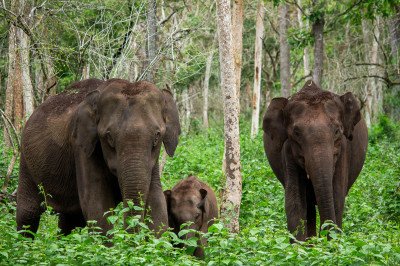 Kareems Forest Park is an extraordinary testament to one man's vision and tireless dedication toward nature conservation. Spread over 32 acres of lush greenery, this is the only man-made forest of its kind in Kerala. It was created by Mr. Abdul Kareem, a native of Kasaragod, who transformed a completely barren, rocky wasteland into a thriving ecosystem over a period of three decades. In the late 1970s, Kareem purchased five acres of parched land and began planting saplings despite the mockery of locals who believed nothing could grow on the hard laterite rock. Today, the park is a dense canopy of indigenous trees, medicinal plants, and wild shrubs. This forest has not only restored the green cover but has also significantly increased the groundwater levels in the entire Puliyamkulam village. The park is a sanctuary for hundreds of species of birds, small wild animals, insects, and reptiles, making it a "living laboratory" for environmentalists, scientists, and students of Ayurveda. Visitors can walk through narrow forest trails, breathe in the incredibly pure air, and observe how nature reclaims land when given a chance. Mr. Kareem himself often interacts with visitors, sharing his inspiring story and the techniques he used to nurture the forest without using chemical fertilizers or complex irrigation. The park features a small stream and a well that now remains full even in the peak of summer, showcasing the forest's ability to retain moisture. It is a peaceful retreat far from the city's noise, offering a deep connection with the earth. The park also serves as a center for distributing saplings to those who wish to start their own micro-forests. For anyone interested in eco-tourism and sustainability, a visit to Kareems Forest Park is an eye-opening and deeply humbling experience.
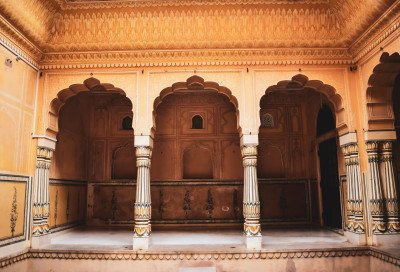 Arikady Fort, also known as Kumbla Fort, is a historical landmark that tells the story of the shifting power dynamics in North Kerala. Built in the early 17th century by Ikeri Hiriya Venkadappa Nayak, the fort is strategically located on a laterite hillock overlooking the Arikady and Shiriya rivers. Over the centuries, it has been controlled by the Kolathiri Rajas, the Vijayanagara Empire, Tipu Sultan, and finally the British. The fort’s circular design is unique in the region, offering a 360-degree view of the surrounding plains and the river estuary. Recent excavations have uncovered a large congregation hall, ancient pottery, and even lead bullets, proving its significance as a military and administrative hub. Today, the fort stands in a state of atmospheric ruin, with its walls covered in moss and creepers, giving it a romantic, "lost-in-time" feel. It is less crowded than the nearby Bekal Fort, making it an ideal spot for those seeking solitude and a deeper connection with history. The site provides a fantastic vantage point to watch local fishermen at work in the river below. The fort is not just a pile of stones but a silent witness to the battles fought for the control of the Tulunadu and Malabar regions.Show All
Kumbala Fort, also known as Arikady Fort, is a historical monument that whispers tales of the Nayakas of Keladi and Tipu Sultan. Located on a small hillock overlooking the Arikady River, this fort was strategically built around the year 1600 to guard the coastline and the river mouth. Unlike the grand Bekal Fort, Kumbala Fort is more modest in size but holds immense archaeological significance. Recent excavations have unearthed various artifacts, including Chinese pottery, lead bullets, and ancient roof tiles, suggesting that this was once a bustling center of trade and military activity. The fort is circular in shape and offers a steep but short climb to the top, where a watchtower provides a panoramic view of the surrounding greenery and the shimmering river. At the base of the fort lies the Arikady Hanuman Temple, which is a popular spot for devotees and adds a spiritual dimension to the visit. The fort's walls, made of laterite stones, have weathered centuries of monsoon rains but still stand as a proud reminder of the region's colonial and pre-colonial past. It is an ideal spot for history buffs and those looking for a quiet place to explore away from the typical tourist crowds. The blend of history, archaeology, and natural beauty makes it a unique destination in North Malabar. Visitors can spend time exploring the ruins, imagining the life of soldiers who once stood guard here, and enjoying the peaceful vistas of the Kumbla region.
Arikady Fort, also known as Kumbla Fort, is a historical landmark that tells the story of the shifting power dynamics in North Kerala. Built in the early 17th century by Ikeri Hiriya Venkadappa Nayak, the fort is strategically located on a laterite hillock overlooking the Arikady and Shiriya rivers. Over the centuries, it has been controlled by the Kolathiri Rajas, the Vijayanagara Empire, Tipu Sultan, and finally the British. The fort’s circular design is unique in the region, offering a 360-degree view of the surrounding plains and the river estuary. Recent excavations have uncovered a large congregation hall, ancient pottery, and even lead bullets, proving its significance as a military and administrative hub. Today, the fort stands in a state of atmospheric ruin, with its walls covered in moss and creepers, giving it a romantic, "lost-in-time" feel. It is less crowded than the nearby Bekal Fort, making it an ideal spot for those seeking solitude and a deeper connection with history. The site provides a fantastic vantage point to watch local fishermen at work in the river below. The fort is not just a pile of stones but a silent witness to the battles fought for the control of the Tulunadu and Malabar regions.Show All
Kumbala Fort, also known as Arikady Fort, is a historical monument that whispers tales of the Nayakas of Keladi and Tipu Sultan. Located on a small hillock overlooking the Arikady River, this fort was strategically built around the year 1600 to guard the coastline and the river mouth. Unlike the grand Bekal Fort, Kumbala Fort is more modest in size but holds immense archaeological significance. Recent excavations have unearthed various artifacts, including Chinese pottery, lead bullets, and ancient roof tiles, suggesting that this was once a bustling center of trade and military activity. The fort is circular in shape and offers a steep but short climb to the top, where a watchtower provides a panoramic view of the surrounding greenery and the shimmering river. At the base of the fort lies the Arikady Hanuman Temple, which is a popular spot for devotees and adds a spiritual dimension to the visit. The fort's walls, made of laterite stones, have weathered centuries of monsoon rains but still stand as a proud reminder of the region's colonial and pre-colonial past. It is an ideal spot for history buffs and those looking for a quiet place to explore away from the typical tourist crowds. The blend of history, archaeology, and natural beauty makes it a unique destination in North Malabar. Visitors can spend time exploring the ruins, imagining the life of soldiers who once stood guard here, and enjoying the peaceful vistas of the Kumbla region.Information
-
Why Famous:
Largest Fort in Kerala: Bekal Fort is a world-class heritage site and a popular location for Indian cinema, including the famous "Tu Hi Re" song from the movie Bombay. Its imposing structure and panoramic sea views make it one of the most iconic landmarks of South India.Largest Fort in Kerala: Bekal Fort is a world-class heritage site and a popular location for Indian cinema, including the famous "Tu Hi Re" song from the movie Bombay. Its imposing structure and panoramic sea views make it one of the most iconic landmarks of South India.
Mystical Lake Temple: The Ananthapura Lake Temple is famous for the "Vegetarian Crocodile" named Babiya that is said to live in the temple pond. This unique legend and the temple's serene location in the middle of a lake attract curious travelers and devotees from all over. -
Architecture:
Coastal Fortification: Bekal Fort is built with locally available laterite stone and features a unique "keyhole" shape when viewed from above. The architecture is purely defensive, with massive bastions, underground tunnels, and observation towers that offer a clear view of...Coastal Fortification: Bekal Fort is built with locally available laterite stone and features a unique "keyhole" shape when viewed from above. The architecture is purely defensive, with massive bastions, underground tunnels, and observation towers that offer a clear view of the entire coastline.
Temple over Water: The Ananthapura Lake Temple is a unique structure built in the middle of a lake, featuring traditional Kerala wood carvings and murals. It is considered the "Moolasthanam" (original seat) of the famous Padmanabhaswamy Temple in Thiruvananthapuram.
Dimensions: The Bekal Fort spans over 35 acres, with its massive walls rising directly from the sea waves. The Malik Dinar Mosque showcases a different scale, built in the traditional Kerala style with a focus on wooden pillars and a multi-tiered tiled roof. -
How To Reach:
By Air: The nearest airport is the Mangalore International Airport (IXE) in Karnataka, located about 60 KMS from Kasaragod town. It is very convenient for travelers as the drive to the district is relatively short and scenic along the coastal highway.
Read MoreBy Air: The nearest airport is the Mangalore International Airport (IXE) in Karnataka, located about 60 KMS from Kasaragod town. It is very convenient for travelers as the drive to the district is relatively short and scenic along the coastal highway.
By Train: Kasaragod Railway Station (KGQ) is a major station on the West Coast line, with several express trains connecting it to Kochi, Bangalore, and Mumbai. Most major tourist spots like Bekal have their own smaller stations nearby as well.
By Road: The district is well-connected by NH 66, which runs through the entire length of the coast. Regular KSRTC and private buses operate from Mangalore, Kannur, and Kozhikode, offering a variety of travel options for different budget levels.
Local Transport: Hiring a private taxi or an auto-rickshaw is the most flexible way to visit the scattered tourist spots of the district. The local bus network is extensive and connects even the remote villages, but it might require more time and local knowledge to navigate efficiently.Weather and Best Time to Visit:
Winter Season: October to March is the most comfortable time to visit, with cool weather and clear blue skies. This period coincides with the Theyyam festival season and is ideal for exploring the forts, beaches, and backwaters without the intense tropical heat.Winter Season: October to March is the most comfortable time to visit, with cool weather and clear blue skies. This period coincides with the Theyyam festival season and is ideal for exploring the forts, beaches, and backwaters without the intense tropical heat.
Monsoon Magic: From June to September, the district receives heavy rainfall, making the hills of Ranipuram incredibly lush and green. While beach activities are restricted, it is a great time to enjoy the scenic beauty of the waterfalls and the overall rainy vibe of the region.
Daytime Selection: Morning hours before 10:00 AM are perfect for visiting the temples and starting your treks in the hills. Late evenings after 4:30 PM are best for exploring the Bekal Fort and the beaches when the temperature is pleasant and the light is soft for photography.Near Tourist Places:
Bekal Fort (15 KMS), Ananthapura Lake Temple (12 KMS), Madhur Temple (8 KMS), Malik Dinar Mosque (2 KMS), Ranipuram (45 KMS), Valiyaparamba (35 KMS), Chandragiri Fort (4 KMS), Kappil Beach (16 KMS), Hosdurg Fort (28 KMS), Nileshwaram (30 KMS)Tourism Tips
-
Health & Safety: Always use sunscreen and carry a hat when exploring the forts and beaches, as the sun can be quite strong even in winter. Be careful while walking on the slippery rocks near the sea at Bekal Fort and always follow the safety signs placed by the authorities....Health & Safety: Always use sunscreen and carry a hat when exploring the forts and beaches, as the sun can be quite strong even in winter. Be careful while walking on the slippery rocks near the sea at Bekal Fort and always follow the safety signs placed by the authorities.
Packing Essentials: Pack light cotton clothes, comfortable walking shoes, and a sturdy umbrella. If you plan to visit the Ranipuram hills, carry a light jacket as it can get surprisingly chilly, especially during the early morning hours or in the monsoon season.
Cultural Respect: Since many attractions are religious sites, dress modestly and follow the local customs regarding photography and footwear. When visiting the Lake Temple, remember that it is a sacred space; maintain silence and do not disturb the peaceful atmosphere of the shrine.
Language Tips: While Malayalam is the main language, many locals also understand Kannada and English. A simple "Namaskaram" (Greeting) goes a long way in making a friendly connection with the locals, who are known for their hospitality and pride in their diverse cultural heritage.
Reviews
FAQs
Kasaragod Itineray And Cost:-
Information about New and Updated Locations() of Kerala Has Been Added :-
Card subtitle
Note:-
Information provided here in good Faith and for reference only.
All information and pictures will be updated soon, please keep visiting.
Near Places

Alleppey
Some quick example text to build on the card title and make up the bulk of the card's content.
Go somewhere
Athirappilly:
Some quick example text to build on the card title and make up the bulk of the card's content.
Go somewhere
Attingal
Some quick example text to build on the card title and make up the bulk of the card's content.
Go somewhere
Bekal
Some quick example text to build on the card title and make up the bulk of the card's content.
Go somewhere
Ernakulam
Some quick example text to build on the card title and make up the bulk of the card's content.
Go somewhere
Guruvayur
Some quick example text to build on the card title and make up the bulk of the card's content.
Go somewhere
Idukki
Some quick example text to build on the card title and make up the bulk of the card's content.
Go somewhere
Kannur
Some quick example text to build on the card title and make up the bulk of the card's content.
Go somewhere
Kasaragod
Some quick example text to build on the card title and make up the bulk of the card's content.
Go somewhere
Kochi
Some quick example text to build on the card title and make up the bulk of the card's content.
Go somewherein Other Cities