



Bekal
General information
-
Ideal Duration:
1 to 2 DaysPlace Type:
Fort & BeachEntry Fees:
Fort Entry Fees: For Indian citizens, the entry fee is around Rs.25 per person. Foreign tourists have to pay a higher fee of about Rs.300. Children below 15 years can enter the fort for free. There might be a small extra charge for professional cameras.
Read MoreFort Entry Fees: For Indian citizens, the entry fee is around Rs.25 per person. Foreign tourists have to pay a higher fee of about Rs.300. Children below 15 years can enter the fort for free. There might be a small extra charge for professional cameras.
Parking Fees: There is a dedicated parking area near the fort and the beach. The charges are usually Rs.20 for bikes and Rs.50 for cars. The parking is well-managed and safe for all types of vehicles. It is quite convenient for those driving their own cars.Timing:
Regular Timings: The Bekal Fort is open from 8:00 AM to 5:30 PM every day. The beach area stays open a bit longer for evening visitors. It is best to visit the fort in the morning to avoid the noon heat. The evening light is perfect for photography and relaxing at the bea...Regular Timings: The Bekal Fort is open from 8:00 AM to 5:30 PM every day. The beach area stays open a bit longer for evening visitors. It is best to visit the fort in the morning to avoid the noon heat. The evening light is perfect for photography and relaxing at the beach.
Ideal Visit Time: October to March is the most comfortable time for a visit. The weather is cool and perfect for exploring the large fort area. The monsoon season from June to September makes the place very green. However, walking on the fort walls can be slippery during heavy rains.Special Events:
Theyyam Performance: This is a ritual dance form unique to the North Malabar region. It is a spectacular display of colors, heavy costumes, and music. The performances usually happen in local temples during the winter. It is an intense and spiritual experience for any vis...Theyyam Performance: This is a ritual dance form unique to the North Malabar region. It is a spectacular display of colors, heavy costumes, and music. The performances usually happen in local temples during the winter. It is an intense and spiritual experience for any visitor.
Kasaragod Utsav: A cultural festival that showcases the arts and crafts of the district. It includes music concerts, dance shows, and local food stalls. It is a great time to see the diversity of the region's culture. The festival attracts artists from all over the state of Kerala.Best Photo Spots:
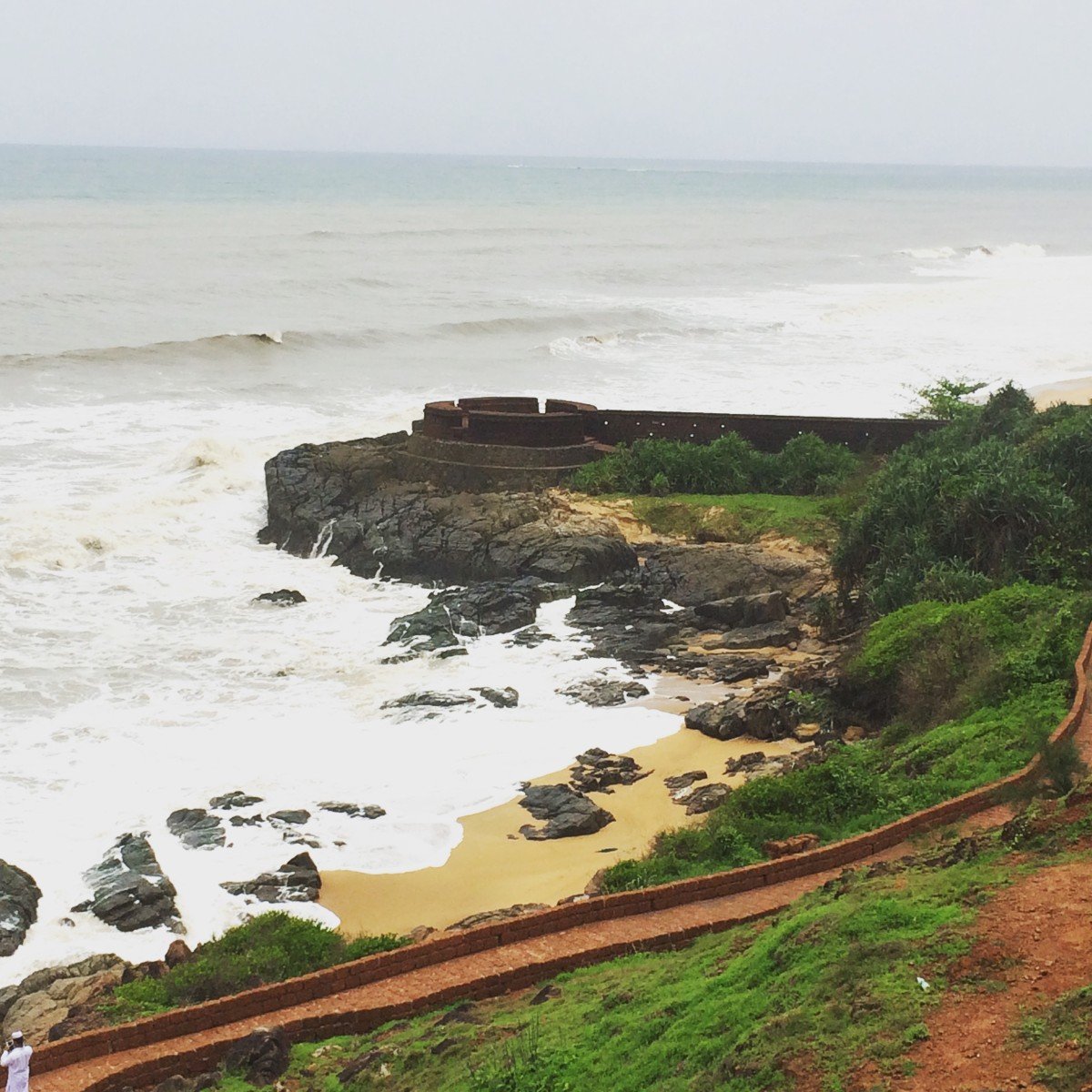
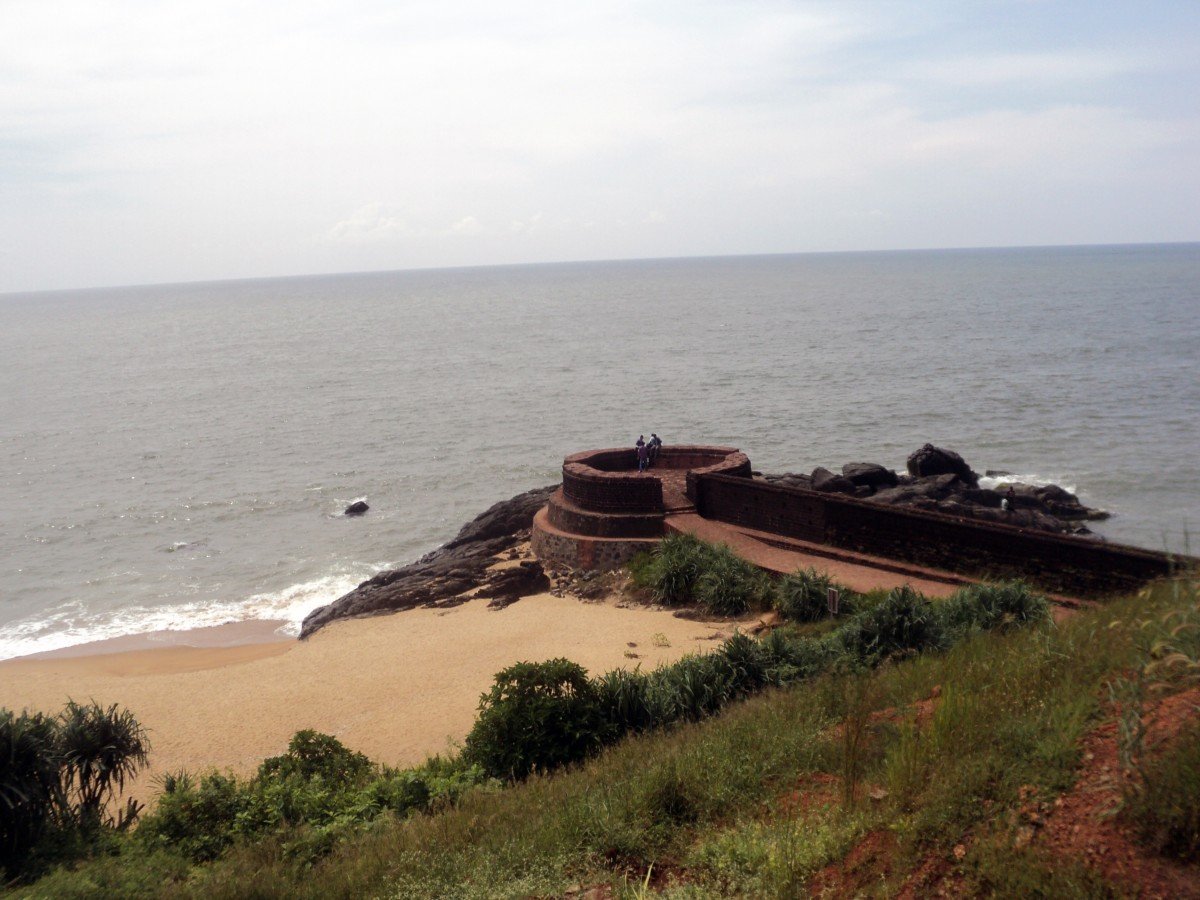
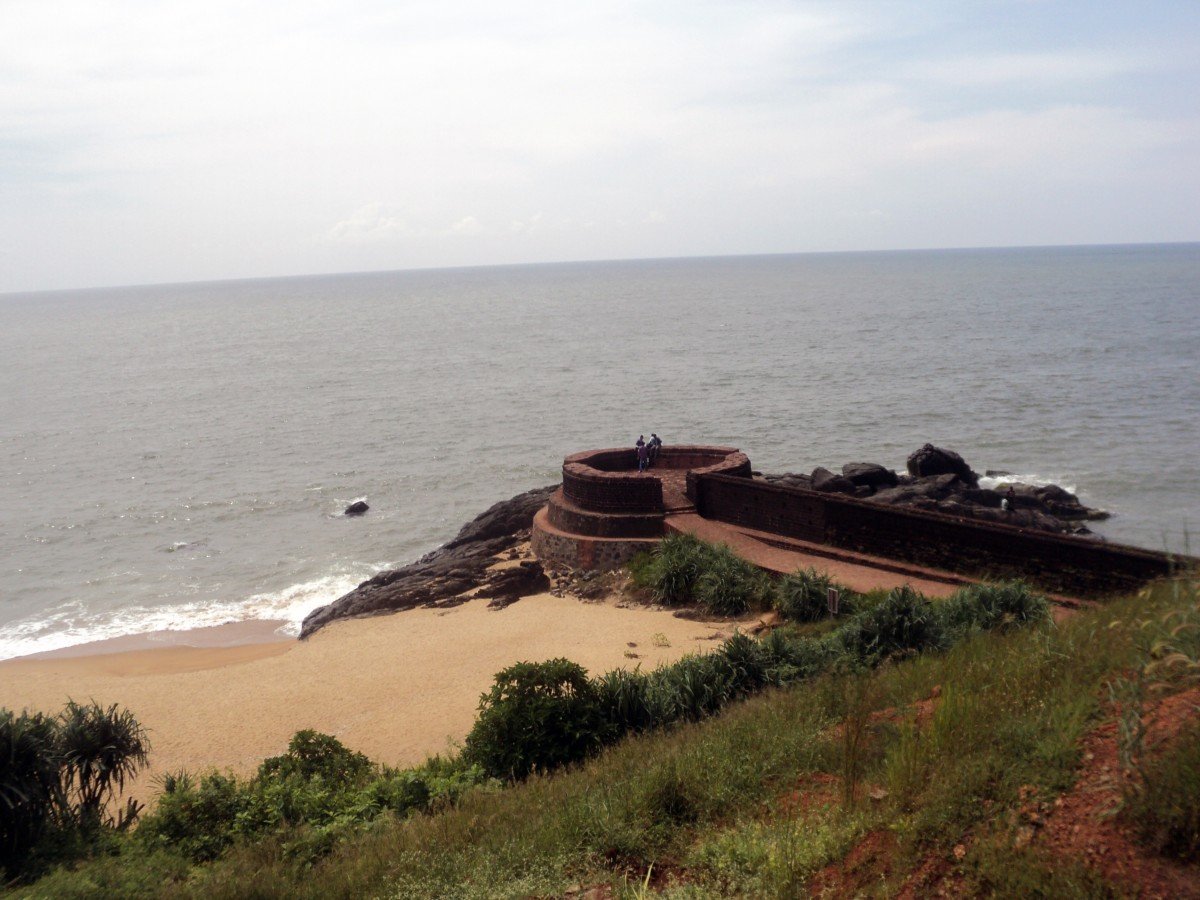
Fort Bastions: The circular bastions offer a grand view of the Arabian Sea. It is a perfect spot for taking wide landscape photos. The contrast of the red stones against the blue water is beautiful. Early morning or late afternoon light is best for these shots.Fort Bastions: The circular bastions offer a grand view of the Arabian Sea. It is a perfect spot for taking wide landscape photos. The contrast of the red stones against the blue water is beautiful. Early morning or late afternoon light is best for these shots.
Beach Walkway: The well-maintained walkway provides many photo opportunities. You can capture the fort in the background of your beach photos. The coconut groves along the shore add a tropical feel to the frames. It is a popular spot for wedding and fashion photography.Photo Gallery






Things To Do
 The **Malik Deenar Mosque** in **Thalangara, Kasaragod**, is one of the most historically and religiously significant mosques in India and a primary center of Islamic pilgrimage in **Kerala**. It is believed to have been established in **642 CE** by **Malik Ibn Dinar**, a Persian scholar, traveler, and one of the earliest known Islamic missionaries to arrive in the **Malabar Coast**. The mosque is an extraordinary example of the seamless blending of traditional **Kerala** architectural styles with Islamic religious requirements, showcasing the region's long-standing cultural synthesis and tolerance. It is considered one of the nine oldest mosques in the state, founded during the lifetime of the **Prophet Muhammad**'s companions, marking the beginning of the Islamic faith in South India. The mosque complex includes a beautiful prayer hall, the tomb of **Malik Ibn Muhammad** (a member of **Malik Ibn Dinar**'s team), and a large campus. The structure stands out for its serene ambiance and its meticulous maintenance. The architecture is characterized by its sloping tiled roof, extensive use of wood, intricate carvings, and the lack of a traditional high dome or minarets often seen in North Indian mosques. This is a common feature of early **Malabar** architecture. The mosque serves not only as a place of worship but also as a hub for cultural and religious education. Every year, it attracts thousands of pilgrims and tourists who come to seek spiritual solace and witness a crucial piece of Indian religious history. The mosque's history is entwined with the legend of the last **Chera King**, adding to its profound cultural narrative.
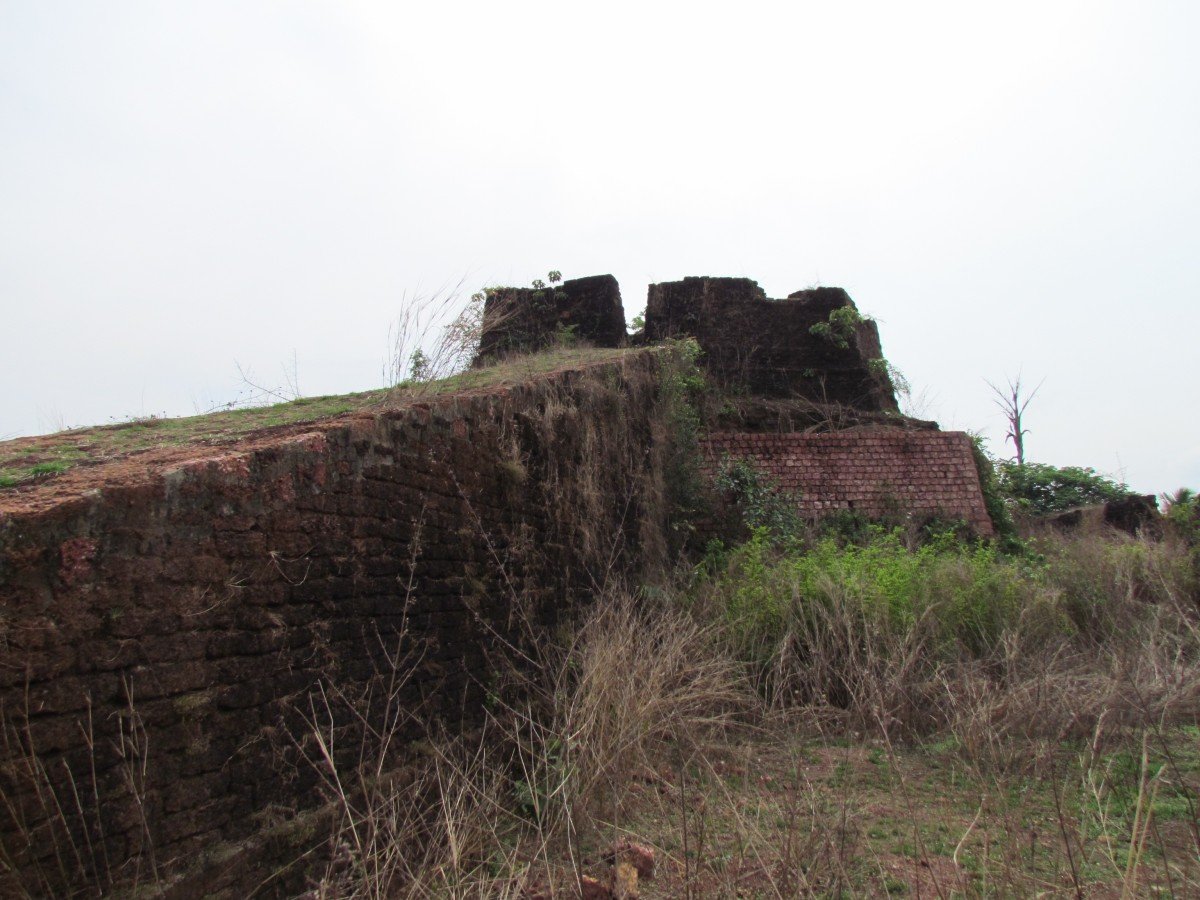
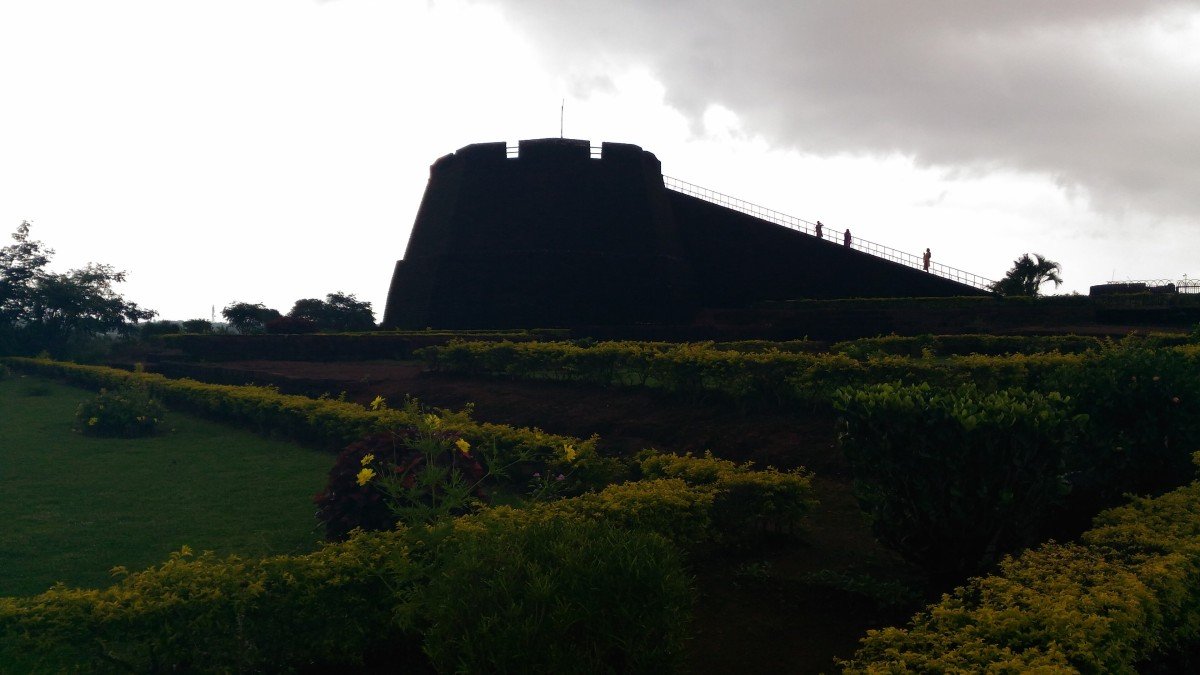
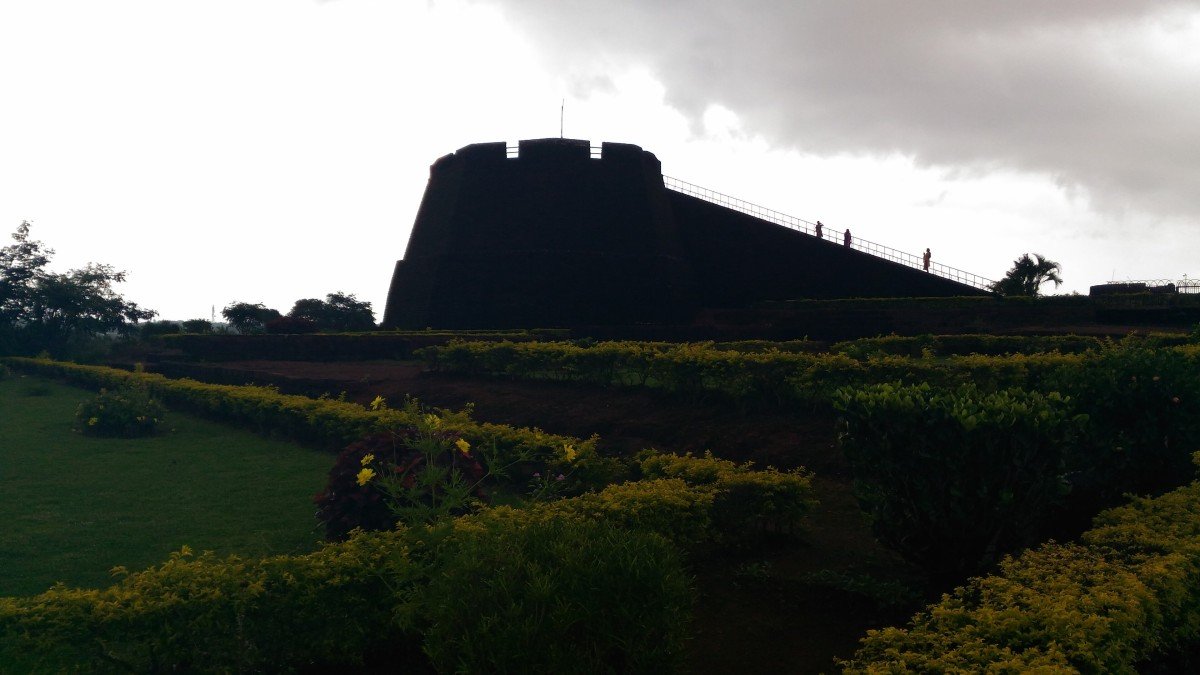
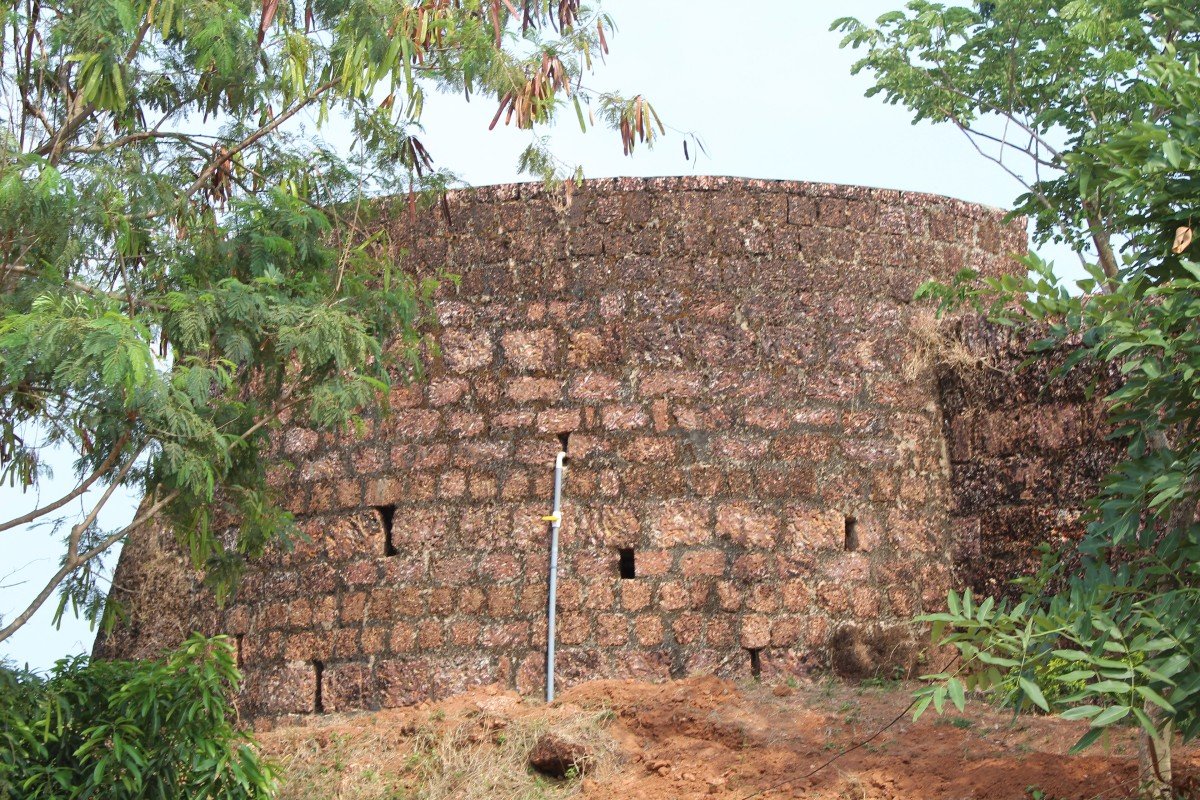
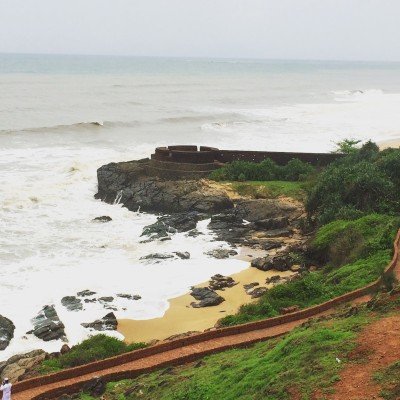 **Bekal Fort** is the most iconic landmark of **Bekal** and stands as the largest and most well-preserved fort in the entire state of **Kerala**. Spanning over **40 acres** on a headland that juts into the Arabian Sea, this historical marvel dates back to around **1650 AD**, built predominantly by **Shivappa Nayaka** of the **Keladi** dynasty, though its history involves earlier rulers like the **Kolathiri Rajas**. The fort's strategic location and unique design suggest it was primarily constructed for defense purposes, lacking the palaces or administrative buildings typical of many other forts. Its sheer size and impressive laterite masonry evoke a sense of a glorious bygone era. Visitors are greeted by a zigzag entrance, a well-preserved water tank with steps, and the prominent Observation Tower, which offers breathtaking, panoramic views of the coastline. The sea-facing bastions and the strategically placed defense holes on the outer walls testify to the architectural and military ingenuity of its builders. The fort's captivating beauty, especially during sunrise and sunset, has made it a favorite spot for tourists, history enthusiasts, and even filmmakers, notably featuring in the famous song 'Uyire' from the movie **Bombay**. The entire area, including the adjacent **Bekal Beach**, has been developed as a special tourism zone to enhance the visitor experience while preserving its historical integrity. The atmosphere is generally serene, offering a perfect blend of history, architecture, and natural beauty.
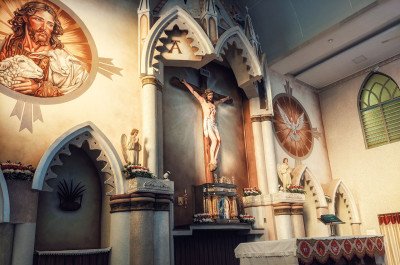 @@A Sanctuary of Faith: Our Lady of Sorrows Church, popularly known as Bela Church, is the oldest Roman Catholic church in the Kasaragod district, dating back to 1890. It was built by Konkani-speaking Catholics who migrated from Goa to escape various historical pressures. The church stands as a massive, imposing structure in the quiet village of Bela, radiating an aura of peace and spiritual gravity. It is renowned for its miraculous statue of Mother Mary, which attracts devotees from all faiths throughout the year. The church complex is vast, featuring a historic cemetery and a series of sacred caves that add a mystical dimension to the visit. Over the years, it has undergone several renovations, including a major one during its centenary, yet it has managed to preserve its antique soul and historical significance.
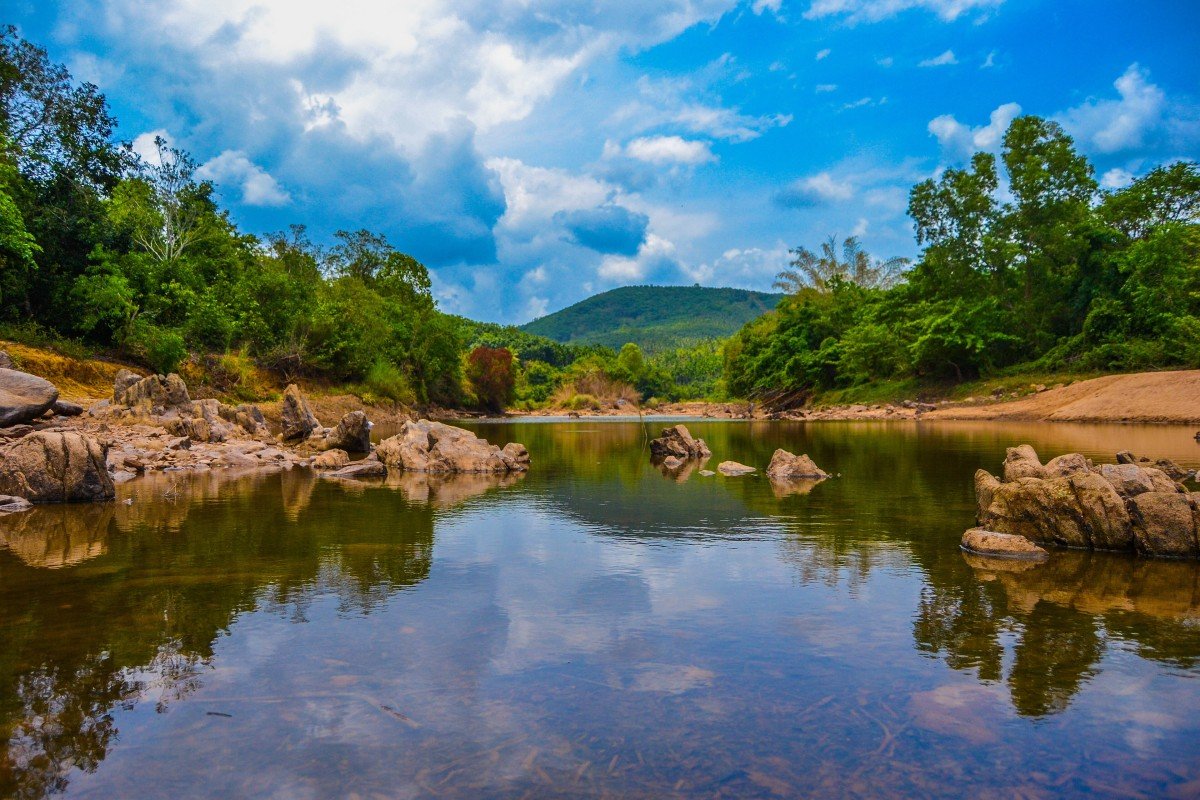
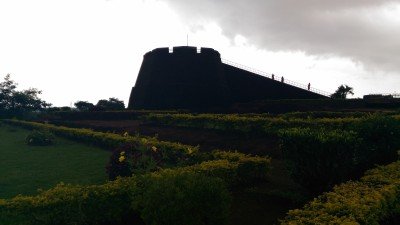 Cheroor Valley View Point is a breathtaking destination nestled in the verdant landscapes of the Cheroor region. This viewpoint offers an expansive vista of the lush green valleys and the meandering Payaswini River below. Visitors are often mesmerized by the layers of mist that settle over the hills during the early morning hours, creating a dreamlike atmosphere. The location is relatively untouched by commercial tourism, making it a peaceful haven for those looking to escape the hustle and bustle of city life. The viewpoint provides a 360-degree perspective of the Western Ghats' foothills, where the vibrant green of the plantations meets the deep blue of the sky. It is a preferred spot for local nature enthusiasts and hikers who enjoy the gentle incline leading to the summit. The air here is remarkably fresh, carrying the scent of damp earth and tropical vegetation. As the day progresses, the changing light transforms the valley's colors from bright emerald to deep forest green. This place serves as a vital ecological corridor, housing various species of local birds and butterflies. The serene environment is perfect for meditation or simply sitting in silence to appreciate the natural world. Many travelers combine a visit here with the nearby Chandragiri Fort to experience both history and nature in one trip. The path to the viewpoint is lined with traditional houses and small farms, giving a glimpse into the rural life of Kerala. Overall, it is a must-visit for anyone seeking tranquility and a visual feast of Kerala's famous natural beauty.
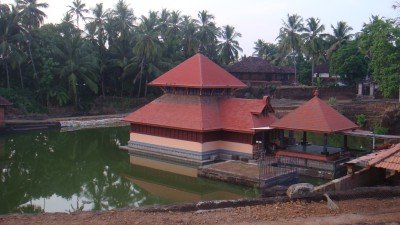 The Ananthapura Lake Temple is a 9th-century marvel and the only lake temple in Kerala. It is widely considered the Moolasthanam or original source of the world-famous Sree Padmanabhaswamy Temple in Thiruvananthapuram. Legend says that the great sage Vilwamangalam Swami performed penance here, and the Lord appeared as a mischievous boy before disappearing through a cave toward the south. The temple is surrounded by a 2-acre rectangular lake with perennial spring water. For decades, the temple was guarded by Babia, a vegetarian crocodile that lived in the lake and ate only temple offerings. After Babia passed away in October 2022, a new crocodile mysteriously appeared in November 2023, keeping the divine tradition alive. Visitors feel an overwhelming sense of peace here, amidst the sprawling hillocks and silent waters. The temple remains a symbol of communal harmony and spiritual mystery.
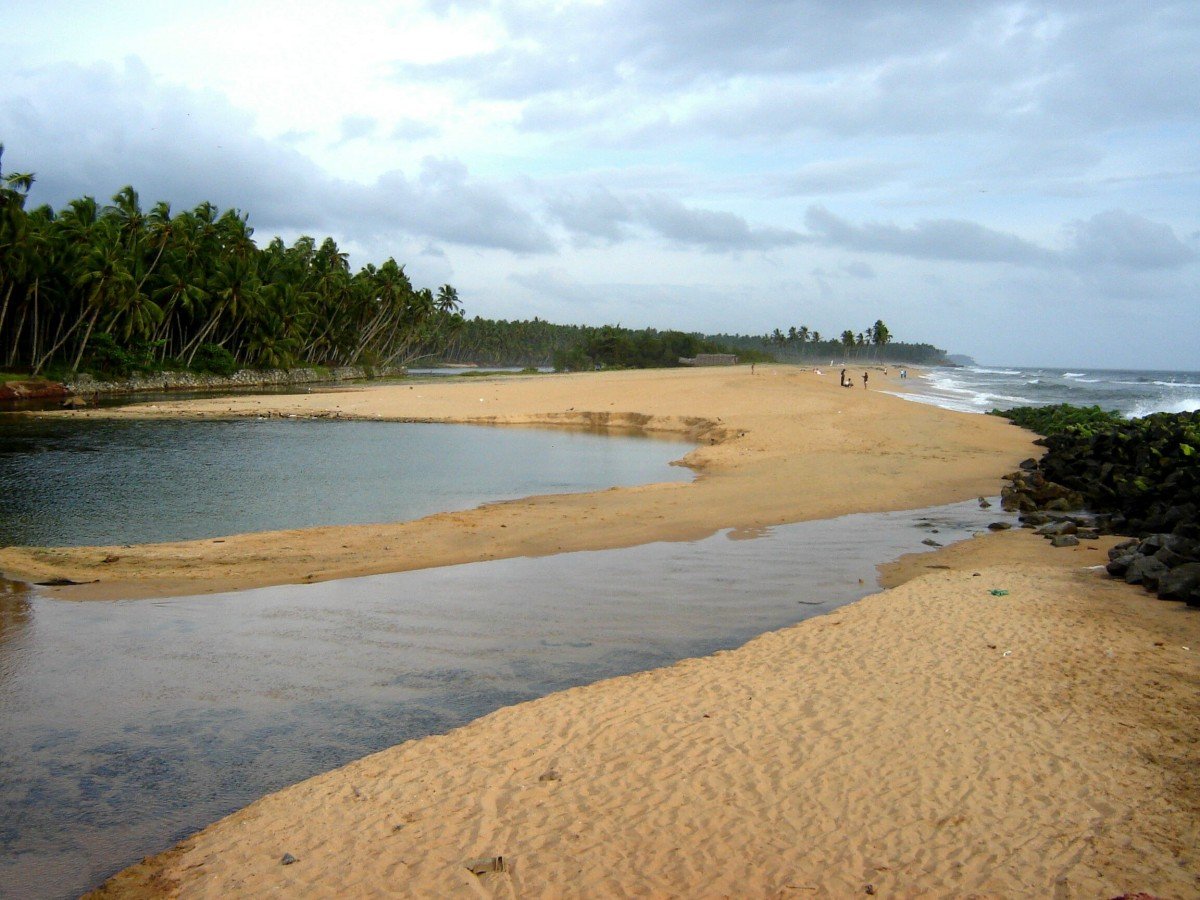
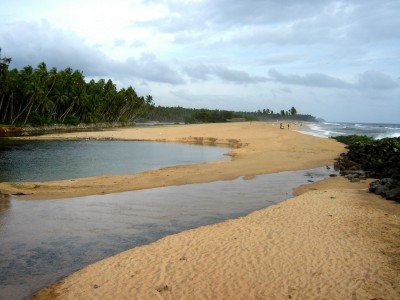 **Kappil Beach** is celebrated for its unique geographical feature: a narrow stretch of coastal road that separates the Arabian Sea on one side from the tranquil **Kappil Backwaters (Kappil Lake)** on the other. This confluence of two distinct water bodies—the energetic sea and the serene backwaters—creates a breathtaking and picturesque landscape that is truly characteristic of **Kerala**. The beach itself is a vast, long stretch of clean, firm sand, less developed and hence less crowded than the main **Bekal** beaches. Its secluded nature makes it an ideal spot for long, undisturbed walks, relaxation, and peaceful contemplation. The major highlight is the elevated viewpoint known as **Kodi Cliff (Kodi Hill)**, which is located nearby. Standing atop this cliff offers a magnificent panoramic view of the coastline, the azure Arabian Sea, and the serene backwaters sprawling across the land, a sight that defines the beauty of **North Kerala**. The palm-fringed backwaters behind the beach are perfect for gentle boat rides, offering a different kind of water experience. The drive or walk along the thin strip of land with water on both sides is an experience in itself, often captured as one of the most scenic views in the region. The overall ambiance is one of raw, natural beauty and quiet majesty, highly favored by honeymooners and serious photographers. The relative isolation of **Kappil** has helped maintain its pristine condition, making it a wonderful escape from commercialized tourism.
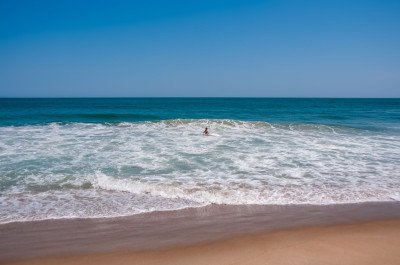 Thaikadappuram Beach is a serene coastal stretch located near Nileshwaram, famous for being a rare breeding ground for Olive Ridley Turtles. This beach remains relatively untouched by commercial tourism, offering a peaceful atmosphere characterized by golden sands and rows of swaying coconut palms. During the monsoon season, these ancient sea turtles travel thousands of miles to lay their eggs on these shores. The beach is situated at the confluence of the Thejaswini River and the Arabian Sea, creating a unique estuarine environment. Visitors can enjoy long walks without the typical crowds found at Bekal Beach. The local community is deeply involved in conservation efforts, with an NGO named Neythal managing a turtle hatchery right on the beach. It is an ideal spot for those who appreciate quiet sunsets and the raw beauty of the Malabar coast. The gentle waves and the sound of the river merging with the sea provide a therapeutic experience for anyone seeking solitude and natural wonder. :Show All
Kodi Hill View Point, often referred to as Kodi Cliff, is one of the most scenic elevations in the Bekal region. It is situated right at the edge of the Kappil Beach, providing a dramatic meeting point between the sea and the land. The "Hill" is actually a steep laterite cliff that rises abruptly from the shoreline. From the top, visitors get an unparalleled view of the Arabian Sea on one side and the calm backwaters of Kappil on the other. The trek to the top is relatively easy and takes about 15 to 20 minutes, making it accessible for most age groups. The summit is a flat, grassy expanse that offers plenty of space to sit and enjoy the breeze. This spot is particularly famous for its sunset, which is considered one of the best in Kerala. The elevation allows you to see the coastline stretching towards Bekal Fort in the south. The area is covered with cashew trees and wild shrubs, and during the monsoon, the entire cliff turns a brilliant shade of green. It is a popular spot for youngsters and couples who come here for the romantic ambiance and the silence. Unlike the crowded beaches, Kodi Hill remains quiet and offers a sense of solitude. The path to the hill passes through a small coastal village, giving visitors a chance to see the local lifestyle up close. It is a perfect spot for those who enjoy light adventure and want a bird's-eye view of the coastal geography.
Thaikadappuram Beach is a serene coastal stretch located near Nileshwaram, famous for being a rare breeding ground for Olive Ridley Turtles. This beach remains relatively untouched by commercial tourism, offering a peaceful atmosphere characterized by golden sands and rows of swaying coconut palms. During the monsoon season, these ancient sea turtles travel thousands of miles to lay their eggs on these shores. The beach is situated at the confluence of the Thejaswini River and the Arabian Sea, creating a unique estuarine environment. Visitors can enjoy long walks without the typical crowds found at Bekal Beach. The local community is deeply involved in conservation efforts, with an NGO named Neythal managing a turtle hatchery right on the beach. It is an ideal spot for those who appreciate quiet sunsets and the raw beauty of the Malabar coast. The gentle waves and the sound of the river merging with the sea provide a therapeutic experience for anyone seeking solitude and natural wonder. :Show All
Kodi Hill View Point, often referred to as Kodi Cliff, is one of the most scenic elevations in the Bekal region. It is situated right at the edge of the Kappil Beach, providing a dramatic meeting point between the sea and the land. The "Hill" is actually a steep laterite cliff that rises abruptly from the shoreline. From the top, visitors get an unparalleled view of the Arabian Sea on one side and the calm backwaters of Kappil on the other. The trek to the top is relatively easy and takes about 15 to 20 minutes, making it accessible for most age groups. The summit is a flat, grassy expanse that offers plenty of space to sit and enjoy the breeze. This spot is particularly famous for its sunset, which is considered one of the best in Kerala. The elevation allows you to see the coastline stretching towards Bekal Fort in the south. The area is covered with cashew trees and wild shrubs, and during the monsoon, the entire cliff turns a brilliant shade of green. It is a popular spot for youngsters and couples who come here for the romantic ambiance and the silence. Unlike the crowded beaches, Kodi Hill remains quiet and offers a sense of solitude. The path to the hill passes through a small coastal village, giving visitors a chance to see the local lifestyle up close. It is a perfect spot for those who enjoy light adventure and want a bird's-eye view of the coastal geography.Information
-
Why Famous:
The Giant Fort: It is the largest and best-preserved fort in all of Kerala. The location on a rocky headland makes it look very majestic. It provides a 360-degree view of the surrounding sea and land. The historical significance attracts thousands of tourists every year. ...The Giant Fort: It is the largest and best-preserved fort in all of Kerala. The location on a rocky headland makes it look very majestic. It provides a 360-degree view of the surrounding sea and land. The historical significance attracts thousands of tourists every year.
Filming Location: Many famous songs and movies have been shot at this fort. The song Tu Hi Re from the movie Bombay made it very popular. Fans visit the fort to see the iconic spots shown on the big screen. The dramatic waves and old walls create a perfect cinematic backdrop. -
Architecture:
Fort Structure: The fort is built using huge blocks of red laterite stone. It is famous for its unique keyhole shape when seen from above. The walls are very thick and have survived centuries of sea spray.
Dimensio...Fort Structure: The fort is built using huge blocks of red laterite stone. It is famous for its unique keyhole shape when seen from above. The walls are very thick and have survived centuries of sea spray.
Dimension: The fort is spread over a massive 40 acres of land. The observation tower in the center offers a view of the entire coast. The zigzag entrance was designed to slow down invading enemies.
Military Features: The fort has an underground tunnel that leads to the outside. It was used as an escape route during times of siege or danger. There is also a large water tank used by the soldiers in the past.
Dimension: The walls rise to a height of about 30 feet from the ground. The peepholes are strategically placed for different ranges of weapons. It is an excellent example of medieval coastal defense architecture. -
How To Reach:
By Air: Mangalore International Airport (IXE) is the nearest airport. It is located about 65 KMS away from Bekal town. You can hire a taxi or take a bus from Mangalore to reach here. The drive takes about 1. 5 to 2 hours through the coastal road.
Read MoreBy Air: Mangalore International Airport (IXE) is the nearest airport. It is located about 65 KMS away from Bekal town. You can hire a taxi or take a bus from Mangalore to reach here. The drive takes about 1. 5 to 2 hours through the coastal road.
By Train: Kanhangad and Kasaragod are the nearest major railway stations. They are about 12 KMS and 16 KMS away respectively. Most express trains running on the Konkan route stop at these stations. You can take an auto or a local bus from the station to the fort.
By Road: Bekal is well-connected by road to other parts of Kerala and Karnataka. It lies on the Kasaragod-Kanhangad state highway. Frequent buses run from Mangalore, Kochi, and Kannur. The road journey offers beautiful views of the rural countryside.
By Local Transport: Auto-rickshaws are the most convenient way to travel locally. You can also find local buses that connect the main towns and villages. Taxis can be hired for a full day of sightseeing in the area. Walking is pleasant within the fort and the beach park area.Weather and Best Time to Visit:
Winter Season: This is the peak time with temperatures between 20°C and 32°C. The sky is usually clear, making it great for outdoor activities. Most of the cultural events and festivals happen during this period. It is the best time for photography and long beach walks....Winter Season: This is the peak time with temperatures between 20°C and 32°C. The sky is usually clear, making it great for outdoor activities. Most of the cultural events and festivals happen during this period. It is the best time for photography and long beach walks.
Rainy Season: The region receives heavy rainfall during the Southwest Monsoon. The fort looks very dramatic with dark clouds and rough sea waves. The greenery is at its peak, making the landscape look very fresh. It is a good time for those who enjoy the rainy weather of Kerala.Near Tourist Places:
1. Chandragiri Fort (12km), 2. Kappil Beach (6km), 3. Valiyaparamba Backwaters (30km), 4. Anandashram (15km), 5. Hosdurg Fort (12km), 6. Ranipuram Hills (55km), 7. Malik Deenar Mosque (15km), 8. Ananthapura Lake Temple (30km), 9. Nileshwaram (25km), 10. Mangalore (65km).Tourism Tips
-
Health & Safety: Be very careful while walking on the edge of the fort walls. The stones can be slippery, especially during or after the rain. Always carry a water bottle to stay hydrated while exploring. Follow the instructions of the guards and stay within the marked ar...Health & Safety: Be very careful while walking on the edge of the fort walls. The stones can be slippery, especially during or after the rain. Always carry a water bottle to stay hydrated while exploring. Follow the instructions of the guards and stay within the marked areas.
Packing: Wear comfortable cotton clothes and a good pair of walking shoes. A hat and sunglasses will protect you from the strong coastal sun. Carry a light jacket if you are visiting during the winter nights. Don't forget your camera and extra memory cards for the views.
Accommodation: There are several luxury resorts and boutique hotels near the beach. Budget-friendly homestays and lodges are available in Kanhangad. Staying in a resort gives you direct access to the scenic beach. It is advisable to book your stay well in advance for the winter.
Other Tips: Try the local Kasaragod style biryani and seafood dishes. Respect the local traditions when visiting temples or attending festivals. Carry some cash as some small vendors might not have digital pay. Learn about the fort's history to make your visit more meaningful.
Reviews
FAQs
Bekal Itineray And Cost:-
Other Places In Kerala :-
Other States In India :-
Information about New and Updated Locations() of Kerala Has Been Added :-
Card subtitle
Note:-
Information provided here in good Faith and for reference only.
Near Places
Athirappilly:
Some quick example text to build on the card title and make up the bulk of the card's content.
Go somewhere
Attingal
Some quick example text to build on the card title and make up the bulk of the card's content.
Go somewhere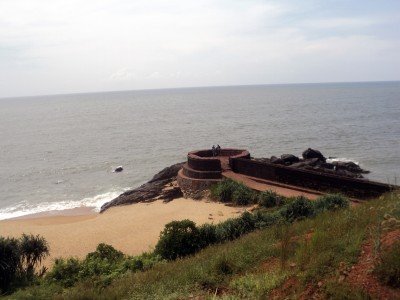
Bekal
Some quick example text to build on the card title and make up the bulk of the card's content.
Go somewhere
Ernakulam
Some quick example text to build on the card title and make up the bulk of the card's content.
Go somewhere
Guruvayur
Some quick example text to build on the card title and make up the bulk of the card's content.
Go somewhere
Idukki
Some quick example text to build on the card title and make up the bulk of the card's content.
Go somewhere
Kannur
Some quick example text to build on the card title and make up the bulk of the card's content.
Go somewhere
Kasaragod
Some quick example text to build on the card title and make up the bulk of the card's content.
Go somewhere
Kollam
Some quick example text to build on the card title and make up the bulk of the card's content.
Go somewhere
Kottayam
Some quick example text to build on the card title and make up the bulk of the card's content.
Go somewhere
Kovalam
Some quick example text to build on the card title and make up the bulk of the card's content.
Go somewhere
Kozhikode
Some quick example text to build on the card title and make up the bulk of the card's content.
Go somewhere
Kumarakom
Some quick example text to build on the card title and make up the bulk of the card's content.
Go somewhere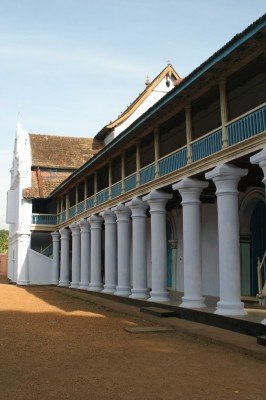
Kuttanad
Some quick example text to build on the card title and make up the bulk of the card's content.
Go somewhere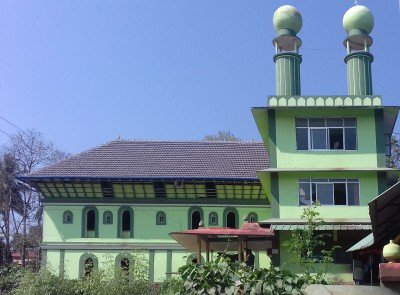
Malappuram
Some quick example text to build on the card title and make up the bulk of the card's content.
Go somewhere
Marari Beach
Some quick example text to build on the card title and make up the bulk of the card's content.
Go somewherein Other Cities