Alleppey
General information
-
Ideal Duration:
2 to 3 DaysPlace Type:
Backwaters & BeachEntry Fees:
Houseboat Costs: A day trip usually costs around Rs.5,000 to Rs.8,000. Overnight stays range from Rs.10,000 to Rs.25,000 or more. Prices vary based on the number of rooms and luxury. It usually includes all meals and snacks during the stay.
Museum Fe...Houseboat Costs: A day trip usually costs around Rs.5,000 to Rs.8,000. Overnight stays range from Rs.10,000 to Rs.25,000 or more. Prices vary based on the number of rooms and luxury. It usually includes all meals and snacks during the stay.
Museum Fees: Entry to palaces and museums is very nominal. For Indians, it is around Rs.20 to Rs.50 per person. Foreigners might have to pay Rs.200 to Rs.300 for entry. Camera charges are usually extra in these historic sites.Timing:
Regular Timings: Most tourist spots are open from 9:00 AM to 5:30 PM. Houseboats usually start their cruises around 11:00 AM. They must anchor by 5:30 PM due to fishing laws. Beach activities are best enjoyed during the early morning or evening.
Read MoreRegular Timings: Most tourist spots are open from 9:00 AM to 5:30 PM. Houseboats usually start their cruises around 11:00 AM. They must anchor by 5:30 PM due to fishing laws. Beach activities are best enjoyed during the early morning or evening.
Ideal Visit Time: The best months are from October to March. The weather is cool and dry during this winter period. Avoid the monsoon months if you want to stay on a boat. The summer can be quite hot and humid for outdoor tours.Special Events:
Nehru Trophy: This event happens on the second Saturday of August. It is the most prestigious boat race in the country. Thousands of people gather to watch the synchronized rowing. The atmosphere is electric with cheering and traditional music. It is a celebration of the...Nehru Trophy: This event happens on the second Saturday of August. It is the most prestigious boat race in the country. Thousands of people gather to watch the synchronized rowing. The atmosphere is electric with cheering and traditional music. It is a celebration of the harvest and water culture.
Alappuzha Beach Festival: Held during the New Year season with great pomp. It includes sand art competitions and cultural music programs. The beach is decorated with lights and food stalls. Local artists showcase their talents during the festival days. It is a great time to visit for families and kids.Best Photo Spots:
Lighthouse View: Climb the Alappuzha Lighthouse for a full city view. The contrast between the green trees and blue sea is perfect. It is best to visit during the golden hour for photos. The spiral stairs lead to a stunning panoramic gallery.
...Lighthouse View: Climb the Alappuzha Lighthouse for a full city view. The contrast between the green trees and blue sea is perfect. It is best to visit during the golden hour for photos. The spiral stairs lead to a stunning panoramic gallery.
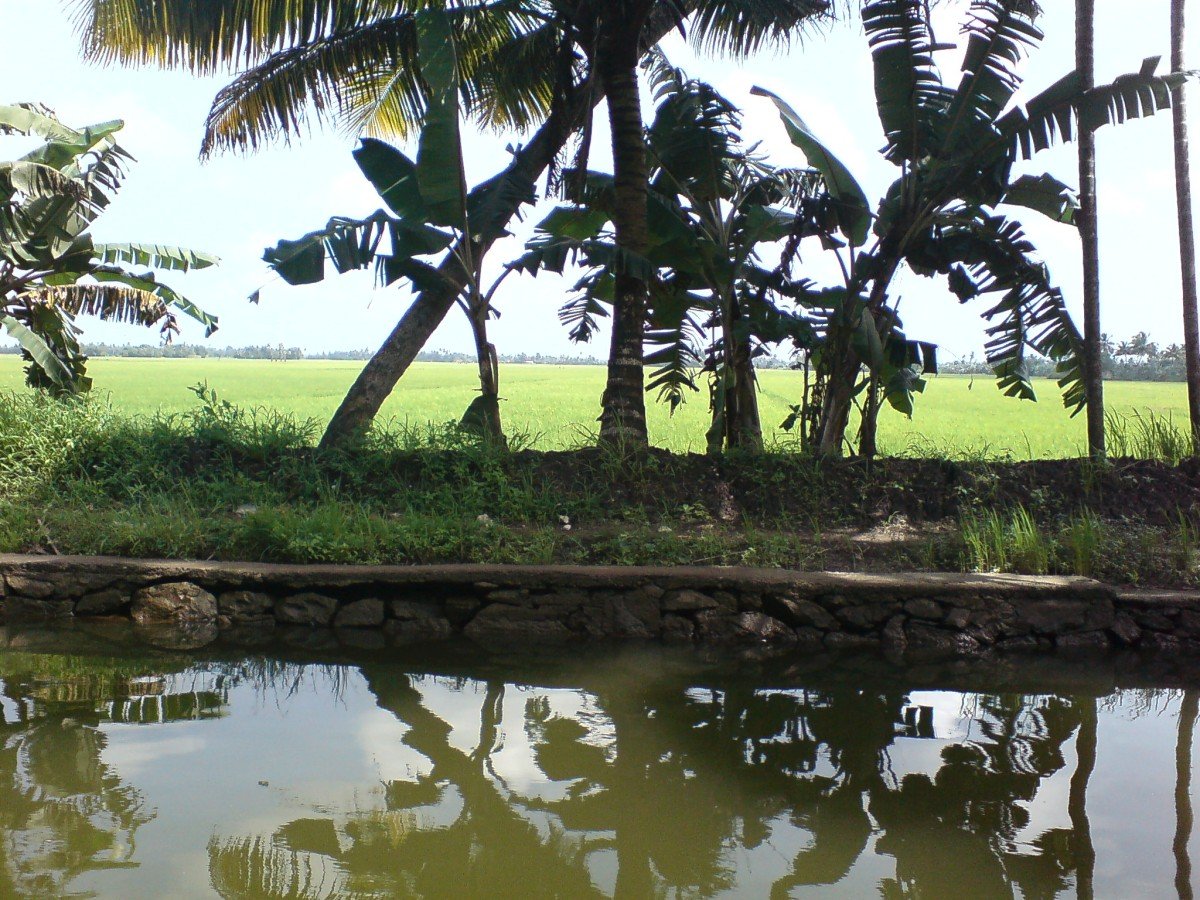
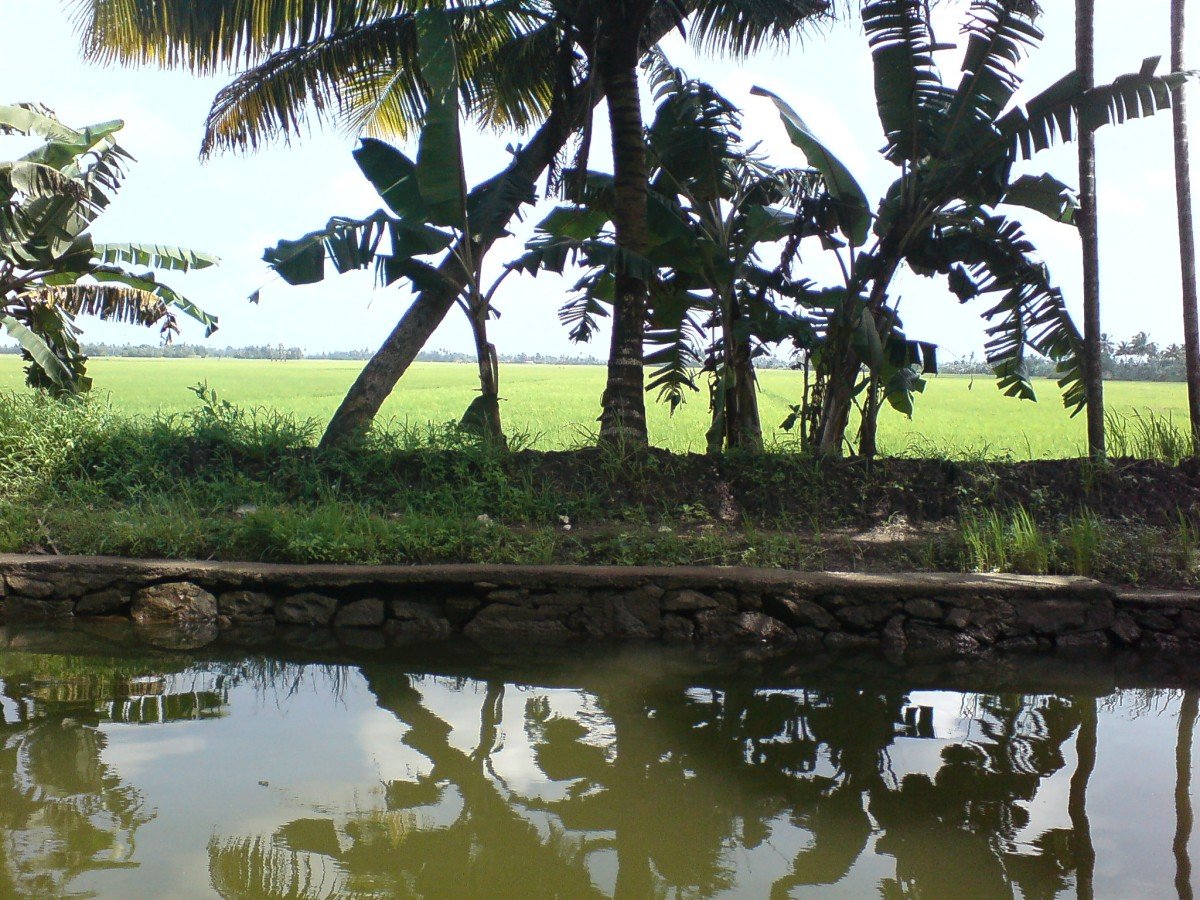
Paddy Fields: The green expanses of Kuttanad are a photographer's dream. The reflection of coconut trees in the water is very scenic. Capture the laborers working in the lush green fields. The early morning light creates a magical atmosphere for photography.Photo Gallery

Things To Do
 **Chavara Bhavan** is a revered Catholic pilgrimage center and the ancestral home of Saint **Kuriakose Elias Chavara** (Father Kuriakose Elias Chavara), a prominent 19th-century Catholic priest, social reformer, and educational pioneer in Kerala. The Bhavan is a holy shrine and spiritual center nestled in the serene backwaters of the village of **Kainakary**, completely surrounded by water. Due to its unique location, the only way to reach it is by boat, which in itself offers a beautiful and tranquil journey through the famed **Alleppey** backwaters. The **250**-year-old ancestral house is meticulously preserved, offering a profound insight into the simple life and roots of the saint who was instrumental in bringing about social and educational changes, including starting the first school for girls in Kerala. Visitors can explore the well-maintained house, which features a preserved historical beacon of light, a significant artifact tied to the saint's legacy. Adjacent to the ancestral home is a small, quiet church where devotees gather for prayer and reflection. The complex also houses a museum that displays various artifacts, documents, and memorabilia related to the life and works of Saint **Chavara**. His contributions went beyond religion; he promoted literacy, started the first printing press in the region, and worked tirelessly for the marginalized. The peaceful ambiance of the location, combined with its historical and spiritual significance, attracts thousands of pilgrims and tourists alike, making it a unique stop in the **Alleppey** backwater circuit. A visit to **Chavara Bhavan** is not just a historical tour but a deeply spiritual and reflective experience in a stunning natural setting.
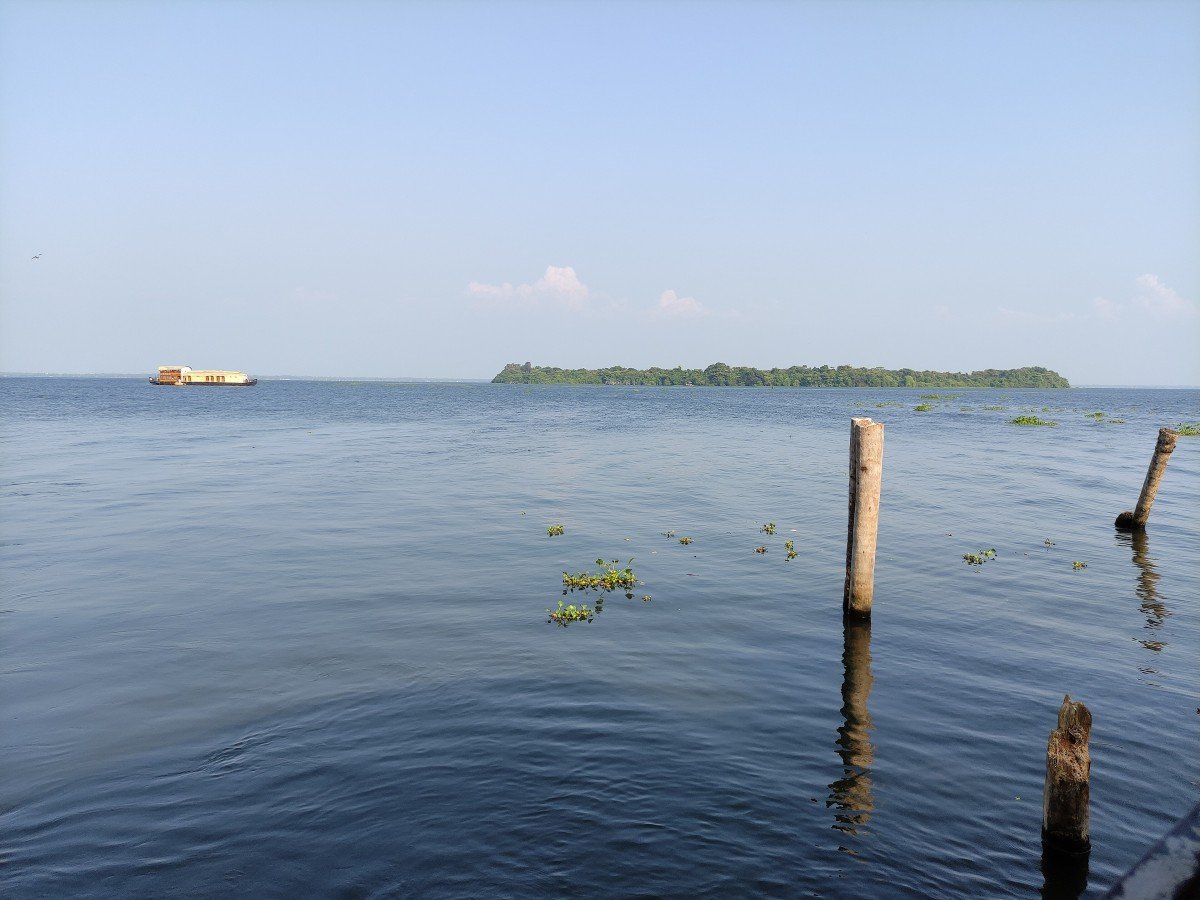
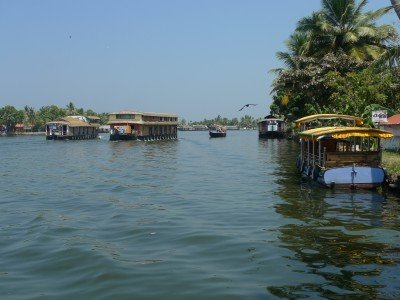 The **Alleppey Backwaters** are the heart and soul of **Alappuzha** and form the most celebrated part of Kerala's unique geography. This intricate, labyrinthine network consists of tranquil canals, expansive lakes like **Vembanad Lake** (the longest in India), and winding rivers. Cruising through these emerald waterways on a traditional *Kettuvallam* (houseboat) is an experience that defines Kerala tourism. The houseboats, converted rice barges, offer various amenities, from basic to luxurious, providing a floating home for tourists. As you glide along, you witness the distinctive local life: villagers transporting goods in small canoes, children commuting to school, women washing clothes, and farmers tending to the expansive paddy fields of **Kuttanad**, often referred to as the "Rice Bowl of Kerala," which lie several feet below sea level. The backwaters are fringed with lush greenery, including swaying coconut palms, mango trees, and vibrant tropical foliage. The quiet rhythm of life on the water, far removed from the noise of cities, provides a profound sense of peace and relaxation. A journey here is not merely a sightseeing tour but an intimate peek into the authentic, water-based culture of rural Kerala, where life is inextricably linked to the ebb and flow of the waters. The journey reveals hidden villages, beautiful churches and temples, and offers opportunities to savor fresh, locally cooked Kerala cuisine, especially seafood like *Karimeen* (Pearl Spot Fish). The backwaters stretch far, connecting **Alappuzha** to other prominent backwater destinations like **Kottayam** and **Kollam**, offering long-distance cruises for extended exploration. The sight of a sunset over the vast expanse of **Vembanad Lake** from the deck of a houseboat is truly mesmerizing.
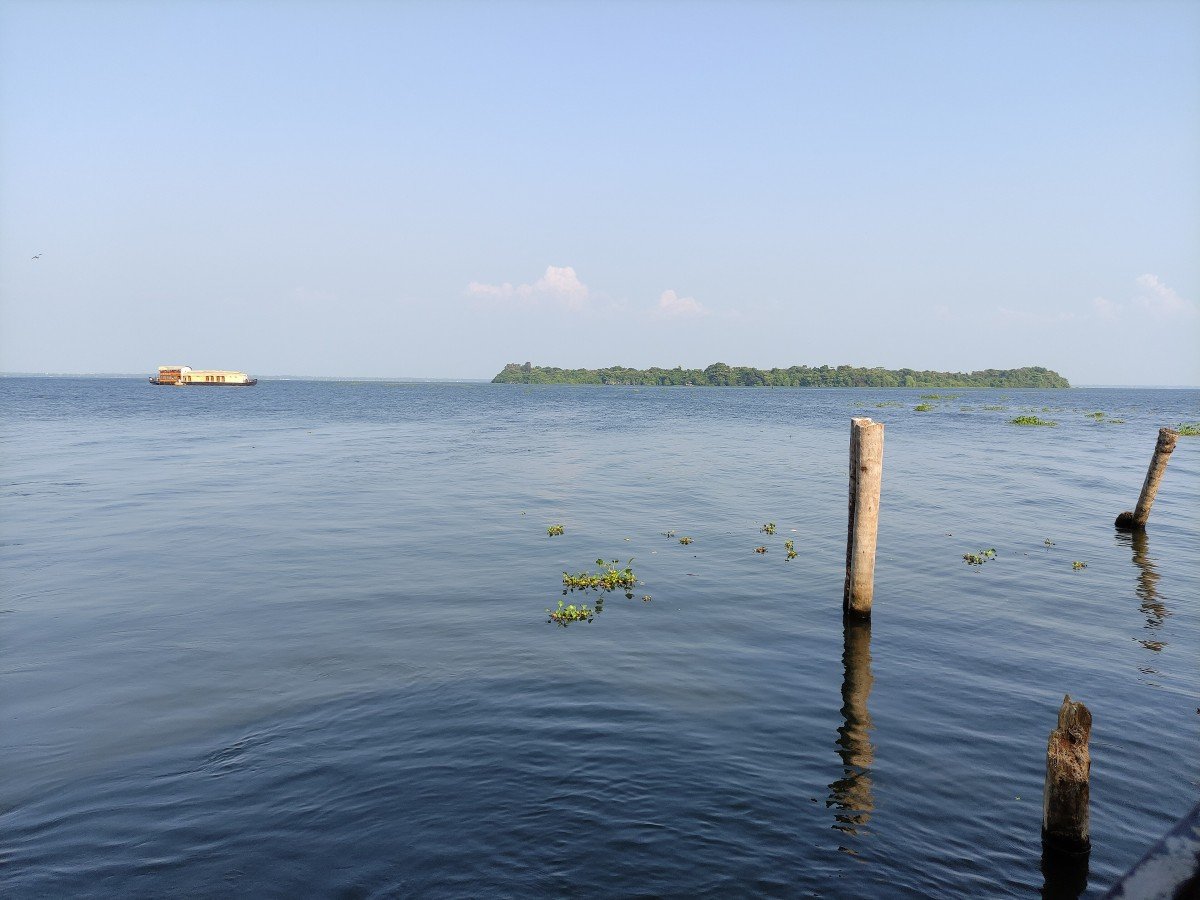
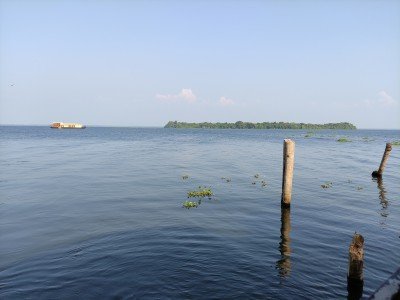 ** **Pathiramanal Island** is a small, uninhabited island nestled in the heart of the majestic **Vembanad Lake**. Its name, 'Pathiramanal', literally translates from Malayalam to **'Sands of Midnight'**, evoking a sense of tranquil mystery. This picturesque island spans an area of about **28.505 hectares** and is a true haven for nature lovers and ornithologists. The island's genesis is shrouded in local mythology, with one legend suggesting that a young Brahmin, while performing his evening ablutions in the **Vembanad Lake**, caused the waters to recede, allowing land to magically rise from beneath, thus forming **Pathiramanal**. The scenic journey by boat, which is the only way to access the island, provides breathtaking views of the surrounding backwaters, lush green coconut groves, and the vast expanse of the lake. Once on the island, visitors are greeted by a rich tapestry of lush greenery, diverse flora, and an incredibly peaceful atmosphere, offering a perfect escape from the noise and rush of city life. The island's primary appeal lies in its role as a crucial sanctuary for a multitude of avian species. It is a resting and feeding spot for approximately **91 species of local birds** and a significant number of about **50 species of migratory birds** that flock here annually from different parts of the world, making it a birdwatcher's dream destination. The serenity, combined with its natural beauty and rich biodiversity, establishes **Pathiramanal** as a must-visit eco-friendly tourist spot in the **Alappuzha** backwaters. The Kerala Tourism Department oversees the island, ensuring its delicate ecosystem is preserved. It's an ideal spot for quiet contemplation, leisurely walks, and soaking in the undisturbed beauty of 'God's Own Country'. The development of a Bio Park is also under consideration to further enhance the island's ecological and tourist value. The island, until the late **1970s**, was under private ownership before coming under government purview due to land reform acts, after which it was transferred to the Tourism Department. The previous residents, about 14 worker families, were later rehabilitated on the mainland. **
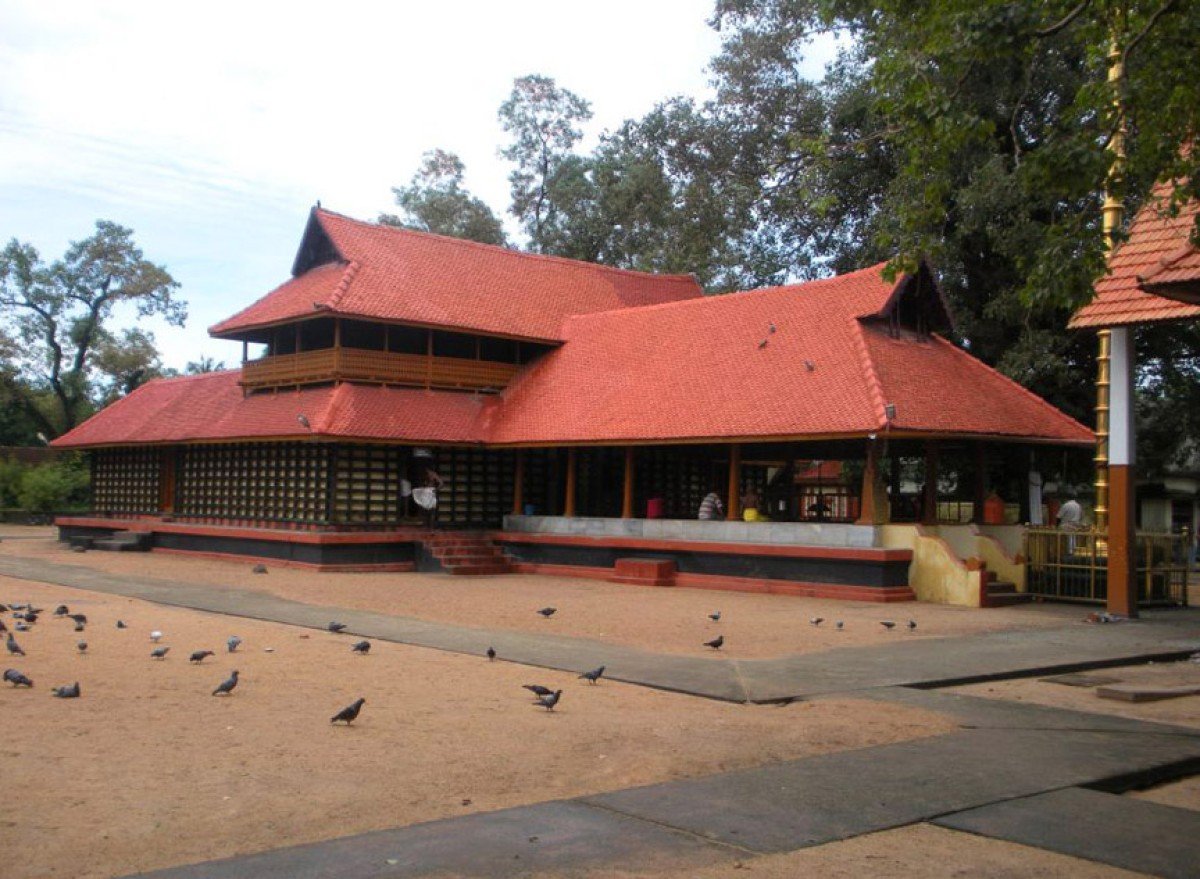
 The **Ambalappuzha Sree Krishna Temple** is one of the most revered Hindu temples in Kerala, dedicated to **Lord Krishna**, worshipped here in the form of Parthasarathy (the charioteer of Arjuna, as seen in the epic **Mahabharata**). The idol holds a whip in his right hand and a sacred conch in his left, a unique representation compared to other Krishna temples. Believed to have been built between the **15th** and **17th** centuries by the local ruler Chembakassery Thampuran, the temple is an exemplary display of traditional Kerala architectural style. Its spiritual significance is deeply rooted in local legend and history. One of the most famous aspects is the daily offering of *Palpayasam*, a sweet milk pudding. A popular legend linked to this offering involves **Lord Krishna** himself, who appeared as a sage and challenged the king to a game of chess, resulting in a debt of rice grains that could only be repaid by serving this *Payasam* to pilgrims daily for eternity. The temple is also believed to have a direct spiritual connection with the famous **Guruvayoor Temple** in Thrissur, with the idol of **Lord Krishna** from **Guruvayoor** having been temporarily housed here for safekeeping during a time of threat from **Tipu Sultan**. This temple is considered one of the seven great Vaishnava temples of Travancore and holds immense cultural and religious importance for devotees across South India. The inner walls of the *garbha griha* (sanctum sanctorum) are adorned with exquisite murals, notably the *Dasavatara* (ten incarnations of **Lord Vishnu**), which are masterpieces of Kerala art. A visit here offers a profound spiritual and cultural experience.
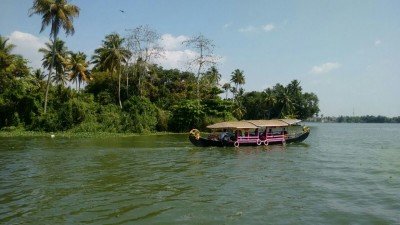 **Alleppey (Alappuzha) Beach** is a picturesque stretch of golden sand where the intricate backwaters of **Alappuzha** meet the Arabian Sea. It’s a popular spot for both locals and tourists seeking relaxation and a glimpse into the region's rich maritime past. The beach is characterized by its tranquil ambiance, soft sands, and the swaying coconut palms that line the shore. It is often lauded for its natural beauty and is a favorite picnic spot. The beach is a focal point for local life, offering scenic views of the sunset over the Arabian Sea. The nearby **Vijaya Beach Park** provides amusement facilities, including a children's park with toy trains and bicycles, adding a layer of family-friendly entertainment to the coastal setting. The atmosphere here beautifully blends natural serenity with historical significance, making it a comprehensive coastal experience. **Alleppey**'s historical importance as a major port is deeply tied to its beach, which served as the gateway for trade. The air carries a gentle mix of sea breeze and the lingering scent of historical trade, especially coir and spices, for which **Alappuzha** is still famous. Visitors can spend hours simply watching the waves, taking long walks, or enjoying the lively yet peaceful environment. The beach also hosts vibrant local events, notably the annual **Alappuzha Beach Festival**. The coastline's ecological diversity is notable, with various species of flora and fauna thriving in the environment, making it a haven for nature lovers and photographers. The sense of historical continuity, from a bustling port to a tranquil tourist spot, is palpable along this stretch of coast. The expansive, uncluttered nature of the beach allows for a feeling of space and freedom. The proximity of the old structures, like the **pier** and **lighthouse**, gives the beach a unique, colonial-era charm that distinguishes it from many other beaches in **Kerala**. This fusion of a lively beach park, historic monuments, and natural beauty defines the charm of **Alleppey Beach**.
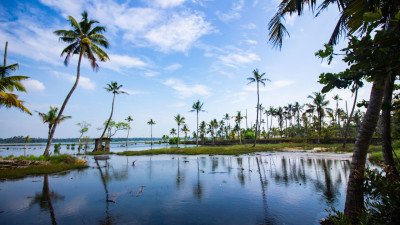 ** **Vembanad Lake**, also known locally as **Vembanad Kayal** or, in the **Alappuzha** area, as **Punnamada Lake**, is the longest lake in **India** and the largest lake in the state of Kerala. This colossal body of water is the lifeline of the famous **Kerala Backwaters** tourism and a critical component of the local ecosystem. Stretching for over **96.5 KM** in length and spanning an area of over **2033 square KM**, it is a vast network of lagoons, canals, and estuaries fed by several major rivers, including the **Meenachil**, **Achankovil**, **Pampa**, and **Manimala**. The lake eventually opens into the **Arabian Sea** at **Kochi**. This extensive wetland system is a designated **Ramsar site**, highlighting its international importance for conservation. The lake is culturally significant, being the stage for the legendary **Nehru Trophy Boat Race** every **August** or **September**. A major part of the lake near **Alappuzha** is characterized by the tranquil passage of hundreds of traditional **Kettuvallams** (houseboats), which have been converted from their original use as rice and spice transport vessels into luxurious floating accommodations. The surrounding region, particularly **Kuttanad**, known as the **'Rice Bowl of Kerala'**, benefits directly from the lake's water resources, supporting cultivation that often happens below sea level. The lake is a biodiversity hotspot, teeming with a unique array of fish, birds, and aquatic plants. The constant movement of water transport, from large houseboats to small *shikaras* and traditional fishing canoes, paints a vibrant picture of local life and tourism coexisting. Islands like **Pathiramanal** are jewels in its crown. The famous **Thanneermukkom Bund**, a large saltwater barrier, divides the lake into two sections—one with brackish water and one with freshwater—a marvel of engineering to aid rice cultivation. The scenic beauty, coupled with the cultural richness and ecological importance, makes the **Vembanad Lake** the quintessential experience of any visit to **Alappuzha**. **
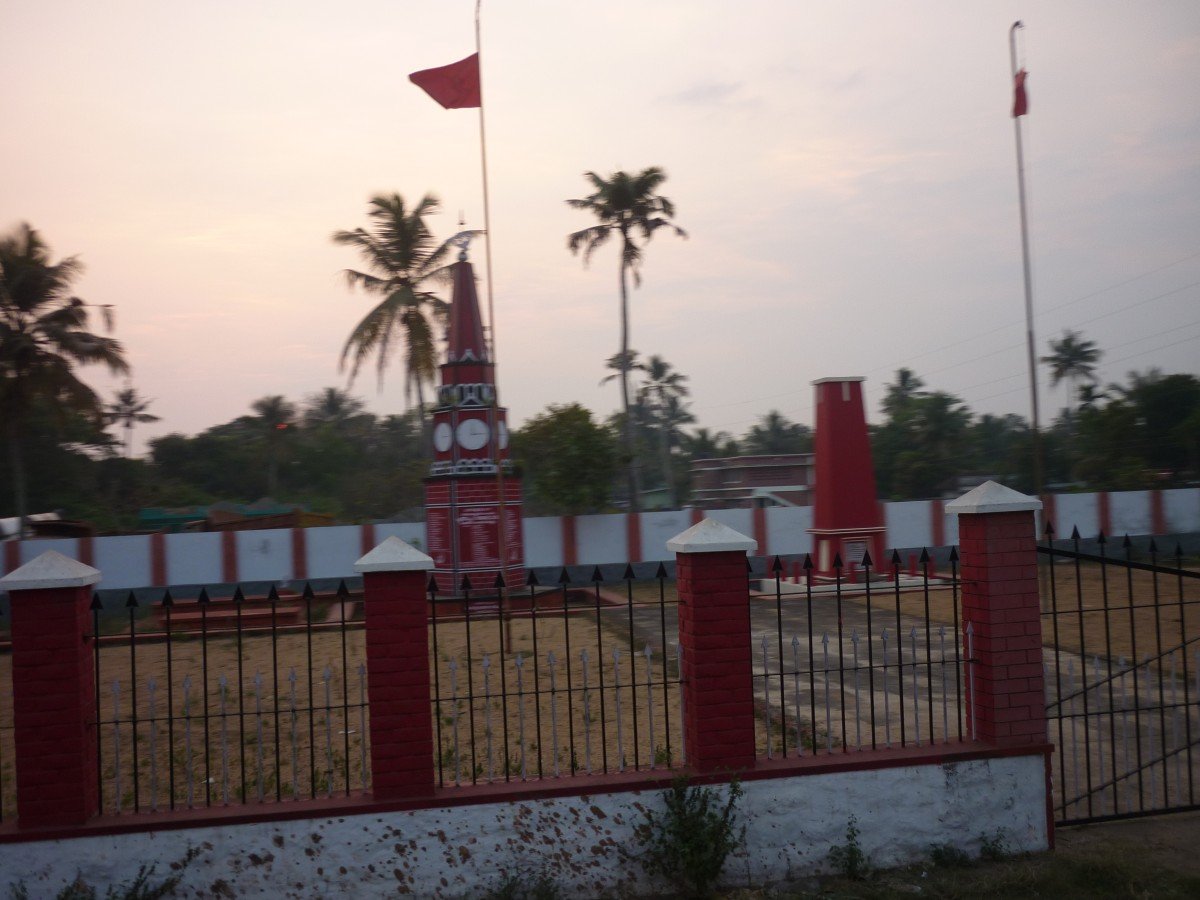
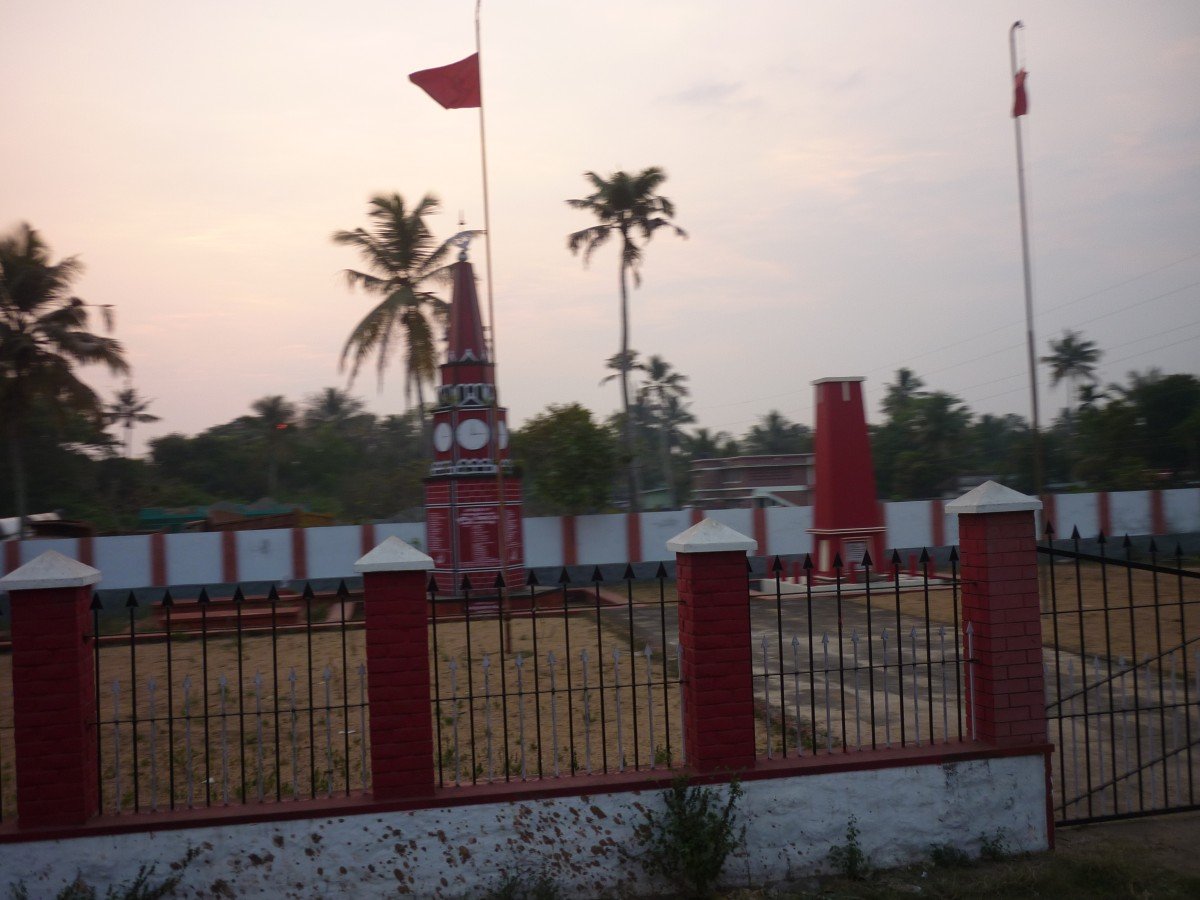
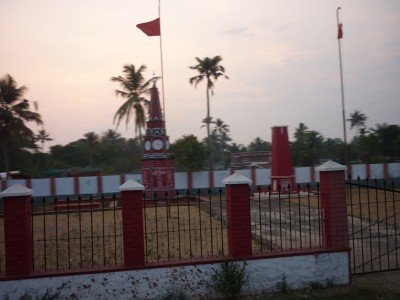 **Punnapra Beach** is a lesser-known, more tranquil alternative to the main **Alappuzha** Beach, offering a peaceful escape with its wide expanse of golden sand and clear views of the Arabian Sea. Located in the village of **Punnapra**, the beach is characterized by its untouched beauty, lined with dense coconut and palm groves that sway gently in the coastal breeze. Unlike more commercial beaches, **Punnapra** retains a rustic charm, offering an authentic glimpse into the coastal life of Kerala. You will often see traditional fishing boats docked along the shore, and local fishermen going about their daily routine, making for excellent photo opportunities and a genuine cultural experience. The beach is historically significant as the nearby village of **Punnapra** was the site of the famous *Punnapra-Vayalar* uprising in **October 1946** against the Travancore government, a pivotal event in Kerala's political history. This historical context adds a layer of depth to the visit, connecting the serene landscape to a significant moment in the region's freedom struggle. Being a quieter beach, it is ideal for long, contemplative walks, soaking in the sun, and enjoying spectacular sunsets away from the usual tourist crowds. The gentle waves and soft sand make it a pleasant spot for relaxation. The natural landscape is the main attraction, with minimal man-made structures, preserving its pristine environment. The calming ambiance makes it a favorite for couples and nature lovers seeking solitude and untouched coastal beauty.Show All
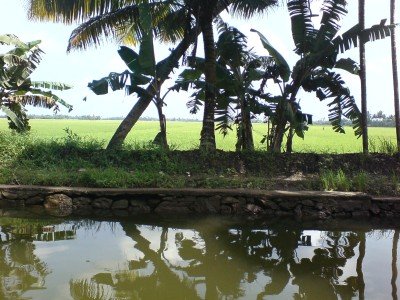 **Kuttanad** is a truly unique geographical area, famously known as **'The Rice Bowl of Kerala'** due to its vast, lush green paddy fields. What makes it internationally famous is the fact that it is one of the very few places in the world where farming is done **below sea level**. The land here is an intricate network of serene backwaters, canals, lakes, and rivers, most notably the four main rivers: **Pamba**, **Meenachil**, **Achankovil**, and **Manimala**, that flow into the majestic **Vembanad Lake**. This unique watery landscape has shaped the entire lifestyle and culture of the region. Life here revolves around the water; locals use small country boats for everyday travel, and the homes are often built on narrow strips of land or small islands. The area's extraordinary agricultural practices, where crops are grown 4 to 10 feet below the mean sea level, have earned it recognition as a Globally Important Agricultural Heritage System (GIAHS) by the FAO (**Food and Agriculture Organization**). The scenery is breathtaking: endless stretches of green paddy fields, often interspersed with tall, swaying **coconut** trees, create a picture-postcard view. The construction of the **Thottappally Spillway** was a major engineering feat designed to prevent seasonal flooding and manage water flow, ensuring the safety of the below-sea-level farms. Visitors come here primarily to experience the tranquil backwater life, either on a traditional **houseboat (Kettuvallam)** or a smaller canoe, gliding past local villages and farms, witnessing a pace of life that is slow, peaceful, and deeply connected to nature. The best time to see the rice fields in full splendor is right after the planting season or just before the harvest. **Kuttanad** offers a deep dive into the authentic rural heart of **Kerala**. (Word count approx: 405)
Information
-
Why Famous:
The Boat Races: Alleppey is world-famous for the Nehru Trophy Boat Race. It is a high-energy event held on the Punnamada Lake. Hundreds of rowers move in unison to the rhythm of songs. The snake boats, or Chundan Vallams, are the main attraction. It is a display of immen...The Boat Races: Alleppey is world-famous for the Nehru Trophy Boat Race. It is a high-energy event held on the Punnamada Lake. Hundreds of rowers move in unison to the rhythm of songs. The snake boats, or Chundan Vallams, are the main attraction. It is a display of immense strength and community spirit.
Backwater Cruises: The experience of gliding through the lagoons is unmatched. It is the primary reason why tourists visit this coastal town. Houseboats offer a floating hotel experience amidst nature. You can enjoy local Kerala meals while watching the sunset. It provides a peaceful escape from the noisy city life. -
Architecture:
Kettuvallam Design: The houseboats or Kettuvallams are architectural wonders. They are made from jackwood planks held together by coir ropes. No nails are used in the construction of these traditional boats. The roofs are made of bamboo poles and palm leaves.Kettuvallam Design: The houseboats or Kettuvallams are architectural wonders. They are made from jackwood planks held together by coir ropes. No nails are used in the construction of these traditional boats. The roofs are made of bamboo poles and palm leaves.
Dimension: Average length is 70 to 80 feet and width is 15 feet. The design allows for a stable and smooth cruise on water. Modern versions include luxury bedrooms and attached bathrooms.
Traditional Palaces: The Krishnapuram Palace displays the best of Kerala architecture. It features gabled roofs, thick walls, and internal courtyards. The woodwork inside the palace is intricate and highly detailed. It houses the famous Gajendra Moksham mural painting. The structure is designed to stay cool in the tropical heat.
Dimension: The palace complex covers a large area with a central pond. It represents the Pathinarukettu style with sixteen halls. -
How To Reach:
By Air: The nearest airport is Cochin International Airport (COK). It is about 75 KMS away from Alleppey town. Pre-paid taxis are available from the airport to the city. The drive takes about 2 hours through the scenic highway.
By Train: ...By Air: The nearest airport is Cochin International Airport (COK). It is about 75 KMS away from Alleppey town. Pre-paid taxis are available from the airport to the city. The drive takes about 2 hours through the scenic highway.
By Train: Alappuzha Railway Station is well-connected to major cities. It lies on the coastal rail route between Kochi and Trivandrum. Many express trains stop here daily for the tourists. The station is very close to the main beach area.
By Road: Alleppey is on the NH 66 which connects it to Kochi. Regular KSRTC buses run from all major towns in Kerala. Private luxury buses also operate from Bangalore and Chennai. The roads are well-maintained and offer a smooth journey.
By Local Transport: Auto-rickshaws are the most common way to get around. Ferries are also used to cross the various water canals. You can rent a bicycle or scooter to explore the town. Walking is also a great option in the narrow village lanes. -
Weather and Best Time to Visit:
Winter Season: From October to February is the peak tourist time. The temperature stays between 18°C and 30°C mostly. It is perfect for long houseboat cruises and beach walks. Most festivals also take place during these cool months.
Monsoon...Winter Season: From October to February is the peak tourist time. The temperature stays between 18°C and 30°C mostly. It is perfect for long houseboat cruises and beach walks. Most festivals also take place during these cool months.
Monsoon Season: From June to September, it rains heavily here. The backwaters look very green and fresh during the rain. It is a good time for Ayurvedic treatments and massages. However, houseboat cruises might be restricted during heavy storms. -
Near Tourist Places:
1. Marari Beach (11km), 2. Pathiramanal (15km), 3. Kuttanad (20km), 4. Krishnapuram Palace (47km), 5. Kumarakom (32km), 6. Ambalappuzha Temple (14km), 7. Karumadikkuttan (17km), 8. Mannarasala Temple (32km), 9. Arthunkal Church (22km), 10. Vembanad Lake (5km).
Tourism Tips
-
Health & Safety: Always wear a life jacket when on any type of boat. Drink only bottled or filtered water to avoid stomach issues. Use mosquito repellent, especially during the evening hours. Be careful while walking on the old piers at the beach.
Read MoreHealth & Safety: Always wear a life jacket when on any type of boat. Drink only bottled or filtered water to avoid stomach issues. Use mosquito repellent, especially during the evening hours. Be careful while walking on the old piers at the beach.
Packing: Carry light cotton clothes for the humid tropical weather. A hat and sunglasses are essential for the sunny afternoons. Don't forget your swimwear if you plan to hit the beach. A good camera with extra batteries is a must for photos.
Accommodation: Book your houseboats in advance during the peak season. Check the reviews of the boat operators before making a payment. Homestays are a great way to experience local hospitality. Luxury resorts are also available along the banks of the lake.
Other Tips: Learn a few basic words in Malayalam for better interaction. Respect the local culture and dress modestly in temples. Carry some cash as smaller shops might not accept cards. Try the local street food but ensure it is freshly made.Reviews
FAQs
Alleppey Itineray And Cost:-
Other Places In Kerala :-
Other States In India :-
Information about New and Updated Locations() of Kerala Has Been Added :-
Card subtitle
Note:-
Information provided here in good Faith and for reference only.
Near Places
Athirappilly:
Some quick example text to build on the card title and make up the bulk of the card's content.
Go somewhere
Attingal
Some quick example text to build on the card title and make up the bulk of the card's content.
Go somewhere
Bekal
Some quick example text to build on the card title and make up the bulk of the card's content.
Go somewhere
Ernakulam
Some quick example text to build on the card title and make up the bulk of the card's content.
Go somewhere
Guruvayur
Some quick example text to build on the card title and make up the bulk of the card's content.
Go somewhere
Idukki
Some quick example text to build on the card title and make up the bulk of the card's content.
Go somewhere
Kannur
Some quick example text to build on the card title and make up the bulk of the card's content.
Go somewhere
Kasaragod
Some quick example text to build on the card title and make up the bulk of the card's content.
Go somewhere
Kollam
Some quick example text to build on the card title and make up the bulk of the card's content.
Go somewhere
Kottayam
Some quick example text to build on the card title and make up the bulk of the card's content.
Go somewhere
Kovalam
Some quick example text to build on the card title and make up the bulk of the card's content.
Go somewhere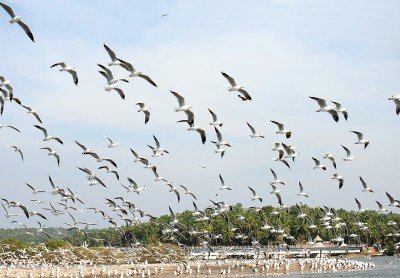
Kozhikode
Some quick example text to build on the card title and make up the bulk of the card's content.
Go somewhere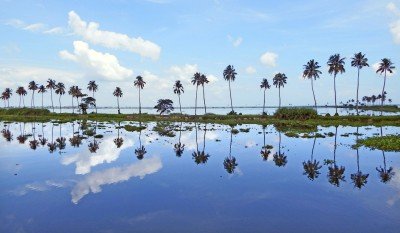
Kumarakom
Some quick example text to build on the card title and make up the bulk of the card's content.
Go somewhere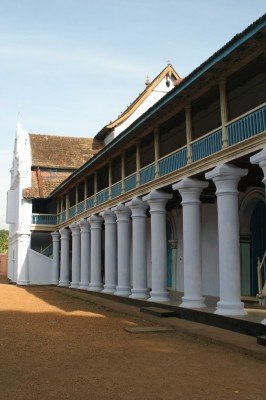
Kuttanad
Some quick example text to build on the card title and make up the bulk of the card's content.
Go somewhere
Malappuram
Some quick example text to build on the card title and make up the bulk of the card's content.
Go somewhere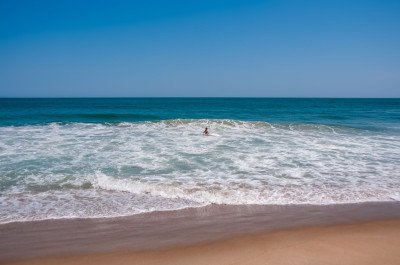
Marari Beach
Some quick example text to build on the card title and make up the bulk of the card's content.
Go somewherein Other Cities