

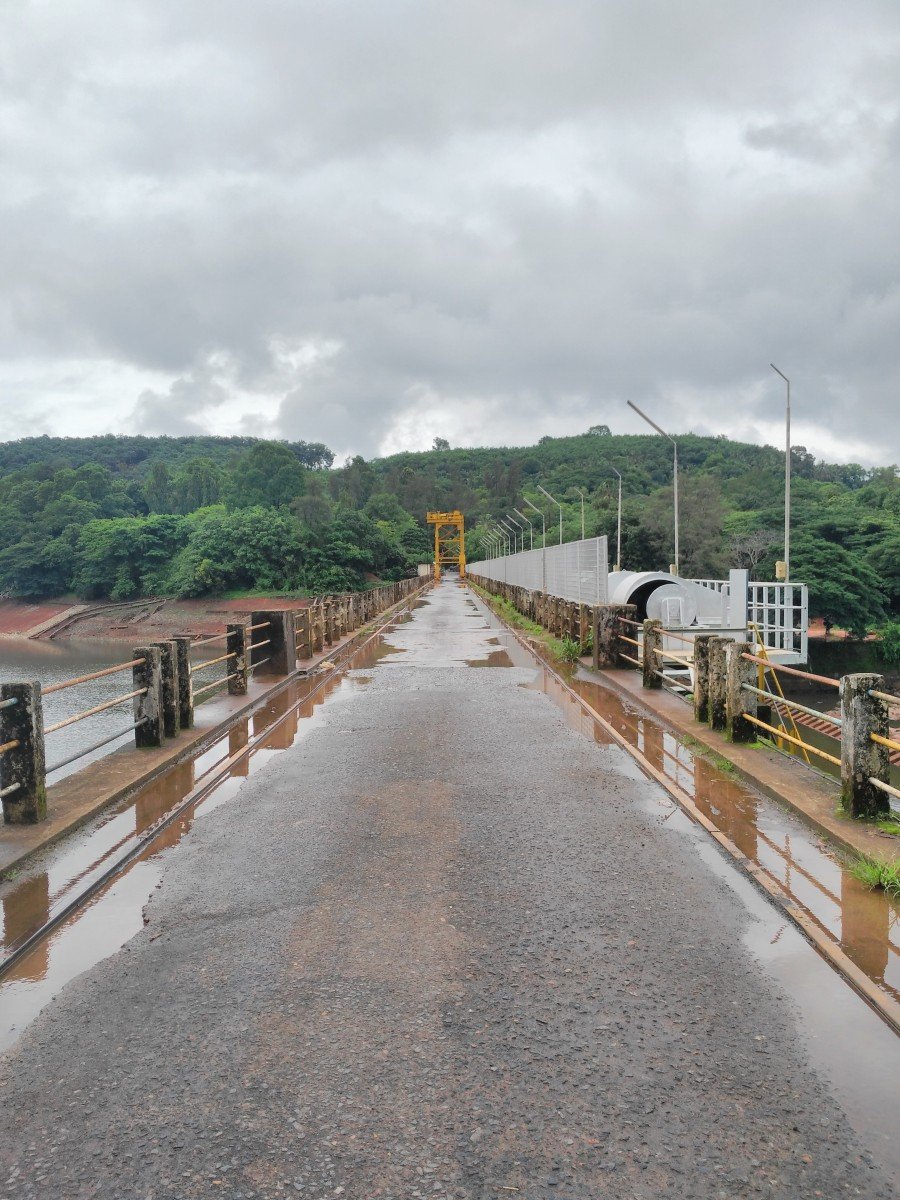


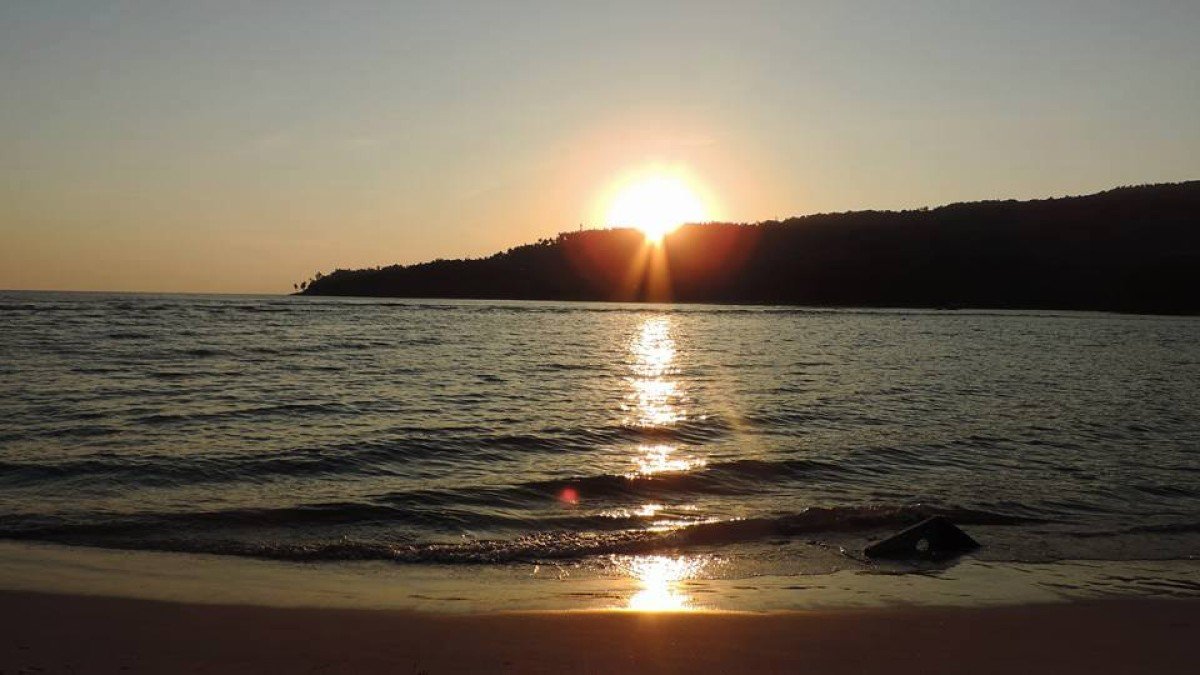


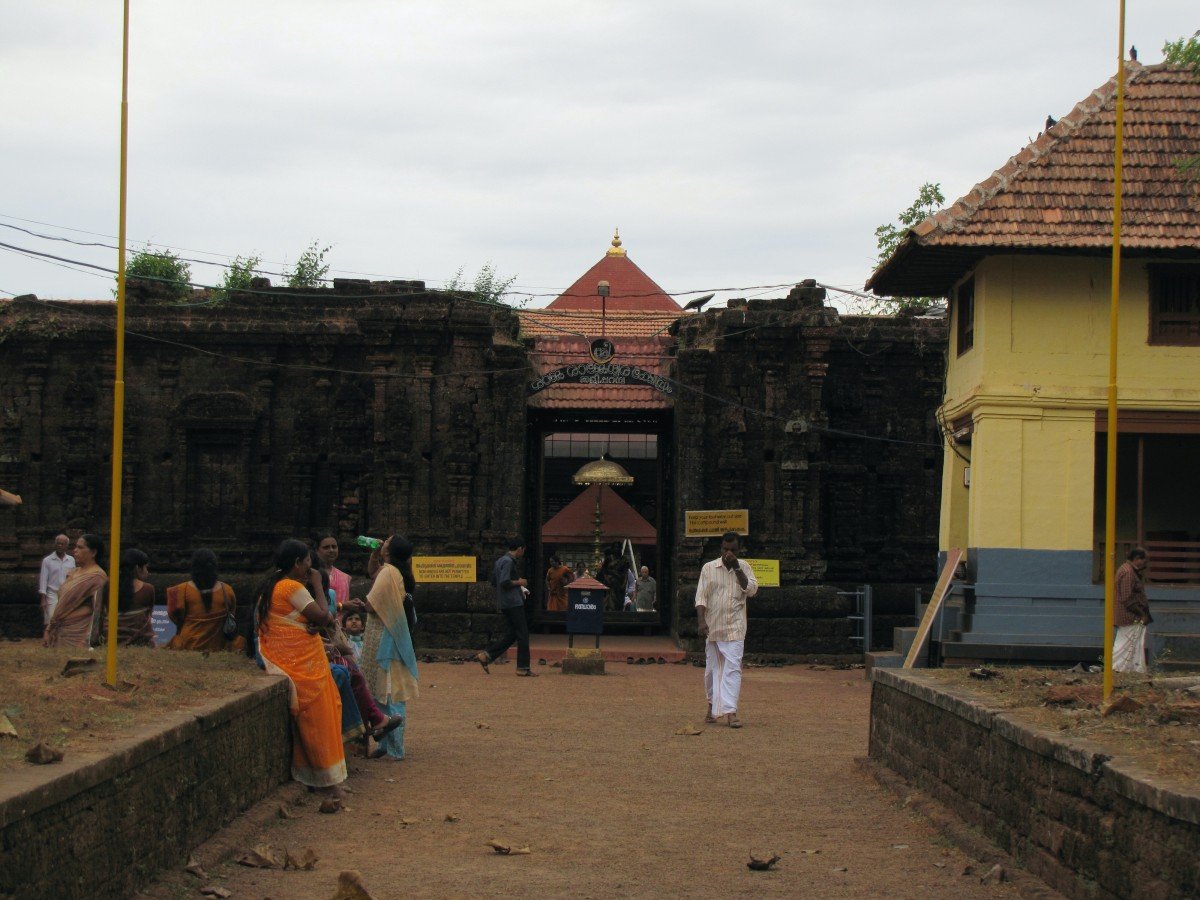
Kannur
General information
-
Ideal Duration:
2 to 3 DaysPlace Type:
Coastal & CulturalEntry Fees:
Fort Entry: The entry to St. Angelo Fort is free for all visitors, making it one of the most accessible historical sites in the city. There might be a small parking fee for vehicles outside the main gate, which is usually around INR 20.
Museum...Fort Entry: The entry to St. Angelo Fort is free for all visitors, making it one of the most accessible historical sites in the city. There might be a small parking fee for vehicles outside the main gate, which is usually around INR 20.
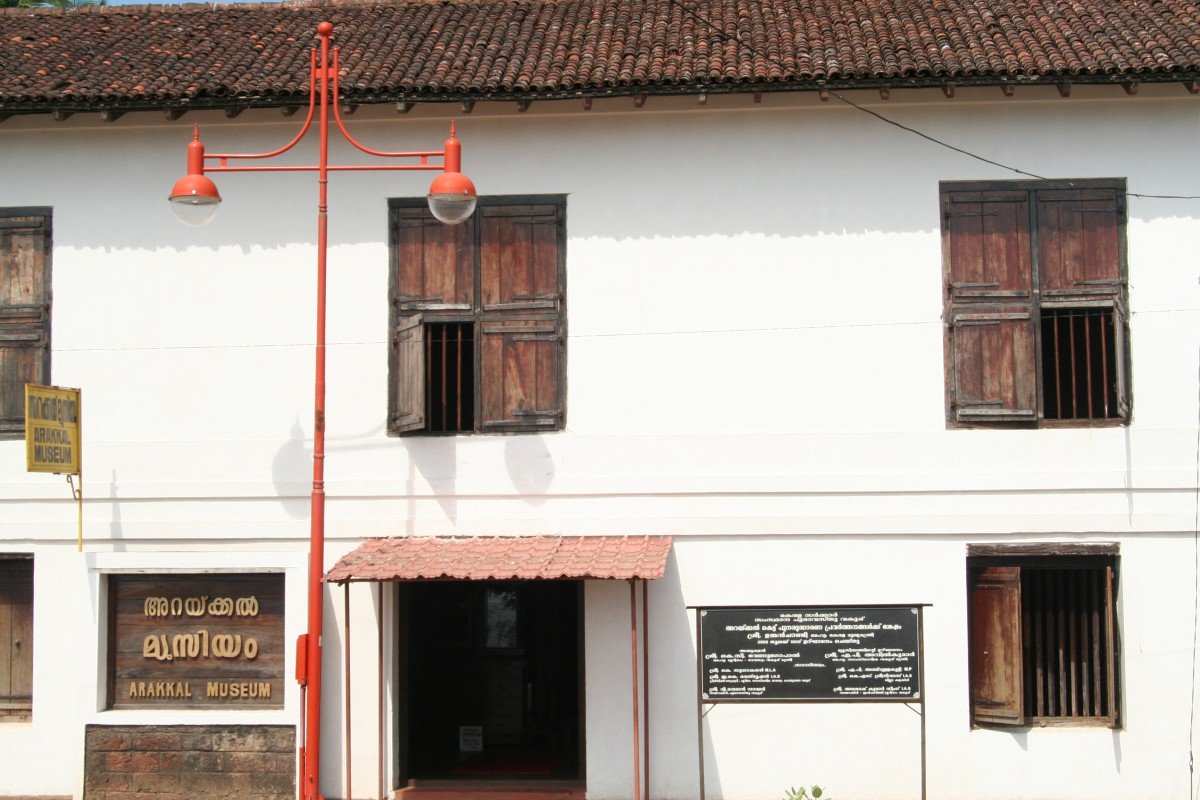
Museum Fees: Entry to the Arakkal Museum costs approximately INR 20 for adults, with additional charges for using professional cameras. The Kannur Lighthouse has a small entry fee of about INR 10 to climb to the observation deck.Timing:
General Timings: Most attractions like the fort and museums are open from 9:00 AM to 6:00 PM daily. The Kannur Lighthouse usually allows visitors between 3:00 PM and 5:00 PM, providing the best lighting for the panoramic views of the coast.
Ide...General Timings: Most attractions like the fort and museums are open from 9:00 AM to 6:00 PM daily. The Kannur Lighthouse usually allows visitors between 3:00 PM and 5:00 PM, providing the best lighting for the panoramic views of the coast.
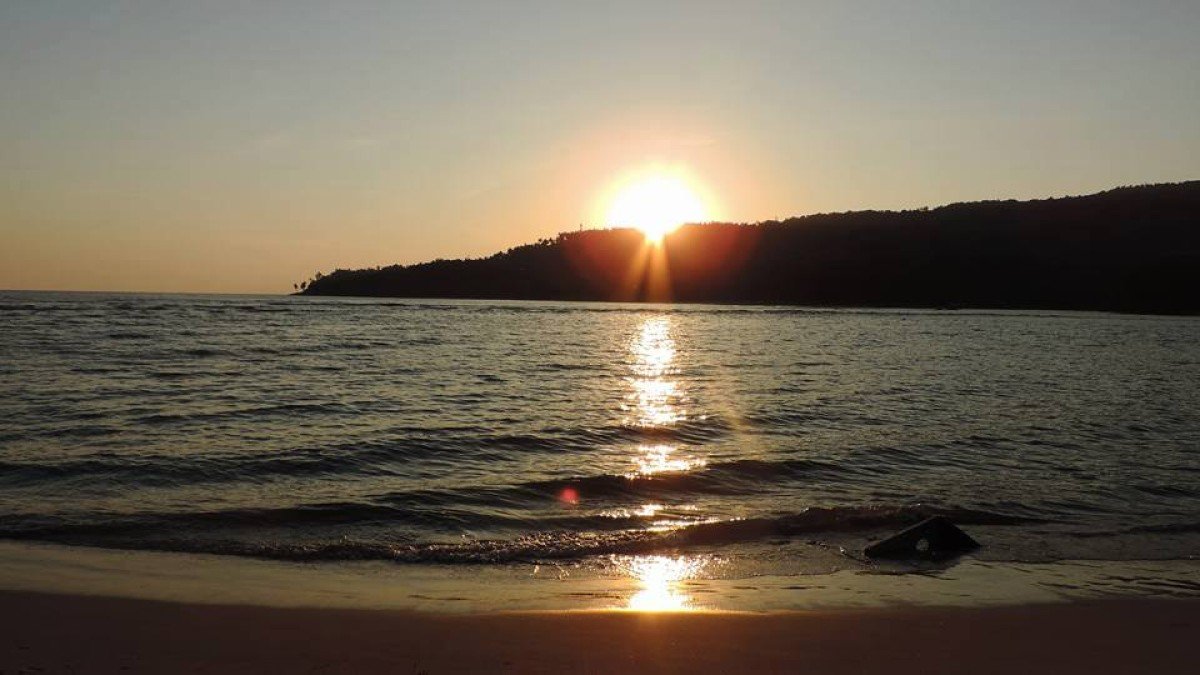
Ideal Time: Late afternoons after 4:00 PM are the best time to visit the beaches and the fort to enjoy the cooler weather and the sunset. For Theyyam, the performances usually start in the evening and continue through the night or early morning hours.Special Events:
Theyyam Season: From November to May, the district becomes a hub of ritualistic activities with hundreds of Theyyam performances happening in different villages. Each performance is a massive community event featuring traditional music, vibrant colors, and deep spiritual de...Theyyam Season: From November to May, the district becomes a hub of ritualistic activities with hundreds of Theyyam performances happening in different villages. Each performance is a massive community event featuring traditional music, vibrant colors, and deep spiritual devotion.
Kannur Mahotsavam: This cultural festival celebrates the city's heritage with music, dance, and food stalls showcasing local Malabari cuisine. It is a great time for tourists to see all the different art forms of the region in a single, well-organized venue.Best Photo Spots:
Muzhappilangad Beach: Photos of cars driving through the water or parked against the sunset on the sand are iconic to Kannur. The flat surface and the reflection of the sky on the wet sand provide endless opportunities for creative coastal photography. St.Muzhappilangad Beach: Photos of cars driving through the water or parked against the sunset on the sand are iconic to Kannur. The flat surface and the reflection of the sky on the wet sand provide endless opportunities for creative coastal photography. St.
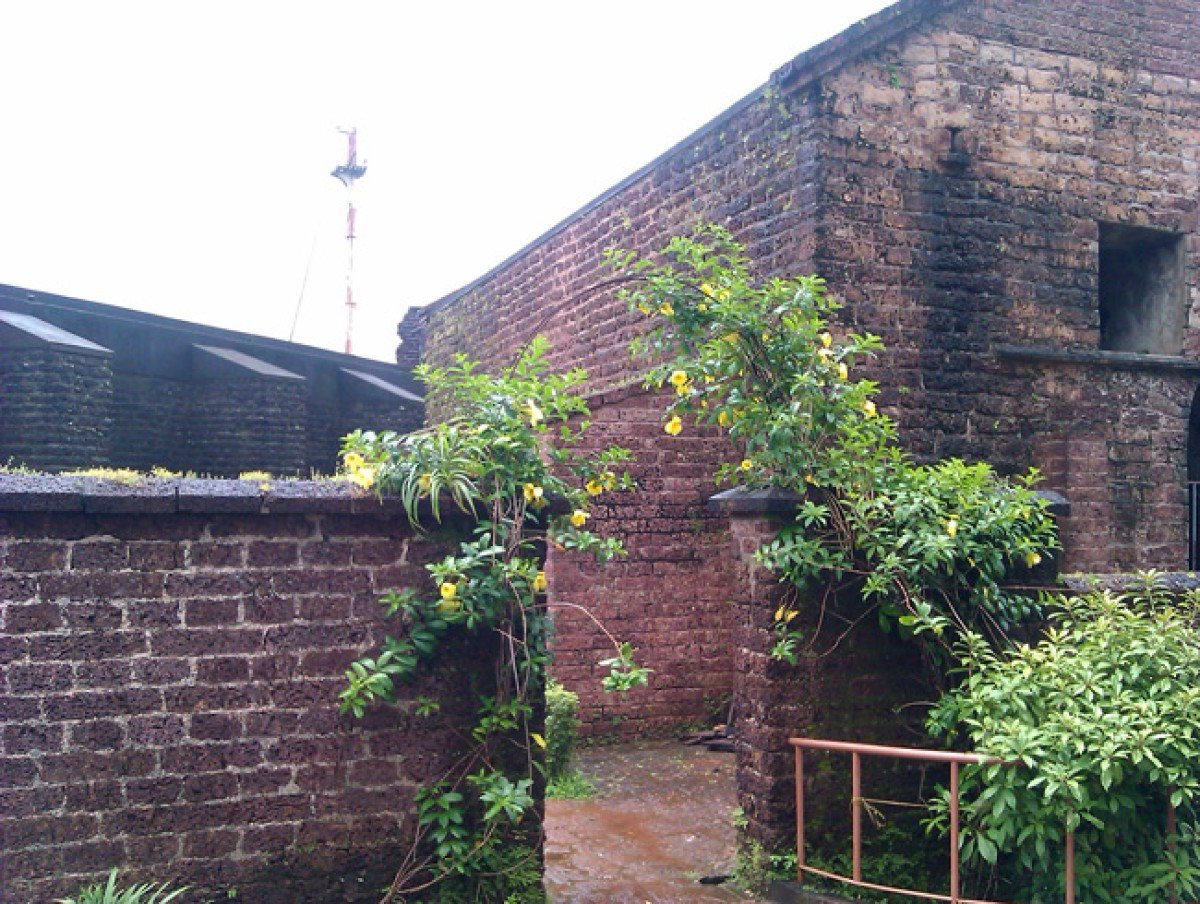
Angelo Fort: The red laterite walls of the fort against the blue sea and green lawns offer a high-contrast and beautiful frame. The arched doorways and the view of the Mappila Bay harbor from the bastions are perfect for architectural and landscape shots.
Theyyam Performers: The elaborate makeup and the towering headgears of the Theyyam artists are a dream for portrait photographers. The intense expressions and the fire-lit environment during night performances create dramatic and powerful images of local culture.Photo Gallery



Things To Do
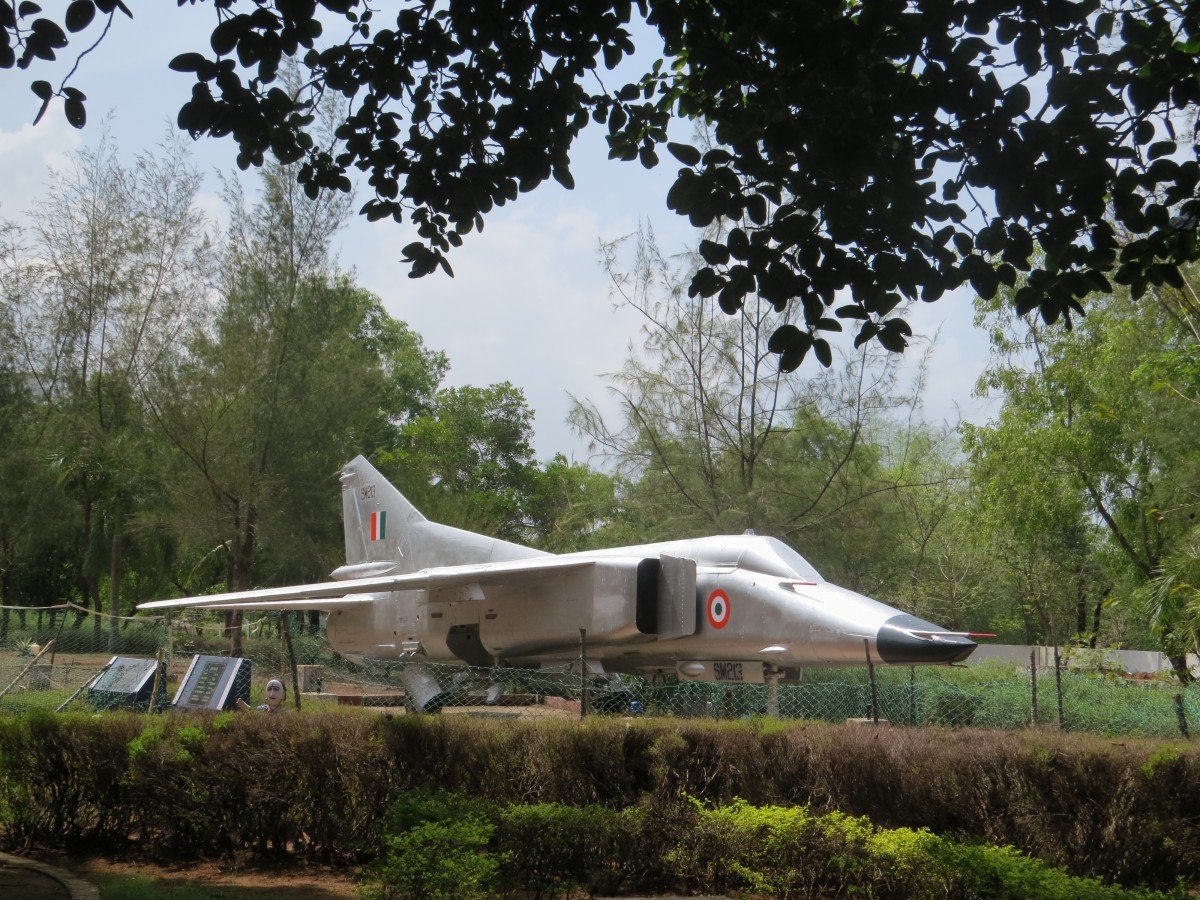
 Ezhimala Hill, standing at an elevation of 286 Meters, is a significant historical and geographical landmark in Kannur. It is a cluster of hills that jut out into the sea, appearing as an island to sailors of ancient times. The name "Ezhimala" refers to the "Seven Hills." Historically, it was the capital of the Mooshika dynasty and has been mentioned in the travelogues of Marco Polo and Ibn Battuta. Today, it is home to the Indian Naval Academy (INA), the largest of its kind in Asia. The hill is surrounded by the sea on three sides, offering breathtaking views of the Malabar coastline. Due to the presence of the Naval Academy, certain areas are restricted, but the accessible parts like the Ettikulam Beach at the foot of the hill are popular. The hill is also known for its rare medicinal herbs and ancient burial chambers (Megalithic structures) found in its caves. There is an ancient mosque and temple atop the hills, signifying the communal harmony of the region. The lighthouse at Ezhimala is another attraction that provides a guiding light to ships in the Arabian Sea. The breeze at the top is invigorating, and the sight of the naval ships in the distance adds a touch of grandeur. It is a place where history, military pride, and natural beauty converge.
The Anjarakkandy Cinnamon Estate is a legendary spice garden that was established by the British East India Company in 1767. Spanning over 200 acres, this historic estate is globally recognized as the largest cinnamon plantation in Asia. It was originally founded by Lord Brown and served as a pivotal hub for the global spice trade during the colonial era. Visitors can experience the aromatic air filled with the scent of fresh cinnamon, pepper, and nutmeg while walking through the lush greenery. The estate remains a functional plantation where traditional methods of spice processing are still meticulously followed by the local workers. It offers a deep dive into the botanical heritage of Kerala and the historical significance of the Malabar coast. The white pepper produced here is especially famous and exported to various Western countries due to its superior quality. Exploring the vast rows of cinnamon trees provides a serene escape from the urban hustle of Kannur. The estate also features a historic British Bungalow that adds a touch of colonial charm to the entire landscape. It is an educational journey for those interested in agriculture and the history of the East India Company.
@@Modern Fun: Sadhoo Merry Kingdom is a premier amusement and water theme park located on a scenic hillock at Chala Hills near Kannur. @@Family Destination: Opened in April 2007, it has quickly become the most exciting family holiday destination in Northern Kerala for all ages. @@Water & Dry Rides: The park offers a spectacular variety of over 30 rides, ranging from high-speed water slides to gentle carousels for kids. @@Peaceful Setting: Despite the high-energy rides, the park is situated in a serene atmosphere of peace, surrounded by the natural beauty of the hills.
Paithalmala is the highest geographic peak in Kannur, standing tall at 1,372 meters above sea level. It is nestled in the Western Ghats near the Kerala - Karnataka border, offering a mesmerizing trek through dense semi-evergreen forests and sprawling grasslands. The hill station is a favorite for adventure seekers and nature lovers who want to escape the humidity of the plains. As you ascend, the temperature drops significantly, and a thick blanket of mist often envelops the trails. The trek starts from Pottenplave village and takes about 45 minutes to an hour to reach the summit. From the top, one can see the lush forests of Coorg on one side and the plains of Kannur on the other. The area is rich in flora and fauna, including wild elephants and various species of butterflies. It is a plastic-free zone maintained by the Forest Department. :
Ezhimala Hill, standing at an elevation of 286 Meters, is a significant historical and geographical landmark in Kannur. It is a cluster of hills that jut out into the sea, appearing as an island to sailors of ancient times. The name "Ezhimala" refers to the "Seven Hills." Historically, it was the capital of the Mooshika dynasty and has been mentioned in the travelogues of Marco Polo and Ibn Battuta. Today, it is home to the Indian Naval Academy (INA), the largest of its kind in Asia. The hill is surrounded by the sea on three sides, offering breathtaking views of the Malabar coastline. Due to the presence of the Naval Academy, certain areas are restricted, but the accessible parts like the Ettikulam Beach at the foot of the hill are popular. The hill is also known for its rare medicinal herbs and ancient burial chambers (Megalithic structures) found in its caves. There is an ancient mosque and temple atop the hills, signifying the communal harmony of the region. The lighthouse at Ezhimala is another attraction that provides a guiding light to ships in the Arabian Sea. The breeze at the top is invigorating, and the sight of the naval ships in the distance adds a touch of grandeur. It is a place where history, military pride, and natural beauty converge.
The Anjarakkandy Cinnamon Estate is a legendary spice garden that was established by the British East India Company in 1767. Spanning over 200 acres, this historic estate is globally recognized as the largest cinnamon plantation in Asia. It was originally founded by Lord Brown and served as a pivotal hub for the global spice trade during the colonial era. Visitors can experience the aromatic air filled with the scent of fresh cinnamon, pepper, and nutmeg while walking through the lush greenery. The estate remains a functional plantation where traditional methods of spice processing are still meticulously followed by the local workers. It offers a deep dive into the botanical heritage of Kerala and the historical significance of the Malabar coast. The white pepper produced here is especially famous and exported to various Western countries due to its superior quality. Exploring the vast rows of cinnamon trees provides a serene escape from the urban hustle of Kannur. The estate also features a historic British Bungalow that adds a touch of colonial charm to the entire landscape. It is an educational journey for those interested in agriculture and the history of the East India Company.
@@Modern Fun: Sadhoo Merry Kingdom is a premier amusement and water theme park located on a scenic hillock at Chala Hills near Kannur. @@Family Destination: Opened in April 2007, it has quickly become the most exciting family holiday destination in Northern Kerala for all ages. @@Water & Dry Rides: The park offers a spectacular variety of over 30 rides, ranging from high-speed water slides to gentle carousels for kids. @@Peaceful Setting: Despite the high-energy rides, the park is situated in a serene atmosphere of peace, surrounded by the natural beauty of the hills.
Paithalmala is the highest geographic peak in Kannur, standing tall at 1,372 meters above sea level. It is nestled in the Western Ghats near the Kerala - Karnataka border, offering a mesmerizing trek through dense semi-evergreen forests and sprawling grasslands. The hill station is a favorite for adventure seekers and nature lovers who want to escape the humidity of the plains. As you ascend, the temperature drops significantly, and a thick blanket of mist often envelops the trails. The trek starts from Pottenplave village and takes about 45 minutes to an hour to reach the summit. From the top, one can see the lush forests of Coorg on one side and the plains of Kannur on the other. The area is rich in flora and fauna, including wild elephants and various species of butterflies. It is a plastic-free zone maintained by the Forest Department. : @@General History: Kizhunna Ezhara Beach is a stunning stretch of coastline that remains one of the most secluded and pristine destinations in Kerala. This beach is actually a combination of two adjacent shores, Kizhunna and Ezhara, separated by small rocky outcrops that jut into the Arabian Sea. Historically, this area was a quiet fishing hamlet, and it has managed to retain its rustic charm away from the commercialization seen in other parts of the state. The beach is famous for its golden sands, shallow waters, and the dramatic red laterite cliffs that frame the shoreline. Unlike the bustling city beaches, here the only sound you hear is the rhythmic crashing of waves and the rustling of coconut palms. The area has recently seen the development of eco-friendly homestays and beach houses that cater to travelers seeking a "loner’s delight." The local community still depends on traditional fishing, and visitors can often see the colorful "Vallams" (boats) lined up along the coast. It is a place where time seems to slow down, making it a favorite for writers, artists, and peace-seekers. The crescent-shaped bays provide a safe environment for wading in the water, and the natural beauty of the place is enhanced by the absence of massive concrete structures.
Baby Beach is a quaint and secluded coastal spot in Kannur, often considered a hidden extension of the more famous Payyambalam Beach. Unlike the long sandy stretches typical of Kerala, Baby Beach is characterized by its dramatic rocky shoreline and crashing waves. It is located within the Cantonment area, making it one of the cleanest and most well-maintained beaches in the region. The beach is named "Baby" due to its small size, but it offers a massive sense of tranquility for those looking to escape the crowds. Visitors often sit on the giant black rocks to watch the sunset over the Arabian Sea, creating a meditative experience. While the rocky terrain makes it unsafe for swimming, it is a favorite spot for evening walks and family picnics. The rhythmic sound of waves hitting the rocks provides a soothing soundtrack for visitors. The beach is surrounded by lush greenery and offers a panoramic view of the coastline, including the St. Angelo Fort in the distance. It is a popular spot for locals to unwind after a long day, yet it remains relatively peaceful for tourists. The proximity to other major landmarks makes it an easy addition to any Kannur city tour. It perfectly captures the rugged beauty of the Malabar coast without the noise of commercial activities.
@@General History: Kizhunna Ezhara Beach is a stunning stretch of coastline that remains one of the most secluded and pristine destinations in Kerala. This beach is actually a combination of two adjacent shores, Kizhunna and Ezhara, separated by small rocky outcrops that jut into the Arabian Sea. Historically, this area was a quiet fishing hamlet, and it has managed to retain its rustic charm away from the commercialization seen in other parts of the state. The beach is famous for its golden sands, shallow waters, and the dramatic red laterite cliffs that frame the shoreline. Unlike the bustling city beaches, here the only sound you hear is the rhythmic crashing of waves and the rustling of coconut palms. The area has recently seen the development of eco-friendly homestays and beach houses that cater to travelers seeking a "loner’s delight." The local community still depends on traditional fishing, and visitors can often see the colorful "Vallams" (boats) lined up along the coast. It is a place where time seems to slow down, making it a favorite for writers, artists, and peace-seekers. The crescent-shaped bays provide a safe environment for wading in the water, and the natural beauty of the place is enhanced by the absence of massive concrete structures.
Baby Beach is a quaint and secluded coastal spot in Kannur, often considered a hidden extension of the more famous Payyambalam Beach. Unlike the long sandy stretches typical of Kerala, Baby Beach is characterized by its dramatic rocky shoreline and crashing waves. It is located within the Cantonment area, making it one of the cleanest and most well-maintained beaches in the region. The beach is named "Baby" due to its small size, but it offers a massive sense of tranquility for those looking to escape the crowds. Visitors often sit on the giant black rocks to watch the sunset over the Arabian Sea, creating a meditative experience. While the rocky terrain makes it unsafe for swimming, it is a favorite spot for evening walks and family picnics. The rhythmic sound of waves hitting the rocks provides a soothing soundtrack for visitors. The beach is surrounded by lush greenery and offers a panoramic view of the coastline, including the St. Angelo Fort in the distance. It is a popular spot for locals to unwind after a long day, yet it remains relatively peaceful for tourists. The proximity to other major landmarks makes it an easy addition to any Kannur city tour. It perfectly captures the rugged beauty of the Malabar coast without the noise of commercial activities.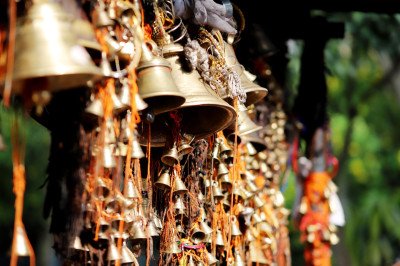 Sree Sundareswara Temple is one of the most significant spiritual and social landmarks in Kannur. It was consecrated in 1916 by the legendary social reformer Sree Narayana Guru. The temple is dedicated to Lord Shiva, who is worshipped here as Sundareswara, meaning the "Lord of Beauty." The establishment of this temple was more than a religious act; it was a revolutionary step in the social history of Kerala. During a time when people from lower castes were denied entry into temples, Sree Narayana Guru founded this shrine to be open to everyone, regardless of caste or creed. This inclusive philosophy makes the temple a symbol of equality and human dignity. The temple is famous for its grand eight-day annual festival, which attracts thousands of devotees. The interior of the temple is beautifully decorated, reflecting the artistic vision of Sri Chaithanya Swami, a disciple of the Guru. The temple complex includes a large, well-maintained pond and several halls used for community events and weddings. The peaceful ambiance and the chanting of hymns provide a deeply meditative experience. It is not just a place for prayer but a center for cultural activities, maintaining the rich traditions of the Thiyya community and the broader Malayali heritage. A visit here offers a glimpse into the spiritual reformation that shaped modern Kerala.:Show All
Parassinikkadavu Snake Park is a unique institution dedicated to the preservation and conservation of reptiles, particularly snakes that are often misunderstood or feared. Established by the Pappinisseri Poisonous Snake Exposure Center, it serves as both a tourist attraction and a research hub for snake-bite treatments. The park houses a vast collection of venomous and non-venomous snakes, including the legendary King Cobra, Spectacled Cobra, Russell’s Viper, and massive Pythons. Apart from snakes, the park is home to crocodiles, monitor lizards, and several species of birds and small mammals, making it a mini-zoo. The highlight of the visit is the live demonstration where trained handlers interact with snakes to educate the public about their behavior and ecological importance. It is located near the famous Parassinikkadavu Muthappan Temple, making it a staple stop for pilgrims and tourists alike. The park plays a vital role in dispelling myths and superstitions surrounding these slithering creatures. :
Sree Sundareswara Temple is one of the most significant spiritual and social landmarks in Kannur. It was consecrated in 1916 by the legendary social reformer Sree Narayana Guru. The temple is dedicated to Lord Shiva, who is worshipped here as Sundareswara, meaning the "Lord of Beauty." The establishment of this temple was more than a religious act; it was a revolutionary step in the social history of Kerala. During a time when people from lower castes were denied entry into temples, Sree Narayana Guru founded this shrine to be open to everyone, regardless of caste or creed. This inclusive philosophy makes the temple a symbol of equality and human dignity. The temple is famous for its grand eight-day annual festival, which attracts thousands of devotees. The interior of the temple is beautifully decorated, reflecting the artistic vision of Sri Chaithanya Swami, a disciple of the Guru. The temple complex includes a large, well-maintained pond and several halls used for community events and weddings. The peaceful ambiance and the chanting of hymns provide a deeply meditative experience. It is not just a place for prayer but a center for cultural activities, maintaining the rich traditions of the Thiyya community and the broader Malayali heritage. A visit here offers a glimpse into the spiritual reformation that shaped modern Kerala.:Show All
Parassinikkadavu Snake Park is a unique institution dedicated to the preservation and conservation of reptiles, particularly snakes that are often misunderstood or feared. Established by the Pappinisseri Poisonous Snake Exposure Center, it serves as both a tourist attraction and a research hub for snake-bite treatments. The park houses a vast collection of venomous and non-venomous snakes, including the legendary King Cobra, Spectacled Cobra, Russell’s Viper, and massive Pythons. Apart from snakes, the park is home to crocodiles, monitor lizards, and several species of birds and small mammals, making it a mini-zoo. The highlight of the visit is the live demonstration where trained handlers interact with snakes to educate the public about their behavior and ecological importance. It is located near the famous Parassinikkadavu Muthappan Temple, making it a staple stop for pilgrims and tourists alike. The park plays a vital role in dispelling myths and superstitions surrounding these slithering creatures. :Information
-
Why Famous:
Theyyam Rituals: Kannur is the only place in the world where you can witness the authentic Theyyam performances in village shrines. This unique blend of dance, music, and religious fervor is a mesmerizing experience that offers a deep insight into the local belief systems. ...Theyyam Rituals: Kannur is the only place in the world where you can witness the authentic Theyyam performances in village shrines. This unique blend of dance, music, and religious fervor is a mesmerizing experience that offers a deep insight into the local belief systems.
Drive-in Beach: The Muzhappilangad Beach is the longest drive-in beach in India and one of the best in Asia. It allows travelers to drive their cars or bikes directly onto the hard-packed sand for over 4 kilometers, offering a one-of-a-kind coastal experience. -
Architecture:
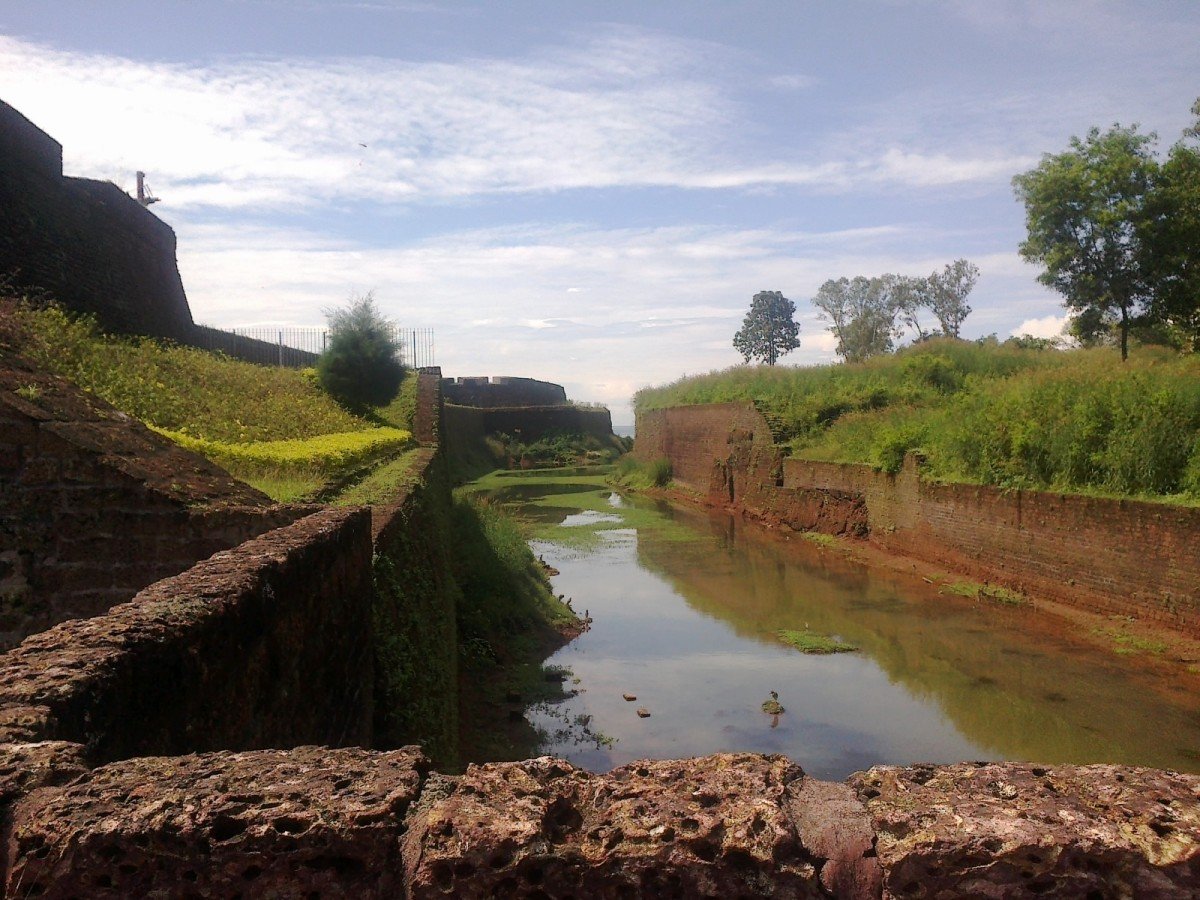
Portuguese Military Style: The St. Angelo Fort is a classic examples of European military architecture in India, featuring massive bastions and laterite stone walls. It has a triangular layout with a moat on one side and the Arabian Sea on the others, providing a strategic...Portuguese Military Style: The St. Angelo Fort is a classic examples of European military architecture in India, featuring massive bastions and laterite stone walls. It has a triangular layout with a moat on one side and the Arabian Sea on the others, providing a strategic defensive position.
Islamic Heritage: The Arakkal Museum, which was once the palace of the only Muslim royal family in Kerala, showcases a blend of local and Islamic styles. The architecture features large wooden windows, spacious courtyards, and a distinctive focus on ventilation and natural cooling.
Dimensions: The St. Angelo Fort walls are several meters thick, designed to withstand naval cannon fire from the sea. The fort complex covers a significant area, including old barracks, a chapel, and a deep well that provided water to the soldiers during long sieges. -
How To Reach:
By Air: The Kannur International Airport (CNN) is located about 25 KMS from the city center and serves both domestic and international flights. It is a modern facility that has made North Kerala much more accessible to travelers from across the world.
Read MoreBy Air: The Kannur International Airport (CNN) is located about 25 KMS from the city center and serves both domestic and international flights. It is a modern facility that has made North Kerala much more accessible to travelers from across the world.
By Train: Kannur Railway Station (CAN) is a major stop on the Mangalore-Palakkad line, with regular trains from Kochi, Trivandrum, and Chennai. The station is located right in the heart of the city, making it easy to reach your hotel.
By Road: Kannur is well-connected by NH 66, with regular bus services from Kozhikode, Mangalore, and Bangalore. Both KSRTC and private luxury buses operate frequently, offering various levels of comfort for long-distance travelers.
Local Transport: Auto-rickshaws are the primary mode of transport within the city and are known for being relatively honest and reliable. For visiting distant spots like Muzhappilangad or Paithalmala, it is better to hire a taxi or use the extensive local bus network.Weather and Best Time to Visit:
Winter Season: October to February is the best time to visit as the weather is pleasant and it marks the beginning of the Theyyam season. The humidity is lower, making it ideal for exploring the beaches and the historical sites without getting exhausted by the heat.Winter Season: October to February is the best time to visit as the weather is pleasant and it marks the beginning of the Theyyam season. The humidity is lower, making it ideal for exploring the beaches and the historical sites without getting exhausted by the heat.
Summer Season: From March to May, the weather becomes quite hot and humid, but it is still a good time for beach activities and water sports. The Theyyam season continues during these months, offering plenty of cultural experiences for those who don't mind the heat.
Early Mornings: Visiting the fishing harbors like Mappila Bay at 6:00 AM allows you to see the bustling activity of the local fishermen bringing in their catch. It is the best time for a fresh and authentic look at the coastal life of Kannur.Near Tourist Places:
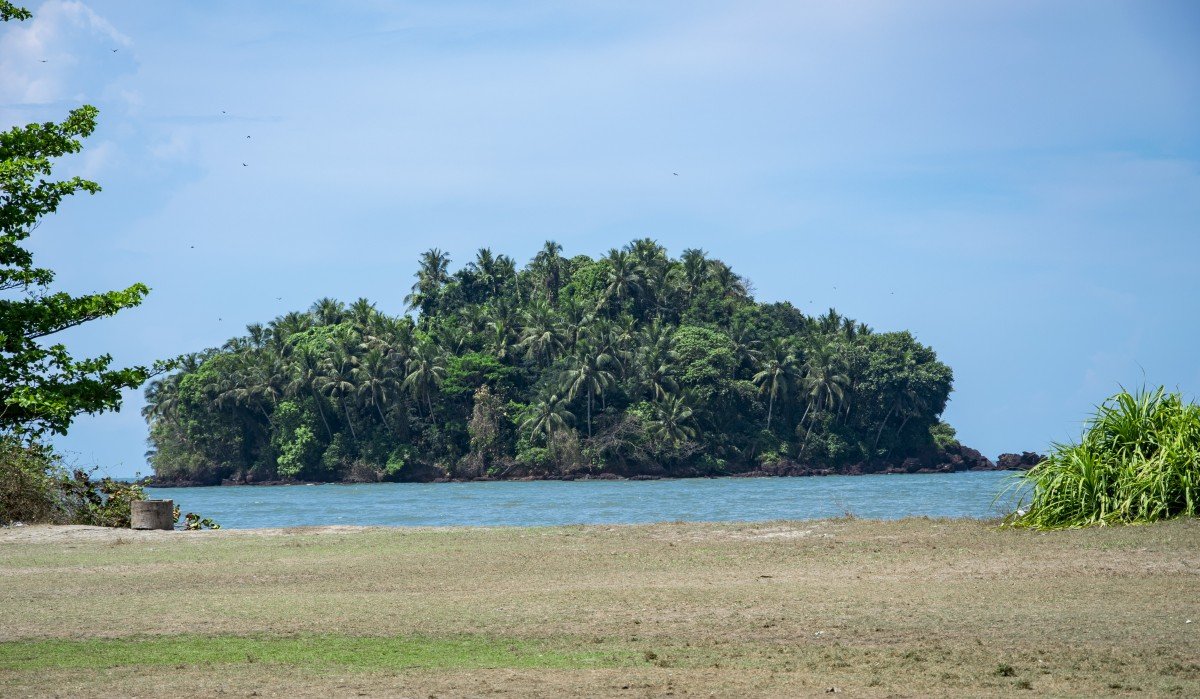
St. Angelo Fort (2 KMS), Muzhappilangad Beach (12 KMS), Payyambalam Beach (3 KMS), Arakkal Museum (2 KMS), Dharmadam Island (15 KMS), Parassinikadavu (18 KMS), Paithalmala (55 KMS), Palakkayam Thattu (50 KMS), Aralam Sanctuary (60 KMS), Madayipara (25 KMS)Tourism Tips
-
Health & Safety: The beaches in Kannur can have strong undercurrents, so always check with locals or lifeguards before swimming. When attending Theyyam, remember that these are sacred rituals; maintain a respectful distance from the performers and do not disrupt the ceremo...Health & Safety: The beaches in Kannur can have strong undercurrents, so always check with locals or lifeguards before swimming. When attending Theyyam, remember that these are sacred rituals; maintain a respectful distance from the performers and do not disrupt the ceremonies.
Packing Essentials: Pack light, breathable cotton clothes and a good pair of sandals for the beach. If you plan to attend Theyyam at night, carry a small flashlight and a mosquito repellent as most of these events take place in outdoor village settings.
Cultural Sensitivity: Wear modest clothing when visiting temples or attending Theyyam rituals to respect local customs. It is also customary to remove shoes before entering the "Kavu" areas, and always ask for permission before taking close-up photos of the performers.
Food Tips: Don't miss out on the unique Thalassery Biryani and other Malabari snacks like Arikkadukka (stuffed mussels). The food here is distinct from Southern Kerala and is known for its rich flavors and generous use of local spices and coconut.
Reviews
FAQs
Kannur Itineray And Cost:-
Other Places In Kerala :-
Other States In India :-
Information about New and Updated Locations() of Kerala Has Been Added :-
Card subtitle
Note:-
Information provided here in good Faith and for reference only.
Near Places
Athirappilly:
Some quick example text to build on the card title and make up the bulk of the card's content.
Go somewhere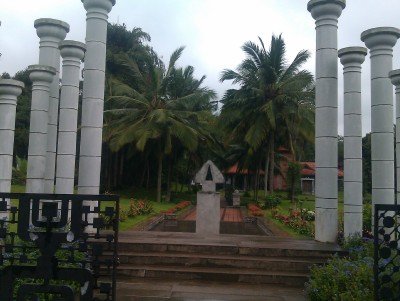
Attingal
Some quick example text to build on the card title and make up the bulk of the card's content.
Go somewhere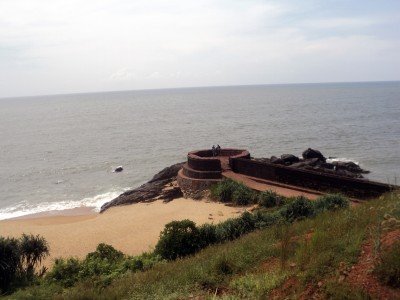
Bekal
Some quick example text to build on the card title and make up the bulk of the card's content.
Go somewhere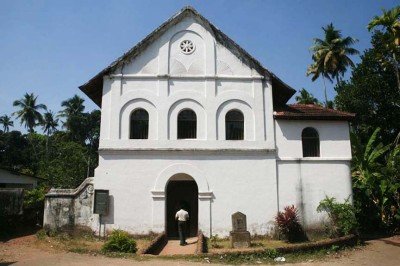
Ernakulam
Some quick example text to build on the card title and make up the bulk of the card's content.
Go somewhere
Guruvayur
Some quick example text to build on the card title and make up the bulk of the card's content.
Go somewhere
Idukki
Some quick example text to build on the card title and make up the bulk of the card's content.
Go somewhere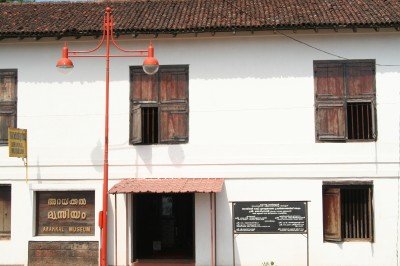
Kannur
Some quick example text to build on the card title and make up the bulk of the card's content.
Go somewhere
Kasaragod
Some quick example text to build on the card title and make up the bulk of the card's content.
Go somewhere
Kollam
Some quick example text to build on the card title and make up the bulk of the card's content.
Go somewhere
Kottayam
Some quick example text to build on the card title and make up the bulk of the card's content.
Go somewhere
Kovalam
Some quick example text to build on the card title and make up the bulk of the card's content.
Go somewhere
Kozhikode
Some quick example text to build on the card title and make up the bulk of the card's content.
Go somewhere
Kumarakom
Some quick example text to build on the card title and make up the bulk of the card's content.
Go somewhere
Kuttanad
Some quick example text to build on the card title and make up the bulk of the card's content.
Go somewhere
Malappuram
Some quick example text to build on the card title and make up the bulk of the card's content.
Go somewhere
Marari Beach
Some quick example text to build on the card title and make up the bulk of the card's content.
Go somewherein Other Cities