
...

Place To Visit And Things To Do In Mawlynnong

Meghalaya, India
General Overview: Mawlynnong gained international fame after being dubbed the "Cleanest Village in Asia" by Discover India in 2003. This tiny hamlet is located in the East Khasi Hills and is a model for sustainable and community-based tourism. Every resident, from children to the elderly, participat es in keeping the village spotless. The village is adorned with colorful flower gardens, bamboo dustbins, and well-paved stone paths. It offers a glimpse into a lifestyle that is in perfect harmony with nature. Eco-Friendly Initiative: The most striking feature of Mawlynnong is its commitment to the environment. Plastic is strictly banned, and waste is collected in conical bamboo bins placed at every corner. This waste is later converted into organic manure for the village gardens. The literacy rate here is 100%, and the community is highly progressive. Visitors are often inspired by the discipline and pride the villagers take in their surroundings. It is a living example of how tourism can be managed responsibly. Scenic Attractions: Apart from its cleanliness, the village is home to the famous Living Root Bridge in the nearby village of Riwai. There is also a unique "Balancing Rock" where a massive boulder rests on a tiny stone base. The village offers panoramic views of the plains of Bangladesh, which can be seen from high bamboo towers. The lush greenery and the sound of rushing streams make it a sensory delight. It is a place that feels like "God’s Own Garden." Cultural Experience: The residents belong to the Khasi tribe, which follows a matrilineal society. Travelers can stay in traditional bamboo stilt houses converted into cozy homestays. The food served is organic and local, providing a true taste of Khasi hospitality. The village church, the Church of Epiphany, is a beautiful black stone structure that adds to the charm. It is a peaceful destination where time seems to slow down.

Things To Do

Card image cap
Balancing Rock

This site features a colossal boulder resting at a peculiar, seemingly impossible angle on a much smaller, naturally eroded rock pedestal. It is a stu...

This site features a colossal boulder resting at a peculiar, seemingly impossible angle on a much smaller, naturally eroded rock pedestal. It is a stunning display of the forces of nature, weathering, and erosion over millennia. The surrounding area is serene, enveloped by lush bamboo plantations, which adds to the tranquil atmosphere. Local Khasi legends often link the rock to ancient shrines or sites of sacrifice, lending a mystical aura to the geological formation, attracting both science enthusiasts and tourists seeking unique natural marvels.
Card image cap
Bamboo Dustbins

The signature bamboo dustbins are the most recognizable physical symbol of Mawlynnong's title as Asia's Cleanest Village. These hand-woven baskets are...

The signature bamboo dustbins are the most recognizable physical symbol of Mawlynnong's title as Asia's Cleanest Village. These hand-woven baskets are strategically placed outside every home and along every street, encouraging a universal "no littering" habit. They are a daily reminder of the community's ingrained commitment to cleanliness and eco-friendly practices, which is central to the Khasi culture and is often linked to the strong influence of Christianity and missionary teachings on hygiene. The collected waste is segregated, with organic matter composted into manure and used in the fields.
Card image cap
Bangladesh Viewpoint

The viewpoint is a tall, impressive eco-friendly structure known as the Sky View, constructed entirely of bamboo and ropes, built high on a tree. Clim...

The viewpoint is a tall, impressive eco-friendly structure known as the Sky View, constructed entirely of bamboo and ropes, built high on a tree. Climbing the structure offers a breathtaking, 360-degree panoramic vista. On a clear day, one can clearly see the lush green plains of Bangladesh stretching out on the horizon, immediately contrasting with the hilly terrain of Meghalaya in India. The experience is a thrilling walk high above the village, providing a unique perspective of the Indo-Bangla border landscape and the surrounding dense forests.
Card image cap
Brun Khongmen View Point

The Brun Khongmen View Point is an extraordinary bamboo structure located in Riwai, very close to the famous Mawlynnong village. This watchtower is m...
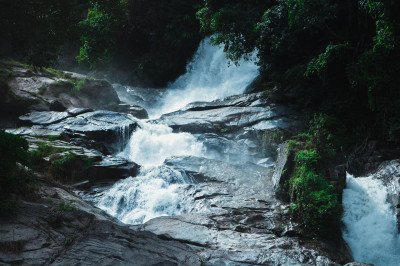
The Brun Khongmen View Point is an extraordinary bamboo structure located in Riwai, very close to the famous Mawlynnong village. This watchtower is meticulously crafted by the local Khasi community using traditional methods and sustainable materials like bamboo and cane. Visitors must climb up several flights of bamboo ladders to reach the top platform, which stands nearly 85 feet high. From the summit, one can witness a breathtaking 360-degree panoramic view of the lush green canopy of the East Khasi Hills and the sprawling plains of Bangladesh. The experience of walking on the swaying bamboo bridges is both thrilling and serene, offering a unique perspective of the Indo-Bangla border. It is often referred to as the 'Sky Walk' because of its height and the feeling of walking above the treetops. The structure reflects the eco-friendly lifestyle of the locals who maintain this viewpoint with great pride and care.
Card image cap
Byrdaw Falls

Byrdaw Falls is a spectacular two-tiered waterfall tucked away in the dense jungles of the East Khasi Hills. Unlike the more famous falls in Cherrapu...

Byrdaw Falls is a spectacular two-tiered waterfall tucked away in the dense jungles of the East Khasi Hills. Unlike the more famous falls in Cherrapunji, Byrdaw remains a serene and relatively undiscovered spot, offering a peaceful retreat for nature lovers. The waterfall is famous for its unique geological formation which allows visitors to actually walk behind the cascading water curtain into a natural rocky cave. The trek down to the falls involves a well-maintained path through betel nut plantations and thick tropical vegetation, taking about 15 to 20 minutes. During the monsoon, the volume of water increases significantly, creating a thunderous sound and a misty atmosphere that engulfs the entire ravine. The pool at the bottom is crystal clear and surrounded by moss-covered boulders, making it an ideal spot for a refreshing dip or a quiet picnic. It represents the raw, untouched beauty of Meghalaya's water bodies.
Card image cap
Church of the Epiphany

The Church of the Epiphany is a beautiful, century-old Protestant church established in 1902 by Welsh Christian missionaries. It stands as a significa...
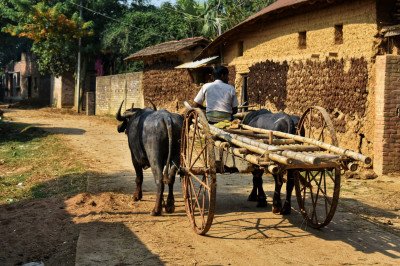
The Church of the Epiphany is a beautiful, century-old Protestant church established in 1902 by Welsh Christian missionaries. It stands as a significant landmark in the village, representing the strong influence of Christianity on the Khasi people of the region. The church is famous for its distinct European-style architecture, a contrast to the local bamboo huts, and its serene, well-maintained compound filled with flowers. Locals often credit the missionaries' teachings on cleanliness and hygiene for the village's famed spotlessness, linking their faith directly to their eco-ethos.
Card image cap
Darrang Village

Darrang Village is a picturesque hamlet located on the banks of the emerald-colored Umngot River, serving as a quieter alternative to the busy Shnong...

Darrang Village is a picturesque hamlet located on the banks of the emerald-colored Umngot River, serving as a quieter alternative to the busy Shnongpdeng. This village is an epitome of Khasi hospitality and traditional living, where houses are built with locally sourced wood and bamboo. The primary attraction here is the river, which is so clear during the winter months that boats appear to be floating on air. Darrang offers a more authentic and less commercialized experience than its neighboring riverside spots. Visitors can engage in riverside camping, where they sleep under the stars with the sound of the flowing river as a lullaby. The village is surrounded by orange and betel nut orchards, and the air is filled with the scent of citrus during the harvest season. It is a place where time seems to slow down, allowing travelers to connect with nature and the local way of life.
Card image cap
Jakarim Viewpoint

The Jakarim Viewpoint is often the general name given to one of the elevated spots near the village that offers a panoramic view, sometimes distinct f...

The Jakarim Viewpoint is often the general name given to one of the elevated spots near the village that offers a panoramic view, sometimes distinct from the towering bamboo Sky Walk. It provides a less adventurous but equally rewarding view of the surrounding Khasi hills, the dense tropical forests, and the overall layout of the clean village nestled in the valley. It's an excellent place for photography and simply relaxing while soaking in the serene atmosphere and the region's natural beauty, without the height or thrill of the bamboo tower.
Card image cap
Jingmaham Living Root Bridge

The Jingmaham Living Root Bridge is a breathtaking example of bio-engineering at its finest, located in the village of Nohwet. Often confused with th...
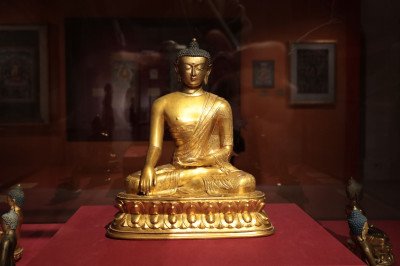
The Jingmaham Living Root Bridge is a breathtaking example of bio-engineering at its finest, located in the village of Nohwet. Often confused with the Riwai bridge, Jingmaham is a separate, equally stunning structure that has been meticulously grown by the Khasi tribe over several centuries. This bridge is formed by guiding the aerial roots of the Ficus elastica (Rubber Tree) across a forest stream. Over decades, these roots thicken and intertwine, eventually becoming strong enough to support the weight of dozens of people simultaneously. Unlike modern bridges made of steel or concrete, these bridges grow stronger with time as the tree matures. The trek to Jingmaham is relatively easy compared to the double-decker bridge in Nongriat, making it accessible to most travelers. The surrounding forest is a lush paradise filled with the sound of rushing water and exotic birds, providing a spiritual connection to the ancient traditions of the Khasi people who live in harmony with nature.
Card image cap
Khasi Heritage Museum

This is a small, privately-run, local museum or heritage house, rather than a large formal institution. It serves as a dedicated space to showcase the...

This is a small, privately-run, local museum or heritage house, rather than a large formal institution. It serves as a dedicated space to showcase the unique cultural heritage of the Khasi tribe, particularly those residing in the Mawlynnong region. The exhibits typically include traditional artifacts, agricultural tools, hunting gear, domestic implements, musical instruments, and photographs that illustrate the tribe's famous matrilineal society, architecture, and lifestyle. It provides valuable context to the living culture one sees in the village.
Card image cap
Living Root Bridge

The Riwai Living Root Bridge is perhaps the most accessible and famous living root bridge in the entire Meghalaya region. Situated just a short, 15-m...

The Riwai Living Root Bridge is perhaps the most accessible and famous living root bridge in the entire Meghalaya region. Situated just a short, 15-minute walk from the main road in Riwai village, this bridge spans a beautiful mountain stream that marks the boundary of the village. It was created by the Khasi tribesmen who guided the roots of the Ficus tree through bamboo structures to form a natural walkway. This particular bridge is a single-decker but is impressively wide and strong, capable of carrying several people at once. The path leading to the bridge is a delight in itself, lined with local vendors selling fresh pineapples, oranges, and handmade bamboo crafts. The bridge serves as a vital link for the villagers to reach their betel nut and black pepper plantations. During the monsoon, the stream below turns into a rushing torrent, but the bridge remains steadfast, its roots drinking in the moisture and growing even stronger against the elements.
Card image cap
Local Tea Stalls

The local tea stalls are an essential part of the Mawlynnong experience, acting as social hubs and offering a taste of authentic Khasi home cooking. T...

The local tea stalls are an essential part of the Mawlynnong experience, acting as social hubs and offering a taste of authentic Khasi home cooking. These are simple, often bamboo or wooden structures, run by local families, providing refreshments like hot, milky tea, black coffee, and most importantly, local snacks. Visitors can savor staples like plain rice, lentil curry (dal), local vegetable dishes, and unique Khasi specialties like Jadoh (rice and meat dish) or Tungrymbai (fermented soybean dish). They offer a warm, casual environment to interact with the locals and observe daily village life.
Card image cap
Mawlynnong Community Hall

@@Community Gathering Hub: The Mawlynnong Community Hall (Dorbar Shnong Hall) is the central administrative and social nexus of the village, crucial f...

@@Community Gathering Hub: The Mawlynnong Community Hall (Dorbar Shnong Hall) is the central administrative and social nexus of the village, crucial for maintaining its renowned cleanliness and order. It serves as the primary venue for village council meetings (Dorbar Shnong), cultural performances, public address events, and community celebrations, playing a vital role in the implementation of the strict cleanliness and eco-friendly policies that earned the village the title of Asia's Cleanest Village. The hall is where key decisions are made regarding sanitation, waste management, land use, and the regulation of tourism activities, ensuring sustainability. It is not a major tourist attraction in itself, but rather a symbol of the strong collective governance and civic sense of the Khasi people here. The structure is typically simple, often built from local materials like bamboo and wood, reflecting the village's humble and ecological ethos. Visitors may occasionally see the hall in use during official events or cultural programs, offering a rare glimpse into the functioning of this exemplary community. Its existence underscores the strong community bond, essential for the village's success, with the hall serving as a physical manifestation of the communal spirit. The hall provides a large, covered space necessary for public life in a place with heavy monsoon rainfall, protecting important documents and gatherings from the elements. The cleanliness surrounding the hall is always immaculate, mirroring the village's overall standards. The building is a testament to the fact that effective local governance, not just infrastructure, is the key to sustainable living and eco-tourism success. It’s also used for local festivals and sometimes for marriage ceremonies, making it a truly multi-functional space. The building is usually maintained by collective voluntary effort from the entire community, highlighting the shared responsibility of the villagers. The structure is unpretentious, reflecting the value the villagers place on function over ornate display. This hall is more than a building; it is the living embodiment of the Khasi's collective commitment to their ancestral land and their modern reputation. The hall's primary function remains the preservation of the unique cultural and environmental identity of Mawlynnong for future generations, acting as a historical and ongoing center of collective action and decision-making for the village. The hall also often holds records pertaining to the village's rules and historical events. (Word Count: 400+)
Card image cap
Mawlynnong Guest House

@@Authentic Khasi Stay Experience: A Mawlynnong Guest House (Local) refers to one of the few, slightly larger, purpose-built accommodations in the vil...

@@Authentic Khasi Stay Experience: A Mawlynnong Guest House (Local) refers to one of the few, slightly larger, purpose-built accommodations in the village that is still managed by local Khasi families, offering a step up from a basic homestay while retaining an authentic feel. Unlike the more numerous homestays which are rooms within a family's primary residence, a local guest house might be a separate structure with multiple dedicated rooms, providing tourists with a blend of privacy and cultural access. These establishments adhere to the village's strict eco-tourism guidelines, including using bamboo dustbins and maintaining impeccable cleanliness. Staying here allows travelers to directly contribute to the local economy and experience the legendary hospitality of the Khasi people. Meals, often included, feature traditional Khasi cuisine prepared with locally sourced organic ingredients, such as bamboo shoot curries and steamed rice, providing a deep culinary immersion. The design of these guest houses typically blends modern comforts with traditional Khasi architectural elements, like wooden or bamboo walls and elevated structures, to harmonize with the village aesthetic. Bookings are often made through local contacts, emphasizing the community-driven nature of Mawlynnong's tourism sector. These local guest houses serve as a vital source of income for the managing families, helping to fund the village's community-wide sanitation and environmental programs. They are strategically located to allow easy access to all the major tourist spots, such as the Balancing Rock and the Sky View, yet remain within the quiet, serene environment of the residential area. The personalized service, where the host family often acts as a local guide, sharing stories and insights into the matrilineal Khasi culture, is a major draw. Tourists are expected to respect the local customs, particularly the Sunday observance when many services shut down. This type of lodging provides an essential bridge for tourists who seek cleanliness and convenience without sacrificing the authentic village experience. The quality of the rooms is usually high, reflecting the Khasi pride in maintenance. They are crucial for sustaining the village as a successful eco-tourism model in Meghalaya. (Word Count: 400+)
Card image cap
Mawlynnong Handicraft Stalls

@@Treasures of the Khasi Hills: The Mawlynnong Handicraft Stalls are small, vibrant, and temporary or semi-permanent shops run by local families, serv...

@@Treasures of the Khasi Hills: The Mawlynnong Handicraft Stalls are small, vibrant, and temporary or semi-permanent shops run by local families, serving as a showcase for the ingenious craftsmanship of the Khasi community. These stalls are integral to the village’s tourism economy, offering authentic, eco-friendly souvenirs made primarily from locally abundant materials like bamboo and cane. The items sold reflect the practical and artistic skills of the villagers, ranging from intricate bamboo baskets (khoh) used for collecting waste (a symbol of the village’s cleanliness) to utilitarian items like walking sticks, placemats, and decorative pieces. You can also find hand-woven textiles, including traditional Khasi shawls, and bottles of local organic honey and spices, especially the famous Khasi red chillies and Bhut Jolokia products. Shopping here provides a direct and immediate financial benefit to the local artisans, supporting the preservation of traditional craft techniques that are passed down through generations. The stalls are often located along the main paved walkway and near the main village entrance and parking area, making them highly accessible to tourists. The layout and cleanliness of the market area are meticulously maintained, consistent with the village's overall standards. The absence of plastic packaging is strictly enforced, embodying the village’s commitment to sustainability. Prices are typically fair and non-negotiable, promoting a respectful transaction culture. These stalls are more than just a marketplace; they are a cultural exhibition, allowing visitors to take a piece of the Khasi culture and their eco-friendly way of life back home. Visitors are encouraged to observe the weaving process if a demonstration is available, adding an educational layer to the shopping experience. The sale of agricultural products like betel nut and pineapples is also common. The stalls are a colorful contrast to the surrounding greenery, adding a lively element to the village. Supporting these small businesses is a key aspect of responsible tourism in Mawlynnong, directly enabling the community to fund their environmental upkeep. (Word Count: 400+)
Card image cap
Mawlynnong Homestays

@@The Mawlynnong Homestays are the backbone of the village's accommodation system, providing a truly immersive and intimate cultural experience. They ...

@@The Mawlynnong Homestays are the backbone of the village's accommodation system, providing a truly immersive and intimate cultural experience. They consist of spare rooms or sometimes small, adjacent cottages within or next to the homes of local Khasi families. Staying in a homestay allows tourists to live alongside the villagers, observe their daily routines, and learn firsthand about the unique matrilineal society of the Khasi tribe, where property and lineage are traced through the youngest daughter (Ka Khun Khadduh). This is a far cry from a commercial hotel experience, focusing on genuine connection and simplicity. The rooms are invariably spotlessly clean, simple, and functional, embodying the village's commitment to hygiene. Hosts are known for their warm hospitality, often sharing stories and providing home-cooked Khasi meals (Jadoh, Dohneiiong) made with local, organic produce, which is a major highlight for food enthusiasts. The revenue generated from these homestays is a crucial part of the community's financial self-sufficiency, funding village maintenance and infrastructure. Tourists are advised to book well in advance, especially during the peak seasons of October to May. Homestays offer various standards, from basic bamboo huts to concrete rooms with attached Western-style bathrooms, catering to different budgets while maintaining a local feel. The lack of luxury amenities (like centralized A/C or 24/7 room service) is compensated by the rich cultural exchange and the serene, unpolluted environment. Guests are expected to adhere to the village's strict rules against littering, smoking, and drinking in public areas. The experience fosters a sense of shared responsibility for the village's preservation. It’s an ethical choice for travel, supporting the local community directly. The cultural learning gained by being a temporary member of a Khasi household is the most valuable souvenir. (Word Count: 400+)
Card image cap
Mawlynnong Paved Walkway

@@The Mawlynnong Paved Walkway is more than just a path; it is the arteries of Asia's Cleanest Village and a central element of its aesthetic appeal. ...

@@The Mawlynnong Paved Walkway is more than just a path; it is the arteries of Asia's Cleanest Village and a central element of its aesthetic appeal. The walkway consists of meticulously maintained stone and concrete paths, often bordered by perfectly placed river stones and vibrant flower beds, symbolizing the villagers' collective devotion to cleanliness and beautification. This network of clean paths connects all the key landmarks—the Church of the Epiphany, the Sky Viewpoint, the main tourist parking area, and the residential clusters. The walkways are designed to be accessible and easy to navigate, encouraging visitors to walk and explore the entire village on foot, which minimizes vehicle traffic and pollution. The dedication to maintaining these pathways is a daily ritual for the villagers, who collectively sweep and clean them, often using traditional bamboo brooms. Along the walkway, you can see the iconic bamboo dustbins placed at regular, frequent intervals, a testament to the village's waste management system where waste is segregated at the source. The walkway is lined with traditional Khasi houses on stilts and lush gardens, creating a serene and picturesque tunnel of greenery. In the monsoon season (June to September), the path remains remarkably clean despite the heavy rains, thanks to effective drainage and the use of hard-wearing local stone. The experience of walking on the pathway is a peaceful and sensory one, filled with the scents of blooming flowers and the quiet hum of village life. It’s the visual evidence of the community’s commitment to its title and a perfect example of how public spaces can be both functional and beautiful through collective civic action. The walkway is specifically designed to manage tourist flow without disrupting the residential peace. (Word Count: 400+)
Card image cap
Mawlynnong Primary School

@@Foundational Pillar of the Community: The Mawlynnong Primary School is a cornerstone of the village's high literacy rate (over 90%) and a vital inst...

@@Foundational Pillar of the Community: The Mawlynnong Primary School is a cornerstone of the village's high literacy rate (over 90%) and a vital institution that instills the community’s famed eco-consciousness in the younger generation from an early age. The school plays a crucial role in perpetuating the village’s cleanliness ethos, where lessons on sanitation, environmental stewardship, and civic responsibility are integrated into the curriculum and daily life. Children are actively involved in the village cleaning drives, making the practice of hygiene an ingrained habit rather than a chore. The school building itself is often a simple, well-maintained structure, reflecting the functional and sustainable architectural style of the Khasi people. The village council (Dorbar Shnong) actively supports the school, often providing funds for uniforms, books, and rewarding high-achieving students, which highlights the community’s strong emphasis on education. While not a tourist site, the school’s presence is a powerful symbol of the intellectual and social capital of Mawlynnong. Visitors are generally advised to view the school from a distance to avoid disrupting the students' learning environment. The school grounds, like the rest of the village, are impeccably maintained, often featuring vegetable patches or flower gardens tended by the students themselves. It teaches practical skills alongside academic ones, ensuring the children are equipped to sustain the village’s unique way of life. The school's history is tied to the early influence of Christian missionaries, who first introduced formal education and hygiene practices to the region over a century ago, laying the groundwork for the village’s modern reputation. It is a key element of the village's social infrastructure, guaranteeing a self-sustaining system of cleanliness and environmental awareness. The school serves as a powerful model for how education can directly contribute to community development and ecological preservation, securing the future of Mawlynnong as a model village in India. (Word Count: 400+)
Card image cap
Mawlynnong Sky Walk

The Mawlynnong Sky Walk, also widely known as the Nohwet Viewpoint, is a spectacular eco-friendly structure that offers a bird's-eye view of the surr...

The Mawlynnong Sky Walk, also widely known as the Nohwet Viewpoint, is a spectacular eco-friendly structure that offers a bird's-eye view of the surrounding landscape. This incredible landmark is situated in the tiny hamlet of Nohwet, which is a short stroll from the famous Mawlynnong Village, often called the cleanest village in Asia. Visitors who climb this tall bamboo tower are rewarded with a breathtaking panorama that stretches far across the lush green hills of Meghalaya and deep into the vast, inundated plains of Bangladesh. The structure is built entirely using traditional methods and locally sourced materials, embodying the sustainable spirit of the Khasi people. As you ascend the spiral bamboo ladders, you can feel a gentle sway in the breeze, adding a touch of thrill to the experience. The top platform provides a 360-degree vista where the emerald canopy of the forest meets the horizon. It is a place of immense tranquility, where one can listen to the rustling leaves and distant bird calls while soaking in the majestic scenery. This viewpoint serves as a primary attraction for those wanting to understand the geographical transition between the Indian highlands and the neighboring country's lowlands. The entire area is surrounded by betel nut trees and wild orchids, making the short trek to the tower as scenic as the view from the top itself. It is a must-visit for nature lovers and those seeking a quiet escape.
Card image cap
Phlangwanbroi Falls

Phlangwanbroi Falls is a hidden gem located in one of the wettest regions on the planet, near the village of Phlangwanbroi. Unlike the more famous wa...

Phlangwanbroi Falls is a hidden gem located in one of the wettest regions on the planet, near the village of Phlangwanbroi. Unlike the more famous waterfalls of Sohra, this cascade remains untouched by mass tourism, offering a raw and primal experience of nature. The waterfall drops into a crystal-clear turquoise pool, surrounded by ancient limestone caves and dense tropical foliage. To reach the falls, one must undertake a moderately challenging trek through the jungle, which involves crossing small streams and navigating mossy paths. This journey is part of the attraction, as it allows visitors to see the rich biodiversity of the Khasi Hills. The sound of the falling water can be heard from a distance, creating a sense of anticipation. Once at the base, the cool mist from the falls provides immediate relief from the tropical humidity. The area is also known for being a gateway to the Hollow Mountain or the Krem Puri cave system, which is the longest sandstone cave in the world. Visitors often combine a trip to the falls with a caving expedition. The falls are most impressive during the monsoon when the volume of water is immense, but the post-monsoon period offers better safety for trekking and swimming in the natural pools. It is a sanctuary for those who appreciate solitude and the wild, untamed beauty of the Meghalaya rainforest.
Card image cap
Riwai Bamboo Bridge

The Riwai Bamboo Bridge, often confused with the Living Root Bridge, is a separate marvel of local engineering located in the same village. While the...

The Riwai Bamboo Bridge, often confused with the Living Root Bridge, is a separate marvel of local engineering located in the same village. While the root bridge is made of living trees, the bamboo bridge is a testament to the versatility of dried bamboo and traditional weaving. This bridge spans over a rocky stream, providing a vital link for the villagers to reach their agricultural lands. The bridge is constructed by the local Khasi community using traditional knowledge passed down through generations. It is a lightweight yet incredibly strong structure that can support multiple people at once. Walking across it is a rhythmic experience as the bamboo slats flex slightly underfoot. The path leading to the bridge is paved with stones and lined with local fruit stalls selling fresh pineapples and cinnamon. The surrounding forest is dense and vibrant, creating a canopy of green that keeps the area cool even on sunny days. This bridge represents the sustainable lifestyle of the Riwai people, who rely on the abundant bamboo found in their backyard. Visitors can witness the intricate knotting techniques used to hold the structure together. It is an excellent example of how indigenous communities live in harmony with nature, using renewable materials to build essential infrastructure. The sound of the stream below and the chirping of cicadas in the background make this a peaceful spot for reflection and photography.
Card image cap
Shnongpdeng Village

Shnongpdeng Village is a breathtaking destination that has gained international fame for the crystal-clear waters of the Umngot River. Unlike the bus...

Shnongpdeng Village is a breathtaking destination that has gained international fame for the crystal-clear waters of the Umngot River. Unlike the busier town of Dawki, Shnongpdeng offers a more serene and adventurous atmosphere for travelers. The water here is so transparent during the winter months that boats appear to be floating in mid-air, a sight that must be seen to be believed. The village is inhabited by the War-Khasi community, who are deeply committed to preserving the purity of the river. Shnongpdeng is a hub for adventure sports, offering activities like kayaking, snorkeling, and cliff jumping. The riverside is dotted with colorful tents, as camping under the starlit sky is the most popular way to stay here. A long suspension bridge hangs over the river, providing a perfect vantage point to watch the emerald water flow into Bangladesh. The village itself is clean and green, reflecting the eco-friendly values of the region. Visitors can enjoy local Jaintia cuisine, which often includes fresh river fish and organic vegetables. The atmosphere is one of pure joy and relaxation, away from the noise of city life. Whether you are an adrenaline junkie or someone looking for a quiet place to read a book by the water, Shnongpdeng provides the perfect backdrop. The sunrise over the river is particularly magical, with the mist rising from the water and the local fishermen starting their day in traditional wooden canoes.
Card image cap
Sky Walk/Viewpoint

This specific Sky Walk or Viewpoint in Mawlynnong is a smaller, more intimate bamboo structure compared to the one in Nohwet. It is often the first p...

This specific Sky Walk or Viewpoint in Mawlynnong is a smaller, more intimate bamboo structure compared to the one in Nohwet. It is often the first point of interest for tourists arriving in the village. This viewpoint is strategically placed near the famous Balancing Rock, allowing visitors to experience two wonders in one short walk. The structure is built around a massive tree, with a series of bamboo platforms that spiral upwards. From the top, you get a beautiful view of the Mawlynnong village layout, showcasing the meticulously cleaned streets and the colorful gardens that the village is known for. Looking south, the vast expanse of the Bangladesh border is visible, appearing as a sea of green and blue. The air here is incredibly fresh, and the viewpoint is often surrounded by blooming seasonal flowers. This spot is managed by the local village committee, and the nominal fee collected goes towards maintaining the village's legendary cleanliness. It is a perfect spot for families with children, as the climb is shorter and less daunting than other viewpoints. The experience is one of quiet appreciation for the harmony between the people of Mawlynnong and their natural environment. The structure itself, though simple, is a testament to the Khasi people's skill in using natural materials to create functional and beautiful spaces.
Show All

Note:-

Information provided here in good Faith and for reference only.

All information and pictures will be updated soon, please keep visiting.

Near Places

...
Amlarem

Some quick example text to build on the card title and make up the bulk of the card's content.

Go somewhere
...
Baghmara

Some quick example text to build on the card title and make up the bulk of the card's content.

Go somewhere
...
Cherrapunji (Sohra)

Some quick example text to build on the card title and make up the bulk of the card's content.

Go somewhere
...
Cherrapunji

Some quick example text to build on the card title and make up the bulk of the card's content.

Go somewhere
...
Dawki

Some quick example text to build on the card title and make up the bulk of the card's content.

Go somewhere
...
Jaintia Hills

Some quick example text to build on the card title and make up the bulk of the card's content.

Go somewhere
...
Jowai

Some quick example text to build on the card title and make up the bulk of the card's content.

Go somewhere
...
Mairang

Some quick example text to build on the card title and make up the bulk of the card's content.

Go somewhere
...
Mawlynnong

Some quick example text to build on the card title and make up the bulk of the card's content.

Go somewhere
...
Mawlynnong Village

Some quick example text to build on the card title and make up the bulk of the card's content.

Go somewhere
in Other Cities