...

Place To Visit And Things To Do In Mumbai

Maharashtra, India
City Overview: Mumbai is the financial capital of India and a vibrant metropolis known for its fast-paced life and colonial history. It is a city where tradition meets modernity, featuring iconic skyscrapers alongside ancient heritage sites and bustling street markets. Historical Significance: Origi nally a cluster of seven islands, the city was developed by the British and has served as a major port for centuries. It played a pivotal role in India’s freedom struggle and now stands as the heart of the global Bollywood film industry. Cultural Hub: The city is a melting pot of cultures, offering a diverse culinary scene ranging from street-side Vada Pav to fine dining. It hosts numerous art galleries, theaters, and museums that reflect its rich artistic and social tapestry. Vibrant Nightlife: Known as the city that never sleeps, Mumbai offers a pulsating nightlife with numerous lounges, clubs, and late-night eateries. The Marine Drive promenade remains a favorite spot for locals and tourists to relax under the stars.

Things To Do

Card image cap
Afghan Church (Church of St. John the Evangelist)

The Afghan Church stands as a solemn and stunning memorial, built by the British between 1847 and 1858 to commemorate the soldiers who perished in th...

The Afghan Church stands as a solemn and stunning memorial, built by the British between 1847 and 1858 to commemorate the soldiers who perished in the First Anglo-Afghan War (1839-1842) and the disastrous retreat from Kabul. Later memorials were added for casualties of the Second Anglo-Afghan War. This beautiful Anglican church is a magnificent example of 19th-century English Gothic Revival architecture, a style rarely seen with such grandeur in India. Its towering spire, which rises to 60 meters, was intentionally designed to be a prominent landmark for ships entering Mumbai harbor. The church's architecture is characterized by its pointed arches, intricate stonework crafted from locally available buff-colored basalt and limestone, and robust construction. The interior is particularly breathtaking, known for its wide gothic arches and spectacular stained-glass windows designed by the renowned English artist William Wailes. These vibrant windows, which depict scenes related to the military campaigns, filter light in a kaleidoscope of colors, creating a truly ethereal atmosphere. The floor is adorned with intricate polychrome tiles, imported from England, and the chancel features stunning mosaic work. Beyond its architectural beauty, the Afghan Church offers a poignant historical narrative, reflecting a significant period of British imperial history in India. It serves as a quiet sanctuary and a place of remembrance, drawing visitors interested in history, architecture, and spiritual solace. Its secluded location within the tranquil Navy Nagar further enhances its peaceful and contemplative ambiance, making it a unique historical gem in Mumbai.
Card image cap
Bandra Fort

Bandra Fort, formally known as Castella de Aguada (Castle of the Waterpoint), is a historical fortification located at Bandra Bandstand in Bandra West...
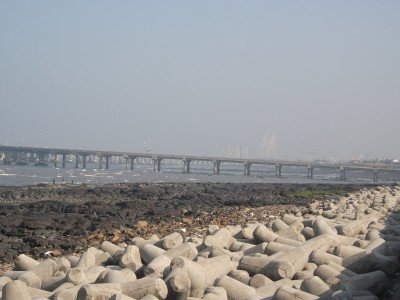
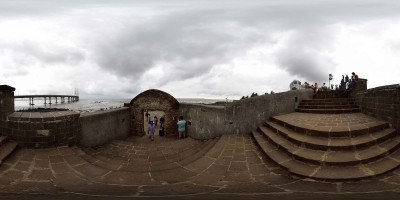
Bandra Fort, formally known as Castella de Aguada (Castle of the Waterpoint), is a historical fortification located at Bandra Bandstand in Bandra West, Mumbai. Built by the Portuguese in 1640, its strategic location was meant to overlook and guard the sea route into the Bandra harbor and the Mahim Bay area. The fort's name, Castella de Aguada, refers to a freshwater spring that was once located here, providing potable water to passing ships. Although much of the original structure is now in ruins, what remains of the ramparts and defensive walls offers a stunning historical backdrop and a prime viewpoint. The fort's historical significance lies in the colonial rivalries of the 17th century; it was partially demolished by the British in 1739 to prevent it from falling into the hands of the Marathas. Today, the fort has been beautifully restored and preserved as a heritage landmark and a public park. Its primary draw is the magnificent, unobstructed, panoramic view of the Bandra-Worli Sea Link that it offers, making it one of the most popular scenic spots in the city. The area has become a major cultural hub, often featured in Bollywood films and serving as a popular promenade and hang-out spot for locals and tourists, especially couples. The combination of history, seaside views, and its proximity to celebrity residences on Bandstand makes Bandra Fort a highly unique and romantic spot in Mumbai.
Card image cap
Bandra-Worli Sea Link

The Bandra-Worli Sea Link (BWSL), officially the Rajiv Gandhi Sea Link, is a magnificent cable-stayed bridge over the Arabian Sea that connects the su...
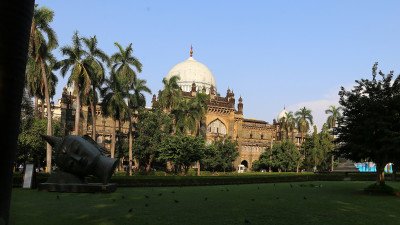
The Bandra-Worli Sea Link (BWSL), officially the Rajiv Gandhi Sea Link, is a magnificent cable-stayed bridge over the Arabian Sea that connects the suburb of Bandra in the west with Worli in South-Central Mumbai. Inaugurated in 2009, it is one of Mumbai's most recognizable modern landmarks and a massive feat of civil engineering. The bridge is approximately 5.6 kilometers long and is designed to significantly reduce the travel time between Bandra and Worli from over an hour during rush hour to a mere 10 minutes. The bridge consists of two impressive cable-stayed sections, supported by massive, elegant pylons that rise high above the sea. These pylons, along with the beautiful arrangement of the stay cables, give the bridge its iconic, futuristic appearance. The BWSL is not just a functional piece of infrastructure; it has become a symbol of Mumbai's modernization, ambition, and global stature. The drive across the bridge offers breathtaking, unobstructed, panoramic views of the Arabian Sea and the city skyline, making the commute itself a scenic experience. While access is limited to vehicular traffic (no pedestrian or two-wheeler access is permitted), viewing the bridge from nearby spots like Bandra Fort or Worli Sea Face is a major tourist activity. The bridge is stunning both during the day and after sunset when it is illuminated by a spectacular, synchronized lighting system, transforming it into a glowing arc over the dark water. Its construction was a massive undertaking, utilizing cutting-edge technology to withstand the harsh marine environment.
Card image cap
Banganga Tank

Tucked away amidst the luxurious residential enclave of Malabar Hill, Banganga Tank is a remarkable and tranquil oasis that offers a vivid glimpse in...

Tucked away amidst the luxurious residential enclave of Malabar Hill, Banganga Tank is a remarkable and tranquil oasis that offers a vivid glimpse into Mumbai's ancient history and spiritual traditions. Dating back to 1127 AD, it is the oldest surviving structure in Mumbai, built by the Silhara dynasty. The tank is believed to have been created when Lord Rama, on his way to Lanka, stopped here and, feeling thirsty, shot an arrow (Baan) into the ground, causing a tributary of the Ganges (Ganga) to spring forth. This mythical origin gives the tank its name and its revered status. The tank is surrounded by a flight of steps on all four sides, leading down to the water, and is encircled by numerous small temples, ashrams (hermitages), and residential houses, many of which are centuries old. These structures create a unique, almost timeless, village-like atmosphere that stands in stark contrast to the modern high-rises of Malabar Hill. Devotees often come to perform rituals, bathe in the holy waters, and offer prayers, making it a living heritage site. The sight of pigeons fluttering around, local residents going about their daily routines, and the quiet chanting of prayers creates a deeply authentic and spiritual experience. Visiting Banganga Tank is like stepping back in time, offering a profound sense of peace and a connection to Mumbai's deeper, spiritual roots that often go unnoticed amidst its urban dynamism. It's a photographer's delight and a serene escape from the city's hustle and bustle, providing a unique insight into a lesser-known yet deeply significant aspect of Mumbai's cultural fabric.
Card image cap
Chhatrapati Shivaji Maharaj Terminus (CST)

Chhatrapati Shivaji Maharaj Terminus (CSMT) is not just a railway station; it is a UNESCO World Heritage Site and an architectural marvel that stands...

Chhatrapati Shivaji Maharaj Terminus (CSMT) is not just a railway station; it is a UNESCO World Heritage Site and an architectural marvel that stands as a majestic symbol of Mumbai's rich history and colonial-era grandeur. Designed by the British architect Frederick William Stevens and completed in 1888, this magnificent building is an outstanding example of Victorian Gothic Revival architecture blended with traditional Indian architectural themes. Its intricate stone carvings, elaborate turrets, pointed arches, and a monumental stone dome are a testament to the skilled craftsmanship of the era and the fusion of two cultures. Spread over a vast area, CSMT serves as a primary railway station for both long-distance and local suburban trains, making it one of the busiest railway stations in the world, handling millions of commuters daily. Despite its functional role, the building's aesthetic appeal is undeniable, often resembling a grand cathedral or a majestic palace. The interior features beautiful stained glass windows and ornate ironwork. Its impressive fa ade is particularly stunning when illuminated at night, making it a popular subject for photographers. As the first terminus station in the subcontinent, CSMT symbolized Mumbai's emergence as a major mercantile port city within the British Commonwealth. A visit to CSMT offers a journey back in time, allowing you to appreciate the architectural brilliance of the past while observing the ceaseless rhythm of modern Mumbai's daily life, making it a truly unique experience.
Card image cap
Chhatrapati Shivaji Maharaj Vastu Sangrahalaya (CSMVS)

The Chhatrapati Shivaji Maharaj Vastu Sangrahalaya (CSMVS) is one of India's premier museums and a magnificent example of Indo-Saracenic architecture...

The Chhatrapati Shivaji Maharaj Vastu Sangrahalaya (CSMVS) is one of India's premier museums and a magnificent example of Indo-Saracenic architecture. Completed in 1914, this grand edifice was designed by George Wittet, who also designed the Gateway of India, and was initially built to commemorate the visit of the Prince of Wales (later King George V) to India. The museum's architecture itself is a blend of traditional Indian elements, such as domes and chhatris, with influences from British and Mughal styles, making it a visual delight. The museum houses a vast and diverse collection of over 50,000 artifacts, categorized into three main sections: Art, Archaeology, and Natural History. The Art section displays exquisite Indian miniature paintings, sculptures, decorative arts, and European paintings. The Archaeology section features artifacts from the Indus Valley Civilization, ancient Indian sculptures, and exhibits on various Indian dynasties. The Natural History section is particularly popular with children, showcasing a wide array of Indian fauna, including dioramas of animals in their natural habitats. The museum also hosts temporary exhibitions, workshops, and educational programs, making it a dynamic cultural institution. The CSMVS is more than just a repository of historical objects; it is a vital center for education and cultural preservation, offering a comprehensive journey through India's rich heritage, from ancient civilizations to the colonial era, all within a beautifully maintained setting that reflects the city's artistic and historical grandeur. A visit here is a serene escape from the city's chaos and a deep dive into its artistic and historical roots.
Card image cap
Chhatrapati Shivaji Maharaj Vastu Sangrahalaya

The Chhatrapati Shivaji Maharaj Vastu Sangrahalaya (CSMVS), formerly known as the Prince of Wales Museum of Western India, is Mumbai's premier museum ...
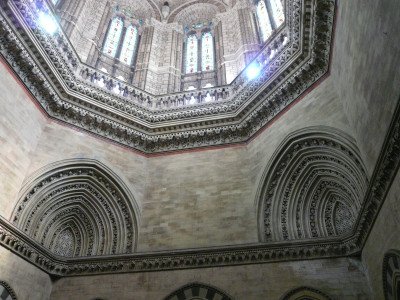
The Chhatrapati Shivaji Maharaj Vastu Sangrahalaya (CSMVS), formerly known as the Prince of Wales Museum of Western India, is Mumbai's premier museum and one of the most important cultural institutions in India. The museum was established in the early 20th century by prominent citizens to commemorate the visit of George V, the then Prince of Wales, in 1905. The foundation stone was laid in 1905, and the building was officially completed in 1914, though it was only opened to the public in 1922. In 1998, the museum was renamed in honor of the great Maratha ruler, Chhatrapati Shivaji Maharaj. The museum's vast collection, which spans three main sections—Art, Archaeology, and Natural History—boasts over 60,000 artifacts. These treasures include prehistoric Indus Valley Civilization artifacts, rare miniature paintings from various schools (Mughal, Deccani, Rajasthani), beautiful bronze and stone sculptures from ancient and medieval India, European paintings, and a stunning collection of arms and armor. The building itself is a masterpiece of the Indo-Saracenic architectural style, designed by architect George Wittet (who also designed the Gateway Of India). Its striking dome, minarets, and blending of Islamic and traditional Indian architectural elements make it a visual delight. The museum is committed not only to conservation but also to education, hosting numerous temporary exhibitions, lectures, and workshops throughout the year. It serves as a vital custodian of India's rich and complex heritage, offering visitors a detailed narrative of the country's history, from ancient civilizations to the colonial era and beyond.
Card image cap
Chhatrapati Shivaji Terminus

The Chhatrapati Shivaji Terminus (CST), formerly known as Victoria Terminus (VT), is a monumental railway station and a UNESCO World Heritage Site sin...

The Chhatrapati Shivaji Terminus (CST), formerly known as Victoria Terminus (VT), is a monumental railway station and a UNESCO World Heritage Site since 2004. It is the headquarters of the Central Railway of India and one of the busiest railway stations in the country, serving both long-distance and local suburban trains. The terminus was built to replace the Bori Bunder station and was designed by the renowned British architect Frederick William Stevens. Construction began in 1878 and was completed in 1887, coinciding with the Golden Jubilee of Queen Victoria. The building was originally named Victoria Terminus in her honor. In 1996, it was renamed Chhatrapati Shivaji Terminus in a move to commemorate the founder of the Maratha Empire. The architectural style is a triumphant blend of Victorian Gothic Revival architecture with traditional Indian architectural elements, creating a unique, elaborate, and highly decorated structure. The building is a symbol of Mumbai's status as the principal maritime trading city of India and the 'Gateway' to the subcontinent during the colonial era. The structure is characterized by its stone dome, turrets, pointed arches, and intricate carvings that include allegorical figures and exotic local flora and fauna, illustrating Stevens' vision of creating a cathedral-like structure for the city's burgeoning railway system. Today, it stands as a testament to the powerful nexus between global trade, imperial ambition, and technological progress that shaped modern Mumbai, a living monument to the city's endless movement and history.
Card image cap
Chor Bazaar (Thieves Market)

Chor Bazaar, literally meaning "Thieves Market," is one of Mumbai's most fascinating and historic markets, a labyrinthine maze of narrow lanes filled...

Chor Bazaar, literally meaning "Thieves Market," is one of Mumbai's most fascinating and historic markets, a labyrinthine maze of narrow lanes filled with an astounding array of goods. Despite its slightly misleading name (which is believed to have originated from "Shor Bazaar" or "noisy market" that later became "Chor" due to mispronunciation or perhaps the nature of its goods), it's a legitimate, albeit eccentric, marketplace. With a history stretching back over 150 years, it's a treasure trove for antique lovers, collectors, and anyone seeking unique, vintage, or quirky items. The market is renowned for its eclectic mix of second-hand goods, antiques, and curiosities. You can find everything from vintage Bollywood posters, old gramophones, and antique furniture to intricate brassware, old coins, vintage clocks, auto parts, and even old ship components. It's a place where you might stumble upon a forgotten relic or a piece of history. The atmosphere is bustling and vibrant, with vendors calling out to potential buyers and the constant chatter of negotiations. Exploring Chor Bazaar is an adventure in itself; it requires patience, a keen eye for detail, and a willingness to bargain fiercely. While some items might genuinely be stolen goods, the vast majority are simply second-hand items or antiques acquired through various channels. It's a photographer's delight, offering endless opportunities to capture the vibrant street life and the unique character of Mumbai's old markets. A visit to Chor Bazaar offers a truly immersive and authentic local experience, providing a stark contrast to the city's modern shopping malls and giving a glimpse into a different side of Mumbai's commercial pulse.
Card image cap
Colaba Causeway

@@ The Heartbeat of Mumbai’s Street Life : Colaba Causeway, officially known as Shaheed Bhagat Singh Road, serves as the primary link between Colaba...
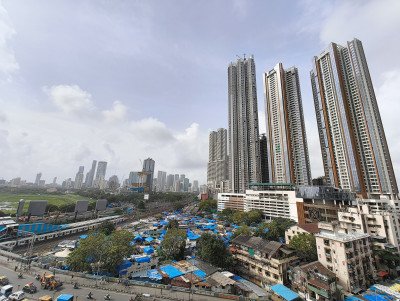
@@ The Heartbeat of Mumbai’s Street Life : Colaba Causeway, officially known as Shaheed Bhagat Singh Road, serves as the primary link between Colaba and the rest of the city, acting as a vibrant commercial artery. This bustling thoroughfare is more than just a marketplace; it is a historic landmark that encapsulates the eclectic spirit of Mumbai through its mix of high-end boutiques and humble street stalls. The market is famously known for offering everything from antique brassware and quirky accessories to trendy fashion and vintage collectibles, making it a must-visit for every traveler. Since its construction in the 1830s during the British era, it has evolved into a cultural melting pot where tourists, locals, and sailors from the nearby docks converge. The atmosphere is perpetually electric, characterized by the persistent calls of street vendors and the aroma of freshly brewed coffee from iconic cafes. Visitors can spend hours wandering through the narrow lanes, discovering unique treasures that reflect the city's diverse heritage. It also serves as a gateway to other major attractions like the Gateway of India and the Taj Mahal Palace Hotel. The street is lined with colonial buildings that house legendary establishments like Leopold Cafe and Cafe Mondegar, which have witnessed the city's transformation over decades. Whether you are looking for a budget-friendly souvenir or a luxurious dining experience, the Causeway provides a comprehensive glimpse into the soul of Mumbai. The market stays alive well into the night, offering a safe and energetic environment for evening strolls and late-night snacks. It remains a symbol of the city's resilience and its ability to blend the old with the new seamlessly. Every corner of the Colaba Causeway tells a story, making it a definitive highlight of any Mumbai itinerary.
Card image cap
Crawford Market (Mahatma Jyotiba Phule Market)

Crawford Market is one of Mumbai's most iconic and historic markets, a bustling and sensory overload that has been a vibrant trading hub since its co...

Crawford Market is one of Mumbai's most iconic and historic markets, a bustling and sensory overload that has been a vibrant trading hub since its construction in 1869. Designed by British architect William Emerson (who also designed the Victoria Memorial in Kolkata), the market building is a magnificent example of Norman and Gothic architectural styles, blending Indian and European elements. Its impressive facade, with a clock tower and intricate bas-reliefs depicting Indian peasants, makes it a landmark in itself. The market was the first building in India to be lit by electricity, adding to its historical significance. Today, Crawford Market is a chaotic yet fascinating commercial paradise. It's famous for its wholesale and retail sales of a vast array of goods. The ground floor is predominantly dedicated to fruits, vegetables, and flowers, creating a riot of colors and aromas. Upstairs, you'll find sections for toys, cosmetics, party supplies, household items, artificial jewelry, and even imported goods. What truly sets Crawford Market apart is its lively section dedicated to pets and birds, though visitors should be mindful of animal welfare concerns here. The sheer volume of goods, the constant hum of bargaining, and the vibrant interactions between vendors and customers make it an incredibly immersive experience. It's a place where you can witness the daily rhythm of Mumbai's local economy and soak in the authentic pulse of the city. While it can be overwhelming, a visit to Crawford Market offers a genuine glimpse into the bustling heart of Mumbai's trading life, providing a raw and unfiltered urban adventure.
Card image cap
Dadasaheb Phalke Chitranagari (Film City)

For film enthusiasts and those curious about the magic of Bollywood, Dadasaheb Phalke Chitranagari, or Mumbai Film City, is an absolute must-visit. E...

For film enthusiasts and those curious about the magic of Bollywood, Dadasaheb Phalke Chitranagari, or Mumbai Film City, is an absolute must-visit. Established in 1977 by the Maharashtra government, this sprawling complex, named after Dadasaheb Phalke, the "Father of Indian Cinema," is the epicentre of India's prolific film and television industry. Spread over a vast area of 520 acres, it is a self-contained world designed to facilitate every aspect of filmmaking. Film City boasts approximately 20 indoor studios, outdoor sets ranging from permanent temple replicas and lakes to artificial mountains and urban streets, and all the necessary infrastructure for production, including recording rooms, editing suites, and technical support. It's a place where countless Bollywood blockbusters, television serials, and commercials come to life daily. While you won't typically see live shoots on every visit (as filming schedules are unpredictable and often private), various guided tours are available that take visitors through the sets, provide insights into the filmmaking process, and showcase different aspects of the facility. These tours often include glimpses of famous outdoor locations, costume and prop displays, and sometimes even live performances or opportunities to participate in mock shoots. Visiting Film City offers a unique and thrilling behind-the-scenes look at the glamorous and highly dynamic world of Indian cinema, providing a deeper appreciation for the artistry and sheer scale of production that goes into creating the cinematic dreams that captivate millions.
Card image cap
Dadasaheb Phalke Smarak

While the previous Film City is in Mumbai, the Dadasaheb Phalke Smarak in Nashik is a dedicated memorial to Dadasaheb Phalke, the visionary filmmaker...

While the previous Film City is in Mumbai, the Dadasaheb Phalke Smarak in Nashik is a dedicated memorial to Dadasaheb Phalke, the visionary filmmaker who is revered as the "Father of Indian Cinema." This expansive complex is a tribute to his pioneering work, which laid the foundation for the Indian film industry. Born Dhundiraj Govind Phalke in Nashik, he made India's first full-length feature film, "Raja Harishchandra," in 1913, marking the birth of Bollywood. The Smarak (memorial) is spread over 29 acres and is designed to celebrate his life, his contributions, and the journey of Indian cinema. It features a lush garden, an exhibition hall showcasing photographs and artifacts related to Phalke's life and early Indian cinema, and a small museum. There are also facilities for children, such as a playground, and an open-air amphitheater that hosts cultural programs. The serene environment offers a calm retreat, allowing visitors to reflect on the immense impact of one man's vision on an entire industry and a nation's culture. Visiting the Dadasaheb Phalke Smarak is a pilgrimage for film buffs and offers a unique opportunity to understand the origins of one of the world's largest film industries in the very place where its pioneer was born and nurtured his dreams. It provides a historical and cultural context that complements the modern experience of Film City in Mumbai, making it a valuable extension for those deeply interested in Indian cinema.
Card image cap
Dharavi Slum Tour

A Dharavi slum tour offers a profoundly impactful and eye-opening experience that challenges preconceived notions about such communities. Far from be...

A Dharavi slum tour offers a profoundly impactful and eye-opening experience that challenges preconceived notions about such communities. Far from being merely a place of poverty, Dharavi is a vibrant, self-sustaining ecosystem and an economic powerhouse, home to a massive informal industry. With an estimated population of over a million people, it's one of Asia's largest slums, yet it operates with remarkable efficiency and resilience. Ethical and educational walking tours, often led by guides from the community, provide a respectful glimpse into the daily life and diverse micro-industries thriving within Dharavi. Visitors witness a wide range of small-scale enterprises, including extensive recycling units that process vast amounts of Mumbai's waste, pottery making (especially in Kumbharwada, the potters' colony), leather tanning, garment manufacturing, soap factories, embroidery units, and papad (poppadom) making. You'll see how these ingenious businesses operate in incredibly small spaces, employing thousands of people and generating significant revenue. The tours highlight the incredible ingenuity, enterprise, and strong sense of community that exists within Dharavi. It's a powerful experience that dispels stereotypes, showcasing the hard work, entrepreneurship, and diverse cultures that coexist here. Many tour operators invest a significant portion of their profits back into community development projects within Dharavi, making it a responsible tourism choice. Photography is often restricted to respect residents' privacy, emphasizing the ethical nature of these tours.
Card image cap
Dhobi Ghat

Dhobi Ghat in Mahalaxmi, Mumbai, is an iconic and uniquely Mumbai landmark, renowned as the world's largest open-air laundromat. It is a sprawling, or...

Dhobi Ghat in Mahalaxmi, Mumbai, is an iconic and uniquely Mumbai landmark, renowned as the world's largest open-air laundromat. It is a sprawling, organized community workplace where hundreds of Dhobis (washermen) and their families work tirelessly to wash, dry, and iron clothes gathered from hotels, hospitals, and households across the city. The Dhobi Ghat has been in operation for over 140 years, established in 1890 during the British Raj. The site consists of a massive grid of concrete wash pens, each equipped with its own dedicated flogging stone. The clothes are meticulously hand-washed through a process of soaking, thrashing, boiling, and rinsing, demonstrating an incredible feat of human labor and organization on a massive scale. The sheer spectacle of thousands of clothes, often color-sorted, drying on lines strung between the various sections provides a vibrant, unforgettable visual experience. This site is not merely a tourist attraction; it is a living, breathing Mumbai economy, a tightly-knit community of washermen who have inherited their profession over generations. The logistics and efficiency with which millions of items of laundry are processed, tracked, and returned to their rightful owners is a testament to the community's organizational skills. The view of the Dhobi Ghat from the bridge connecting the Mahalaxmi railway station is the most famous, offering a panoramic perspective of the colorful, geometric arrangement of washing areas and drying clothes. It provides a unique window into the working-class culture and the relentless human engine that powers the city of Mumbai.
Card image cap
Dr. Bhau Daji Lad Mumbai City Museum

As Mumbai's oldest museum, the Dr. Bhau Daji Lad Mumbai City Museum offers a fascinating and intimate glimpse into the city's cultural heritage and h...

As Mumbai's oldest museum, the Dr. Bhau Daji Lad Mumbai City Museum offers a fascinating and intimate glimpse into the city's cultural heritage and history from the 18th to the early 20th centuries. Originally established in 1872 as the Victoria and Albert Museum (Bombay), it was renamed in honor of Dr. Bhau Daji Lad, a prominent physician, social reformer, and scholar who played a crucial role in its establishment. The museum building itself is an architectural gem, a beautiful Palladian structure that underwent an extensive and award-winning restoration completed in 2008, bringing it back to its original grandeur. The museum's permanent collection is meticulously curated, showcasing a rare collection of 19th-century fine and decorative arts that highlight early modern art practices and craftsmanship from the Bombay Presidency. Exhibits include exquisite miniature clay models and dioramas depicting the various communities, occupations, and lifestyles of Mumbai's past, along with historical maps, lithographs, photographs, and rare books that document the city's evolution from a cluster of seven islands into a bustling metropolis. You'll find intricately carved objects, textiles, and artifacts that tell the story of Mumbai's rich cultural tapestry. The museum also hosts contemporary art exhibitions, lectures, and workshops, fostering a dialogue between the city's past and present. Visiting the Dr. Bhau Daji Lad Museum is a journey through time, offering a nuanced understanding of Mumbai's social, economic, and cultural development, presented in a beautifully restored and engaging environment. It provides a unique historical context that complements the city's more modern attractions.
Card image cap
Elephanta Caves

The Elephanta Caves are a network of sculpted caves located on Elephanta Island (originally known as Gharapuri—meaning 'City of Caves'), a tranquil ...

The Elephanta Caves are a network of sculpted caves located on Elephanta Island (originally known as Gharapuri—meaning 'City of Caves'), a tranquil island in the Arabian Sea. These caves, designated a UNESCO World Heritage Site since 1987, are world-renowned for their rock-cut architecture and intricate sculptural reliefs that date back primarily to the 5th to 8th centuries CE. The site consists of five Hindu caves and a few Buddhist stupa mounds and smaller caves. The main cave (Cave 1) is the most spectacular, dedicated to the Hindu God Shiva. This cave is famous for the colossal sculpture of the Trimurti Sadasiva, or the three-faced Shiva, which is the central and most significant masterpiece of the site. The sculpture, standing over 5.5 meters (18 feet) high, represents Shiva in three aspects: the Creator (Brahma), the Preserver (Vishnu), and the Destroyer (Rudra). The art found here is characteristic of the Post-Gupta period and the Kalachuri dynasty, showcasing a profound mastery of expressive, dynamic stone carving. The island derived its modern name, Elephanta, from the Portuguese, who found a large stone elephant sculpture near the landing point when they took possession of the island in the 16th century (the sculpture was later moved to the Dr. Bhau Daji Lad Museum). The caves suffered considerable damage during the Portuguese rule when they were reportedly used for target practice, but restoration efforts have preserved the site's immense historical and artistic value. Today, the caves remain an essential pilgrimage for devotees and a major attraction for historians, archaeologists, and tourists, offering a stunning blend of nature, architecture, and spirituality just a short boat ride away from the bustling city of Mumbai.
Card image cap
EsselWorld

EsselWorld is a pioneering amusement park located on Gorai Island off the coast of Mumbai. Opened in 1989, it holds the distinction of being one of In...
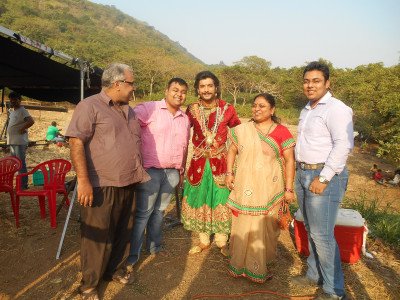
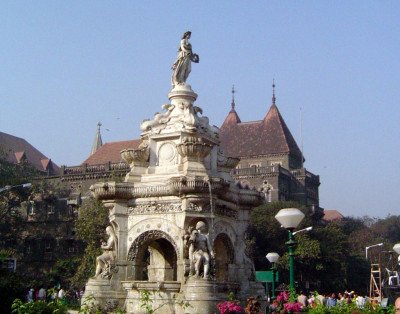
EsselWorld is a pioneering amusement park located on Gorai Island off the coast of Mumbai. Opened in 1989, it holds the distinction of being one of India's first and most successful large-scale amusement parks. Spread over a vast area of approximately 64 acres, it provides a major recreational escape for residents and tourists alike. The park offers a wide variety of rides and attractions catering to all age groups, divided into categories like Family Rides (e.g., Copper Chopper, Wagon Wheel), Adult Thrill Rides (e.g., Hoola Loop, Road Rage, Shot-N-Drop, Top Spin), and Kids' Rides (e.g., Play Port, Mini Telecombat). Alongside the thrilling roller coasters and classic attractions, the park also boasts unique indoor attractions, such as the Arctic Circle (an ice-skating rink) and a large Bowling Alley. EsselWorld is an integrated part of a larger recreational complex that includes its popular sister park, Water Kingdom, one of the largest water parks in Asia. The park's famous jingle and its decades-long operation have cemented its place in the popular culture and childhood memories of an entire generation of Mumbaikars. The unique accessibility, primarily via a scenic ferry ride across the Gorai Creek, adds to the fun and adventurous feeling of the day trip. While the park is currently undergoing a temporary closure for renovation and is scheduled for a grand relaunch, its legacy and historical significance as India's premier amusement park remain intact, and it continues to be a major destination in the city's recreational landscape.
Card image cap
Film City (Dadasaheb Phalke Chitranagari)

Film City is the heart of India's prolific Hindi film industry, Bollywood, and a dream destination for any movie enthusiast. Established in 1977 by t...

Film City is the heart of India's prolific Hindi film industry, Bollywood, and a dream destination for any movie enthusiast. Established in 1977 by the Maharashtra state government, this sprawling complex spans over 520 acres and was designed to provide state-of-the-art facilities and a diverse range of permanent sets for filmmaking. It was later renamed in honor of Dadasaheb Phalke, often regarded as the father of Indian cinema. Film City boasts a vast array of outdoor shooting locations, including permanent sets for temples, prisons, courts, villages, gardens, hospitals, and even artificial waterfalls, lakes, and mountains. It also houses multiple sound stages and studios, making it a one-stop solution for film, television, and advertising productions. While the primary purpose of Film City is to facilitate film production, it also offers guided tours for tourists. These tours provide a fascinating behind-the-scenes glimpse into the world of Indian cinema. Visitors can see where famous scenes were shot, learn about the filmmaking process, and sometimes even witness a live shoot (though this is not guaranteed). The tours offer insights into set design, costumes, and the general buzz of a working film studio. For Bollywood fans, it's an immersive experience that brings the magic of Indian cinema to life, making it a unique and entertaining attraction in Mumbai.
Card image cap
Film City

Film City, officially known as the Dadasaheb Phalke Chitranagari, is the sprawling, integrated film studio complex and the lifeblood of the Hindi film...

Film City, officially known as the Dadasaheb Phalke Chitranagari, is the sprawling, integrated film studio complex and the lifeblood of the Hindi film industry, Bollywood. It was established in 1977 by the Government of Maharashtra to provide a centralized facility for film production, minimizing the need to shoot outdoors in the busy city. The complex was later renamed in 2001 to honor Dadasaheb Phalke, the father of Indian Cinema. Spread over a massive 520 acres of land, the complex is located in the lush, green surroundings of Goregaon East, bordering the Sanjay Gandhi National Park (SGNP). This strategic location offers a wide variety of natural backdrops—from hills and forests to man-made lakes and waterfalls—all within the secure studio grounds. Beyond the natural settings, Film City houses around 16 sound-proof, air-conditioned studio floors and over 42 outdoor permanent shooting locations. These permanent sets are designed to mimic diverse real-world locations such as a court, prison, police station, hospital, urban markets, temples, and even a mock 'Khandala Bridge'. This allows filmmakers to create entire worlds without leaving the complex, which is critical for the continuous production of Bollywood films and television serials. The complex is managed by the Maharashtra Film, Stage & Cultural Development Corporation (MFSCDC). Visitors can experience Film City through organized bus tours, which offer a peek into the sets and sometimes, if luck holds, a live shoot. It stands as a symbol of Mumbai's identity as the "City of Dreams" and the capital of Indian Cinema.
Card image cap
Flora Fountain

Flora Fountain is a magnificent architectural and historical monument located in the bustling Fort area of South Mumbai, right in the heart of the cit...
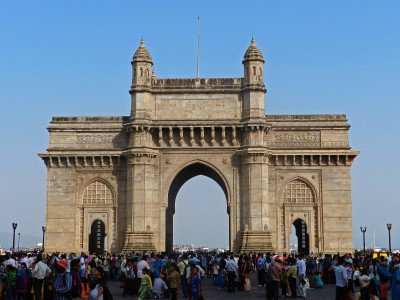
Flora Fountain is a magnificent architectural and historical monument located in the bustling Fort area of South Mumbai, right in the heart of the city's commercial and financial district. Completed in 1864 during the British Raj, the fountain was originally intended for the Victoria Gardens but was ultimately placed at the site of the former Church Gate of the demolished Mumbai Fort. The monument is a stunning example of the fusion of Neo-Gothic and Neo-Classical architectural styles, sculpted from imported Portland stone (limestone) from England. It is named after the Roman Goddess Flora, the Goddess of flowers, spring, and fertility, whose statue crowns the entire structure. The fountain and the square it stands in have immense historical significance. In 1960, following the violent protests during the Samyukta Maharashtra Movement (which advocated for the creation of the state of Maharashtra), the area surrounding the fountain was officially renamed Hutatma Chowk (Martyr's Square). This renaming was done to commemorate the many unarmed protestors who were killed here by police firing in 1956. A separate sculpture of the Hutatma (Martyrs') memorial, featuring a pair of figures, stands near the fountain, marking the spot of the tragedy. The contrast between the beautiful, colonial-era fountain and the somber, post-Independence memorial is a powerful symbol of Mumbai's transition from a colonial port city to the capital of Maharashtra. It serves as a key heritage landmark and a major traffic intersection in South Mumbai.
Card image cap
Gateway Of India

The Gateway Of India is arguably the most recognizable landmark in Mumbai, standing as a majestic arch monument on the waterfront of the Apollo Bunder...
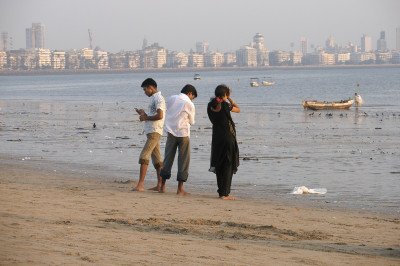
The Gateway Of India is arguably the most recognizable landmark in Mumbai, standing as a majestic arch monument on the waterfront of the Apollo Bunder area in South Mumbai. Conceived as a grand ceremonial entrance, its foundation stone was laid on March 31, 1913, and the structure was officially inaugurated on December 4, 1924. The primary purpose of its construction was to commemorate the landing of King-Emperor George V and Queen-Empress Mary at the spot in December 1911. This historic visit marked the first time a British monarch had visited India. The architects, led by George Wittet, adopted a distinct Indo-Saracenic architectural style, blending elements from Indian, Islamic, and European architecture. Built using tough yellow basalt stone and reinforced concrete, the structure is a testament to colonial-era engineering and artistic vision. Beyond its royal history, the Gateway holds immense national significance. It became the symbolic entry and exit point for British governors and viceroys during the colonial era. Most notably, it served as the point from which the last British troops, the First Battalion of the Somerset Light Infantry, symbolically departed India on February 28, 1948, marking the final end of British rule following India's independence in August 1947. Today, the area is a vibrant hub teeming with tourists, vendors, and photographers. It is the central embarkation point for ferries heading to the famous Elephanta Caves, making it a crucial junction for both local transport and international tourism. The proximity of the monument to the world-renowned Taj Mahal Palace Hotel enhances its stature, creating one of the most iconic and photographed cityscapes in the world. Visitors are drawn here to feel the cool sea breeze, watch the sunrise or sunset over the Arabian Sea, and simply soak in the history of a structure often referred to as the 'Taj Mahal of Mumbai'. The monument represents a historical bridge between the colonial past and the independent present of India.
Card image cap
Girgaon Chowpatty

Girgaon Chowpatty, often simply called Chowpatty, is one of Mumbai’s most famous and beloved public beaches. Located at the northern end of the icon...
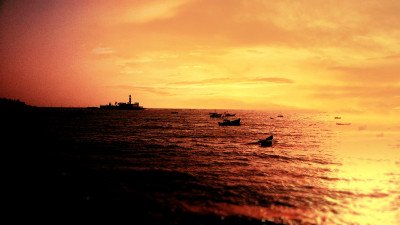
Girgaon Chowpatty, often simply called Chowpatty, is one of Mumbai’s most famous and beloved public beaches. Located at the northern end of the iconic Marine Drive (Queen's Necklace), this beach is less about sunbathing or swimming and primarily serves as a cultural, recreational, and culinary hub. It is a vast stretch of sandy shoreline where the dynamic city life of Mumbai meets the calm of the Arabian Sea. Historically, Chowpatty has been a place of significant political and social gathering, hosting major rallies and public meetings during the Indian independence movement. However, its modern fame rests overwhelmingly on its reputation as the city's premier destination for authentic, high-quality vegetarian street food. As evening descends, the beach transforms into a bustling open-air food court, with dozens of stalls serving local delicacies like Pav Bhaji, Bhel Puri, Pani Puri, and Kulfi (traditional Indian ice cream). The vibrant, democratic atmosphere attracts people from all walks of life—families, couples, friends, and tourists—who come to relax, stroll, and indulge in the city's flavors. Beyond the daily bustle, Chowpatty holds immense religious significance as the central location for the spectacular immersion ceremony (Visarjan) of the idol of Lord Ganesha during the annual Ganesh Chaturthi festival, making it the emotional and spiritual center of the city for a key part of the year. It provides a unique, raw experience of Mumbai's vibrant street culture, offering a perfect blend of sea breeze, urban energy, and culinary delight.
Card image cap
Global Vipassana Pagoda

The Global Vipassana Pagoda is a magnificent and monumental structure in Mumbai, built as a tribute to Gautama Buddha and his teachings, particularly ...
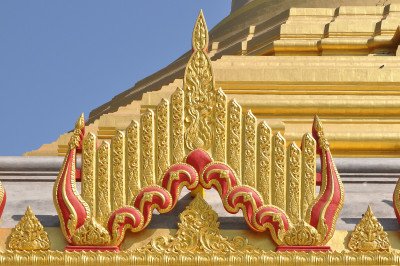
The Global Vipassana Pagoda is a magnificent and monumental structure in Mumbai, built as a tribute to Gautama Buddha and his teachings, particularly the non-sectarian practice of Vipassana meditation. It is an impressive landmark located on a peninsula between Gorai Creek and the Arabian Sea, in the northern part of the city. The Pagoda's central dome is a colossal, hollow stone structure, recognized as the world's largest of its kind without any supporting pillars, intended to last for at least a thousand years. It was constructed out of gratitude to Myanmar (Burma) for preserving the practice of Vipassana. The Pagoda's design is a deliberate replica of the famous Shwedagon Pagoda in Yangon, Myanmar, but unlike the solid masonry of the original, the Global Pagoda is hollow to accommodate a vast meditation hall. The foundation stone was laid in 2004, and the monument was inaugurated in 2009 by the President of India, Pratibha Patil. Its construction was a monumental engineering feat, relying on ancient Indian building techniques like interlocking stone blocks combined with modern scientific analysis. The core purpose of the pagoda is to provide a massive, noise-free space for people to practice Vipassana meditation, a technique taught by the late S.N. Goenka. Sacred bone relics of the Buddha are enshrined in the central keystone of the main dome, lending immense spiritual significance to the structure. Beyond the main dome, the complex includes smaller pagodas, a library, an art gallery depicting the life of the Buddha, and the Vipassana teaching center, Dhamma Pattana. It is a major spiritual destination, promoting peace, harmony, and the universal message of self-observation and inner purification, drawing visitors from all over the world seeking tranquility away from the chaos of Mumbai. The serene location, accessible by road or a picturesque ferry ride, enhances its meditative aura.
Card image cap
Haji Ali Dargah

The Haji Ali Dargah is a revered mosque and dargah (tomb) dedicated to the Sufi saint Pir Haji Ali Shah Bukhari. The complex is uniquely situated on a...
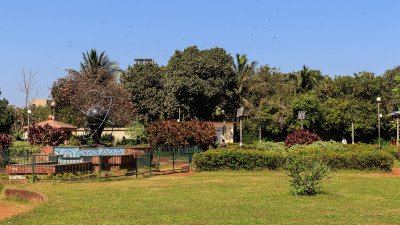
The Haji Ali Dargah is a revered mosque and dargah (tomb) dedicated to the Sufi saint Pir Haji Ali Shah Bukhari. The complex is uniquely situated on a small tidal islet in the Arabian Sea, approximately 500 meters from the shore of Worli. It is accessible only via a long, narrow causeway that is exposed during low tide but submerged during high tide, creating a sense of isolation and sanctity. The structure was built in 1431 after the saint, who was a wealthy Muslim merchant, renounced his worldly possessions and embarked on a pilgrimage to Mecca. Legend holds that he died while on the journey, and his coffin miraculously floated back to this spot. The Dargah is a magnificent example of Indo-Islamic architecture, featuring a white-domed mosque and the tomb of the saint, with soaring minarets. It has undergone several renovations over the centuries, with the recent structure built entirely of white marble. The shrine is a symbol of religious pluralism, attracting thousands of pilgrims and tourists every day, regardless of their faith, who come to offer prayers and seek blessings. The experience of walking along the tidal causeway with the sea on both sides, leading to the brilliant white monument, is one of the most memorable and iconic in Mumbai. The serene atmosphere, particularly during the early morning or late evening, offers a stark, spiritual contrast to the bustling city that can be seen across the water. The Dargah not only functions as a place of worship but also as an important landmark marking Mumbai's connection to its spiritual and maritime history.
Card image cap
Hanging Gardens

The Hanging Gardens, officially known as the Pherozeshah Mehta Gardens, is a popular public park and a tranquil green oasis situated atop Malabar Hill...

The Hanging Gardens, officially known as the Pherozeshah Mehta Gardens, is a popular public park and a tranquil green oasis situated atop Malabar Hill, one of the highest points in South Mumbai. The gardens were laid out in 1881 and were named after Pherozeshah Mehta, a prominent lawyer and political leader of the time. The unique name, 'Hanging Gardens,' comes from its clever positioning: the park is literally built on top of a series of covered, underground reservoirs that supply drinking water to a large part of South Mumbai. The construction of the garden was primarily to cover the water tanks, preventing the contamination of the water supply and also providing a much-needed green space for the city's residents. Because the garden is built over a solid structure, its plant life often seems to 'hang' or cascade over the sides, adding to its distinctive name. The gardens are particularly famous for their meticulously maintained shrubbery, shaped into fun and imaginative topiary forms, often depicting animals. One of the garden's biggest attractions is the adjacent Kamala Nehru Park, which is famous for the "Old Woman’s Shoe" structure, a popular climbing frame for children. From the western edge of the gardens and the nearby viewing points, visitors are treated to one of the most spectacular, iconic views in Mumbai: the sweeping, crescent-shaped expanse of Marine Drive, which, at night, famously lights up to resemble the 'Queen’s Necklace'. The gardens thus serve a dual purpose—as vital civic infrastructure providing water and as a cherished recreational and scenic retreat for locals and tourists alike.
Card image cap
Horniman Circle Garden

Horniman Circle Garden is a tranquil oasis nestled amidst the bustling commercial heart of South Mumbai, offering a serene escape and a glimpse into ...

Horniman Circle Garden is a tranquil oasis nestled amidst the bustling commercial heart of South Mumbai, offering a serene escape and a glimpse into the city's colonial heritage. Originally known as Bombay Green in the 18th century, this expansive circular park was meticulously designed in the 1860s and completed in 1872, with the vision of creating a grand open space surrounded by imposing public buildings. It was later renamed after Benjamin Horniman, a prominent British journalist who was a vocal supporter of Indian independence. The garden's layout is symmetrical and elegant, with well-manicured lawns, mature trees, and paved walkways that invite leisurely strolls. It is encircled by a magnificent array of Victorian-era architectural masterpieces, including the iconic Asiatic Society of Mumbai building (Town Hall), which houses one of India's oldest libraries, and numerous stately office complexes that once housed premier banks and trading houses. The architecture surrounding the circle showcases the city's rich past as a major colonial port. Horniman Circle is not just a green lung for the city; it's a living heritage precinct. It often hosts cultural events, especially during the annual Kala Ghoda Arts Festival, and various music concerts, adding to its vibrant character. For those seeking a moment of peace, a breath of fresh air, or an opportunity to admire Mumbai's stunning architectural legacy, Horniman Circle Garden provides a perfect backdrop, blending natural beauty with historical grandeur in the very core of the city.
Card image cap
ISKCON Temple, Juhu

The Sri Sri Radha Rasabihari Temple, popularly known as the ISKCON Temple, Juhu, is a magnificent temple complex and cultural center dedicated to Lord...
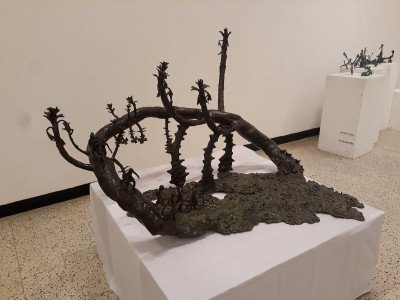
The Sri Sri Radha Rasabihari Temple, popularly known as the ISKCON Temple, Juhu, is a magnificent temple complex and cultural center dedicated to Lord Krishna and Radha. It is one of the most important centers of the International Society for Krishna Consciousness (ISKCON) movement, founded by A. C. Bhaktivedanta Swami Prabhupada. The temple was completed in 1978 and stands on a prominent piece of land known as Hare Krishna Land, just a short walk from Juhu Beach. The complex is a multi-functional space, featuring the main temple with its spectacular deities of Radha-Rasabihari, Sita-Rama-Lakshmana-Hanuman, and Gaura-Nitai. Beyond the main temple hall, the complex includes an auditorium (where cultural and spiritual programs are held), a guest house, a fully vegetarian restaurant (Govinda's), a library, and the personal quarters of Srila Prabhupada, which are now preserved as a shrine. The atmosphere is famously vibrant and uplifting, characterized by the continuous chanting of the Hare Krishna mantra and the rhythmic music of the kirtans (devotional songs). The temple attracts millions of devotees and tourists annually, offering a haven of peace, devotion, and spiritual education. It is particularly renowned for its elaborate Aartis (prayer ceremonies) and its grand celebrations of festivals like Janmashtami (Lord Krishna's birthday). The temple's success in spreading the message of Bhakti Yoga makes it a powerful and globally recognized spiritual landmark in Mumbai. Its pristine white marble structure stands in striking contrast to the busy, commercial life of Juhu.
Card image cap
Jehangir Art Gallery

The Jehangir Art Gallery is arguably the most prestigious and influential contemporary art space in Mumbai and a cornerstone of India's modern art mov...
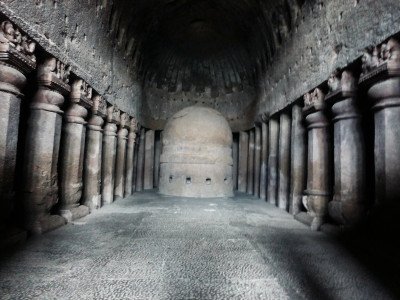
The Jehangir Art Gallery is arguably the most prestigious and influential contemporary art space in Mumbai and a cornerstone of India's modern art movement. Its creation was the vision of Sir Cowasji Jehangir, who generously donated the funds, and it was named in honor of his late son, Jehangir. Designed by architect G. M. Bhuta, the gallery's foundation stone was laid on February 9, 1951, by the then Chief Minister of Bombay, B. G. Kher, and it was inaugurated on January 21, 1952, by the Governor of Bombay, Sir Homi Mody. For decades, the Jehangir Art Gallery has been the launching pad and exhibition venue for virtually every major figure in post-independence Indian art. Renowned artists like M. F. Husain, S. H. Raza, Akbar Padamsee, and many others have showcased their early and seminal works here. Located in the historic Kala Ghoda precinct, the gallery has four main exhibition halls, which are rented out to artists and organizations for week-long exhibitions on a strictly curated, rotational basis. This model ensures a continuously fresh, dynamic, and diverse display of artwork, ranging from painting and sculpture to photography and installation art. The gallery is a hub of artistic energy, not only featuring established names but also providing crucial exposure for emerging talent. Its prime location next to the CSMVS and across from the famous Kala Ghoda pavement, where local artists display their works, solidifies its position as the nerve center of Mumbai's art scene. The gallery is maintained by the Bombay Art Society and remains dedicated to promoting artistic excellence and making art accessible to the public.
Card image cap
Juhu Beach

Juhu Beach is the most popular and largest beach in Mumbai, located in the affluent suburb of Juhu. Stretching for several kilometers along the Arabia...
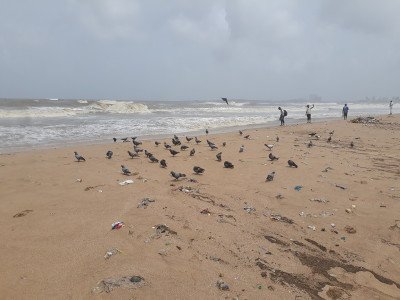
Juhu Beach is the most popular and largest beach in Mumbai, located in the affluent suburb of Juhu. Stretching for several kilometers along the Arabian Sea, it is less about pristine sand and swimming, and more about the quintessential Mumbai experience. The beach is a vibrant, bustling hub of activity, especially in the late afternoons and evenings. It serves as a democratic space where people from all walks of life—families, couples, fitness enthusiasts, and tourists—converge to relax and enjoy the sea breeze. Juhu Beach is particularly famous for its spectacular sunset views over the Arabian Sea, providing a dramatic backdrop to the city's skyline. Another major draw is the plethora of street food stalls known as 'Juhu Chowpatty', which offer an unparalleled culinary experience. Specialties like Pani Puri, Bhel Puri, Sev Puri, and the iconic Pav Bhaji are prepared with local flair, drawing food lovers from across the city. The area is also well-known for being home to many Bollywood celebrities, whose bungalows line the beach road, adding a touch of glamour. On weekends and public holidays, the beach transforms into a mini-carnival, complete with balloon sellers, acrobats, horse-drawn carriages, and various vendors. The Juhu area, being close to the airport, is easily accessible. Despite the crowd, the vastness of the beach allows for moments of peace and reflection. A visit to Juhu Beach is an essential experience for understanding the social fabric and leisure culture of Mumbai, offering a lively mix of food, film, and folklore under the glorious canopy of the setting sun. The energy and vibrancy of this place are truly reflective of the city that never sleeps.
Show All

Note:-

Information provided here in good Faith and for reference only.

All information and pictures will be updated soon, please keep visiting.

Near Places

...
Ajanta Caves

Some quick example text to build on the card title and make up the bulk of the card's content.

Go somewhere
...
Alibag

Some quick example text to build on the card title and make up the bulk of the card's content.

Go somewhere
...
Alibaug

Some quick example text to build on the card title and make up the bulk of the card's content.

Go somewhere
...
Amravati

Some quick example text to build on the card title and make up the bulk of the card's content.

Go somewhere
...
Aurangabad

Some quick example text to build on the card title and make up the bulk of the card's content.

Go somewhere
...
Bhandardara

Some quick example text to build on the card title and make up the bulk of the card's content.

Go somewhere
...
Diveagar

Some quick example text to build on the card title and make up the bulk of the card's content.

Go somewhere
...
Ganpatipule

Some quick example text to build on the card title and make up the bulk of the card's content.

Go somewhere
...
Karjat

Some quick example text to build on the card title and make up the bulk of the card's content.

Go somewhere
...
Khandala

Some quick example text to build on the card title and make up the bulk of the card's content.

Go somewhere
in Other Cities