...

Place To Visit And Things To Do In Nagpur

Maharashtra, India
City Overview: Nagpur is located at the geographical center of India and is famous for its high-quality oranges and tiger reserves. It is a rapidly developing city with a mix of historical monuments and modern infrastructure. Central Hub: Known as the "Tiger Capital of India," it serves as a gateway to several major national parks and wildlife sanctuaries. The city is also home to the Zero Mile Marker, representing the exact center of the country. Religious Heritage: Nagpur is a significant site for Buddhist pilgrims, particularly Deekshabhoomi, where Dr. B.R. Ambedkar embraced Buddhism. The city hosts various temples and mosques that showcase its communal harmony. Green City: It is often ranked as one of the cleanest and greenest cities in India, with numerous lakes and well-maintained gardens. The surrounding forests provide a natural lung for the urban population.

Things To Do

Card image cap
Ambazari Lake & Garden

@@Historical Significance and Origin: Ambazari Lake is the largest of the 11 lakes in Nagpur, with its history tracing back to 1870 during the rule of...
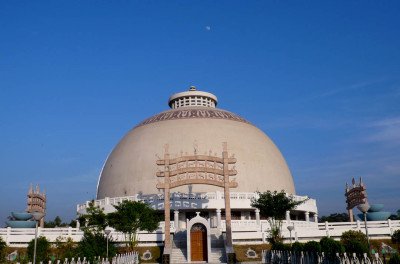
@@Historical Significance and Origin: Ambazari Lake is the largest of the 11 lakes in Nagpur, with its history tracing back to 1870 during the rule of the Bhonsle dynasty. It was initially constructed to serve as a vital source of water supply for government officials and prominent citizens of Nagpur through a network of clay pipes. The name Ambazari itself is derived from the Marathi word 'Amba' meaning mango, as the area was once surrounded by abundant mango trees. The garden adjacent to the lake, known as Ambazari Garden, was established in 1958, transforming the functional reservoir into a major recreational and ecological hub. It is also the point of origin for the Nag River, which lends its name to the city of Nagpur. The entire area is now managed and maintained by the Nagpur Municipal Corporation (NMC). Despite evolving from its original purpose as a drinking water source due to pollution over the years, the lake and garden continue to serve as a peaceful retreat and a significant green lung for the city. Its tranquil waters and lush landscape provide a welcome break from the urban bustle. The total area of the lake is considerable, contributing significantly to the city's overall ecosystem and biodiversity. The surrounding area has developed into a residential and educational hub, with institutions like VNIT located nearby, making it easily accessible.
Card image cap
Deeksha Bhoomi

@@Historical Significance of Deeksha Bhoomi: Deeksha Bhoomi is a world-famous pilgrimage site, particularly for Buddhists, situated in the heart of Na...
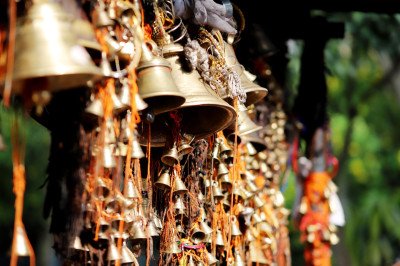
@@Historical Significance of Deeksha Bhoomi: Deeksha Bhoomi is a world-famous pilgrimage site, particularly for Buddhists, situated in the heart of Nagpur. Its primary importance stems from the historic event on October 14, 1956, where Dr. B. R. Ambedkar, the Father of the Indian Constitution, formally converted to Buddhism along with approximately 600,000 of his followers. This mass conversion was a powerful social and religious movement. The site is a potent symbol of social equality, religious awakening, and the rejection of the caste system. It attracts millions of pilgrims annually, especially during the Ashoka Chakra Pravartan Din (Dhammachakra Pravartan Din) celebrations. The monument, the Dhamma Chakra Stupa, is an impressive, monumental structure. The complex includes a Bodhi Tree grown from a sapling of the original sacred Bodhi Tree in Bodh Gaya. The entire complex is managed by the Dr. Babasaheb Ambedkar Smarak Samiti. The peaceful, serene environment provides a strong contrast to the bustling city outside. The area serves not just as a place of worship but also as a center for Buddhist education and cultural activities. The monument’s design is inspired by the great Sanchi Stupa, but it is larger and hollow, allowing visitors to walk inside. The location's central position in India makes it accessible to followers from all parts of the country and the world. The historical and spiritual weight of this land is profound, marking a pivotal moment in India’s modern history.:
Card image cap
Dragon Palace Buddhist Temple

The Dragon Palace Buddhist Temple, popularly recognized as the Lotus Temple of Nagpur, stands as a magnificent emblem of Indo-Japanese friendship and...
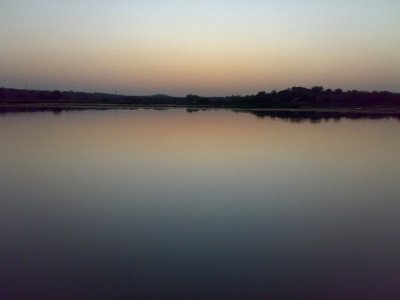
The Dragon Palace Buddhist Temple, popularly recognized as the Lotus Temple of Nagpur, stands as a magnificent emblem of Indo-Japanese friendship and spiritual harmony. Established in 1999 by the Ogawa Society of Japan, this shrine is dedicated to Lord Buddha and serves as a pivotal center for Buddhist learning and meditation in Central India. The temple is enveloped by sprawling, meticulously manicured lawns and vibrant flower beds that create a serene atmosphere for visitors seeking peace away from urban chaos. It is widely visited by thousands of pilgrims and tourists who come to witness the grand sandalwood statue of Buddha, which is the focal point of the main prayer hall. The environment here is profoundly quiet, allowing individuals to engage in deep introspection and mindfulness. Throughout the year, the temple hosts various spiritual discourses and community gatherings that promote the values of non-violence and compassion. Its reputation as one of the best concrete structures in the world adds a layer of architectural prestige to its spiritual significance. Visiting this place offers a unique blend of cultural immersion and mental rejuvenation, making it a must-visit landmark in the Nagpur district.:
Card image cap
Futala Lake

@@The History and Scenery of Futala Lake: Futala Lake, also known as Telankhedi Lake, is one of Nagpur's most scenic and popular recreational spots, s...
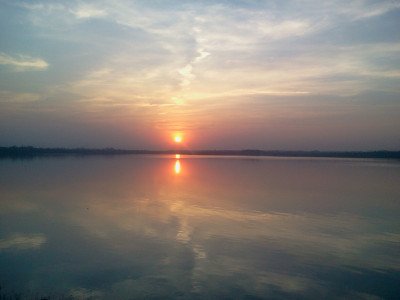
@@The History and Scenery of Futala Lake: Futala Lake, also known as Telankhedi Lake, is one of Nagpur's most scenic and popular recreational spots, situated in the northwestern part of the city. The lake boasts a history dating back to the Bhonsle Dynasty, who commissioned its construction centuries ago as a water source for the region. Today, it is primarily famous for its vibrant Chowpatty, a bustling stretch along its western bank lined with food stalls, and the spectacular multi-colored fountain show held in the evenings. The lake covers a large area, and its banks are fringed by lush green forest on three sides and the popular road on the fourth. This blend of natural beauty and urban activity makes it a unique destination. The lake is a favorite for evening walks, boat rides, and relaxing. The atmosphere is particularly lively in the evenings when the area becomes a hub of social activity. The government has undertaken several beautification projects to enhance its appeal, including the installation of a grand musical fountain, which draws large crowds. It provides a perfect vantage point for watching the sunset over the water, with the reflection of the surrounding hills. It's a place where locals and tourists come together to unwind and enjoy the city's natural charm. The name Telankhedi derives from a nearby village, but Futala has become the popular name. The lake is an artificial reservoir, but its well-maintained surroundings give it a very natural feel. The entire experience of visiting is geared toward leisure, making it a stark contrast to the historical nature of other city spots. The food court is a highlight, offering a taste of Nagpur's street food scene. The lake continues to be a central part of Nagpur's social and recreational life, attracting visitors all year round with its serene beauty and lively atmosphere.:
Card image cap
Gandhi Sagar Lake

@@A Historical Chronicle of Gandhi Sagar Lake: Gandhi Sagar Lake, popularly known as Shukrawari Talao (Friday Lake) or historically as Jumma Talab, is...
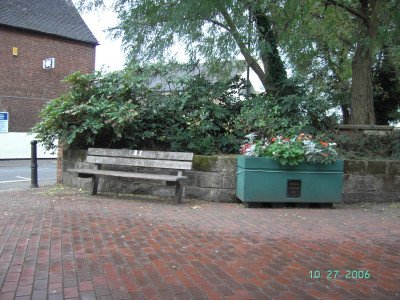
@@A Historical Chronicle of Gandhi Sagar Lake: Gandhi Sagar Lake, popularly known as Shukrawari Talao (Friday Lake) or historically as Jumma Talab, is the oldest and most centrally located lake in Nagpur. It was constructed over 275 years ago by the then-ruler, Chand Sultan Shah, primarily to serve as a vital water source for the emerging city. Its original name, Jumma Talab, or Shukrawari Talao, is attributed to the presence of a Friday market nearby. The lake has witnessed the entire history of Nagpur, from the rule of the Gond kings to the Bhonsle Dynasty and the British Colonial era. The present name, Gandhi Sagar, was adopted much later, honoring Mahatma Gandhi. The lake is a rectangular, walled reservoir featuring stone ghats (steps) around its perimeter, reflecting its utilitarian origin. A prominent feature is the small, picturesque island situated in the center, which houses an ancient Shiva Temple and a landscaped garden. The lake looks particularly beautiful in the evening when illuminated by yellow mercury lights. Despite being surrounded by the dense commercial and residential areas of the old city, it remains a tranquil spot. Recent efforts under urban development schemes have focused on the lake's conservation and beautification, including the introduction of a floating garden. It offers a strong historical contrast to modern Nagpur, serving as a testament to the early urban planning of the city and its enduring connection to its water sources. The area around the lake is a bustling hub of commerce, making the lake a peaceful oasis in the midst of city life. The combination of historical architecture, a spiritual island, and a central location makes it a unique heritage spot.:
Card image cap
Japanese Rose Garden

@@The Unique Design and Serenity of the Japanese Rose Garden: The Japanese Rose Garden is a beautiful and serene park located in the tranquil Seminary...
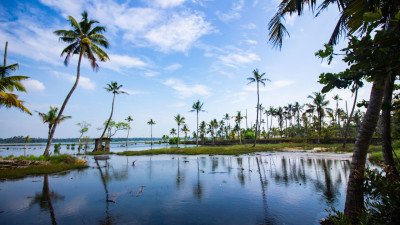
@@The Unique Design and Serenity of the Japanese Rose Garden: The Japanese Rose Garden is a beautiful and serene park located in the tranquil Seminary Hills area of Nagpur. What makes this garden unique is its design and layout, which employ gardening techniques inspired by Japanese landscaping. The goal of the design is to create a peaceful, meditative space with a strong emphasis on precision and artistry, a hallmark of Japanese garden design. The garden is famous for its wide variety of rose species—both local Indian and hybrid varieties—meticulously arranged in neat, geometrically precise beds and rows. Beyond roses, the park features well-maintained lush green lawns, pruned shrubs, topiary art, and various other flowering plants, providing a continuous display of color and fragrance, especially during the peak flowering season. The garden is not a place of grand monuments but one of tranquil aesthetics, providing an ideal retreat from the urban bustle. It is a favored spot for morning walkers, joggers, yoga enthusiasts, and photographers due to its natural beauty and calm atmosphere. The design includes small, well-placed ponds, miniature bridges, and pathways that guide visitors through the different floral exhibits, encouraging slow, mindful walking. The overall atmosphere is one of disciplined nature, offering a peaceful and romantic setting for visitors of all ages. Its location on Seminary Hills also contributes to its fresh air and relatively cooler climate compared to the city center. It serves as an excellent example of a specialized botanical garden dedicated to the beauty of the rose.:
Card image cap
Khekranala Lake & Dam

Khekranala Lake & Dam is a picturesque reservoir nestled within the thick foliage of the Khapa forest range, part of the Pench forest division. This ...

Khekranala Lake & Dam is a picturesque reservoir nestled within the thick foliage of the Khapa forest range, part of the Pench forest division. This destination is a favorite among local trekking enthusiasts and families looking for a tranquil weekend getaway near Nagpur. The dam is built on a small stream, creating a beautiful blue lake that serves as the primary attraction for visitors. Surrounded by hills and dense forests, the area offers a refreshing escape from the concrete jungle, with the air smelling of fresh earth and teak trees. The Maharashtra Tourism Development Corporation (MTDC) maintains a guest house here, providing basic but comfortable accommodation for those who wish to stay overnight and experience the wilderness. The lake is particularly famous for its scenic beauty during the rainy season when the surrounding mountains turn a vibrant shade of green. It is a haven for bird watchers, as many local and migratory species can be spotted near the water's edge. The silence of the forest is only interrupted by the chirping of birds and the gentle sound of water, making it a perfect spot for meditation and nature photography. Because it is slightly remote, it remains less crowded than other lakes in the city, preserving its pristine and untouched charm for true nature lovers.:
Card image cap
Khindsi Lake

Khindsi Lake is one of the most popular and largest tourist destinations in the Nagpur district, located near the holy town of Ramtek. This sprawling...

Khindsi Lake is one of the most popular and largest tourist destinations in the Nagpur district, located near the holy town of Ramtek. This sprawling freshwater lake is surrounded by the verdant Satpura hill range and dense forests, making it a picturesque spot for both relaxation and high-octane adventure. Known for having some of the best water sports facilities in Central India, it attracts thousands of college students, families, and corporate groups every weekend. The lake is managed with a focus on tourism, featuring various resorts, restaurants, and a well-developed adventure park for children. Historically, the area around the lake is linked to the legend of Lord Rama, who is said to have stayed in the nearby Ramtek hills. The atmosphere at Khindsi is vibrant and energetic, with the sound of motorboats and the laughter of tourists filling the air. For those seeking solitude, there are quieter corners of the lake where one can enjoy bird watching or a peaceful walk along the shoreline. The lake also plays a crucial role in the local ecology, supporting a variety of fish and providing a watering hole for forest animals. Its proximity to the Ramtek Fort Temple makes it a perfect addition to a spiritual-cum-leisure day trip from Nagpur city.:
Card image cap
Koradi Temple

The Shree Mahalaxmi Koradi Devi Temple is one of the most revered spiritual sites in the Vidarbha region, dedicated to Goddess Mahalaxmi (also known ...

The Shree Mahalaxmi Koradi Devi Temple is one of the most revered spiritual sites in the Vidarbha region, dedicated to Goddess Mahalaxmi (also known as Jagdamba). Located on the banks of the scenic Koradi Lake, this temple is considered one of the Shaktipeeths of the area, drawing millions of devotees throughout the year. The temple has a deep-rooted history, with legends suggesting its existence since the Yadava dynasty, and it has recently undergone massive renovations to become a modern architectural marvel. The shrine is famous for its vibrant energy, especially during the Navratri festival, when the entire complex is illuminated with thousands of lamps. Beyond its religious importance, the temple complex offers a serene environment for families, featuring a beautiful lake and a newly developed museum. The temple trust also manages a community kitchen that provides affordable meals to pilgrims, embodying the spirit of service. The deity here is believed to be very powerful, and many locals visit every Tuesday and Friday to seek her blessings. The surrounding area has developed significantly, now offering various amenities for tourists, including parks and local markets. A visit to Koradi provides a perfect mix of ancient faith and modern comfort, making it a cornerstone of Nagpur's cultural identity.:
Card image cap
Lata Mangeshkar Musical Garden

@@The Concept and Features of Lata Mangeshkar Musical Garden: The Lata Mangeshkar Musical Garden is a dedicated thematic park and entertainment venue ...

@@The Concept and Features of Lata Mangeshkar Musical Garden: The Lata Mangeshkar Musical Garden is a dedicated thematic park and entertainment venue in Nagpur, named in honor of the legendary playback singer, the 'Nightingale of India', Lata Mangeshkar. This park is primarily famous for its captivating Musical Fountain, which features water jets, lights, and choreography perfectly synchronized to classical and popular Indian music, especially the iconic songs sung by the legendary singer. The garden complex is large and well-designed, featuring expansive, lush green lawns, beautifully landscaped flower beds, and a variety of decorative fountains and lighting arrangements. The main feature is the grand open-air amphitheater or auditorium, designed to host major cultural programs, music concerts, and public events, reflecting the garden’s focus on performing arts. The park acts as a major cultural and recreational hub for the eastern part of Nagpur. It's a favored spot for family outings, school trips, and evening relaxation, offering a blend of natural beauty and organized entertainment. The garden successfully blends horticultural beauty with a sophisticated technical setup for music and light shows, providing a high-quality, memorable evening experience. The overall maintenance and the quality of the sound system are key to its appeal. The garden is a living tribute to the power of Indian music and the career of its namesake, making it a culturally significant and relaxing destination. The park is managed to provide both a quiet daytime retreat and a vibrant evening spectacle.:
Card image cap
Maharajbagh Zoo

@@The Historic Dual Role of Maharajbagh Zoo: Maharajbagh Zoo is a historic and centrally located zoological park and botanical garden in Nagpur. Its h...
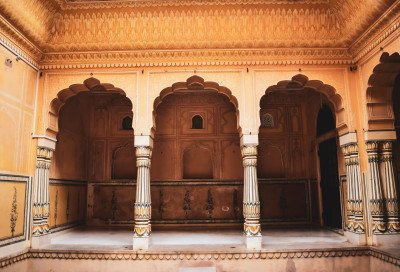
@@The Historic Dual Role of Maharajbagh Zoo: Maharajbagh Zoo is a historic and centrally located zoological park and botanical garden in Nagpur. Its history dates back to the 19th century during the reign of the Bhonsle rulers, who originally established the area as a pleasure garden or bagh for royal recreation, complete with fountains and exotic plants. Over time, it evolved into a formal botanical garden and eventually into a functioning zoological park. The zoo section houses a variety of mammals, reptiles, and bird species, focusing on regional fauna, and serves as an important center for wildlife education and conservation. The botanical section, known as the Maharajbagh Garden, is a lush green space containing a diverse collection of trees and plants, some of which are rare or exotic. This dual function—part zoo, part garden—makes it a popular destination for families, students, and nature lovers. Its central location, right next to the Nagpur University campus, makes it highly accessible. Despite its smaller size compared to modern national zoos, its historical significance and green cover offer a vital, natural lung for the busy downtown area. The park remains a beloved heritage spot, connecting the city's past with modern-day conservation and recreation.:
Card image cap
Nagardhan Fort

@@Historical Legacy: The Nagardhan Fort is a majestic structure located in the Ramtek region, serving as a silent witness to centuries of Vidarbha’s...

@@Historical Legacy: The Nagardhan Fort is a majestic structure located in the Ramtek region, serving as a silent witness to centuries of Vidarbha’s history. Originally established as Nandivardhan, the capital of the Vakataka dynasty in the 4th century CE, the fort was later reconstructed by the Bhonsle Marathas in the 18th century. The fort is spread over approximately 2 acres and stands on a flat land area, unlike many other hill forts of Maharashtra. It was primarily built to safeguard the eastern frontiers of the Nagpur kingdom and played a pivotal role in regional administration and defense. The structure is characterized by its massive stone walls, circular bastions, and a unique underground temple that adds a layer of spiritual mystery to its military might. Visitors can explore the crumbling ruins of residential quarters and deep water reservoirs that once sustained a thriving garrison. The fort’s red pigment coating on some walls remains a distinctive feature from the Maratha era. Exploring this site offers a deep dive into the transition from ancient Hindu dynasties to the medieval Maratha power. It is an essential stop for those wanting to understand the cultural roots of Central India.
Card image cap
Narrow Gauge Rail Museum

The Narrow Gauge Rail Museum in Nagpur offers a captivating glimpse into the history of the Indian Railways, specifically focusing on the smaller, les...

The Narrow Gauge Rail Museum in Nagpur offers a captivating glimpse into the history of the Indian Railways, specifically focusing on the smaller, less common narrow-gauge system. Inaugurated in 2002, it is situated on a sprawling 5.6-acre site, housed in a renovated 100-year-old Broad Gauge Steam Loco shed in Motibagh. The museum showcases a rich collection of vintage railway artifacts, including actual narrow-gauge rolling stock, such as various types of steam and diesel locomotives, passenger coaches, and freight wagons. Visitors can explore galleries featuring working models, antique signaling equipment, old railway tools, and historical photographs that trace the evolution of this vital transportation network. The Nagpur Division of Southeast Central Railway once operated the largest narrow-gauge system in Indian Railways, making this location historically significant. The museum is not just for history buffs but also a family-friendly destination with beautifully landscaped gardens and a dedicated play area for children. Its primary attraction is the 'Orange City Express', a mini toy train that offers a delightful 500-meter ride around the museum's perimeter, passing by the various outdoor exhibits. This combination of historical preservation and interactive elements makes it a unique and engaging spot to spend a couple of hours. The museum actively seeks to preserve and display the legacy of this bygone era of rail travel, offering a tangible connection to the past. The presence of a railway reservation counter adds a practical element to the historical setting.
Card image cap
Raman Science Center

The Raman Science Center is a premier scientific institution in Nagpur, dedicated to promoting a scientific temper and providing an engaging environme...

The Raman Science Center is a premier scientific institution in Nagpur, dedicated to promoting a scientific temper and providing an engaging environment for learning about science and technology, particularly for students and children. Established in 1992 and named after the Nobel laureate Sir C. V. Raman, the center is run by the National Council of Science Museums (NCSM). It features multiple interactive galleries on various subjects, ensuring a hands-on learning experience that encourages visitors to explore, experiment, and question scientific principles. Key attractions include the main Science Center building with its diverse exhibits, a well-equipped Planetarium for celestial shows, a state-of-the-art 3D Science Film Show facility, and an extensive outdoor Science Park. The exhibits cover topics from physics and chemistry to space and pre-historic life, making complex concepts accessible and fun. The adjoining Science Park is particularly popular, featuring working outdoor models and a Pre-historic Animal Park with life-size models of extinct animals like the mammoth and triceratops. The center regularly organizes educational activities, workshops, science lectures, and film shows, ensuring a dynamic and ever-evolving learning environment. Its location near the picturesque Gandhi Sagar Lake adds to its appeal, making it a great destination for a full day of educational entertainment and exploration. The center serves as a significant educational resource for the entire Vidarbha region.
Card image cap
Ramtek Fort Temple

@@Mythological Sanctity: The Ramtek Fort Temple is a highly revered pilgrimage site perched on a hill, believed to be the location where Lord Rama res...
@@Mythological Sanctity: The Ramtek Fort Temple is a highly revered pilgrimage site perched on a hill, believed to be the location where Lord Rama rested during his exile. It is said that Sage Agastya's ashram was located here, and it was at this spot that Rama vowed to rid the earth of demons. The temple complex is not just a religious site but a historical fortress built by the Gond rulers and later fortified by the Bhonsle kings. The hilltop location offers a commanding view of the surrounding plains and the town of Ramtek below. The complex houses several shrines dedicated to Lord Rama, Lakshmana, and Goddess Sita. A major cultural highlight is its association with the great poet Kalidasa, who is said to have composed the epic Meghaduta while inspired by the beauty of these hills. The architecture is a stunning blend of Hindu temple design and military fortification. The steep climb of over 300 steps is part of the spiritual journey for many devotees. The atmosphere is filled with the scent of incense and the sound of temple bells, creating a serene environment that balances faith with natural beauty.
Card image cap
Shri Ganesh Mandir Tekdi

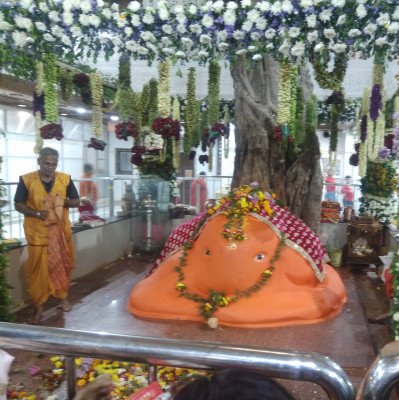
The Shri Ganesh Mandir Tekdi, affectionately known as Tekdicha Ganpati (Ganpati of the Hill) by locals, is one of the most revered and ancient temples...

The Shri Ganesh Mandir Tekdi, affectionately known as Tekdicha Ganpati (Ganpati of the Hill) by locals, is one of the most revered and ancient temples in Nagpur. It is strategically located atop a small hillock (tekdi in Marathi) right next to the Nagpur Junction Railway Station, making it instantly accessible to travelers and a major landmark. The temple is dedicated to Lord Ganesha, the elephant-headed God, widely worshipped as the Remover of Obstacles. A deeply rooted local belief holds that the shrine is Swayambhu (self-existent or naturally formed) and that the idol gradually increases in size over time, adding immense spiritual significance to the site. The temple's history is said to span over 250 years, making it a vital part of Nagpur's religious and cultural heritage. The temple complex provides a tranquil, spiritual retreat right in the heart of the busy city. The gentle ascent to the temple, though minor, offers a serene environment and, from certain points, a sweeping view of the surrounding cityscape and the railway station. It serves as a spiritual anchor for the local population, with countless devotees visiting daily to offer prayers, especially on Wednesdays and during the festival of Ganesh Chaturthi. The atmosphere is characterized by profound peace, strong devotion, and a sense of history.
Card image cap
Sitabuldi Fort

Sitabuldi Fort stands proudly atop two conjoined hillocks—Mothi Tekdi (Big Hill) and Choti Tekdi (Small Hill)—in the heart of Nagpur. It is a site...
Sitabuldi Fort stands proudly atop two conjoined hillocks—Mothi Tekdi (Big Hill) and Choti Tekdi (Small Hill)—in the heart of Nagpur. It is a site of immense historical significance, primarily known as the location of the famous Battle of Sitabuldi in 1817 between the British East India Company forces and the army of the Kingdom of Nagpur (Marathas), a crucial engagement that cemented British supremacy in Central India. Following their victory, the British East India Company built the fort structure, mostly in the early 1800s. Today, the fort is under the control of the Indian Army and is garrisoned by the 118th Infantry Battalion. While its primary purpose remains military, it is opened to the public on only three specific national holidays: Republic Day (January 26th), Maharashtra Day (May 1st), and Independence Day (August 15th). Inside the fort, there is a historical cell where Mahatma Gandhi was briefly imprisoned in 1923, adding a layer of national significance to the site. The fort walls and structure, built from sandstone and black basalt, offer a commanding view of the city, including the bustling Nagpur Junction Railway Station and the nearby Shri Ganesh Mandir Tekdi. The surrounding area, known as Sitabuldi, has evolved into the city's main commercial hub, with the fort serving as a stoic backdrop to modern city life.
Card image cap
Taj Bagh Main Gate

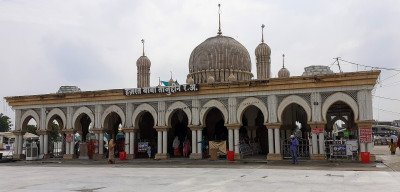
The Taj Bagh Main Gate leads to the complex of the revered Hazrat Baba Tajuddin Auliya Dargah, a significant Sufi shrine and a major pilgrimage center...

The Taj Bagh Main Gate leads to the complex of the revered Hazrat Baba Tajuddin Auliya Dargah, a significant Sufi shrine and a major pilgrimage center in Central India. Hazrat Baba Tajuddin Auliya (1861-1925) was a highly respected Muslim Sufi master and saint who resided in Nagpur and whose teachings attracted followers from all faiths—Hindu, Muslim, Sikh, and Christian—emphasizing universal love, peace, and tolerance. The Dargah (tomb/shrine) complex is a place of profound serenity and spiritual power. The Main Gate is an impressive, relatively modern structure that sets the tone for the complex. The Dargah itself is a beautiful structure, usually maintained with pristine white marble and crowned with a green dome, symbolizing peace. While the main gate is the entrance, the focus is the shrine, which draws millions of devotees, especially during the annual Urs (death anniversary celebration). The premises are beautifully maintained and offer a large, welcoming space for prayer, reflection, and community gathering. The atmosphere is notable for its tranquility and the absence of aggressive solicitation, allowing for a genuinely peaceful spiritual experience. The site is a powerful symbol of communal harmony and a testament to the enduring legacy of Sufi humanism in India.
Card image cap
Umred Pauni Karhandla

@@Wildlife Sanctuary: The Umred Pauni Karhandla Wildlife Sanctuary is a rising star in India’s tiger conservation landscape, spanning over 189 squar...
@@Wildlife Sanctuary: The Umred Pauni Karhandla Wildlife Sanctuary is a rising star in India’s tiger conservation landscape, spanning over 189 square kilometers. It acts as a vital corridor connecting major tiger reserves like Tadoba, Pench, and Nagzira, allowing for the healthy migration of big cats. The sanctuary is famous for its high density of tigers and leopards, making sightings relatively frequent compared to larger parks. The landscape is a mix of Southern Tropical Dry Deciduous forests and vast meadows, providing an ideal habitat for the Royal Bengal Tiger. The Wainganga River flows nearby, and the Gosekhurd Dam adds to the water availability, attracting a diverse range of birds and herbivores. It was the home of the legendary tiger Jai, who brought international fame to this park. Visitors can explore the wild through organized jeep safaris that take them deep into the core and buffer zones. Beyond tigers, one can spot Gaur (Indian Bison), Sloth Bears, Wild Dogs, and over 90 species of birds. The sanctuary provides a more intimate and less crowded wildlife experience than the more famous national parks, making it a favorite for serious photographers and nature enthusiasts seeking peace.
Card image cap
Zero Mile Stone

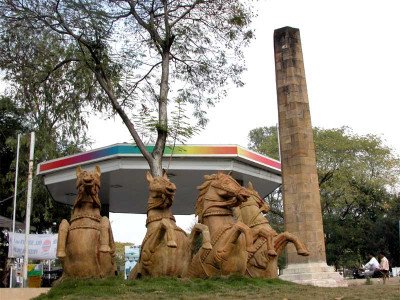
The Zero Mile Stone in Nagpur is a monument of profound historical and geographical significance, as it was erected by the British during the Great Tr...

The Zero Mile Stone in Nagpur is a monument of profound historical and geographical significance, as it was erected by the British during the Great Trigonometrical Survey of India in 1907. This marker was intended to signify the geographical center of the Indian subcontinent and was used by the British to measure and map all distances across the country. The monument consists of a sandstone pillar, a smaller, roughly hewn stone representing the Great Trigonometrical Survey (GTS) Standard Bench Mark, and four ornamental stucco horses that were added later. The sandstone pillar has its height recorded as 1020.171 feet above Mean Sea Level (ASL). The British even considered making Nagpur the second capital of India due to its central location, cementing the stone's historical context. While modern surveys suggest the actual geographical center is slightly elsewhere, the Zero Mile Stone remains the symbolic heart of the country and a powerful legacy of the monumental mapping project that helped define modern India. Its location in the sophisticated Civil Lines area, southeast of the Vidhan Bhavan (State Assembly), makes it a prominent city landmark, representing the confluence of colonial history, science, and the identity of Nagpur as the "Orange City" and the hub of Central India. The monument is relatively small but carries immense historical weight.
Show All

Note:-

Information provided here in good Faith and for reference only.

All information and pictures will be updated soon, please keep visiting.

Near Places

...
Ajanta Caves

Some quick example text to build on the card title and make up the bulk of the card's content.

Go somewhere
...
Alibag

Some quick example text to build on the card title and make up the bulk of the card's content.

Go somewhere
...
Alibaug

Some quick example text to build on the card title and make up the bulk of the card's content.

Go somewhere
...
Amravati

Some quick example text to build on the card title and make up the bulk of the card's content.

Go somewhere
...
Aurangabad

Some quick example text to build on the card title and make up the bulk of the card's content.

Go somewhere
...
Bhandardara

Some quick example text to build on the card title and make up the bulk of the card's content.

Go somewhere
...
Diveagar

Some quick example text to build on the card title and make up the bulk of the card's content.

Go somewhere
...
Ganpatipule

Some quick example text to build on the card title and make up the bulk of the card's content.

Go somewhere
...
Karjat

Some quick example text to build on the card title and make up the bulk of the card's content.

Go somewhere
...
Khandala

Some quick example text to build on the card title and make up the bulk of the card's content.

Go somewhere
in Other Cities