
Nagpur
General information
-
Ideal Duration:
2 to 3 DaysPlace Type:
Wildlife / HeritageEntry Fees:
Park Entry Fees: Entry to public gardens and lakes like Ambazari and Futala is either free or costs a nominal 10 to 20 INR. Special activities like boating or musical fountains have separate charges.
Safari Costs: Wildlife safaris in nearby...Park Entry Fees: Entry to public gardens and lakes like Ambazari and Futala is either free or costs a nominal 10 to 20 INR. Special activities like boating or musical fountains have separate charges.
Safari Costs: Wildlife safaris in nearby parks like Pench can cost between 3000 to 5000 INR per jeep for Indians. Booking in advance through the official forest department website is highly recommended.Timing:
Regular Timings: Temples and monuments are generally open from 6:00 AM to 8:00 PM. Wildlife sanctuaries follow specific morning and evening safari slots, usually starting at 6:00 AM and 3:00 PM.
Ideal Visit Time: The winter months are perfe...Regular Timings: Temples and monuments are generally open from 6:00 AM to 8:00 PM. Wildlife sanctuaries follow specific morning and evening safari slots, usually starting at 6:00 AM and 3:00 PM.
Ideal Visit Time: The winter months are perfect for sightseeing as the weather is cool and pleasant. Avoid visiting in summer (March to June) when temperatures can soar above 45 degrees Celsius.Special Events:
Dhamma Chakra Pravartan Din: Celebrated in October, this event marks the anniversary of the mass conversion to Buddhism at Deekshabhoomi. Millions of followers gather to pay their respects in a peaceful and grand ceremony.
Marbat Festival: ...Dhamma Chakra Pravartan Din: Celebrated in October, this event marks the anniversary of the mass conversion to Buddhism at Deekshabhoomi. Millions of followers gather to pay their respects in a peaceful and grand ceremony.
Marbat Festival: A unique local festival celebrated in August/September where clay idols are paraded to drive away evil spirits. It is a traditional event specific to Nagpur’s cultural heritage.Best Photo Spots:
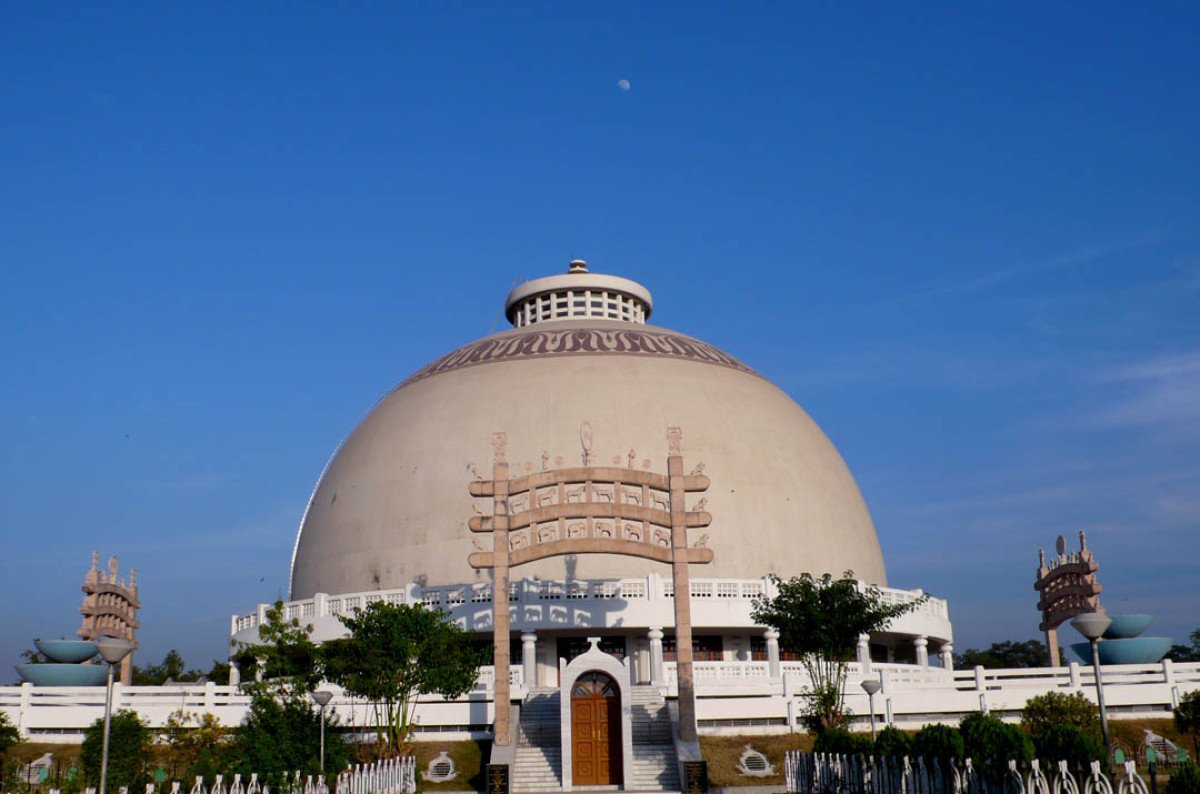
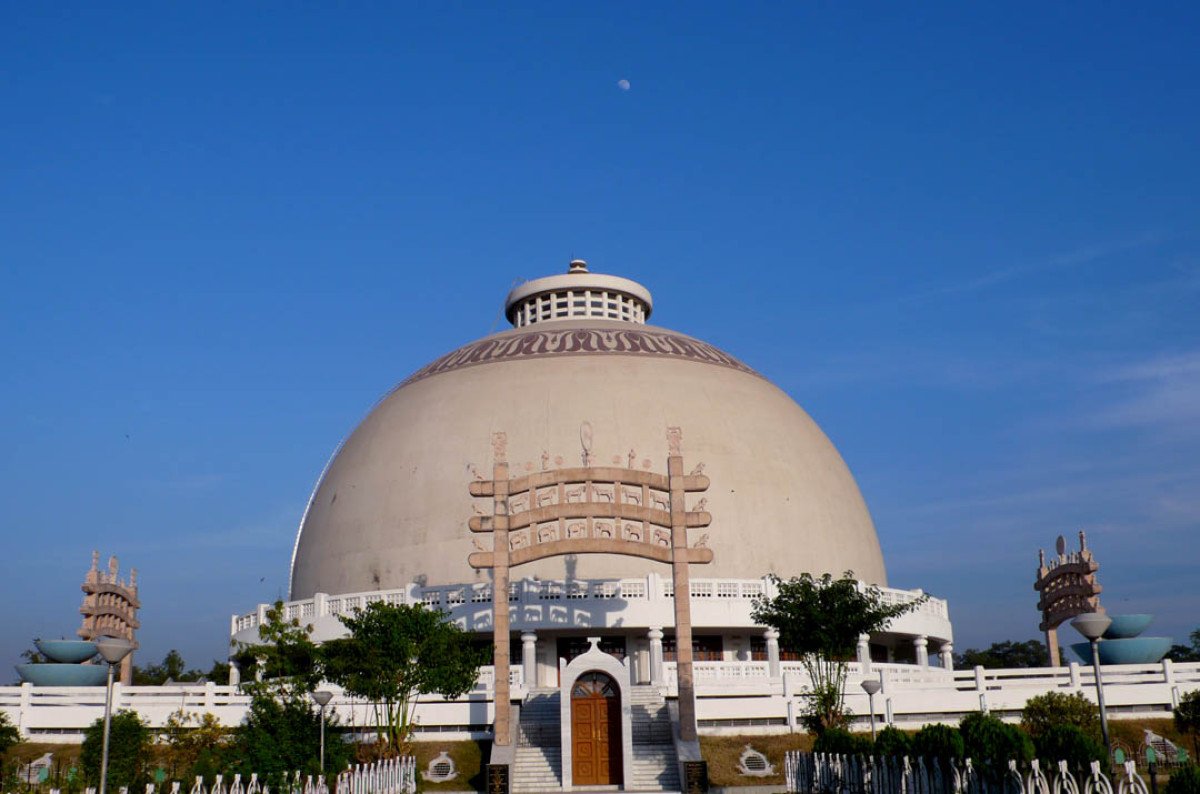
Deekshabhoomi Dome: The massive white structure against a clear blue sky provides a serene and powerful composition. Night photography is also popular when the dome is beautifully illuminated with golden lights.
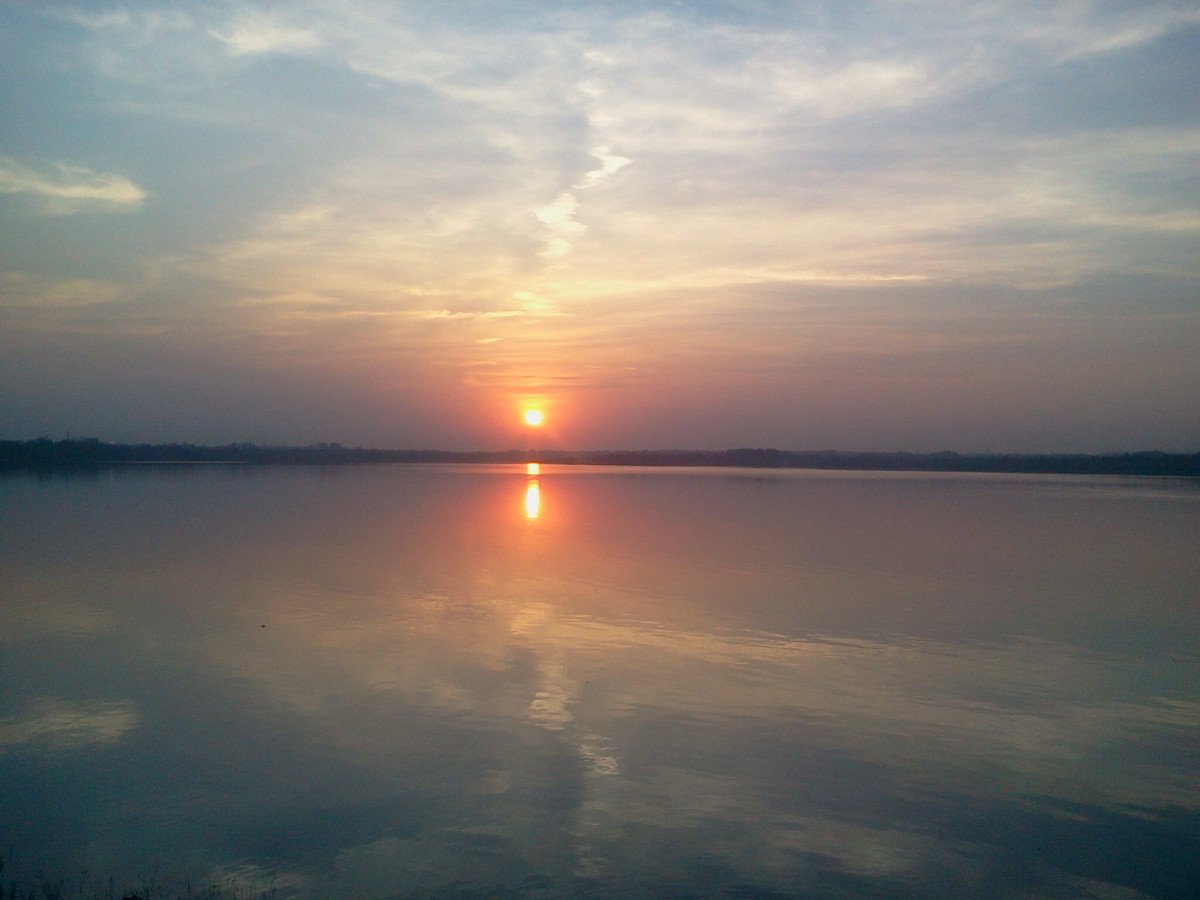
Futala Lake Sunset: The refl...Deekshabhoomi Dome: The massive white structure against a clear blue sky provides a serene and powerful composition. Night photography is also popular when the dome is beautifully illuminated with golden lights.
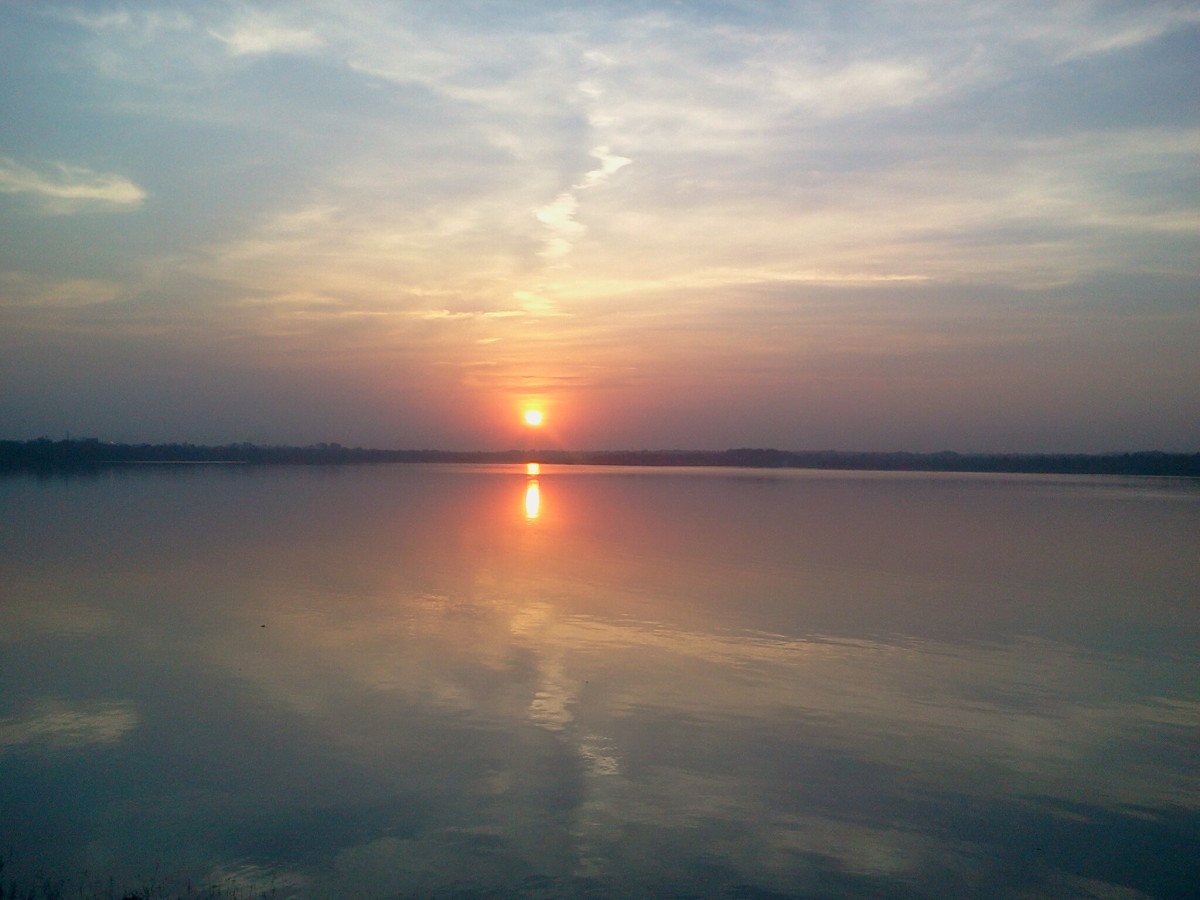
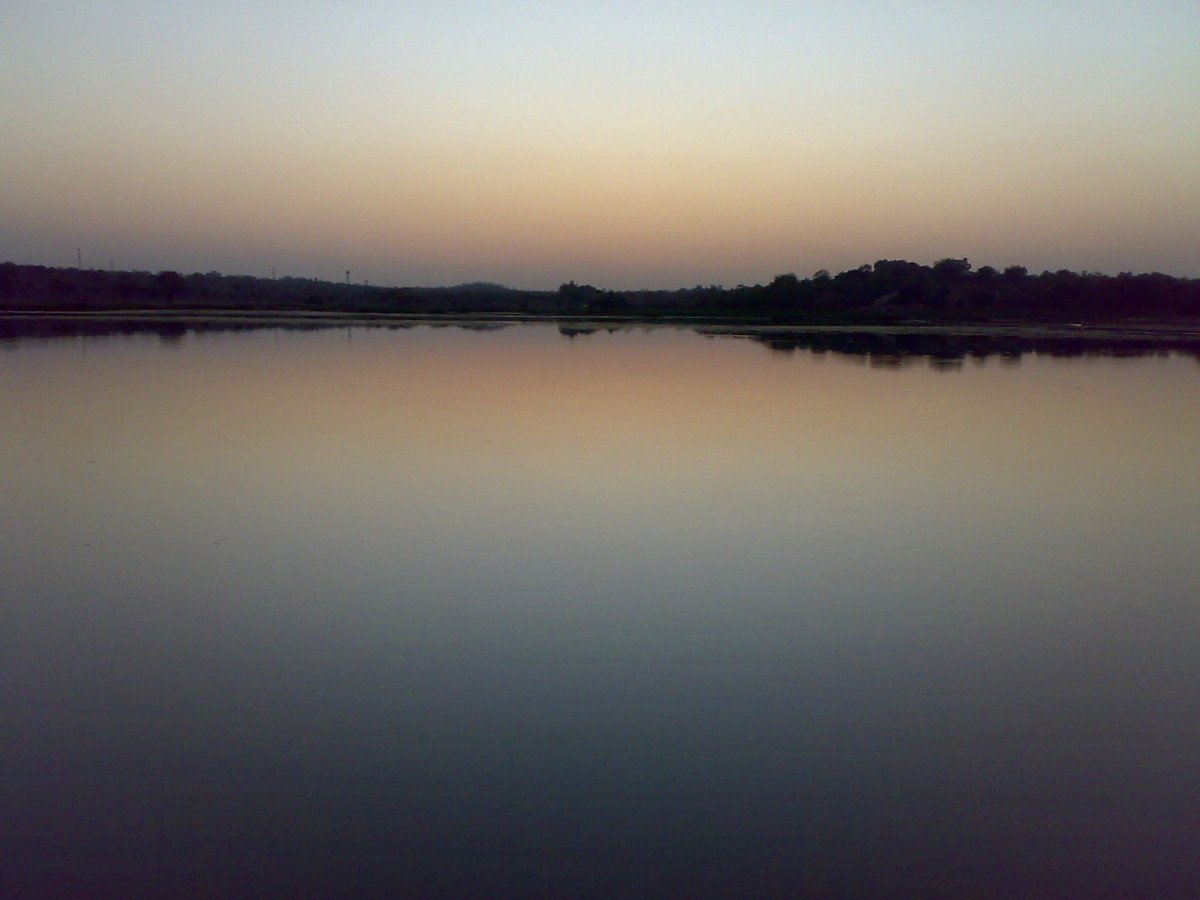
Futala Lake Sunset: The reflection of the setting sun in the water along with the colorful fountains creates a vibrant and scenic frame. It is the best place to capture the city's evening vibe.Photo Gallery
Things To Do
 The Raman Science Center is a premier scientific institution in Nagpur, dedicated to promoting a scientific temper and providing an engaging environment for learning about science and technology, particularly for students and children. Established in 1992 and named after the Nobel laureate Sir C. V. Raman, the center is run by the National Council of Science Museums (NCSM). It features multiple interactive galleries on various subjects, ensuring a hands-on learning experience that encourages visitors to explore, experiment, and question scientific principles. Key attractions include the main Science Center building with its diverse exhibits, a well-equipped Planetarium for celestial shows, a state-of-the-art 3D Science Film Show facility, and an extensive outdoor Science Park. The exhibits cover topics from physics and chemistry to space and pre-historic life, making complex concepts accessible and fun. The adjoining Science Park is particularly popular, featuring working outdoor models and a Pre-historic Animal Park with life-size models of extinct animals like the mammoth and triceratops. The center regularly organizes educational activities, workshops, science lectures, and film shows, ensuring a dynamic and ever-evolving learning environment. Its location near the picturesque Gandhi Sagar Lake adds to its appeal, making it a great destination for a full day of educational entertainment and exploration. The center serves as a significant educational resource for the entire Vidarbha region.
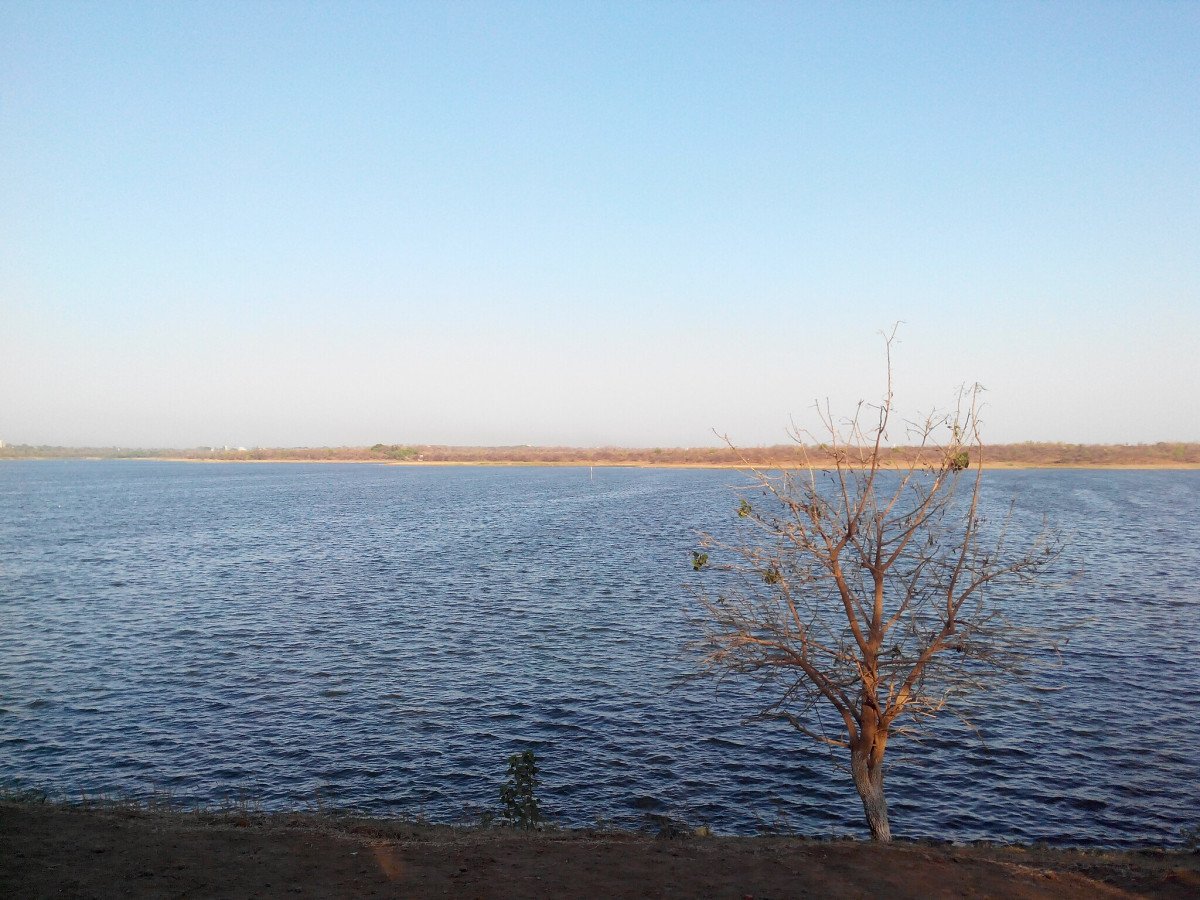
 @@Historical Significance and Origin: Ambazari Lake is the largest of the 11 lakes in Nagpur, with its history tracing back to 1870 during the rule of the Bhonsle dynasty. It was initially constructed to serve as a vital source of water supply for government officials and prominent citizens of Nagpur through a network of clay pipes. The name Ambazari itself is derived from the Marathi word 'Amba' meaning mango, as the area was once surrounded by abundant mango trees. The garden adjacent to the lake, known as Ambazari Garden, was established in 1958, transforming the functional reservoir into a major recreational and ecological hub. It is also the point of origin for the Nag River, which lends its name to the city of Nagpur. The entire area is now managed and maintained by the Nagpur Municipal Corporation (NMC). Despite evolving from its original purpose as a drinking water source due to pollution over the years, the lake and garden continue to serve as a peaceful retreat and a significant green lung for the city. Its tranquil waters and lush landscape provide a welcome break from the urban bustle. The total area of the lake is considerable, contributing significantly to the city's overall ecosystem and biodiversity. The surrounding area has developed into a residential and educational hub, with institutions like VNIT located nearby, making it easily accessible.
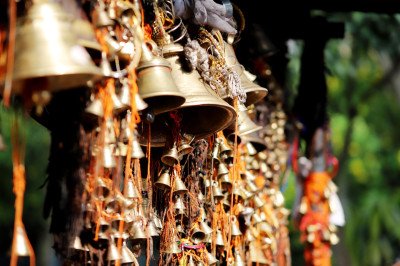 The Shree Mahalaxmi Koradi Devi Temple is one of the most revered spiritual sites in the Vidarbha region, dedicated to Goddess Mahalaxmi (also known as Jagdamba). Located on the banks of the scenic Koradi Lake, this temple is considered one of the Shaktipeeths of the area, drawing millions of devotees throughout the year. The temple has a deep-rooted history, with legends suggesting its existence since the Yadava dynasty, and it has recently undergone massive renovations to become a modern architectural marvel. The shrine is famous for its vibrant energy, especially during the Navratri festival, when the entire complex is illuminated with thousands of lamps. Beyond its religious importance, the temple complex offers a serene environment for families, featuring a beautiful lake and a newly developed museum. The temple trust also manages a community kitchen that provides affordable meals to pilgrims, embodying the spirit of service. The deity here is believed to be very powerful, and many locals visit every Tuesday and Friday to seek her blessings. The surrounding area has developed significantly, now offering various amenities for tourists, including parks and local markets. A visit to Koradi provides a perfect mix of ancient faith and modern comfort, making it a cornerstone of Nagpur's cultural identity.:
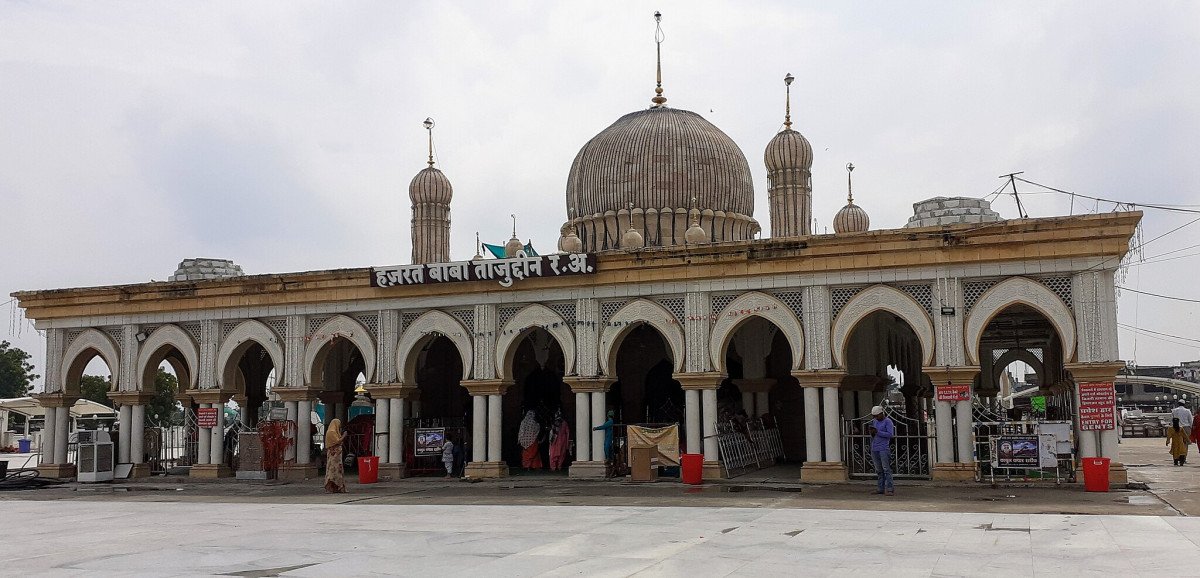
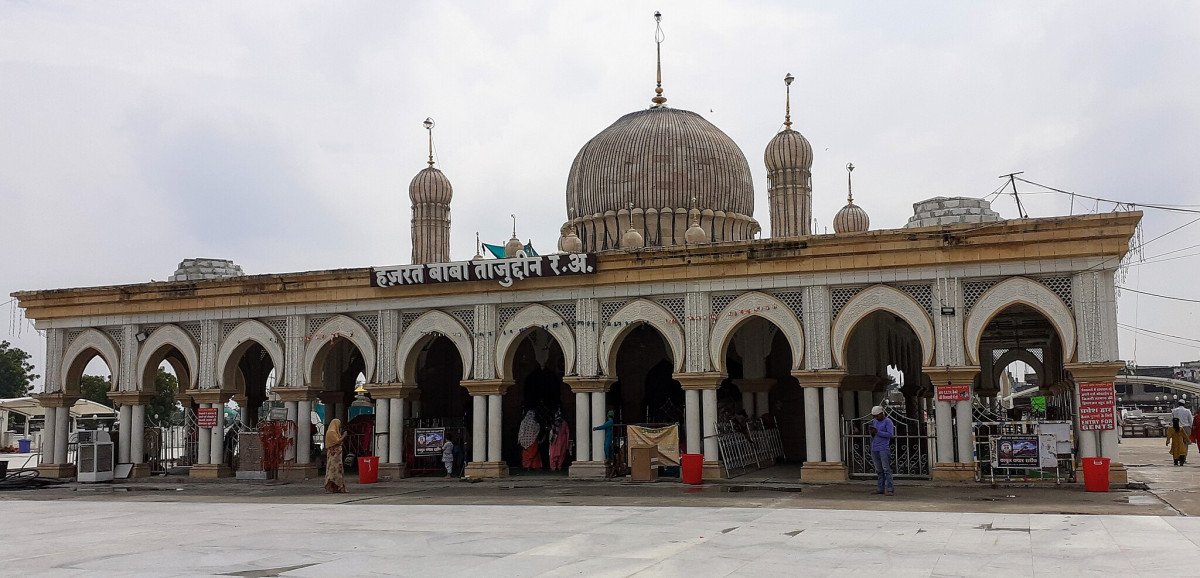
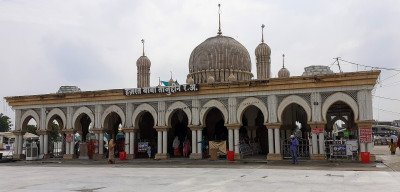 The Taj Bagh Main Gate leads to the complex of the revered Hazrat Baba Tajuddin Auliya Dargah, a significant Sufi shrine and a major pilgrimage center in Central India. Hazrat Baba Tajuddin Auliya (1861-1925) was a highly respected Muslim Sufi master and saint who resided in Nagpur and whose teachings attracted followers from all faiths—Hindu, Muslim, Sikh, and Christian—emphasizing universal love, peace, and tolerance. The Dargah (tomb/shrine) complex is a place of profound serenity and spiritual power. The Main Gate is an impressive, relatively modern structure that sets the tone for the complex. The Dargah itself is a beautiful structure, usually maintained with pristine white marble and crowned with a green dome, symbolizing peace. While the main gate is the entrance, the focus is the shrine, which draws millions of devotees, especially during the annual Urs (death anniversary celebration). The premises are beautifully maintained and offer a large, welcoming space for prayer, reflection, and community gathering. The atmosphere is notable for its tranquility and the absence of aggressive solicitation, allowing for a genuinely peaceful spiritual experience. The site is a powerful symbol of communal harmony and a testament to the enduring legacy of Sufi humanism in India.
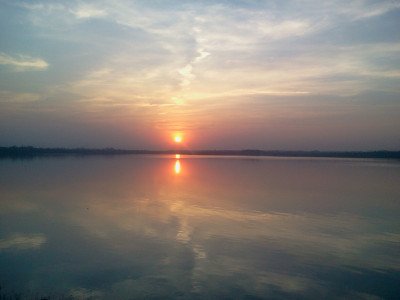 @@A Historical Chronicle of Gandhi Sagar Lake: Gandhi Sagar Lake, popularly known as Shukrawari Talao (Friday Lake) or historically as Jumma Talab, is the oldest and most centrally located lake in Nagpur. It was constructed over 275 years ago by the then-ruler, Chand Sultan Shah, primarily to serve as a vital water source for the emerging city. Its original name, Jumma Talab, or Shukrawari Talao, is attributed to the presence of a Friday market nearby. The lake has witnessed the entire history of Nagpur, from the rule of the Gond kings to the Bhonsle Dynasty and the British Colonial era. The present name, Gandhi Sagar, was adopted much later, honoring Mahatma Gandhi. The lake is a rectangular, walled reservoir featuring stone ghats (steps) around its perimeter, reflecting its utilitarian origin. A prominent feature is the small, picturesque island situated in the center, which houses an ancient Shiva Temple and a landscaped garden. The lake looks particularly beautiful in the evening when illuminated by yellow mercury lights. Despite being surrounded by the dense commercial and residential areas of the old city, it remains a tranquil spot. Recent efforts under urban development schemes have focused on the lake's conservation and beautification, including the introduction of a floating garden. It offers a strong historical contrast to modern Nagpur, serving as a testament to the early urban planning of the city and its enduring connection to its water sources. The area around the lake is a bustling hub of commerce, making the lake a peaceful oasis in the midst of city life. The combination of historical architecture, a spiritual island, and a central location makes it a unique heritage spot.:
@@Wildlife Sanctuary: The Umred Pauni Karhandla Wildlife Sanctuary is a rising star in India’s tiger conservation landscape, spanning over 189 square kilometers. It acts as a vital corridor connecting major tiger reserves like Tadoba, Pench, and Nagzira, allowing for the healthy migration of big cats. The sanctuary is famous for its high density of tigers and leopards, making sightings relatively frequent compared to larger parks. The landscape is a mix of Southern Tropical Dry Deciduous forests and vast meadows, providing an ideal habitat for the Royal Bengal Tiger. The Wainganga River flows nearby, and the Gosekhurd Dam adds to the water availability, attracting a diverse range of birds and herbivores. It was the home of the legendary tiger Jai, who brought international fame to this park. Visitors can explore the wild through organized jeep safaris that take them deep into the core and buffer zones. Beyond tigers, one can spot Gaur (Indian Bison), Sloth Bears, Wild Dogs, and over 90 species of birds. The sanctuary provides a more intimate and less crowded wildlife experience than the more famous national parks, making it a favorite for serious photographers and nature enthusiasts seeking peace.
@@The Historic Dual Role of Maharajbagh Zoo: Maharajbagh Zoo is a historic and centrally located zoological park and botanical garden in Nagpur. Its history dates back to the 19th century during the reign of the Bhonsle rulers, who originally established the area as a pleasure garden or bagh for royal recreation, complete with fountains and exotic plants. Over time, it evolved into a formal botanical garden and eventually into a functioning zoological park. The zoo section houses a variety of mammals, reptiles, and bird species, focusing on regional fauna, and serves as an important center for wildlife education and conservation. The botanical section, known as the Maharajbagh Garden, is a lush green space containing a diverse collection of trees and plants, some of which are rare or exotic. This dual function—part zoo, part garden—makes it a popular destination for families, students, and nature lovers. Its central location, right next to the Nagpur University campus, makes it highly accessible. Despite its smaller size compared to modern national zoos, its historical significance and green cover offer a vital, natural lung for the busy downtown area. The park remains a beloved heritage spot, connecting the city's past with modern-day conservation and recreation.:Show All
@@A Historical Chronicle of Gandhi Sagar Lake: Gandhi Sagar Lake, popularly known as Shukrawari Talao (Friday Lake) or historically as Jumma Talab, is the oldest and most centrally located lake in Nagpur. It was constructed over 275 years ago by the then-ruler, Chand Sultan Shah, primarily to serve as a vital water source for the emerging city. Its original name, Jumma Talab, or Shukrawari Talao, is attributed to the presence of a Friday market nearby. The lake has witnessed the entire history of Nagpur, from the rule of the Gond kings to the Bhonsle Dynasty and the British Colonial era. The present name, Gandhi Sagar, was adopted much later, honoring Mahatma Gandhi. The lake is a rectangular, walled reservoir featuring stone ghats (steps) around its perimeter, reflecting its utilitarian origin. A prominent feature is the small, picturesque island situated in the center, which houses an ancient Shiva Temple and a landscaped garden. The lake looks particularly beautiful in the evening when illuminated by yellow mercury lights. Despite being surrounded by the dense commercial and residential areas of the old city, it remains a tranquil spot. Recent efforts under urban development schemes have focused on the lake's conservation and beautification, including the introduction of a floating garden. It offers a strong historical contrast to modern Nagpur, serving as a testament to the early urban planning of the city and its enduring connection to its water sources. The area around the lake is a bustling hub of commerce, making the lake a peaceful oasis in the midst of city life. The combination of historical architecture, a spiritual island, and a central location makes it a unique heritage spot.:
@@Wildlife Sanctuary: The Umred Pauni Karhandla Wildlife Sanctuary is a rising star in India’s tiger conservation landscape, spanning over 189 square kilometers. It acts as a vital corridor connecting major tiger reserves like Tadoba, Pench, and Nagzira, allowing for the healthy migration of big cats. The sanctuary is famous for its high density of tigers and leopards, making sightings relatively frequent compared to larger parks. The landscape is a mix of Southern Tropical Dry Deciduous forests and vast meadows, providing an ideal habitat for the Royal Bengal Tiger. The Wainganga River flows nearby, and the Gosekhurd Dam adds to the water availability, attracting a diverse range of birds and herbivores. It was the home of the legendary tiger Jai, who brought international fame to this park. Visitors can explore the wild through organized jeep safaris that take them deep into the core and buffer zones. Beyond tigers, one can spot Gaur (Indian Bison), Sloth Bears, Wild Dogs, and over 90 species of birds. The sanctuary provides a more intimate and less crowded wildlife experience than the more famous national parks, making it a favorite for serious photographers and nature enthusiasts seeking peace.
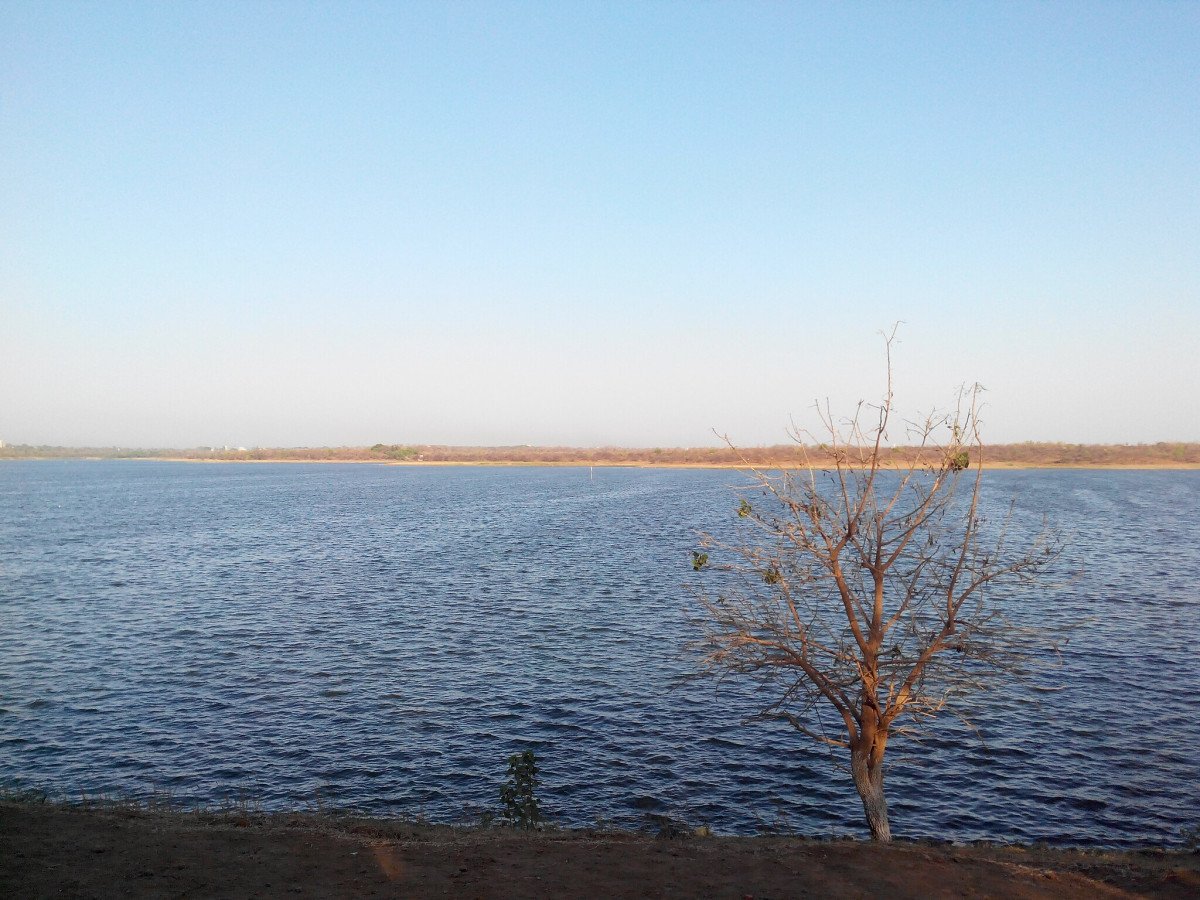
@@The Historic Dual Role of Maharajbagh Zoo: Maharajbagh Zoo is a historic and centrally located zoological park and botanical garden in Nagpur. Its history dates back to the 19th century during the reign of the Bhonsle rulers, who originally established the area as a pleasure garden or bagh for royal recreation, complete with fountains and exotic plants. Over time, it evolved into a formal botanical garden and eventually into a functioning zoological park. The zoo section houses a variety of mammals, reptiles, and bird species, focusing on regional fauna, and serves as an important center for wildlife education and conservation. The botanical section, known as the Maharajbagh Garden, is a lush green space containing a diverse collection of trees and plants, some of which are rare or exotic. This dual function—part zoo, part garden—makes it a popular destination for families, students, and nature lovers. Its central location, right next to the Nagpur University campus, makes it highly accessible. Despite its smaller size compared to modern national zoos, its historical significance and green cover offer a vital, natural lung for the busy downtown area. The park remains a beloved heritage spot, connecting the city's past with modern-day conservation and recreation.:Show All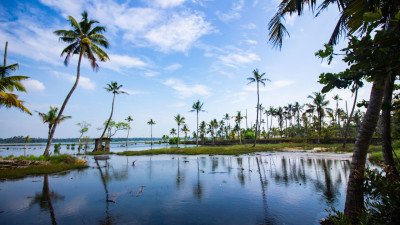 Khekranala Lake & Dam is a picturesque reservoir nestled within the thick foliage of the Khapa forest range, part of the Pench forest division. This destination is a favorite among local trekking enthusiasts and families looking for a tranquil weekend getaway near Nagpur. The dam is built on a small stream, creating a beautiful blue lake that serves as the primary attraction for visitors. Surrounded by hills and dense forests, the area offers a refreshing escape from the concrete jungle, with the air smelling of fresh earth and teak trees. The Maharashtra Tourism Development Corporation (MTDC) maintains a guest house here, providing basic but comfortable accommodation for those who wish to stay overnight and experience the wilderness. The lake is particularly famous for its scenic beauty during the rainy season when the surrounding mountains turn a vibrant shade of green. It is a haven for bird watchers, as many local and migratory species can be spotted near the water's edge. The silence of the forest is only interrupted by the chirping of birds and the gentle sound of water, making it a perfect spot for meditation and nature photography. Because it is slightly remote, it remains less crowded than other lakes in the city, preserving its pristine and untouched charm for true nature lovers.:
Information
-
Why Famous:
Orange Production: Nagpur is the primary trade center for oranges in India, known for their sweetness and juice content. Large orchards surround the city, and orange-based products are a must-buy for every visitor.
Deekshabhoomi: This sacre...Orange Production: Nagpur is the primary trade center for oranges in India, known for their sweetness and juice content. Large orchards surround the city, and orange-based products are a must-buy for every visitor.
Deekshabhoomi: This sacred monument is the location of the mass conversion to Buddhism led by Dr. Ambedkar in 1956. It attracts millions of devotees every year, especially during Dhamma Chakra Pravartan Din. -
Architecture:
Stupa Architecture: Deekshabhoomi features a massive hollow dome that is the largest in Asia, inspired by the Sanchi Stupa. It is built using white marble and granite, standing as a symbol of peace and equality.
Colonial Structures: The cit...Stupa Architecture: Deekshabhoomi features a massive hollow dome that is the largest in Asia, inspired by the Sanchi Stupa. It is built using white marble and granite, standing as a symbol of peace and equality.
Colonial Structures: The city houses several British-era buildings like the High Court and Sitabuldi Fort, which display classic stone masonry. These structures often feature large arches and high ceilings suitable for the local climate. -
How To Reach:
By Air: Dr. Babasaheb Ambedkar International Airport is well-connected to major Indian cities like Mumbai, Delhi, and Bangalore. It is located about 8 KM from the city center.
By Train: Nagpur Junction is a major railway hub where the Nort...By Air: Dr. Babasaheb Ambedkar International Airport is well-connected to major Indian cities like Mumbai, Delhi, and Bangalore. It is located about 8 KM from the city center.
By Train: Nagpur Junction is a major railway hub where the North-South and East-West tracks intersect. Almost all major trains passing through central India stop at this station.
By Road: The city is connected via NH44 and NH53, making it accessible from neighboring states. Luxury and state transport buses run frequently to Pune, Mumbai, and Hyderabad.
By Local Transport: The Nagpur Metro is an efficient way to travel across the city. Auto-rickshaws and app-based cabs like Ola and Uber are also widely available for convenient commuting. -
Weather and Best Time to Visit:
Winter Season: From October to February, the weather is at its best for outdoor activities and wildlife tours. The air is crisp, and the surrounding greenery is lush after the monsoon rains.
Summer Season: March to June is extremely hot; h...Winter Season: From October to February, the weather is at its best for outdoor activities and wildlife tours. The air is crisp, and the surrounding greenery is lush after the monsoon rains.
Summer Season: March to June is extremely hot; however, this is often the best time for tiger sightings as animals come to waterholes. Carry heavy sun protection if you choose to visit now. -
Near Tourist Places:
Nearby Places: 1. Pench National Park (95 KM), 2. Tadoba Tiger Reserve (140 KM), 3. Ramtek Temple (50 KM), 4. Sevagram Ashram (75 KM), 5. Khekranala (60 KM), 6. Nagzira Sanctuary (120 KM), 7. Amba Khori (80 KM), 8. Khindsi Lake (55 KM), 9. Adasa Ganpati (40 KM), 10. Pavnar Ashram (80 KM).
Tourism Tips
-
Health and Safety: Drink plenty of fluids to avoid dehydration due to the dry heat and carry mosquito repellent for forest visits. Stick to bottled water and reputed eateries to avoid stomach issues.
Accommodation: Nagpur offers a wide rang...Health and Safety: Drink plenty of fluids to avoid dehydration due to the dry heat and carry mosquito repellent for forest visits. Stick to bottled water and reputed eateries to avoid stomach issues.
Accommodation: Nagpur offers a wide range of stay options, from luxury hotels near the airport to budget-oriented lodges in the city center. Forest resorts near Pench provide an immersive nature experience.
Reviews
FAQs
Nagpur Itineray And Cost:-
Other Places In Maharashtra :-
Other States In India :-
Information about New and Updated Locations() of Maharashtra Has Been Added :-
Card subtitle
Note:-
Information provided here in good Faith and for reference only.
Near Places
Alibaug
Some quick example text to build on the card title and make up the bulk of the card's content.
Go somewhere
Amravati
Some quick example text to build on the card title and make up the bulk of the card's content.
Go somewhere
Aurangabad
Some quick example text to build on the card title and make up the bulk of the card's content.
Go somewhere
Bhandardara
Some quick example text to build on the card title and make up the bulk of the card's content.
Go somewhere
Diveagar
Some quick example text to build on the card title and make up the bulk of the card's content.
Go somewhere
Ganpatipule
Some quick example text to build on the card title and make up the bulk of the card's content.
Go somewhere
Karjat
Some quick example text to build on the card title and make up the bulk of the card's content.
Go somewhere
Khandala
Some quick example text to build on the card title and make up the bulk of the card's content.
Go somewhere
Kolad
Some quick example text to build on the card title and make up the bulk of the card's content.
Go somewhere
Kolhapur
Some quick example text to build on the card title and make up the bulk of the card's content.
Go somewhere
Lavasa
Some quick example text to build on the card title and make up the bulk of the card's content.
Go somewhere
Lonavala
Some quick example text to build on the card title and make up the bulk of the card's content.
Go somewhere
Mahabaleshwar
Some quick example text to build on the card title and make up the bulk of the card's content.
Go somewhere
Matheran
Some quick example text to build on the card title and make up the bulk of the card's content.
Go somewhere
Mumbai
Some quick example text to build on the card title and make up the bulk of the card's content.
Go somewhere
Nagpur
Some quick example text to build on the card title and make up the bulk of the card's content.
Go somewherein Other Cities